
Introduction
High humidity garbage creates major challenges for waste sorting plants. Due to high moisture content, wet waste streams often become heavier, more adhesive, and more difficult to separate, reducing the efficiency of conventional bag opening systems and increasing the risks of material blockage, unplanned downtime, and higher maintenance requirements.
Selecting the best bag breaker for wet garbage requires more than considering processing capacity alone. Waste composition, moisture level, material characteristics, shaft design, and downstream sorting requirements all influence equipment performance. This guide covers how waste bag breakers for wet waste work, the key features required for high humidity applications, and how to choose the right bag opening solution for municipal solid waste recycling systems.If you want to learn about “MSW Recycling Plant Cost in the U.S. in 2026: A Complete Guide,” please click on the article.
Why High Humidity Garbage Requires a Special Bag Breaker?
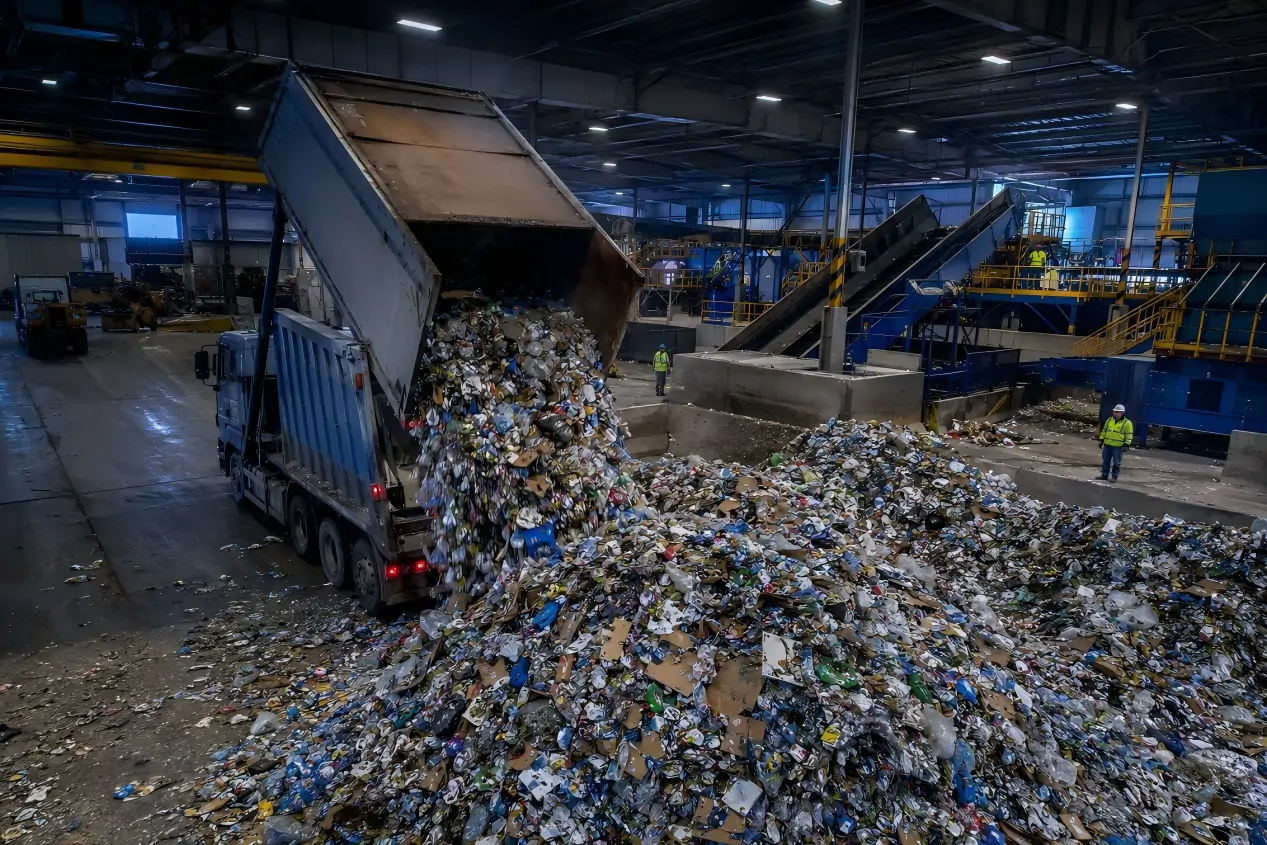
High humidity garbage creates significant challenges for waste sorting systems due to its high moisture content, sticky materials, and complex waste composition. Wet waste is more likely to cause material blockage, shaft wrapping, and unstable feeding when processed by conventional bag openers.
A specially designed High-moisture waste Bag Opener provides stronger opening performance and more stable operation, helping release materials effectively and improve the efficiency of downstream sorting processes.
High Moisture Content Causes Material Adhesion and Blockage
Wet waste often contains food waste, organic materials, wastewater-contaminated waste, and mixed municipal solid waste. The high moisture content makes these materials heavier and stickier, causing them to adhere to shafts, blades, and internal surfaces during the bag opening process.
This can lead to material buildup, unstable feeding, and frequent cleaning. A suitable Waste Bag Breaker for Wet Waste requires sufficient torque and an anti-clogging design to handle sticky materials, maintain continuous operation, and ensure better performance of downstream sorting equipment.
Wet Waste Reduces Bag Opening Efficiency
Compared with dry waste, High-moisture waste bags usually contain heavier and more compacted materials, making them harder to open during processing. Conventional bag openers may lack sufficient torque and tearing force to handle these conditions, resulting in incomplete bag opening and uneven material release.
Poor bag opening efficiency can reduce the performance of downstream equipment such as trommel screens, air separators, and sorting systems. For wet waste applications, a properly selected bag breaker should provide consistent opening performance and reliable material discharge to support stable recycling operations.
Flexible Materials Increase Wrapping and Maintenance Risks
Wet waste streams often contain plastic bags, packaging films, textiles, and other flexible materials. When mixed with wet organic waste, these materials can easily wrap around rotating shafts or other moving components, increasing operating resistance and causing unstable feeding or unexpected downtime.
A suitable High Humidity Garbage Bag Opener should incorporate a shaft design and operating structure that reduces material entanglement while maintaining stable torque transmission. This helps decrease manual cleaning requirements, improve equipment availability, and ensure more reliable operation in continuous waste sorting systems.
Standard Municipal Solid Waste Bag Openers Have Limited Adaptability
A standard Municipal Solid Waste Bag Opener is generally designed for mixed household waste under relatively stable operating conditions. However, when processing wet waste with heavy, sticky, and irregular materials, conventional configurations may have limitations in torque capacity, material handling, and resistance to continuous loading.
Using equipment that is not suitable for wet waste applications can result in unstable feeding, incomplete bag opening, and more frequent downtime. For this reason, bag breaker selection should consider factors such as waste moisture content, material composition, and required processing capacity to ensure reliable operation in wet waste recycling systems.
What Is the Best Bag Breaker for Wet Garbage?
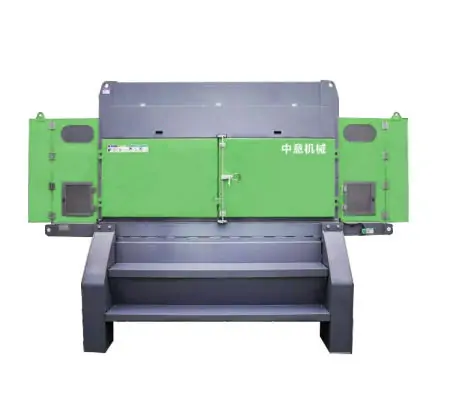
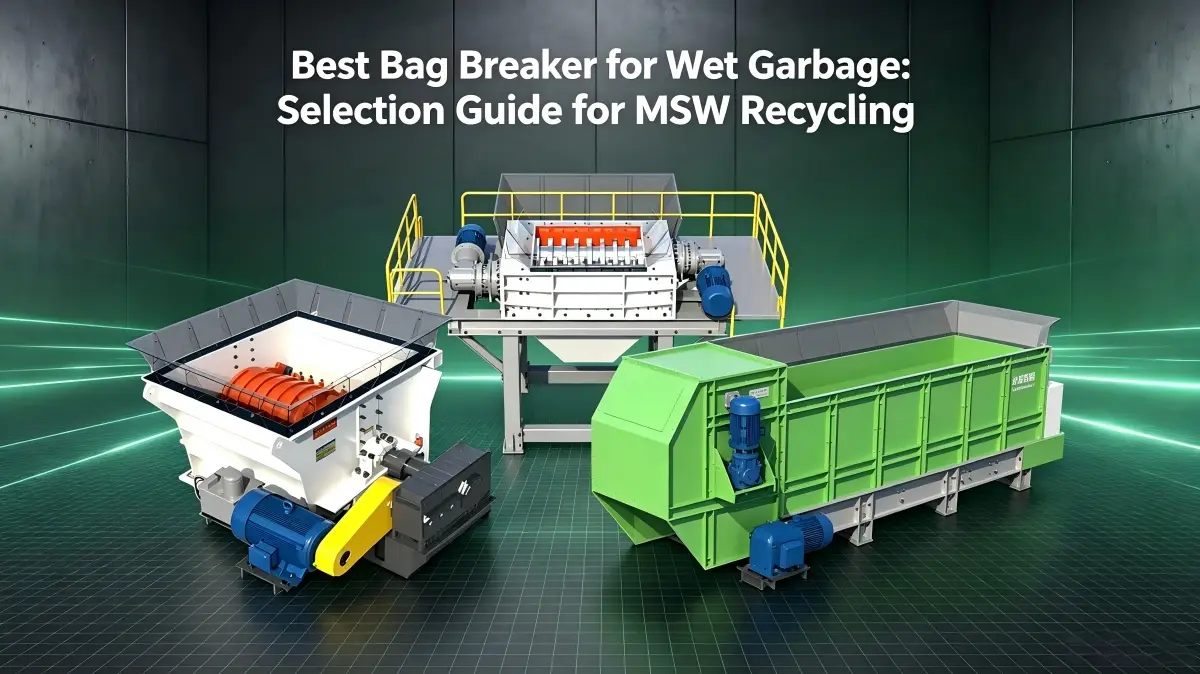
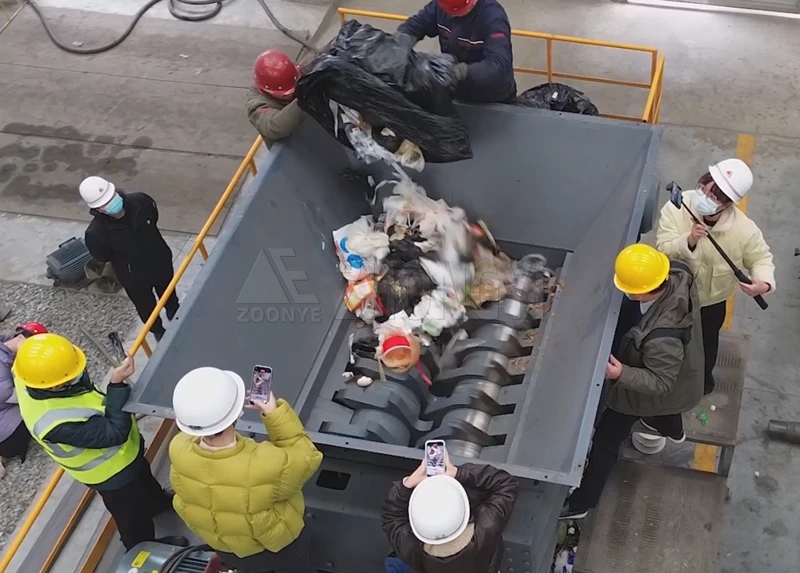
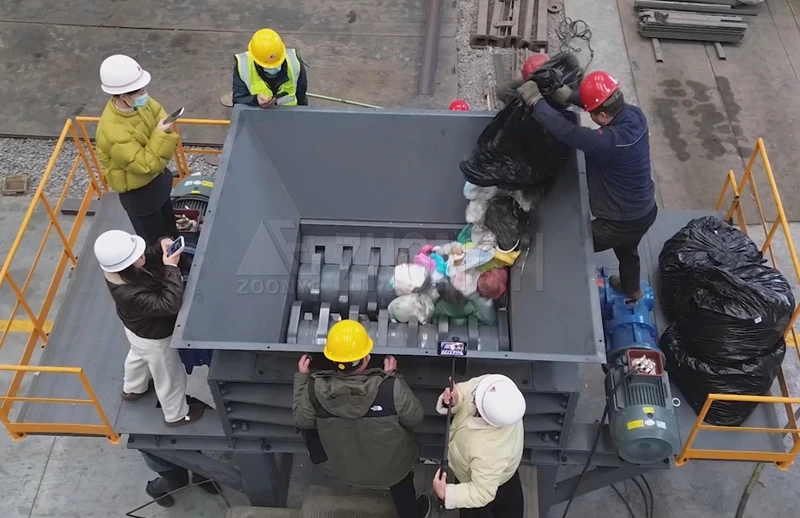
The best bag breaker for wet garbage is generally a heavy-duty double shaft bag breaker with anti-wrapping design. Compared with conventional bag openers, it provides higher torque and stronger tearing force, making it better suited for handling sticky, compacted, and moisture-rich waste materials commonly found in kitchen waste, food waste, and high humidity municipal solid waste streams.
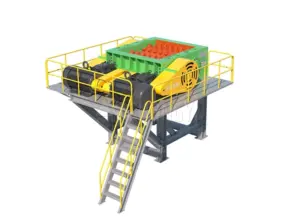
The double shaft structure uses two counter-rotating shafts to open waste bags more effectively while reducing material wrapping and blockage risks. This makes it a reliable solution for wet waste recycling systems where stable feeding, continuous operation, and efficient material release are essential.
Features of a Waste Bag Breaker for Wet Waste
A Waste Bag Breaker for Wet Waste requires a more robust design than standard bag opening equipment. High moisture content, sticky materials, and complex waste compositions can increase operating loads and create challenges such as material wrapping, blockage, and unstable feeding.
To achieve reliable performance in wet waste recycling applications, bag breakers should be designed with sufficient drive power, durable shaft structures, wear-resistant components, and convenient maintenance features.
High Torque Drive System
Wet garbage is typically heavier and more compacted than dry waste, creating higher resistance during the bag opening process. A high torque drive system provides the required tearing force to open sealed bags and release the materials inside, even when handling dense and sticky waste streams.
Compared with standard models, heavy-duty bag breakers with high torque capability can better withstand variable moisture levels and uneven feeding conditions. This helps reduce overload risks, maintain stable operation, and ensure consistent material discharge in municipal solid waste recycling systems.
Anti-Wrapping Shaft and Blade Design
Wet waste streams often contain plastic bags, packaging films, textiles, and other flexible materials that can wrap around rotating components during processing. Material entanglement increases motor load, affects feeding stability, and may result in additional cleaning requirements or unplanned shutdowns.
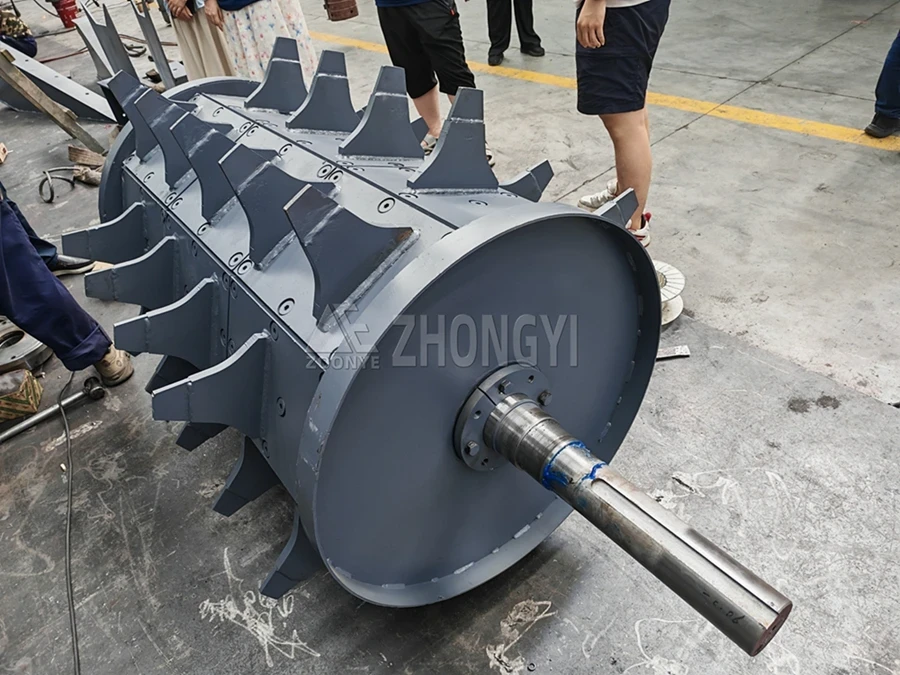
A suitable bag breaker for wet waste uses optimized shaft and blade arrangements, together with anti-wrapping design features, to reduce material entanglement and maintain smooth material flow when handling complex waste mixtures.
Robust Structure for Heavy Wet Materials
High humidity waste places continuous stress on equipment components due to its weight, moisture content, and the presence of abrasive materials such as small metal pieces, glass fragments, or other impurities. A reliable bag breaker for wet waste requires a reinforced frame, durable bearings, and wear-resistant components to withstand long-term operation under demanding conditions.
Heavy-duty structural design improves equipment durability, extends service life, and helps maintain stable performance in continuous waste sorting applications.
Easy Maintenance Design
Wet waste processing can generate more cleaning and maintenance requirements due to sticky materials, plastic film wrapping, and continuous heavy-duty operation. A well-designed bag breaker should provide easy access for inspection, cleaning, and replacement of wear parts to shorten maintenance time.
Features such as accessible service points, replaceable wear components, and simplified maintenance procedures help reduce unplanned downtime, control operating costs, and keep waste recycling lines running efficiently.
Single Shaft vs Double Shaft Bag Breaker for Wet Garbage
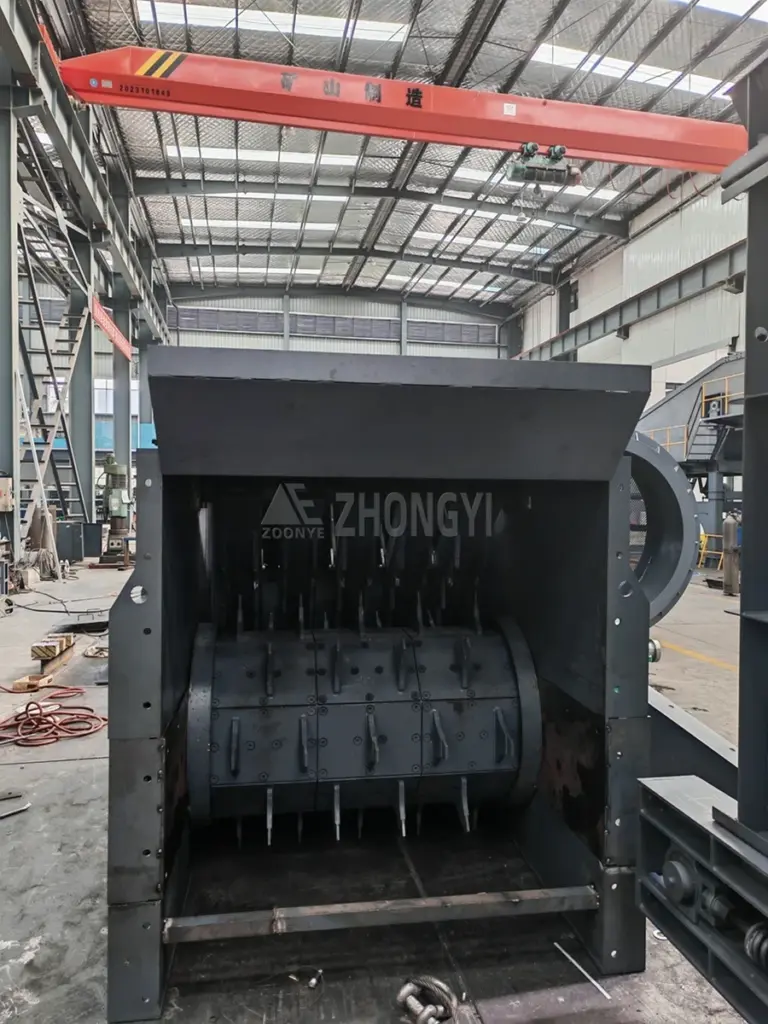
Single shaft and double shaft bag breakers serve the same basic purpose, but their performance differs when handling wet waste conditions. For high humidity garbage, double shaft designs are often preferred because their higher torque, counter-rotating shafts, and stronger tearing capability provide better resistance to material wrapping and blockage.
| Feature | Single Shaft Bag Breaker | Double Shaft Bag Breaker |
| Wet waste suitability | Suitable for low to medium moisture waste | Better for high humidity and sticky waste |
| Material handling | Limited with highly adhesive materials | Stronger tearing ability for complex waste streams |
| Operation stability | More sensitive to wrapping and blockage | Better resistance to wrapping and unstable feeding |
| Typical application | Small or standard MSW sorting lines | Large-scale MSW recycling and wet waste treatment plants |
How to Select a High Humidity Garbage Bag Opener?
Selecting a High Humidity Garbage Bag Opener requires a clear understanding of actual waste conditions and operating requirements. In practical waste sorting projects, equipment selection is not based on capacity alone but also depends on moisture content, material characteristics, waste composition, and the requirements of downstream processing systems.
A properly selected bag breaker should match the specific waste stream to ensure stable feeding, effective bag opening, and reliable long-term operation in demanding wet waste recycling environments.
Analyze Waste Moisture Content
Moisture content directly affects how wet waste behaves during the bag opening process. High moisture materials are heavier, more adhesive, and more likely to cause wrapping, blockage, or uneven feeding.
When selecting a bag opener, consider the actual moisture conditions, seasonal changes, organic content, and material compaction level. For high humidity waste streams with a high proportion of organic materials, a heavy-duty bag breaker with higher torque and anti-wrapping design is better suited for continuous processing.
Evaluate Waste Composition
Waste composition directly affects bag breaker selection. Wet organics, plastic bags, films, and mixed household waste require different levels of opening force and material handling capability. Understanding the incoming waste characteristics helps select equipment with suitable tearing performance and anti-wrapping design, especially for sticky, flexible, and high moisture waste streams.
| Waste Type | Recommended Bag Breaker |
| Dry household waste | Standard bag opener |
| Mixed municipal solid waste | MSW bag opener |
| Wet kitchen waste | Heavy-duty wet waste bag breaker |
| High organic waste | Customized wet waste solution |
Match Processing Capacity
The bag breaker capacity should be matched with the incoming waste volume and the requirements of the complete recycling system. An undersized unit may struggle with fluctuating waste supply, while an oversized machine can increase unnecessary investment costs.
During selection, consider factors such as required throughput (tons per hour), feeding system design, daily operating hours, and the capacity of downstream equipment. For large-scale wet waste recycling plants, selecting a bag breaker with appropriate capacity margin helps maintain stable material flow and reliable production under changing operating conditions.
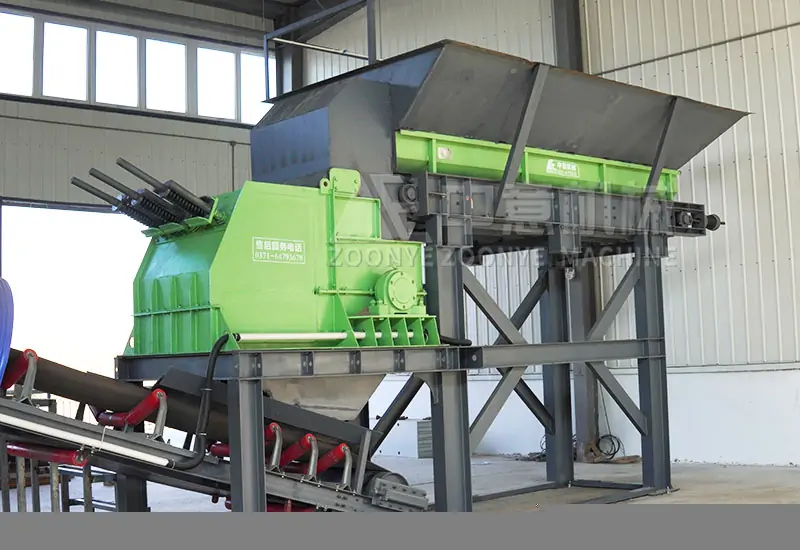
Engineering Considerations for Selecting a Wet Waste Bag Breaker
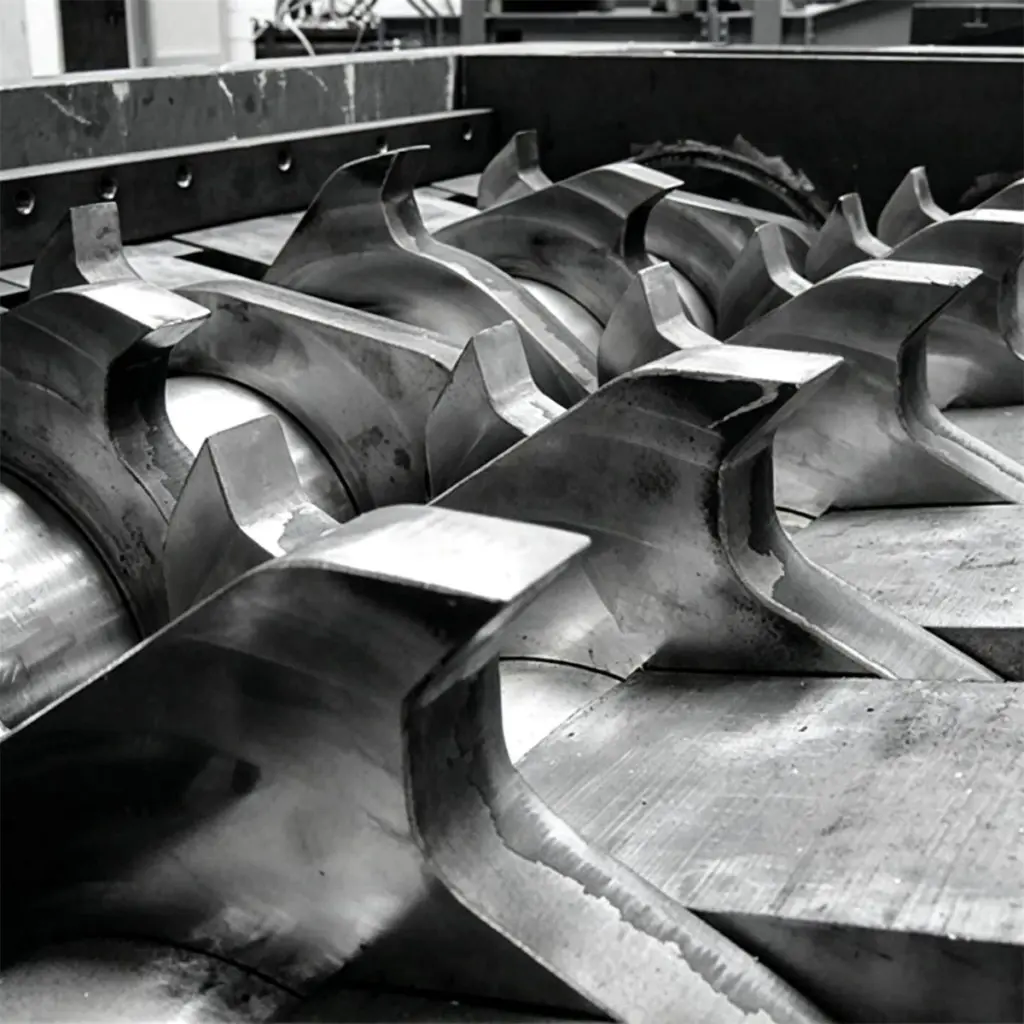
In wet waste recycling applications, bag breaker selection should be based on the requirements of the entire sorting system rather than the machine alone. Engineering evaluation typically focuses on the expected feed characteristics, processing capacity, material flow conditions, and compatibility with downstream equipment. The bag breaker must provide sufficient opening performance while maintaining a stable feed rate for subsequent screening and separation processes.
For long-term operation, factors such as wear resistance, cleaning requirements, accessibility for maintenance, and energy efficiency should also be considered during system design. Proper equipment integration helps reduce material accumulation, avoid unnecessary downtime, and maintain consistent sorting performance under high-moisture waste conditions.
How to Choose Equipment Configuration for Different MSW Capacities
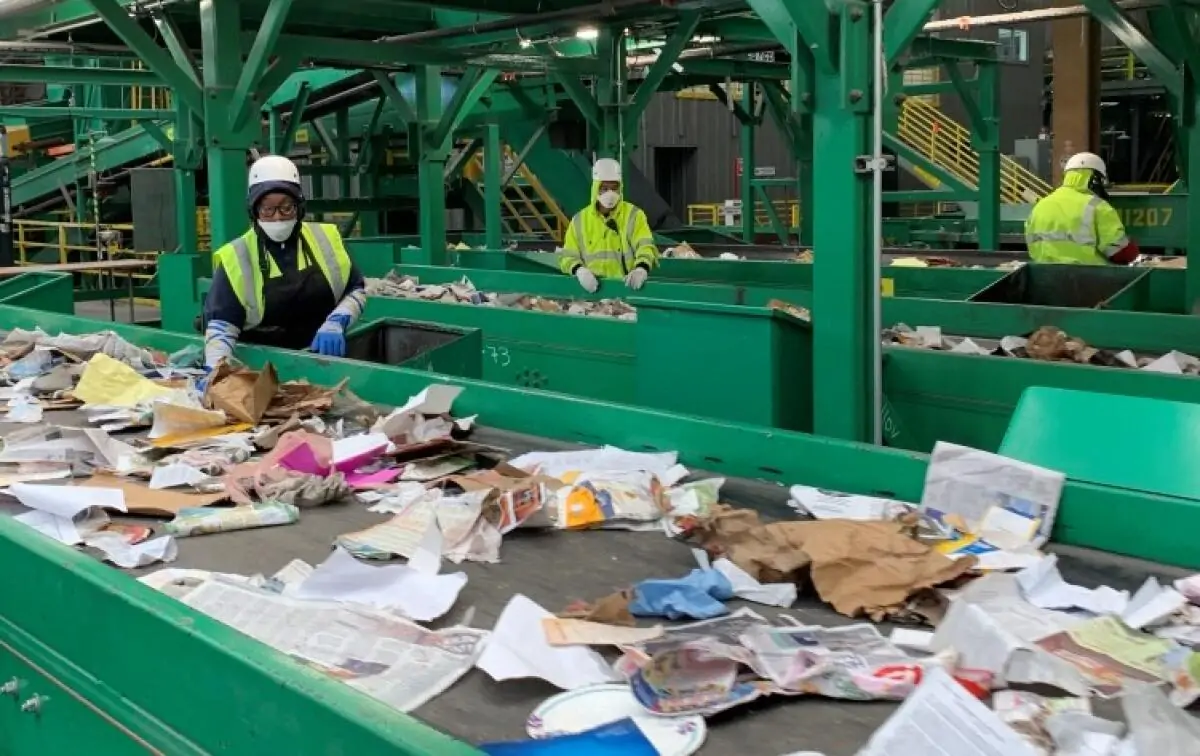
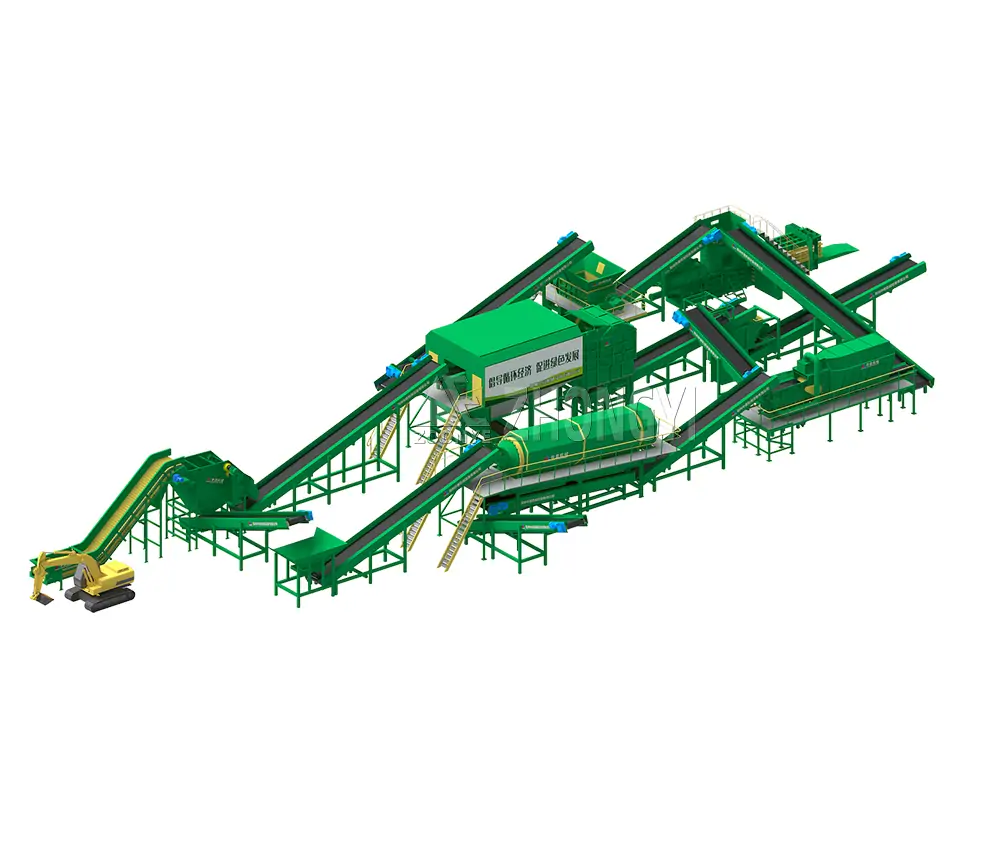
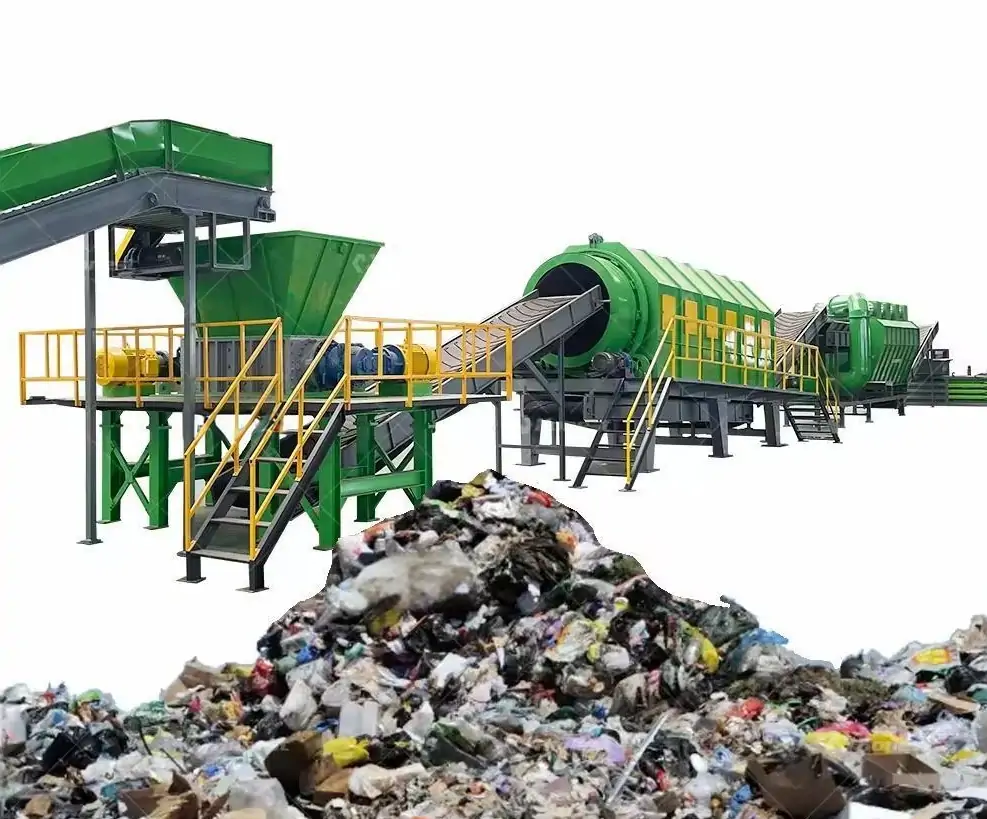
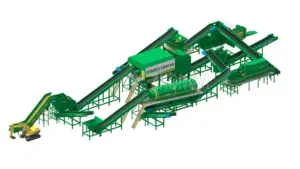
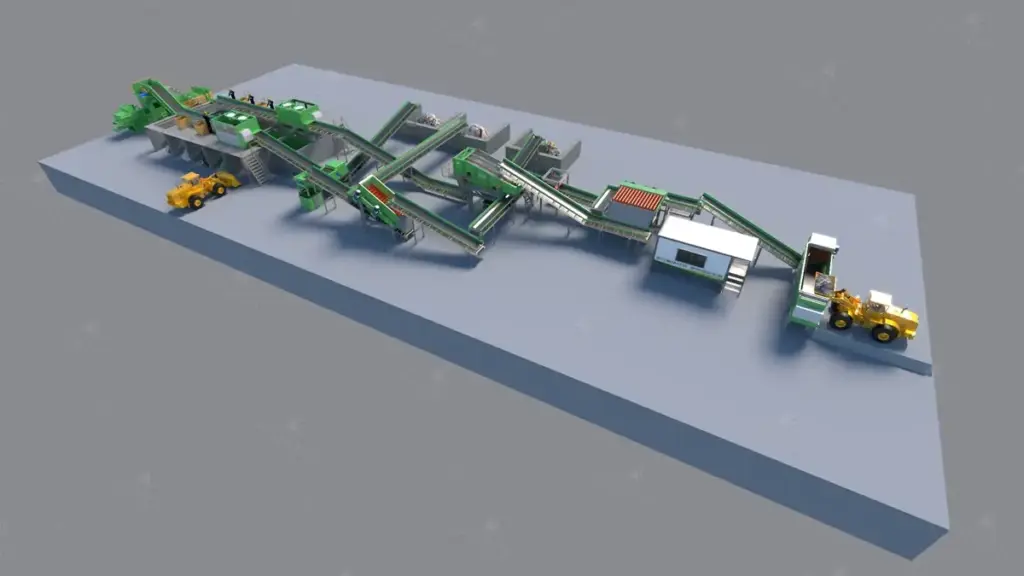
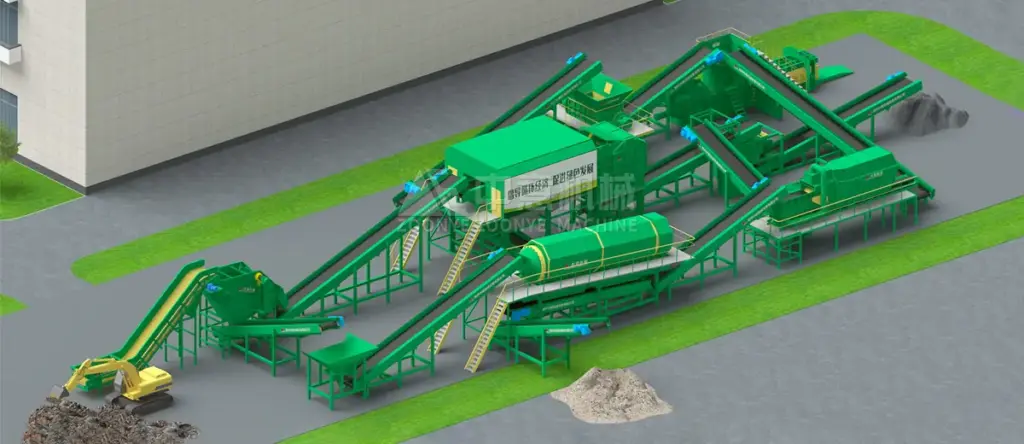
In a wet waste recycling equipment system, the bag breaker is installed as the first mechanical treatment stage to prepare waste materials for downstream processing. It opens sealed bags and separates the contained materials, allowing organic waste, recyclables, and other fractions to enter the sorting line in a loose and more consistent condition. This step is especially important for wet waste streams where materials are often compacted or tightly enclosed in plastic bags.
A properly designed bag breaking process helps maintain stable material flow through subsequent equipment, including trommel screens, magnetic separators, air separators, and optical sorting units. By reducing intact bags entering the sorting process, it minimizes blockages, improves separation efficiency, and supports more reliable operation of the entire wet waste recycling system.
Common Challenges When Processing High Humidity Garbage
Processing high humidity waste presents several operational challenges, including material buildup, reduced bag opening efficiency, and increased equipment wear. Addressing these issues is essential for maintaining stable operation and reliable performance of wet waste recycling equipment systems.
Best Practices for Operating a Municipal Solid Waste Bag Opener
Proper operation and regular maintenance help reduce downtime and maintain consistent bag opening performance.
Conclusion
A wet waste bag breaker is a critical pre-treatment unit in wet waste recycling systems, ensuring that bagged materials are properly opened and prepared for downstream sorting. Reliable bag breaking performance helps reduce blockages, improve separation efficiency, and maintain stable operation when handling high-moisture waste streams. With proper equipment configuration and maintenance practices, recycling plants can achieve more consistent material processing and higher recovery performance.
Need help selecting a wet waste bag breaker for your application? Our technical team can provide equipment recommendations and customized solutions based on your waste characteristics, processing capacity, and recycling system requirements.


Andy Yu
Technical Engineer | Zhongyi ECO
16+
Years Exp.
300+
Solutions
50+
Countries
16 years’ experience in environmental and solid waste management, specializing in C&D recycling and waste sorting solutions. At Zhongyi Mining Machinery, focused on improving global clients’ efficiency through technical expertise and tailored configurations.
FAQ
A wet waste bag breaker is used to open sealed waste bags and loosen compacted materials before sorting. It separates the contents inside the bags, allowing organic waste, plastics, metals, and other materials to enter downstream screening and separation processes more effectively. It is commonly used as a pre-treatment unit in wet waste recycling systems.
A bag breaker improves the condition of incoming waste before it reaches screening and sorting equipment. Intact bags can cause material blockage, uneven feeding, and reduced separation efficiency. By opening and loosening waste bags, the equipment helps create a more consistent material flow and supports better performance of trommel screens, air separators, and other sorting units.
Yes. Wet waste bag breakers are designed for challenging materials with high moisture content and strong adhesion. Features such as high-torque drive systems, optimized shaft structures, and wear-resistant components help process sticky waste while reducing wrapping and blockage risks. The final configuration should be selected according to the specific waste characteristics.
The selection of a bag breaker depends on several factors, including waste composition, moisture level, bag material, required processing capacity, and downstream equipment requirements. A suitable model should provide effective bag opening while maintaining stable material flow throughout the recycling system. Proper matching helps improve efficiency and reduce operating issues.
Single shaft and double shaft bag breakers differ mainly in torque, material handling capability, and application range. Single shaft models are generally suitable for lighter and more uniform waste streams, while double shaft models provide stronger pulling force and are better suited for heavy, compacted, and high-moisture waste applications.
The bag breaker capacity should match the incoming waste volume and the overall design capacity of the recycling line. Oversized feeding can cause overload and unstable operation, while insufficient capacity may create bottlenecks. Engineers usually evaluate hourly throughput, material characteristics, and downstream equipment requirements when selecting the appropriate model.
Routine maintenance includes checking blades, shafts, bearings, and lubrication systems, as well as removing residual materials after operation. For wet waste applications, regular cleaning and inspection are especially important to prevent corrosion, excessive wear, and unexpected downtime. Timely replacement of worn components helps maintain stable equipment performance.
Yes. A bag breaker is typically installed as an upstream unit in complete MSW recycling systems. After bag opening, materials can be transferred to screening, magnetic separation, air separation, optical sorting, and other processes. Proper integration helps maintain stable feeding conditions and improves the overall efficiency of the recycling line.