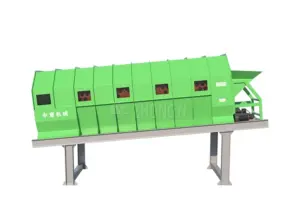
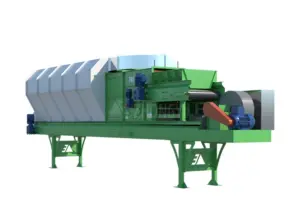

Introduction
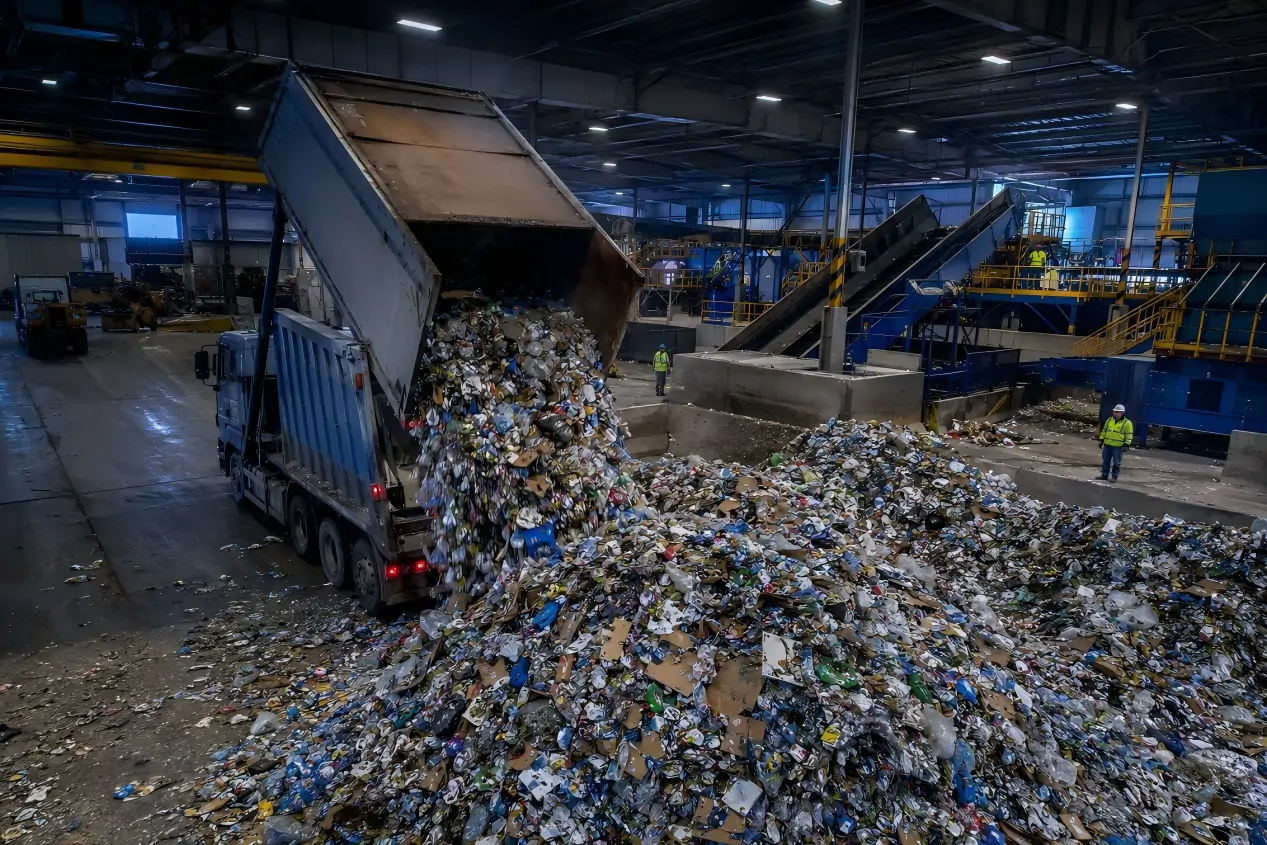
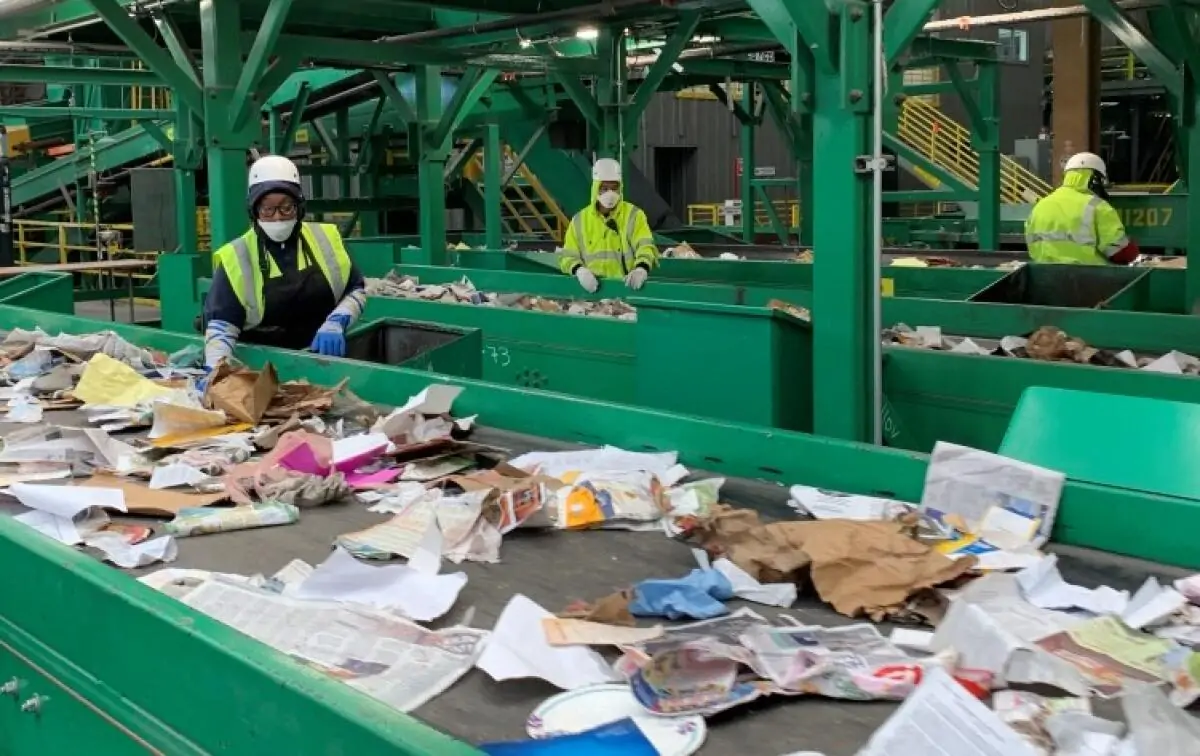
Waste bag openers operate under demanding conditions in MSW recycling plants, where they handle mixed municipal waste, high-moisture materials, plastics, organic waste, and compressed garbage bags. Continuous operation under variable material conditions can accelerate wear on opening components, bearings, and drive systems, affecting performance and increasing downtime risks.
A structured Waste Bag Opener Machine Maintenance plan helps operators detect potential issues early, reduce unexpected failures, and maintain reliable operation of recycling lines. This Durable Bag Opener Maintenance Guide provides practical maintenance methods, inspection points, and preventive measures to extend equipment service life and improve long-term operating efficiency.
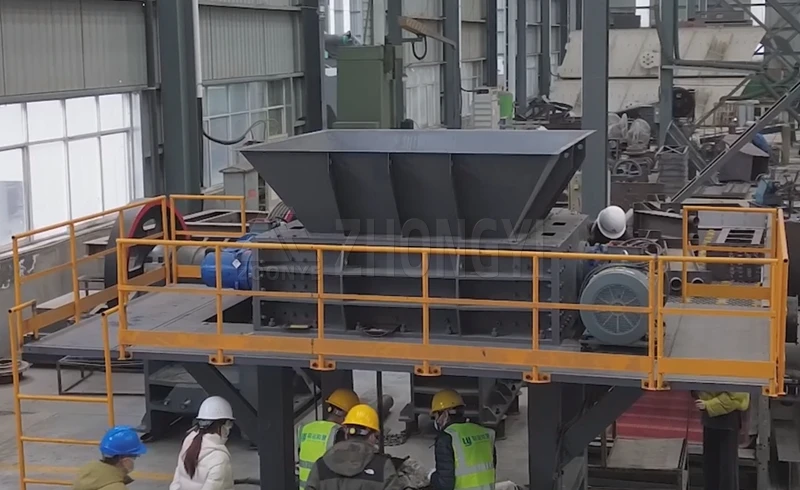
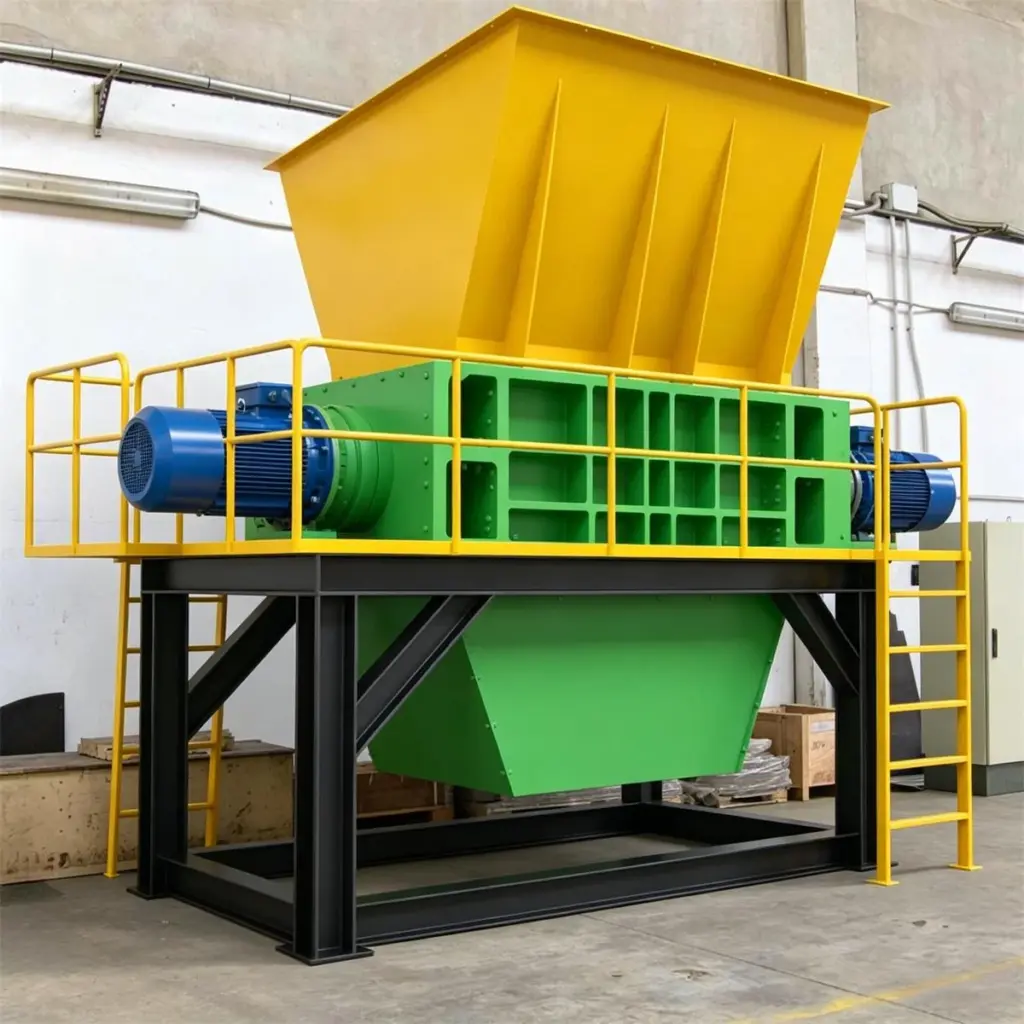
Why Regular Maintenance Is Essential for Waste Bag Opener Machines
In recycling operations, maintenance plays an important role in keeping waste bag openers performing consistently over time. Regular checks help identify early signs of wear, loose components, lubrication issues, and material buildup before they affect production.
A proper Waste Bag Opener Machine Maintenance plan helps reduce unexpected downtime, maintain bag opening efficiency, and protect key components from premature wear. By following scheduled inspections and preventive measures, recycling facilities can improve equipment availability and control long-term operating costs.
Reduce Unexpected Downtime
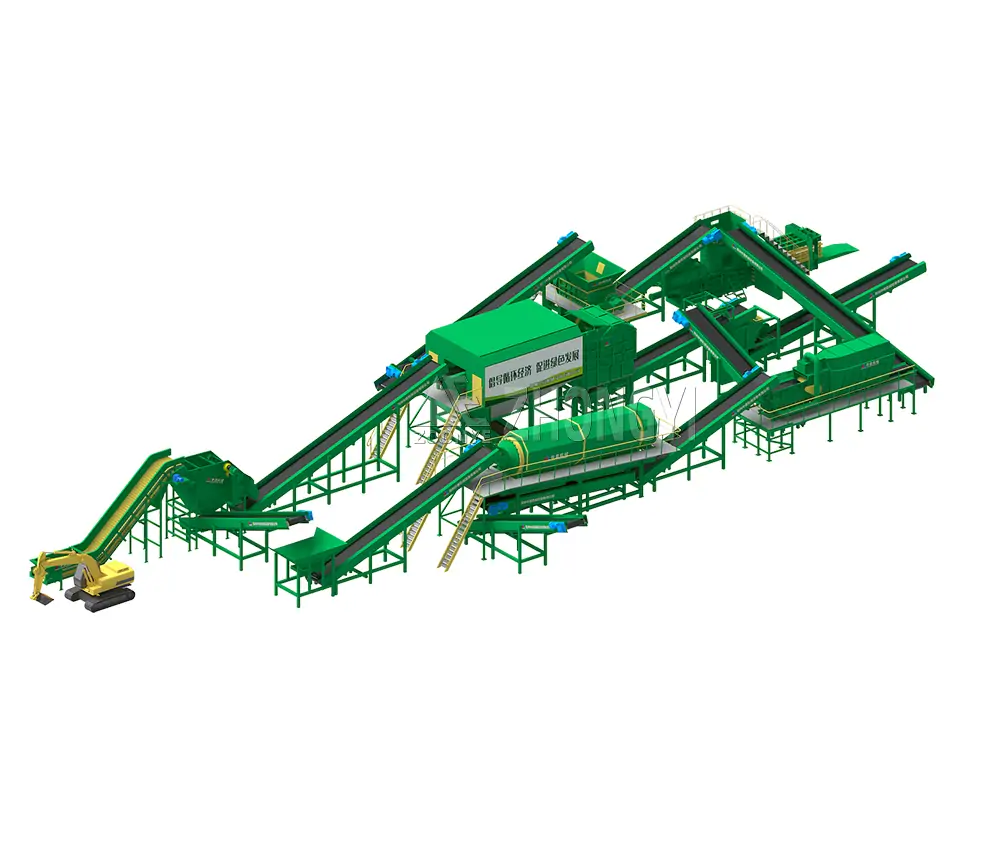
Waste bag openers are part of the front-end processing section of MSW recycling plants, where stable material flow is essential for sorting operations. During operation, issues such as worn opening tools, material wrapping around shafts, bearing wear, insufficient lubrication, or blockages can affect machine availability if not addressed in time.
A practical Bag Opener Preventive Maintenance routine helps operators identify these issues through regular inspections and adjustments. Timely cleaning, lubrication, and wear part replacement reduce the risk of unexpected shutdowns and help maintain consistent recycling line performance.
Maintain Stable Bag Opening Performance
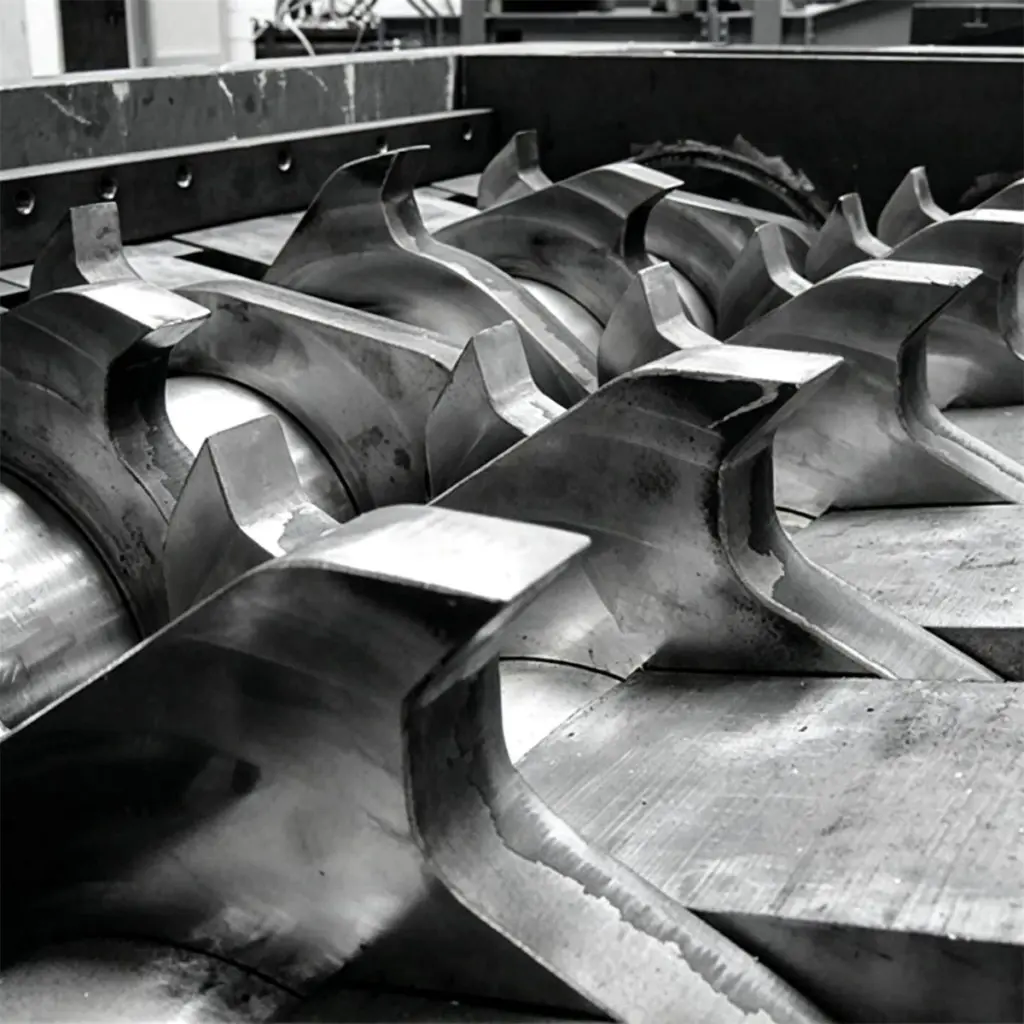
The opening performance of a waste bag opener depends on the condition of key components, including opening tools, shafts, and rotating assemblies. Over time, worn blades, material buildup, or improper adjustment between moving parts can reduce the ability to open and loosen waste bags, affecting material flow to the following sorting processes.
Regular maintenance helps prevent issues such as incomplete bag opening, plastic film wrapping, uneven feeding, and reduced processing efficiency. Inspecting wear parts, removing accumulated materials, and keeping components properly adjusted help maintain stable operation and improve overall sorting line performance.
Extend Equipment Service Life
Waste bag openers are exposed to mechanical stress from mixed waste, abrasive materials, and occasional hard contaminants. Regular maintenance helps reduce component wear, maintain proper mechanical condition, and delay premature replacement of key parts.
Routine inspection and lubrication of shafts and bearings help reduce friction and abnormal wear, while gearbox and drive system checks support stable operation. Monitoring opening tool wear and replacing worn parts at the right time helps maintain bag opening performance, control maintenance costs, and maximize equipment service life through effective Industrial Bag Opener Maintenance.
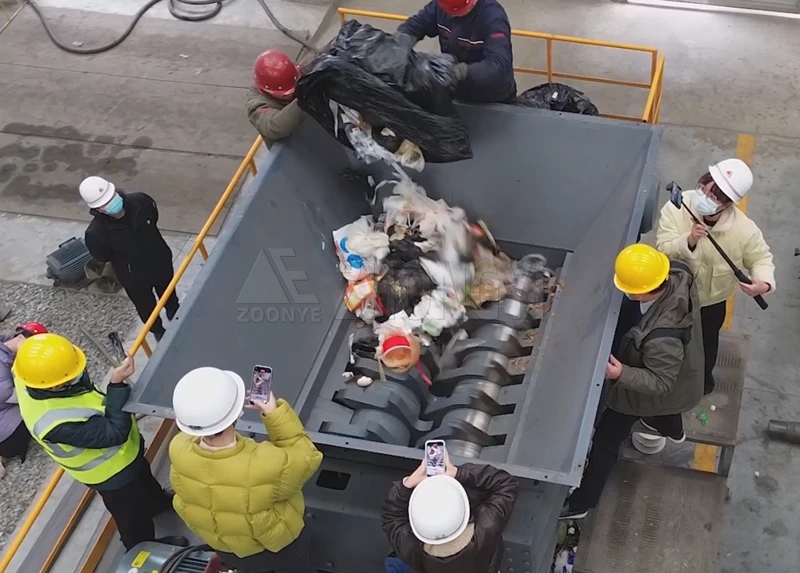
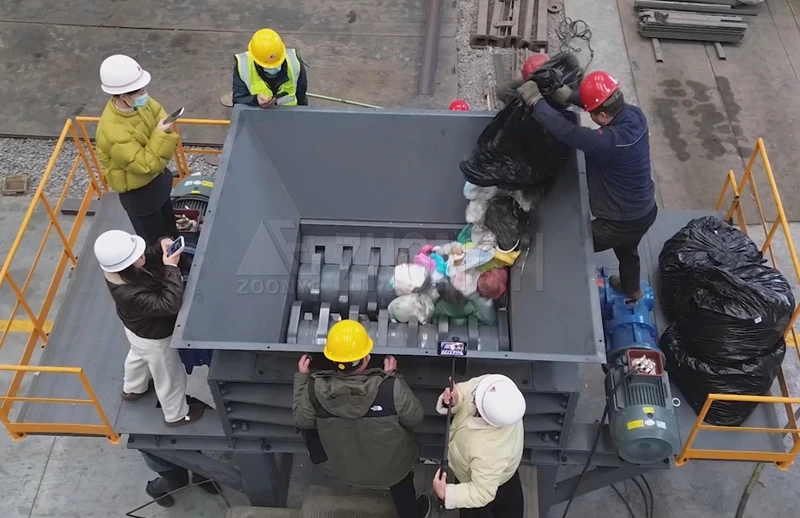
How Does a Waste Bag Opener Machine Work?
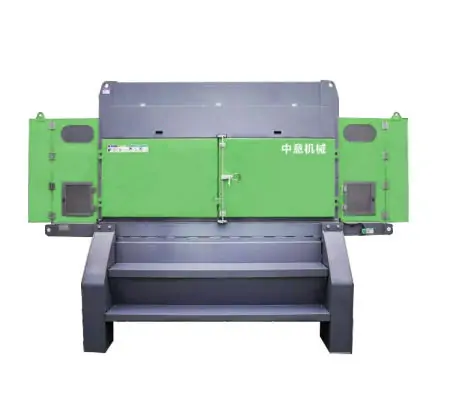
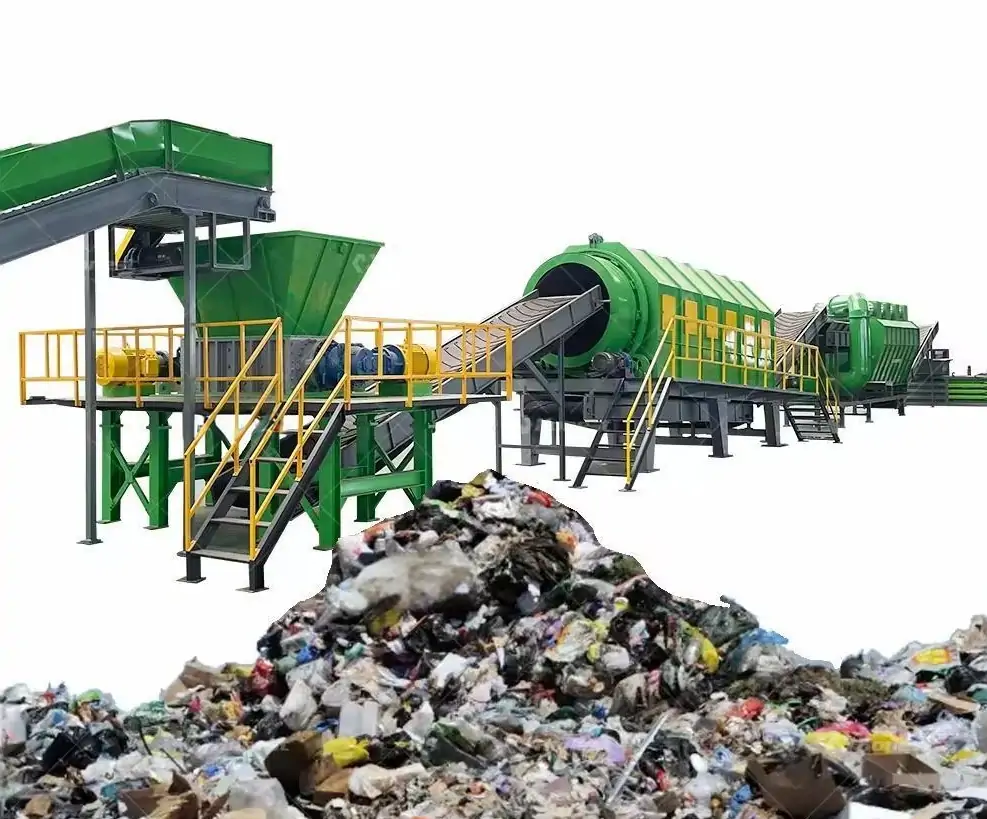
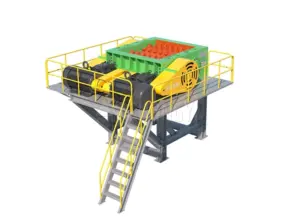
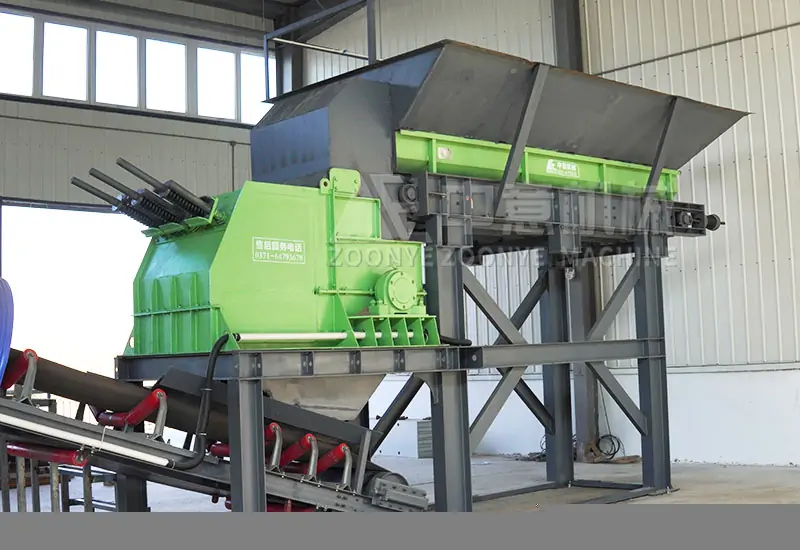
A waste bag opener machine is a specialized recycling equipment designed to open sealed waste bags, loosen compacted materials, and prepare waste for downstream sorting processes. It uses rotating opening tools, shafts, and mechanical structures to tear and loosen sealed waste bags before sorting. As bags enter the machine, the opening mechanism applies controlled mechanical force to break the bags open while keeping most materials intact for downstream separation processes.
During operation, the machine continuously handles mixed waste streams containing plastics, organic materials, and other contaminants. Because opening tools, shafts, bearings, and drive components are exposed to continuous load and abrasive materials, regular Waste Bag Opener Machine Maintenance is essential to maintain stable performance and prevent premature wear.
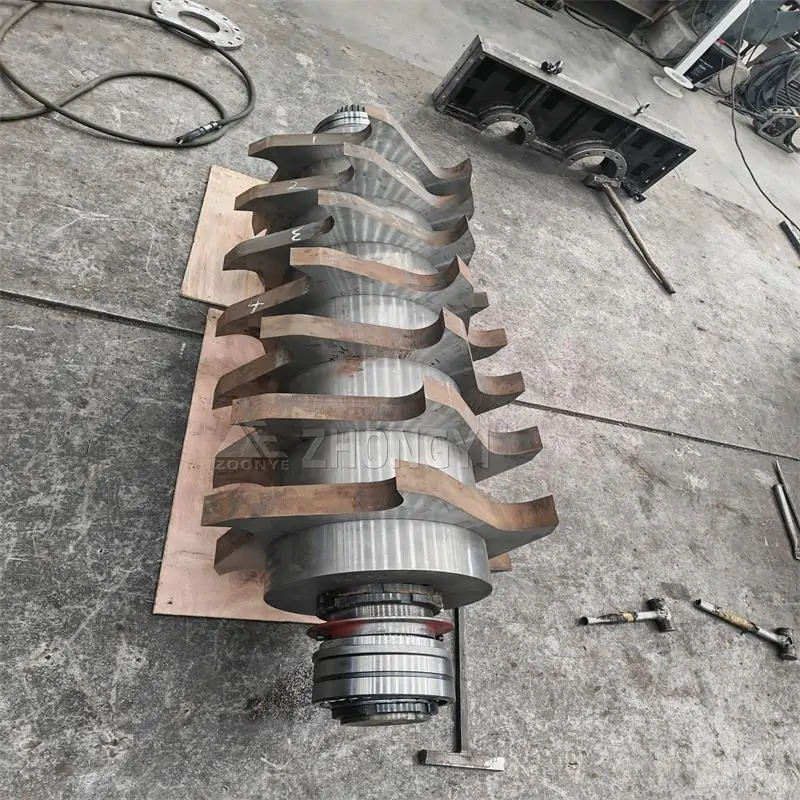
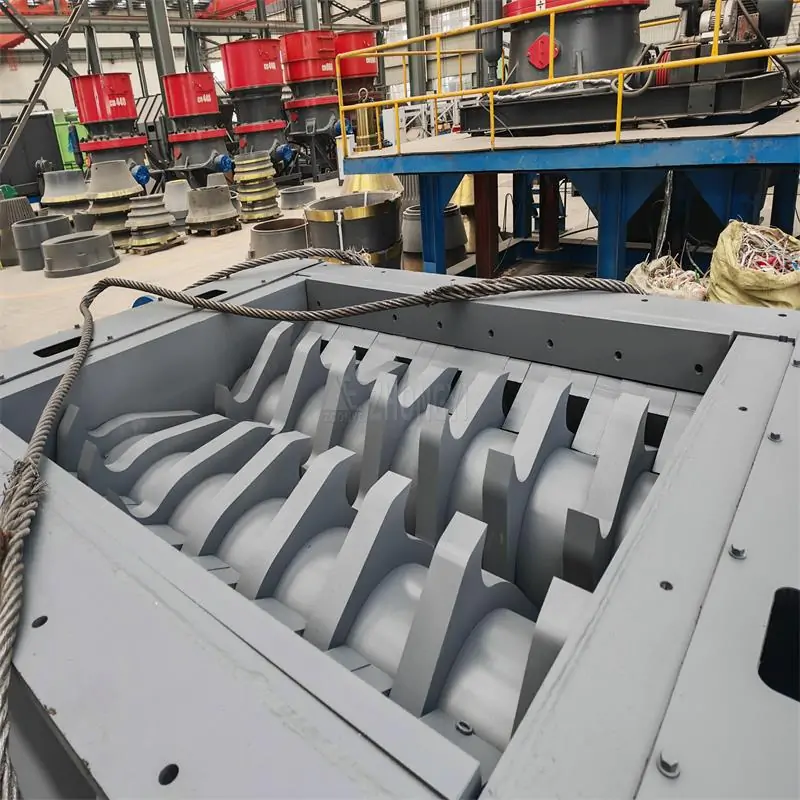
Main Components Requiring Regular Maintenance
The performance of a waste bag opener is closely related to the condition of its key components. Regular maintenance helps control wear, prevent failures, and maintain stable operation.
Preventive Maintenance Schedule for Waste Bag Opener Machines
A regular preventive maintenance program for waste bag openers helps operators monitor wear conditions, remove material buildup, and keep key components in good working condition. Maintenance intervals depend on waste composition, operating hours, and site conditions. In most recycling plants, a scheduled plan covering daily, weekly, monthly, and annual inspections helps track equipment condition, plan wear part replacement, and maintain consistent operation.
Daily Maintenance Tasks
Daily inspections should focus on early signs of wear and operating abnormalities. Operators should check for unusual noise or vibration, material buildup around shafts, lubrication condition, safety devices, and feeding status before and during operation.
Removing residual waste after shutdown helps prevent material blockage, excessive component wear, and issues during the next startup.
Weekly Maintenance Tasks
Weekly inspections should focus on wear parts and mechanical connections that are exposed to continuous load. Operators should check the condition of opening tools, fasteners, and transmission components, while removing waste buildup from areas that may affect machine movement.
Regular checks help maintain proper component condition, prevent loose connections or excessive wear, and ensure the machine continues to operate according to production requirements.
Monthly Maintenance Tasks
Monthly maintenance focuses on evaluating the condition of major components and identifying parts that may require adjustment or replacement. Operators should inspect the shaft assembly, gearbox, opening tools, lubrication points, and electrical connections, while reviewing wear patterns and any changes in machine performance.
Recording inspection results and tracking component wear helps maintenance teams prepare spare parts, schedule service activities, and avoid unexpected equipment interruptions.
Annual Maintenance Planning
Annual maintenance should include a systematic inspection of the waste bag opener’s mechanical, electrical, and safety systems. Maintenance teams should review wear records, check shaft and rotor alignment, inspect the gearbox and drive components, and replace wear parts that have reached their service limits.
The inspection results can be used to plan spare parts, schedule major maintenance activities, and determine whether adjustments or component replacements are required before the next operating cycle.


Common Waste Bag Opener Problems and Maintenance Solutions
Waste bag openers may experience operating issues caused by changing waste conditions, component wear, or improper operation. Understanding common problems and their causes helps operators take effective maintenance actions and reduce production interruptions.
Reduced Bag Opening Efficiency
Reduced bag opening efficiency may result from worn opening tools, improper component adjustment, uneven feeding, excessive moisture, or overloaded operation. When blades lose their cutting ability, waste bags may not be fully opened, reducing material release and affecting downstream sorting efficiency.
Regular inspection and replacement of worn opening tools, proper feeding control, and adjustment according to material conditions help maintain effective bag opening and stable material flow.
Material Wrapping Around Shafts
Plastic films, ropes, and other flexible materials may wrap around shafts during operation, reducing rotation efficiency and increasing the load on the drive system. This issue is common when processing mixed waste containing large amounts of lightweight and flexible materials.
Removing wrapped materials regularly, checking component clearance, and improving upstream material control can help reduce shaft blockage and maintain smooth material movement.
Excessive Noise or Vibration
Unusual noise or vibration may indicate problems with bearings, shaft alignment, loose fasteners, or rotating components. Continued abnormal vibration can increase mechanical stress, affect rotor operation, and accelerate wear on related parts.
Operators should inspect rotating assemblies, check connection points, and repair or replace affected components when necessary to maintain smooth material movement and reliable equipment operation.
Frequent Wear Part Replacement
Frequent wear part replacement is usually related to abrasive waste materials, unsuitable equipment selection, excessive loading, or operating conditions beyond the machine design range. Continuous contact with abrasive materials and hard contaminants can accelerate wear on opening tools, shafts, and other high-load components.
To reduce unnecessary replacements, equipment selection should match the waste characteristics and processing requirements. Monitoring wear conditions, controlling feeding loads, and using suitable wear-resistant components can help extend component service life and improve maintenance planning.
Maintenance Tips for Different Waste Applications
Waste bag opener maintenance requirements vary with material composition, moisture content, and operating conditions. Different waste streams create different challenges, such as increased wear, material buildup, or corrosion. Adjusting inspection, cleaning, and protection measures based on the application helps extend component life and reduce maintenance issues.
How to Reduce Waste Bag Opener Maintenance Costs?
Maintenance costs can be reduced by selecting a bag opener that matches the waste type, processing capacity, and operating conditions. Choosing between single shaft and double shaft designs based on actual requirements helps avoid unnecessary wear and overload caused by improper equipment selection.
Keeping common spare parts such as opening tools, bearings, seals, and fasteners available can reduce repair delays. In addition, proper operator training on feeding control and abnormal condition checks helps prevent avoidable damage and reduce unplanned downtime.
Conclusion
Proper maintenance is essential for keeping waste bag opener machines reliable in demanding recycling environments. Regular inspection, cleaning, lubrication, and timely replacement of worn components help reduce unexpected failures, maintain effective bag opening, and minimize unnecessary repair costs.
By adjusting maintenance practices according to material conditions, operating schedules, and equipment status, recycling facilities can improve production continuity and achieve better long-term operating efficiency. Contact our technical team for expert support in waste bag opener selection, maintenance planning, and customized recycling equipment solutions.


Andy Yu
Technical Engineer | Zhongyi ECO
16+
Years Exp.
300+
Solutions
50+
Countries
16 years’ experience in environmental and solid waste management, specializing in C&D recycling and waste sorting solutions. At Zhongyi Mining Machinery, focused on improving global clients’ efficiency through technical expertise and tailored configurations.
FAQ
Maintenance frequency depends on waste composition, operating hours, and working conditions. For most recycling plants, daily inspections, weekly checks of wear parts, and monthly component evaluations are recommended. A proper Waste Bag Opener Machine Maintenance plan helps identify early issues, reduce unexpected downtime, and maintain reliable performance during continuous waste processing operations.
The key components include opening blades, shafts, bearings, lubrication systems, gearboxes, and drive components. These parts directly affect bag opening efficiency and machine reliability. Regular inspection of wear conditions, lubrication status, and mechanical connections is an important part of Bag Opener Preventive Maintenance to prevent failures and extend equipment service life.
Maintenance costs can be reduced through proper equipment selection, regular inspections, and timely replacement of worn components. Avoiding overload operation, maintaining suitable feeding conditions, and keeping essential spare parts available can minimize repair costs. A planned Industrial Bag Opener Maintenance strategy improves equipment reliability and reduces long-term operating expenses.
Poor bag opening performance is usually caused by worn opening tools, uneven feeding, excessive moisture, material buildup, or overload operation. Inspecting blades, adjusting feeding conditions, and removing accumulated materials can help restore performance. Regular Waste Recycling Equipment Maintenance prevents these issues from affecting downstream sorting efficiency.
Material wrapping is commonly caused by flexible materials such as plastic films, ropes, and textiles entering the opening chamber. Regular cleaning, proper component clearance, and suitable machine settings help reduce shaft blockage. For difficult waste streams, selecting an appropriate machine design and maintaining a consistent cleaning schedule can improve operating stability.
Yes, waste bag openers can handle wet waste when properly configured and maintained. High-moisture materials require more frequent cleaning, corrosion protection, and lubrication management because sticky residues may accumulate on internal components. A suitable Durable Bag Opener Maintenance Guide helps operators reduce corrosion risks and maintain stable performance in wet waste applications.
Common spare parts include opening blades or teeth, bearings, seals, fasteners, and other wear components. Keeping frequently replaced parts available helps reduce maintenance delays and shorten downtime during repairs. Spare parts planning should be based on operating hours, waste characteristics, and the wear rate of the machine.
Frequent downtime is often caused by insufficient maintenance, excessive loading, worn components, material blockage, or unsuitable operating conditions. Regular inspection, proper feeding control, and early replacement of damaged parts can reduce unexpected failures. Implementing a structured Bag Opener Preventive Maintenance program helps recycling facilities improve production continuity and equipment reliability.