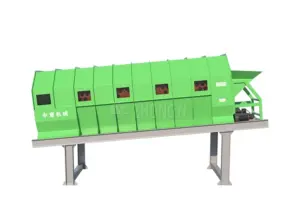
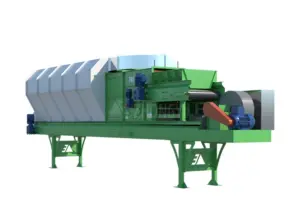

Introduction
An apron feeder is a heavy-duty mechanical feeding machine used to transport bulk materials from hoppers, stockpiles, or storage bins to crushers, conveyors, or processing equipment. It consists of overlapping steel pans mounted on chains and is designed to handle large, abrasive, and high-impact materials in mining, quarrying, cement, and bulk material handling industries.
We will explain what an apron feeder is, how it works, the main types available, key components, applications, and the factors to consider when selecting an apron feeder for your operation. We will also share practical experience from mining and aggregate projects to help engineers, plant operators, and buyers choose the right feeding solution.
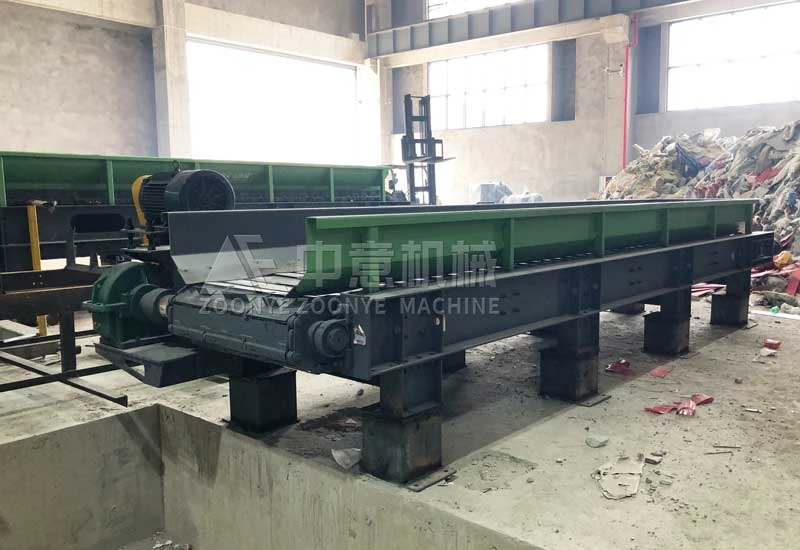
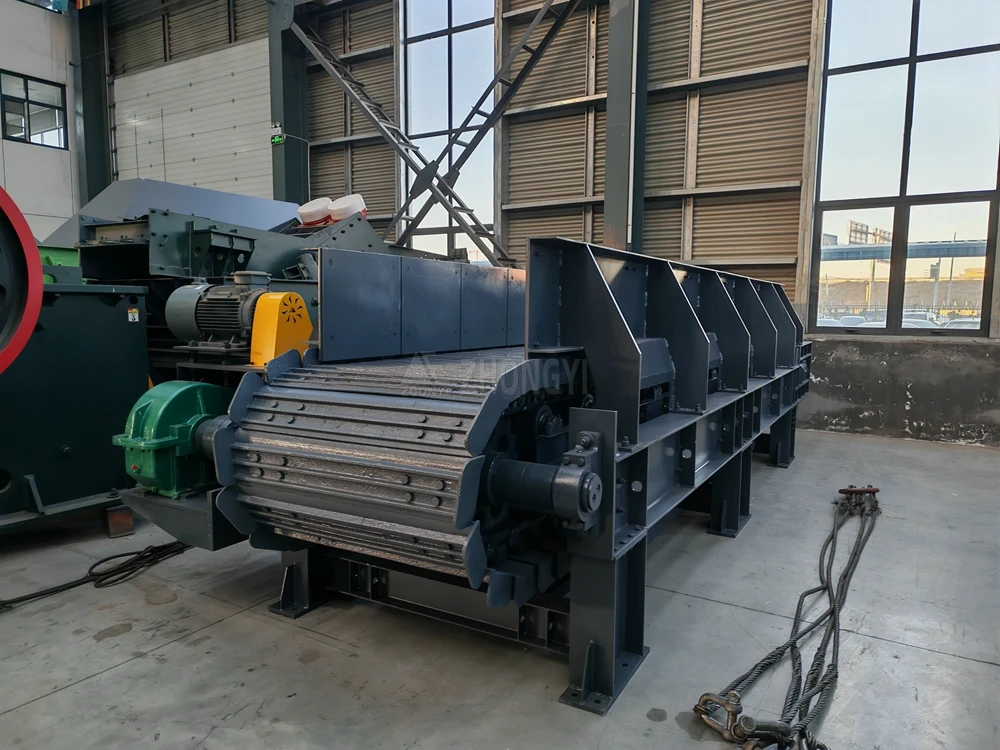
What Is an Apron Feeder?
An apron feeder, also known as a pan feeder or plate feeder, is a heavy-duty mechanical conveying equipment used to continuously extract and transport large, abrasive, and high-impact bulk materials from hoppers, bins, or stockpiles to downstream processing equipment. It is widely used in mining, quarrying, aggregate, cement, and bulk material handling industries where conventional belt feeders cannot operate reliably.
The term “apron feeder” comes from its conveying surface, which consists of overlapping steel pans or plates mounted on heavy-duty chains. These overlapping plates resemble the structure of an apron, allowing the feeder to withstand severe impact loading, sharp materials, and harsh operating environments.
Unlike conventional belt feeders or belt conveyors, apron feeders are designed specifically for heavy-duty applications. They can handle larger feed sizes, higher impact forces, abrasive materials, and elevated temperatures while maintaining stable and controlled material discharge. Their rugged construction makes them suitable for continuous operation under demanding working conditions.
Typical applications of apron feeders include feeding primary jaw crushers, gyratory crushers, and mineral processing plants, as well as handling raw materials in cement plants, steel plants, and bulk material terminals. They are commonly installed beneath dump hoppers, surge bins, storage silos, and truck unloading stations.
In our mining and aggregate projects, apron feeders are typically installed below dump hoppers and primary crushers where conventional belt feeders cannot withstand impact loading and abrasive materials.
How Does an Apron Feeder Work?
A Apron Feeder is a type of continuous conveying equipment that uses a chain as the traction member and a chain plate as the load-bearing member. A power transmission system drives the chain plate in a linear motion, thereby achieving continuous and uniform feeding from the hopper to downstream equipment.
Power Transmission System
When the feeder starts, the electric motor drives the reducer through a coupling, converting high-speed rotation into low-speed, high-torque output. The drive sprocket transfers power to the heavy-duty conveyor chains, pulling the steel pans along the feeder frame. Support rollers and track rails minimize running resistance and ensure stable operation under heavy loads.
Material Conveying Process
Bulk material falls onto the overlapping steel pans from the hopper and is transported forward by the moving chain assembly. The overlapping pan design provides a continuous carrying surface with excellent impact and wear resistance, making it suitable for handling large and abrasive materials.
Material Discharge
As the steel pans pass over the head sprocket, the material is discharged by gravity into the crusher, conveyor, or other processing equipment. The feeding capacity can be adjusted through variable speed control, allowing precise and continuous material flow under different operating conditions.
Auxiliary Components
The tensioning device automatically compensates for chain elongation and absorbs impact loads, helping maintain proper chain tension and extending service life. Heavy-duty apron feeders may also be equipped with backstop devices to prevent reverse rotation during shutdown and improve operational safety.
Main Components of an Apron Feeder
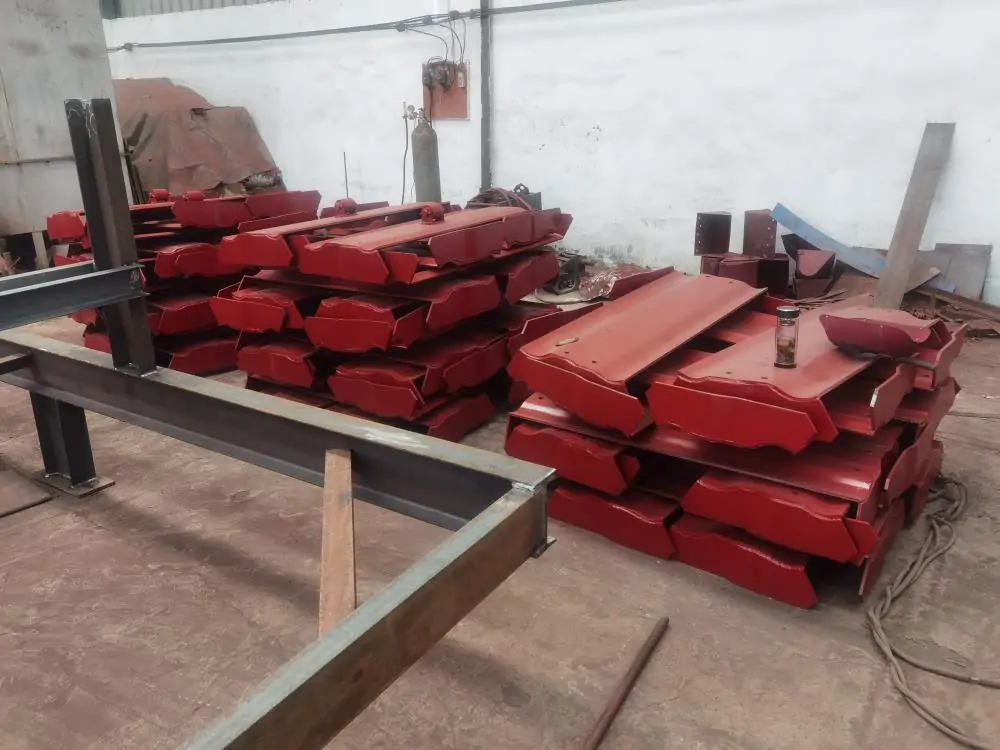
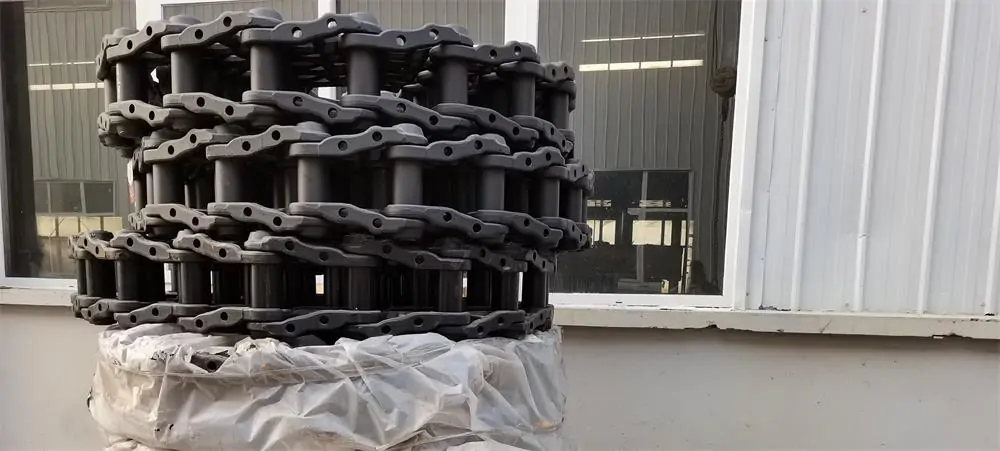
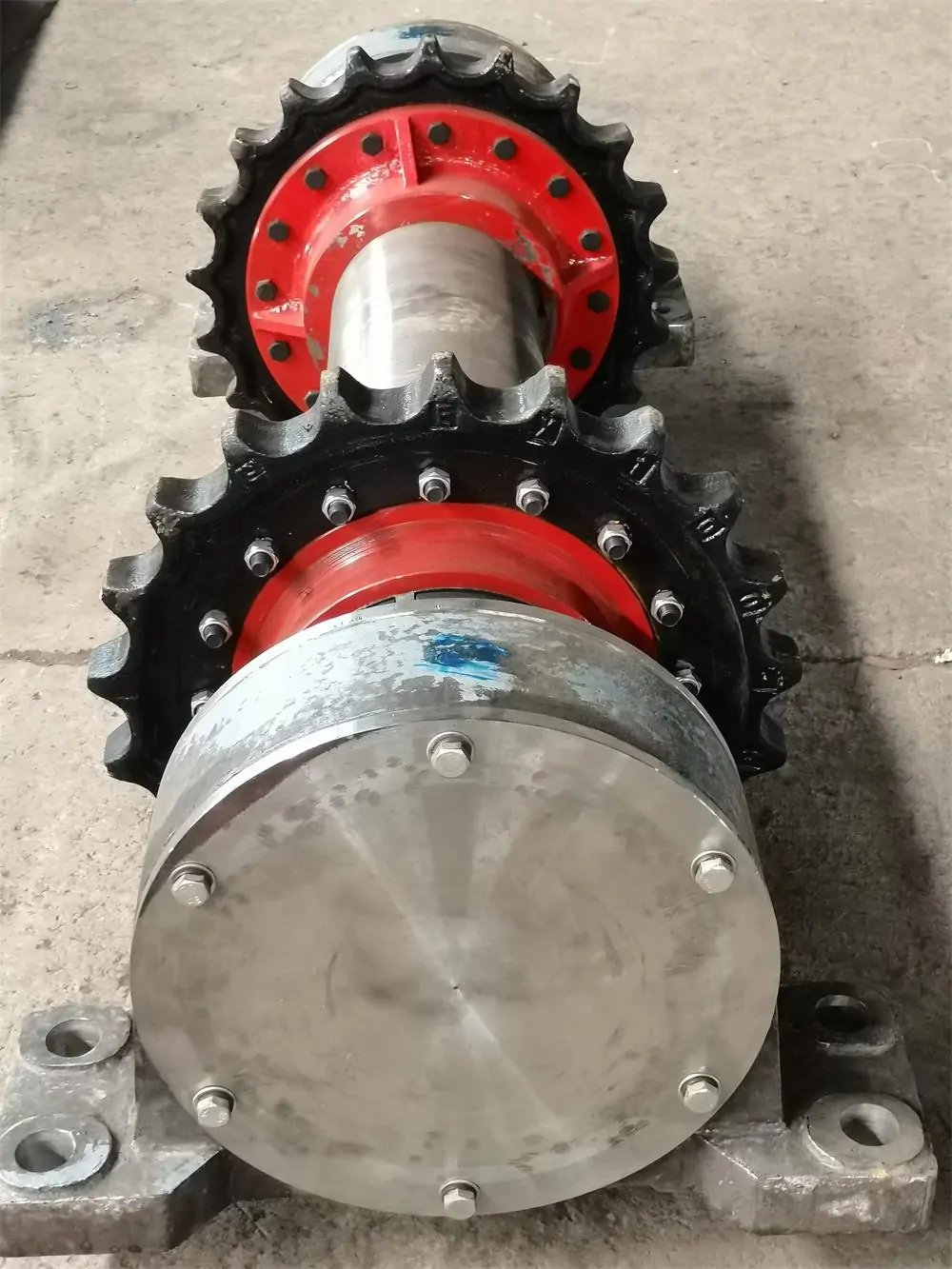
An apron feeder is mainly composed of feed pans, conveyor chains, drive and tail sprockets, support rollers, drive unit, frame structure, and tension device.
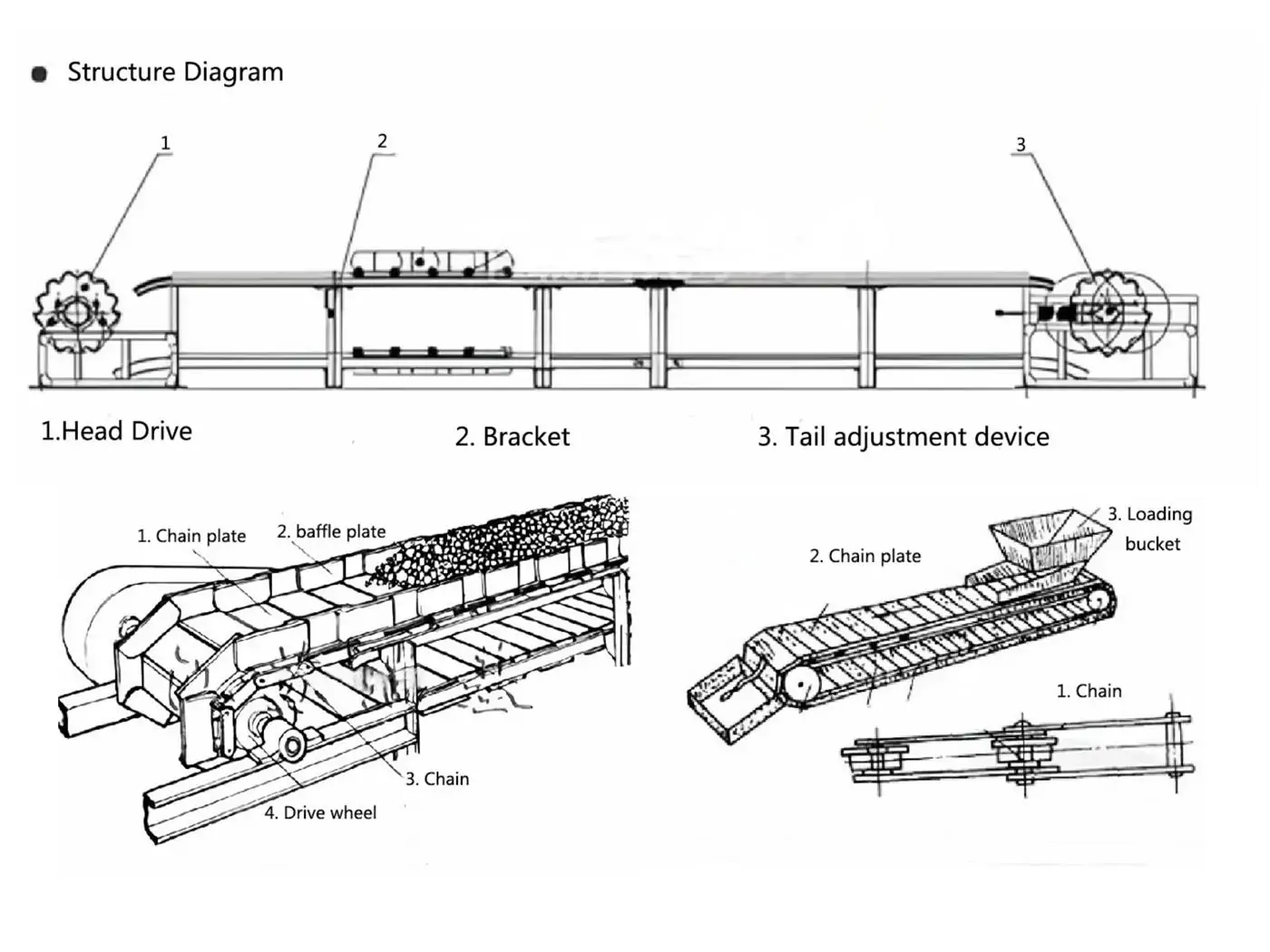
Feed Pan
Feed pans form the material-carrying surface and are designed to withstand heavy impact, abrasion, and large lump materials.
Conveyor Chain
The conveyor chain acts as the traction component, transmitting the driving force required to move the feed pans.
Drive Sprocket
The drive sprocket transfers torque from the drive unit to the conveyor chains and powers the conveying system.
Tail Sprocket
The tail sprocket guides the conveyor chains and maintains proper chain alignment during operation.
Support Rollers
Support rollers carry the weight of the feed pans and material load while reducing running resistance.
Drive Unit
The drive unit, consisting of a motor and gearbox, provides the low-speed, high-torque power required for heavy-duty feeding.
Frame Structure
The frame structure supports all major components and ensures operational stability under heavy loads.
Tension Device
The tension device maintains proper chain tension, compensates for chain elongation, and improves system reliability.
Parts Details Show
Types of Apron Feeders
Xinzhongyi offers two main types of apron feeders to meet different material handling requirements: Heavy Duty Apron Feeders for large-capacity mining and quarrying applications, and Light Duty Apron Feeders for medium and light bulk material conveying operations. The selection depends on material characteristics, feed size, capacity, and installation conditions.
Heavy Duty Apron Feeder
Heavy duty apron feeders are designed for high-impact, high-capacity applications such as mining, quarrying, and primary crushing plants. They typically use forged or crawler-type chains, reinforced steel pans, and heavy-duty drive systems to handle large lump materials and severe operating conditions.
- Capacity: 500–5000 tph
- Feed Size: ≤1600 mm
- Pan Width: 1000–3000 mm
- Chain Type: Forged chain / crawler chain
- Speed: 0.02–0.25 m/s
- Application: Mining, aggregates, cement, bulk material handling

Light Duty Apron Feeder
Light duty apron feeders are designed for continuous feeding of medium and small-sized bulk materials with lower impact loads. They are widely used in aggregate plants, cement plants, and industrial material handling systems where stable feeding and lower operating costs are required.
- Capacity: 10–300 tph
- Feed Size: ≤500 mm
- Pan Width: 500–1800 mm
- Chain Type: Roller chain
- Speed: 0.02–0.20 m/s
- Application: Aggregates, cement, metallurgy, industrial bulk materials
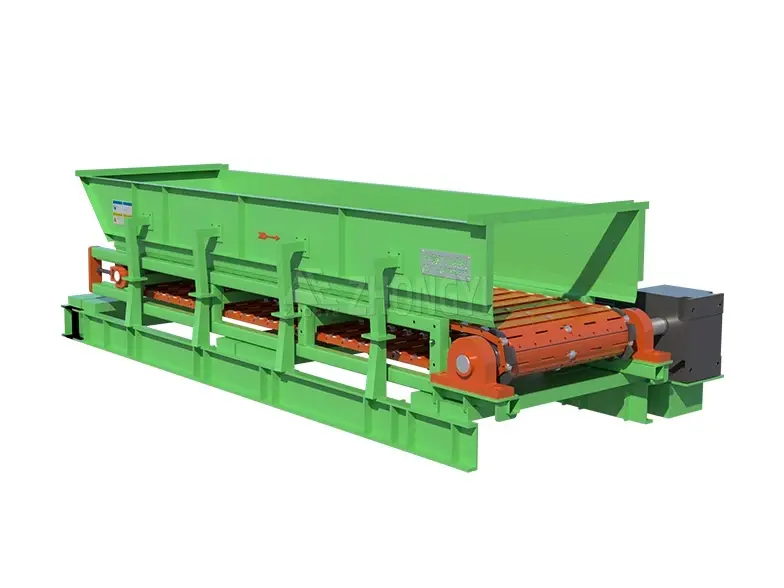
If you are not sure which model is suitable for your project, please contact our technical team for selection support.
Apron Feeder vs Belt Feeder: What’s the Difference?
Apron feeders and belt feeders are both used for bulk material conveying, but they work in different conditions. Apron feeders are what we use when the material is large, sharp, and dropped directly from a hopper or truck—typical in mining and waste lines. Belt feeders are more suitable for relatively clean, pre-crushed, and free-flowing material where the load is stable and impact is low.
In most mining and solid waste projects we’ve worked on, apron feeders are placed at the primary feeding point, while belt feeders are used further downstream for transfer. We suggest size the feeder based on the worst material condition at the hopper outlet, not the average flow, otherwise problems usually show up during peak loading. For details, please view this article: Belt Feeder vs Apron Feeder: What’s the Difference?
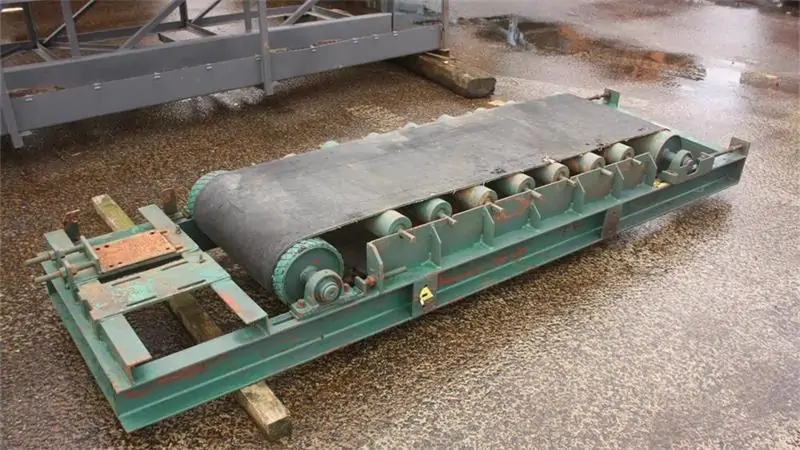
| Item | Apron Feeder | Belt Feeder |
| Structure | Steel pans + heavy-duty chain | Rubber belt + pulleys |
| Material Handling | Large lumps, abrasive, high-impact materials | Fine to medium, free-flowing materials |
| Impact Resistance | Very high, suitable for direct dump loading | Limited, requires controlled feeding |
| Wear Resistance | High (steel wear parts) | Moderate (belt wear and tearing risk) |
| Feed Size | Up to large rock / ROM ore | Generally smaller, pre-crushed materials |
| Capacity Range | 10–5000+ tph | 10–1500 tph (typical) |
| Operating Condition | Harsh environments (mining, waste, quarry) | Clean to moderate conditions |
| Feeding Stability | Very stable under heavy load | Stable under controlled load |
| Maintenance | Chain, rollers, sprockets require service | Belt replacement and tensioning required |
| Installation Cost | Higher | Lower |
| Typical Application | Primary crusher feeding, waste dumping, ROM ore handling | Stockpile reclaim, secondary feeding, process transfer |
Uses of Apron Feeders in Industries
Apron feeders are widely used in heavy-duty waste handling systems, especially where material is bulky, mixed, abrasive, and difficult to control. In waste processing plants, they ensure stable, continuous, and impact-resistant feeding to downstream crushing, screening, and sorting equipment.
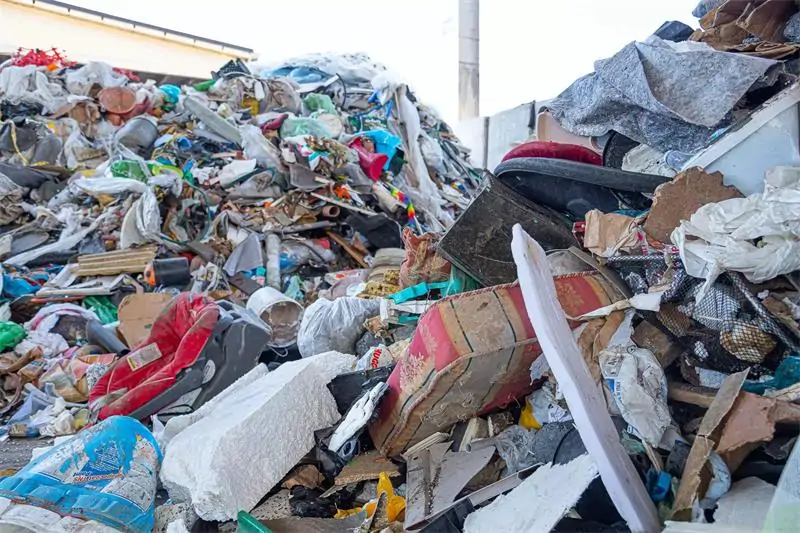
Municipal Solid Waste (MSW) Sorting Plants
Used to feed mixed household waste, bulky waste, and unsorted refuse from receiving pits into shredders or sorting systems with controlled flow and reduced bridging.

Construction & Demolition (C&D) Waste Recycling
Handles concrete blocks, bricks, rebar-containing debris, and mixed construction waste, feeding them into primary crushers or pre-shredding systems.
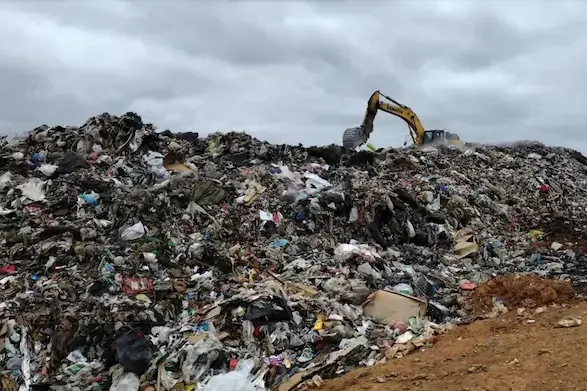
Landfill Mining Projects
Used for excavated waste with soil, stones, plastics, and decomposed materials, ensuring stable extraction and feeding before screening and separation.
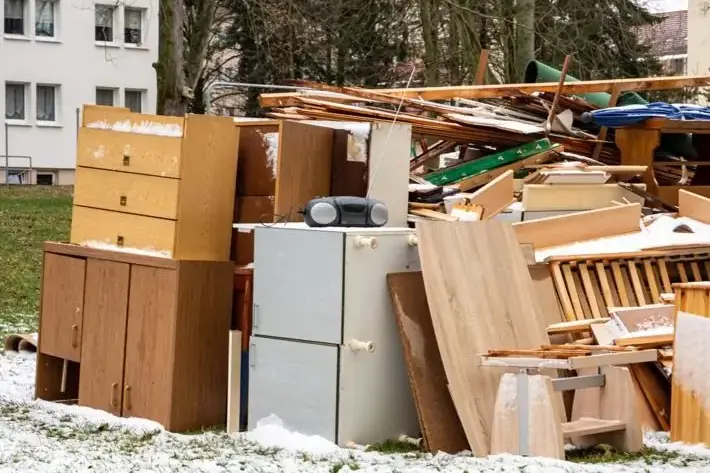
Bulky Waste Processing Facilities
Suitable for furniture, mattresses, wood waste, and oversized refuse, where irregular shape and high impact require robust chain-driven feeding.
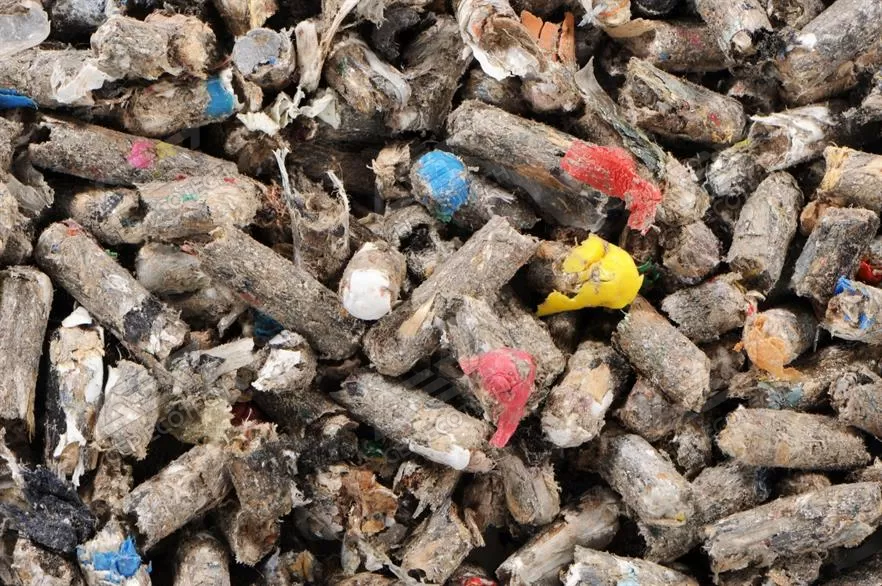
RDF / SRF Production Lines
Feeds pre-shredded refuse-derived fuel materials into secondary shredders, magnetic separators, or pelletizing systems.
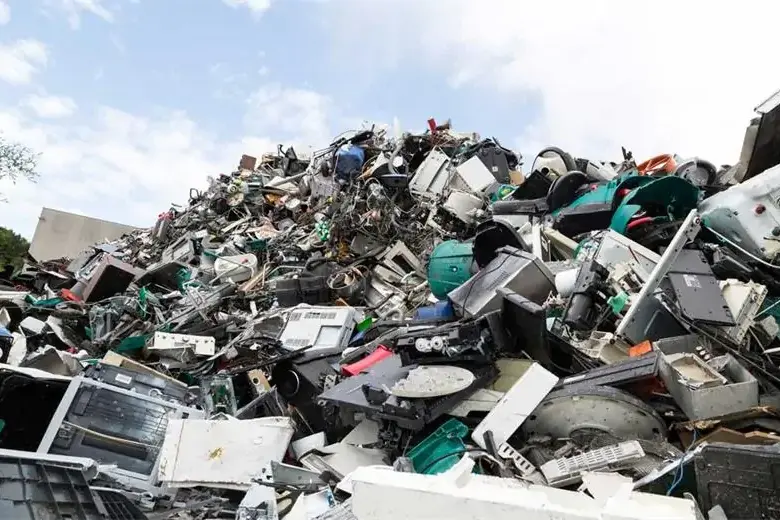
Industrial Waste Treatment Plants
Handles mixed industrial residues, slag, packaging waste, and scrap materials under harsh and variable conditions.
Advantages of Apron Feeders
Apron feeders are widely used in mining, aggregates, and solid waste processing where material conditions are heavy, abrasive, and irregular. Compared with belt or vibrating feeders, the structure is designed for direct impact loading and continuous heavy-duty operation.
Handles large lumps
Can accept run-of-mine ore, demolition waste, and oversized materials directly from hopper without pre-sizing.
High impact resistance
Steel pan and chain structure absorbs direct drop impact from bulk materials without damage.
High wear resistance
Wear-resistant steel pans and heavy chains are suitable for abrasive materials such as rock, clinker, and construction waste.
Stable continuous feeding
Provides uniform discharge to crusher or downstream system, reducing material surging and blockage risk.
Long service life
Heavy-duty mechanical design allows long-term operation under high load conditions with periodic component replacement.
Adjustable feed rate
Output capacity can be controlled by VFD or hydraulic drive to match process requirements.
Suitable for harsh conditions
Reliable operation in dusty, wet, and high-impact environments commonly found in mining and waste treatment plants.
Low operating instability
Chain-driven structure reduces belt slip and ensures consistent material delivery.
What Are the Disadvantages of Apron Feeders?
Apron feeders are robust equipment, but compared with lighter feeding systems, they require higher investment and stronger structural support.
Higher initial cost
Steel chain-pan structure and heavy-duty drive system increase equipment cost.
Larger footprint
Requires more installation length and foundation space than belt feeders.
Higher equipment weight
Needs reinforced supporting structure due to heavy chain and pan assembly.
More maintenance points
Chain, rollers, and sprockets require regular inspection and lubrication.
Relatively higher power demand
Heavy-load conveying system consumes more energy during continuous operation.
How to Select the Right Apron Feeder?
Selecting an apron feeder is not only about matching specifications. In mining, quarrying, and waste processing projects, we usually base the selection on real operating conditions at the hopper outlet, especially the worst-case material scenario rather than average flow.
Material Characteristics
Key parameters include bulk density, abrasiveness, and moisture content. High-density and highly abrasive materials such as ore, granite, or construction waste require reinforced chain and pan structures. For wet or sticky materials, stable low-speed operation and anti-blocking performance become more critical.
We suggest paying attention to how variable the material is on site, especially in waste recycling plants where composition changes frequently.
Maximum Lump Size
The feeder should be designed based on the maximum lump size discharged from the hopper or truck unloading system. Oversized material is usually the main cause of impact damage and jamming at the feeding stage.
We suggest using the largest expected block size rather than the average particle size as the design basis.
Capacity Requirement
Capacity determines pan width, chain specification, and drive power. It should be checked against peak loading conditions, not only average throughput, especially in truck dumping or batch feeding systems.
We suggest leaving a reasonable safety margin here, because real production rarely runs at steady load.
Hopper Geometry
Hopper outlet size, wall angle, and discharge height directly affect how material is distributed onto the feeder. Poor hopper design often leads to uneven loading and localized overload.
We suggest reviewing hopper and feeder together during layout design, not treating them as separate equipment.
Installation Conditions
Installation space, foundation strength, and overall plant layout determine whether a standard or customized apron feeder is required. In compact plants, maintenance space often becomes a real constraint.
Speed Control Requirements
Variable speed control (VFD or hydraulic drive) is used to match downstream equipment demand and stabilize feed to crushers or screens. Stable low-speed feeding is usually preferred in primary crushing or waste pre-treatment lines.
We suggest keeping flexible speed control rather than fixed-speed operation, especially when feed conditions fluctuate.
Maintenance Accessibility
Chains, rollers, and sprockets require regular inspection, lubrication, and replacement. Maintenance space should be reserved during layout planning.
We suggest not overlooking access space, because long-term downtime cost is often higher than initial layout optimization.
Project Experience:
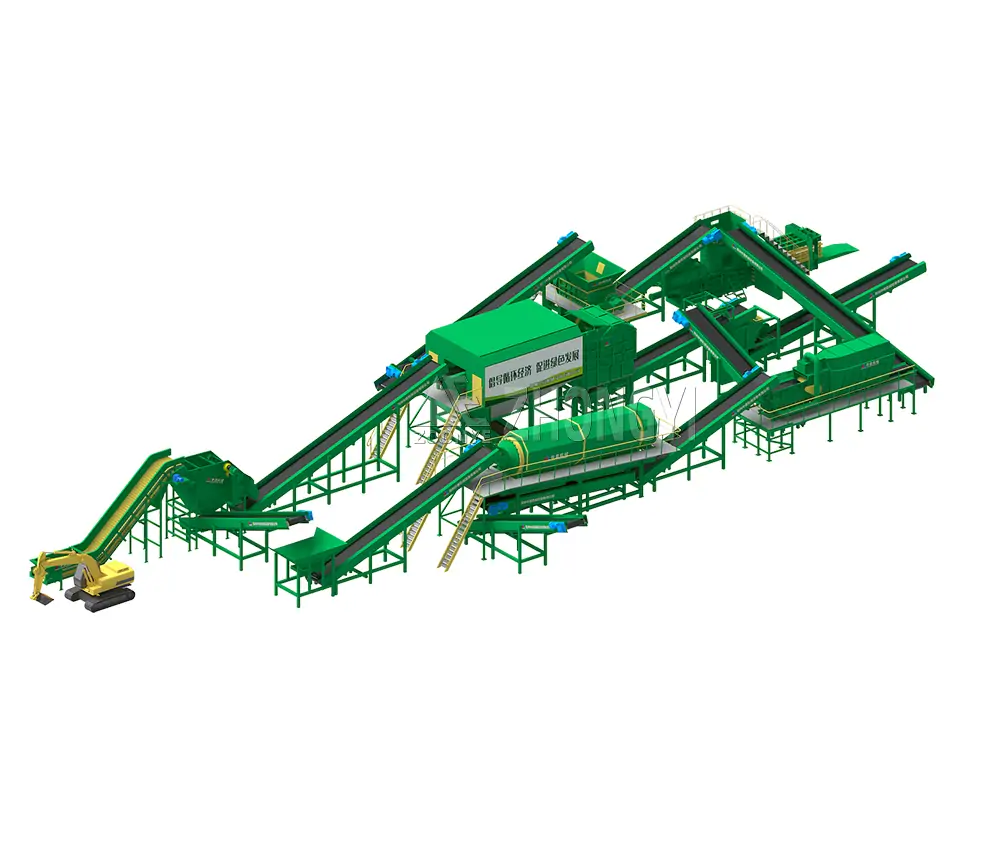
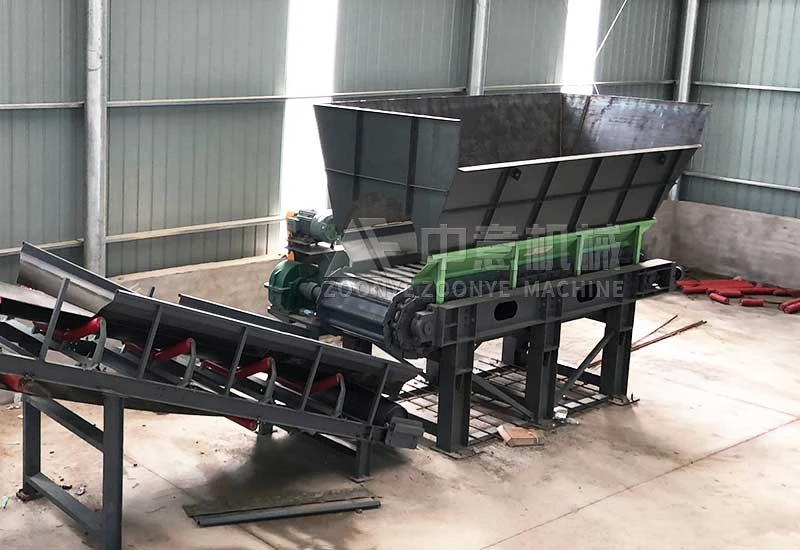
This project is a 2000 m³/day Solid Waste Processing Production Line designed for municipal construction waste, decoration waste, and mixed solid waste recycling. The system adopts a full process of feeding → crushing → screening → air separation, enabling efficient separation of heavy aggregates and light recyclables. A heavy-duty apron feeder is installed at the front end of the line to ensure stable and continuous feeding of irregular, high-impact waste materials, preventing crusher overload and improving overall system efficiency.
The production line has been successfully installed and commissioned on site by Xinzhongyi engineering team, supporting high recovery efficiency and stable long-term operation for urban solid waste treatment.
Project Parameters
- Processing Capacity: 2000 m³/day
- Raw Materials: Construction waste, decoration waste, municipal solid waste
- Recovery Purity: ≥95%
- Process Flow: Feeding → Crushing → Screening → Air Separation
- Feeding System: Heavy-duty Apron Feeder with VFD speed control
- Final Product Size: 5–20 mm recycled aggregates
- Light Material Recovery: Plastic, foam, wood, paper (for RDF or recycling)
- System Efficiency Improvement: +30% overall line throughput
- Dust Control: Integrated air separation with negative pressure system
- Application: Road base material, recycled aggregates, RDF fuel production
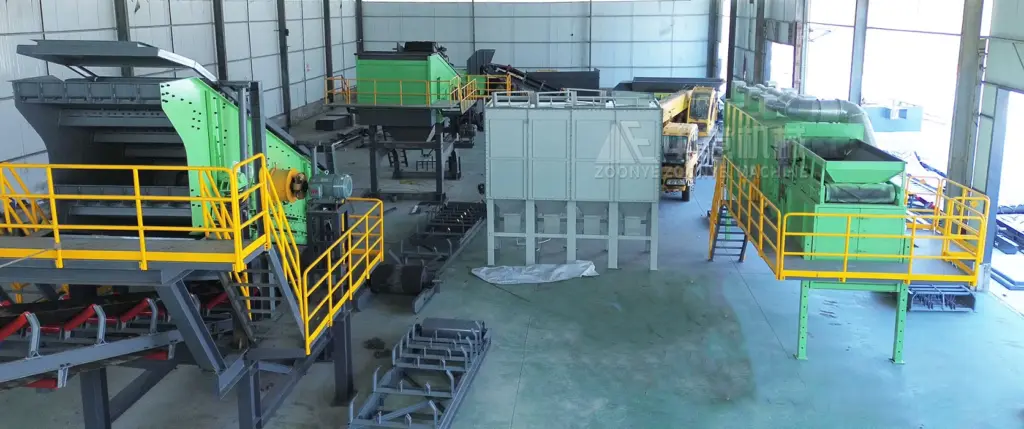
We frequently welcome overseas partners to inspect our production workshop. Check out the full factory tour record: European clients visited Xinzhongyi Machinery to negotiate tailor-made solid waste recycling equipment.
Conclusion
An apron feeder is a heavy-duty feeding solution designed for continuous handling of large, abrasive, and high-impact bulk materials in mining, quarrying, cement, and solid waste processing industries. Compared with other feeding equipment, it offers higher reliability under harsh working conditions, more stable material flow, and better adaptability to irregular feed materials.
Choosing the right apron feeder requires careful evaluation of material characteristics, lump size, capacity demand, and site conditions. A properly designed system can significantly improve plant stability, reduce downtime, and protect downstream equipment such as crushers and screening systems.
If you are planning a mining or waste recycling project and need support on apron feeder selection or system design, contact Xinzhongyi engineering team. We can provide customized solutions based on your material conditions, capacity requirements, and plant layout to ensure stable and efficient operation from the first stage of feeding.


Andy Yu
Technical Engineer | Zhongyi ECO
16+
Years Exp.
300+
Solutions
50+
Countries
16 years’ experience in environmental and solid waste management, specializing in C&D recycling and waste sorting solutions. At Zhongyi Mining Machinery, focused on improving global clients’ efficiency through technical expertise and tailored configurations.
FAQ
Under normal mining operating conditions, heavy-duty apron feeders typically have a service life of 10 to 20 years. Wear parts such as chains, rollers, and pans may require replacement after 3 to 8 years depending on material abrasiveness and operating hours.
An apron feeder is used for continuous and controlled feeding of heavy, abrasive, or large-sized bulk materials from hoppers, stockpiles, or storage bins to crushers, screens, and conveyors. The applications include feeding run-of-mine ore, limestone, granite, coal, clinker, and recycled aggregates in mining and industrial processing plants.
The main difference is their ability to handle impact and abrasive materials. Apron feeders use heavy-duty steel pans and chains, making them suitable for large rock and high-impact applications, while belt feeders use rubber belts and are generally designed for lighter materials, smaller particle sizes, and lower impact loads.
Yes. Apron feeders are widely used for handling wet, sticky, and clay-containing materials because their steel pan design is less susceptible to clogging and material buildup than belt conveyors. They are commonly used for wet limestone, clay, laterite ore, and landfill-derived materials.
Apron feeder capacity depends on the pan width, material properties, and operating speed. Light-duty models typically handle 10–300 tph, while heavy-duty mining apron feeders can achieve capacities from 500 tph to over 5,000 tph in large-scale operations.
Apron feeders are not typically recommended for very fine, free-flowing powders or materials requiring airtight conveying conditions. Applications involving cement powder, fly ash, fine chemicals, or pneumatic conveying systems generally use screw feeders or enclosed conveyors instead.
Lubrication intervals depend on operating conditions, material abrasiveness, and environmental factors. In heavy-duty mining applications, chain lubrication is typically inspected weekly and serviced every 250–500 operating hours to reduce wear and extend component life.