
Introduction
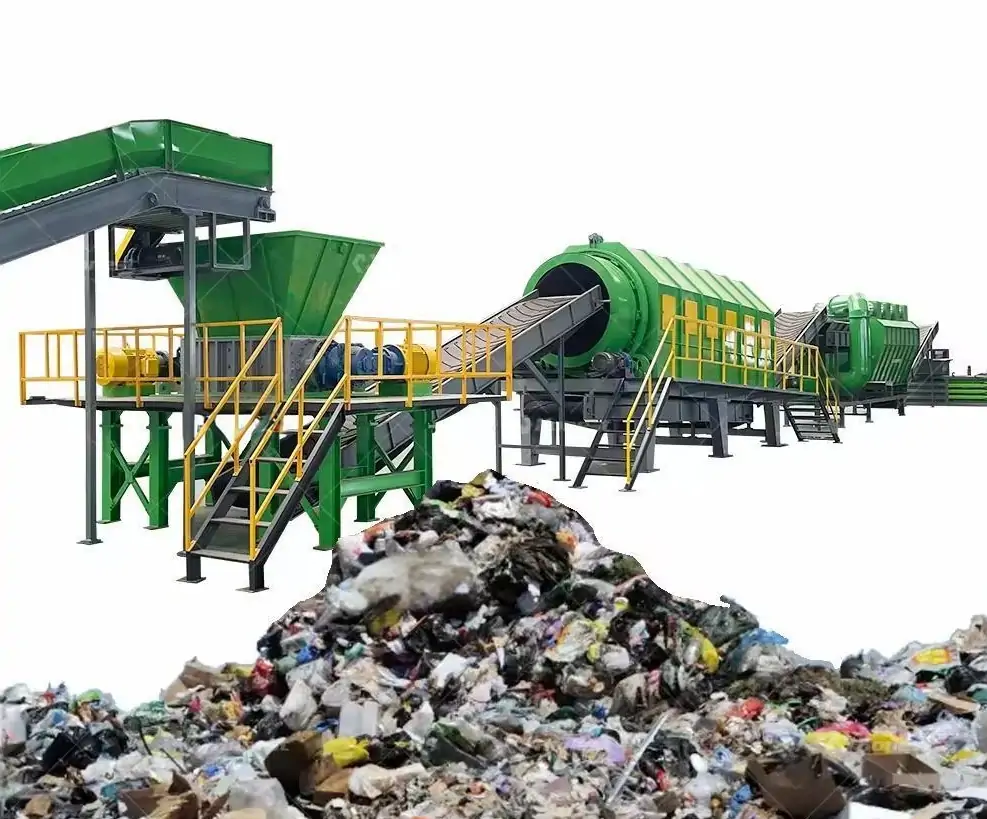
In waste processing plants, a belt feeder is used for light, pre-sorted or uniform materials such as RDF, fine MSW fractions, or recycled materials with low impact and stable flow conditions. An apron feeder is designed for heavy, mixed, and high-impact waste such as C&D waste, bulky MSW, and landfill materials with large and irregular sizes. In most solid waste recycling lines, apron feeders are installed at the primary feeding stage to handle unstable incoming waste, while belt feeders are used for secondary or controlled material transfer downstream.
This article explains the key differences between belt feeders and apron feeders in waste processing applications, including structure, operating conditions, capacity, maintenance requirements, and selection principles, helping you choose the right feeding system for your project.
What Is a Belt Feeder?
A belt feeder is a low-speed, controlled material extraction system used to discharge bulk solids (ore, aggregates, waste, coal, etc.) from hoppers or bins at a stable and adjustable feed rate.
In mining and bulk handling practice, belt feeders operate at 0.25–0.5 m/s belt speed and can reach capacities from 30 t/h up to 3,000+ t/h depending on width and material density .
Compared with standard belt conveyors, the key difference is that a belt feeder is designed for accurate metering and controlled drawdown, not long-distance transport.
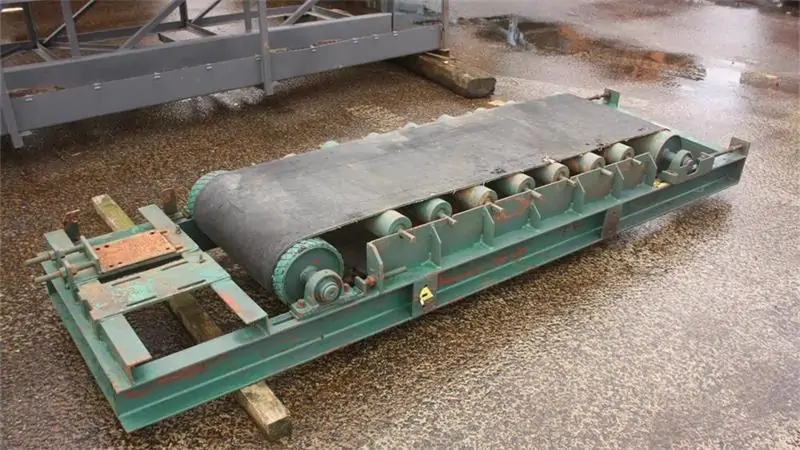
Structure of Belt Feeder
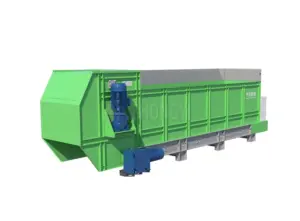
The belt feeder consists primarily of a hopper, a conveyor belt, a drive unit (motor + gearbox), an idler roller system, a frame structure, a material guide skirt, and a variable-frequency control system. It is used to achieve stable, adjustable, and uniform material feeding.
- Feed hopper / bin interface: Stores bulk material and ensures continuous gravity loading.
- Feeding belt (flat or troughed): Wide and slow-running to stabilize discharge. In mining-grade equipment, belt widths commonly range from 500 mm to 1200 mm, with higher-capacity models reaching even wider configurations depending on throughput demand .
- Drive unit (motor + gearbox): Controls speed and torque for stable extraction
Idlers / support rollers: Maintain belt alignment under high load. - Skirt boards & sealing system: Prevent material spillage and dust leakage
Frame structure: Reinforced steel frame designed for continuous industrial duty.
Working Principle
The Belt Feeder operates by using a drive motor to move the conveyor belt at a low speed, enabling controlled “suction-type” material feeding from the bottom of the hopper, Under the force of gravity, the material is evenly distributed across the belt and is steadily conveyed as the belt moves continuously. The system controls the flow rate through variable-frequency speed regulation or by adjusting the discharge gate, thereby ensuring continuous and uniform feeding to downstream crusher machines or screening equipment and preventing load fluctuations caused by shock feeding.
Applications
- Primary Crushing Feeding in Mining: Used to steadily convey ore from the raw ore bin to the jaw crusher, preventing “surge feeding” that could cause equipment overload or blockages.
- Sand and Gravel Aggregate Production Lines: In crushing systems for granite, limestone, and other materials, these feeders provide uniform and continuous feeding to vibrating screens or impact crushers, ensuring stable product gradation.
- Solid Waste/Municipal Solid Waste (MSW) Treatment: In waste pretreatment systems, these conveyors uniformly feed mixed municipal solid waste from hoppers into crushers or drum screens, improving sorting efficiency and reducing the risk of material jams.
- Coal and Fuel Handling Systems: Used in thermal power plants or cement plants to reliably convey coal or alternative fuels (RDF) to coal mills or combustion systems.
- Metallurgical and Mineral Processing: In ore pretreatment or mineral processing plants, these systems provide metered feeding of materials such as iron ore and copper ore to ensure the stable operation of subsequent grinding and flotation processes.
What Is an Apron Feeder?
An Apron Feeder is a heavy-duty material handling equipment used to extract, regulate, and transport bulk materials from storage bins or hoppers at a controlled and steady rate, especially in high-impact, abrasive, or large-lump conditions. It is widely applied in mining, quarrying, and waste processing where belt feeders cannot handle extreme loading conditions. Learn more about our Light Duty Apron Pan Feeder and Heavy Duty Apron Feeder.
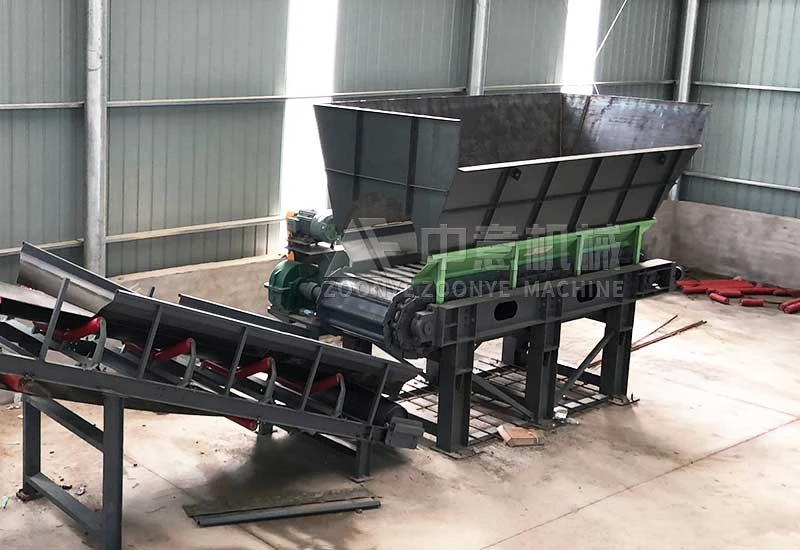
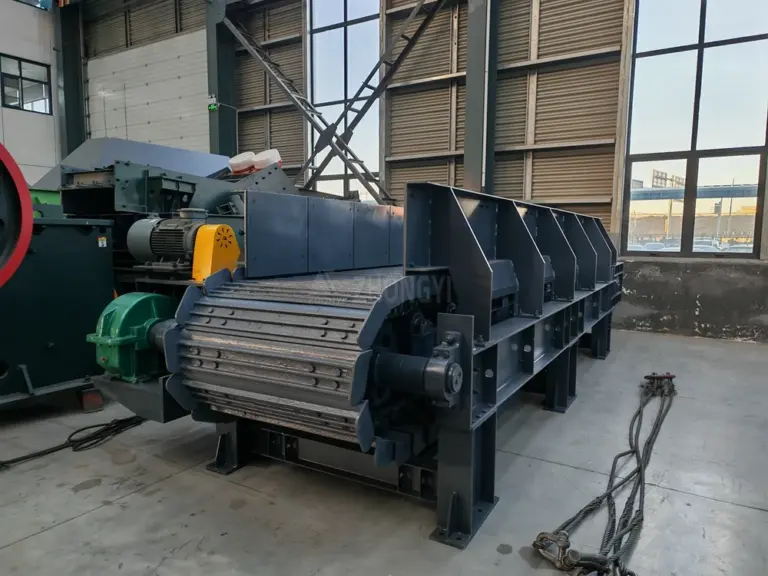
Structure of the Apron Feeder
An apron feeder is mainly composed of a heavy-duty feed hopper interface, overlapping steel plates (apron pans), chain assembly, head and tail sprockets, drive unit, support rollers, and a robust steel frame structure.
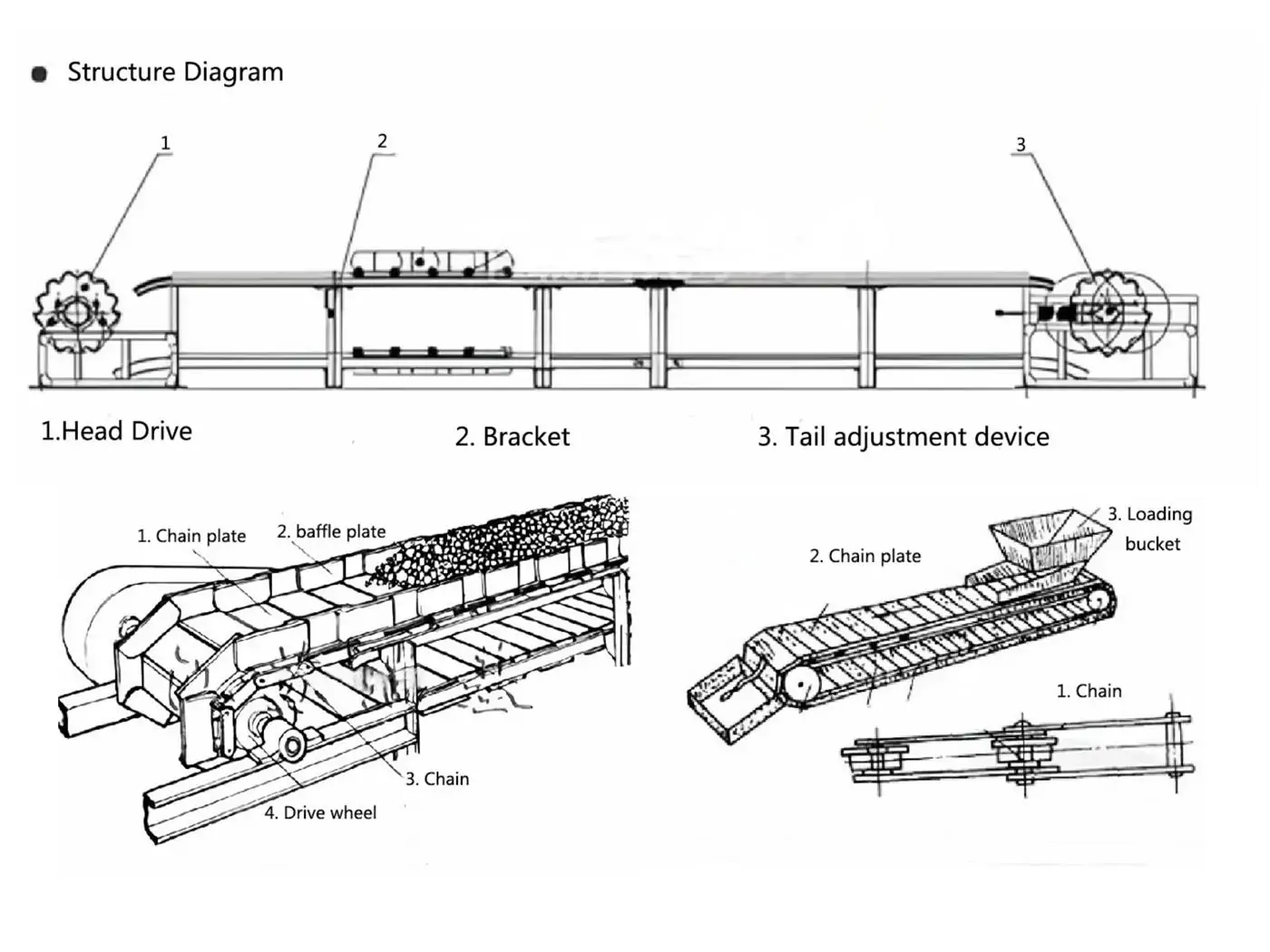
- Feed Hopper Section: Located at the feed end of the equipment, it receives blasted ore or large chunks of material and directs the material evenly onto the chain plate surface to reduce concentrated impact loads.
- Heavy-Duty Chain Plates (Apron Pan / Steel Plates): Composed of overlapping high-strength, wear-resistant steel plates, these form the working surface that directly bears the load and can withstand large chunks of ore and high impact loads.
- Chain Assembly: Consisting of double-row or multi-row heavy-duty chains, it connects and drives the apron pans, serving as the core transmission component of the equipment.
- Drive Unit: Composed of a motor, a gearbox, and a drive shaft, it provides high torque output to move heavy-load materials.
- Head and Tail Sprockets: Used to drive the chain in a continuous loop, ensuring the continuous movement of the apron pans and maintaining stable tension.
- Support Rollers / Idlers: Support the chain plates and chain during operation, reduce friction, and ensure smooth operation.
- Main Frame: Constructed of heavy-duty welded steel, it supports the entire machine’s weight and withstands impact loads, making it suitable for high-intensity mining conditions.
- Tensioning System: Adjusts the chain tension to ensure stability and prevent chain derailment during long-term operation.
Working Principle
The apron feeder works by using a motor-driven chain system that pulls a series of overlapping steel plates, forming a continuous moving surface under the hopper outlet. Material is discharged from the hopper and rests directly on the metal pans, which slowly move forward and carry the material out in a controlled manner.
The feed rate is regulated by adjusting the chain speed through a VFD system, allowing stable extraction even under high pressure from large or sticky materials. Unlike belt feeders, apron feeders rely on rigid steel surfaces, making them suitable for heavy impact and high-density loading.
Applications
Apron feeders are widely used in heavy-duty and primary feeding conditions where material size and impact force are high:
- Mining primary crushing systems: feeding large ore chunks (iron ore, copper ore, gold ore) into jaw or gyratory crushers
Quarry operations: handling blasted rock with large lump sizes directly from dump hoppers
Cement plants: feeding limestone, clay, and clinker with high temperature or abrasive properties
Metallurgical industry: transporting sinter, ore, and slag materials under harsh conditions
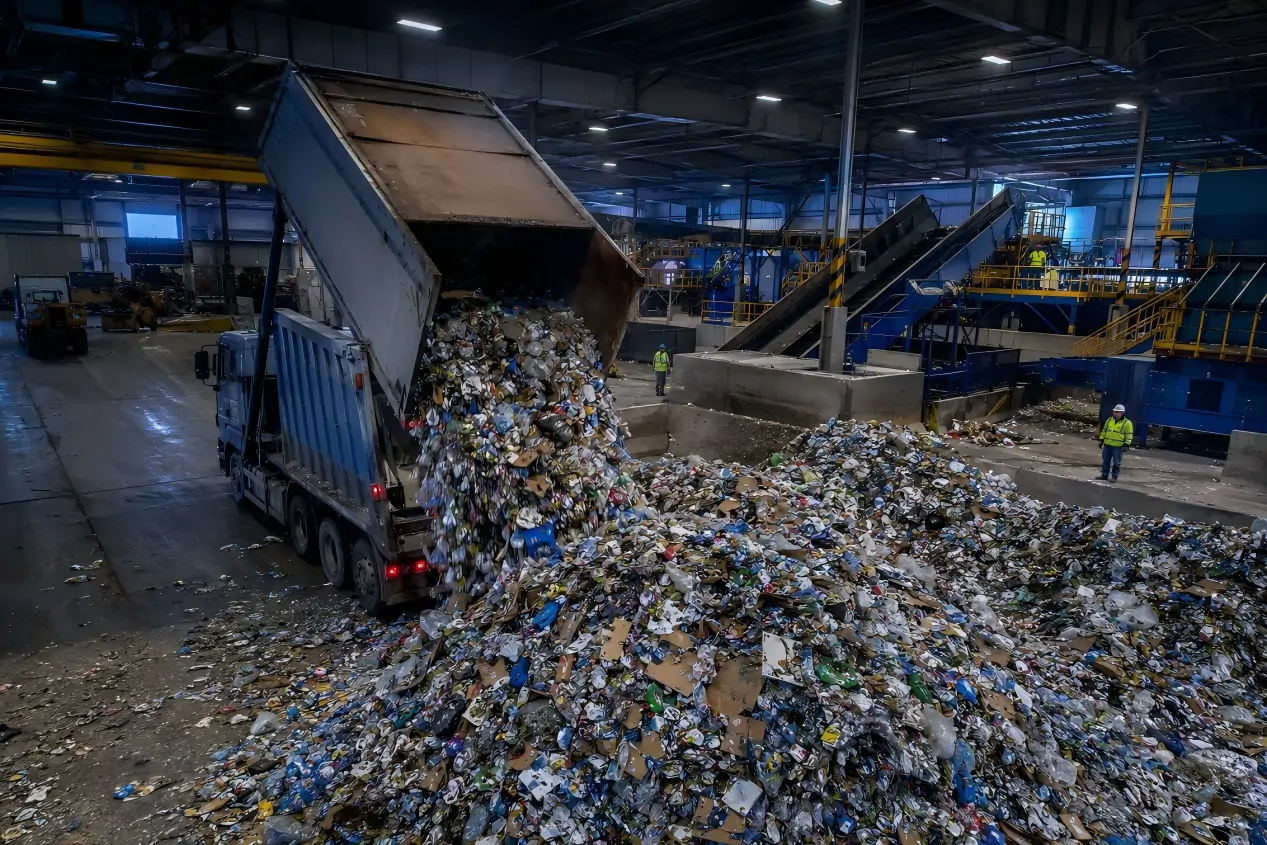
Waste and bulk material handling: used in industrial waste or demolition waste systems where mixed, heavy, and irregular materials are present
Apron feeders are selected when material size exceeds 300–1500 mm and when impact load or abrasion is too severe for belt-type feeding systems.
Belt Feeder vs Apron Feeder Comparison
Belt feeders and apron feeders are both used for bulk material handling, but they are designed for different operating conditions in waste processing, mining, and industrial plants. Belt feeders focus on stable, low-impact material transfer, while apron feeders are designed for heavy-duty, high-impact feeding of irregular and abrasive materials. The selection depends mainly on feed size, impact load, and upstream hopper conditions.
| Item | Belt Feeder | Apron Feeder |
| Structure | Rubber belt + pulleys | Steel pans + chain system |
| Suitable Material | Light, uniform, pre-treated waste | Heavy, mixed, bulky waste |
| Impact Resistance | Low to medium | Very high |
| Feed Size | Small to medium particles | Large lumps, irregular waste |
| Moisture / Stickiness Handling | Limited under sticky conditions | Strong adaptability to wet/sticky waste |
| Application Stage | Secondary feeding / transfer | Primary feeding from hopper or truck unloading |
| Typical Waste Use | RDF, fine MSW fractions, recycled materials | C&D waste, bulky MSW, landfill waste |
| Capacity Range | Medium throughput systems | Heavy-duty, high-capacity systems |
| Maintenance | Belt replacement and tensioning | Chain, pan, roller maintenance |
| Operating Condition | Controlled, stable feed | Harsh, variable, high-impact environment |
How to Choose Between Belt Feeder and Apron Feeder?
The selection between a belt feeder and an apron feeder should be based on real hopper discharge conditions, not only equipment preference. In Xinzhongyi engineering projects for mining and waste recycling plants, we evaluate material behavior, peak loading, and installation constraints before final selection to avoid under-sizing or unstable feeding during operation.
Material Characteristics
Material type determines the feeding method. Belt feeders are suitable for dry, free-flowing materials with relatively uniform size, such as pre-shredded RDF or fine MSW fractions. Apron feeders are used for mixed, abrasive, and high-impact materials such as C&D waste, demolition debris, and raw landfill waste.
In many waste recycling projects, material composition changes frequently, and moisture content can exceed 20–40%, which significantly increases sticking and impact load. In these cases, apron feeders perform more reliably at the primary stage.
Maximum Lump Size
Maximum lump size from truck unloading or hopper discharge is a key design basis. Belt feeders are generally used for materials below ~150–200 mm, depending on belt strength and loading conditions. Apron feeders can handle much larger lumps, often up to 800–1500 mm in mining and heavy C&D applications.
From our project experience, design should always follow the largest expected block size at site, not average particle size, especially where demolition waste or mixed construction debris is involved.
Capacity Requirement
Capacity selection should consider peak loading rather than average throughput. Belt feeders are commonly used in the range of 10–300 t/h in waste transfer and sorting lines, while apron feeders can reach 500–5000 t/h in heavy-duty mining and large-scale recycling plants.
In real truck dumping systems, instantaneous surge load can be 1.5–2 times higher than rated capacity. We usually size apron feeders with a safety margin to maintain stable crusher feeding under peak conditions.
Installation Conditions
Installation space, hopper geometry, and foundation strength directly affect equipment selection. Belt feeders require relatively compact installation and lower structural load. Apron feeders need longer installation length and reinforced foundation due to higher dead weight and chain-pan structure.
In retrofit waste plants, space limitation is often the deciding factor. In new projects, we recommend reserving sufficient length for apron feeder transition and maintenance access from the early design stage.
Maintenance Considerations
Belt feeders mainly require belt tension adjustment and periodic belt replacement. Apron feeders involve chain, pan, rollers, and sprocket systems that require regular lubrication and inspection.
The chain maintenance intervals in heavy-duty applications are around 250–500 operating hours depending on load and material abrasiveness. Although apron feeders have higher maintenance requirements, they offer significantly better stability in harsh waste and mining environments.
From our field experience, projects that prioritize long-term stability and reduced blockage risk tend to choose apron feeders at the primary feeding stage, especially in mixed waste and high-impact conditions.
Contact Xinzhongyi for Feeder Selection Support
Choosing between a belt feeder and an apron feeder is not only a specification decision, but also a system-level engineering choice based on material conditions, plant layout, and long-term operating stability. Xinzhongyi provides engineering support for mining, quarrying, and solid waste recycling projects to ensure the feeding system matches real site conditions.
Our team can assist with engineering selection, customized design, and complete plant solution integration, including hopper matching, crusher feeding optimization, and layout coordination.
If you are planning a new project or upgrading an existing line, contact our technical team for practical selection advice and a tailored feeding solution based on your material and capacity requirements.


Andy Yu
Technical Engineer | Zhongyi ECO
16+
Years Exp.
300+
Solutions
50+
Countries
16 years’ experience in environmental and solid waste management, specializing in C&D recycling and waste sorting solutions. Xinzhongyi ECO focused on improving global clients’ efficiency through technical expertise and tailored configurations.
FAQ
A belt feeder uses a rubber belt system for light to medium, uniform materials with low impact conditions. An apron feeder uses steel pans and a chain system designed for heavy, abrasive, and high-impact materials such as C&D waste, MSW, and mining ore. In waste processing plants, apron feeders are used at the primary feeding stage, while belt feeders are used for secondary transfer.
For waste recycling plants, apron feeders are more suitable for primary feeding because incoming waste is often mixed, bulky, and irregular. Belt feeders are used when the material has been pre-processed, such as RDF or fine MSW fractions. In most Zhongyi projects, apron feeders are selected at the front end of the system.
No, belt feeders are not designed for large, sharp, or highly mixed waste. Heavy or irregular materials can damage the belt or cause slippage. For such conditions, apron feeders are recommended because of their steel pan structure and higher impact resistance.
Belt feeders are commonly used in the range of 10–300 t/h for controlled transfer applications. Apron feeders are designed for heavy-duty systems and can handle capacities from 500 up to 5000 t/h depending on application, especially in mining and large waste processing plants.
Mining and C&D waste projects involve high-impact loading, large lump sizes, and unstable material flow. Apron feeders are built with steel pans and heavy-duty chains, making them suitable for direct truck dumping and hopper discharge without causing blockages or excessive wear.
Belt feeders mainly require belt tension adjustment and periodic belt replacement. Apron feeders require regular inspection and lubrication of chains, rollers, and sprockets. Although apron feeders need more maintenance points, they offer higher reliability in harsh operating environments.
Selection depends on material type, lump size, capacity, and installation conditions. If the material is light, uniform, and stable, a belt feeder is suitable. If the material is heavy, abrasive, or irregular, an apron feeder is recommended. In real engineering projects, peak load conditions should always be considered, not only average flow.
Yes. Zhongyi provides customized engineering solutions based on material characteristics, plant layout, and capacity requirements. Our team supports full-system design, including feeder selection, hopper matching, and integration with crushers and conveying systems for mining and waste recycling plants.