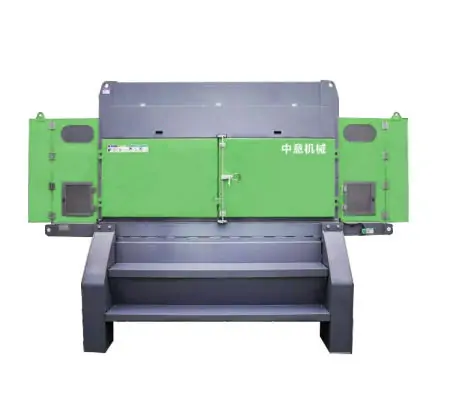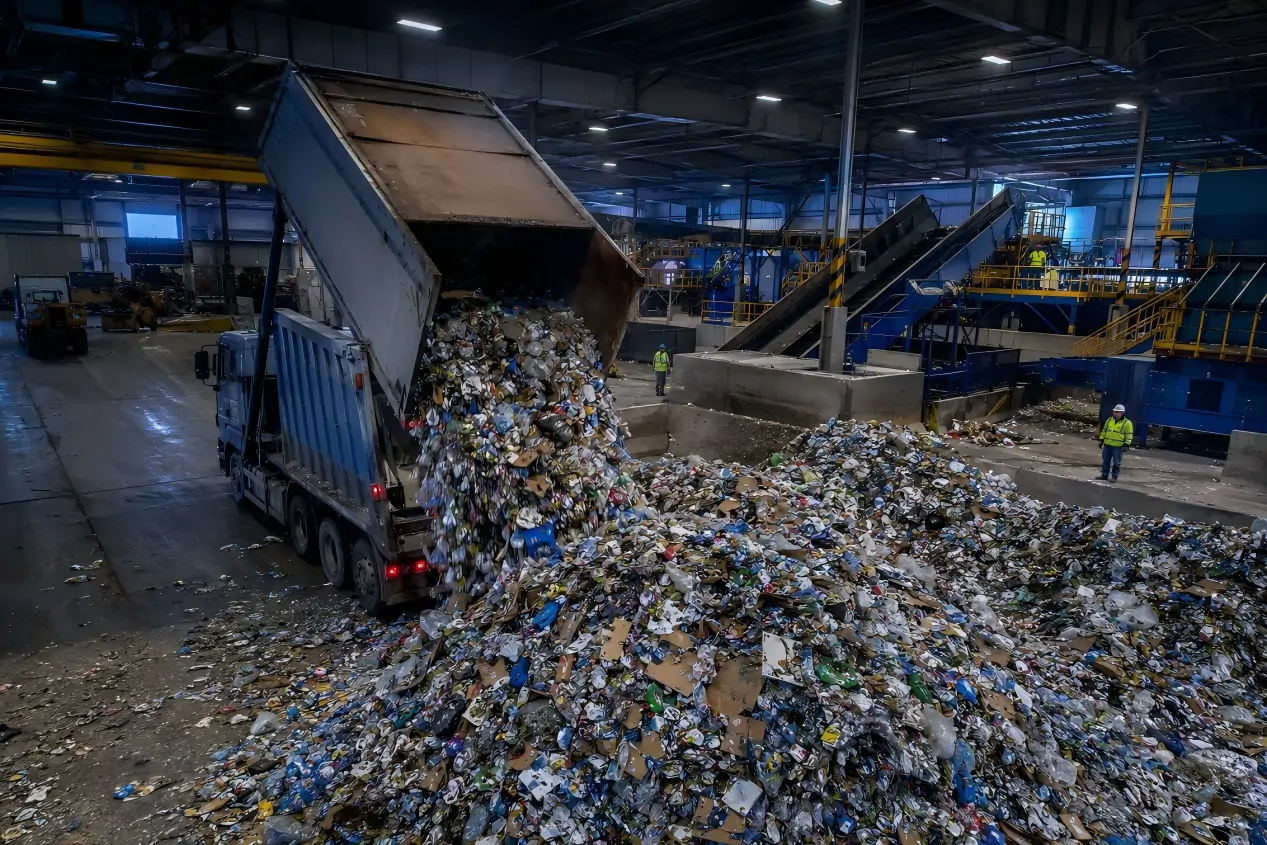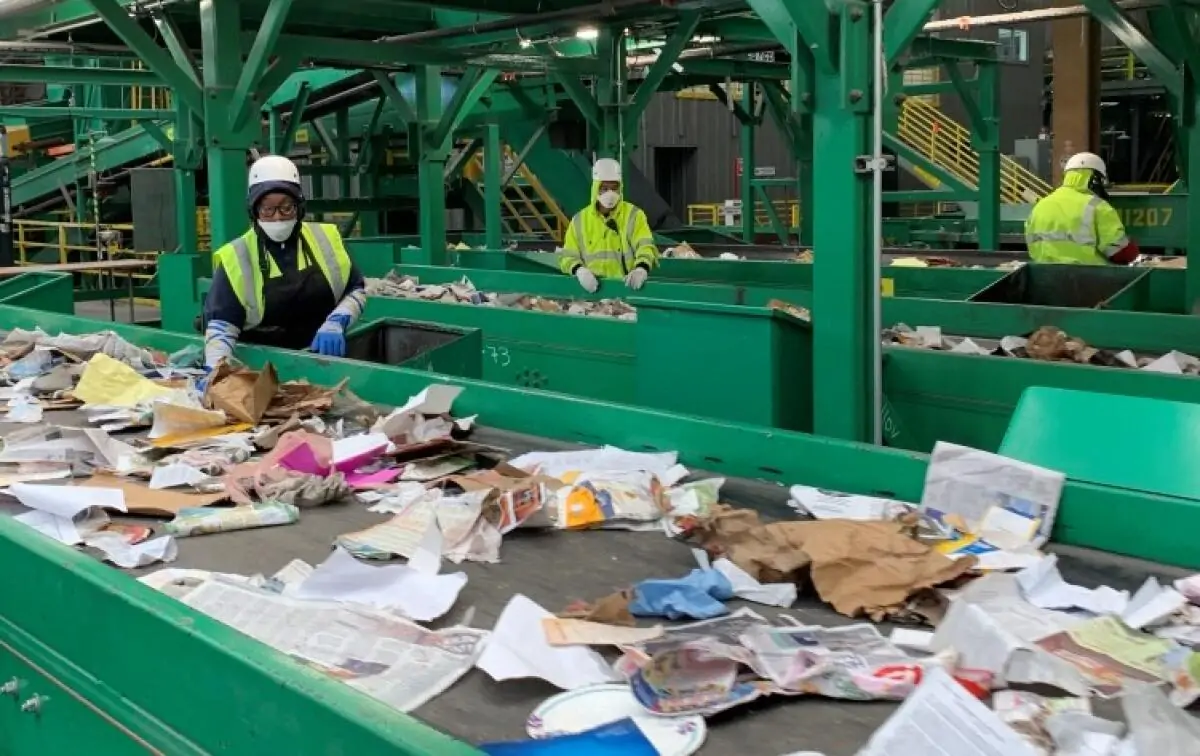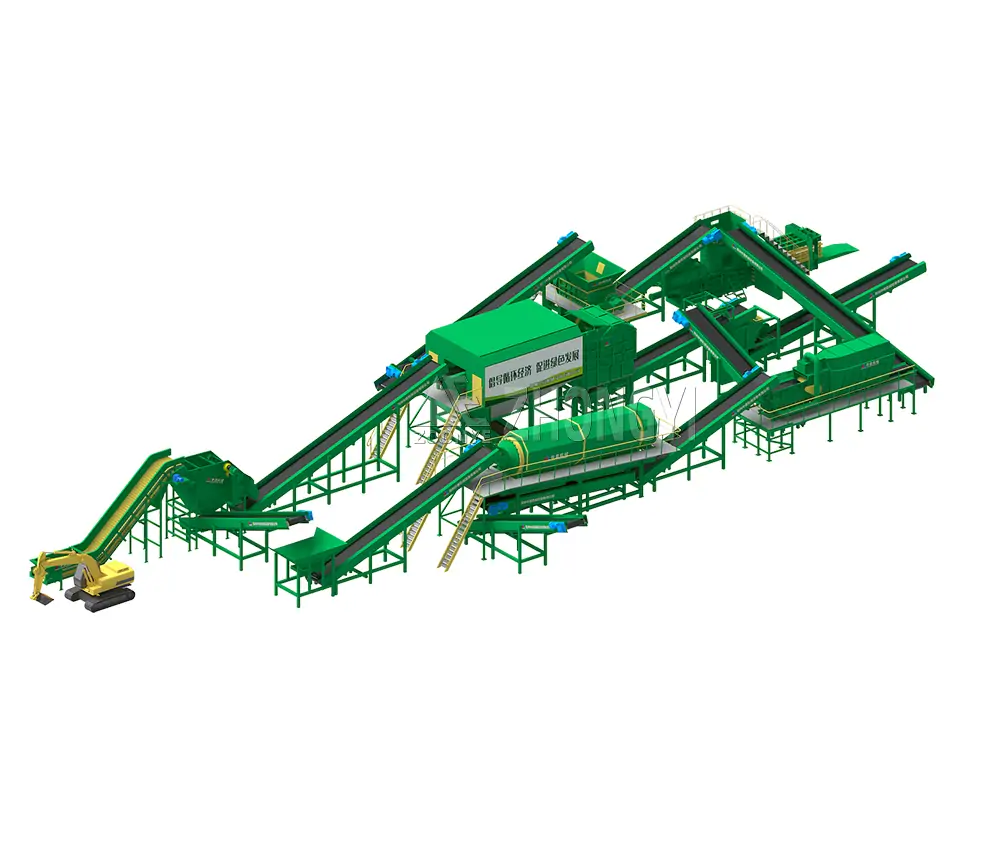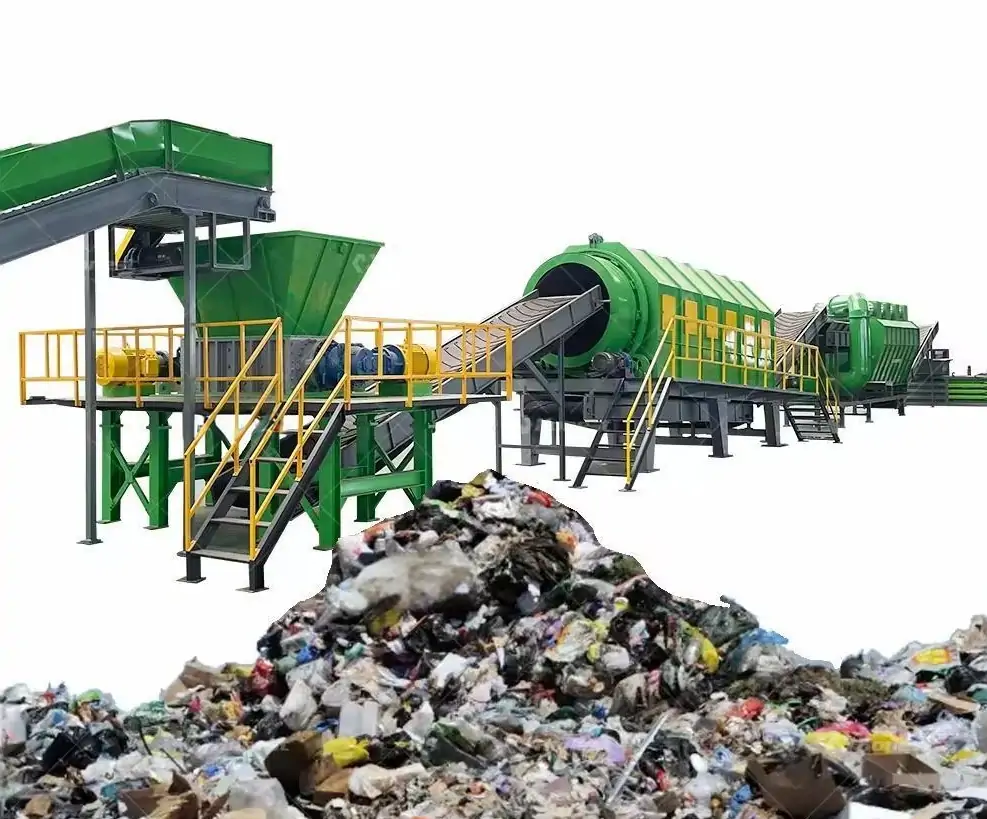
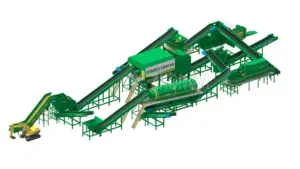
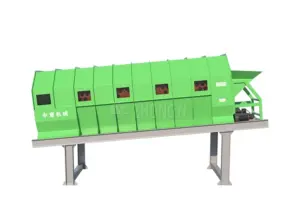
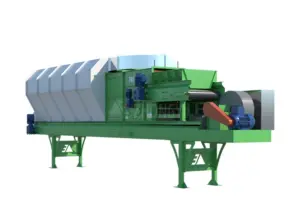

A waste baler, also called a garbage baler or recycling baler, is a recycling machine that uses hydraulic force to compress loose waste materials, such as cardboard, plastic, paper, textile and RDF, into high-density bales for easier storage, transportation and recycling. Waste balers are available in different types, including vertical balers, horizontal balers and fully automatic balers, depending on material characteristics and processing capacity.
This article explains how waste balers work, the main types and components of baling machines, the materials they can process, and their applications in MSW sorting plants, MRF facilities and industrial recycling systems. We will also discuss key factors to consider when selecting a waste baler for different recycling requirements.
How Does a Waste Baler Work?
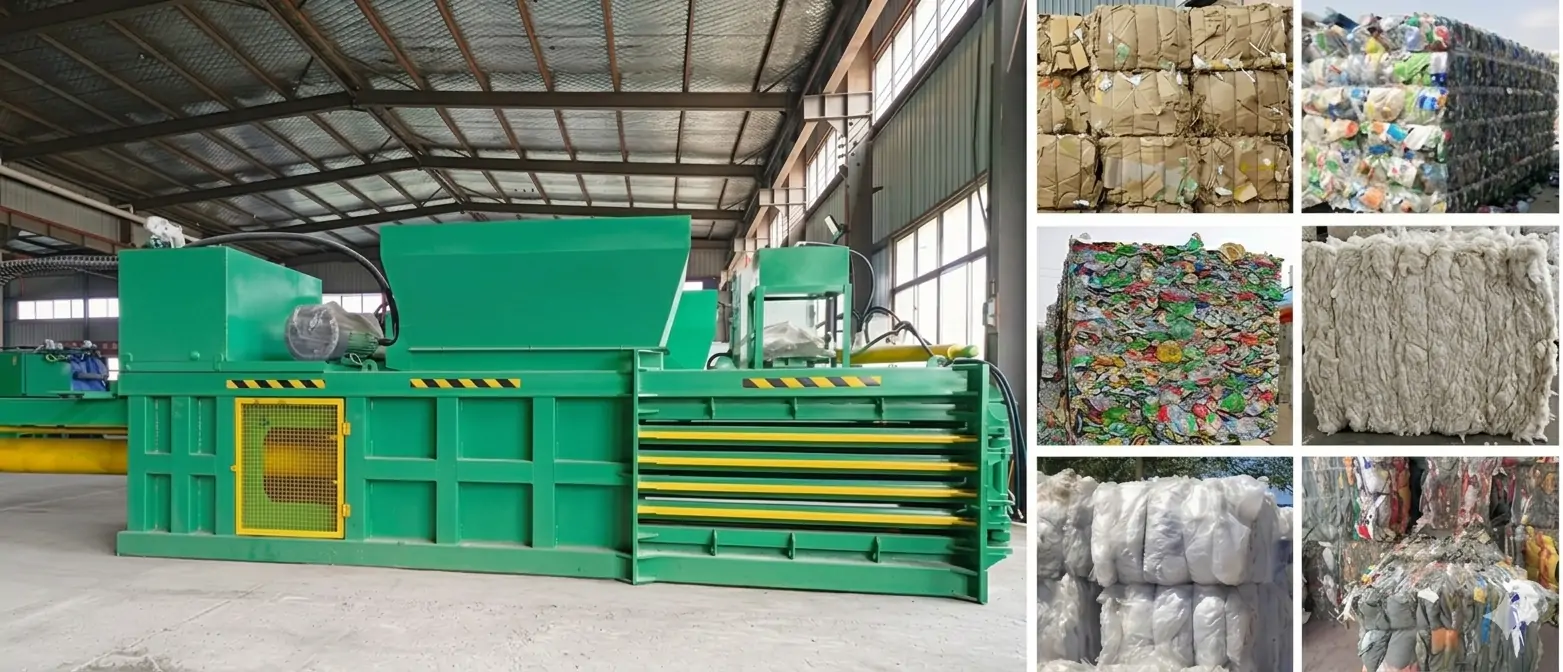
A waste baler works by using hydraulic force to compress loose waste materials into compact and uniform bales. The working principle is straightforward: waste materials are loaded into the compression chamber, and a hydraulic cylinder drives the press plate to apply controlled pressure. This force compresses the materials, removes air gaps and reduces the overall volume, creating dense rectangular or square bales that are easier to handle, store and transport.
The basic working process of a waste baler includes:
Waste Loading → Material Compression → Bale Binding → Bale Discharge → Storage
- Waste Loading
Loose waste materials are loaded into the compression chamber according to the baler type and operating method. Some horizontal balers use continuous feeding systems, while smaller vertical balers usually require manual loading.
- Material Compression
After loading, the hydraulic cylinder pushes the press plate forward and applies high pressure to the waste materials inside the chamber. The compression force squeezes the materials together, significantly reducing volume and forming a dense bale with a consistent shape and size.
- Bale Binding
Once the required bale density is reached, the compressed material is secured with binding wire, plastic straps or other tying materials. Depending on the machine design, the binding process can be manual, semi-automatic or fully automatic.
- Bale Discharge and Storage
After binding, the finished bale is discharged from the compression chamber. The compact bales can then be moved by forklift to storage areas or transported to recycling facilities for further processing.
Main Components of a Waste Baler
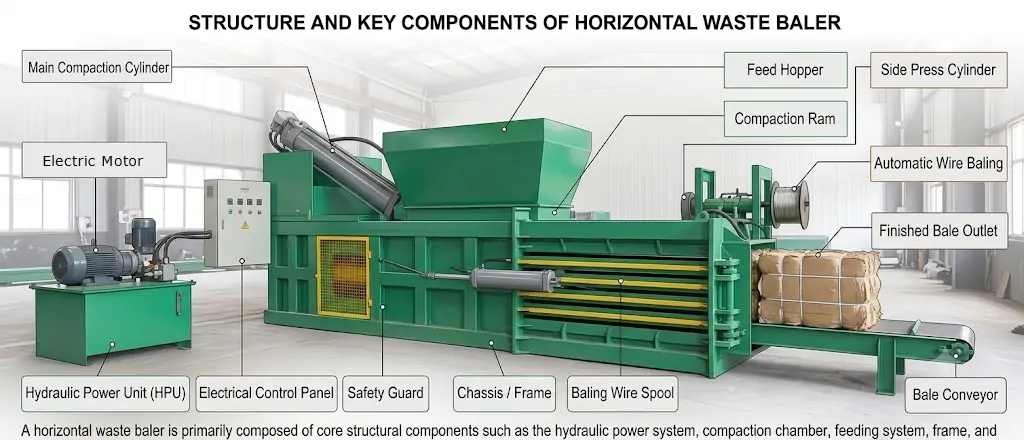
A waste baler consists of several key components that work together to compress loose waste materials into compact, uniform bales. The main structure includes the hydraulic system, compression unit, feeding system, control system, and safety devices, ensuring efficient operation, stable performance, and easy material handling.
| Component | Function |
| Main Frame | Supports the entire machine structure and withstands high compression forces. |
| Hydraulic System | Provides powerful pressure to drive the compaction process. |
| Compression Chamber | Holds waste materials and forms them into compact bales. |
| Hydraulic Cylinder & Ram | Generates compression force to reduce material volume and increase bale density. |
| Feeding System | Delivers waste materials into the compression chamber. |
| Bale Discharge System | Pushes or releases finished bales for easy handling. |
| Control System | Controls machine operation and automatic working cycles. |
| Safety Devices | Ensures safe operation with emergency stops and protection mechanisms. |
Types of Waste Balers
Waste balers are available in different designs to meet various recycling requirements, from small-scale waste collection to large automated recycling plants. The main differences are bale size, feeding method, automation level, throughput capacity, and material handling capability.
The right waste baler depends on your material type, daily waste volume, available space, and production requirements. Common types include vertical waste balers, horizontal waste balers, automatic waste balers, and two-ram balers.
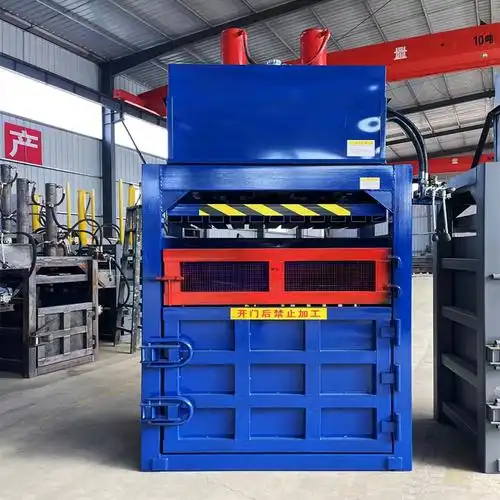
Vertical Waste Baler
A vertical waste baler is a compact baling machine that compresses recyclable materials vertically using hydraulic force. Due to its small footprint and simple operation, it is widely used for businesses generating moderate amounts of recyclable waste. Suitable for supermarkets, warehouses, retail stores, small recycling stations.
- Compact vertical design with small footprint
- Lower investment cost and easy installation
- Suitable for low to medium waste volumes
- Simple operation and maintenance
- Ideal for cardboard, paper, plastic film, and packaging waste
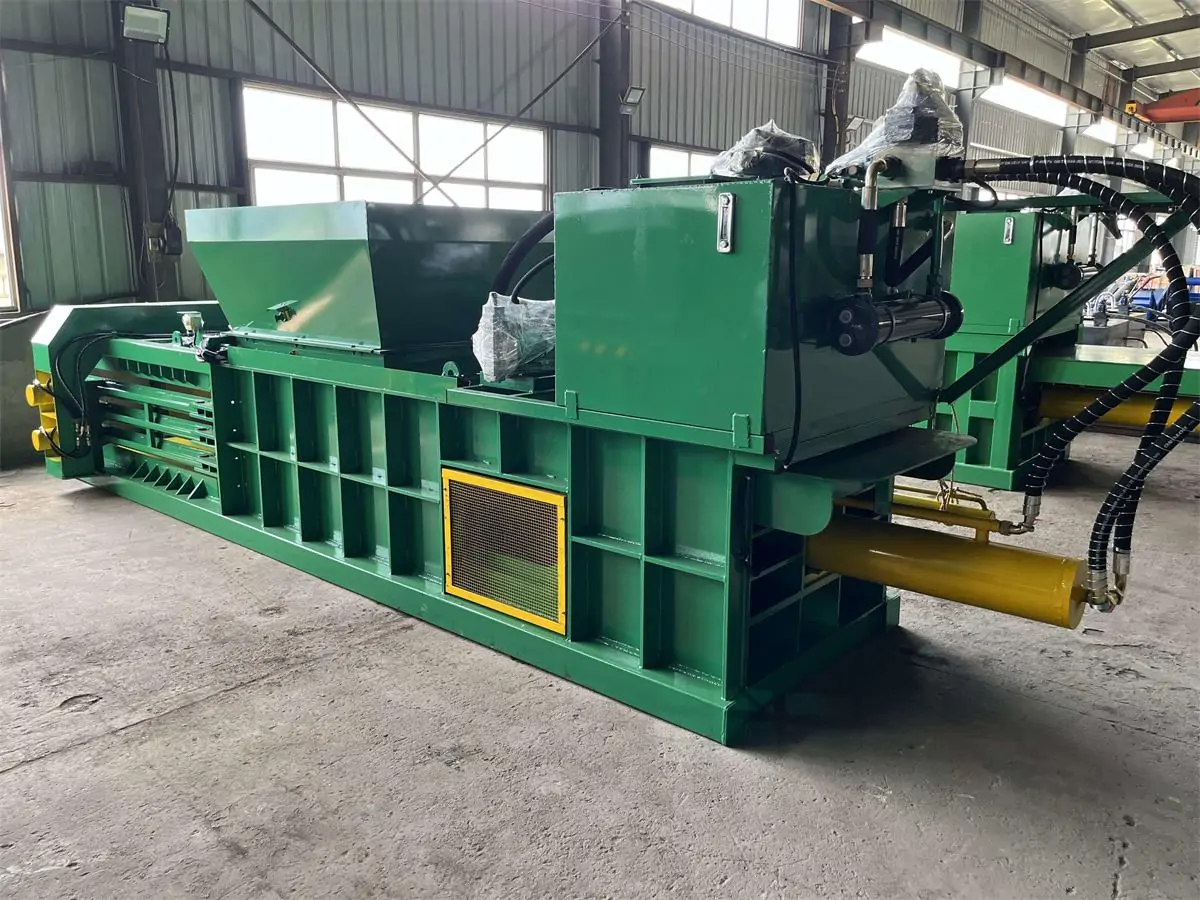
Horizontal Waste Baler
A horizontal waste baler is designed for continuous and high-volume recycling operations. Materials are typically fed horizontally through a conveyor system, allowing efficient processing in large recycling facilities. Suitable for material, recovery Facilities (MRF), municipal Solid Waste (MSW) sorting plants, industrial recycling facilities, large waste processing centers.
- Higher throughput compared with vertical balers
- Supports continuous material feeding
- Larger bale size and higher bale density
- Available with automatic tying systems
- Suitable for long-term industrial operation
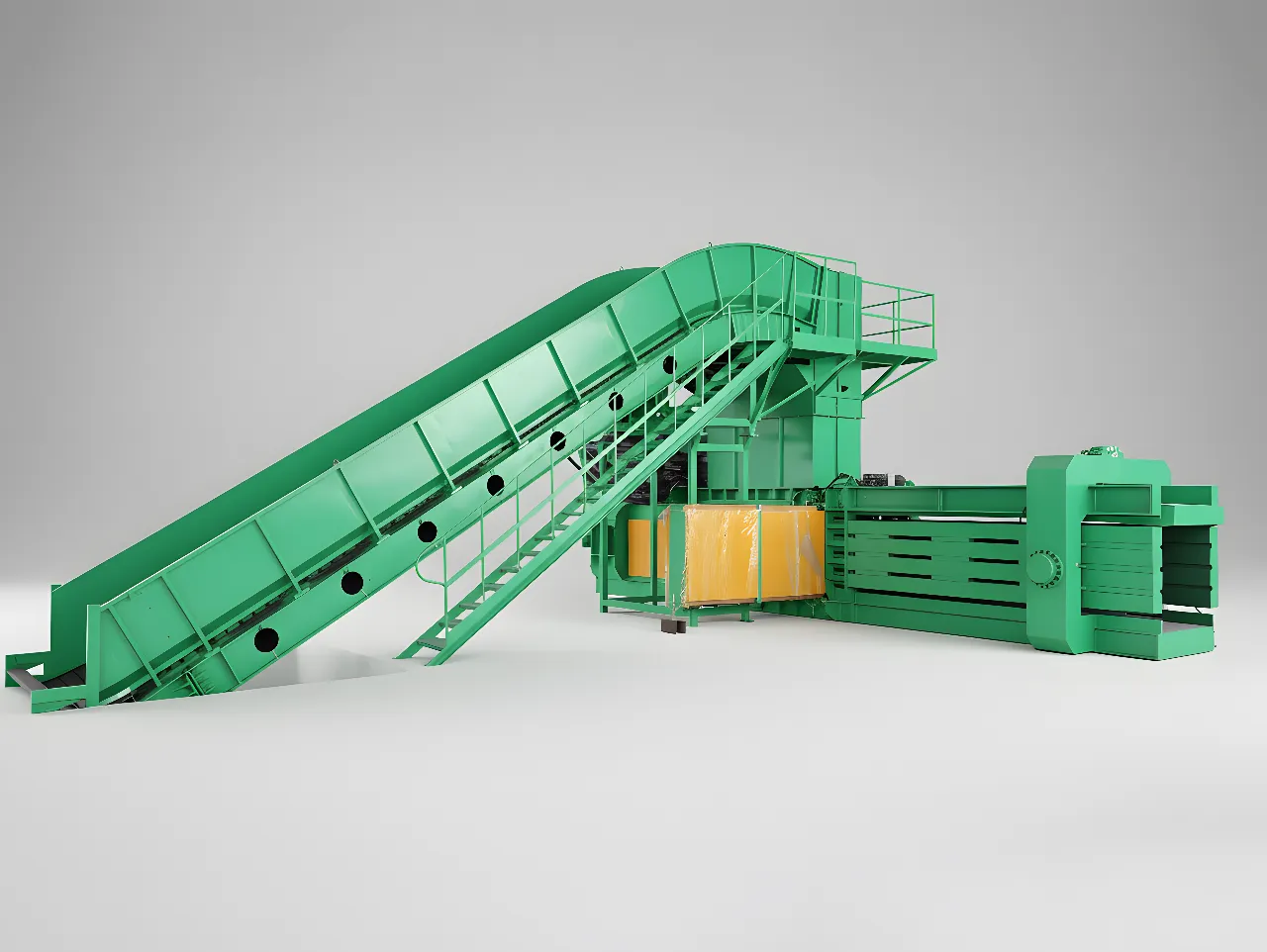
Automatic Waste Baler
An automatic waste baler integrates feeding, compression, tying, and bale discharge into a continuous automated process. It is commonly installed after sorting and conveying systems to reduce manual operation and improve overall recycling efficiency. Suitable for automated recycling plants, large-scale waste sorting lines, high-volume material recovery projects.
- Reduces labor requirements and operating costs
- Can be integrated with conveyor feeding systems
- Provides consistent bale size and density
- Improves production efficiency with continuous operation
- Suitable for cardboard, plastics, RDF, and mixed recyclables
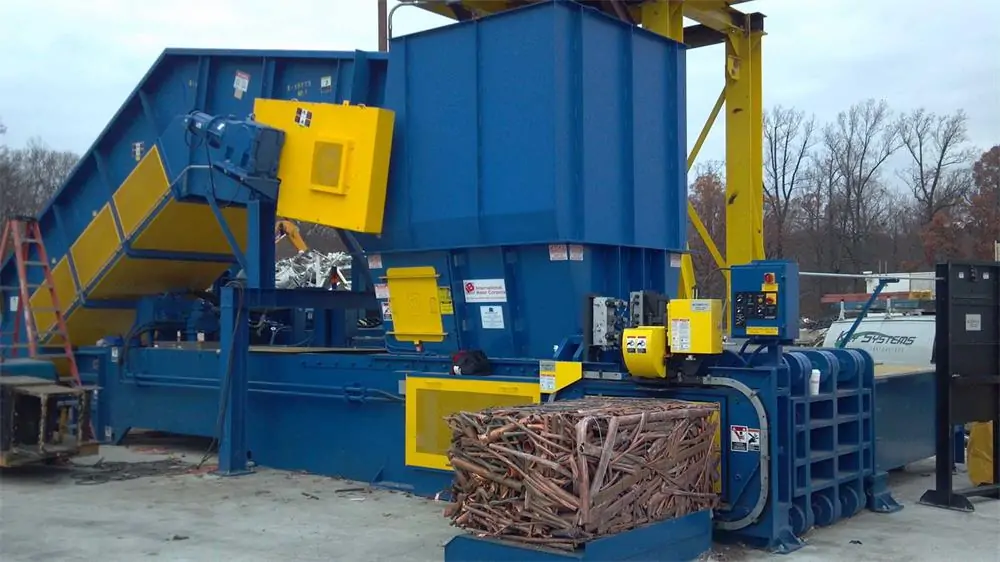
Two-Ram Baler
A two-ram baler is a heavy-duty horizontal baling machine equipped with dual hydraulic cylinders. Compared with conventional balers, it provides stronger compression capability and better control when processing difficult or mixed materials. Suitable for mixed plastics, RDF (Refuse Derived Fuel), complex recyclable materials, high-density industrial waste.
- Higher compression force for challenging materials
- Handles mixed and irregular waste streams effectively
- Produces stable and high-density bales
- Suitable for demanding recycling applications
- Designed for heavy-duty continuous operation
What Materials Can a Waste Baler Process?
Common materials processed by waste balers include recyclable materials, municipal waste fractions, and industrial waste.
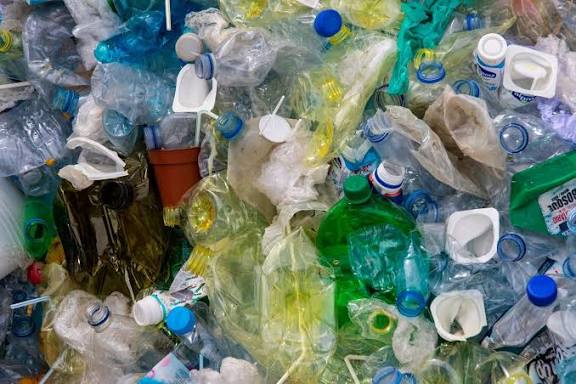
Recyclable Materials
OCC (Old Corrugated Cardboard)
Waste paper
PET bottles
Plastic film
Mixed plastics
Paper packaging materials
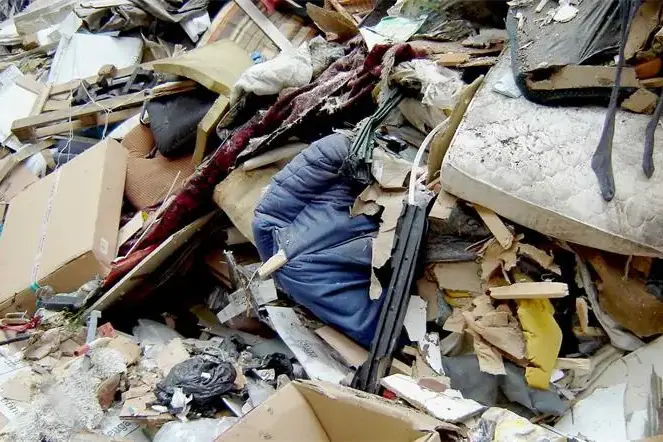
Municipal Waste Materials
RDF (Refuse Derived Fuel)
SRF (Solid Recovered Fuel)
Combustible waste
Sorted plastic waste
Lightweight packaging waste
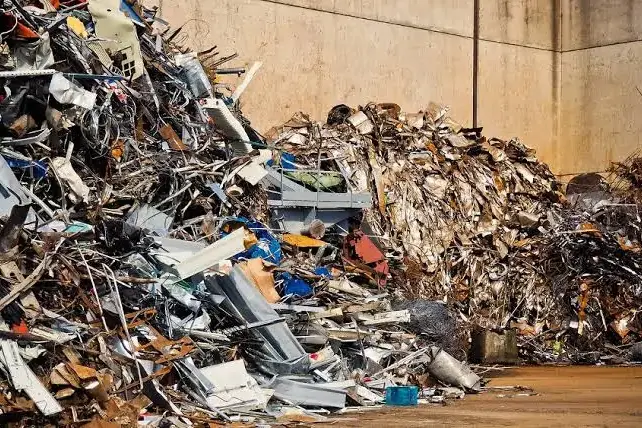
Industrial Waste Materials
Textile waste
Packaging waste
Aluminum cans
Metal-containing packaging
Production scrap materials
Why Use a Waste Baler in Recycling Plants?
A waste baler helps recycling plants improve operational efficiency by compressing loose materials into dense, manageable bales. Beyond saving space, it also reduces logistics costs, improves material handling, and supports more efficient recycling operations.
Reduce Transportation Cost
Loose waste materials usually have low density and occupy significant transportation space, which increases the number of trips required for material delivery. By compressing waste into high-density bales, a waste baler improves truck loading efficiency, reduces transportation frequency, and helps lower overall logistics costs.
Improve Storage Management
Baled materials are easier to stack, organize, and store compared with loose waste. This allows recycling facilities to make better use of available space, maintain cleaner storage areas, and simplify material management before further processing or shipment.
Increase Material Value
Uniform and compact bales are easier to handle, transport, and trade in recycling markets. By improving material density and maintaining consistent bale shapes, waste balers help increase the usability and commercial value of recyclable materials such as cardboard, plastics, and RDF.
Reduce Manual Handling
A waste baler reduces the need for manual collection and movement of loose materials by automating the compaction process. This helps lower labor requirements, improve workplace safety, and increase the overall efficiency of recycling plant operations.
Applications
Waste balers are widely used in recycling and waste management industries to compress sorted materials into dense bales for easier storage, transportation, and recycling. They are commonly integrated into MSW sorting plants, C&D waste recycling plants, MRFs, and industrial recycling facilities to improve material handling efficiency and reduce operating costs.
MSW Sorting Plant
Waste balers are installed after sorting processes to compress recovered materials into stable bales for transportation and recycling markets.
Process:
Sorting → Recoverable Materials → Baling → Recycling Market
C&D Waste Recycling Plant
Waste balers are used to compact lightweight recovered materials, such as RDF fractions and separated plastics, improving storage and transportation efficiency after material separation.
MRF (Material Recovery Facility)
In MRF plants, waste balers process sorted recyclables such as OCC cardboard, paper, PET bottles, plastics, and aluminum cans into market-ready bales for downstream recycling.
Industrial Waste Recycling
Factories, warehouses, and logistics centers use waste balers to reduce the volume of packaging waste, production scraps, and recyclable materials generated during daily operations.
Landfill Mining & Waste Recovery Projects
Waste balers support landfill recovery operations by compressing recovered combustible materials and recyclable fractions into transportable bales for further utilization.
Waste Baler vs Waste Compactor: What Is the Difference?
Waste balers and waste compactors are both used to reduce waste volume, but they serve different purposes in waste management systems. A waste baler compresses recyclable materials into dense, uniform bales for storage, transportation, and recycling, while a waste compactor mainly reduces the volume of general waste before disposal or landfill.
The better choice depends on your waste type, recycling goals, and operational requirements. For facilities focused on material recovery and recycling value, a waste baler is usually the preferred solution. For waste volume reduction without further recycling, a compactor may be more suitable.
| Comparison | Waste Baler | Waste Compactor |
| Main Purpose | Compresses recyclable materials into reusable bales | Reduces general waste volume for disposal |
| Primary Application | Recycling plants, MRFs, MSW sorting plants, industrial recycling | Commercial waste stations, transfer stations, landfill operations |
| Processed Materials | Cardboard, paper, plastics, PET bottles, RDF, sorted recyclables | Mixed municipal waste and general refuse |
| Output Form | Dense and uniform bales suitable for transportation and sale | Compacted waste blocks mainly for disposal |
| Material Value | Helps preserve and increase recyclable material value | Does not create additional recycling value |
| Automation Options | Available with automatic feeding, tying, and bale discharge systems | Usually focused on compaction volume reduction |
| Transportation Efficiency | High-density bales improve truck loading efficiency | Reduces volume but materials remain mixed waste |
| Best Choice For | Facilities recovering and selling recyclable materials | Operations mainly focused on waste disposal |
Our Recommendation
For recycling projects such as MSW sorting plants, MRF facilities, and industrial recycling lines, we recommend using a waste baler because it not only reduces waste volume but also improves material recovery value. Compressed bales are easier to store, transport, and sell to downstream recycling markets.
A waste compactor is more suitable for general waste disposal applications where recycling and material recovery are not the primary goals. The final choice should be based on material type, processing capacity, and the requirements of your waste management system.
How to Choose the Right Waste Baler?
Based on our experience supplying recycling equipment for MSW sorting and RDF production projects, selecting a baler depends mainly on material characteristics, required throughput and downstream recycling requirements. A properly selected baler can significantly reduce logistics costs and improve overall plant efficiency.
We recommend that you choose a packaging solution based on your actual operating conditions:
Material Type
Different materials require different baler configurations. Cardboard and paper are easier to compress, while plastic film, RDF, and mixed waste often require stronger compression and customized feeding solutions.
Common materials:
- Cardboard and paper
- Plastic film and PET bottles
- RDF/SRF
- Mixed recyclable waste
Processing Capacity
The required capacity depends on your material volume and operating schedule. For industrial recycling plants, baler capacity is usually measured in tons per hour (TPH) to match continuous production requirements.
Bale Density Requirement
Bale density directly affects transportation, storage, and recycling value. Higher-density bales take up less space, improve truck loading efficiency, and are easier to handle in downstream recycling operations.
Automation Level
The right automation level depends on plant scale and labor requirements.
Manual Baler: Suitable for small recycling operations with limited material volume.
Semi-Automatic Baler: Suitable for medium-scale applications requiring improved eff
Fully Automatic Baler: Designed for large recycling plants with continuous feeding and automatic bale handling.
Integration With Recycling System
A waste baler should work together with other recycling equipment to achieve better overall performance. In our projects, often integrates balers with sorting and separation equipment to create a complete material recovery solution.
Process:
Sorting Conveyor → Air Separator → Magnetic Separator → Waste Baler
This production line setup improves material recovery, reduces manual work, and produces consistent bales for easy transportation and recycling.
Why Choose Xinzhongyi Waste Baling Solution?
Choosing a waste baler requires more than selecting a machine model. The right solution should match the material characteristics, processing capacity, and the complete recycling process. Xinzhongyi provides integrated waste baling solutions, combining equipment supply, system design, and engineering support for different recycling applications.
Complete Recycling System Integration
Xinzhongyi supplies complete recycling equipment, including waste shredders, trommel screens, windshifters, belt conveyors, and waste balers. We design the system according to the material flow, ensuring efficient sorting, separation, and baling from raw waste input to final bale output.
Customized Design
Each waste stream requires a different solution. Xinzhongyi designs baling systems based on waste composition, processing capacity, and final product requirements to achieve stable operation and suitable bale quality for different recycling markets.
Engineering Support
Our engineering team provides support from project planning to installation, including process design, equipment selection, and installation guidance. We help customers build practical recycling systems based on site conditions and production requirements.
Conclusion
A waste baler is a key piece of equipment for modern recycling operations, designed to compress loose waste materials into dense, uniform bales that reduce storage space, improve transportation efficiency and increase the value of recyclable materials. By selecting the right baler type, compression capacity and automation level, recycling facilities can achieve more efficient and cost-effective waste management.
We have experience in waste recycling equipment manufacturing, Zhongyi provides reliable waste baling machines and customized solutions for different applications, including MSW sorting plants, MRF facilities, RDF production lines and industrial recycling projects. Our engineering team supports customers from equipment selection to complete system design, ensuring the baling solution matches actual material characteristics and production requirements.
Contact Zhongyi today for professional waste baler selection and customized recycling equipment solutions.


Andy Yu
Technical Engineer | Zhongyi ECO
16+
Years Exp.
300+
Solutions
50+
Countries
16 years’ experience in environmental and solid waste management, specializing in C&D recycling and waste sorting solutions. At Zhongyi Mining Machinery, focused on improving global clients’ efficiency through technical expertise and tailored configurations.
FAQ
A waste baler is used to compress loose recyclable materials into dense, uniform bales for easier storage, transportation, and recycling. It is commonly used for cardboard, paper, plastics, RDF, and sorted municipal waste. By reducing material volume, a baler helps recycling facilities lower handling costs and improve material recovery efficiency.
Waste balers can process a wide range of recyclable and waste materials, depending on the machine type and compression force. Common materials include OCC cardboard, waste paper, PET bottles, plastic film, RDF, SRF, textile waste, and industrial packaging materials. The correct baler should be selected based on material characteristics and moisture content.
Vertical balers are compact and suitable for small businesses, warehouses, and recycling stations with limited waste volumes. Horizontal balers are designed for higher-capacity operations such as MRF plants and MSW sorting facilities. They support continuous feeding, larger bale production, and can be equipped with automatic tying systems for industrial applications.
A waste baler uses hydraulic pressure to compress loose materials inside a compression chamber. After reaching the required density, the material is tied or secured into a stable bale and discharged from the machine. The baling process reduces material volume, improves handling efficiency, and prepares recyclables for transportation or further processing.
The right waste baler depends on several factors, including material type, processing capacity, required bale density, and automation level. For example, small recycling operations may choose a vertical baler, while large MRF or MSW plants usually require automatic horizontal balers integrated with conveyors and sorting equipment.
Yes. Automatic waste balers are commonly integrated into complete recycling systems with conveyors, sorting equipment, shredders, screens, and separators. In large recycling plants, the baler receives sorted materials automatically, compresses them into consistent bales, and reduces manual handling requirements during continuous operation.
Yes. Loose waste usually occupies a large volume and has low transportation efficiency. After baling, materials become compact and stackable, allowing more efficient truck loading and warehouse management. For recycling plants handling large volumes of materials, reducing transportation frequency can significantly lower operating costs.
A waste baler is mainly used for recyclable materials that need to be recovered, stored, and sold, while a waste compactor is mainly used to reduce the volume of general waste before disposal. Recycling facilities such as MRFs and MSW sorting plants usually prefer balers because they help maintain material value and improve recovery efficiency.