
Introduction
When a waste sorting line starts running differently from normal, the Bag Breaking Machine Fault Solution is not always as simple as replacing a worn part. Bags may pass through unopened, plastic film may wrap around the shaft, material may build up inside the machine, or the motor may trip when the feed rate increases. For operators, these problems can quickly affect material flow to downstream sorting equipment and lead to unplanned downtime. The cause may be related to the machine itself, but waste characteristics, feeding conditions, component wear, and mechanical load also need to be considered.
A useful troubleshooting process starts with the symptom and works backward. A drop in bag-opening performance, for example, may come from worn opening components, material buildup, high-moisture waste, uneven feeding, or excessive load. The right response is therefore to identify the fault symptom, narrow down the likely cause, check the relevant part or operating condition, and then apply the appropriate solution. The sections below follow this approach to common waste bag breaking machine problems, with practical checks and corrective measures for each situation.


What Causes Waste Bag Breaking Machine Faults?
Waste bag breaking machine faults can originate from the machine itself, the incoming waste, feeding conditions, or restrictions in the downstream material flow. This is why the same bag opener may perform differently when the waste composition, moisture level, feed rate, or operating conditions change. Identifying the source of the abnormal condition is the first step in effective troubleshooting.
Machine Condition
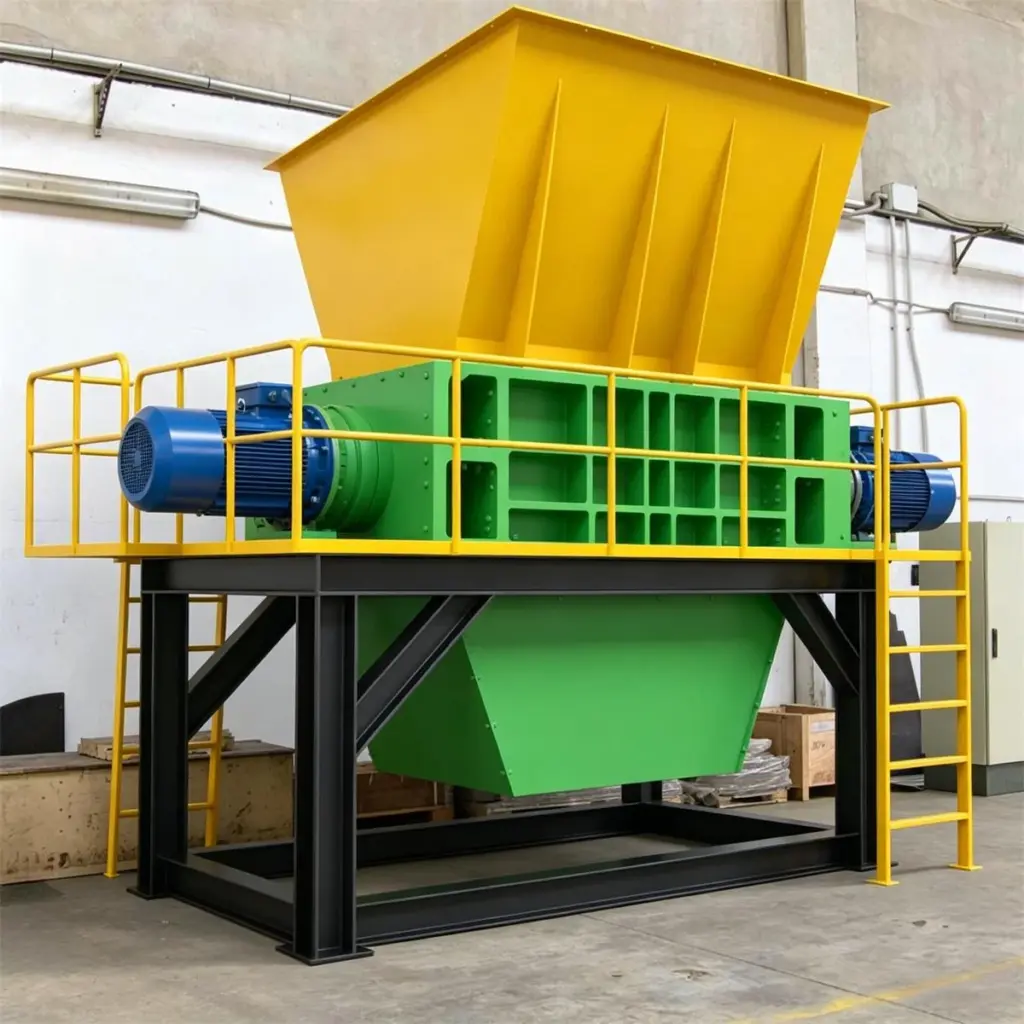
The condition of the bag-opening and drive components directly affects machine performance. Worn or damaged blades and teeth can reduce bag-opening effectiveness, while problems with the shaft, bearings, gearbox, or drive system can increase mechanical resistance and affect stable operation. Loose components or abnormal wear can also contribute to vibration, noise, or changes in operating load.
Waste Characteristics
Incoming waste can place very different demands on a bag opener. High-moisture waste may become sticky and more difficult to discharge, while long plastic film, ropes, and textiles can become entangled with rotating components. Oversized or heavy objects may create sudden impact loads and increase stress on the shaft, rotor, and drive system. Changes in waste composition can therefore affect machine performance even when the equipment itself has not changed.
Feeding Conditions
Feeding conditions determine how evenly material enters the machine and how much load is applied during operation. Excessive feed, uneven feeding, sudden material surges, or heavily compacted bags can temporarily increase the mechanical load. In a continuous waste sorting line, unstable feeding can therefore produce symptoms that appear to be a machine fault.
Downstream Conditions
The material flow after the bag opener can also influence its operating condition. A blocked conveyor, restricted discharge opening, or accumulation of material downstream can prevent processed waste from leaving the machine normally. This may cause material buildup, increased resistance, unstable discharge, or higher motor loading. For this reason, the bag opener should be assessed together with the equipment connected to its discharge.
A bag opener fault should therefore be diagnosed by considering the relationship between machine condition, incoming waste, feeding conditions, and downstream material flow, rather than by looking at a single symptom in isolation.
Common Waste Bag Breaking Machine Faults and Solutions
Waste bag breaking machine faults may appear as incomplete bag opening, reduced capacity, material wrapping, blockage, abnormal noise, vibration, or motor overload. The cause may be related to the machine, incoming waste, feeding, or downstream material flow. Identifying the cause first helps avoid unnecessary part replacement and repeated downtime.
Bags Are Not Opening Properly or Capacity Drops
If bags are not fully opened or capacity drops suddenly, check the opening components, feed rate, waste condition, and discharge flow. Worn blades or teeth, excessive feeding, wet or dense waste, material buildup, changes in waste composition, reduced rotor speed, or downstream restrictions can all affect performance. Rated capacity also depends on the actual waste characteristics and feeding conditions.
Possible Causes:
Worn opening components, unstable feeding, wet or dense waste, material buildup, changes in waste composition, drive problems, or restricted discharge.
Solution:
Remove accumulated material, stabilize the feed, and inspect the opening and drive components. Replace severely worn parts when necessary. If the waste composition has changed, check whether the current operating conditions are still suitable.
Waste Bags Wrap Around the Shaft or Block the Machine
Long plastic film, ropes, textiles, and other flexible materials can wrap around the shaft. Wet, compacted, or excessive waste can also build up in the feeding, opening, or discharge area. If the downstream conveyor is restricted, material may back up into the bag opener.
Possible Causes:
Long flexible materials, wet or sticky waste, excessive feeding, oversized objects, compacted bags, or downstream blockage.
Solution:
Stop and isolate the machine before removing wrapped or accumulated material. Check the shaft and affected components, then adjust the feed rate and clear any restriction in the discharge path. If the problem occurs repeatedly, review the incoming waste and feeding conditions instead of simply restarting the machine.
Bag Opener Vibrates, Makes Abnormal Noise, or Overheats
Abnormal vibration, noise, or rising bearing and gearbox temperature can indicate a mechanical problem. Loose components, rotor imbalance, bearing wear, shaft or gearbox problems, misalignment, material buildup, and excessive load are common areas to check. If the problem appears immediately after installation, assembly and alignment should be checked first.
Possible Causes:
Rotor imbalance, loose components, bearing wear, shaft or gearbox problems, misalignment, material buildup, excessive load, or lubrication issues.
Solution:
Check for loose parts, abnormal wear, material buildup, alignment problems, and drive-system issues. Correct the identified cause and repair or replace damaged components when necessary. Avoid replacing a bearing or other component before confirming that it is causing the problem.
Motor Overloads or Trips Frequently
Frequent motor overloads are often related to excessive mechanical resistance rather than an electrical fault alone. Blockage, shaft wrapping, excessive feeding, wet and heavy waste, oversized objects, or drive problems can increase the motor load. If the mechanical side is normal, the motor and electrical protection system should be checked.
Possible Causes:
Machine blockage, shaft wrapping, excessive feeding, heavy wet waste, oversized objects, mechanical resistance, drive problems, or electrical faults.
Solution:
Check the mechanical load first and remove any blockage or wrapped material after safely isolating the machine. Stabilize the feed and inspect the drive system. If overloads continue under normal operating conditions, check the motor and electrical protection system instead of repeatedly resetting the overload.
How to Troubleshoot a Bag Opener Machine Step by Step?
When the cause of a bag opener problem is unclear, start with the simplest operating conditions before inspecting the machine. Check the incoming waste and feeding conditions first, then inspect the main mechanical components, and finally check the motor, electrical system, and downstream flow. This sequence helps identify the actual source of the problem without unnecessary part replacement.
Check the Waste and Feeding Conditions
Start by checking whether the incoming waste has changed. Moisture, bag size, material density, long plastic film, ropes, oversized objects, and sudden changes in feed rate can all affect bag-opening performance. Uneven or excessive feeding can also cause low capacity, incomplete opening, blockage, or motor overload.
If the waste is wetter, heavier, or more compacted than usual, compare the current operating condition with normal production. This can help determine whether the problem is caused by the material rather than a mechanical fault.
Inspect the Opening and Drive Components
If the waste and feeding conditions are normal, inspect the bag-opening mechanism and drive system. Check the blades or teeth, rotor, shaft, bearings, gearbox, coupling, and other moving components for wear, damage, loose parts, or material buildup.
Pay attention to abnormal noise, vibration, resistance, or changes in opening performance. These signs can help identify whether the problem is related to the opening mechanism or transmission system.
Check the Motor and Overall Material Flow
If the mechanical components appear normal, check the motor and electrical protection system for overload trips, abnormal current, control-panel alarms, or other electrical indications. At the same time, inspect the discharge area and downstream conveyor for material accumulation or blockage.
A bag opener should be checked as part of the complete sorting line. A downstream restriction can cause waste to back up inside the machine and create symptoms that look like a bag opener fault. Checking the entire material flow can help prevent unnecessary repairs and repeated downtime.
How Waste Characteristics Affect Bag Opener Performance?
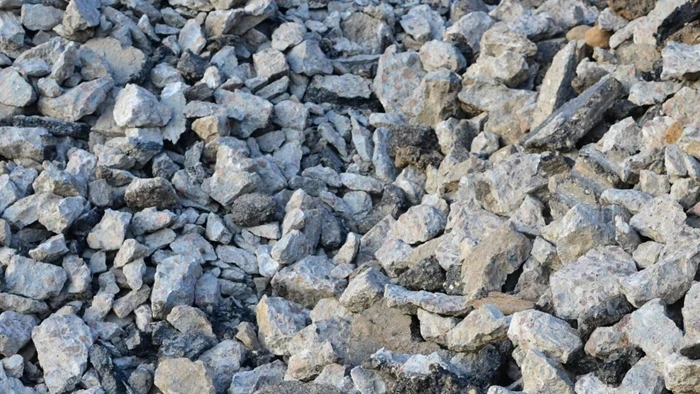
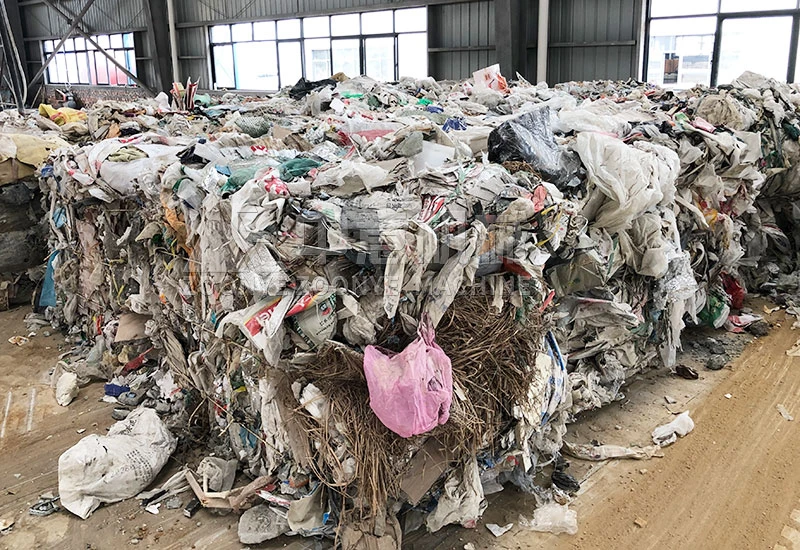
The same bag opener can perform differently when the incoming waste changes. Moisture, density, flexibility, bag size, and the amount of tangled or oversized material all affect how waste enters the machine, interacts with the opening mechanism, and leaves the discharge area. Wet or sticky waste can increase material adhesion and make discharge less stable. Plastic film, ropes, and textiles are more likely to wrap around the shaft, while oversized or heavy objects can create sudden impact loads and increase stress on the blades, shaft, and drive system.
Waste composition also affects bag-opening efficiency, feeding stability, and overall processing capacity. A machine may handle normal mixed waste smoothly but experience wrapping or temporary overload when the proportion of long flexible materials or dense waste increases. Similarly, even a correctly sized machine can become unstable when material enters in sudden surges. This is why bag opener selection should consider the actual waste characteristics and feeding conditions, rather than capacity alone. For projects with unusual moisture, high wrapping potential, or heavy and oversized materials, the opening mechanism and operating conditions may need to be adjusted to match the waste.
How to Solve Recurring Bag Breaking Machine Faults?
When the same bag breaking machine fault keeps returning, a temporary reset or simple cleaning may only restore operation for a short time. Recurring overload, blockage, low opening efficiency, or unstable discharge usually means that the underlying cause has not been fully addressed. Troubleshooting should therefore focus on why the fault returns and whether the cause comes from the machine, waste, feeding, or downstream flow.
Find the Root Cause of Recurring Faults
Start by comparing the current operating condition with normal production. Check whether the waste composition, moisture, density, or feed rate has changed, then inspect the opening components, shaft, bearings, gearbox, and drive system for wear, damage, wrapping, or material buildup. If overload or blockage occurs repeatedly, also check the discharge area and downstream conveyor for restrictions.
A fault should not be treated only according to its immediate symptom. Resetting an overloaded motor, clearing the same blockage repeatedly, or replacing blades without checking the feeding condition may allow the problem to return. Identifying the point where abnormal load or unstable material flow begins provides a better basis for corrective action.
Match the Solution to the Actual Operating Condition
Once the cause is identified, the corrective action should match the specific condition. Stabilize the feed when material surges are causing overload, adjust operating conditions when waste characteristics have changed, and remove or control wrapping materials when long plastic film, ropes, or textiles are repeatedly affecting the shaft. If worn blades or damaged bearings, shafts, gearboxes, or other drive components are affecting performance, repair or replacement may be necessary.
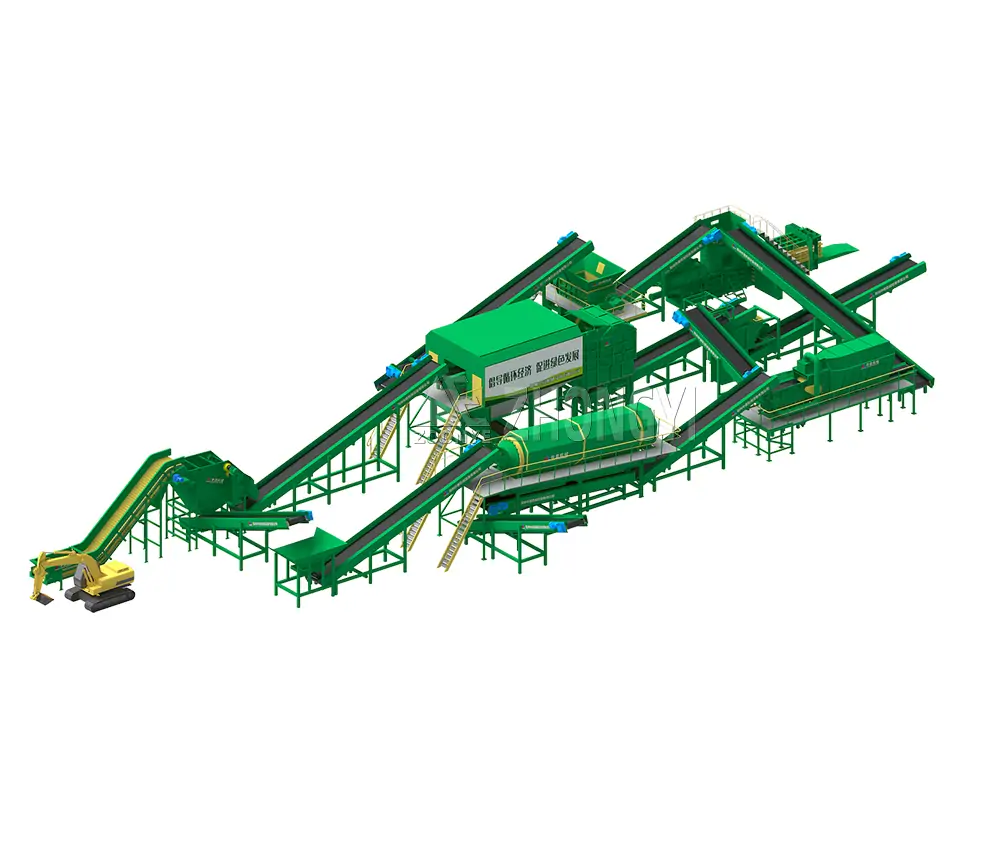
For a bag opener installed in a complete MSW sorting line, the solution should also consider the full material flow from feeding to bag opening, discharge, conveying, and screening. This helps prevent repeated repairs to the bag opener when the actual cause is an unsuitable feed condition or downstream restriction.
What Information Is Needed to Diagnose a Bag Opener Fault?
When requesting technical support for a bag opener fault, the right operating information can help identify the cause more quickly. Describe the waste condition, actual operating situation, machine configuration, and fault symptoms together. The following information is particularly useful for determining whether the problem is related to the machine, feeding conditions, waste characteristics, or downstream material flow:
- Waste Information: Waste type, moisture level, bag size, material density, and the proportion of long plastic film, ropes, textiles, or other flexible materials.
- Operating Information: Required capacity, actual capacity, feed rate, operating mode, and how frequently the fault occurs.
- Machine Information: Machine model, motor power, opening or rotor configuration, operating speed, and relevant equipment specifications.
- Fault & Recent Changes: When the fault occurs, abnormal noise or vibration, motor overload or trips, visible component damage, and any recent changes in waste composition, feeding conditions, operating settings, or downstream equipment.
Photos or short videos of the machine, material condition, blockage, shaft wrapping, damaged components, or abnormal discharge can provide additional information that is difficult to describe in text.
Conclusion
A Bag Breaking Machine Fault Solution starts with identifying the actual fault, but the cause may not come from the machine alone. Incomplete bag opening, wrapping, blockage, vibration, and motor overload can be related to machine condition, waste characteristics, feeding rate, or downstream material flow. When a fault keeps returning, checking these factors together is more effective than repeatedly resetting the machine or replacing components without confirming the cause.
If the problem cannot be resolved through routine checks, provide the waste type, required or actual capacity, machine model, fault symptoms, and operating conditions when seeking technical support. Photos or videos of the fault can also help the engineering team understand the working condition and narrow down the possible cause.
Still having trouble with your bag breaking machine? Contact us with your waste and equipment details. Our engineering team can review the operating conditions and provide a more targeted troubleshooting recommendation for your application.


Andy Yu
Technical Engineer | Zhongyi ECO
16+
Years Exp.
300+
Solutions
50+
Countries
16 years’ experience in environmental and solid waste management, specializing in C&D recycling and waste sorting solutions. At Zhongyi Mining Machinery, focused on improving global clients’ efficiency through technical expertise and tailored configurations.
FAQ
Incomplete bag opening can result from worn opening components, excessive or uneven feeding, wet waste, or changes in waste composition. Long plastic film and other flexible materials may also interfere with the opening mechanism. Check the waste condition and feed rate first, then inspect the opening mechanism, drive system, and discharge area to determine whether the problem is related to material, operation, or equipment condition.
Long plastic film, ropes, textiles, and similar flexible materials can wrap around the rotating shaft, particularly when they make up a large proportion of the incoming waste. Wet or sticky material can make the problem worse by slowing discharge. Safely isolate the machine before removing wrapped material, then check the feeding and downstream flow if shaft wrapping continues after cleaning.
Motor overload can result from excessive feeding, sudden material surges, shaft wrapping, blockage, wet and heavy waste, oversized objects, or increased mechanical resistance. Changes in waste composition can also increase the load even when the machine previously operated normally. Check the mechanical condition and material flow first. Repeatedly resetting the overload without identifying the cause may allow the same problem to return.
Yes. High-moisture waste can become sticky, increase material weight, and make discharge less stable. When combined with compacted bags or flexible materials such as plastic film and textiles, it may increase the risk of buildup, wrapping, and blockage. If wet waste causes repeated operating problems, check the feeding rate, material accumulation, opening mechanism, and downstream discharge conditions.
A bag opener can be used for different waste streams, but actual performance depends on the material characteristics and machine configuration. Moisture, bag size, density, flexible materials, oversized objects, and feeding conditions all affect the opening process. Before selecting equipment, provide representative waste information and the required capacity so the opening mechanism and operating conditions can be evaluated against the actual application.
Start by comparing the current waste and feeding conditions with normal operation. Changes in moisture, density, waste composition, or feed rate can reduce actual capacity. Then inspect the opening components, rotor, drive system, and discharge path for wear, buildup, wrapping, or blockage. Rated capacity should always be considered together with the actual waste characteristics and feeding conditions rather than as a fixed output value.
Abnormal vibration may indicate material buildup, loose components, rotor imbalance, bearing wear, shaft or gearbox problems, misalignment, or excessive mechanical load. Start with a visual inspection for buildup and loose parts, then check the main rotating and drive components. If vibration appeared after installation, adjustment, or maintenance, review the assembly and alignment before replacing components.
Provide the waste type, required or actual capacity, machine model, fault symptoms, and operating conditions. It is also useful to describe moisture, bag size, flexible materials, feed rate, and any recent changes in waste or operation. Photos or short videos showing blockage, shaft wrapping, damaged components, or abnormal discharge can help the engineering team assess the problem and recommend further checks.
Related Waste Sorting Equipment


Magnetic Separator for Recycling
The Magnetic Separator for Recycling is used to recover ferrous materials from processed construction and demolition waste. It is particularly useful for streams containing rebar, steel wire and other iron-based contaminants, helping protect downstream equipment while producing a cleaner mineral fraction and creating a separate ferrous recovery stream.

Single Shaft Bag Opener
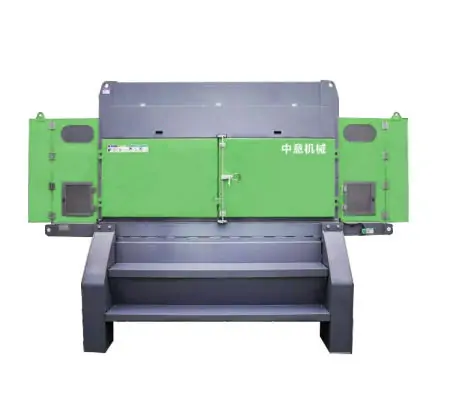
The single shaft bag opener uses a low-speed rotating shaft with specially arranged blades to catch, pull and tear waste bags open. With capacities from 10–50 t/h, it releases bagged MSW for downstream screening and separation while avoiding unnecessary size reduction.


Double Shaft Bag Opener
The double shaft bag opener uses two counter-rotating shafts to grip, pull and tear open waste bags. The LS series covers approximately 8–35 t/h, making it suitable for continuous processing of bagged MSW and mixed waste before screening, separation and material recovery.
MSW Bag Breaker with Feeding System
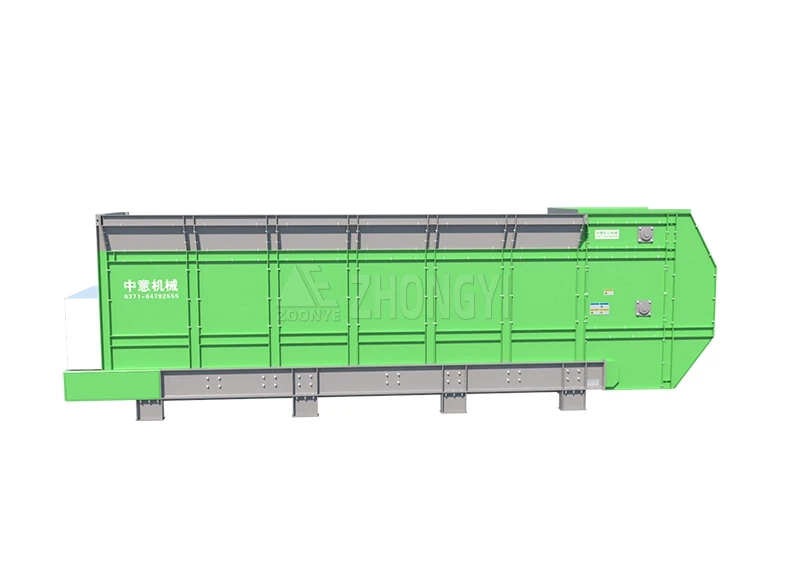
The MSW bag breaker integrates feeding, bag breaking and conveying into one system. The PDD/PDS series handles 15–40 m³/h and is designed to provide a controlled feed of opened waste to downstream sorting equipment, helping integrate the bag-breaking stage into an automated MSW processing line.