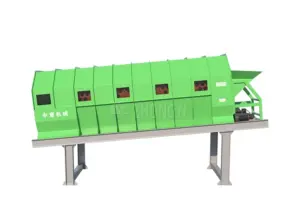
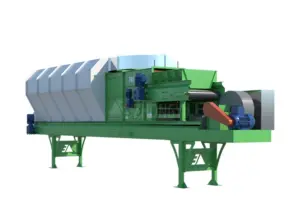













บทนำ
เนื่องจากปริมาณขยะทั่วโลกยังคงเพิ่มขึ้นอย่างต่อเนื่อง การคัดแยกขยะอย่างมีประสิทธิภาพจึงกลายเป็นหนึ่งในส่วนที่สำคัญที่สุดของการปกป้องสิ่งแวดล้อมและการพัฒนาที่ยั่งยืน ตามข้อมูลของธนาคารโลก โลกผลิตขยะมูลฝอยชุมชนมากกว่า 2 พันล้านตันทุกปี และคาดว่าตัวเลขนี้จะเพิ่มขึ้นอย่างมีนัยสำคัญภายในปี 2050.
วิธีการกำจัดขยะแบบดั้งเดิมไม่สามารถตอบสนองข้อกำหนดด้านสิ่งแวดล้อมและประสิทธิภาพของเมืองสมัยใหม่ได้อย่างเต็มที่อีกต่อไป ปัจจุบัน รัฐบาล บริษัทรับรีไซเคิล และโรงงานอุตสาหกรรมต่างลงทุนในระบบคัดแยกขยะขั้นสูงเพื่อปรับปรุงประสิทธิภาพการรีไซเคิล ลดมลพิษ และกู้คืนทรัพยากรที่มีค่า.
ในคู่มือนี้ เราจะอธิบายวิธีการคัดแยกขยะอย่างมีประสิทธิภาพ สำรวจเทคโนโลยีการบำบัดขยะสมัยใหม่ และแสดงให้เห็นว่าอุปกรณ์รีไซเคิลขั้นสูงกำลังเปลี่ยนแปลงอุตสาหกรรมการจัดการขยะอย่างไร หากคุณต้องการทราบ ราคาของโรงคัดแยกขยะแบบครบวงจรในแคนาดา, กรุณาคลิกที่บทความ.
ทำไมการคัดแยกขยะจึงสำคัญในสังคมสมัยใหม่
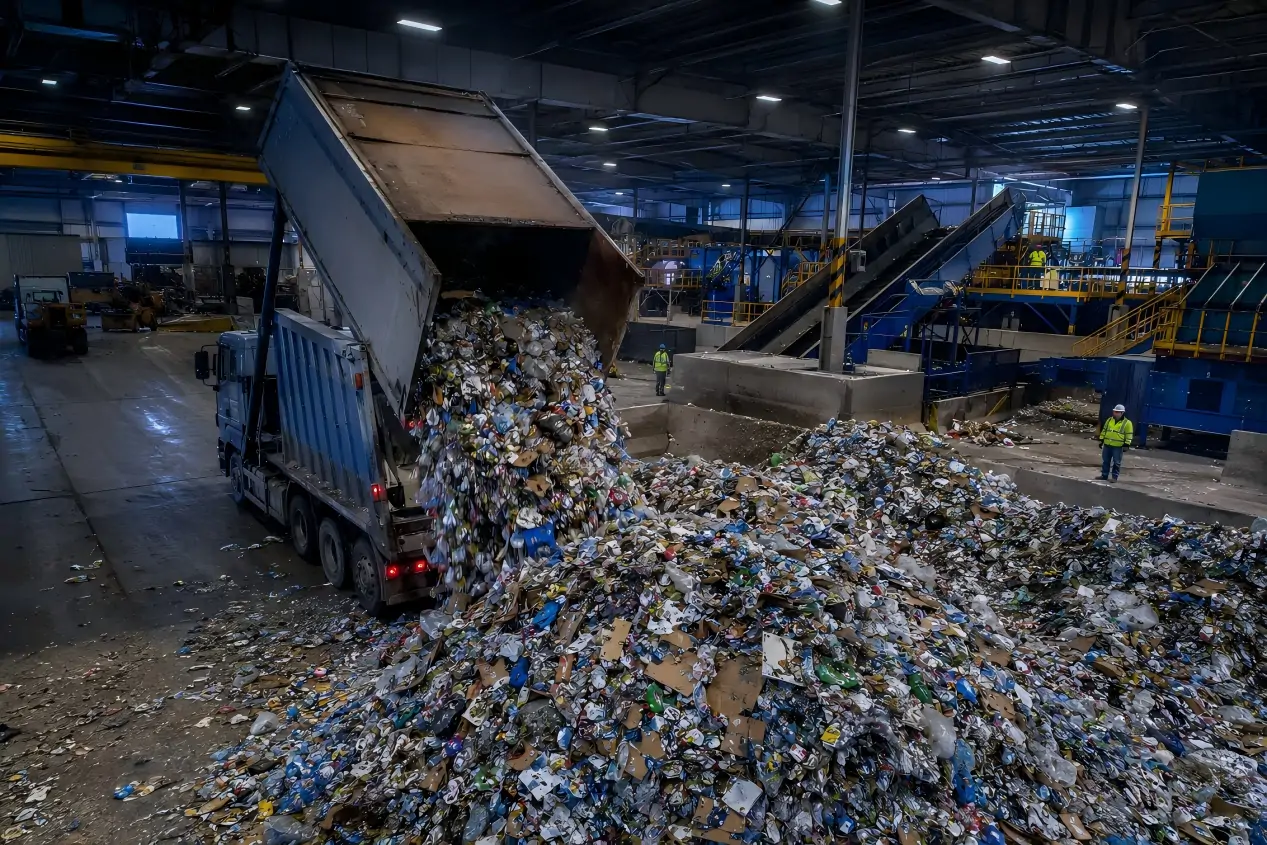
เนื่องจากการขยายตัวของเมือง การพัฒนาอุตสาหกรรม และการบริโภคของผู้บริโภคยังคงเติบโต ปริมาณขยะทั่วโลกจึงเพิ่มขึ้นอย่างรวดเร็ว หากไม่มีระบบคัดแยกและรีไซเคิลขยะที่มีประสิทธิภาพ ขยะจำนวนมากจะถูกส่งไปยังหลุมฝังกลบหรือเตาเผา ซึ่งนำไปสู่การปนเปื้อนของดิน มลพิษต่อน้ำใต้ดิน มลพิษทางอากาศ การปล่อยก๊าซเรือนกระจก และการสูญเสียทรัพยากรรีไซเคิลที่มีค่า เพื่อรับมือกับความท้าทายด้านสิ่งแวดล้อมเหล่านี้ หลายประเทศกำลังบังคับใช้กฎระเบียบการคัดแยกและรีไซเคิลขยะที่เข้มงวดขึ้นเป็นส่วนหนึ่งของกลยุทธ์ความยั่งยืน.
การคัดแยกขยะที่เหมาะสมช่วยให้สามารถกู้คืนและนำกลับมาใช้ใหม่วัสดุรีไซเคิลได้ เช่น พลาสติก กระดาษ แก้ว และโลหะ ช่วยลดปริมาณขยะในหลุมฝังกลบ ลดการปล่อยคาร์บอน อนุรักษ์ทรัพยากรธรรมชาติ และปรับปรุงประสิทธิภาพการรีไซเคิล ระบบรีไซเคิลสมัยใหม่ยังสร้างมูลค่าทางเศรษฐกิจโดยการเปลี่ยนขยะชุมชนและขยะอุตสาหกรรมให้เป็นวัสดุที่นำกลับมาใช้ใหม่ได้สำหรับการผลิต การก่อสร้าง บรรจุภัณฑ์ และการผลิตพลังงาน ตัวอย่างเช่น การรีไซเคิลอะลูมิเนียมสามารถประหยัดพลังงานได้ถึง 95% เมื่อเทียบกับการผลิตอะลูมิเนียมใหม่จากวัตถุดิบ.
ประเภทหลักของขยะมีอะไรบ้าง?
ระบบการจัดการขยะสมัยใหม่จัดการกับขยะประเภทต่างๆ มากมายที่เกิดจากครัวเรือน กิจกรรมเชิงพาณิชย์ โครงการก่อสร้าง และการผลิตภาคอุตสาหกรรม การจำแนกประเภทขยะที่เหมาะสมเป็นสิ่งจำเป็นสำหรับการปรับปรุงประสิทธิภาพการรีไซเคิล ลดมลพิษต่อสิ่งแวดล้อม และเพิ่มการกู้คืนทรัพยากรให้สูงสุด ขยะแต่ละประเภทต้องใช้วิธีการบำบัด คัดแยก และรีไซเคิลที่แตกต่างกันเพื่อให้บรรลุการจัดการขยะที่ยั่งยืน.
ขยะอินทรีย์
ขยะอินทรีย์ส่วนใหญ่ประกอบด้วยเศษอาหาร ขยะจากครัวเรือน ขยะจากสวน และวัสดุย่อยสลายได้ทางชีวภาพอื่นๆ วัสดุเหล่านี้สามารถแปรรูปผ่านระบบหมักหรือระบบย่อยสลายทางชีวภาพเพื่อผลิตปุ๋ยอินทรีย์ ปุ๋ยหมัก และพลังงานก๊าซชีวภาพ ช่วยลดปริมาณขยะในหลุมฝังกลบและสนับสนุนการรีไซเคิลทรัพยากรที่เป็นมิตรต่อสิ่งแวดล้อม.
ขยะพลาสติก
ขยะพลาสติกเป็นหนึ่งในประเภทขยะที่ท้าทายที่สุด เนื่องจากพลาสติกหลายชนิดต้องใช้เวลาหลายร้อยปีในการย่อยสลายตามธรรมชาติ พลาสติกรีไซเคิลทั่วไป ได้แก่ ขวด PET ภาชนะ HDPE ฟิล์มบรรจุภัณฑ์ และถุงพลาสติก เทคโนโลยีการคัดแยกด้วยแสงสมัยใหม่สามารถระบุและแยกวัสดุพลาสติกต่างๆ ได้อย่างแม่นยำ เพื่อปรับปรุงประสิทธิภาพการรีไซเคิลและอัตราการกู้คืนวัสดุ.
ขยะโลหะและแก้ว
วัสดุโลหะและแก้วสามารถรีไซเคิลได้สูงและสามารถนำกลับมาใช้ใหม่ได้หลายครั้งโดยไม่สูญเสียคุณภาพอย่างมีนัยสำคัญ. เครื่องแยกแม่เหล็ก ถูกนำมาใช้อย่างแพร่หลายเพื่อกู้คืนโลหะ ferrous ในขณะที่เครื่องแยกกระแสไหลวนช่วยแยกโลหะ non-ferrous เช่น อะลูมิเนียม การรีไซเคิลโลหะและแก้วที่เหมาะสมช่วยอนุรักษ์วัตถุดิบและลดการใช้พลังงานในการผลิต.
ขยะกระดาษและกระดาษแข็ง
การรีไซเคิลกระดาษและกระดาษแข็งมีบทบาทสำคัญในการลดการตัดไม้ทำลายป่าและลดการใช้พลังงาน หลังจากคัดแยกอย่างเหมาะสม กระดาษเสียสามารถแปรรูปเป็นกระดาษแข็งรีไซเคิล วัสดุบรรจุภัณฑ์ ผลิตภัณฑ์กระดาษทิชชู และกระดาษพิมพ์ สนับสนุนอุตสาหกรรมบรรจุภัณฑ์ที่ยั่งยืนและการผลิตกระดาษ.
ขยะอันตราย
ขยะอันตรายประกอบด้วยแบตเตอรี่ สารเคมี ขยะทางการแพทย์ ขยะอิเล็กทรอนิกส์ และวัสดุอื่นๆ ที่มีสารพิษหรือสารอันตราย ขยะเหล่านี้ต้องใช้ระบบการเก็บรวบรวม การบำบัด และการกำจัดเฉพาะทางเพื่อป้องกันความเสี่ยงต่อสุขภาพของมนุษย์และการปนเปื้อนต่อสิ่งแวดล้อม.
ขยะก่อสร้างและขยะอุตสาหกรรม
ขยะก่อสร้างและขยะอุตสาหกรรมประกอบด้วยคอนกรีต อิฐ เหล็ก ไม้ เถ้า สารเคมี และผลพลอยได้จากการผลิต อุปกรณ์บด คัดกรอง คัดแยก และแยกวัสดุขั้นสูงมักถูกนำมาใช้เพื่อกู้คืนวัสดุที่นำกลับมาใช้ใหม่ได้และลดการกำจัดในหลุมฝังกลบในการใช้งานด้านการก่อสร้างและอุตสาหกรรม.
วิธีการกำจัดขยะแบบดั้งเดิมและข้อจำกัด
วิธีการกำจัดขยะแบบดั้งเดิมยังคงถูกใช้อย่างแพร่หลายในหลายภูมิภาค แต่ก็เผชิญกับความท้าทายด้านสิ่งแวดล้อม เศรษฐกิจ และประสิทธิภาพที่เพิ่มขึ้น เมื่อปริมาณขยะยังคงเพิ่มขึ้น เทคโนโลยีการรีไซเคิลและการคัดแยกขยะสมัยใหม่จึงมีความสำคัญมากขึ้นเรื่อยๆ.
ปัญหาหลุมฝังกลบ
หลุมฝังกลบถูกใช้มาเป็นเวลานานเนื่องจากต้นทุนการดำเนินงานที่ค่อนข้างต่ำ แต่ต้องใช้พื้นที่ขนาดใหญ่และอาจผลิตน้ำชะขยะที่เป็นอันตรายซึ่งปนเปื้อนดินและน้ำใต้ดิน นอกจากนี้ การปล่อยก๊าซมีเทนที่เกิดจากการย่อยสลายในหลุมฝังกลบเป็นสาเหตุสำคัญของการปล่อยก๊าซเรือนกระจกและการเปลี่ยนแปลงสภาพภูมิอากาศ.
ความท้าทายของการเผาขยะ
การเผาขยะสามารถลดปริมาณขยะได้อย่างมีนัยสำคัญและผลิตพลังงานจากขยะชุมชน อย่างไรก็ตาม ระบบเผาแบบดั้งเดิมอาจปล่อยก๊าซและมลพิษที่เป็นอันตรายหากระบบควบคุมการปล่อยมลพิษไม่เพียงพอ โรงงานเปลี่ยนขยะเป็นพลังงานสมัยใหม่ใช้เทคโนโลยีการกรองและการควบคุมมลพิษทางอากาศขั้นสูงเพื่อปรับปรุงประสิทธิภาพด้านสิ่งแวดล้อม.
ข้อจำกัดของการหมัก
การหมักเป็นวิธีการบำบัดที่มีประสิทธิภาพสำหรับขยะอินทรีย์ แต่ไม่สามารถแปรรูปพลาสติก โลหะ แก้ว หรือขยะเทศบาลแบบผสมได้อย่างมีประสิทธิภาพ ระบบหมักขนาดใหญ่ยังต้องมีอุณหภูมิ ความชื้น และสภาวะการแปรรูปที่คงที่ ในขณะที่รอบการบำบัดโดยทั่วไปจะยาวนานกว่าเมื่อเทียบกับเทคโนโลยีการจัดการขยะอื่นๆ.
ระบบคัดแยกขยะสมัยใหม่ทำงานอย่างไร
ระบบคัดแยกขยะสมัยใหม่ผสมผสานการดำเนินงานด้วยแรงงานคนกับเทคโนโลยีอัตโนมัติเพื่อปรับปรุงประสิทธิภาพการรีไซเคิล ลดขยะที่ส่งไปฝังกลบ และเพิ่มการกู้คืนทรัพยากรให้สูงสุด ด้วยการเติบโตอย่างรวดเร็วของขยะเทศบาลและขยะอุตสาหกรรมทั่วโลก เทคโนโลยีการคัดแยกขั้นสูงจึงมีความสำคัญมากขึ้นในการบรรลุกำลังการผลิตที่สูงขึ้น ต้นทุนแรงงานที่ต่ำลง และอัตราความบริสุทธิ์ในการรีไซเคิลที่ดีขึ้น.
การคัดแยกขยะด้วยแรงงานคน
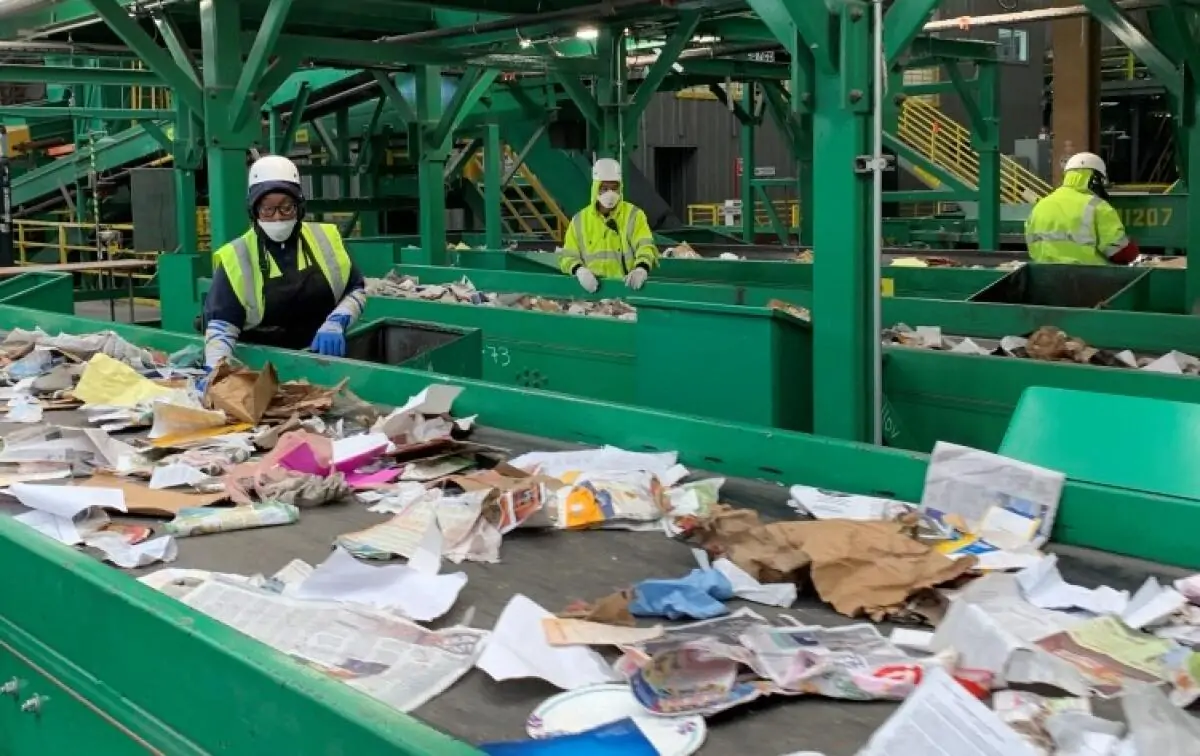
การคัดแยกขยะด้วยแรงงานคนยังคงใช้กันทั่วไปในโรงงานรีไซเคิลหลายแห่ง ซึ่งคนงานจะกำจัดสิ่งปนเปื้อนที่มีขนาดใหญ่เกินไปและแยกวัสดุรีไซเคิลด้วยมือ วิธีนี้ให้ความยืดหยุ่นเมื่อจัดการกับสายธารขยะที่ผิดปกติหรือผสมกัน โดยเฉพาะในขั้นตอนการคัดแยกเบื้องต้น อย่างไรก็ตาม การคัดแยกด้วยแรงงานคนใช้แรงงานมากและมีประสิทธิภาพน้อยกว่าสำหรับการดำเนินงานขนาดใหญ่ เนื่องจากคนงานหนึ่งคนโดยทั่วไปจะแปรรูปขยะได้ในปริมาณจำกัดต่อชั่วโมงเมื่อเทียบกับระบบอัตโนมัติ.
อุปกรณ์คัดแยกขยะเชิงกล
โรงงานรีไซเคิลสมัยใหม่ใช้อุปกรณ์คัดแยกเชิงกลอัตโนมัติเพื่อแปรรูปขยะอย่างต่อเนื่องและแม่นยำพร้อมทั้งลดต้นทุนแรงงาน ระบบทั่วไปประกอบด้วยตะแกรงสั่น ตะแกรงหมุน สายพานลำเลียง เครื่องบดย่อย และเครื่องแยกด้วยอากาศสำหรับการจำแนกประเภทและการลำเลียงวัสดุ สายการคัดแยกขยะขนาดใหญ่สามารถแปรรูปขยะได้ตั้งแต่หลายสิบถึงหลายร้อยตันต่อชั่วโมง ซึ่งช่วยปรับปรุงประสิทธิภาพการดำเนินงานและกำลังการรีไซเคิลอย่างมีนัยสำคัญ.
เทคโนโลยีการแยกด้วยแม่เหล็ก
เทคโนโลยีการแยกด้วยแม่เหล็กใช้แรงแม่เหล็กอันทรงพลังเพื่อกำจัดโลหะ ferrous ออกจากสายธารขยะแบบผสมได้อย่างมีประสิทธิภาพ วิธีนี้ถูกนำไปใช้อย่างแพร่หลายในโรงงานขยะเทศบาล โรงงานรีไซเคิลเศษโลหะ การดำเนินงานเหมืองแร่ และระบบรีไซเคิลอุตสาหกรรม เครื่องแยกแม่เหล็กช่วยปรับปรุงอัตราการกู้คืนโลหะพร้อมทั้งลดความเสียหายและการสึกหรอของอุปกรณ์แปรรูปปลายน้ำ.
การแยกด้วยอากาศและการคัดแยกตามความหนาแน่น
เครื่องแยกด้วยอากาศและระบบคัดแยกตามความหนาแน่นจะแยกวัสดุน้ำหนักเบาออกจากวัสดุหนักตามความแตกต่างของความหนาแน่นและพฤติกรรมทางอากาศพลศาสตร์ ตัวอย่างเช่น ฟิล์มพลาสติกสามารถแยกออกจากหิน กระดาษสามารถแยกออกจากเศษโลหะ และวัสดุอินทรีย์สามารถกำจัดออกจากสายธารขยะแบบผสมได้ กระบวนการนี้ช่วยปรับปรุงประสิทธิภาพการรีไซเคิลปลายน้ำและช่วยเพิ่มความบริสุทธิ์ของวัสดุที่กู้คืนได้.
ระบบคัดแยกด้วยแสง
ระบบคัดแยกด้วยแสงขั้นสูงใช้เซ็นเซอร์ เทคโนโลยีอินฟราเรด กล้อง และระบบจดจำที่ใช้ AI เพื่อระบุวัสดุรีไซเคิลโดยอัตโนมัติ ระบบเหล่านี้สามารถคัดแยกพลาสติกประเภทต่างๆ แก้วสี เกรดกระดาษ และวัสดุโลหะได้อย่างรวดเร็วด้วยความแม่นยำสูง อุปกรณ์คัดแยกด้วยแสงสมัยใหม่สามารถบรรลุอัตราความบริสุทธิ์ในการรีไซเคิลที่สูงกว่า 90% ในบางการใช้งาน ซึ่งช่วยให้โรงงานรีไซเคิลปรับปรุงคุณภาพการกู้คืนวัสดุและประสิทธิภาพการดำเนินงาน.
วิธีการคัดแยกขยะ?
ตอนนี้เราจะอธิบายการจำแนกประเภทและการคัดแยกขยะจากสองแง่มุม:
Waste Classification
We classify waste at the source into municipal waste and industrial waste.
Municipal Waste:
Recyclables (plastics, paper, metals), kitchen waste (food residues), hazardous waste (batteries, chemicals), and other waste (cigarette butts, ceramics), corresponding to different collection containers (such as blue for recyclables, green for kitchen waste).
Industrial Waste:
Industrial waste needs to be subdivided according to industry characteristics. For example, construction waste is divided into concrete blocks, wood, plastics; electronic waste requires separate separation of heavy metal components.
Industrial Sorting
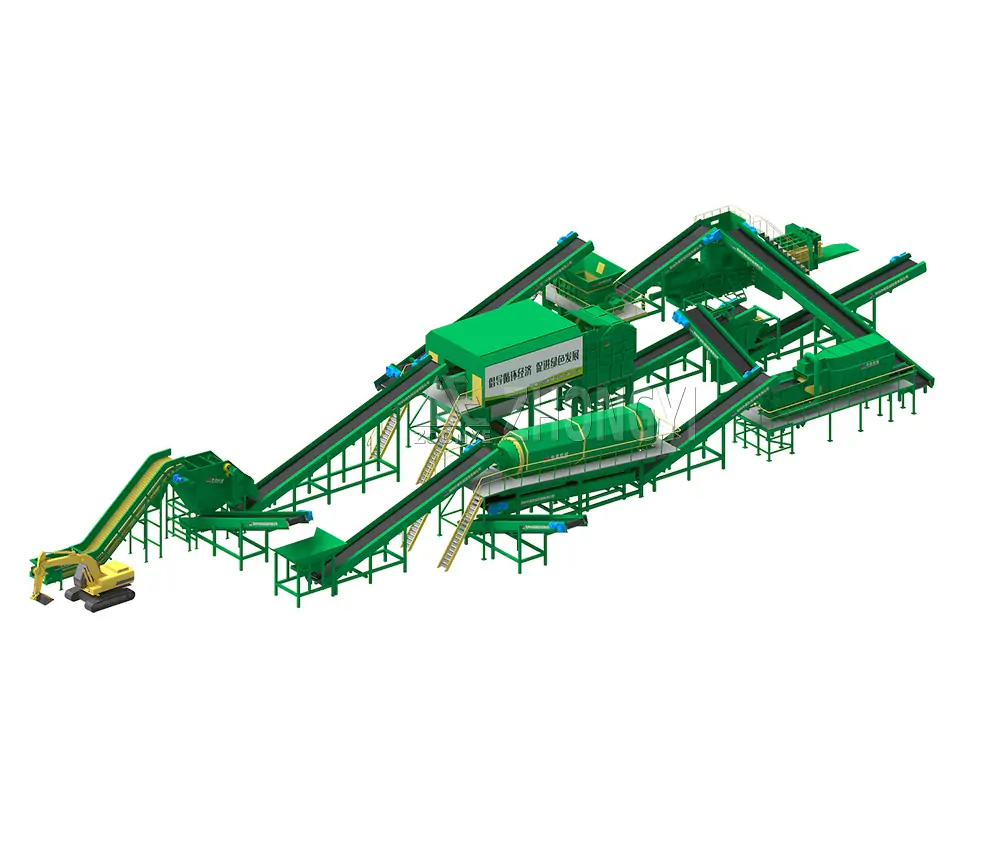
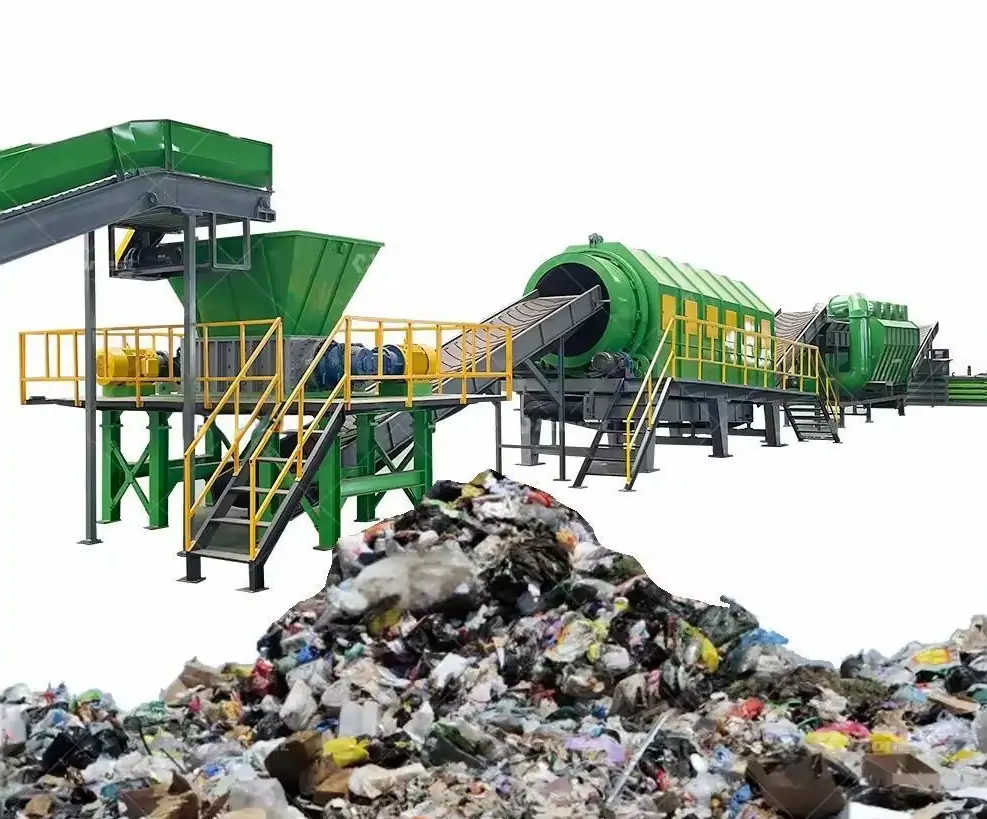
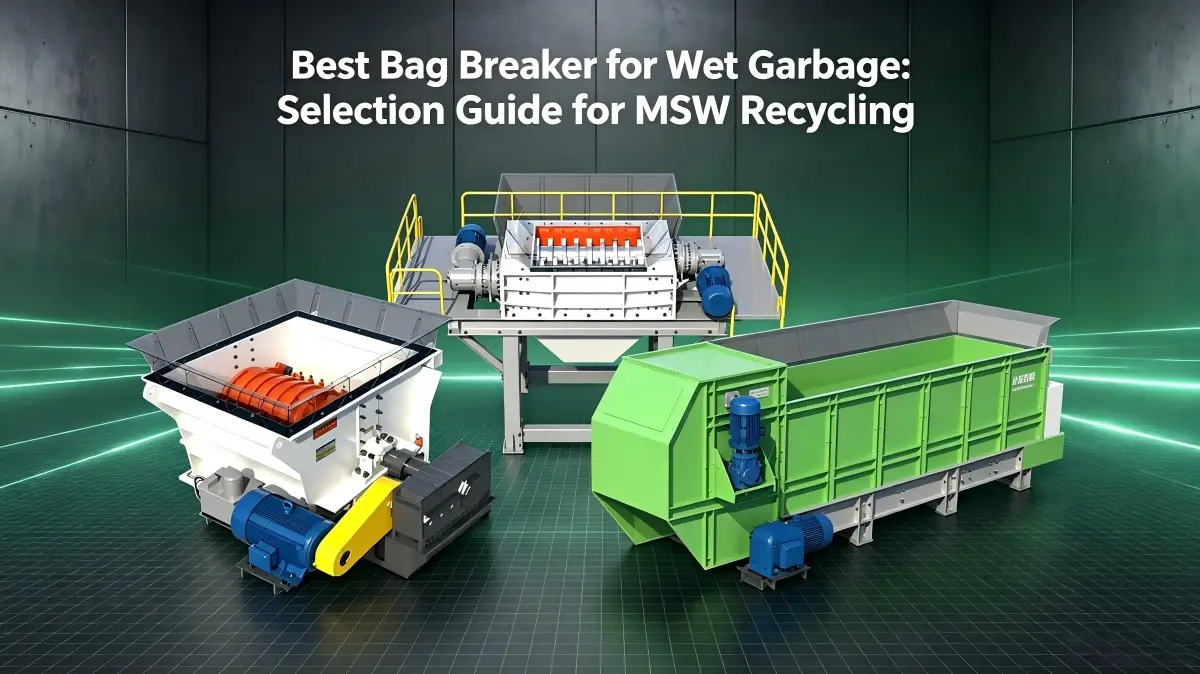
Taking Xinzhongyi’s municipal solid waste processing line as an example, it needs to go through:
Pre-treatment:
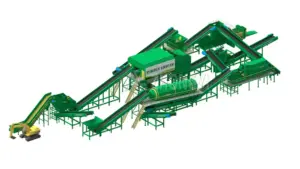
Material is evenly conveyed through a waste feeder to avoid blockage;
The step-type feeding system performs preliminary separation of large items through vibration screening to ensure stable operation of subsequent equipment.
Crushing and Screening:
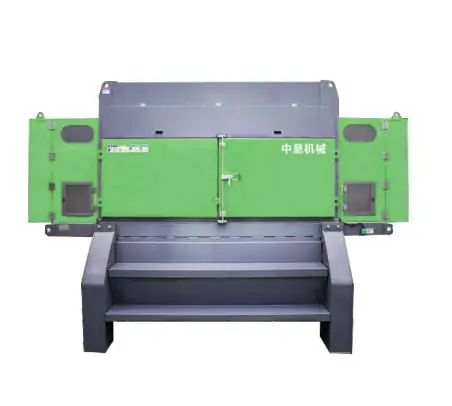
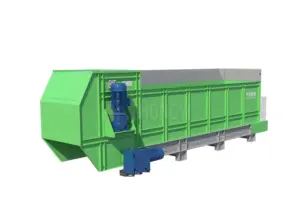
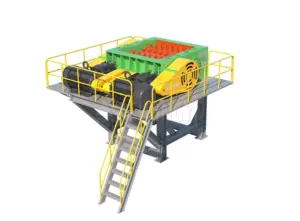
เครื่อง double-shaft waste shredder crushes materials to 10–300 mm, combined with a disc screen to deeply break organic matter, preparing for sorting.
Precise Sorting:
Magnetic separator extracts ferrous metals (recovery rate >98%),
Air separator separates plastics/paper (light materials) from glass/stones (heavy materials),
Optical sorter uses AI recognition technology to recover PET, paper, and other single materials,
Ballistic separator accurately distinguishes between 2D (films) and 3D (containers) materials.
Benefits of Waste Sorting
By implementing proper waste sorting, we can accurately extract recyclable materials such as waste appliances, metals, glass, plastics, and paper. This not only realizes “turning waste into treasure,” but also significantly improves the comprehensive utilization rate of resources, which is a key step toward environmental sustainability and waste reduction.
Different types of waste require differentiated treatment methods:
Organic Waste:
Converted into bio-fertilizer through fermentation and composting, returning to farmland or used for urban landscaping.
High-Calorific Combustibles:
Used in waste-to-energy incineration systems for energy conversion.
Non-recyclable Inorganic Waste:
Disposed of through standardized landfill methods.
Through the above treatments, the following benefits can be achieved:
Environmental Benefits:
Every 10,000 tons of sorted waste can reduce 3,000 tons of carbon dioxide emissions and save 12,000 cubic meters of landfill space. For example, recycling 1 ton of waste paper can save 17 trees, and recycling 1 ton of plastic bottles reduces 6 tons of oil consumption.
Economic Benefits:
Xinzhongyi customer cases show that a sorting line with a capacity of 50 tons per hour can recover 2,000 tons of plastics annually (worth about 4 million RMB) and 1,500 tons of metals (worth about 3 million RMB).
Social Benefits:
Reduce landfill land occupation, create employment in the “waste treatment – resource regeneration” industrial chain, and contribute to achieving carbon neutrality goals.
Waste Sorting Equipment Used in Recycling Plants
Modern recycling plants rely on advanced waste sorting equipment to improve material recovery efficiency, reduce landfill waste, and lower operating costs. Common equipment includes vibrating screens, trommel screens, conveyors, shredders, crushers, magnetic separators, and air classifiers, which work together to process municipal solid waste, construction waste, plastic waste, and industrial recyclables. With the increasing global demand for sustainable recycling solutions, automated sorting systems can now process hundreds of tons of waste per day with higher sorting accuracy and lower labor requirements.
Xinzhongyi Eco Equipment provides customized waste sorting and recycling solutions for different industries, offering integrated systems for waste screening, crushing, conveying, magnetic separation, and resource recovery to help customers improve recycling efficiency and operational performance.
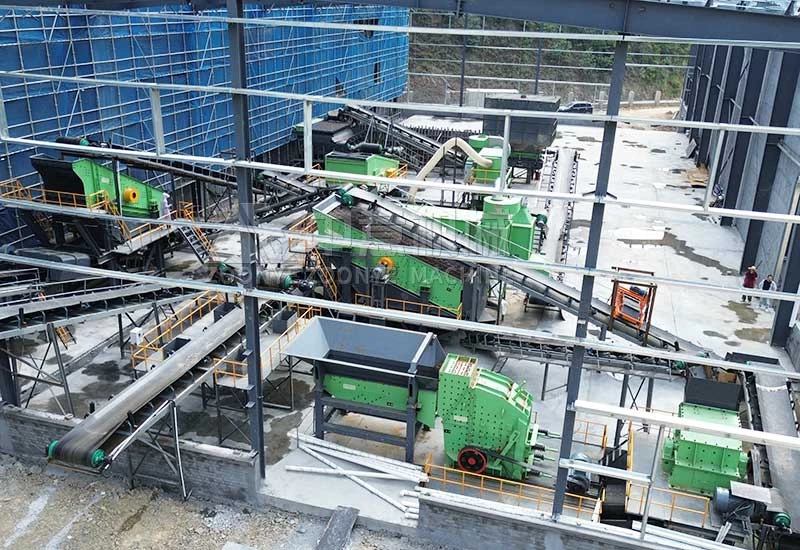
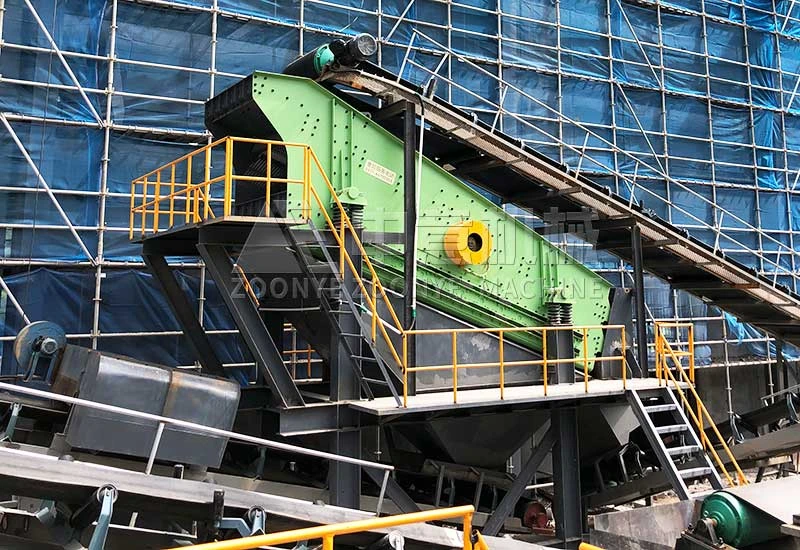
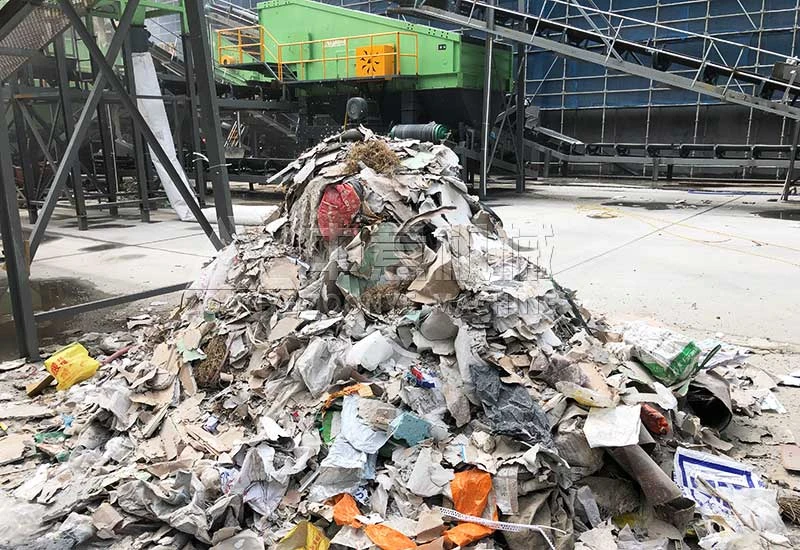
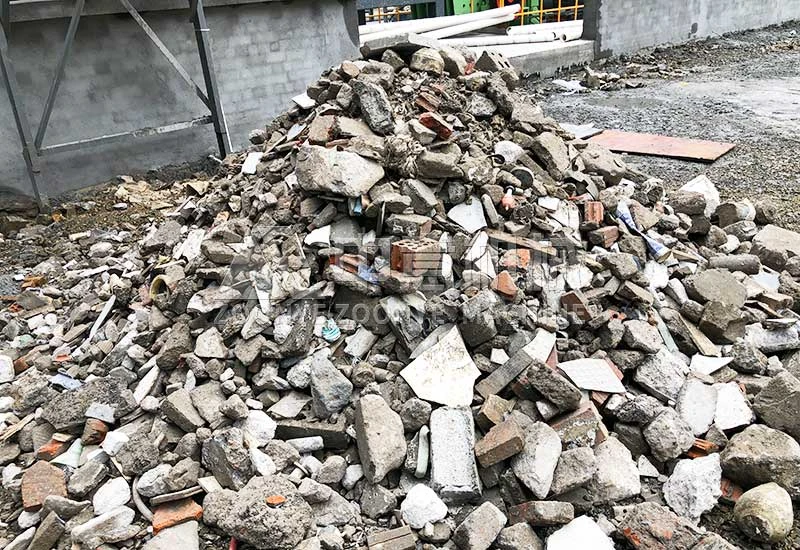
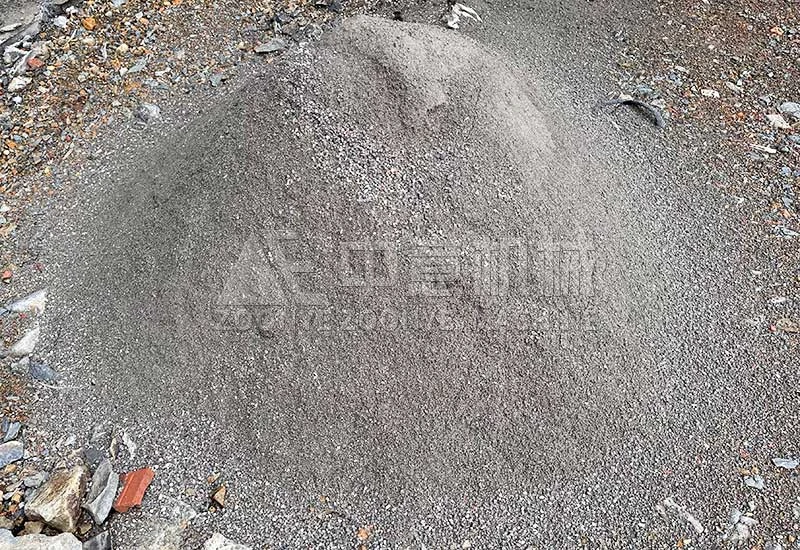
Xinzhongyi Project Case
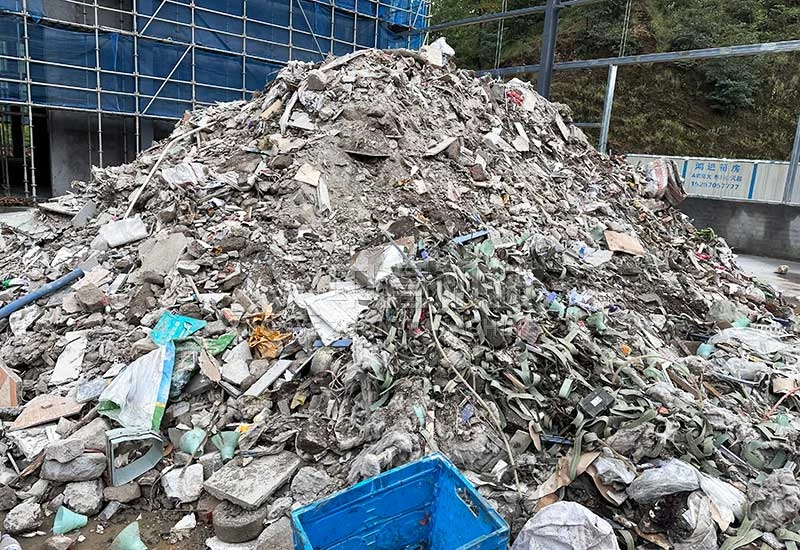
This waste recycling project adopts a complete processing solution supplied by our company, designed for construction and decoration waste disposal. The whole production line achieves integrated crushing, screening, wind separation and resource recovery.
Equipped with heavy-duty apron feeder, primary jaw crusher and secondary impact crusher, the system steadily crushes bulk waste into qualified granular materials. Multi-layer vibrating screens and flip-flop screens effectively avoid blocking and realize precise material classification. Two high-efficiency air separators separate plastic, foam and wood impurities from aggregates. Magnetic iron removal device further purifies finished products.
With strong continuous operation capacity, the line reaches high daily processing volume. After treatment, recycled aggregates can be widely used for road base and recycled brick production. Light waste is compressed into RDF fuel for secondary utilization. The project boosts resource recovery rate above 85%, cuts overall energy consumption by 15% and greatly reduces operation costs.
บทสรุป
Waste sorting is not only an environmental responsibility, but also an economic opportunity for resource regeneration. Through intelligent production lines, Xinzhongyi turns “waste into value” from a slogan into a replicable business model.
When every piece of equipment is reducing the burden on the planet while creating economic value, we are one step closer to the goal of a “zero-waste city.”
If you also have such needs, you can contact us now to obtain customized solutions.
FAQs
Q1. What is the most efficient way for how to sort waste in modern cities?
A: The most efficient way for how to sort waste is using intelligent industrial systems instead of manual sorting. Traditional methods handle only about 0.5 tons per hour per worker. Modern lines using crushing, conveying, and automated sorting can process 10–20 tons per hour with over 95% accuracy, significantly improving efficiency and consistency.
Q2. How to sort municipal solid waste and industrial waste correctly?
A: For effective how to sort waste, classification should start at the source. Municipal waste includes recyclables, kitchen waste, hazardous waste, and others, each requiring separate handling. Industrial waste must be subdivided based on industry type, such as construction debris or e-waste, ensuring proper separation of materials like metals, plastics, and hazardous components.
Q3. What equipment is used in an industrial waste sorting system?
A: An industrial waste sorting system includes waste feeders, shredders, conveyors, magnetic separators, air separators, optical sorters, and ballistic separators. These machines work together to process mixed waste, reduce size, and separate materials efficiently. The combination of mechanical and AI-based equipment ensures high recovery rates and stable system performance.
Q4. How does an automated waste sorting line improve recycling efficiency?
A: An automated waste sorting line improves efficiency by replacing manual labor with high-speed machines. Optical sorters scan materials rapidly and identify multiple material types with high accuracy. Magnetic and air separators further refine sorting. This integrated process increases throughput to 10–20 tons per hour and maximizes the recovery of valuable recyclable materials.
Q5. What are the environmental and economic benefits of waste sorting?
A: Waste sorting provides strong environmental and economic benefits. It reduces carbon emissions, saves landfill space, and conserves natural resources. For example, recycling paper saves trees, while recycling plastics reduces oil consumption. Economically, sorting lines can recover valuable materials like plastics and metals, generating significant annual revenue from recycled resources.
Q6. How to choose the right waste sorting equipment for different applications?
A: Choosing waste sorting equipment depends on waste type and processing goals. Mixed or bulky waste requires shredders and feeding systems, while recycling applications rely on magnetic, air, and optical separation. Modular equipment design allows flexible configuration based on capacity, material composition, and plant layout, ensuring efficient and reliable operation.


Andy Yu
Technical Engineer | Zhongyi ECO
16+
Years Exp.
300+
โซลูชัน
50+
Countries
16 years’ experience in environmental and solid waste management, specializing in C&D recycling and waste sorting solutions. At Zhongyi Mining Machinery, focused on improving global clients’ efficiency through technical expertise and tailored configurations.