
Introduction
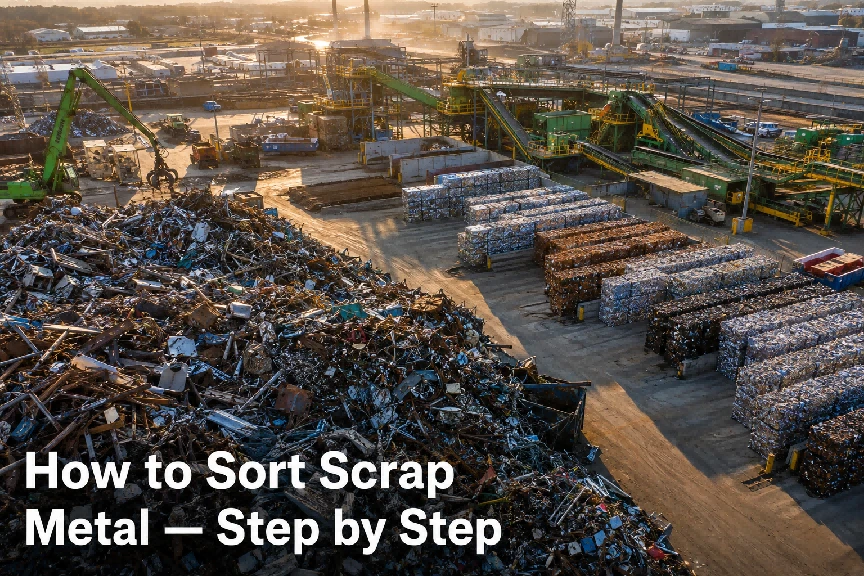
Most recycling yards don’t realize they’re losing money on every mixed load they ship. Unsorted or poorly separated scrap metal typically fetches 20–40% less than clean, graded material — and the culprit usually isn’t the equipment. It’s the process.
We’ve walked into facilities where copper was sitting in the steel pile and aluminum was mixed with brass, all headed for the same buyer at the lowest rate. Fixing the sorting workflow changed their payout immediately. Here are some of our top tips, drawn from years of industry experience, to help businesses improve their recycling efficiency and ‘turn waste into treasure’.
Why Scrap Metal Sorting Matters for Your Operation
Scrap metal sorting is straightforward: separate ferrous metals (iron and steel) from non-ferrous metals (copper, aluminum, brass, zinc, etc.) before the material hits the shredder or furnace. It’s the step between intake and processing. Get it wrong, and the rest of the line works against you.
Done right, you can push recovery rates above 95% for clean fractions and increase material value by 20–40% compared to mixed loads. Done poorly, you get contaminated output, rejected batches, and pricing penalties from buyers. We’ve seen facilities bleed $15–$20 per ton just because someone tossed aluminum scrap into a steel pile.
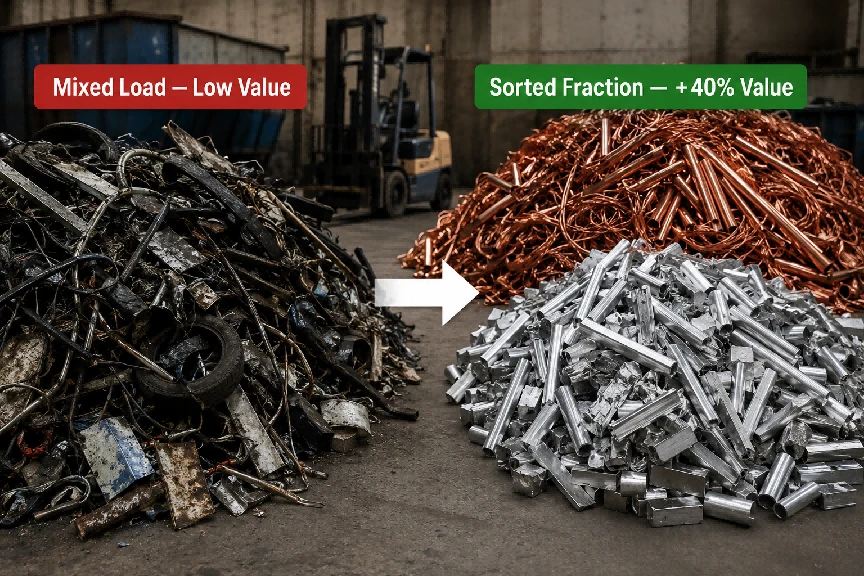
The two categories — ferrous (magnetic) and non-ferrous (non-magnetic) — each need a different approach. That’s where the right method and the right equipment separate profitable operations from break-even ones.
How to Sort Scrap Metal for Recycling: A 4-Step Industrial Workflow
Sorting scrap metal doesn’t need to be complicated, but it does need a consistent system. These four steps follow the natural flow of material through a typical facility — from arrival to saleable, clean fractions. Stick to this order, and you’ll catch value at every stage.
Step 1 — Visual Assessment and Material Separation at Intake
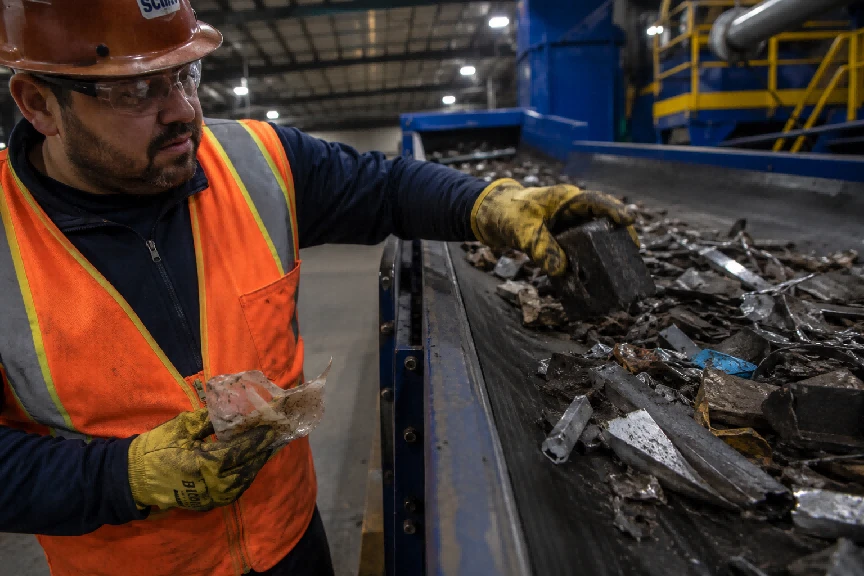
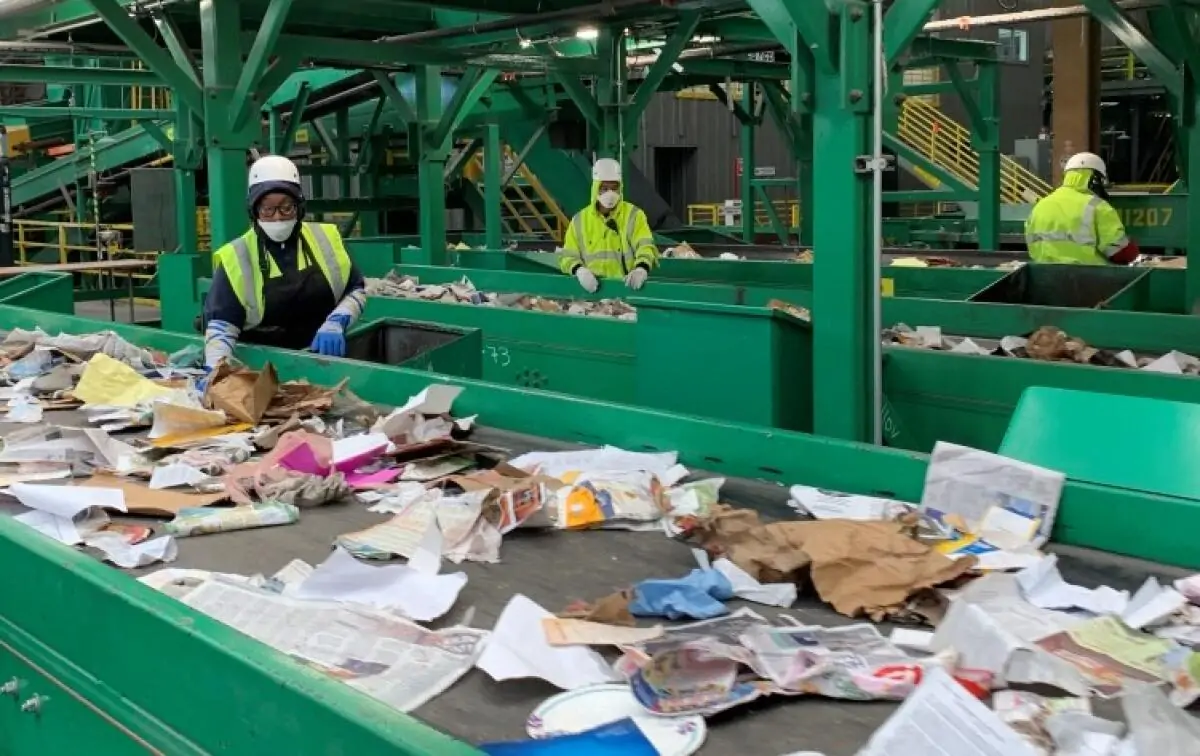
Before any metal touches a magnet or sorter, do a quick visual check. Pull out obvious contaminants — plastic, rubber, wood, chunks of concrete stuck to scrap. These clog shredders and reduce the effectiveness of downstream equipment.
The rule is simple: if it doesn’t look like clean metal, pull it aside. Facilities that skip this step routinely see 10–15% lower recovery rates because debris interferes with every stage of separation that follows.
Step 2 — Magnetic Separation for Ferrous Metals
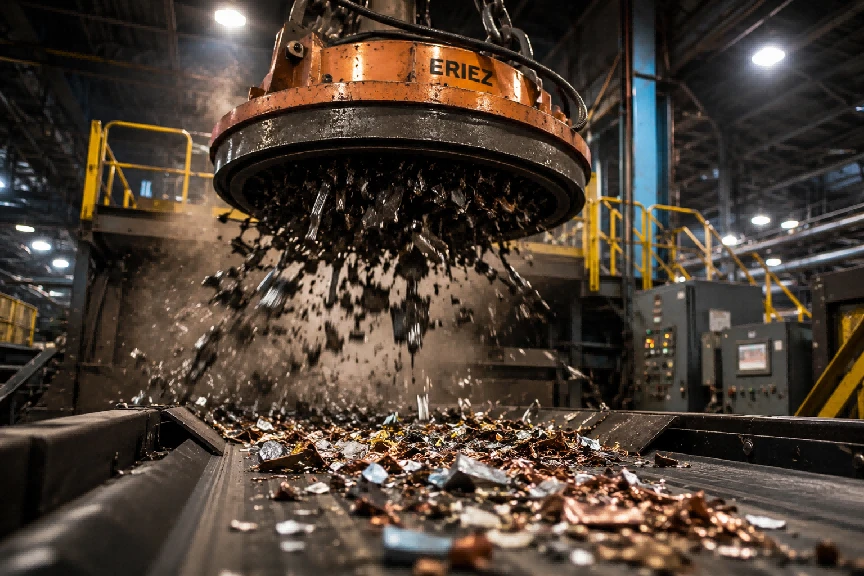
Run the remaining material under an overband magnet or through a magnetic drum. This pulls out all ferrous metals — iron and steel — which make up the bulk of most scrap streams.
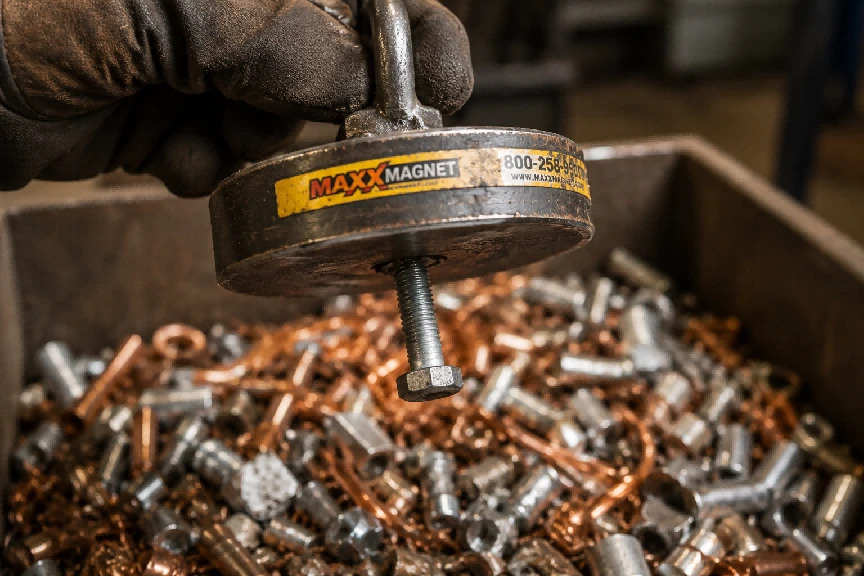
Belt speed is the variable most operators overlook. Too fast, and the magnet misses smaller pieces. Too slow, and you bottleneck the line. For mixed loads like shredded car bodies or demolition scrap, a properly calibrated magnetic separator recovers over 98% of ferrous material.
One common mistake: assuming a single pass is enough. Run the non-magnetic fraction under a second magnet. You’ll catch what the first one missed — and every piece of steel in your non-ferrous bin costs you money.
Step 3 — Non-Ferrous Separation with Eddy Current or Air
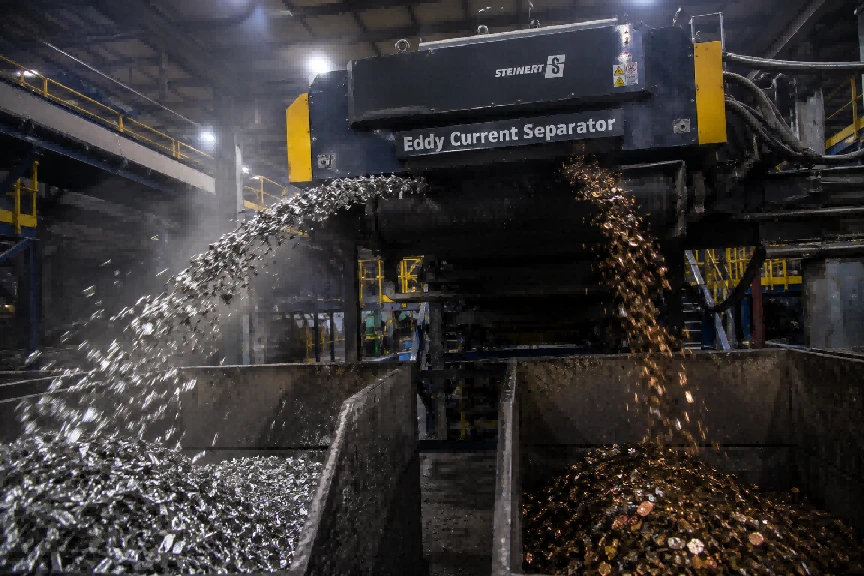
Now you’re working with the non-ferrous stream: copper, aluminum, brass, zinc, and stainless steel (which is non-magnetic but still iron-based — worth flagging separately).
An eddy current separator uses a spinning magnetic rotor to repel conductive non-ferrous metals, throwing them off the belt into a separate bin. For lighter materials like aluminum cans or shredded wire, this is fast and effective. For heavier mixed non-ferrous, an air classifier separates by density — lighter aluminum lifts away while heavier copper and brass drop.
One thing that consistently improves results: if you run your eddy current with spray bars (a wet system), you’ll cut airborne dust and improve separation accuracy by about 15–20%.
Step 4 — Final Purity Check and Clean Fraction Storage
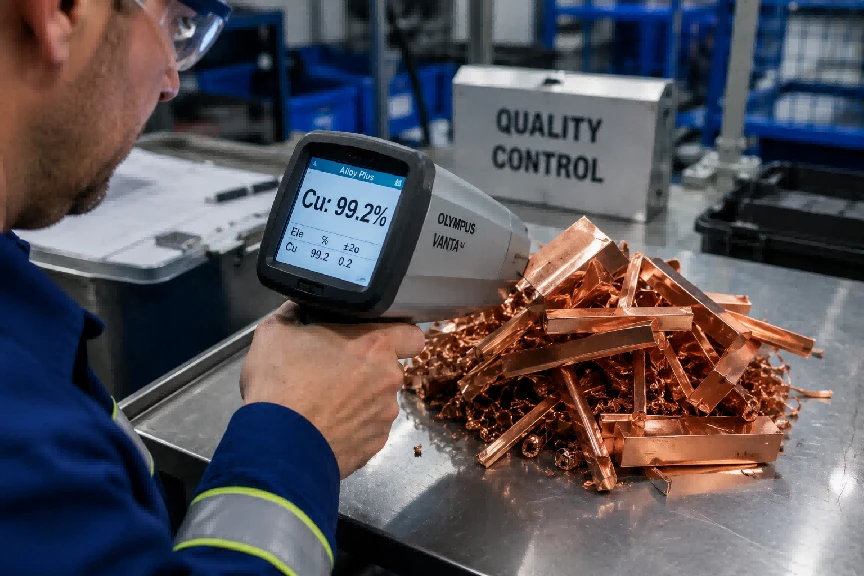
This step gets skipped more than any other — and it’s where the money lives.
Inspect each sorted fraction by hand or with a handheld metal analyzer (XRF) to confirm purity. Even 2% contamination can drop your selling price by one or two full grades. For high-value metals like copper, aim for 99% purity. For aluminum, 98% is usually acceptable to most smelters.
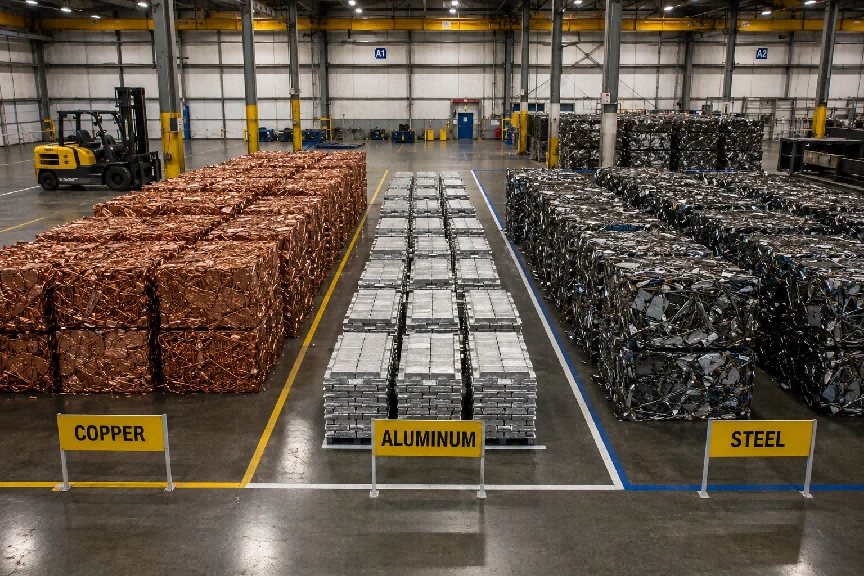
Then store each type in clearly labeled, separate containers or bays — never on bare ground. One facility we worked with increased their copper revenue by 22% just by adding a final inspection station before storage. No new sorter, no new machinery — just a set of eyes and a commitment to clean fractions.
5 Common Mistakes That Kill Your Scrap Metal Value
Even a solid sorting workflow can leak value through small, repeatable errors. Here are five we see regularly — and how to fix each one.
Mistake 1: Mixing different non-ferrous metals together
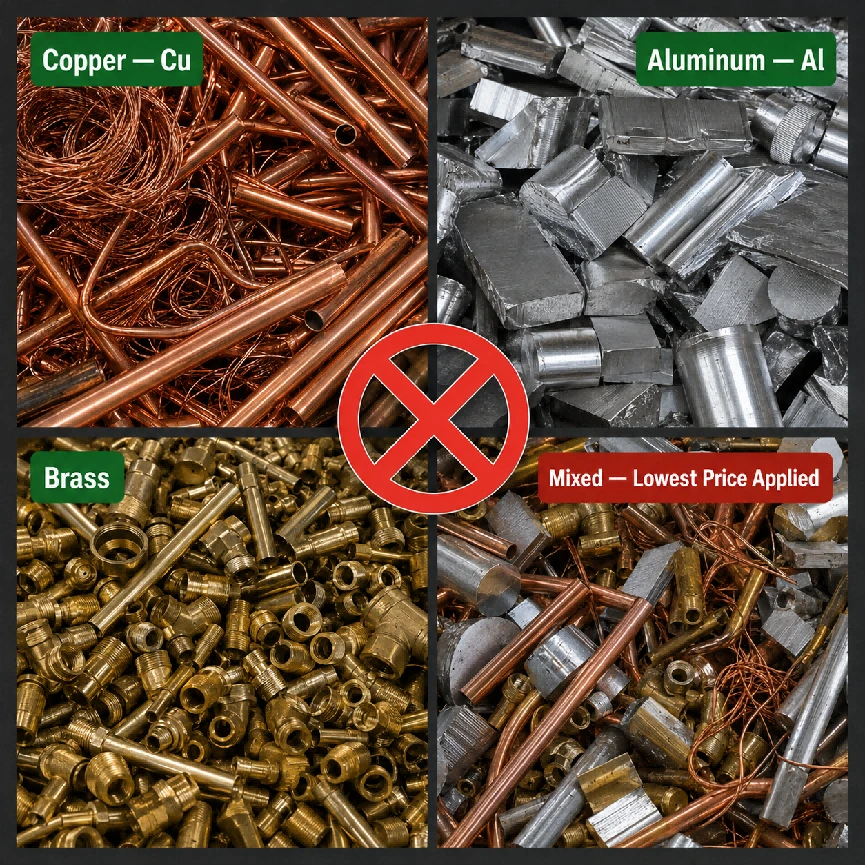
Copper, aluminum, and brass command very different prices. Throw them into one bin and you get paid at the lowest common denominator. Fix: Keep separate containers for each type. One brass fitting in a copper bin can downgrade the entire load.
Mistake 2: Skipping the magnet test on metal that “looks like aluminum”
Stainless steel and some zinc alloys are easy to confuse with aluminum — but they’re magnetic or noticeably heavier. Fix: Run every questionable piece past a magnet. If it sticks at all, it’s not aluminum.
Mistake 3: Leaving insulation on copper wire
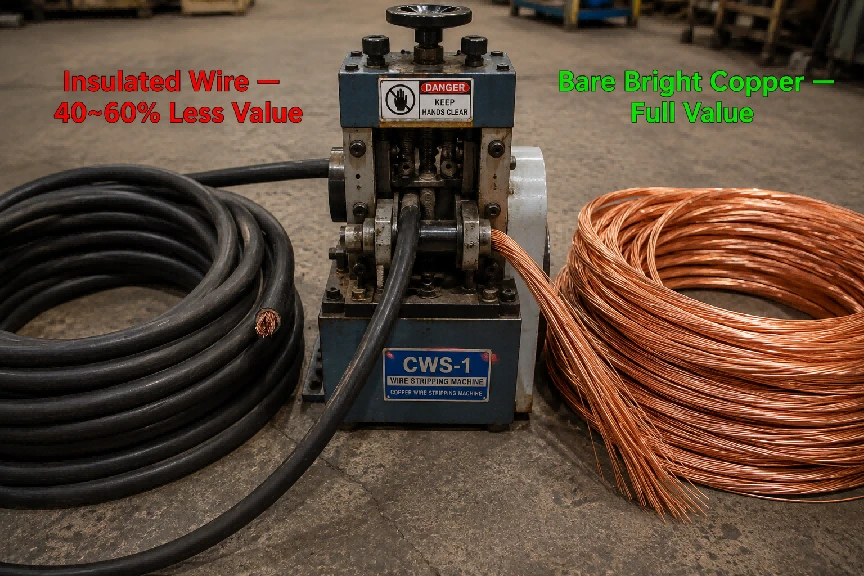
Insulated wire sells for 40–60% less than bare bright copper. Fix: Use a wire stripper for thicker gauges. For thin mixed wire, a granulator with a built-in separation system pays for itself within months.
Mistake 4: Ignoring small ferrous pieces attached to non-ferrous
Steel washers, screws, or brackets still bolted to aluminum or copper will contaminate your entire non-ferrous batch. Fix: Inspect before storage. A second magnet pass or a quick handheld magnet check takes seconds and saves the grade.
Mistake 5: Storing sorted metals on bare ground
Dirt, gravel, and mud mix right back into clean fractions. Purity drops, and so does your price. Fix: Use concrete pads or containers. Dedicated, covered bays for each metal type keep your material buyer-ready.
Industrial Scrap Metal Sorting: How the Pros Do It at Scale
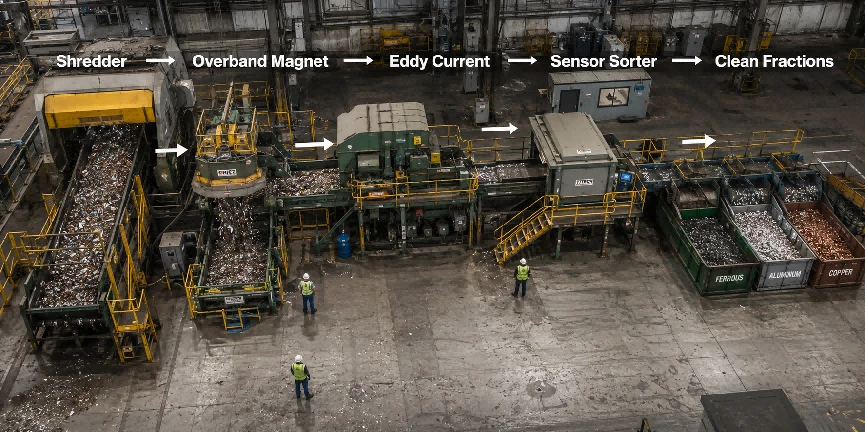
A small scrapyard might process 5–10 tons of mixed metal per day with manual sorting and a basic magnet. An industrial recycling plant handles 50–200 tons per hour — thousands of tons daily. At that volume, hand-sorting isn’t just impractical. It’s impossible. The economics shift completely: one percentage point of recovery loss equals thousands of dollars per shift.
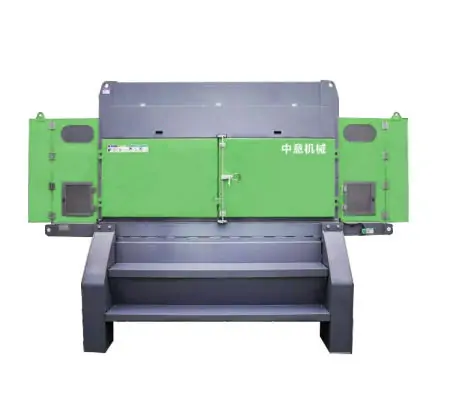
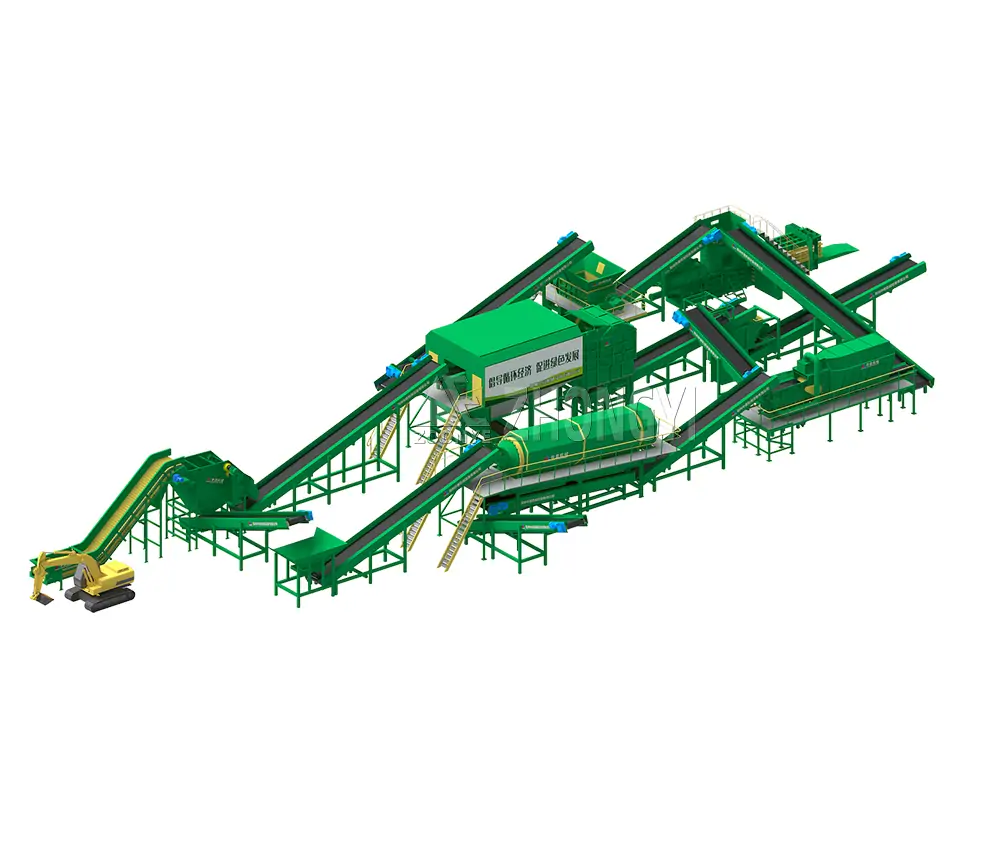
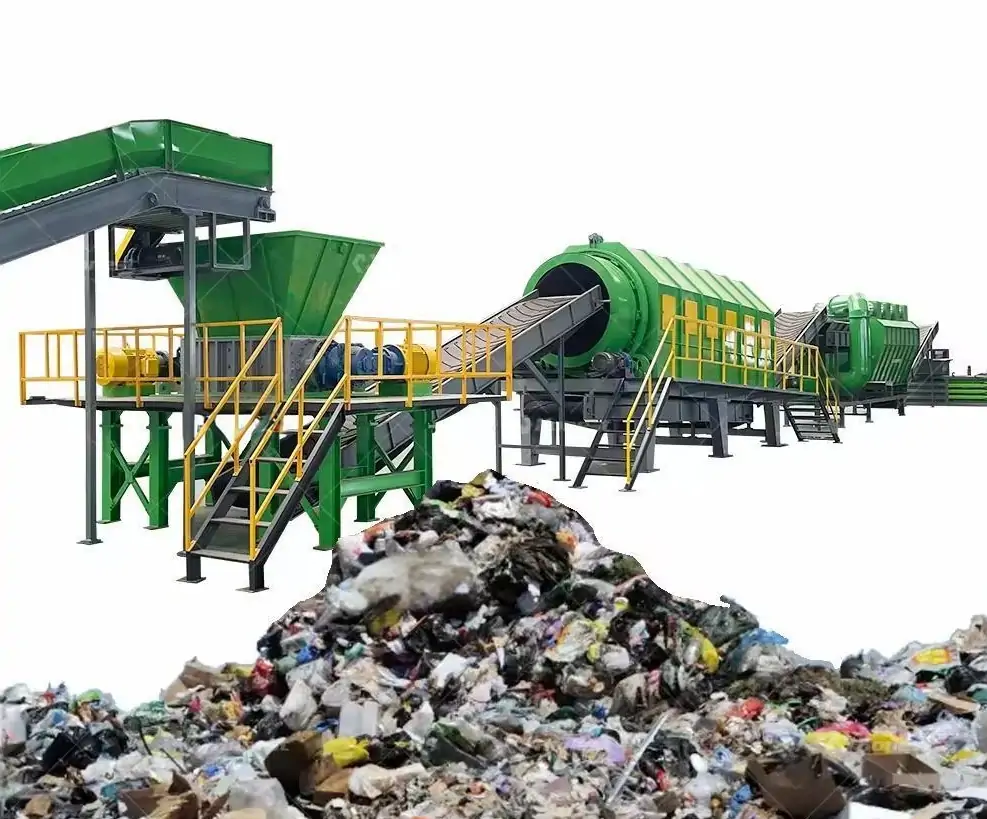
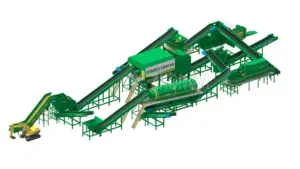
Industrial facilities depend on automated sorting lines. Material flows from a shredder or granulator onto a sequence of machines: an overband magnet pulls ferrous metals first, then an eddy current separator ejects non-ferrous metals like aluminum and copper. For applications demanding the highest purity, sensor-based sorters — optical, X-ray transmission (XRT), or XRF — identify and separate metals by color, density, or elemental composition. Zhongyi designs and manufactures these systems for plants that need consistent, high-throughput separation.
The principle doesn’t change with scale: separate ferrous from non-ferrous as early as possible, then refine each stream. The only difference is how you scale the tools.
Equipment That Makes Industrial Sorting More Efficient
Manual sorting works for small volumes — buckets, magnets, and a trained eye. But at tens of tons per hour, you need machinery that separates automatically, consistently, and around the clock. The right equipment can lift your recovery rate from 70–80% (manual) to over 95% (automated line).
Here’s what you’ll find in a modern industrial sorting facility:
Overband Magnet — Suspended above a moving conveyor, continuously pulling ferrous metals (iron, steel) out of the material stream. Built for high-volume lines where manual removal can’t keep up.
Magnetic Drum — A rotating drum with a stationary magnetic core. Separates ferrous from non-ferrous with high purity, commonly positioned after shredders for finer material.
Eddy Current Separator — Uses a fast-spinning magnetic rotor to repel conductive non-ferrous metals like aluminum, copper, and brass. The metal literally flies off the belt into a separate bin.
Air Classifier — Separates by density and shape. Lighter materials (plastic, foam, aluminum flakes) go one direction; heavier metals (copper, stainless steel) drop down. Ideal for cleaning mixed non-ferrous fractions.
Optical / X-Ray Sorter (XRF/XRT) — Senses color, density, or elemental composition and fires a jet of compressed air to eject targeted metals from the falling stream. Used for final, high-purity separation.
Zhongyi designs and builds magnetic separators, eddy current systems, and complete sorting lines for recycling plants worldwide. Whether you need a single machine or a fully integrated system, the right equipment turns a messy scrap pile into clean, graded, sellable metal.
If you are also considering upgrading or optimising your production line, please contact us today. Our team of experts is on hand to provide you with a bespoke solution.
Conclusion
Sorting scrap metal isn’t complicated — but it demands a consistent system. Whether you separate ferrous from non-ferrous by hand or run a fully automated line, the rule stays the same: clean fractions mean higher value and fewer rejected loads.
The four steps — intake assessment, magnetic separation, non-ferrous recovery, and final purity checks — work at any scale. Start applying them, and you’ll see the difference in your next payout.
If you’re looking to upgrade your sorting line or want technical advice on what equipment fits your material stream, reach out to the team at Zhongyi. No pressure, just a conversation about what would work for your operation.


Andy Yu
Technical Engineer | Zhongyi ECO
16+
Years Exp.
300+
Solutions
50+
Countries
16 years’ experience in environmental and solid waste management, specializing in C&D recycling and waste sorting solutions. At Zhongyi Mining Machinery, focused on improving global clients’ efficiency through technical expertise and tailored configurations.
FAQ
Use a magnet. If it sticks, it’s ferrous (iron or steel). If it doesn’t, it’s non-ferrous (copper, aluminum, brass, etc.). That one test replaces hours of guessing.
Yes. Insulated wire brings 40–60% less than bare copper. Strip thicker gauges with a wire stripper. For thin mixed wire, a granulator with a separator pays for itself quickly.
Typically 20–40% more than mixed loads. Some facilities double their copper revenue just by keeping grades separate and removing contaminants.
Magnets are essential for ferrous metals. For non-ferrous, you need eddy current separators, air classifiers, or optical sorters. Zhongyi builds complete lines that combine all of these technologies.
Mixing different non-ferrous metals — copper, aluminum, and brass — into one bin. Buyers pay based on the lowest grade in the batch. Keep each type in its own container.
They run automated sorting lines: shredder → overband magnet → eddy current separator → optional optical or X-ray sorter. The system runs 24/7 with minimal manual labor.
If you’re processing more than 10 tons per day of mixed non-ferrous, yes. Recovery gains typically pay for the machine in 6–12 months. Below that volume, manual sorting or an air classifier may be enough.
Not 100%, but cleaner loads consistently get higher prices. Remove obvious contaminants — plastic, rubber, dirt, attached steel. Even 2% contamination can drop you one full pricing grade.