
Introduction
Municipal solid waste contains plastics, metals, paper, organic waste, and inert materials. Due to its complex composition and different material values, simple disposal methods are no longer sufficient. A complete MSW recycling plant uses mechanical separation and automated sorting technologies to recover valuable resources and reduce landfill waste.
The design of an waste sorting system depends on waste composition, moisture content, processing capacity, and final recovery targets. By integrating screening, magnetic separation, air separation, eddy current separation, and optical sorting technologies, modern recycling systems can separate mixed waste into recyclable materials, RDF fuel, and residual fractions.
This guide explains the MSW recycling process, key equipment, and main factors affecting plant design.If you want to learn about “MSW Recycling Plant Cost in the U.S. in 2026: A Complete Guide,” please click on the article.
What Is a Complete MSW Recycling Plant?
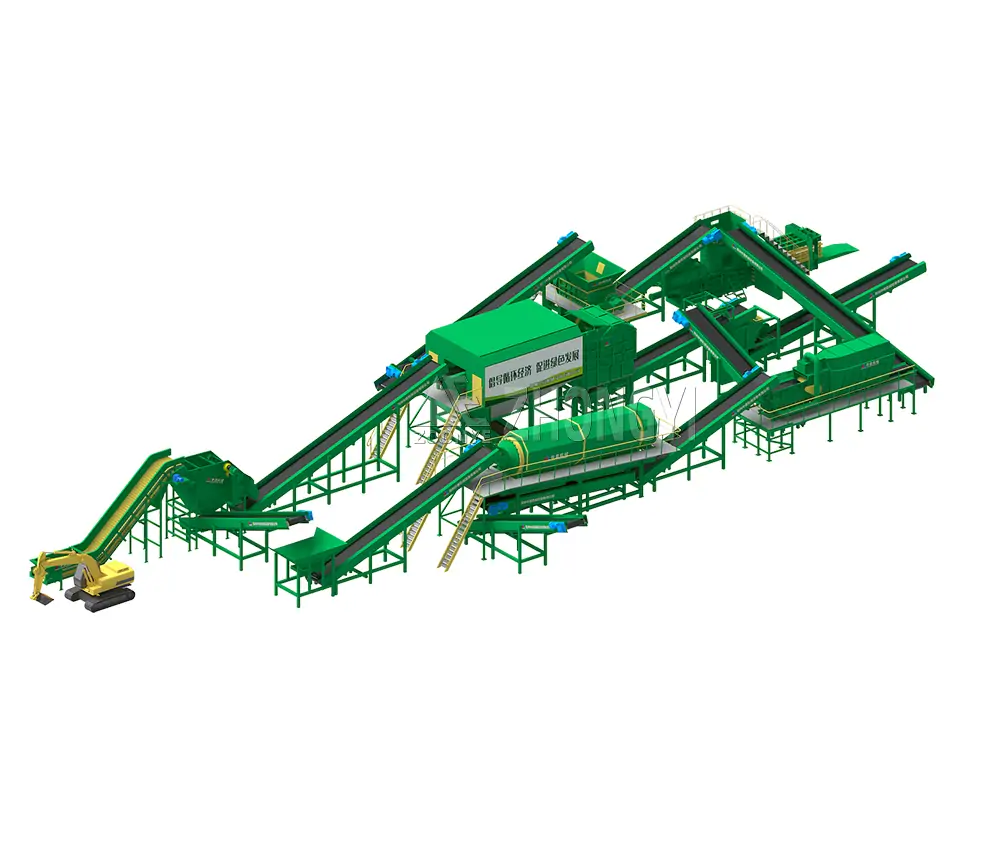
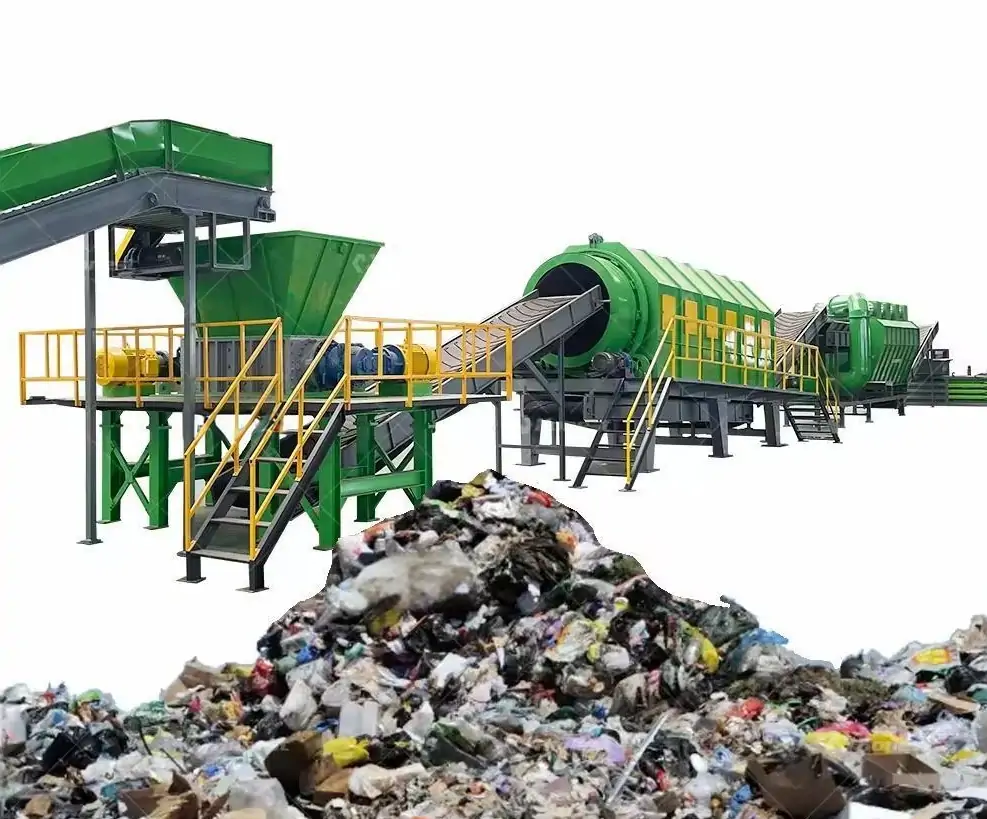
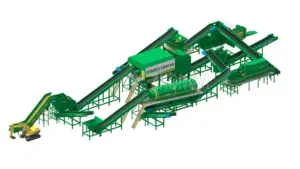
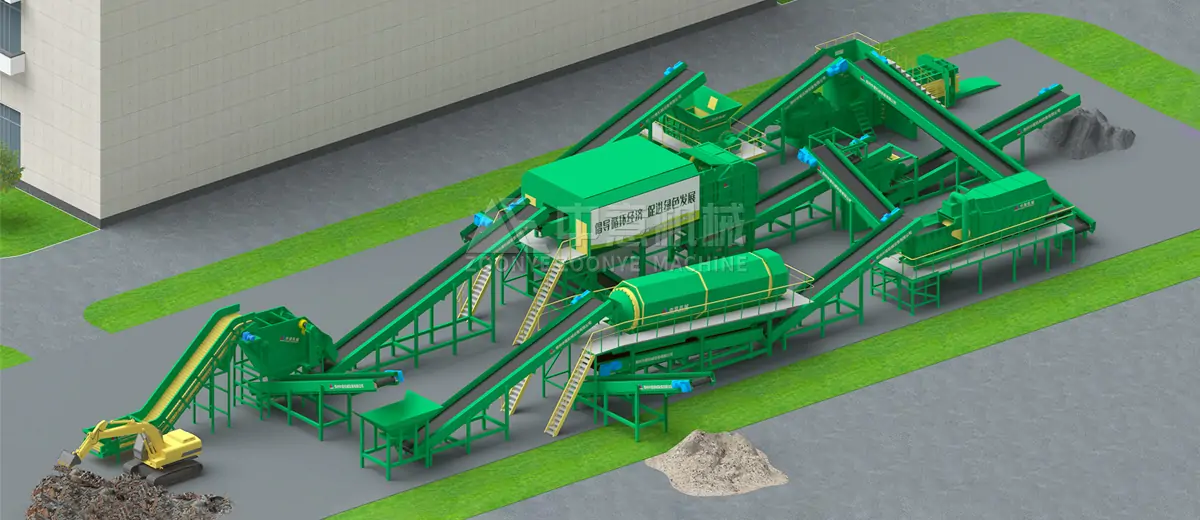
A complete MSW recycling plant is an integrated system that combines multiple processing units to handle mixed municipal solid waste. Unlike a single waste processing machine, it includes feeding, pre-treatment, screening, and separation equipment working together to sort materials according to size, density, and composition.
The configuration includes bag openers, trommel screens, magnetic separators, air separators, eddy current separators, and optical sorting machines. The final equipment combination is selected based on waste characteristics, processing capacity, and required outputs such as recycled plastics, metals, paper, RDF fuel, and residual waste reduction.
How Does an MSW Recycling Plant Work?
An MSW recycling plant follows a sequential processing flow to separate mixed municipal waste into different material streams. After entering the facility, waste is evenly fed into the sorting line, where size separation, material separation, and automated identification technologies are applied step by step. Each stage prepares the material for the next process and improves the accuracy of downstream sorting.
The process includes waste receiving, feeding, bag opening, screening, manual sorting, magnetic separation, air separation, eddy current separation, and optical sorting. The final output streams are collected according to their properties, while combustible fractions can be processed into RDF and remaining residues are handled through suitable disposal methods. The following sections explain the function and working principle of each processing stage.
Waste Receiving and Feeding System


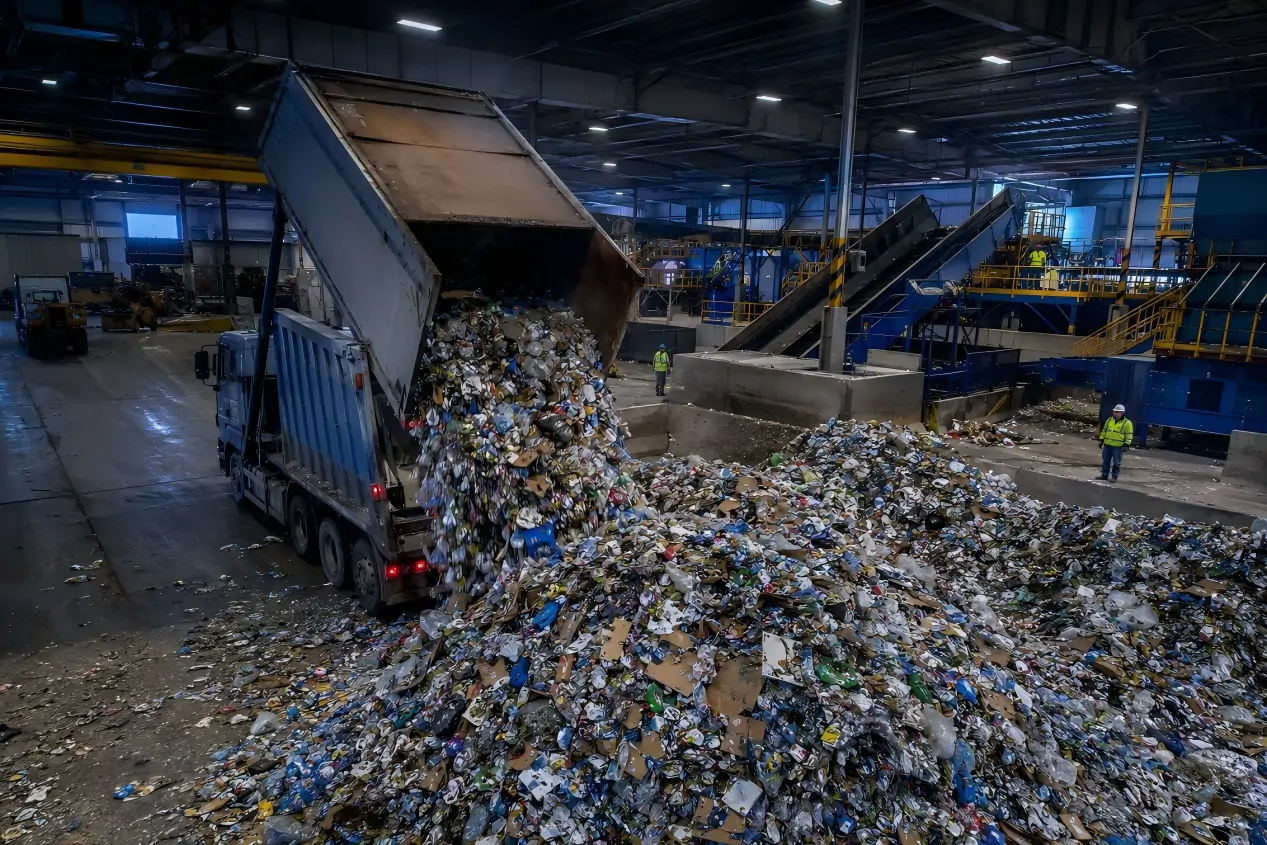
The waste receiving and feeding system is the first stage of a municipal waste treatment plant. It receives mixed municipal solid waste and feeds it into the sorting line at a controlled rate, ensuring stable operation of downstream equipment such as screens and separators.
A recyling system includes a receiving hopper, apron feeder, and belt conveyor. The feeder handles heavy and irregular waste, while the conveyor transfers materials to bag opening and screening stages. The feeding design depends on waste composition, moisture content, particle size, and required processing capacity.
Bag Opening and Waste Pre-treatment
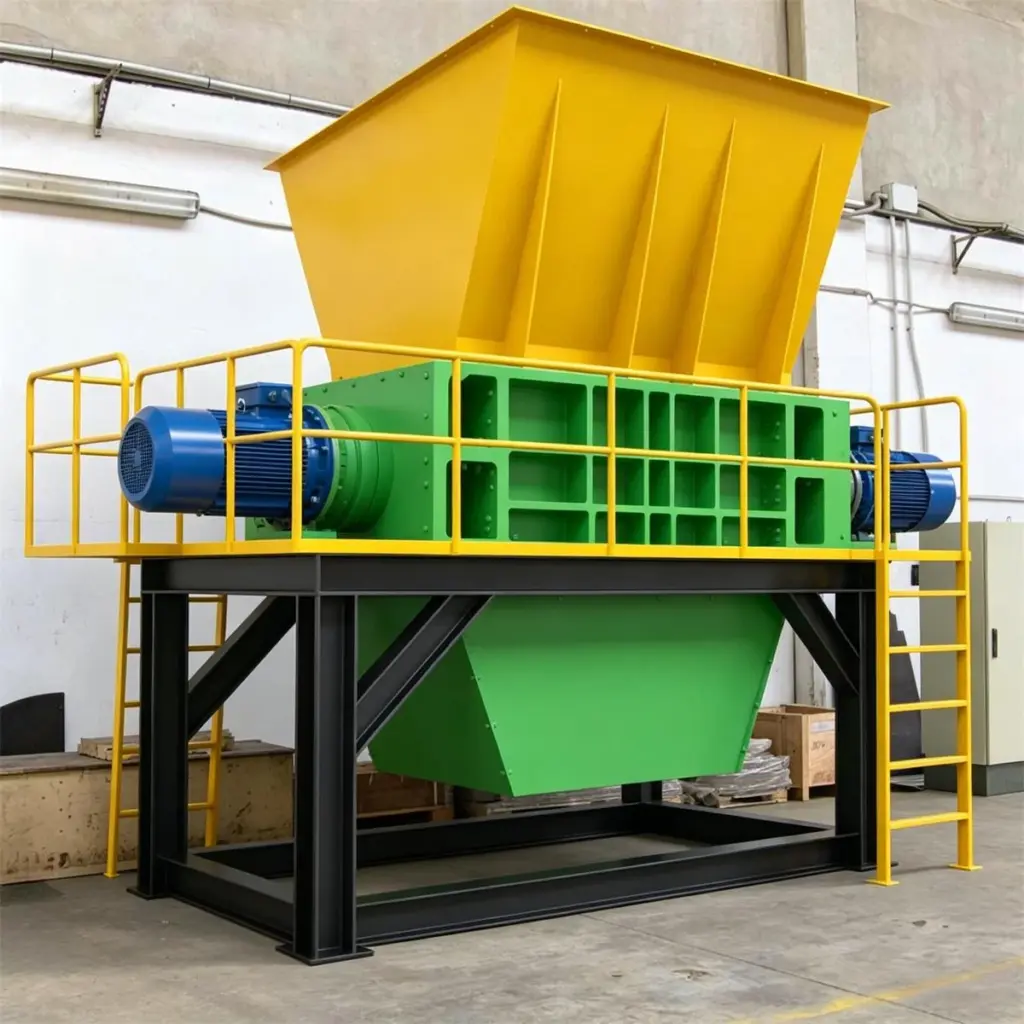
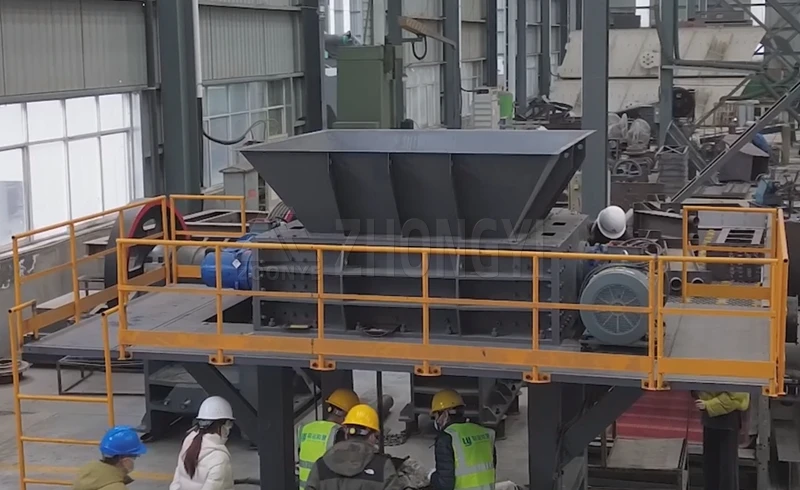
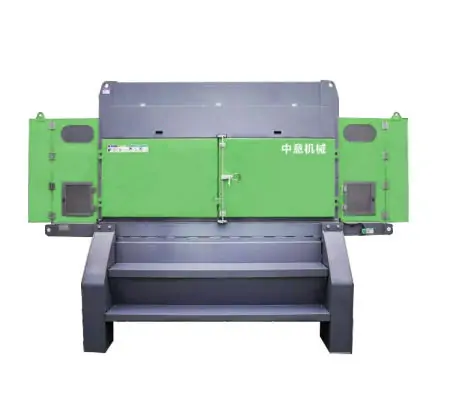
Mixed municipal solid waste usually enters recycling plants in plastic bags or other packaging. A bag opener machine breaks the bags, loosens compacted waste, and releases materials such as plastics, metals, and paper for further sorting. Unlike a waste shredder, which reduces the size of bulky or hard materials, a bag opener mainly opens packaging while keeping recyclable materials intact.
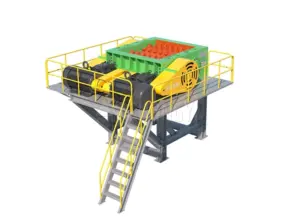
Waste shredders are used when the feed contains oversized items, furniture, or heavily compacted waste that requires size reduction before screening. Waste shredders are added when bulky or oversized materials require size reduction before screening.These units normally work with feeding systems and screens to prepare materials for the following separation stages.
Screening and Size Separation


After bag opening and pre-treatment, mixed municipal solid waste enters the screening stage for size separation. The purpose is to divide materials into different size ranges and prepare them for further sorting processes such as magnetic separation, air separation, and optical sorting.
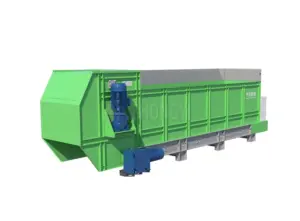
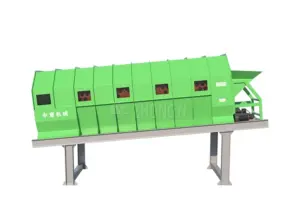
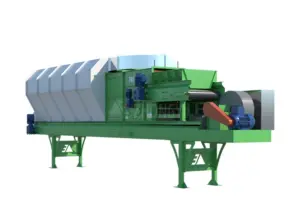
A trommel screen for MSW is commonly used as the primary screening equipment. The rotating drum separates materials through different screen openings. Fine materials below 50 mm mainly contain soil, organic fines, and small inert particles. Medium-size materials usually include plastics, paper, and packaging waste, while oversized materials may contain large plastics, textiles, and bulky waste requiring further separation.
According to waste characteristics, additional waste screening equipment such as ballistic separators or star screens can be installed. Ballistic separators separate materials by shape and movement, while star screens are suitable for wet, sticky, or fibrous waste. A properly designed screening system improves material flow and provides better conditions for downstream sorting.
Manual Sorting and Quality Control

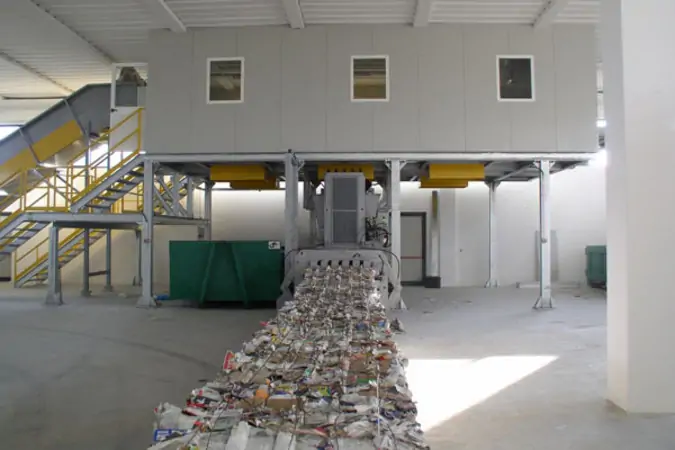
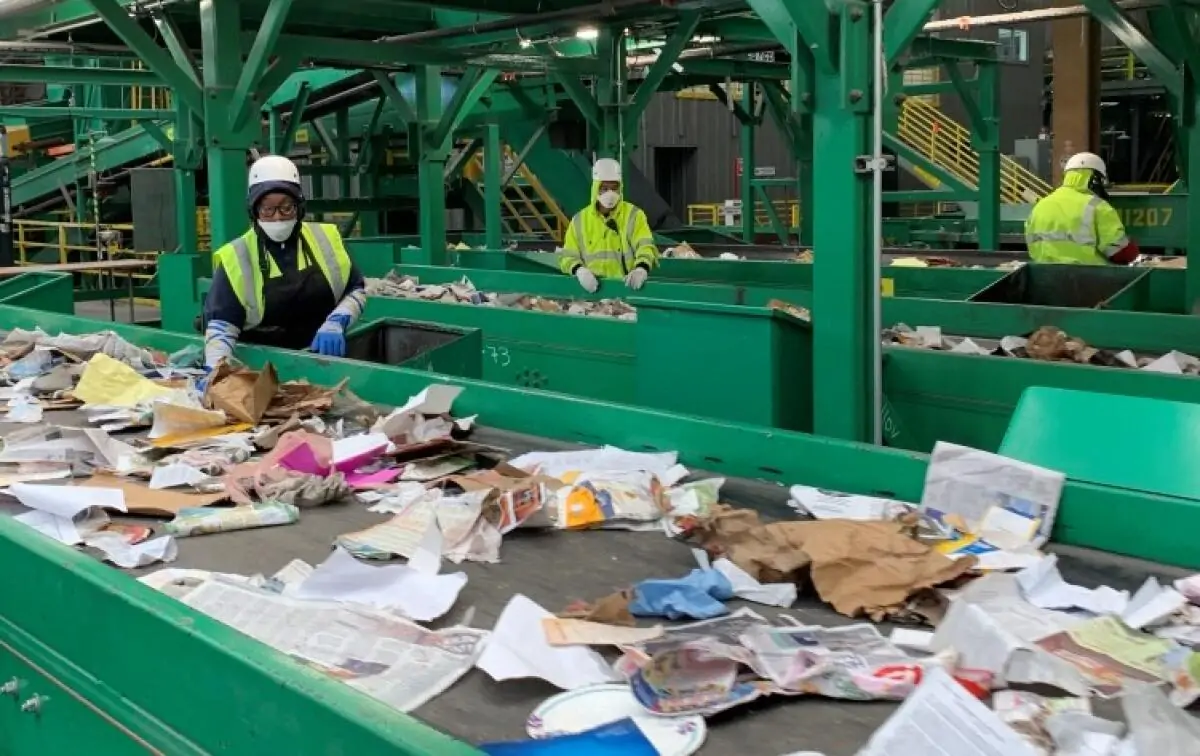
After screening, some bulky items, flexible materials, and impurities may remain in the waste stream. A manual sorting cabin allows operators to inspect the material flow and remove items that are difficult for automatic equipment to separate, such as textiles, bulky waste, wood, batteries, and large plastic pieces.
Manual sorting works together with automated equipment rather than replacing it. Adjustable-speed sorting conveyors and multiple sorting positions help operators improve material quality before further separation, recycling, or RDF production.
Magnetic Separation for Ferrous Metals


After screening and manual sorting, the waste enters the magnetic separation stage to recover ferrous metals such as steel cans, nails, and iron pieces. Non-magnetic materials, including plastics, paper, glass, and organic waste, continue to the following sorting processes.
An overband magnetic separator is commonly installed above the conveyor belt to automatically remove iron and steel materials from the waste stream. The magnetic system attracts ferrous metals, separates them from the moving material, and discharges them for collection. Equipment selection depends on waste composition, conveyor speed, magnetic strength, and processing capacity, with common conveyor widths ranging from about 800 mm to 1,400 mm in MSW sorting applications.
Eddy Current Separation for Non-Ferrous Metals


After ferrous metals are removed by the magnetic separator, non-ferrous metals such as aluminum, copper, and brass remain mixed with other materials. An eddy current separator machine is used at this stage because these metals are not magnetic and cannot be recovered by traditional magnetic separation.
The equipment uses a high-speed rotating magnetic rotor to create an alternating magnetic field. When non-ferrous metals pass through the separation zone, they are repelled away from the main material flow, while plastics, paper, glass, and other non-metallic materials continue forward. In MSW recycling plants, eddy current separators are typically installed after screening and magnetic separation to recover aluminum cans and other valuable metals before optical sorting or final treatment.
Air Separation for Lightweight Materials
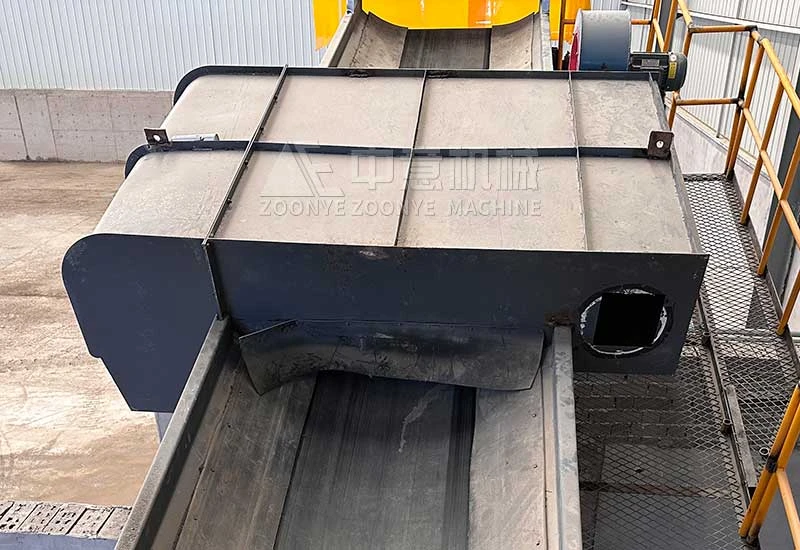
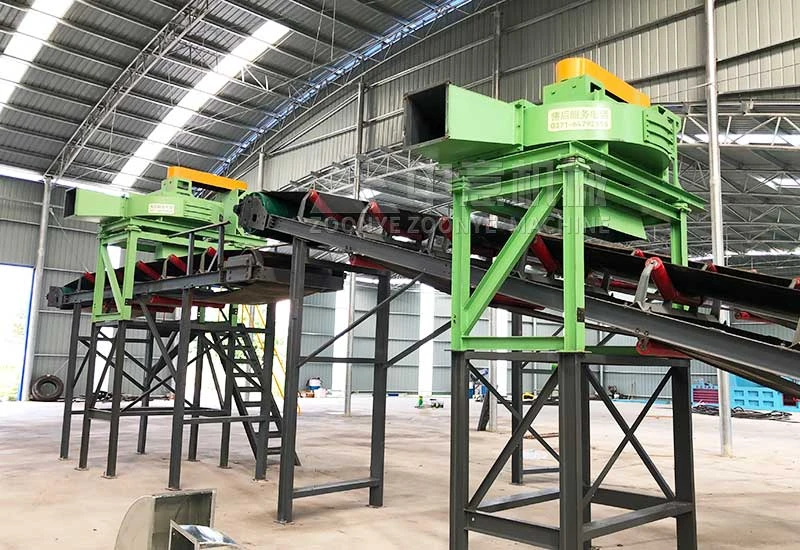
After screening and metal recovery, mixed waste still contains lightweight materials such as plastic film, paper, and textiles. An air separator or wind sifter uses controlled airflow to separate these light fractions from heavier materials, including stones, glass, soil, and other inert materials.
During operation, the airflow lifts and carries lightweight materials to the light fraction outlet, while heavier materials fall into the heavy fraction discharge area. In MSW recycling plant process, wind sifters are commonly installed before advanced sorting processes to improve material quality. The separation performance depends on waste composition, moisture content, and airflow adjustment, with some systems achieving separation efficiency of around 95% under suitable conditions.
Optical Sorting and AI-Based Material Recovery
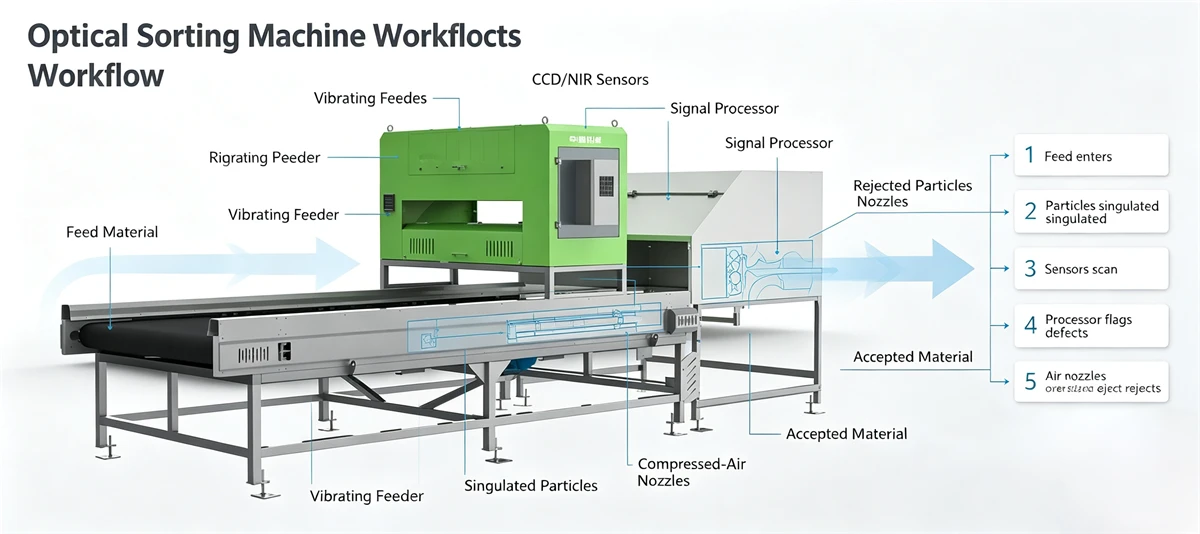

After mechanical sorting and air separation, some recyclable materials such as different plastics and paper may still remain mixed. An optical sorting machine uses NIR sensors and RGB cameras to identify material type, color, and surface characteristics, allowing automatic separation of PET, HDPE, PP, and paper.
In an Municipal Solid Waste Recycling Plant, optical sorting is usually installed in the final recovery stage where higher material purity is required. The AI recognition system analyzes scanned data and controls air jets to separate target materials from the waste stream.
Main Equipment
A complete MSW recycling plant combines different machines for feeding, screening, separation, and material recovery. The main equipment includes:
| Equipment | Main Function |
| Feeding System | Controls waste feeding and ensures stable material flow |
| Bag Opener | Opens garbage bags and releases trapped materials |
| Trommel Screen | Separates waste by particle size |
| Magnetic Separator | Removes ferrous metals such as iron and steel |
| Eddy Current Separator | Recovers non-ferrous metals such as aluminum and copper |
| Air Separator / Wind Sifter | Separates lightweight materials from heavy fractions |
| Optical Sorting Machine | Sorts plastics, paper, and other valuable recyclables |
| Manual Sorting Cabin | Removes remaining impurities and improves material quality |
| Baler | Compresses recovered materials for storage and transportation |
MSW Recycling Plant Capacity Range
Municipal solid waste recycling plant can be designed for different processing capacities according to waste volume, project scale, and local requirements. Common plant capacities include 50 t/day, 100 t/day, 200 t/day, 500 t/day, and larger industrial-scale systems.
The required capacity affects the selection of feeding systems, screens, separators, conveyors, and overall plant layout. A suitable design should balance processing capacity, recovery targets, equipment investment, and operating costs.
What Materials Can Be Recovered from a waste sorting system?
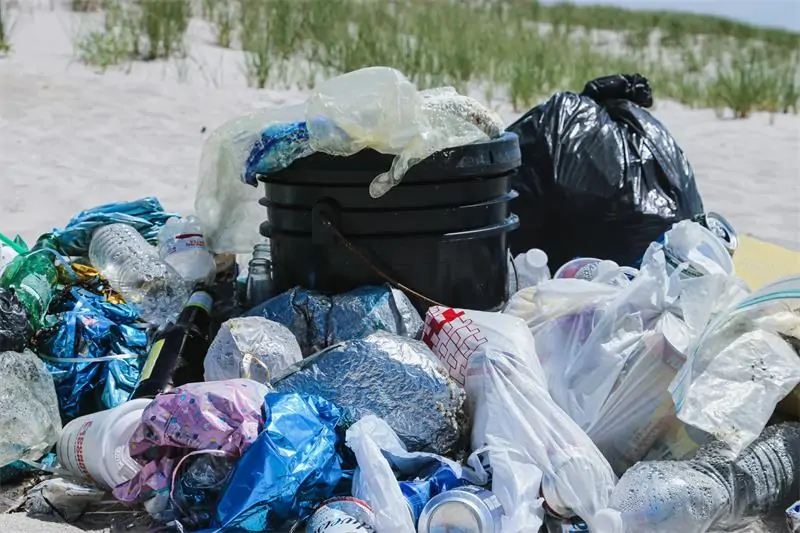
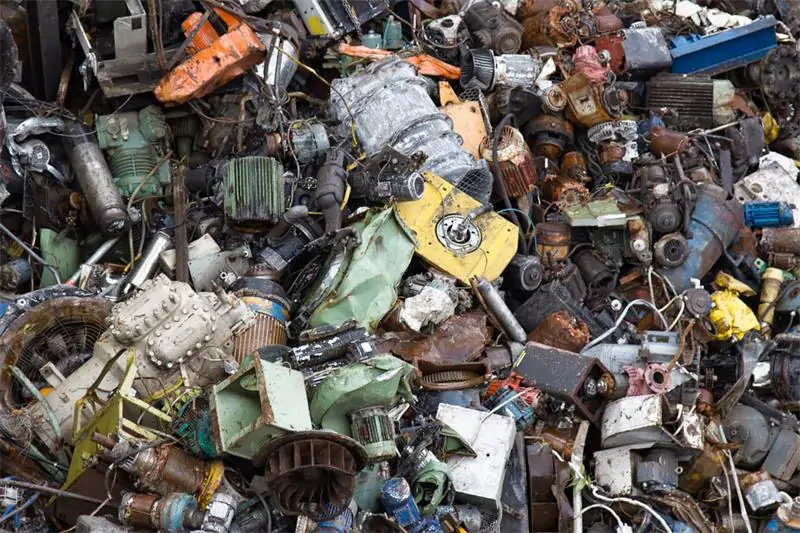
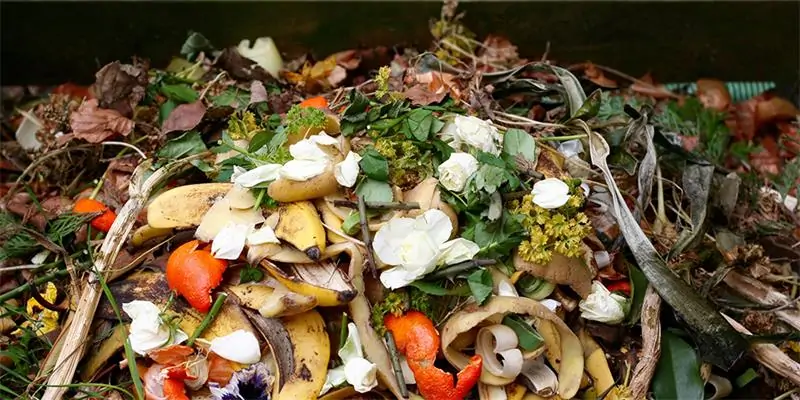
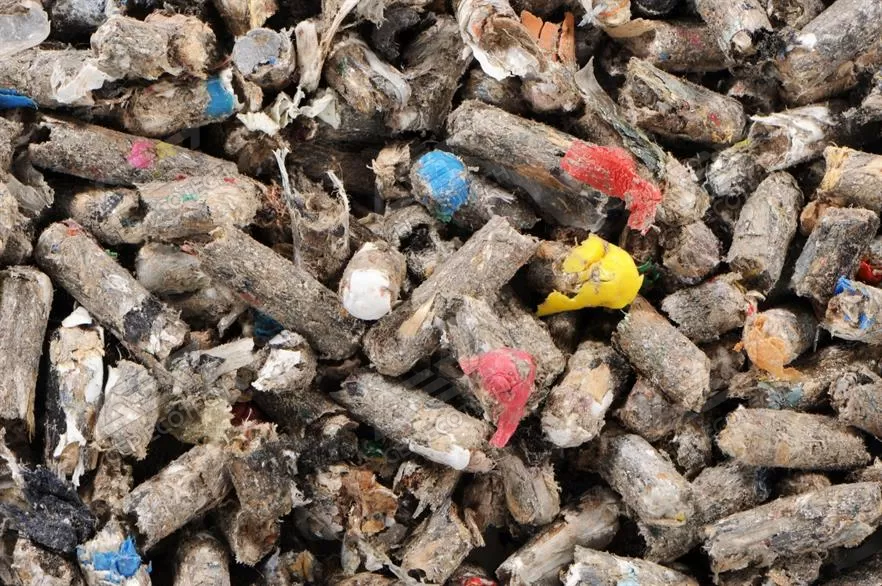
A complete waste sorting system separates mixed municipal solid waste into different material streams for recycling, energy recovery, or safe disposal. The final outputs depend on waste composition, moisture content, and plant design.
What Factors Affect MSW Recycling Plant Design?
The design of a municipal waste treatment plant depends on more than equipment selection. Waste characteristics, processing capacity, moisture conditions, and final product requirements all affect the process configuration and equipment combination.
- Waste Composition —Waste composition varies by region. The percentage of food waste, plastics, paper, and other materials determines the required sorting process and recovery equipment.
- Processing Capacity — Plant size and equipment selection depend on the required throughput, such as 50 t/day, 100 t/day, 200 t/day, or 500 t/day. Higher capacity requires larger feeding, screening, and sorting systems.
- Moisture Content — Moisture affects screening efficiency and air separation performance. High-moisture waste may require suitable screening methods and airflow adjustment to maintain stable operation.
- Final Product Requirements — The target outputs determine the plant configuration. Plastic recovery, RDF fuel production, composting, and landfill reduction require different sorting and treatment processes.
Xinzhongyi ECO designs MSW recycling systems based on waste composition, processing capacity, and recovery requirements. Our team provides complete support from process planning and equipment manufacturing to installation and commissioning.
How to Choose the Right Equipment?
The selection of MSW recycling plant equipment should start from the waste characteristics and project requirements. Waste type, daily processing capacity, and final output targets directly affect the process design and equipment combination. For example, a system designed for high-plastic municipal waste may require optical sorting, while waste with high organic content may need additional biological treatment.
Other factors, including automation level, available space, and local environmental regulations, also influence equipment selection. A suitable MSW sorting system should achieve stable operation, required recovery rates, and manageable operating costs while meeting local waste treatment standards.
Conclusion
A complete MSW recycling plant is a combination of feeding, screening, sorting, and recovery systems designed for different municipal waste conditions. The process separates recyclable materials, organic fractions, fuel materials, and residual waste through mechanical and automated sorting technologies.
The most suitable plant configuration depends on waste composition, processing capacity, moisture content, and final product requirements. Proper system design can improve material recovery, reduce landfill volume, and provide a more efficient solution for long-term waste management.


Andy Yu
Technical Engineer | Zhongyi ECO
16+
Years Exp.
300+
Solutions
50+
Countries
16 years’ experience in environmental and solid waste management, specializing in C&D recycling and waste sorting solutions. At Zhongyi Mining Machinery, focused on improving global clients’ efficiency through technical expertise and tailored configurations.
FAQ
A complete MSW recycling plant is an integrated system that processes mixed municipal solid waste through feeding, bag opening, screening, sorting, and material recovery equipment. It separates recyclable materials, organic fractions, RDF fuel materials, and residual waste to reduce landfill disposal.
A typical MSW recycling plant includes feeding systems, bag openers, trommel screens, manual sorting cabins, magnetic separators, eddy current separators, air separators, optical sorting machines, and balers. The equipment configuration depends on waste composition and required output products.
The processing capacity depends on plant design and waste characteristics. Common MSW sorting plants range from small-scale systems of around 50 tons/day to large facilities processing several hundred tons/day or more. The final capacity is determined by material composition, operating hours, and recovery targets.
An MSW recycling plant can recover materials such as PET, HDPE, PP plastics, paper, cardboard, ferrous metals, non-ferrous metals, and organic fractions. High-calorific materials can also be processed into RDF fuel for energy recovery.
The plant improves recycling efficiency by combining multiple separation methods. Screening separates materials by size, magnetic separation removes iron, eddy current separation recovers aluminum, air separation removes lightweight materials, and optical sorting identifies specific plastics and paper types.
The correct system depends on waste type, processing capacity, moisture content, available space, local regulations, and final product requirements. A plant designed for high-organic-content waste may require different equipment compared with a system handling dry commercial waste.
Yes. After removing recyclable materials and non-combustible waste, high-calorific fractions such as plastics, paper, and textiles can be processed into RDF fuel. The quality of RDF depends on waste composition, moisture level, and separation efficiency.
Yes. MSW recycling plants are usually customized according to local waste conditions, required capacity, and recovery targets. Engineering design may include equipment selection, process layout, material handling, and integration of sorting technologies for different project requirements.
The cost depends on processing capacity, waste composition, automation level, and required output products. A small system may require a different configuration from a large-scale facility processing several hundred tons per day.