












Project Overview
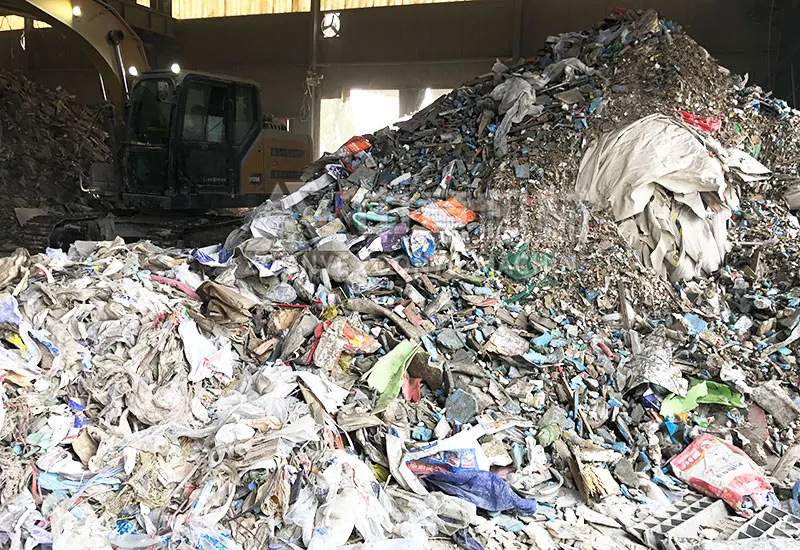
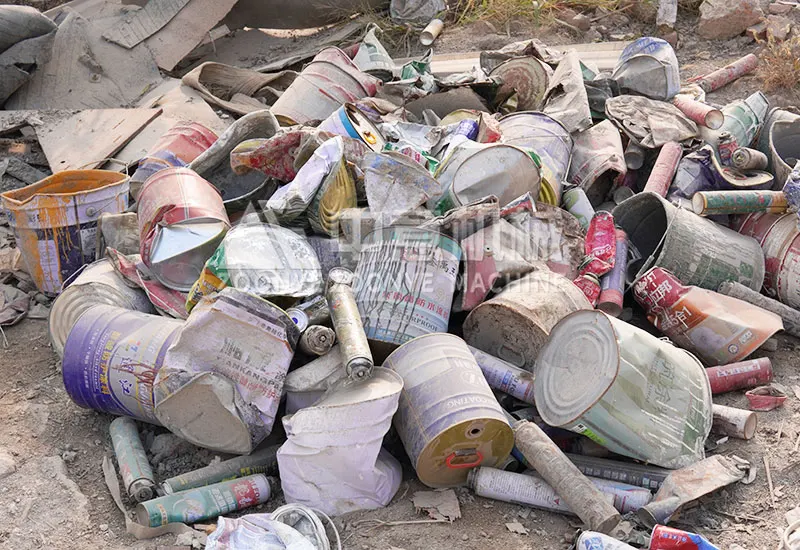
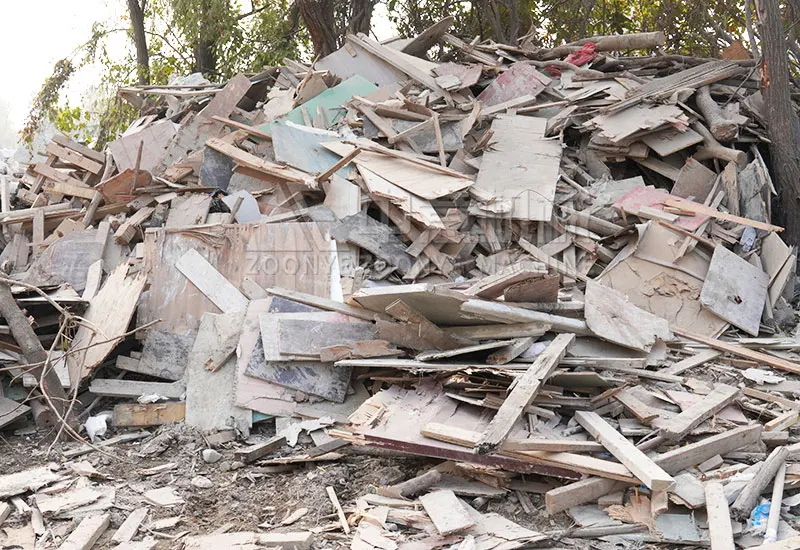
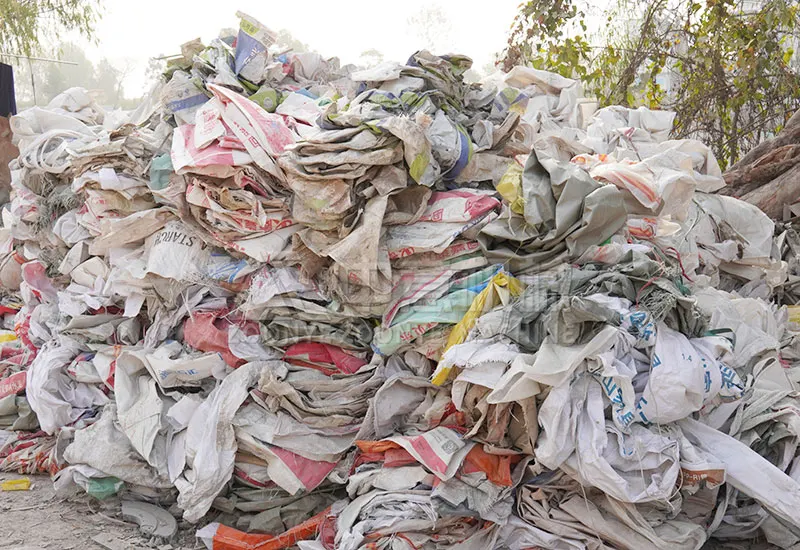
The project is an indoor decoration waste sorting and treatment center serving the urban area of Wuhan. The incoming waste contains a mixture of heavy mineral materials and lightweight fractions, including brick-concrete, soil, gypsum board, wood, plastic, and ferrous metal. The customer required a continuous sorting process to separate these materials and recover the usable fractions instead of sending the mixed waste directly to disposal.
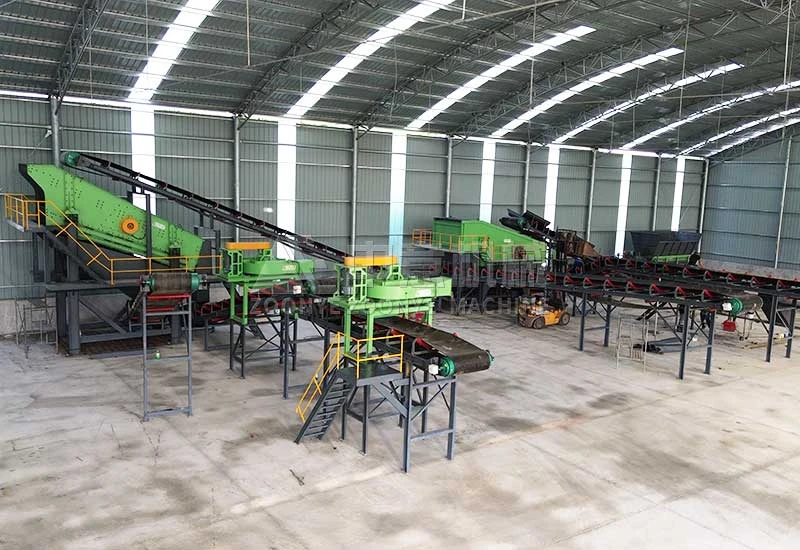
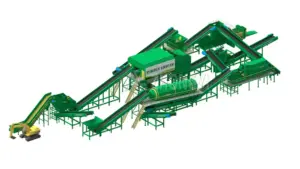
The production line was arranged inside an enclosed workshop using a multi-level overpass layout. The process combines feeding, bag breaking, crushing, flip-flow screening, ballistic separation, magnetic separation, and negative-pressure air separation. Recycled aggregate is directed to recycled brick and recycled concrete production, while ferrous metal and lightweight materials are separated for downstream recycling. Hazardous fractions are transferred through the designated disposal route.
150–200 TPH
Processing Capacity
Wuhan, Hubei, China
Project Location
Customer Requirements & Project Challenges
Customer Requirements
The customer needed an automatic sorting system for a large volume of mixed decoration waste delivered to the plant. The main requirement was to separate brick-concrete, sticky soil, gypsum board, wood, plastic, and ferrous metal and recover the mineral fraction for recycled building-material applications. The customer also required an enclosed indoor arrangement with dust and noise control, a compact equipment layout, and technical support covering process design, equipment supply, installation, commissioning, and operator training.
Project Challenges
- Sticky Soil in the Feed: Wet soil adhering to the incoming waste could cause conventional screening equipment to blind and reduce screening stability.
- Mixed Heavy and Lightweight Materials: Brick-concrete was mixed with plastic film, wood, gypsum board, and other light fractions, so crushing alone could not complete the required separation.
- Indoor Space Restrictions: All major equipment had to fit inside the existing workshop while leaving practical access for inspection, maintenance, and equipment servicing.
- Dust Control Requirements: The enclosed workshop required controlled dust collection and suppression at the main dust-generating points.
Xinzhongyi ECO Decoration Waste Recycling Solution
For the Wuhan project, Xinzhongyi ECO configured a complete indoor sorting process based on the incoming waste composition and workshop layout. The production line follows the sequence of apron pan feeding, bag breaking and pre-treatment, crushing, multi-stage flip-flow screening, ballistic separation, magnetic separation, and negative-pressure air separation.
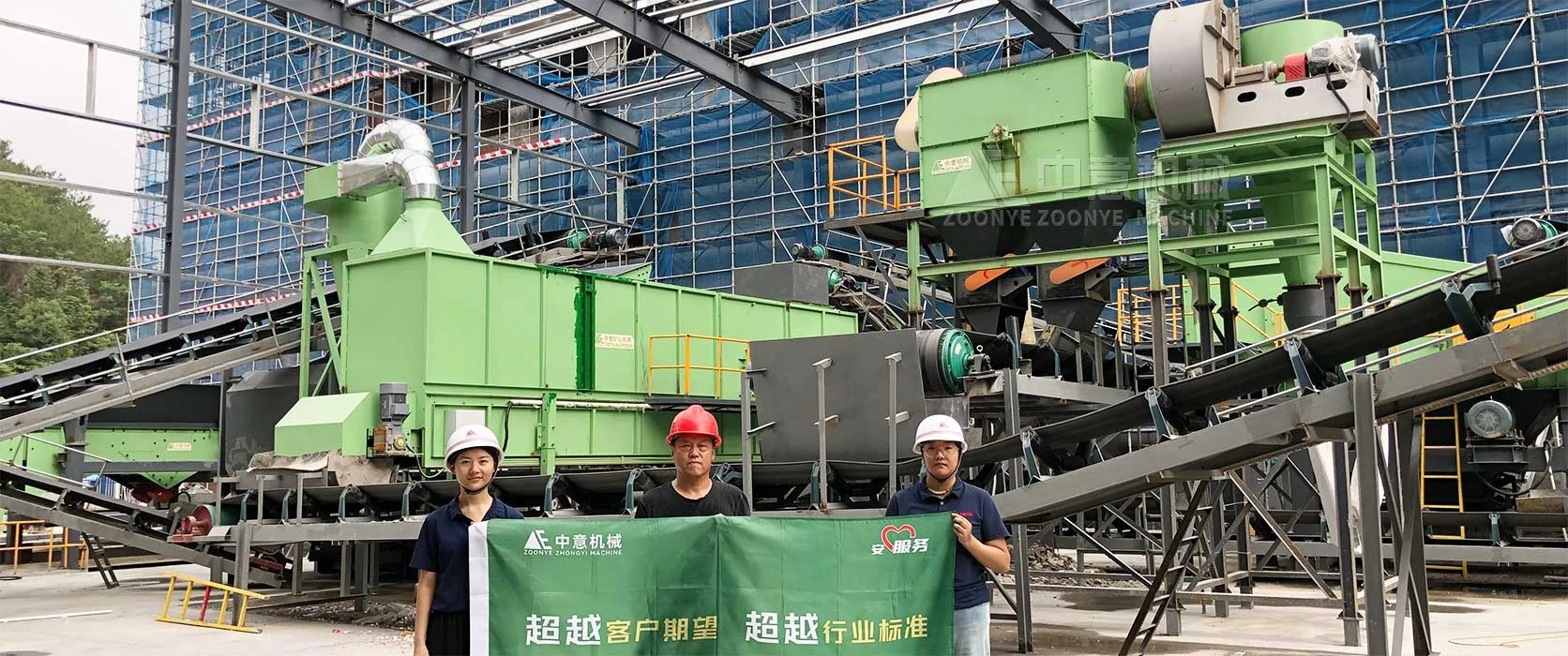
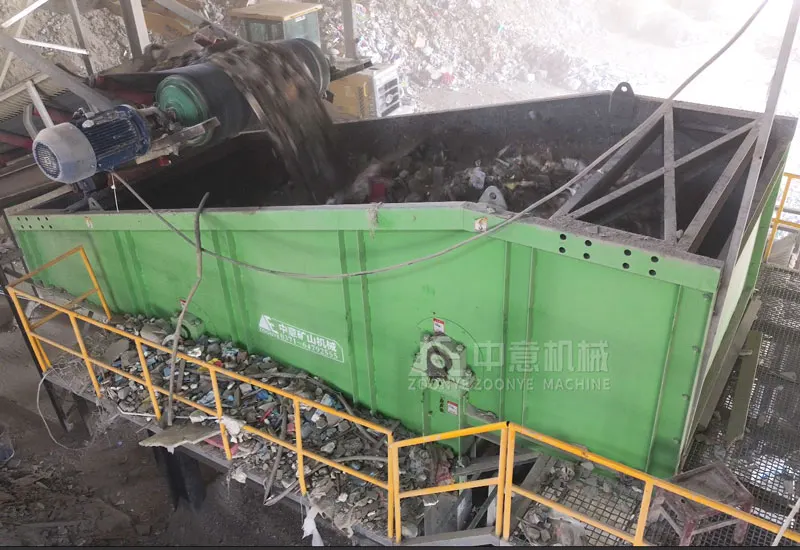
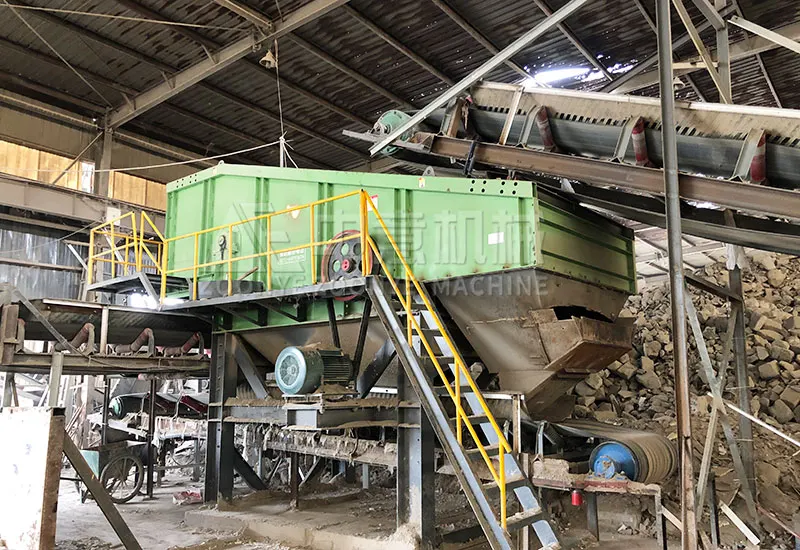
The apron pan feeder provides a controlled feed to the bag-breaking stage. Oversized brick and concrete pieces are reduced in size before screening. The flip-flow screens separate fine soil and sand from the remaining material, while the ballistic separator handles the initial separation between heavier mineral material and lighter fractions. Magnetic separation removes ferrous metal, and the horizontal negative-pressure air sifter separates remaining plastic, wood, and other lightweight materials.
Because the line operates inside an enclosed workshop, the conveying system was fitted with covers, while pulse baghouse dust collection and atomizing spray equipment were arranged at dust-generating points. Xinzhongyi ECO engineers also participated in installation supervision, commissioning, and practical operator training during start-up.
Main Equipment Configuration
- Light-Duty Apron Pan Feeder: Provides controlled feeding of bulky and irregular decoration waste.
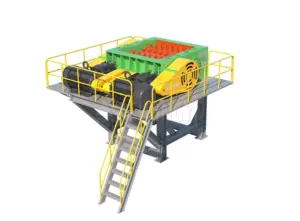
- Bag-Breaking Machine: Opens bagged waste and releases enclosed materials for downstream sorting.
- Crushing Unit: Reduces oversized concrete and brick fragments to a suitable size for screening.
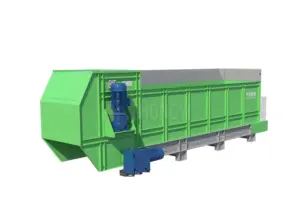
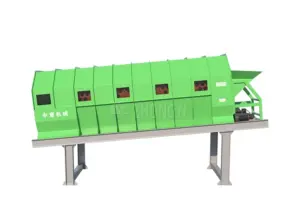
- Double-Deck Flip-Flow Screen: Separates fine soil and sand from the crushed material and handles sticky feed.
- Single-Deck Flip-Flow Screen: Performs further size classification of the screened material.
- Ballistic Separator: Separates heavier mineral material from lighter and flatter waste fractions.
- Magnetic Separator: Removes ferrous metal such as steel bars, nails, and steel wire.
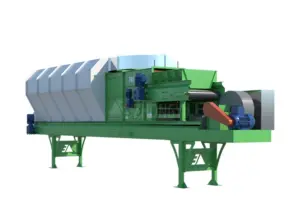
- Horizontal Negative-Pressure Air Sifter: Separates residual plastic, wood, and other lightweight materials.
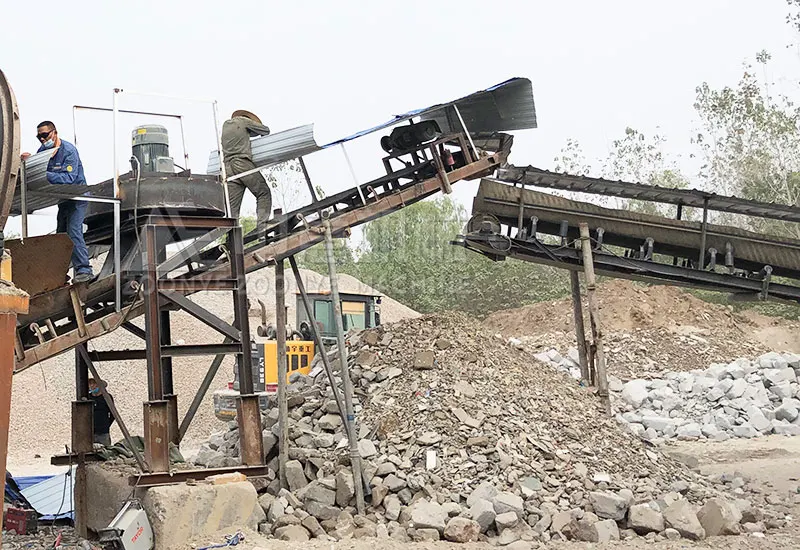
- Enclosed Belt Conveyor System: Transfers materials between processing stages and uses covered conveying routes inside the workshop.
- Pulse Baghouse Dust Collector & Atomizing Spray System: Collects and suppresses dust generated during crushing, screening, and material transfer.
- Intelligent Control Cabinet: Provides centralized control and operating-status monitoring for the production line.
Construction and Renovation Waste Recycling Process
Mixed decoration waste enters the enclosed workshop and is fed by the apron pan feeder to the bag-breaking machine for pre-treatment. Large brick-concrete pieces are then crushed to a suitable size before entering the multi-stage flip-flow screening section. Fine soil and sand are separated during screening, while the remaining material continues to the downstream sorting stages.
The screened material passes through the ballistic separator for heavy-light separation, followed by magnetic separation to remove ferrous metal. The negative-pressure air sifter then removes residual plastic, wood, and other lightweight fractions. The final streams include recycled aggregate, fine soil and sand, ferrous metal, and lightweight materials, which are directed to their respective downstream recycling or disposal routes.
Gallery
Process & Operational Advantages
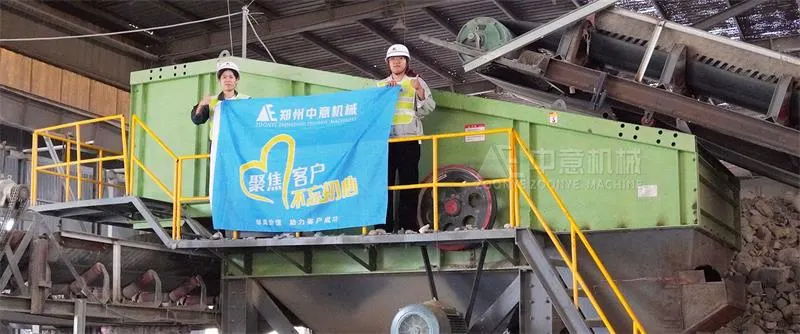
The production line was installed inside an existing enclosed workshop, with equipment positioning, conveyor connections, and process interfaces coordinated according to the available floor space and maintenance access. Xinzhongyi ECO engineers worked with the local installation team throughout the setup and then carried out trial operation of the complete line, checking feeding, crushing, screening, ballistic separation, magnetic separation, air separation, material discharge, and dust-control equipment. Operating conditions were adjusted according to the actual material flow, and the customer’s operators received practical training in daily operation, equipment inspection, and routine maintenance before handover.
Project Results
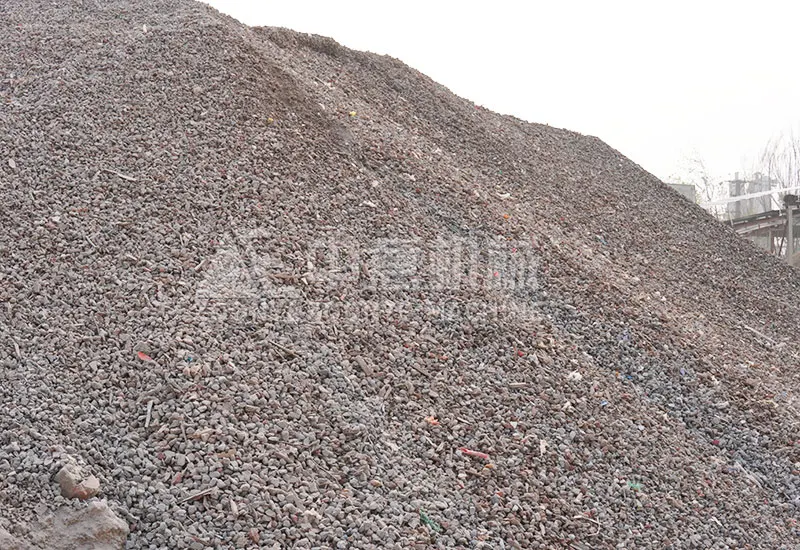
The Wuhan decoration waste sorting and recycling line was successfully commissioned and reached the project’s 150–200 TPH design capacity. The system separates mixed decoration waste into recycled aggregate, fine soil and sand, ferrous metal, and lightweight fractions through the configured crushing and sorting stages.
The recovered brick-concrete material is directed to recycled brick and recycled concrete production, while ferrous metal and lightweight materials are separated for downstream recycling. During regular operation, the flip-flow screening arrangement helps the line handle soil-containing feed, while the enclosed conveying and dust-control system supports the operating requirements of the indoor workshop. Customer operators also completed practical training in daily operation and routine inspection.
Customer Feedback
“The sorting line has been running according to our operating requirements. The engineers stayed involved during installation and commissioning and helped us deal with practical issues during start-up.”
Why Choose Xinzhongyi ECO for Construction & Renovation Waste Recycling?
16+
Years Experience
100+
Global Projects
Xinzhongyi ECO selects the process and equipment according to the waste composition, required capacity, site layout, and recovered materials. Our support covers process design, equipment supply, installation guidance, commissioning, operator training, and after-sales service, with engineers involved during start-up to check the actual material flow and equipment operation and make adjustments where needed.
Plan Your Construction & Renovation Waste Recycling Line
Planning a construction or renovation waste recycling project? Send Xinzhongyi ECO your waste composition, required capacity, feed condition, site layout, and end-product requirements. Our engineering team can assess the material flow and recommend a suitable combination of crushing, screening, ballistic separation, magnetic separation, air separation, conveying, and dust-control equipment for your site.
Get a Free Quote