
Project Overview
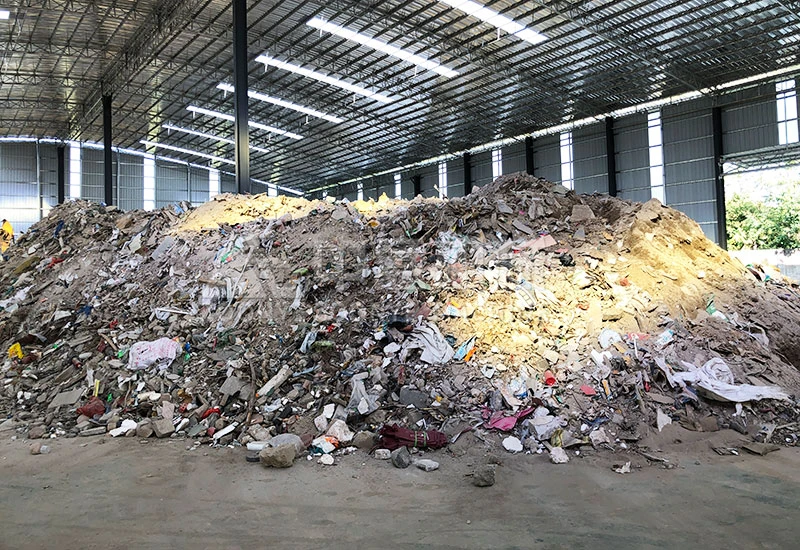
With urban renewal and building renovation projects increasing in Guangdong, the customer was receiving mixed loads containing concrete, red brick, soil, sand, gypsum board, plastic, and wood. The material was often wet and sticky, making direct screening difficult. The customer needed a practical way to separate the mineral fraction from lightweight waste and recover usable materials instead of sending the entire mixed load to disposal.
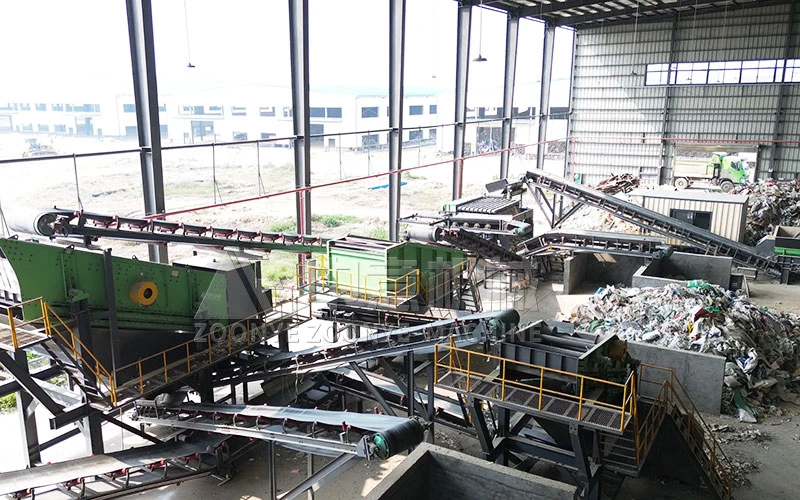
Based on the actual feed conditions and the required 180 TPH capacity, Zhongyi configured a recycling line with crushing, flip-flow screening, ballistic separation, air separation, and magnetic separation. The process is used to break down oversized concrete and brick, remove fines, and separate light materials and ferrous metals from the aggregate fraction. Recovered aggregates are used for applications such as road-base filling and permeable brick production, while plastic, wood, and metal are collected separately for further handling.
180 TPH
Processing Capacity
Guangdong, China
Project Location
Customer Requirements & Project Challenges
Customer Requirements
The customer needed a recycling line that could handle mixed construction and renovation waste containing concrete, red brick, soil, sand, gypsum board, plastic, and wood. Because the feed composition varied from load to load, the system needed to separate the heavy mineral fraction from lightweight materials and ferrous metals while producing recycled aggregate suitable for applications such as road-base filling and permeable brick production.
Stable continuous operation was another key requirement. The customer wanted to reduce screen blockage caused by wet and sticky material and maintain a steady material flow at the required 180 TPH capacity. The project also required a practical dust and noise control arrangement, together with on-site installation and commissioning, operator training, and technical support after start-up.
Project Challenges
- Moisture and Sticky Fines: The renovation waste contained moisture and a high proportion of adhering soil, increasing the risk of screen blinding and material buildup during conventional screening.
- Mixed Heavy and Light Materials: Concrete and brick were mixed with lightweight materials such as plastic, wood, and gypsum board. A crushing process alone could not effectively separate these different fractions.
- Limited Installation Space: The available site area was restricted, so the equipment and conveyor layout had to be arranged carefully while leaving sufficient space for operation, inspection, and maintenance.
- Limited Operating Experience: The customer’s operating team had limited experience with mixed renovation waste processing, making on-site commissioning and practical operator training important during the start-up stage.
Zhongyi Construction & Renovation Waste Recycling Solution
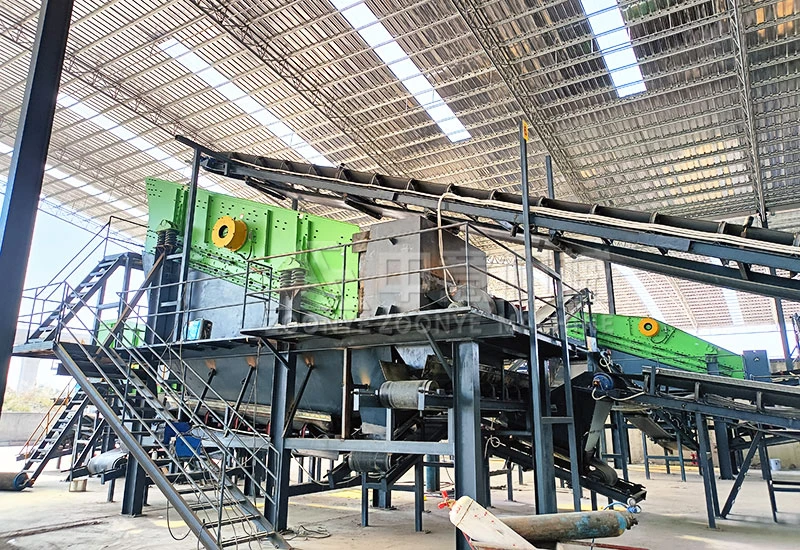
Based on the actual composition of the incoming renovation waste, Zhongyi configured a crushing, flip-flow screening, ballistic separation, air separation, and magnetic separation process for the 180 TPH line. The plate feeder provides controlled feeding to the jaw crusher, which reduces large concrete and brick pieces to a size suitable for downstream separation. The material then passes through the screening section to remove fine soil and sand while handling wet and sticky fractions more effectively than conventional fixed screening.
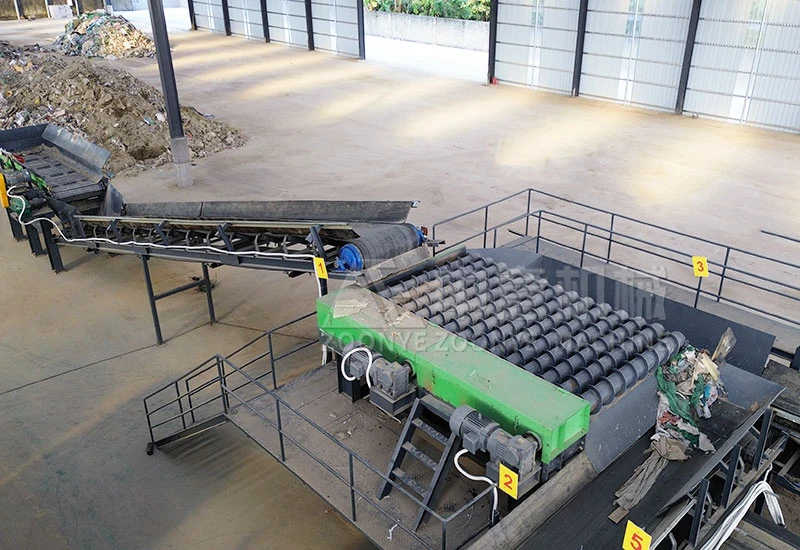
After screening, the ballistic separator separates heavier mineral material from lighter renovation waste, while the air separation unit removes remaining lightweight fractions such as plastic and wood. The magnetic separator recovers ferrous materials, including steel wire and small metal pieces, from the aggregate stream. Belt conveyors connect the individual stages, and a baghouse dust collection system is installed at dust-generating points. Zhongyi engineers also provided on-site installation, commissioning, and operator training to help the customer bring the line into regular operation.
Main Equipment Configuration
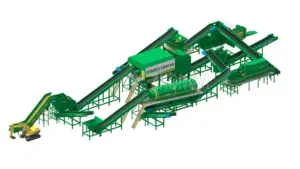
The 180 TPH line was configured around the actual characteristics of the mixed renovation waste. Each unit performs a specific separation or handling step, from controlled feeding and primary crushing to screening, light-material removal, metal recovery, and dust collection.
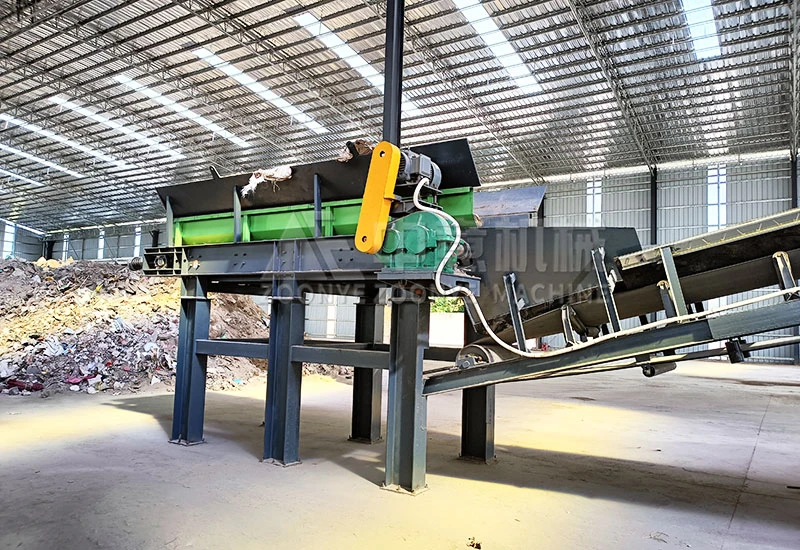
- Plate Feeder: Feeds the mixed construction and renovation waste at a controlled rate and provides a stable load to the jaw crusher, while accommodating bulky and irregular feed materials.
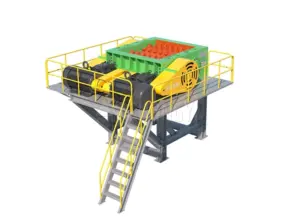
- Jaw Crusher: Reduces large concrete blocks, bricks, and other hard mineral materials to a suitable size for subsequent screening and separation.
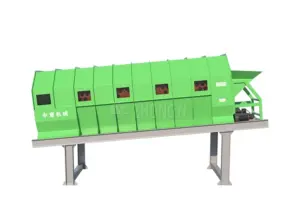
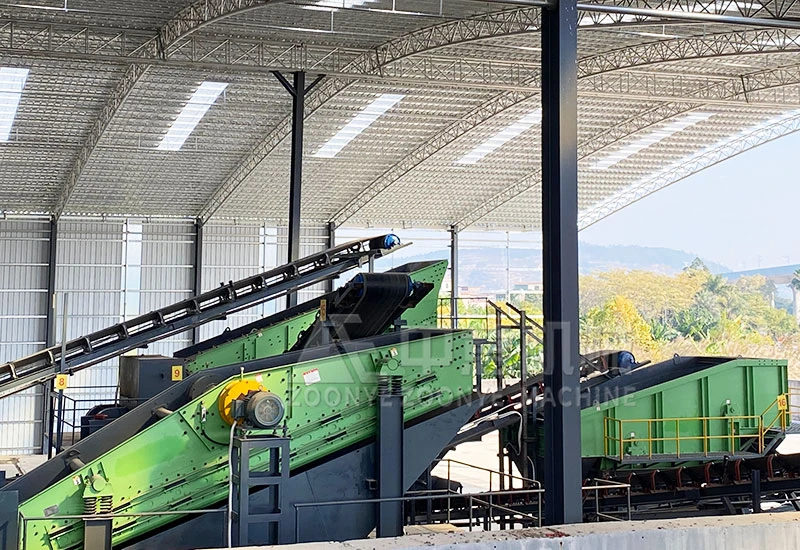
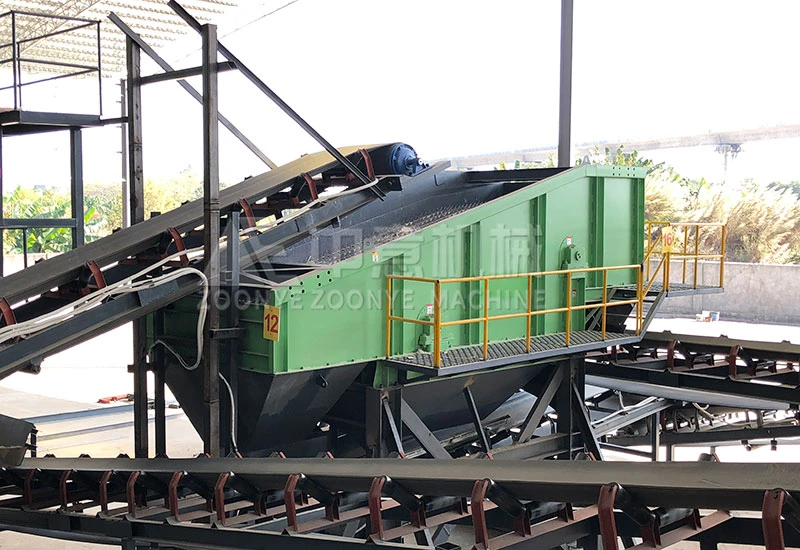
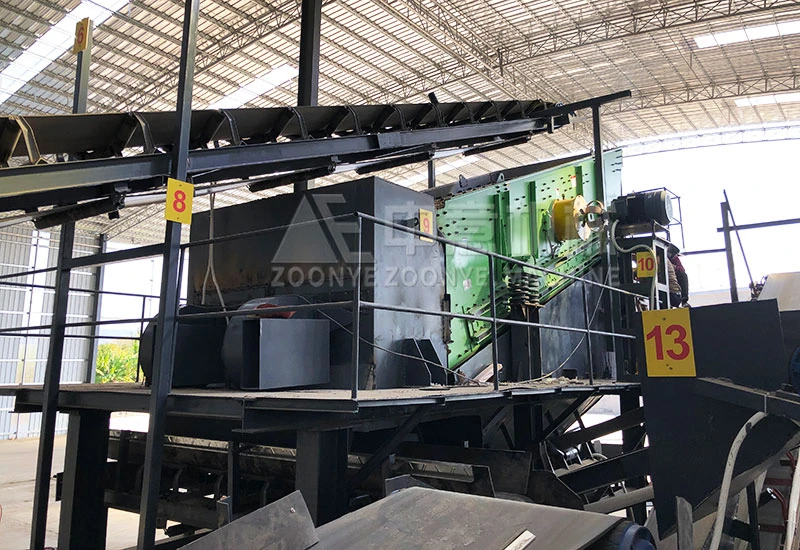
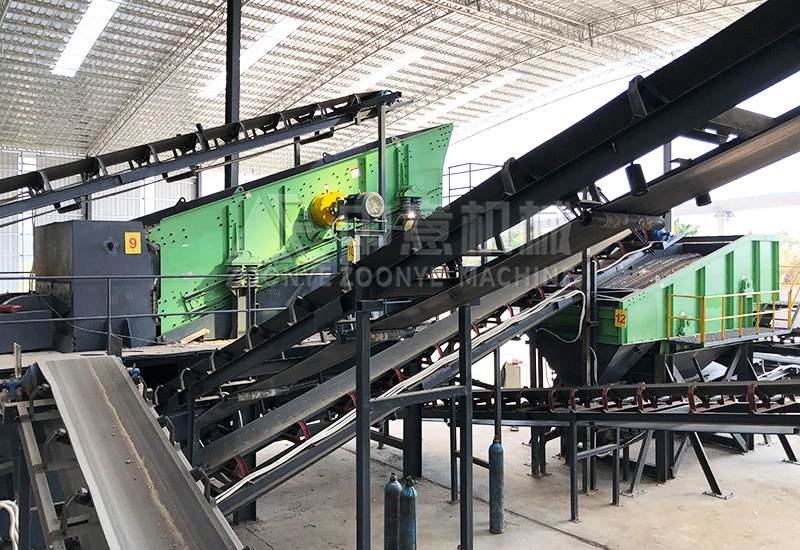
- Double-Deck Flip-Flow Screen: Handles the crushed material containing soil, sand, and sticky fines. The two screening decks separate different size fractions while the flexible screen surface reduces material buildup and blinding.
- Single-Deck Flip-Flow Screen: Performs further classification of the screened material and separates fine and medium-size fractions before the downstream sorting stages.
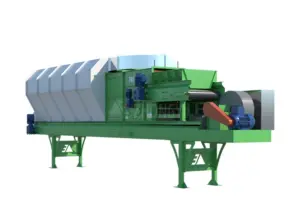
- Ballistic Separator: Separates the heavier mineral fraction from lightweight and flat materials according to their movement characteristics, helping remove gypsum board, wood, and similar renovation waste from the aggregate stream.
- Magnetic Separator: Removes ferrous metal from the material flow, including steel wire, nails, and reinforcing steel, for separate collection and recovery.
- Air Separation System: Uses controlled airflow to remove remaining lightweight materials such as plastic film, wood pieces, and other low-density contaminants from the heavier mineral fraction.
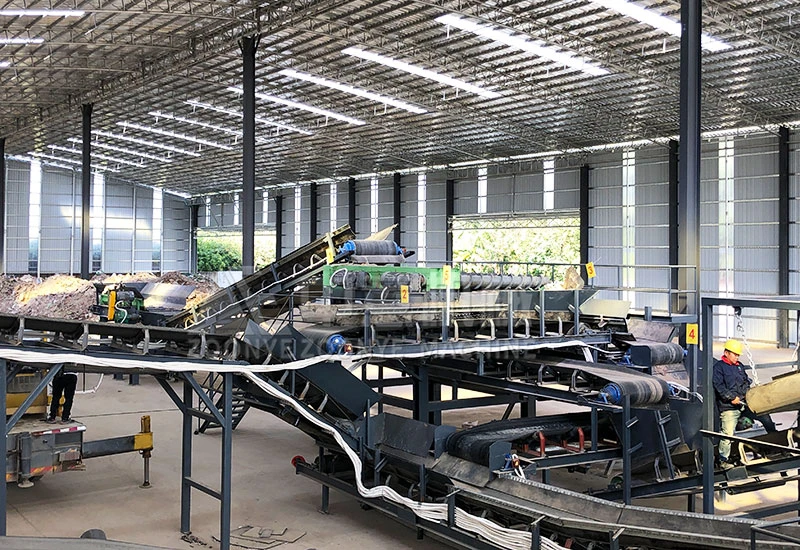
- Belt Conveyor System: Connects the crushing, screening, and sorting units and transfers each separated fraction to its designated discharge or stockpile point.
- Baghouse Dust Collector: Captures dust generated at crushing, screening, and material transfer points through enclosed extraction and filtration, helping control dust in the processing area.
Construction and Renovation Waste Recycling Process
Mixed construction and renovation waste is first fed by the plate feeder into the jaw crusher, where large concrete blocks, bricks, and other hard materials are reduced to a suitable size. The crushed material then passes through the flip-flow screening section, where soil, sand, and smaller fractions are separated from the coarser material. The flexible screening surface is suited to the wet, soil-rich feed and helps limit material buildup on the screen.
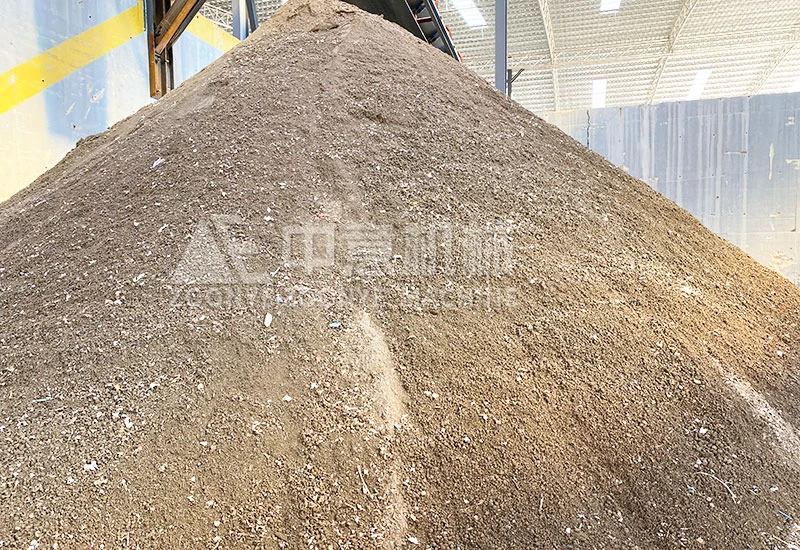
The remaining material enters the ballistic separator for separation of heavier mineral fractions from lighter renovation waste. Ferrous metals such as reinforcing steel, nails, and steel wire are removed by the magnetic separator, while the air separation unit removes residual plastics, wood, and other lightweight materials. The recovered aggregate, fine soil and sand, plastics, wood, and ferrous metals are discharged separately for further use or handling.
Gallery
Advantages
The line was configured around the main operating issues identified during the project, particularly sticky fines, mixed material densities, ferrous contamination, and dust generated during processing. The following features reflect the actual process arrangement used for this 180 TPH renovation waste recycling line.
- Flip-Flow Screening for Sticky Feed: The flip-flow screens are suited to the soil-rich and moisture-containing renovation waste, maintaining screen movement when conventional screening would be more prone to blinding or material buildup.
- Separate Sorting Stages: Ballistic separation, air separation, and magnetic separation are arranged after crushing and screening to remove lightweight materials and ferrous metal from the mineral fraction rather than relying on crushing alone.
- Dust Collection at MainPoints: A baghouse dust collector is connected to the main dust-generating areas around crushing, screening, and material transfer points to control airborne dust within the plant.
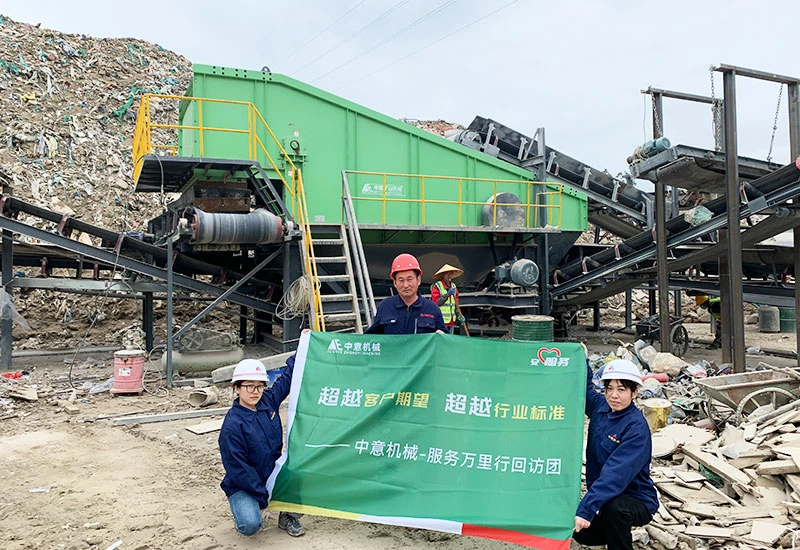
- Site-Based Engineering Support: Zhongyi provides support covering site assessment, equipment arrangement, installation, commissioning, and operator training, with process adjustments made according to actual feed conditions during start-up.
- Separate Recovery of Material Fractions: The process produces separate streams of recycled aggregate, fines, ferrous metal, and lightweight materials, allowing each fraction to be handled according to its intended application or downstream recycling route.
Project Results
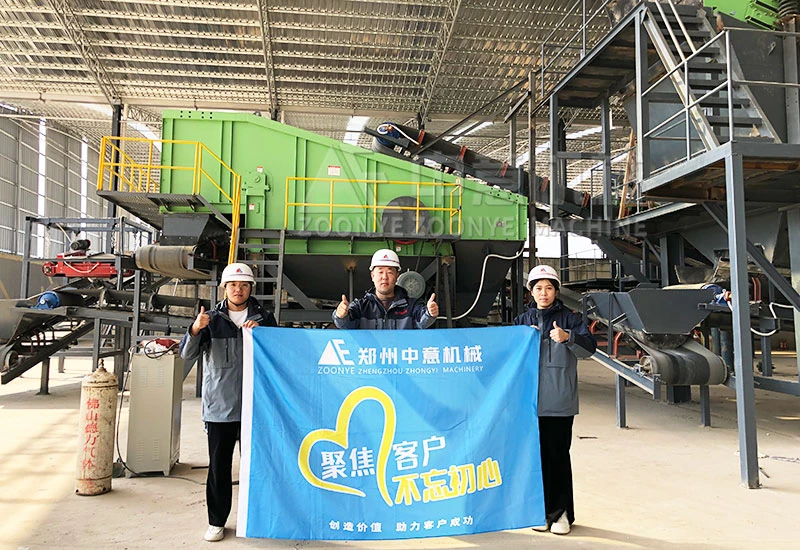
The Guangdong construction and renovation waste recycling line was successfully commissioned and reached the required 180 TPH processing capacity under normal project conditions. The system separates the mineral fraction from lightweight materials and ferrous metal, with recovered aggregates used for road-base filling and permeable brick production, while plastics, wood, and metal are collected separately.
Since start-up, the line has maintained steady material flow during normal operation. The flip-flow screening arrangement reduces buildup when processing soil-rich and sticky waste, and the dust collection system controls dust at key processing points. After commissioning, the customer’s operators also completed practical training in daily operation, inspection, and routine maintenance.
Customer Feedback
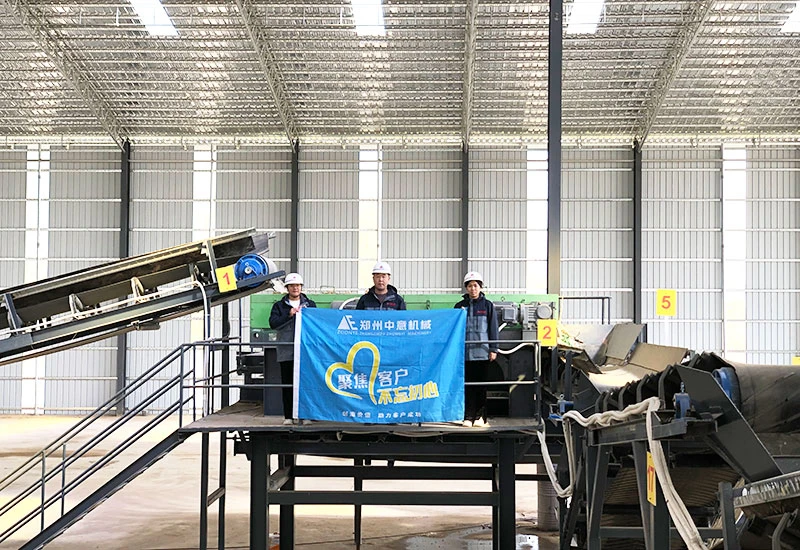
“The line is running as expected, and we are able to process mixed renovation waste into separate aggregate, metal, and lightweight material streams. The on-site support during installation and commissioning also helped us get the plant into operation smoothly.”
Why Choose Zhongyi for Construction Waste Recycling?
16+
Years Experience
100+
Global Projects
Xinzhongyi ECO designs construction and renovation waste recycling lines around actual feed composition, capacity, site limits, and recovered products. From process design and equipment supply to installation, commissioning, operator training, spare parts, and after-sales support, we provide practical technical support throughout project start-up and operation.
Plan Your Construction & Renovation Waste Recycling Line
Planning a construction or renovation waste recycling project? Xinzhongyi ECO can assess your material and site conditions before equipment selection. Based on your waste composition, required capacity, feed size, site layout, environmental requirements, and end-product specifications, our engineering team can develop a suitable combination of crushing, screening, air separation, magnetic separation, conveying, and dust collection equipment, with support for installation, commissioning, and operator training. Send us your project details to discuss the process configuration.
Get a Free Quote