












Introduction
Planning a municipal solid waste (MSW) recycling project in Southeast Asia requires more than purchasing individual machines. Mixed waste, changing moisture levels, and varying material composition can affect sorting efficiency and equipment performance. Buyers therefore need an MSW Recycling Equipment Supplier in Southeast Asia that can match equipment to the waste characteristics, processing capacity, and recovery targets of the project, rather than simply supply standalone machines.
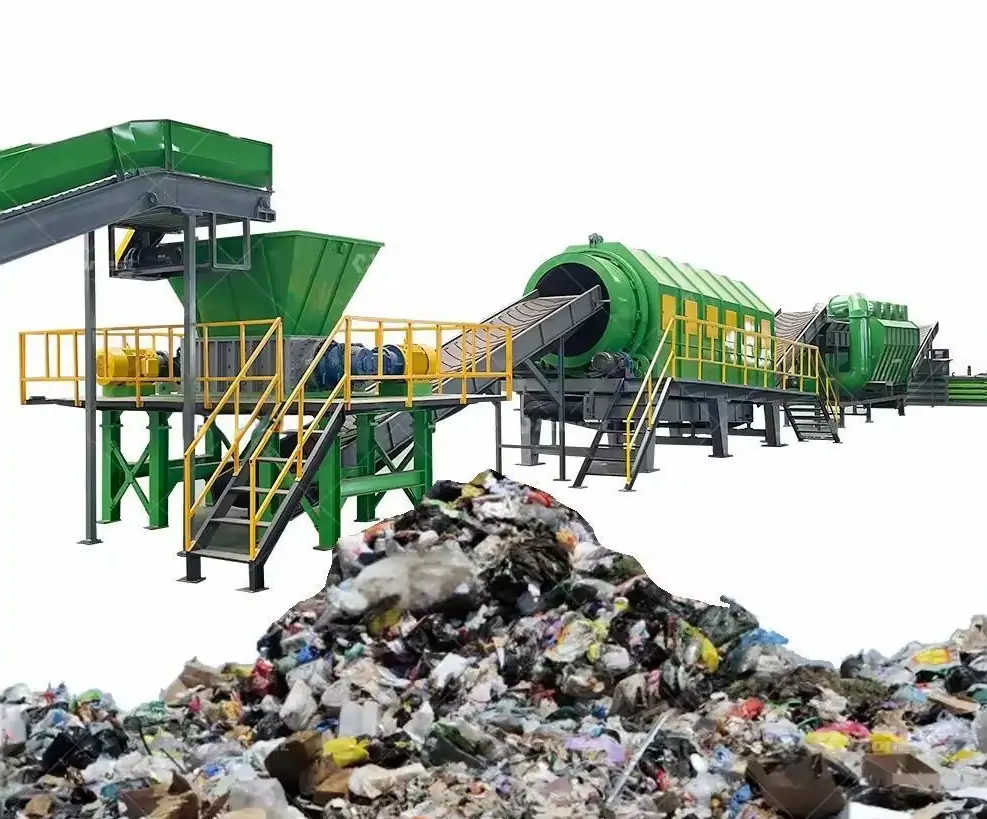
Zhongyi Eco supplies MSW sorting equipment and integrated waste sorting plant solutions, covering key stages from feeding and conveying to screening, material separation, and baling. For projects in Malaysia, Indonesia, and Thailand, equipment delivery and on-site engineering support can be arranged according to project requirements and contract scope. This article explores the main waste-handling challenges in Southeast Asia, the equipment and process configurations used in MSW sorting plants, and the practical factors buyers should consider when selecting a supplier for a complete recycling line.
Why Southeast Asia Needs More Efficient MSW Recycling Solutions
Municipal waste treatment conditions vary across Southeast Asia. Differences in waste composition, moisture content, collection practices, and local infrastructure affect how an MSW recycling plant should be configured. These factors need to be considered before equipment capacity and sorting processes are determined.
Growing Municipal Solid Waste Challenges Across Southeast Asia
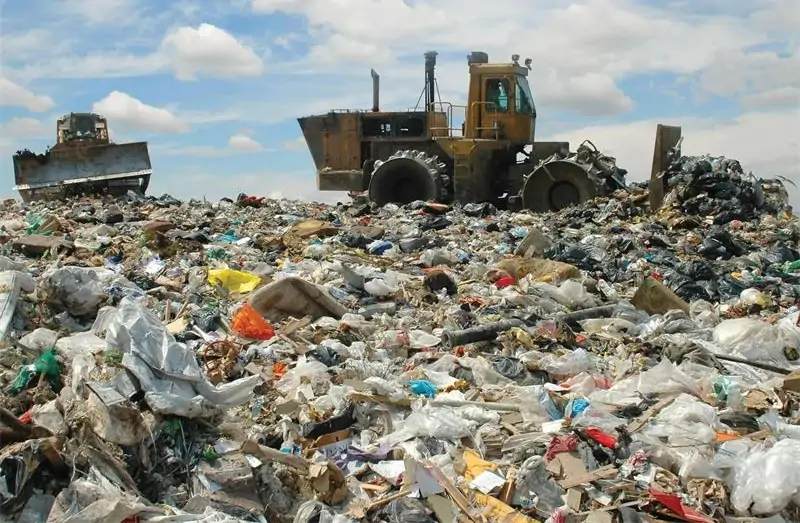
Urban growth and changing consumption patterns are placing greater demands on municipal waste collection and treatment. However, waste sorting facilities and recycling infrastructure remain unevenly developed across the region.
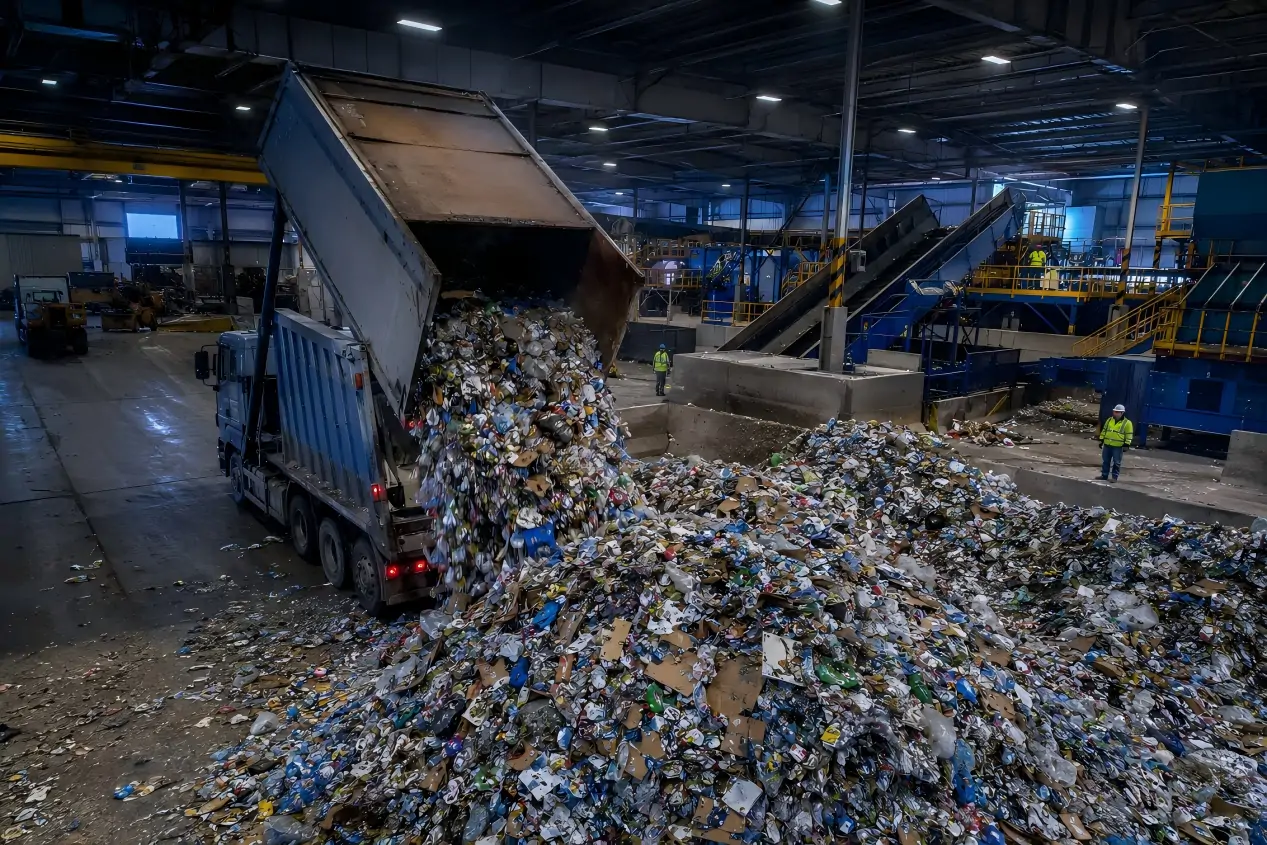
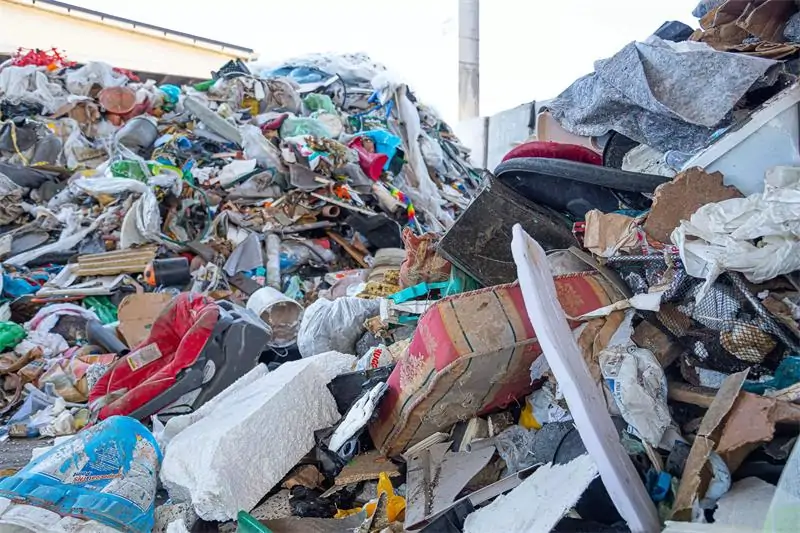
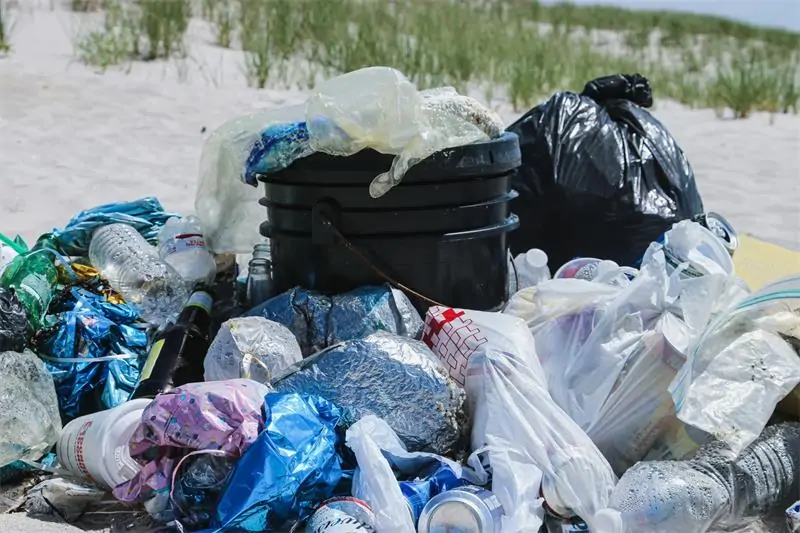
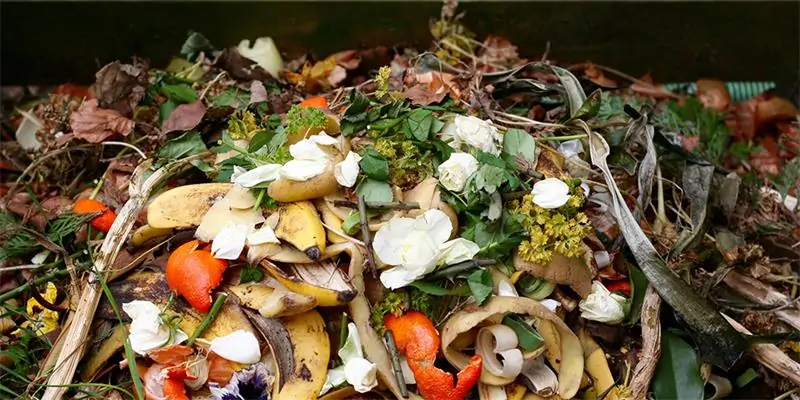
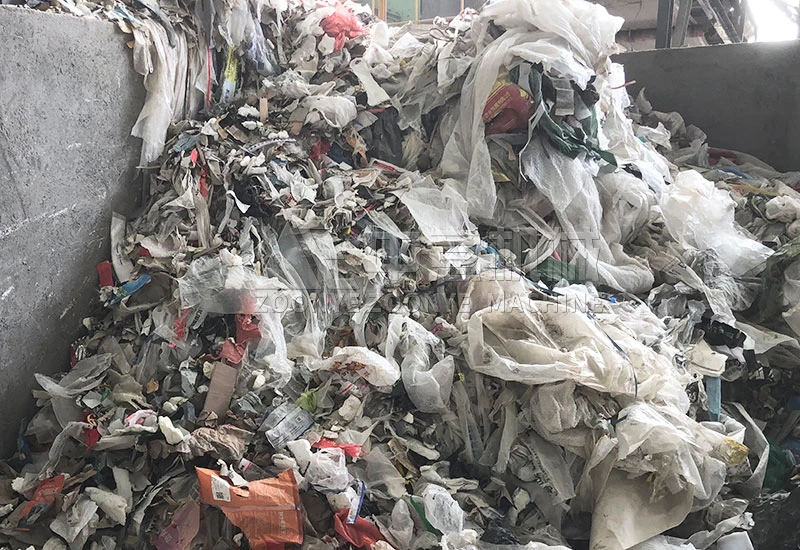
In many projects, plastics, paper, metals, and food waste arrive at treatment facilities mixed together. Without suitable mechanical sorting, recoverable materials can end up in the residual waste stream instead of being separated for recycling.
Waste Composition and Processing Challenges in Tropical Regions
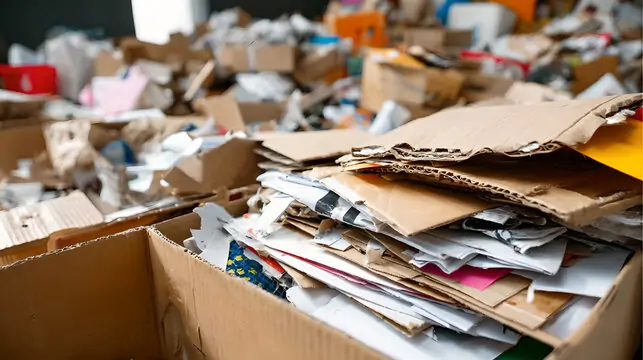
The composition of municipal waste depends on its source, collection practices, and season. Some facilities receive more wet organic waste, while others handle larger amounts of packaging, plastics, and dry recyclables. Each feed type creates different demands on the sorting line.
| Waste characteristic | Processing challenge | Equipment consideration |
|---|---|---|
| High moisture content | Material adhesion and screen blinding | Suitable screening structure and cleaning access |
| High organic content | Wet fines mixed with recoverable materials | Size screening and organic fraction separation |
| Mixed recyclables | Inconsistent material purity | Manual or optical sorting |
| Oversized waste | Irregular feeding and material blockage | Bag opening and appropriate pre-treatment |
For high-moisture waste, screen selection deserves particular attention. Wet organic matter can adhere to screening surfaces or pass through with recoverable materials, depending on particle size and material condition. Waste sampling helps establish the appropriate screening method.
For a methodological reference on representative waste sampling, consult CalRecycle’s Collecting Your Own Solid Waste Characterization Data: CalRecycle Uniform Waste Disposal Characterization Method. Its California requirements should be distinguished from local project requirements in Southeast Asia.
Why Local Project Conditions Matter in Equipment Selection
An MSW sorting plant should be configured according to waste composition, processing capacity, available site space, and the materials targeted for recovery. A capacity figure alone cannot determine which machines or process stages are needed.
Consider two hypothetical plants, both handling 100 tonnes per hour (TPH). A line receiving wet, organic-rich waste may prioritize screening and residue handling, while one processing mainly dry packaging waste may require more extensive magnetic, eddy current, and optical sorting.
What Should You Look for in an MSW Recycling Equipment Supplier in Southeast Asia?
Choosing an MSW recycling equipment supplier involves more than comparing equipment prices and specifications. Buyers should assess the supplier’s project experience, equipment coordination capabilities, and engineering support. The following points provide a practical basis for evaluating suppliers before placing an order.
| Evaluation criteria | What buyers should check | Why it matters |
|---|---|---|
| MSW project experience | Previous waste sorting projects, waste composition, processing capacity, process flow, and equipment configuration | Shows whether the supplier understands mixed municipal waste and can match the process to actual feed conditions |
| Equipment supply and system integration | Feeding, conveying, screening, separation, sorting, and material handling equipment; compatibility between processing stages | Reduces capacity mismatches and bottlenecks between individual machines |
| Local project adaptation | Local power supply, site layout, waste characteristics, operating environment, and applicable project requirements | Helps ensure the proposed system fits the installation site and operating conditions |
| Installation and commissioning | Installation guidance, on-site engineering support, system testing, and operator training | Helps bring the equipment into operation and address commissioning issues |
| Spare parts and after-sales service | Spare parts supply, remote technical support, maintenance arrangements, warranty coverage, and service response terms | Affects equipment maintenance, downtime, and long-term operating costs |
When reviewing project references, buyers should examine the actual waste type and process configuration rather than relying on capacity figures alone. Zhongyi Eco’s 500 tonnes per day (TPD) commercial waste recycling project in Dubai, for example, uses shredding and impact crushing, ballistic separation, AI optical sorting, magnetic separation, and air separation. It demonstrates experience in integrated mixed-waste processing, although it is not a Southeast Asian MSW project.
The equipment configuration is described in Commercial Waste Recycling Plant: 500 TPD AI Sorting Line.
When evaluating installation and after-sales support, ask the supplier to identify the services included in the quotation, commissioning acceptance criteria, and responsibility for travel, accommodation, spare parts, and follow-up visits.
Complete MSW Recycling Equipment and Sorting Plant Solutions
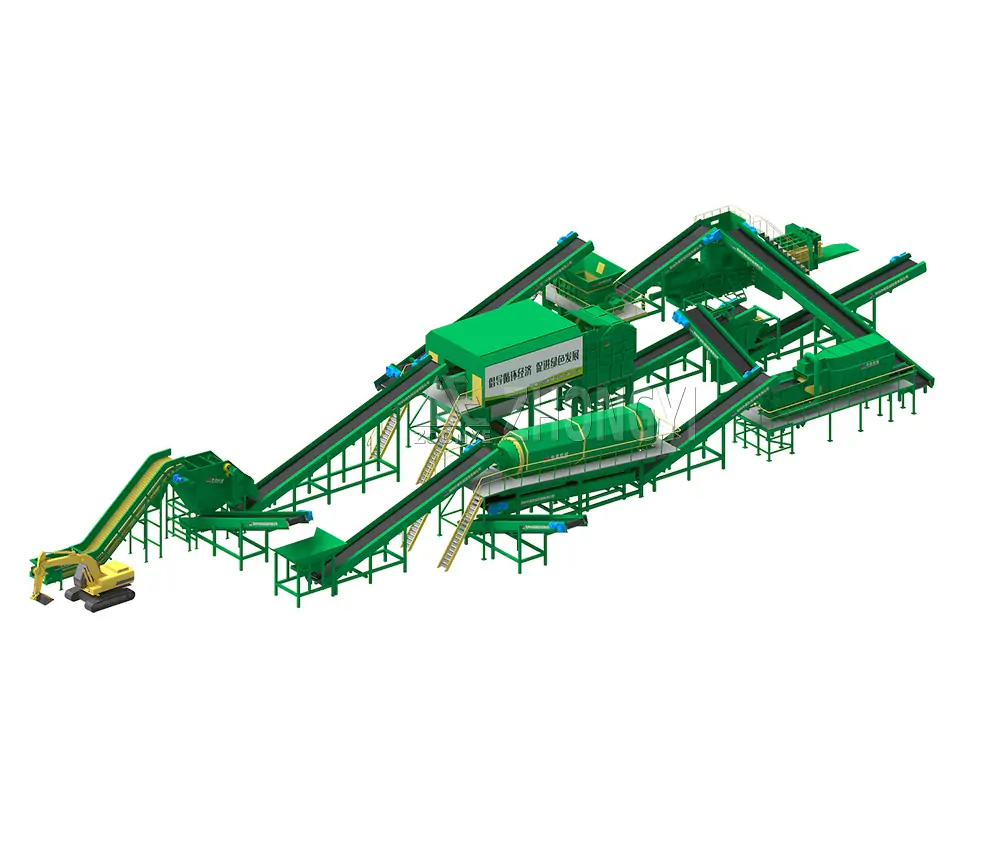
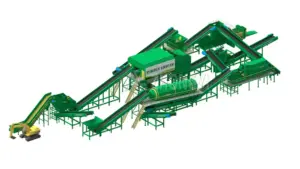
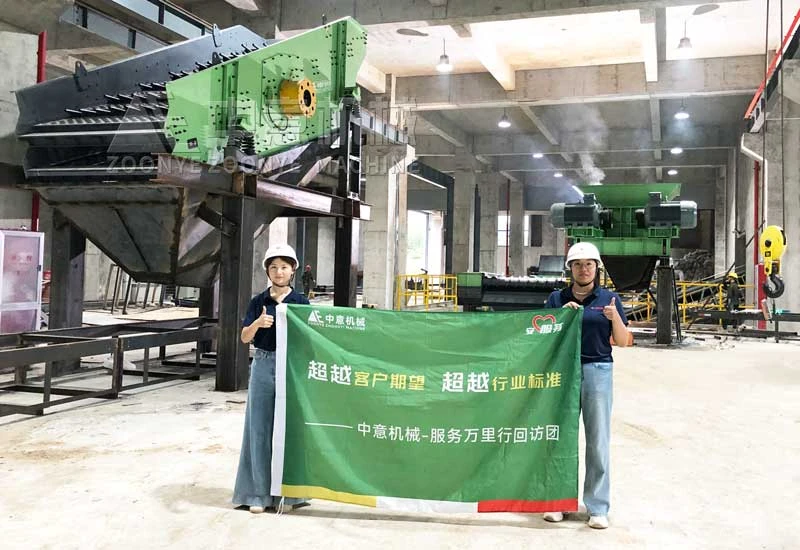
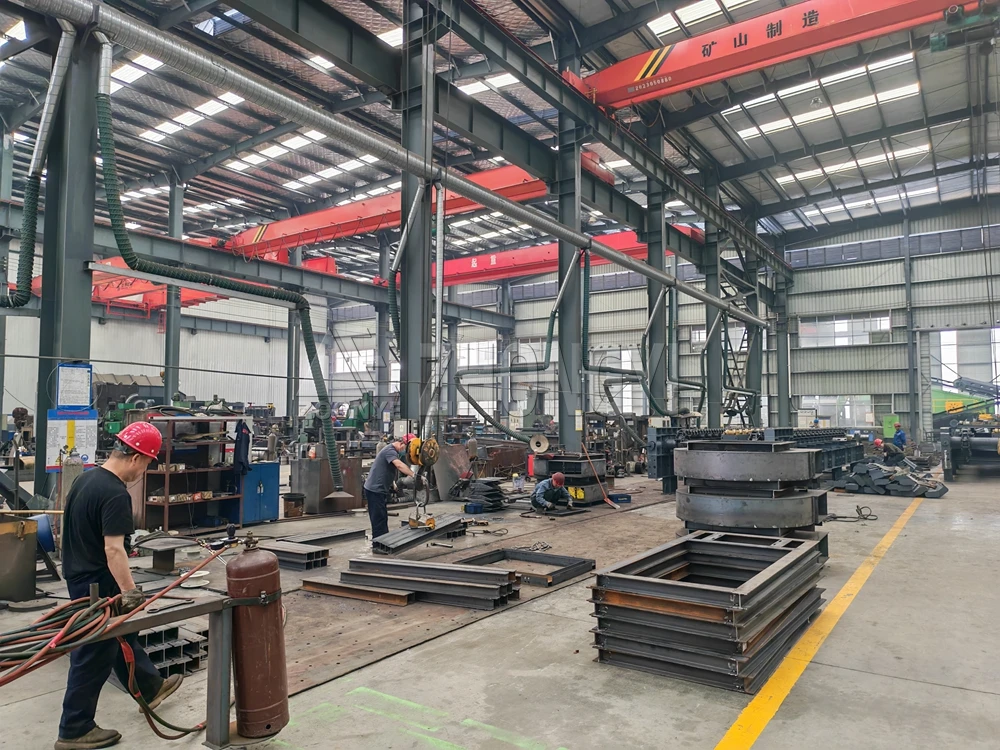
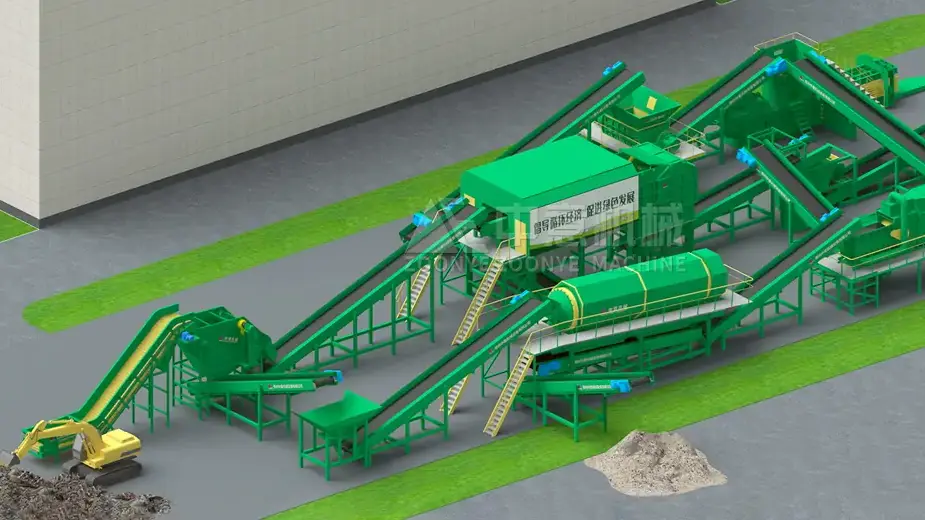
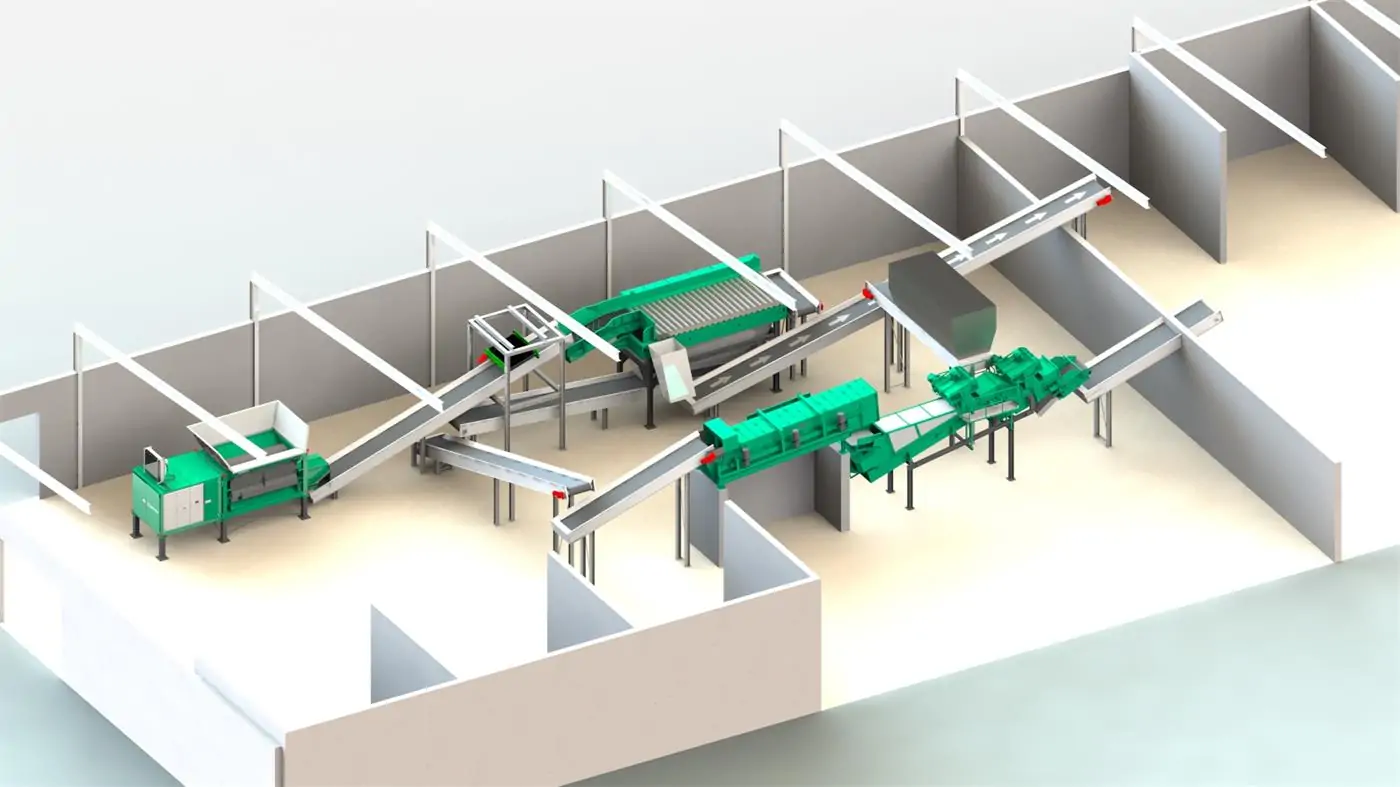
A complete MSW recycling plant is built around a sequence of connected processes, not simply a collection of individual machines. Feeding, pre-treatment, screening, material separation, sorting, and final handling must work at compatible capacities. Zhongyi Eco’s equipment range covers these stages, with the final configuration determined by waste composition, moisture content, required recovery materials, and plant capacity.
Waste Feeding and Pre-Shredding Systems
The MSW feeding system controls how waste enters the processing line. Zhongyi Eco offers Light Duty Apron Pan Feeders and Heavy Duty Apron Feeders for handling bulk materials and maintaining a controlled feed to downstream equipment. The feeder should be selected according to incoming material size, weight, and required throughput.
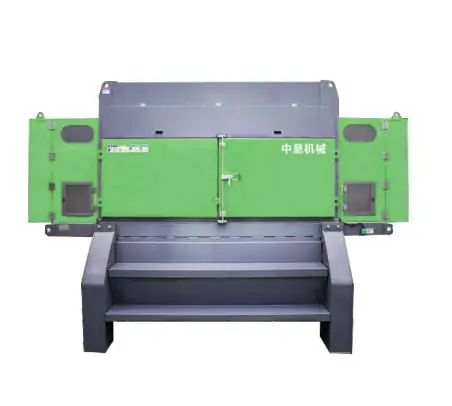
Waste Bag Opener Machines and MSW Bag Breakers open sealed waste bags so that mixed materials can be accessed by subsequent sorting equipment. Shredders are used when oversized or unsuitable material needs size reduction. They should not automatically be installed at the front of every MSW line, since excessive shredding can break recyclable materials into smaller mixed fractions. Bulk Material Conveyors and Enclosed Belt Conveyors transfer materials between processing stages, with the conveyor structure selected according to material characteristics and site conditions.
Screening and Material Classification Equipment
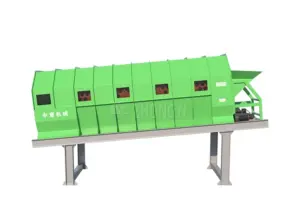
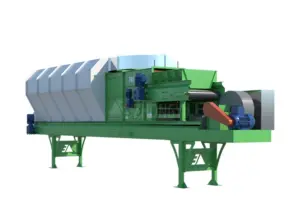
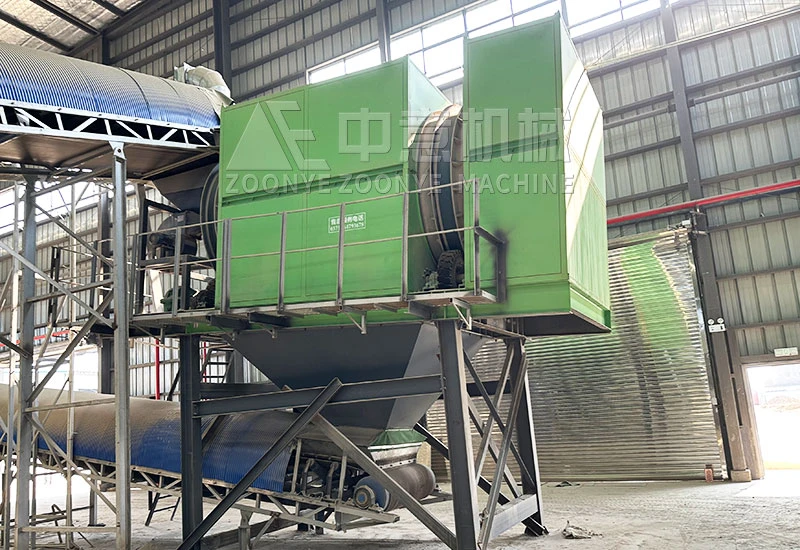
Waste screening equipment separates incoming material into different size fractions before further sorting. Zhongyi Eco’s range includes the GTS Series Rotary Trommel Screen, Waste Sorting Disc Screen, YBF Series Rod Deck Flip Flop Screen, LX Series Spiral Shaft Screen, and Roller Screen Separator. Each uses a different screening structure and suits different feed conditions.
A trommel screen uses a rotating drum to separate fine and oversized fractions by particle size. Disc screens and roller screens use rotating screening elements to classify materials according to size. The LX Spiral Shaft Screen is designed for mixed materials, including certain wet and sticky waste streams. The YBF screen can be considered for difficult-to-screen materials where conventional screening may experience blockage.
The TTS Series Ballistic Separator Machine performs a different separation task. Its moving screening plates separate flat, lightweight materials, such as film and paper, from more rigid three-dimensional objects, such as bottles and containers. It should not be described as a conventional particle-size screen.
Air Separation and Density-Based Sorting
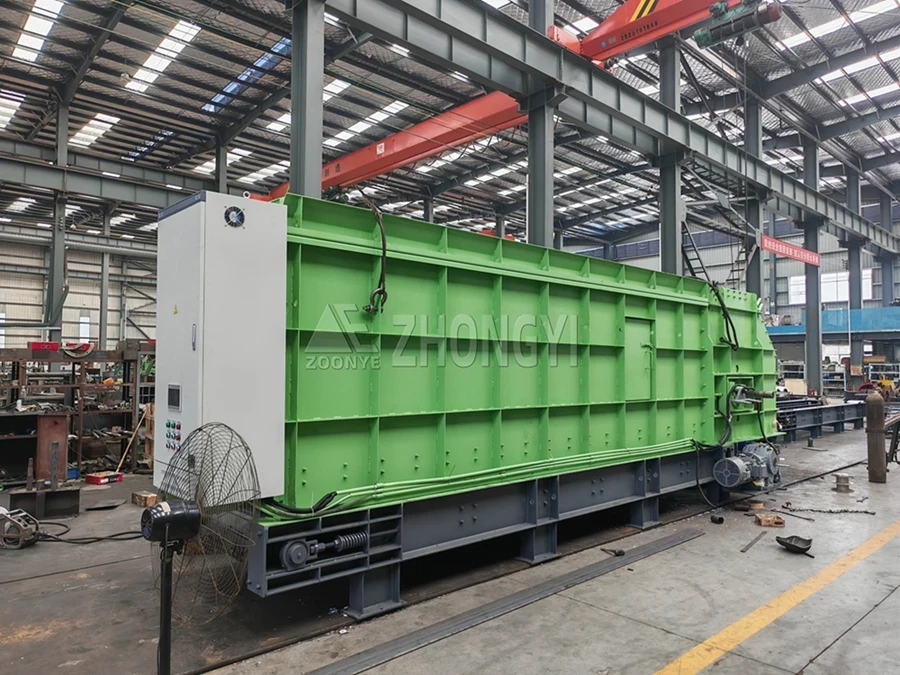
An Air Separator for Waste Recycling uses controlled airflow to separate lightweight fractions from heavier materials. Zhongyi Eco’s Wind Sifter range includes different configurations, such as horizontal negative-pressure, high-density, and vertical negative-pressure wind sifters. Depending on the model and feed conditions, these machines can help recover lightweight materials such as plastic film and paper from mixed waste.
Separation results depend on airflow, feed distribution, particle size, shape, and moisture. Material should be spread evenly before entering the separator; irregular feeding can reduce separation consistency. The Light Material Sink Float Separator uses a different principle, separating materials according to their density in a liquid medium. It is not another type of wind sifter, and its use depends on the target material and downstream process.
Magnetic and Eddy Current Separation
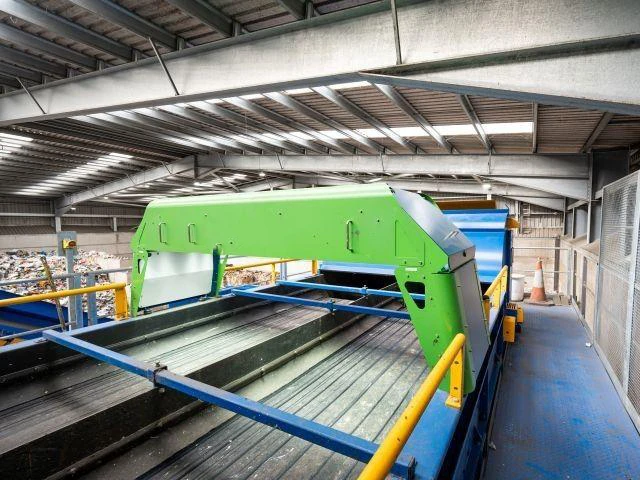
Metal recovery in an MSW sorting line generally requires both ferrous and non-ferrous separation equipment. A Magnetic Separator removes ferrous metals such as iron and steel from the waste stream. An Eddy Current Separator uses an alternating magnetic field to generate eddy currents in conductive materials, allowing non-ferrous metals such as aluminum to be separated.
These machines have different separation targets and are not interchangeable. Their installation positions should account for material size, metal distribution, and the condition of the feed. For more detail, see How Does Magnetic Separator Remove Metal Impurities? and Eddy Current Separator Working Principle.
Manual and Automated Sorting Systems
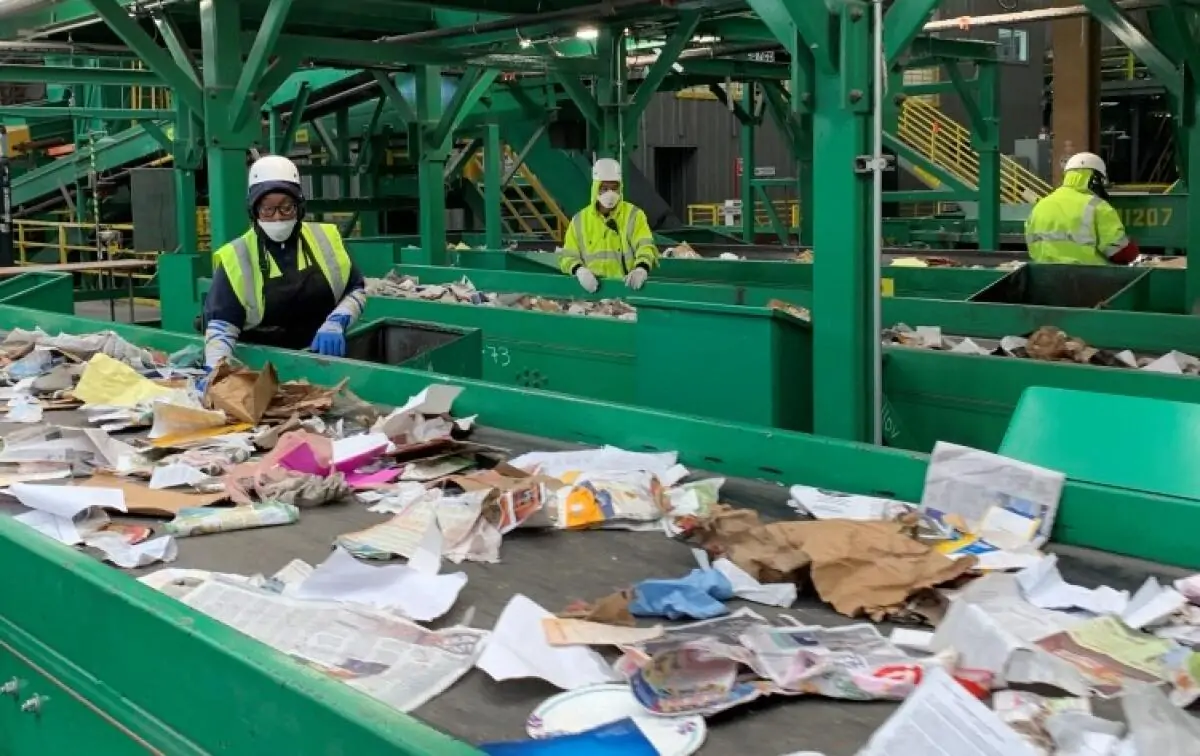
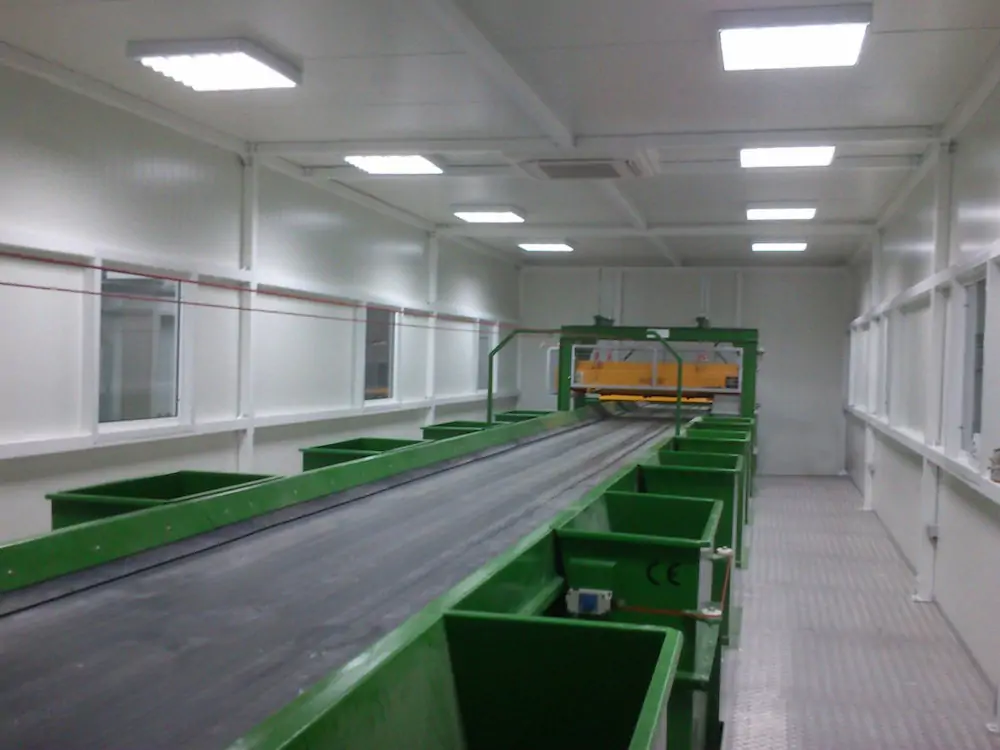
A Manual Waste Sorting Cabin provides designated workstations for operators to remove selected recyclables or unwanted materials from a conveyor. Its configuration should account for conveyor speed, material presentation, sorting positions, and operator safety. Manual sorting can also provide a quality-control stage after mechanical separation.
For automated material identification, Zhongyi Eco offers an Optical Sorting Machine for Recycling and an AI Waste Sorting System. Depending on the installed detection and sorting technology, optical sorting can identify selected materials by characteristics such as color or material type. The actual sorting targets and recognition performance need to be confirmed against the equipment configuration. The Central Control Room, using PLC and HMI/SCADA-based control, supports centralized equipment monitoring, operating coordination, and fault alarms. PLC control manages equipment operation; it is not the same as AI-based material recognition.
Baling and Final Material Handling
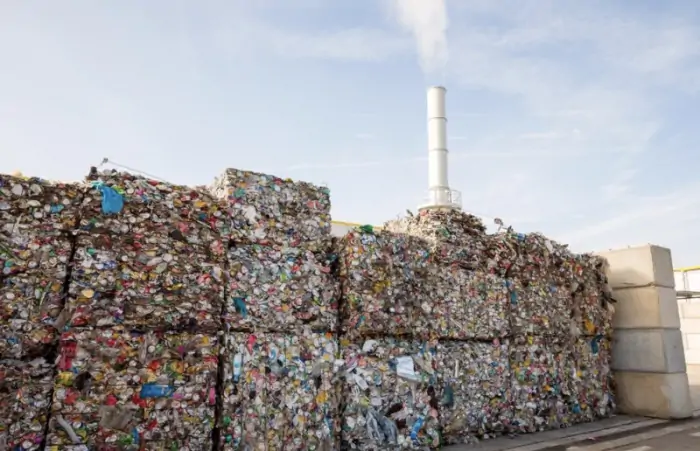
After sorting, recovered materials need to be collected and prepared for storage, transport, or further processing. A Waste Baler Machine compresses suitable materials, such as sorted paper and plastics, into bales. Recovered metals are collected separately, while organic-rich fines and residual fractions require treatment routes based on the project’s waste management plan.
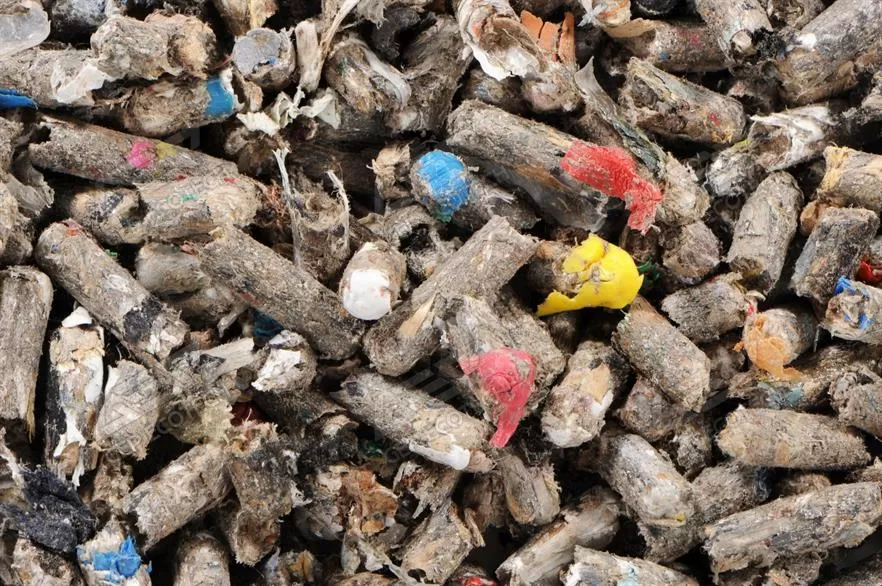
For projects producing refuse-derived fuel (RDF), combustible materials must first meet the requirements of the intended end user. Moisture, ash, chlorine content, calorific value, and particle size all affect fuel quality. Baling alone does not produce finished RDF; additional sorting, size reduction, and quality control may be required.
A complete MSW sorting plant therefore depends on the coordination of every processing stage. The right combination of feeding, screening, separation, and final handling equipment is determined by the actual waste stream and the materials the project intends to recover. For a broader explanation of the process, see How Do Recycling Plants Sort Materials? A Complete Process Guide.
To see how these stages fit into an integrated line, review our Municipal Solid Waste (MSW) Sorting Plant solution.
How to Configure an MSW Sorting Plant for Different Waste Streams
MSW sorting plant design starts with an analysis of the incoming waste. Moisture content, organic matter, particle size, and the proportion of recoverable materials determine which pre-treatment and sorting stages are needed. Daily waste supply also affects the required processing capacity.
Handling High-Moisture and Organic-Rich Municipal Waste
High-moisture and organic-rich municipal waste can create problems during feeding, screening, and conveying. Wet materials may stick to screen surfaces, block openings, or accumulate on conveyor belts. Fine organic matter can also remain mixed with recoverable materials, affecting the quality of downstream sorting.
The MSW pre-treatment stage should account for the actual material condition. Waste Bag Openers or MSW Bag Breakers can release bagged waste before screening. Trommel, disc, flip-flow, and spiral shaft screens have different operating characteristics. Selection should consider particle size, material adhesion, feed distribution, and the risk of screen blockage rather than moisture content alone. Organic-rich fines can be directed to suitable treatment facilities, such as composting or anaerobic digestion, where available.
Recovering Plastics, Paper and Metal from Mixed MSW
Plastic and paper recovery from mixed waste require different sorting approaches. Plastic separation may involve air classification, manual picking, or optical sorting, while paper recovery depends more heavily on material condition, moisture, and contamination.
A Metal Recovery System normally uses magnetic separators for ferrous metals and eddy current separators for non-ferrous metals such as aluminum. Optical sorting machines and AI-based sorting systems can identify selected materials, provided that the detection technology and sorting settings match the target waste stream. Manual sorting cabins may be retained for quality control or materials that automated equipment cannot reliably identify. Actual recovery rates depend on feed conditions, equipment configuration, and sorting standards.
Producing RDF from Suitable Combustible Waste
RDF production from MSW requires more than collecting combustible materials. Suitable plastics, textiles, paper, and other combustible fractions must first be separated from unsuitable materials, including metals, glass, and other inerts. Further size reduction and moisture control may be required before the material is prepared as refuse-derived fuel.
The front-end sorting process directly affects fuel quality. Moisture, ash, chlorine content, calorific value, and particle size should be checked against the requirements of the intended fuel user. RDF line design must account for the fuel preparation process and the acceptance limits set by the intended end user. Not all residual waste is suitable for RDF production.
Matching Plant Capacity with Local Waste Supply
MSW recycling plant capacity should be calculated from actual waste supply and operating conditions, not selected solely from individual machine nameplate ratings. Buyers need to consider daily waste volume, effective operating hours, shifts, seasonal fluctuations, peak feed rates, planned maintenance, and potential future expansion.
For example, processing 300 tonnes per day over 10 effective operating hours requires an average throughput of 30 TPH. If the 10-hour shift includes cleaning, stoppages, or maintenance, the required operating throughput will be higher. A turnkey MSW plant should be sized around the capacity of the complete processing line, with each machine able to handle the required feed rate without creating a bottleneck.
MSW Recycling Equipment Solutions for Malaysia, Indonesia and Thailand
MSW recycling projects in Southeast Asia require different equipment configurations depending on waste composition, site conditions, and delivery requirements. These factors influence screening methods, material recovery processes, plant layout, and installation planning. An MSW recycling equipment supplier should assess these conditions before proposing a complete sorting line.
MSW Recycling Equipment Supplier in Malaysia
For an MSW sorting plant in Malaysia, waste sampling is the starting point for selecting screening and separation equipment. Moisture content, organic fines, and the proportion of plastics, paper, and metals determine how the waste stream should be divided. Where wet organic matter is mixed with recoverable materials, screen openings and equipment structure need to be selected carefully to limit blockage and unnecessary loss of recyclables.
The required sorting level depends on the target material quality. Manual sorting may be sufficient for some recovery lines, while projects with stricter specifications may need optical sorting or additional metal separation. Plant capacity, available installation space, and maintenance access should also be checked before finalizing the equipment layout.
MSW Recycling Equipment Supplier in Indonesia
For waste sorting plant projects in Indonesia, transportation conditions can influence equipment design before manufacturing begins. Port locations, inland road access, cargo dimensions, and unloading facilities all affect how equipment should be packaged and delivered. Large machines may need to be divided into transportable sections to meet shipping or road transport limits.
This requires advance planning for structural connection points, electrical interfaces, lifting arrangements, and on-site assembly. Equipment should not be divided into sections without considering how it will be reassembled at the destination. Modular configurations may be suitable for projects with restricted site access or phased construction, provided they meet the required processing capacity.
MSW Recycling Equipment Supplier in Thailand
For projects considering RDF production equipment in Thailand, buyers should confirm the fuel specifications required by the intended end user before selecting the sorting process. A high proportion of combustible waste does not automatically mean that the material is suitable for RDF. Moisture, ash, chlorine content, calorific value, and particle size all affect fuel quality and acceptance.
The front-end sorting line must separate suitable combustible fractions from metals, glass, and other unwanted materials. Screening, magnetic separation, air classification, and manual or optical sorting can be combined according to the incoming waste and downstream requirements. This helps prevent a mismatch between the materials recovered by the sorting plant and the fuel specifications expected by the user.
On-Site Engineering Support in Southeast Asia
For projects in Malaysia, Indonesia, and Thailand, Zhongyi Eco can arrange on-site engineers, subject to the project location, deployment schedule, and agreed service scope.
Projects in Vietnam, the Philippines, Singapore, Cambodia, and other Southeast Asian markets require separate assessments of waste composition, logistics, site access, and processing capacity. Equipment delivery and engineering support for these destinations should be confirmed according to the actual project conditions.
From Equipment Delivery to On-Site Installation and Maintenance
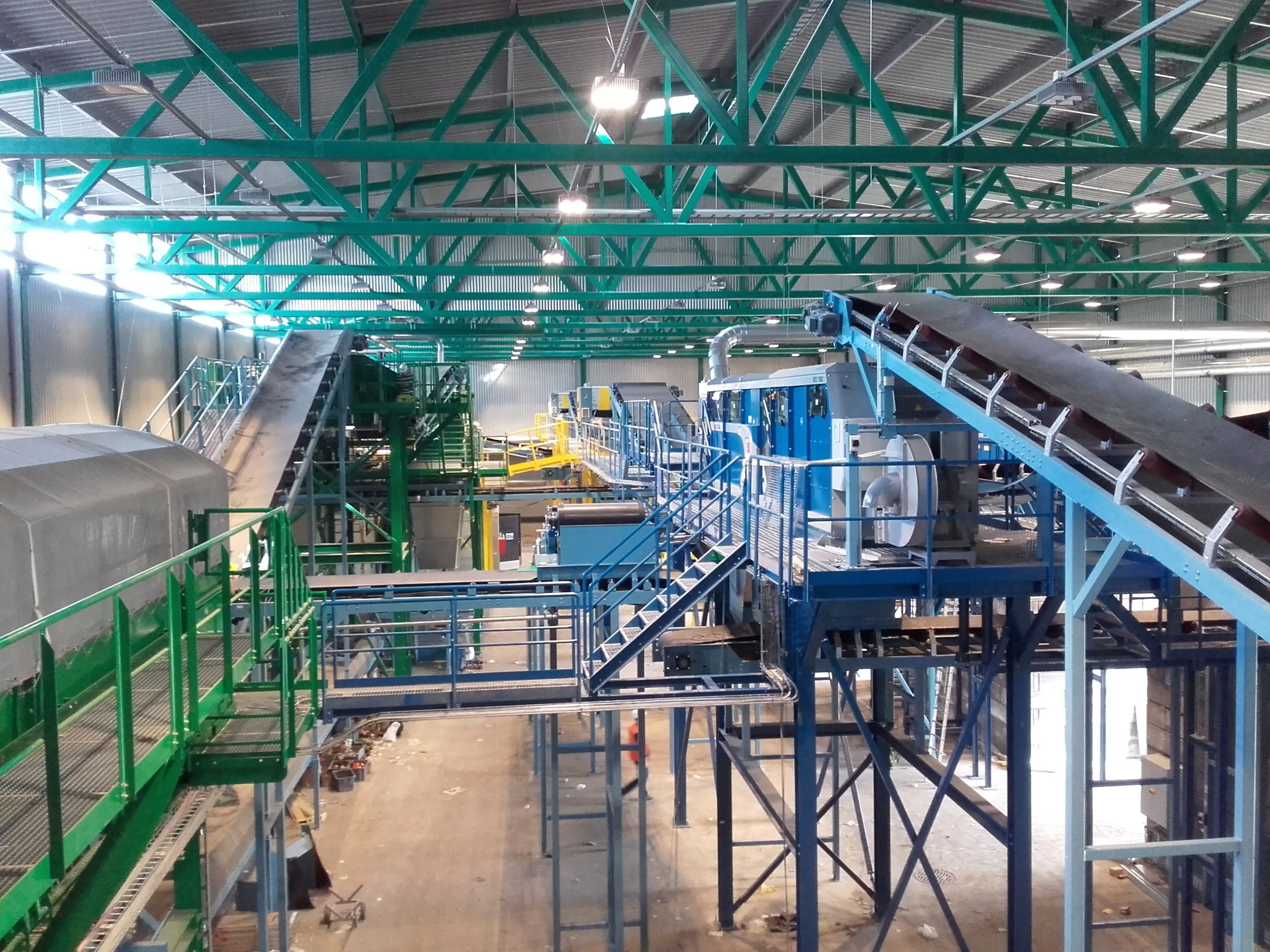
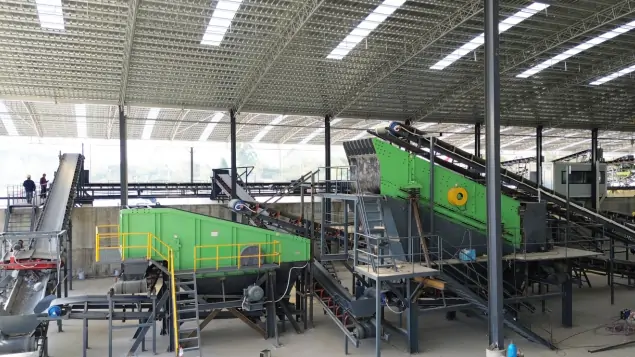
The success of an MSW recycling project depends not only on equipment selection but also on how the system is delivered, installed, and maintained. From initial engineering assessment to commissioning and after-sales support, each stage needs to be planned around the project’s technical and site requirements.
Project Assessment and Customized Plant Design
A Customized MSW Recycling Plant should be designed around waste composition, moisture content, processing capacity, recovery targets, site dimensions, and local infrastructure. Zhongyi Eco provides project assessment, process layout planning, and equipment selection support to develop a suitable Waste Sorting Plant Design. The configuration must match the capacity of each machine with the material flow between processing stages, helping prevent bottlenecks and uneven feeding.
Equipment Manufacturing, Inspection and International Delivery
Before shipment, equipment is checked for structural condition, mechanical operation, connection points, and electrical components, with trial operation conducted where applicable. Zhongyi Eco provides equipment packaging and transportation arrangements, including sea, land, and multimodal transport. Packaging, shipping methods, cargo tracking, and delivery coordination are planned according to equipment dimensions, destination, and local logistics conditions. Customs clearance, inland transportation, and site unloading arrangements should be confirmed according to shipping terms and contract scope.
On-Site Installation and Commissioning in Southeast Asia
MSW plant installation involves checking foundations, equipment alignment, conveyor connections, safety guards, electrical wiring, and control system interlocks. Commissioning includes no-load and load testing to assess motor loads, material flow, screening performance, and coordination between processing stages, followed by operator training.
Spare Parts, Maintenance and Technical Support
Routine MSW Equipment Maintenance should cover bearings, gearboxes, conveyor belts, screen surfaces, cutting tools, and wear parts, with regular cleaning to prevent material buildup and blockages. For issues such as abnormal vibration, motor overload, belt misalignment, or reduced screening performance, Zhongyi Eco provides remote technical support and spare parts supply, with on-site maintenance arranged when required. Its service policy includes a 12-month warranty and lifetime service; warranty coverage, starting date, and related service costs are subject to contract terms.
For a practical inspection and operating sequence, see Waste Recycling Equipment Daily Operation Standard Process.
Why Choose Zhongyi Eco as Your MSW Recycling Equipment Supplier?
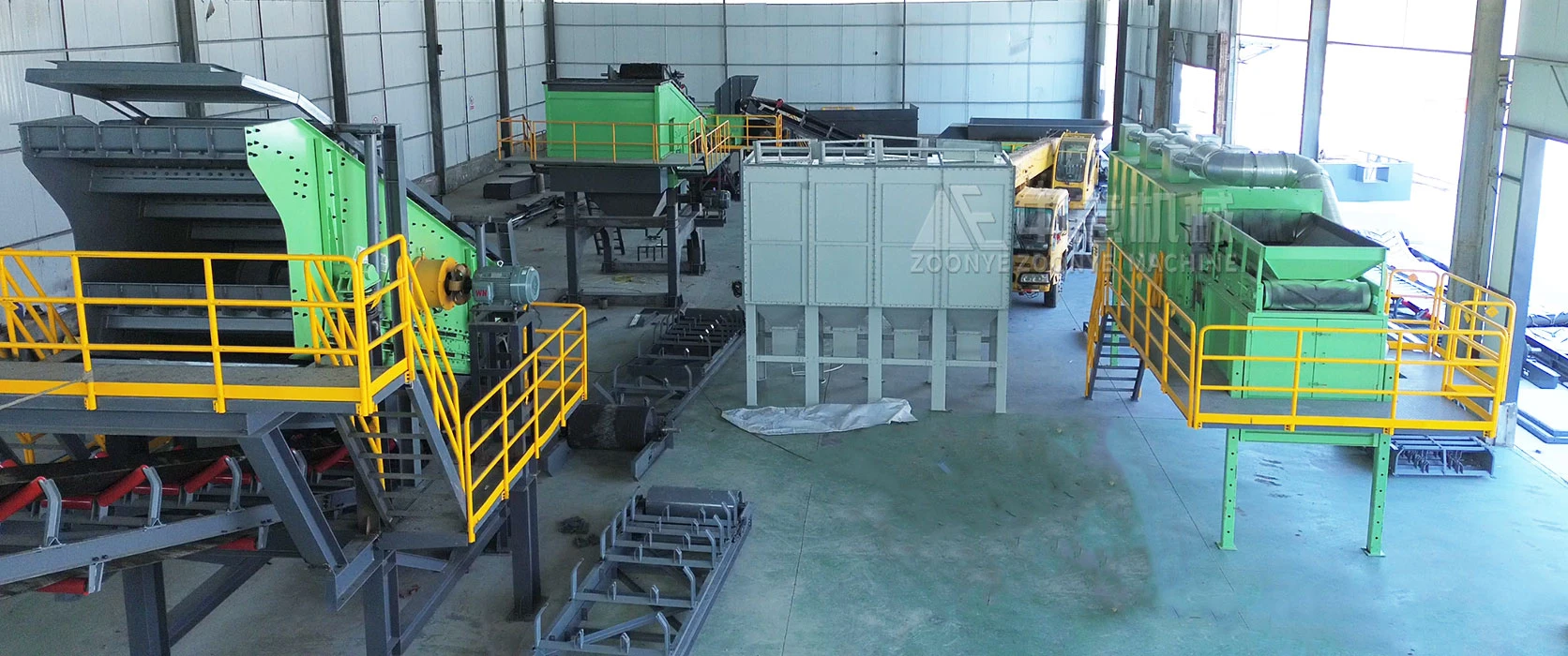
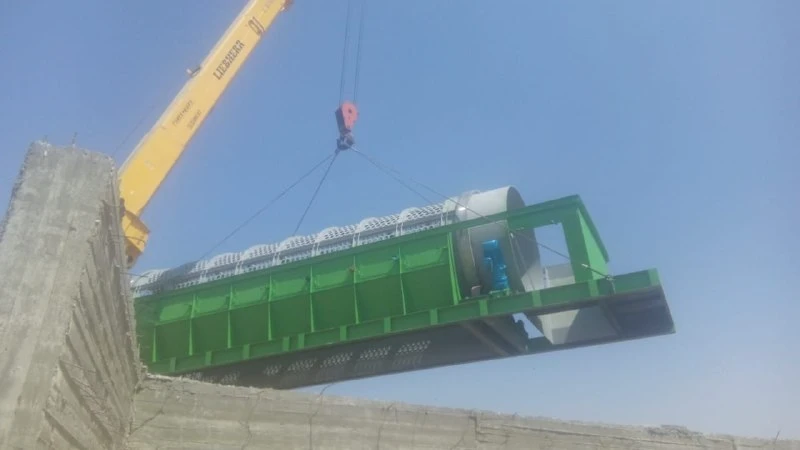
Zhongyi Eco provides solid waste recycling equipment and customized sorting plant solutions for projects with different waste types and processing requirements. With manufacturing facilities, equipment integration capabilities, and international project experience, the company supports buyers from equipment selection to project implementation.
Complete Waste Recycling Equipment Supply
Zhongyi Eco offers equipment for feeding, shredding, screening, air separation, metal recovery, optical sorting, conveying, and material handling. Its equipment range includes trommel screens, disc screens, ballistic separators, wind sifters, magnetic separators, eddy current separators, AI sorting systems, and waste balers. Equipment combinations can be configured according to waste composition, processing capacity, and recovery targets.
Manufacturing Strength and Project Experience
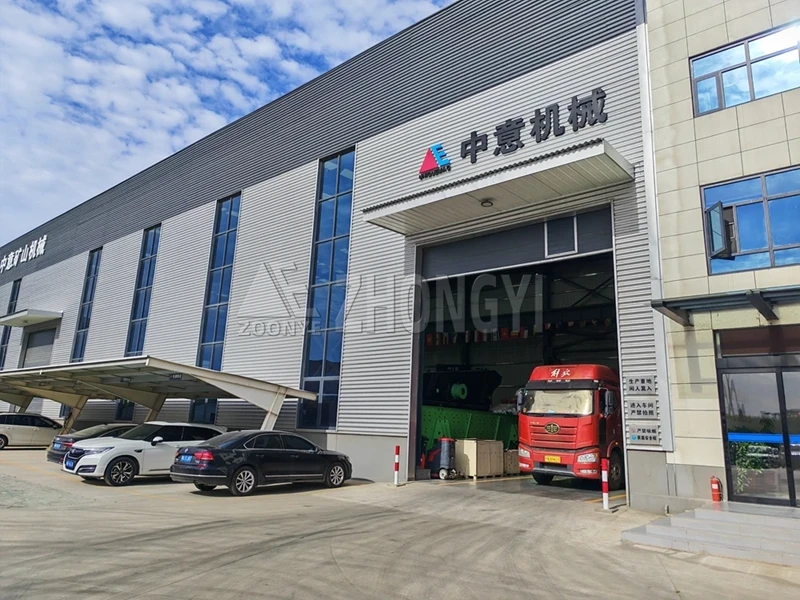
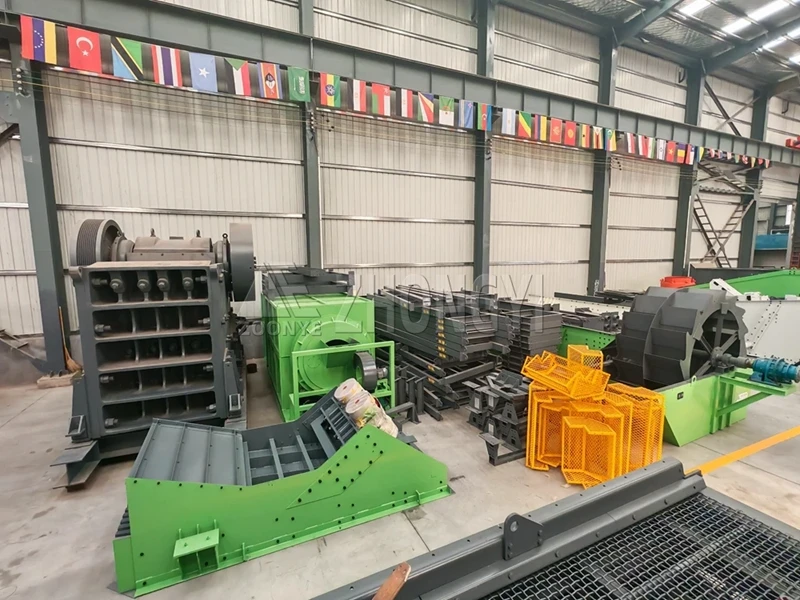
Zhongyi Eco operates 3 production bases covering more than 300 acres, equipped with CNC machining centers, robotic welding systems, and laser cutting equipment. The company also reports a solid waste treatment R&D center and more than 60 national patents. Its project experience includes a 500 TPD commercial waste recycling plant in Dubai, integrating shredding and impact crushing, ballistic separation, AI optical sorting, magnetic separation, and air separation.
Engineering and After-Sales Support
Buyers should review the proposed support scope alongside the process design and equipment quotation. Responsibilities for commissioning, operator training, replacement parts, and overseas service visits should be agreed before ordering.
How to Select the Right MSW Recycling Plant for Your Project
Selecting an MSW recycling plant requires more than comparing equipment prices. Buyers should define the waste characteristics, processing requirements, recovery targets, and project scope before requesting a quotation. The following information provides a practical basis for equipment selection and supplier evaluation.
Main Factors to Consider Before Purchasing
- Waste Composition: Confirm daily waste volume, moisture content, organic fraction, oversized materials, and the proportion of recoverable materials through representative waste sampling.
- Processing Capacity: Define the required throughput (TPH), daily operating hours, shifts, and expected future capacity.
- Recovery Targets: Specify the materials to be recovered, such as plastics, paper, ferrous and non-ferrous metals, and organic waste. For RDF production, confirm the end user’s fuel quality requirements.
- Equipment Configuration: Check whether the proposed process includes the required feeding, bag opening, shredding, screening, separation, sorting, and material handling stages.
- Total Project Cost: Evaluate equipment, transportation, civil works, installation, commissioning, electricity, labor, maintenance, spare parts, and residual waste treatment.
- Delivery and Installation: Clarify shipping terms, delivery destination, customs clearance, unloading, on-site assembly, commissioning, and operator training.
- Warranty and After-Sales Support: Confirm warranty coverage, spare parts supply, remote technical support, on-site engineering arrangements, and related service costs.
Conclusion
MSW recycling projects across Southeast Asia require equipment configurations tailored to local waste characteristics, processing capacity, and recovery targets. As an MSW Recycling Equipment Supplier in Southeast Asia, Zhongyi Eco provides Waste Sorting Equipment, customized plant configurations, and engineering support for installation and commissioning, including on-site services for projects in Malaysia, Indonesia, and Thailand.
Share your waste composition, daily processing capacity, project location, recovery targets, and available site layout with Zhongyi Eco. Contact our team for an initial process configuration proposal and equipment recommendations.
FAQ
When choosing an MSW Recycling Equipment Supplier in Southeast Asia, evaluate its experience with mixed waste processing, equipment supply and system integration, customized process design, and project execution capabilities. Also check whether the supplier can support installation, commissioning, spare parts supply, and maintenance. Ask for relevant project references and review the actual waste types, equipment configurations, and service scope rather than relying on general performance claims.
A Municipal Solid Waste Sorting Plant typically uses feeding equipment, bag openers, shredders, screening machines, air separators, magnetic separators, eddy current separators, and manual or optical sorting systems. Waste balers may be added for handling recovered materials. Equipment selection depends on the incoming waste, required processing capacity, and recovery targets. A complete line does not necessarily need every type of machine.
Yes, an MSW sorting plant can be configured for high-moisture waste, but the process must account for material adhesion, screen blockage, and conveyor buildup. Screening equipment, screen structure, cleaning access, and conveying arrangements should be selected according to actual feed conditions. Waste sampling and material testing help determine suitable equipment. No single screening configuration is suitable for every wet waste stream.
MSW Recycling Plant Capacity should be calculated from daily waste supply and effective operating hours. Buyers should also consider seasonal changes in waste volume, feed composition, planned maintenance, operating shifts, and future expansion. The capacity of individual machines must match the throughput of the complete line. Selecting equipment based only on daily tonnage can lead to feeding problems or processing bottlenecks.
Yes. Plastic Recovery from MSW can involve screening, air separation, manual picking, and optical sorting. Magnetic separators recover ferrous metals, while eddy current separators separate non-ferrous metals such as aluminum. RDF Production requires additional preparation of suitable combustible fractions. Moisture, ash, chlorine content, calorific value, and particle size must meet the specifications of the intended fuel user.
International MSW equipment suppliers may arrange equipment packaging, transportation, installation, and commissioning. Zhongyi Eco can arrange on-site engineers for projects in Malaysia, Indonesia, and Thailand, including installation, commissioning, and operator training. Follow-up maintenance can also be arranged according to project requirements. Shipping responsibilities, engineer deployment, travel expenses, and service scope should be confirmed in the quotation and contract.
MSW Recycling Plant Cost depends on processing capacity, waste composition, equipment configuration, automation level, and recovery requirements. The total project investment may also include transportation, civil works, installation, commissioning, and after-sales services. Equipment prices alone do not represent the complete project cost. Buyers should provide waste samples or composition data, daily processing volume, project location, and recovery targets to obtain a relevant quotation.
After-sales support should include spare parts supply, maintenance guidance, technical troubleshooting, and operator training. Zhongyi Eco provides a 12-month warranty and lifetime service, along with remote technical support and spare parts supply. On-site maintenance can be arranged when required. Before ordering, buyers should confirm warranty coverage, spare parts delivery, service procedures, and the costs and conditions of overseas support.