











What is an MSW Sorting Plant?
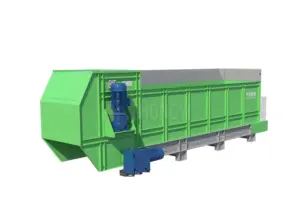
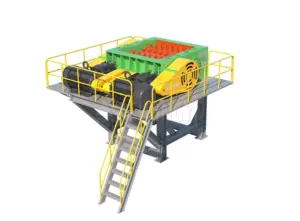
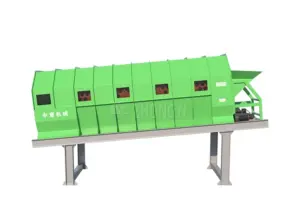
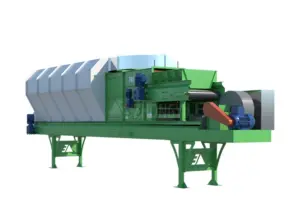
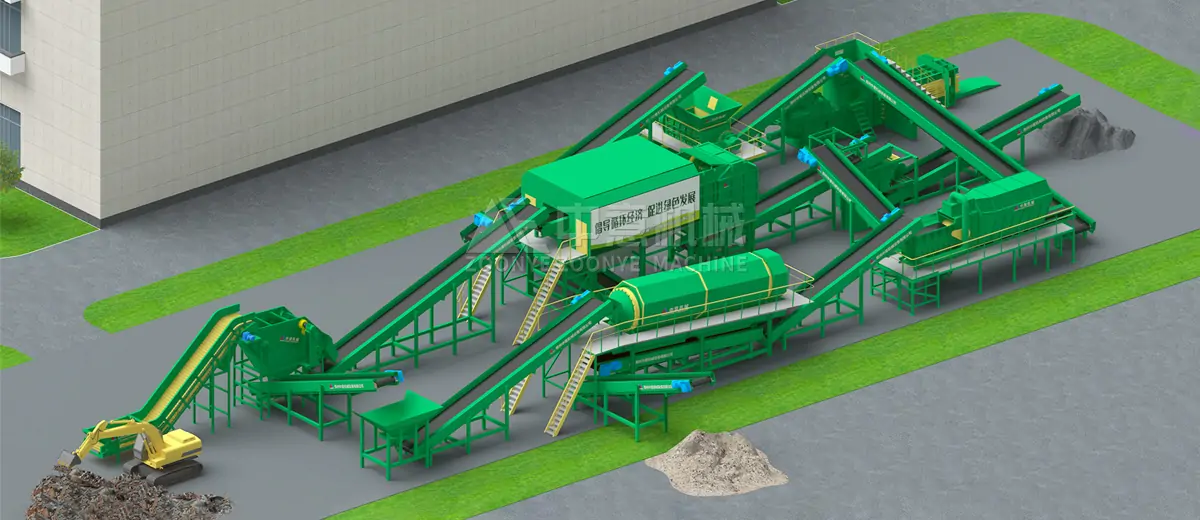
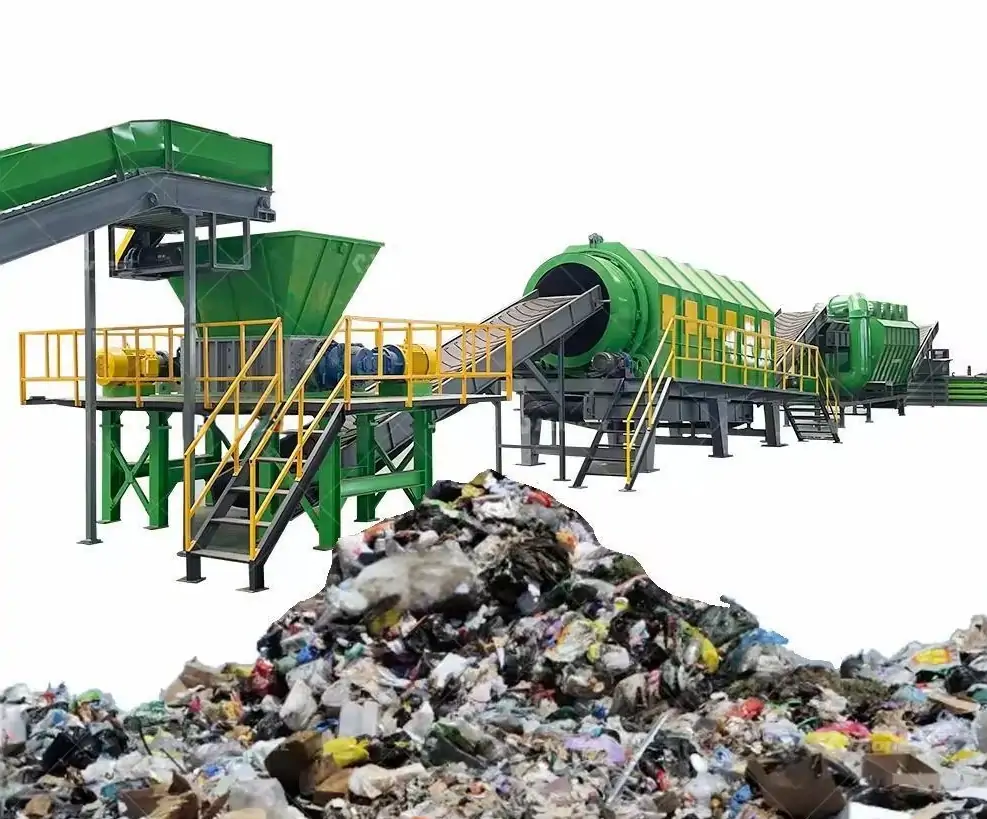
An MSW (Municipal Solid Waste) Sorting Plant is a specialized facility designed to process and separate mixed municipal solid waste into different recyclable and reusable materials. It functions as a centralized system where household, commercial, and industrial waste is received, screened, and sorted into categories such as metals, plastics, paper, organic matter, and inert materials. Through a combination of mechanical and automated sorting technologies, the plant transforms heterogeneous waste streams into valuable resources.
The core purpose of an MSW sorting plant is to reduce landfill disposal, maximize resource recovery, and support circular economy development. Depending on the waste composition, MSW sorting systems can handle mixed waste with high contamination levels or pre-sorted waste streams. By efficiently separating recoverable materials from non-recyclables, the plant improves recycling rates and enables the production of clean secondary raw materials for downstream industries.
Types of MSW Sorting Plants
MSW (Municipal Solid Waste) sorting plants are generally classified based on waste composition and processing objectives:
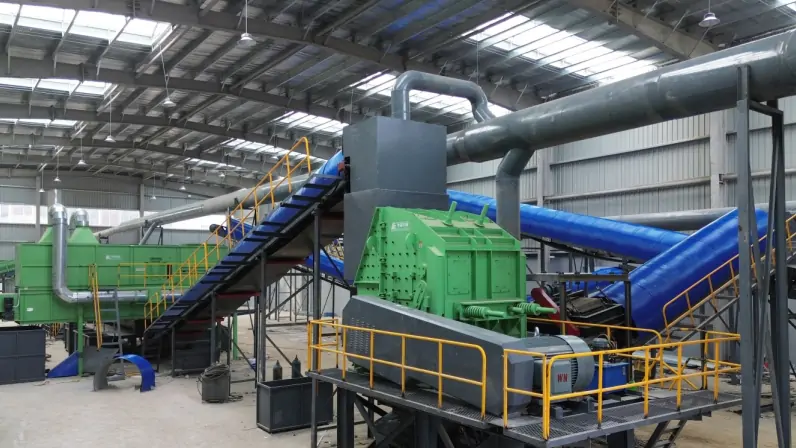
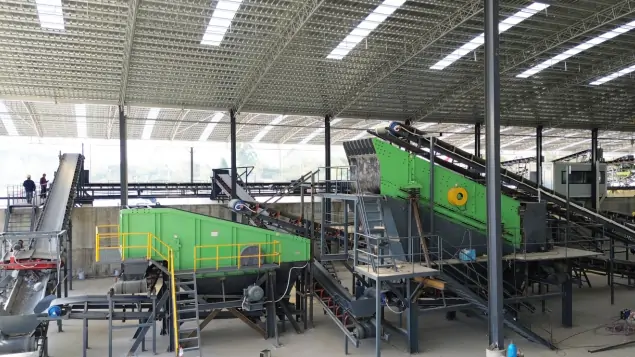
Sorting Process
系统设备
Material & Final Products
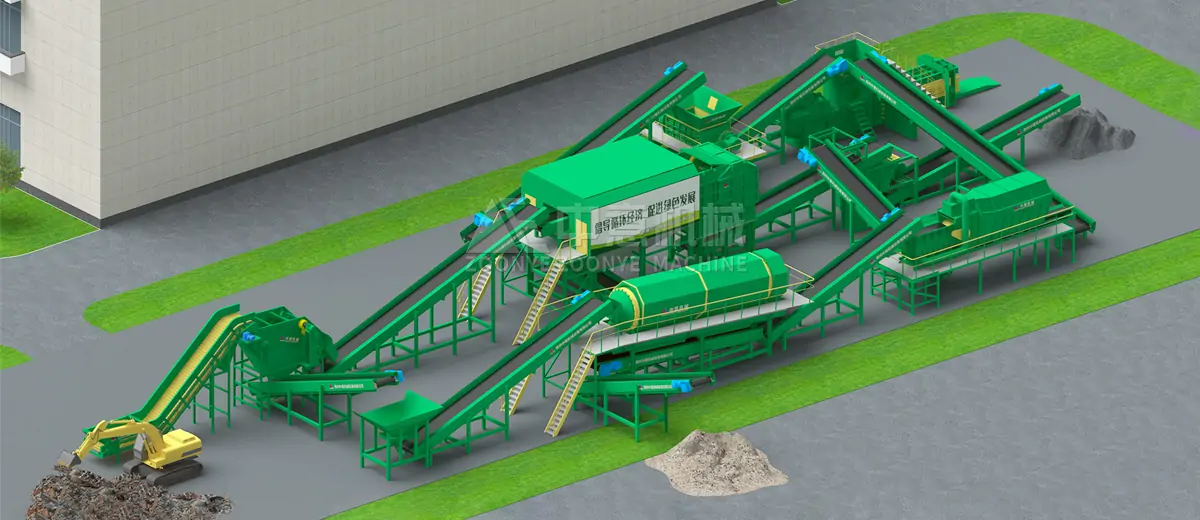
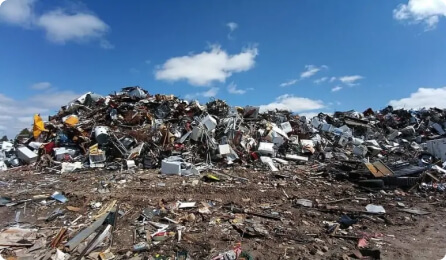
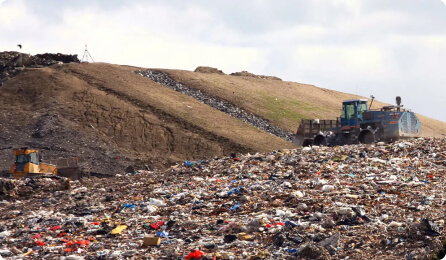
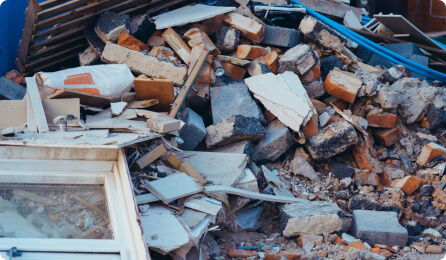
Aged waste, landfill waste, renovation debris (including concrete blocks, broken bricks, tiles, wood, plastics, metals, and textiles)
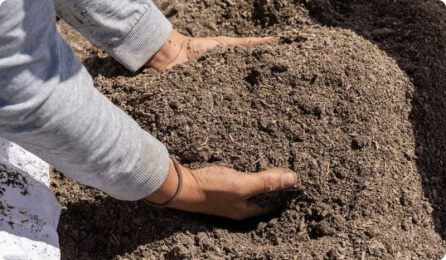
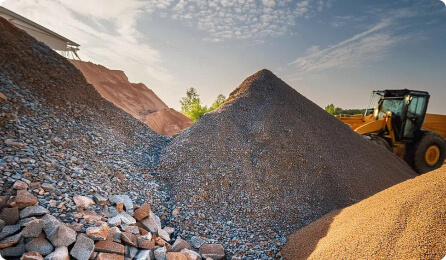
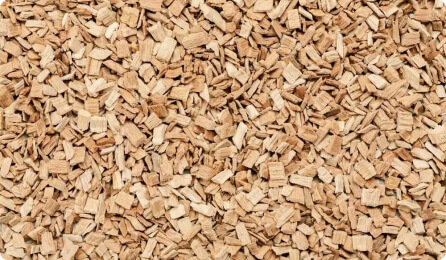
Recycled aggregates, reclaimed soil, ferrous metals, non-ferrous metals (aluminum, copper), recyclable plastics, wood chips, RDF fuel.
为什么选择中意?
16+
年经验
100+
全球项目
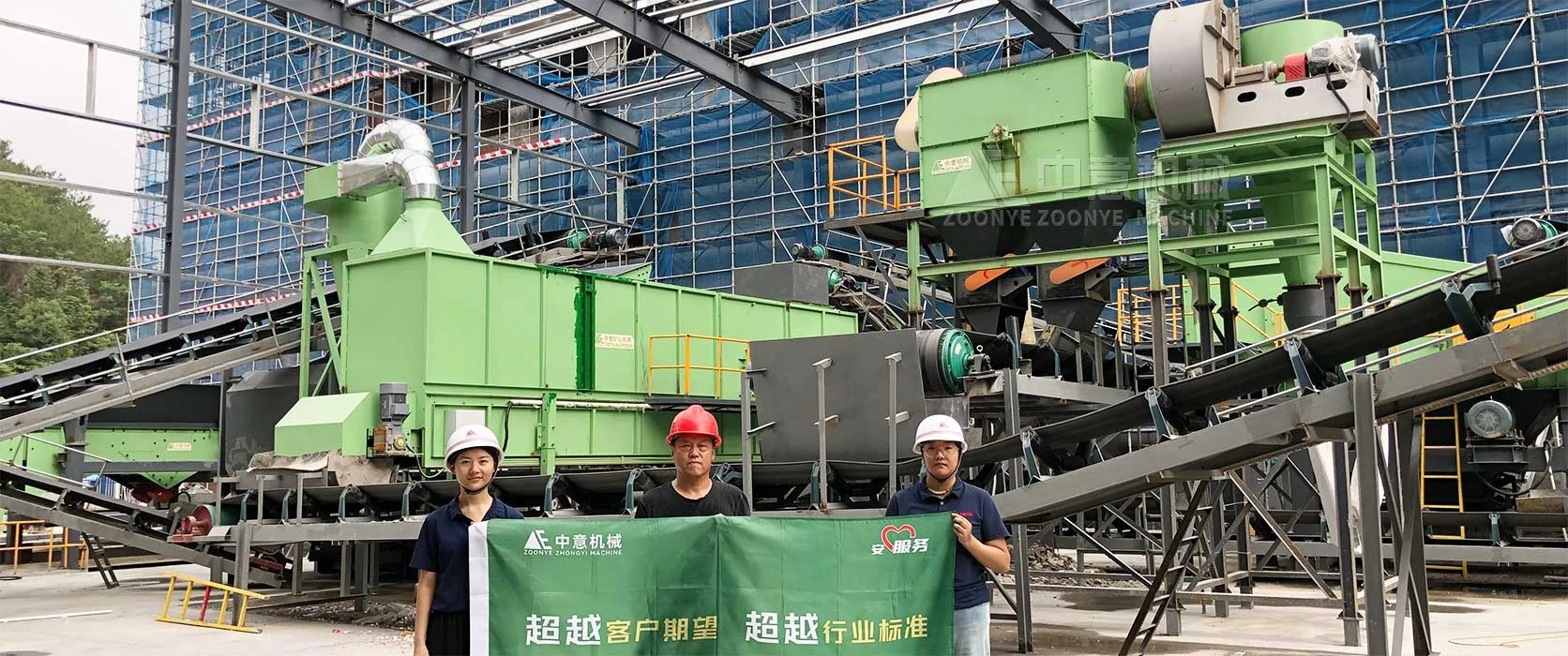
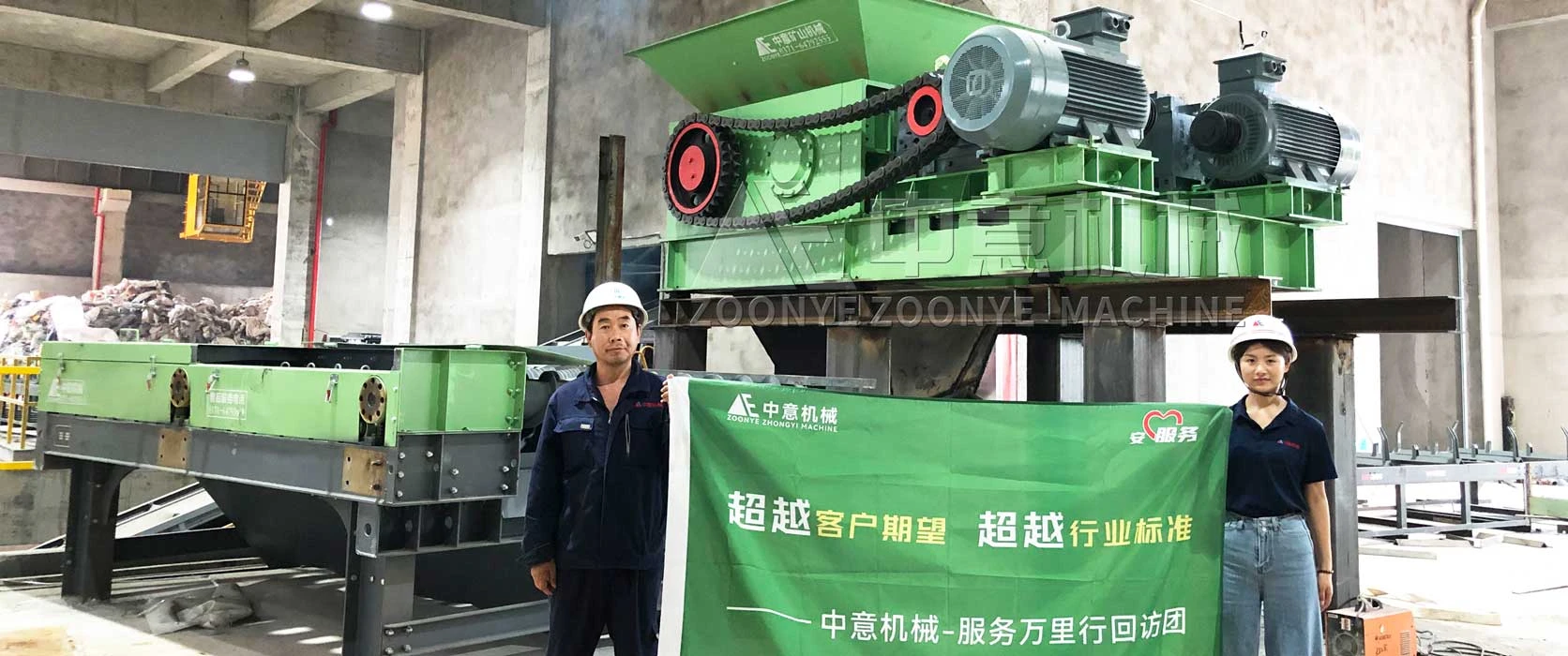
With 16 years of experience in solid waste recycling solutions, Zhongyi has delivered over 100 successful projects worldwide. We provide customized plant designs tailored to different waste compositions, ensuring efficient processing and optimal results. Our solutions feature a high level of automation to reduce labor costs while maintaining stable, long-term performance. From initial design to installation and commissioning, we offer full-service support, backed by a global service team ready to assist your project at every stage.
常见问题
大多数项目需要环境影响评价审批、施工许可、废物处理运营许可证以及废水或废气排放许可证。具体要求因国家而异。Xinzhongyi 提供工艺流程图、设备布置图和技术文件,以支持当地审批申请。.
投资取决于日处理能力、自动化水平和产出目标。小型处理厂的投资起点可能为 500,000 美元, ,而大型集成系统的投资可能超过 100 万美元. 。我们根据您的物料成分和项目需求提供定制化的预算估算。.
是的。高水分和粘性物料可通过防堵塞筛分设备、预破碎系统和气流分选进行处理。工艺设计根据废物特性进行调整,以保持稳定的分选性能。.
该系统可分离金属、塑料、纸张、木材、RDF 组分和骨料物料。回收的产品可销售给回收工厂、钢铁厂、RDF 燃料用户或建筑材料市场,从而提高项目盈利能力。.
Modern MSW sorting plants use PLC control with magnetic separators, optical sorters, and air classifiers. A 500 TPD line typically requires only 3–5 operators for monitoring, manual quality control, and routine maintenance.
Yes. Existing waste treatment lines can be upgraded by adding screening, air separation, optical sorting, or odor control systems. Retrofit projects improve sorting efficiency, reduce operating costs, and increase recyclable recovery without full plant reconstruction.
Yes. Xinzhongyi provides equipment manufacturing, export packing, installation guidance, commissioning, operator training, and spare parts support. Standard delivery is usually 30–50 days, with longer schedules for large customized MSW sorting projects.