











What is an MSW Sorting Plant?
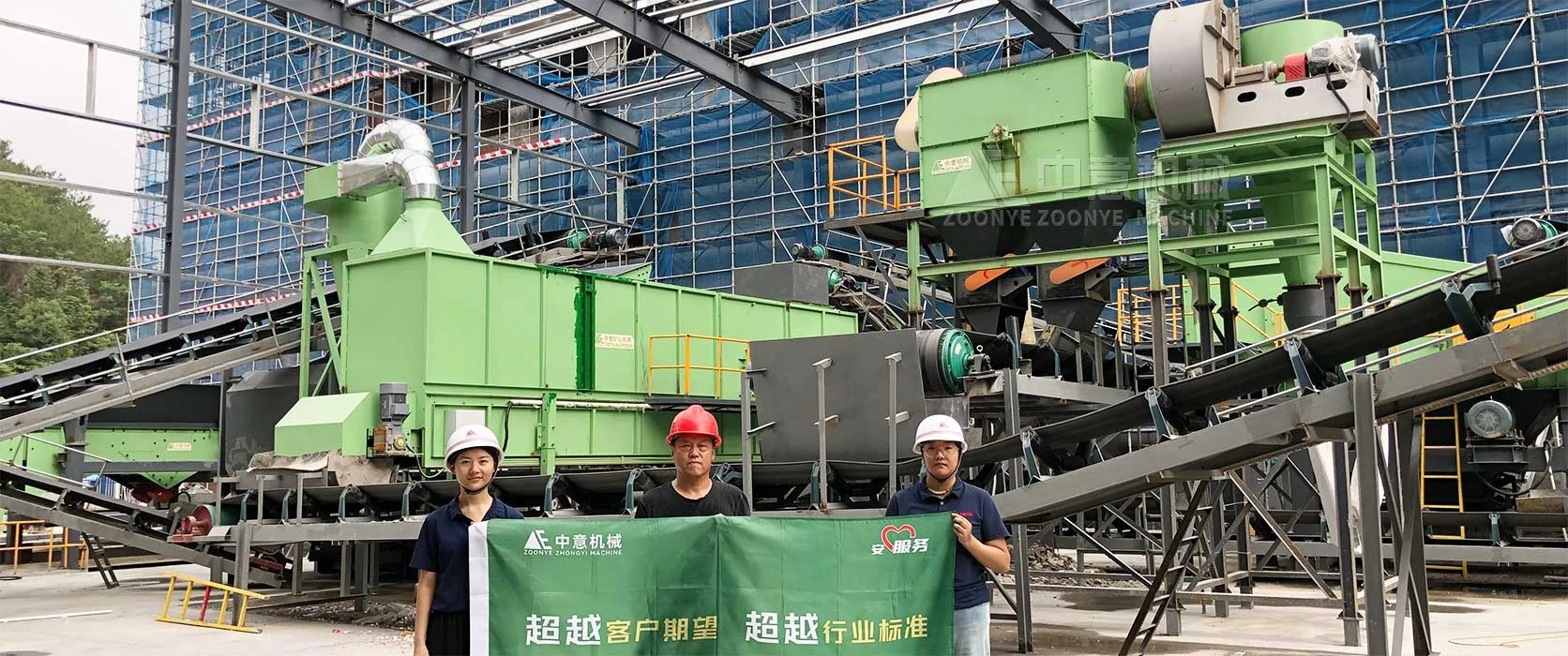
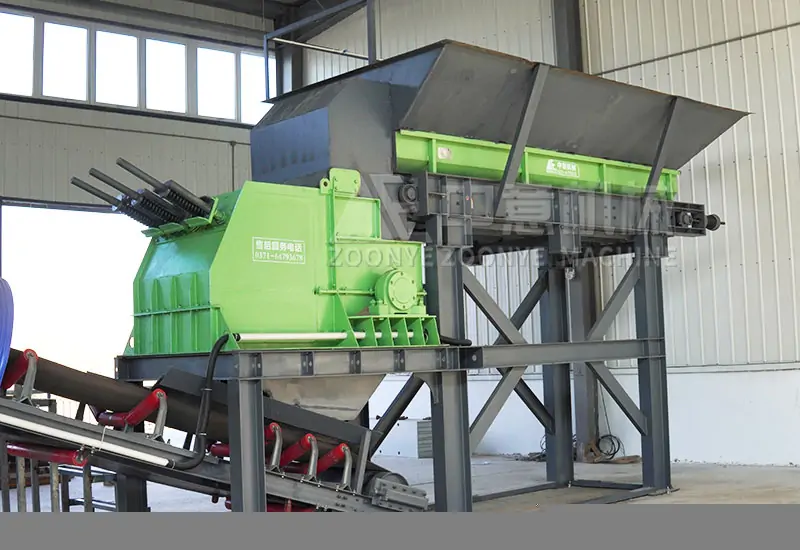
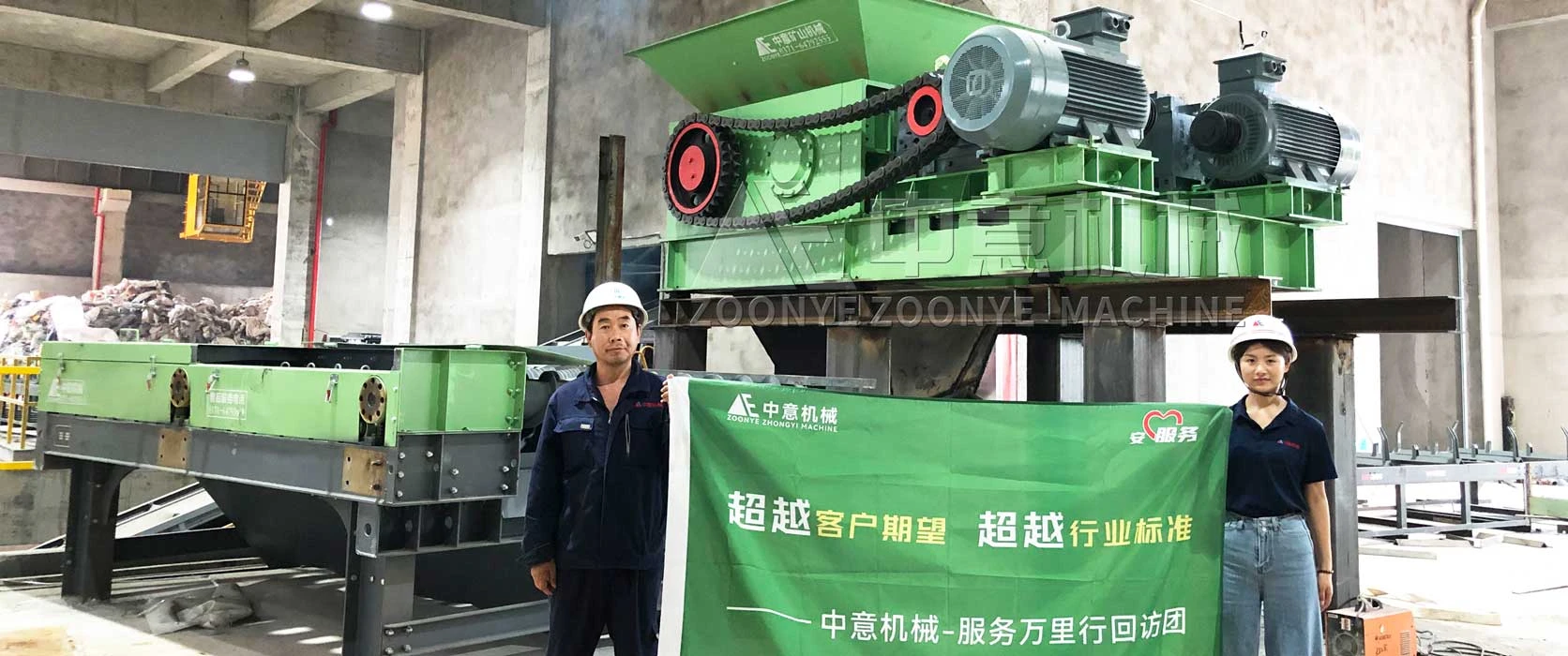
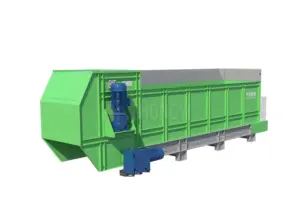
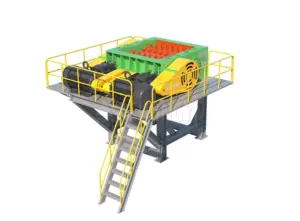
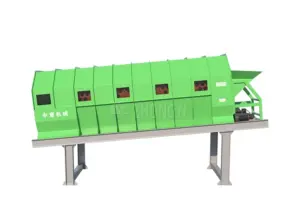
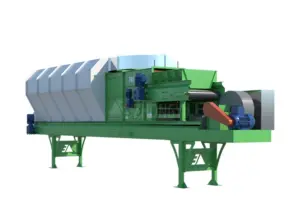
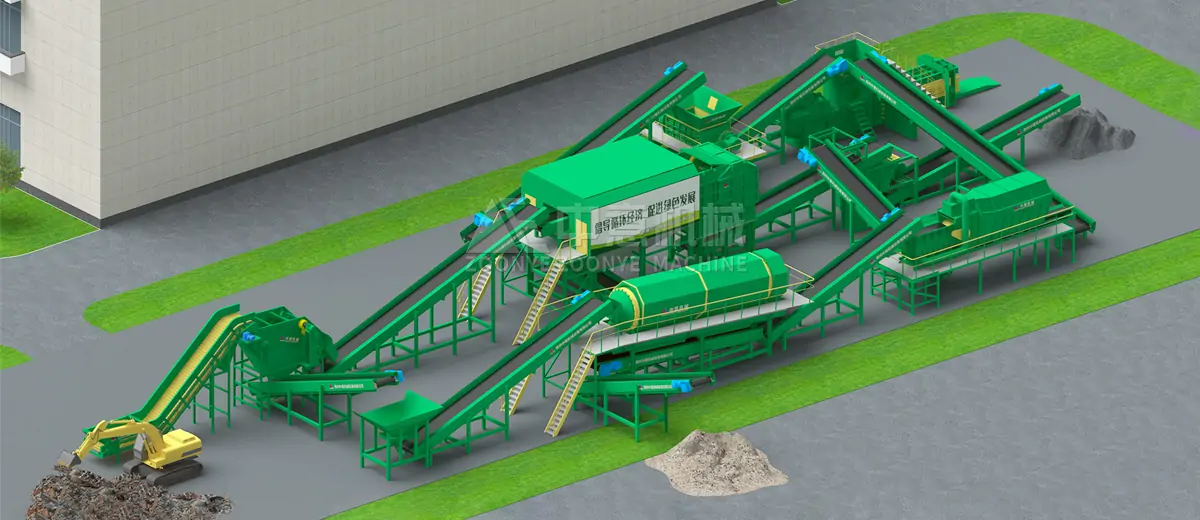
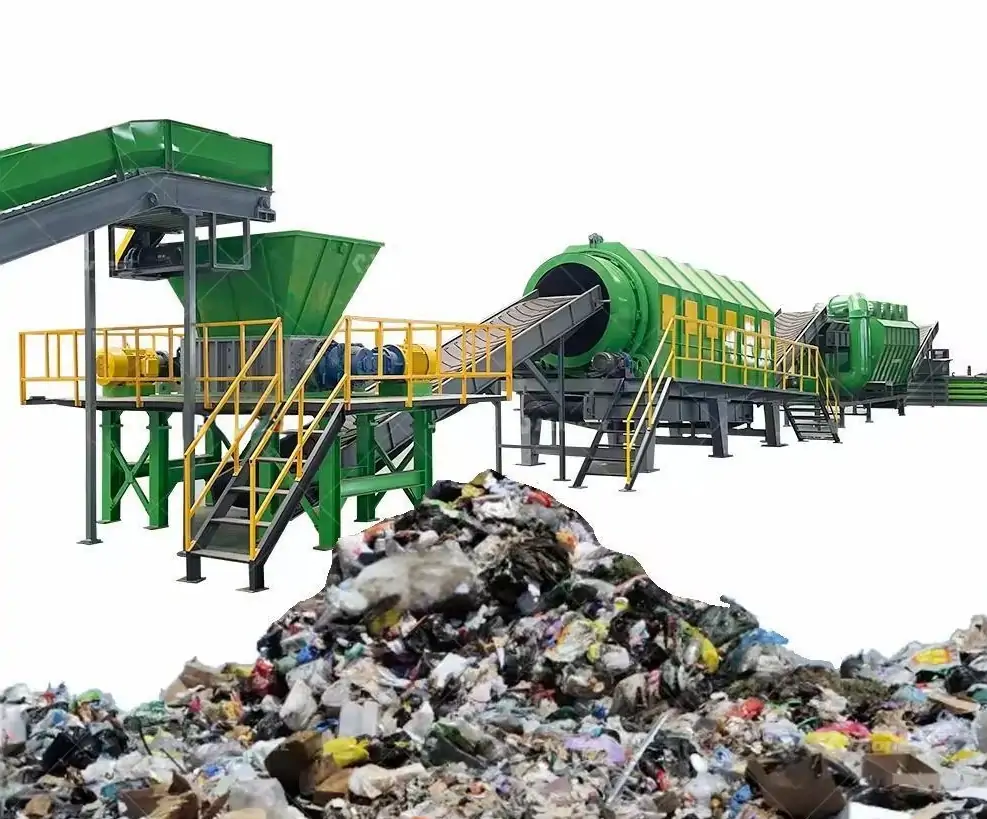
An MSW (Municipal Solid Waste) Sorting Plant is a specialized facility designed to process and separate mixed municipal solid waste into different recyclable and reusable materials. It functions as a centralized system where household, commercial, and industrial waste is received, screened, and sorted into categories such as metals, plastics, paper, organic matter, and inert materials. Through a combination of mechanical and automated sorting technologies, the plant transforms heterogeneous waste streams into valuable resources.
The core purpose of an MSW sorting plant is to reduce landfill disposal, maximize resource recovery, and support circular economy development. Depending on the waste composition, MSW sorting systems can handle mixed waste with high contamination levels or pre-sorted waste streams. By efficiently separating recoverable materials from non-recyclables, the plant improves recycling rates and enables the production of clean secondary raw materials for downstream industries.
Types of MSW Sorting Plants
MSW (Municipal Solid Waste) sorting plants are generally classified based on waste composition and processing objectives:
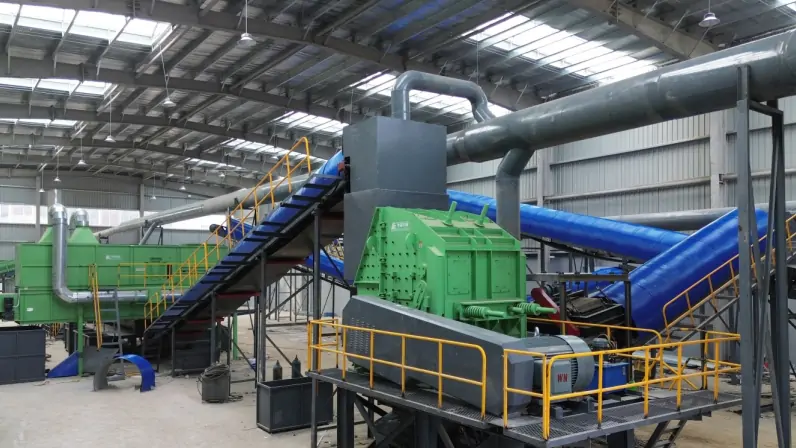
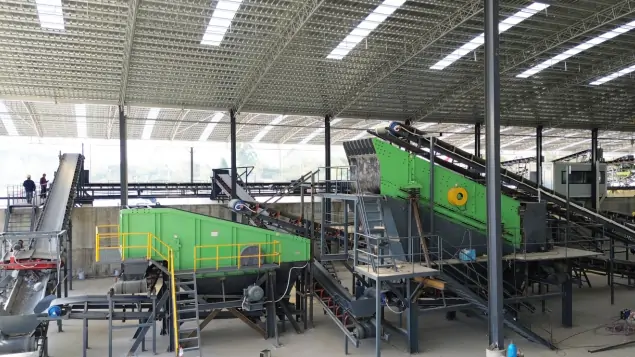
Процесс сортировки
Системное оборудование
Материалы и конечная продукция
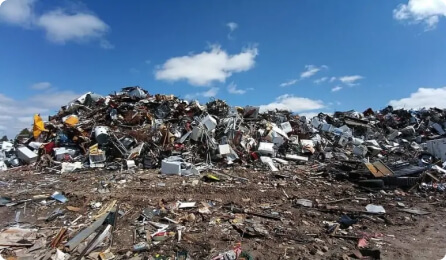
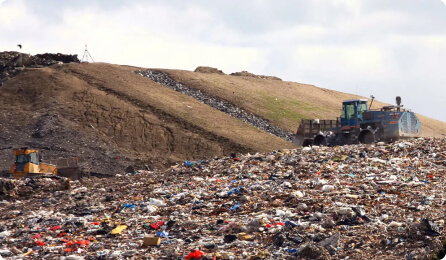
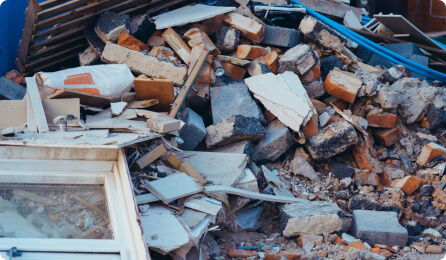
Aged waste, landfill waste, renovation debris (including concrete blocks, broken bricks, tiles, wood, plastics, metals, and textiles)
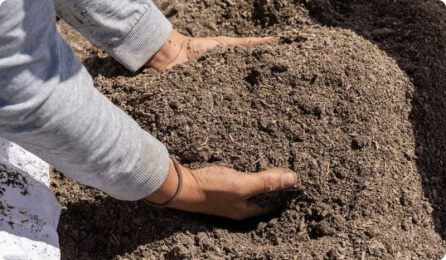
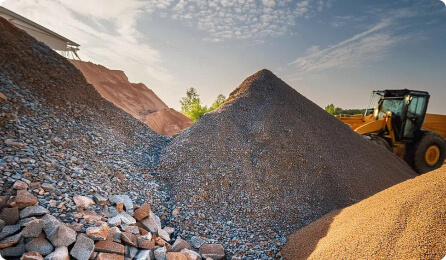
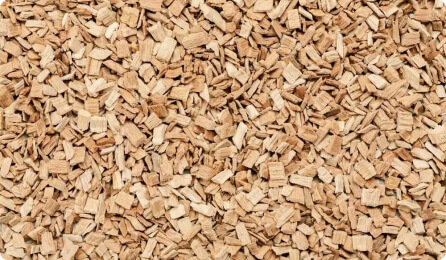
Recycled aggregates, reclaimed soil, ferrous metals, non-ferrous metals (aluminum, copper), recyclable plastics, wood chips, RDF fuel.
Почему выбирают Zhongyi?
16+
Лет опыта
100+
Проекты по всему миру
With 16 years of experience in solid waste recycling solutions, Zhongyi has delivered over 100 successful projects worldwide. We provide customized plant designs tailored to different waste compositions, ensuring efficient processing and optimal results. Our solutions feature a high level of automation to reduce labor costs while maintaining stable, long-term performance. From initial design to installation and commissioning, we offer full-service support, backed by a global service team ready to assist your project at every stage.
Часто задаваемые вопросы
Большинство проектов требуют утверждения воздействия на окружающую среду, разрешений на строительство, лицензий на деятельность по обращению с отходами, а также разрешений на сброс сточных вод или выбросы в атмосферу. Требования различаются в зависимости от страны. Xinzhongyi предоставляет технологические схемы, планировки оборудования и техническую документацию для поддержки местных заявок на получение разрешений.
Объем инвестиций зависит от суточной производительности, уровня автоматизации и целевых показателей выпуска. Малые предприятия могут начинаться от 500 000 долларов США, тогда как крупные интегрированные системы могут превышать 1 млн долларов США. Мы предоставляем индивидуальные сметы бюджета с учетом состава ваших материалов и требований проекта.
Да. Материалы с высокой влажностью и липкие материалы можно перерабатывать с помощью антизабивающего просеивающего оборудования, систем предварительного измельчения и воздушной сепарации. Конфигурация процесса корректируется в соответствии с характеристиками отходов для поддержания стабильной производительности сортировки.
Система разделяет металлы, пластики, бумагу, древесину, фракции RDF и заполнители. Извлечённые продукты могут быть проданы на перерабатывающие заводы, металлургические комбинаты, потребителям топлива RDF или на рынки строительных материалов, что повышает рентабельность проекта.
Modern MSW sorting plants use PLC control with magnetic separators, optical sorters, and air classifiers. A 500 TPD line typically requires only 3–5 operators for monitoring, manual quality control, and routine maintenance.
Yes. Existing waste treatment lines can be upgraded by adding screening, air separation, optical sorting, or odor control systems. Retrofit projects improve sorting efficiency, reduce operating costs, and increase recyclable recovery without full plant reconstruction.
Yes. Xinzhongyi provides equipment manufacturing, export packing, installation guidance, commissioning, operator training, and spare parts support. Standard delivery is usually 30–50 days, with longer schedules for large customized MSW sorting projects.