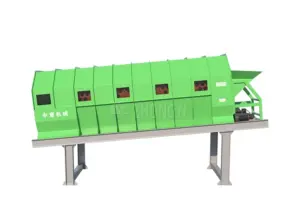
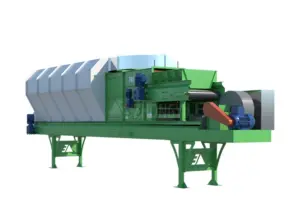















What is Optical Sorting Machine?
An optical sorting machine is an automated separation system that uses optical sensors to identify and remove unwanted particles by color, brightness, and material differences. In mineral processing and recycling plants, it is commonly installed after crushing and screening to separate off-color, contaminated, and low-grade materials that traditional equipment cannot detect.
Optical sorters process particle sizes from 0.5–50 mm, with capacity depending on material characteristics, feed conditions, and machine configuration. The system combines CCD/NIR sensors, LED lighting, signal processing units, air ejectors, and chute or belt feeding systems to achieve stable sorting performance.
Applicable Materials
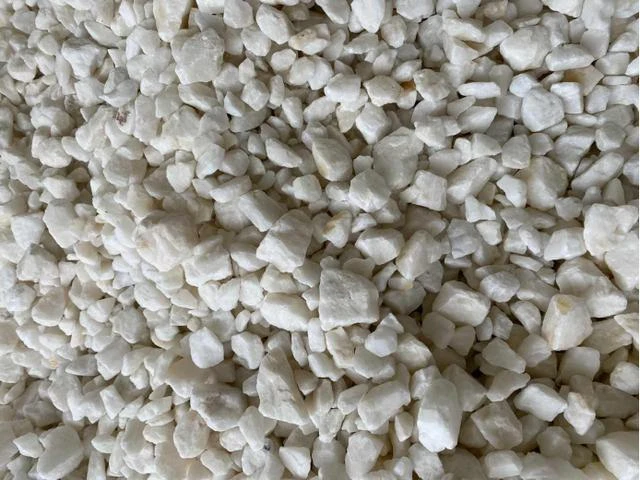
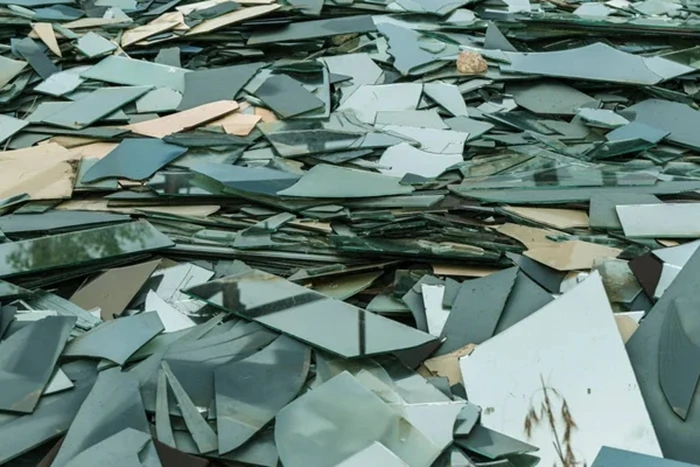
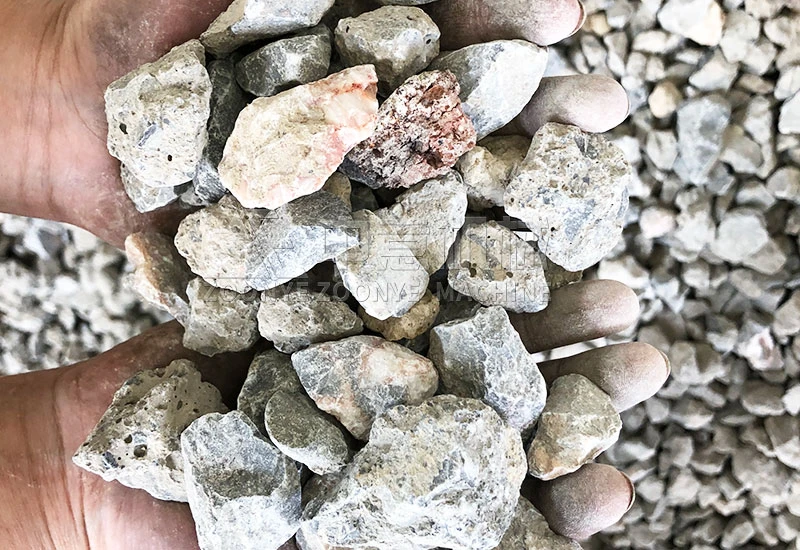
Color sorter machines use CCD cameras and spectral sensors to detect color, shape, and material differences, removing unwanted particles that cannot be separated by traditional screening or density methods. The equipment is widely used for mineral upgrading, glass recycling, aggregate sorting, and industrial material purification, including quartz, silica sand, feldspar, fluorite, calcite, recycled glass, and other valuable resources.
Applications & Material Sorting
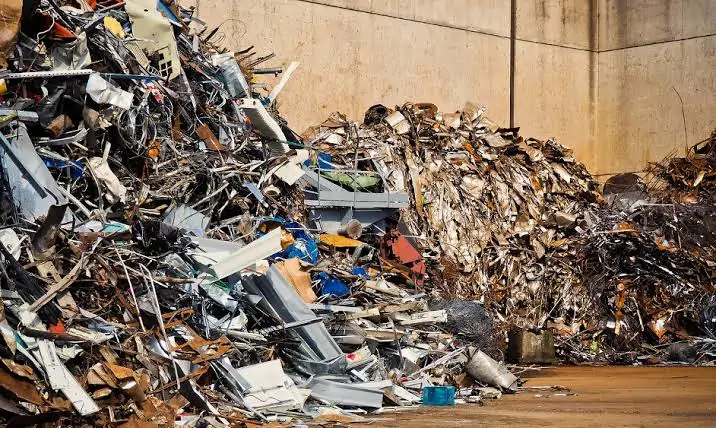
In mineral processing, optical sorting machine remove iron-stained, dark, and low-grade particles to improve purity, whiteness, and product quality. Quartz and silica sand can reach 99.5–99.9% SiO₂ purity for glass, semiconductor, and photovoltaic applications, while feldspar, fluorite, calcite, and talc benefit from improved color and grade control. In recycling and aggregate applications, the machine separates ceramic, stone, weathered particles, and contaminants from recycled glass, coal, crushed stone, and industrial minerals to increase recovery value and final product quality.
Working principle
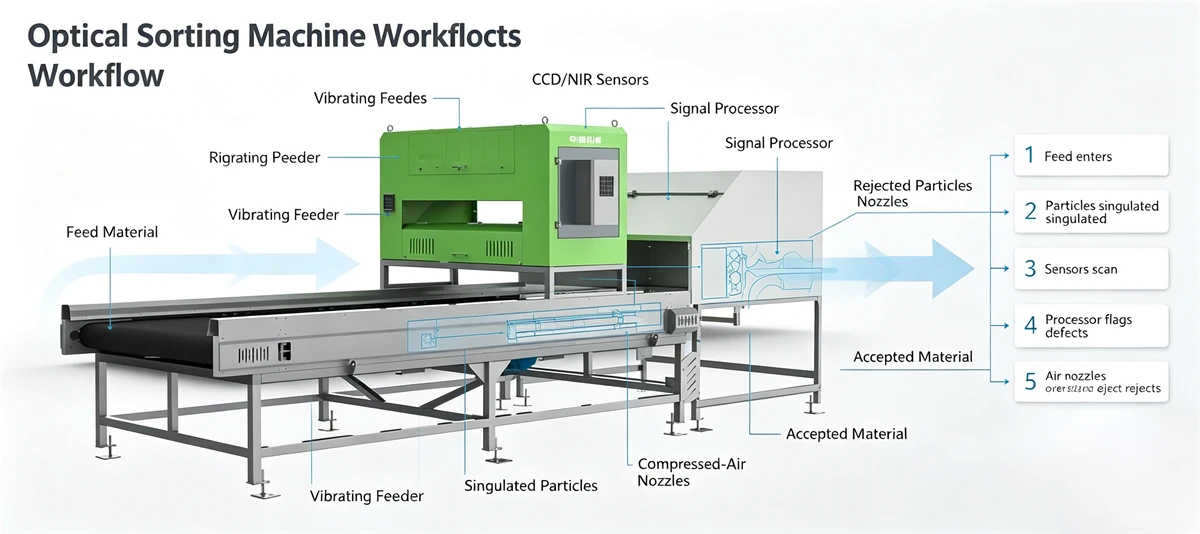
An optical sorting machine identifies and removes off-spec particles by comparing each particle’s optical signature against a pre-set reference standard, then triggering a precisely timed air ejection to divert rejected material. Unlike mechanical separation — which sorts by size or density — color sorting works on surface-level optical characteristics, making it effective for separating particles identical in size but different in composition or quality.
The typical process: feed enters through a vibrating feeder → particles are singulated down a chute or belt → CCD/NIR sensors scan at over 50,000 scans per second → the signal processor flags out-of-spec particles → compressed-air nozzles (0.4–0.6 MPa) fire to eject rejects. Feed consistency directly affects accuracy: irregular particle size causes detection overlap, while surface moisture above 1.5% degrades sensor readings and increases false-rejection rates.
Types of Optical Color Sorting Machines
Optical color sorters are classified by feed transport mechanism and sensor technology. Zhongyi offers both chute-type and belt-type configurations, with CCD-only or CCD+NIR combined sensor options.To learn more, click on “Types of Optical Sorting Machines.”
Chute-Type / CCD
Gravity-fed through a chute, this model uses CCD cameras to detect color and surface differences. It is suitable for quartz, feldspar, calcite, and silica sand, handling 0.5–30 mm particles at 2–30 t/h.
Chute-Type / CCD+NIR
Equipped with CCD and NIR sensors, it identifies both appearance and material composition. Designed for high-purity minerals and mixed-phase ores, it processes 0.5–30 mm materials with a capacity of 2–25 t/h.
Belt-Type / CCD
A flat belt design provides stable feeding for irregular and fragile particles. The machine sorts 5–50 mm aggregates and minerals at 1–8 t/h.
Belt-Type / CCD+NIR
Combining belt feeding with CCD and NIR detection, this model separates minerals by color and composition. It is used for industrial minerals with a feed size of 5–50 mm and capacity of 1–6 t/h.
| Type | Feed Mechanism | Sensor | Kích thước cấp liệu | Throughput | Typical Application |
| Chute-Type / CCD | Gravity chute | CCD | 0.5–30 mm | 2–30 t/h | Quartz, feldspar, calcite, silica sand |
| Chute-Type / CCD+NIR | Gravity chute | CCD + NIR | 0.5–30 mm | 2–25 t/h | High-purity minerals, mixed-phase ores |
| Belt-Type / CCD | Flat belt | CCD | 5–50 mm | 1–8 t/h | Irregular or fragile particles, aggregates |
| Belt-Type / CCD+NIR | Flat belt | CCD + NIR | 5–50 mm | 1–6 t/h | Industrial minerals, compositional sorting |
Notes:Capacities are typical values. Contact Zhongyi ECO for model selection based on your material and purity requirements.
Specifications
Specifications above are reference values. Actual capacity and sorting accuracy vary with material type, particle size distribution, surface moisture, and required purity grade.
| Mẫu | Channels | Kích thước cấp liệu | Sorting Accuracy | Công suất | Air Pressure | Power | Dimensions (L×W×H) |
| XZY-64 | 64 | 0.5–8 mm | ≥ 99.5% | 0.8–2.5 t/h | 0.4–0.6 MPa | 1.5 kW | 1,050×1,000×1,650 mm |
| XZY-128 | 128 | 0.5–15 mm | ≥ 99.5% | 2–6 t/h | 0.4–0.6 MPa | 2.2 kW | 1,560×1,000×1,650 mm |
| XZY-192 | 192 | 1–20 mm | ≥ 99.7% | 4–10 t/h | 0.4–0.6 MPa | 3.0 kW | 2,100×1,200×1,800 mm |
| XZY-256 | 256 | 1–25 mm | ≥ 99.7% | 7–15 t/h | 0.4–0.6 MPa | 4.5 kW | 2,650×1,200×1,800 mm |
| XZY-320 | 320 | 2–30 mm | ≥ 99.8% | 12–22 t/h | 0.5–0.6 MPa | 5.5 kW | 3,200×1,400×2,000 mm |
| XZY-384 | 384 | 2–35 mm | ≥ 99.8% | 18–30 t/h | 0.5–0.6 MPa | 7.5 kW | 3,750×1,400×2,000 mm |
Ưu điểm
Optical sorting machines use CCD cameras, NIR sensors, and air ejection systems to detect and remove unwanted particles by color and material differences. They improve sorting accuracy, reduce manual labor, and provide stable performance for mineral processing, recycling, and aggregate applications.
Applications
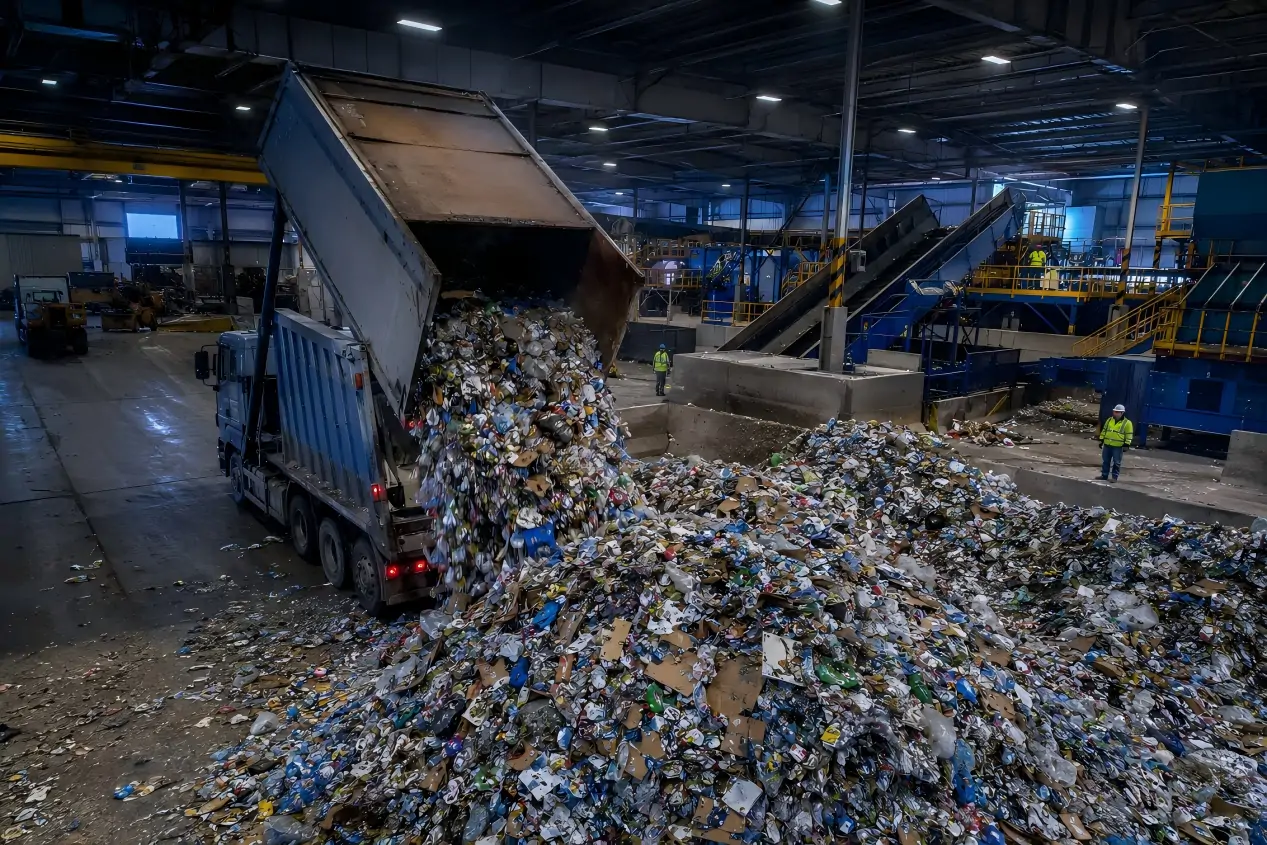
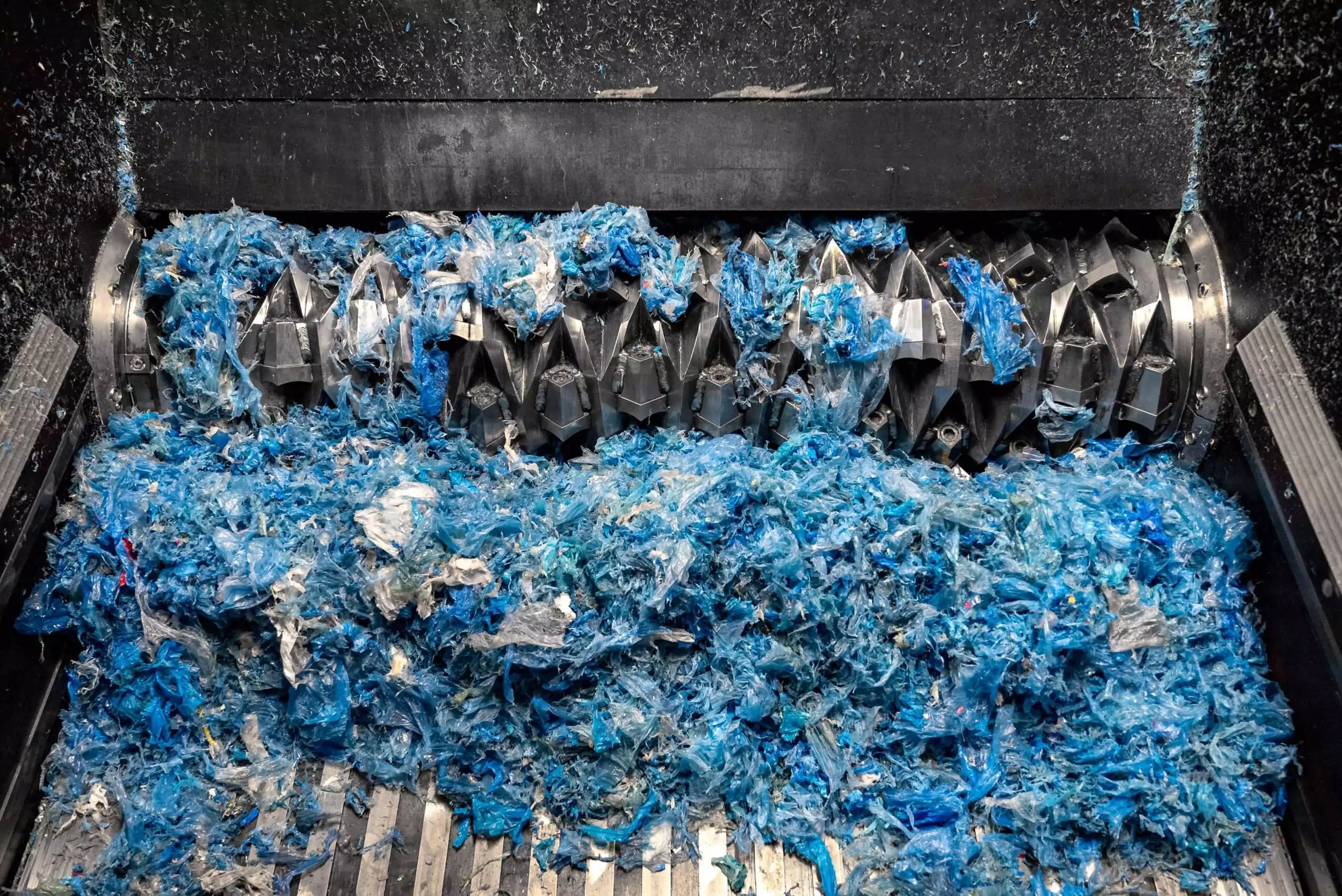
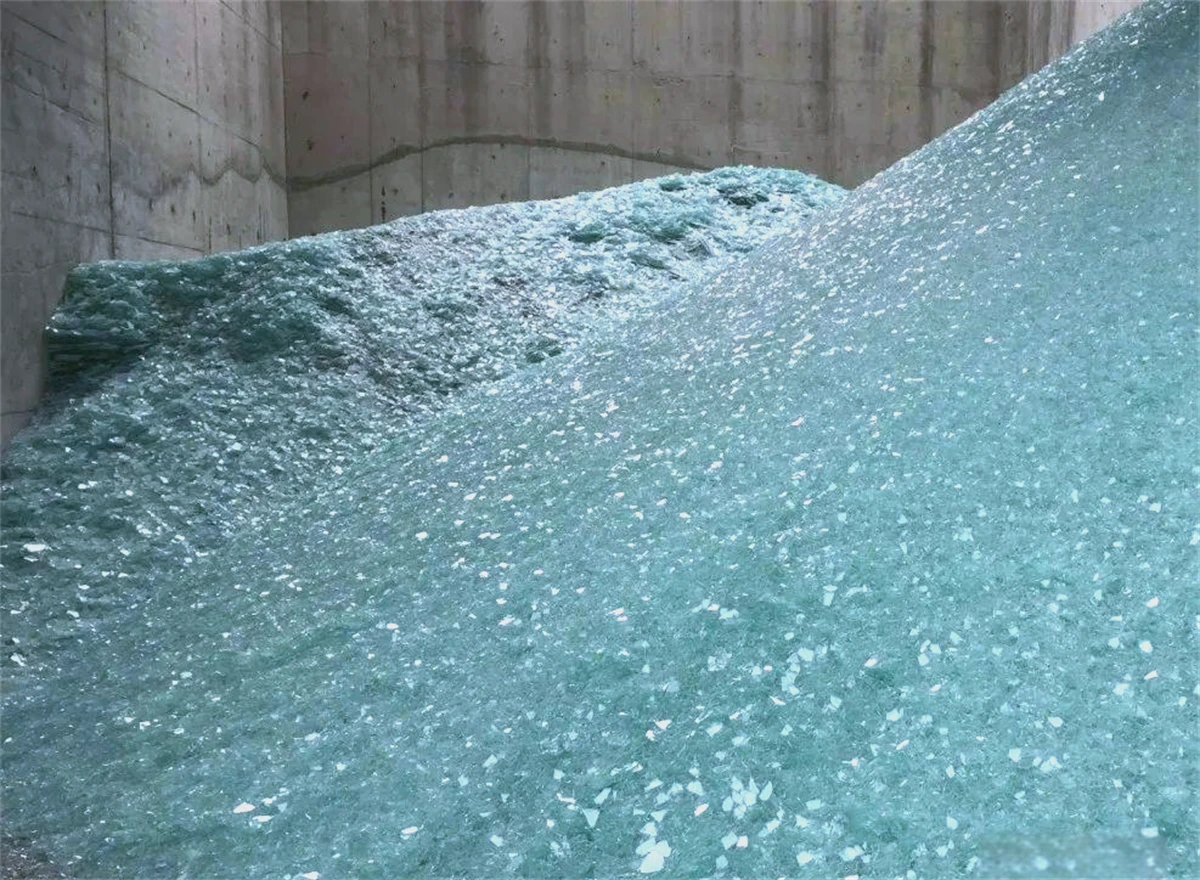
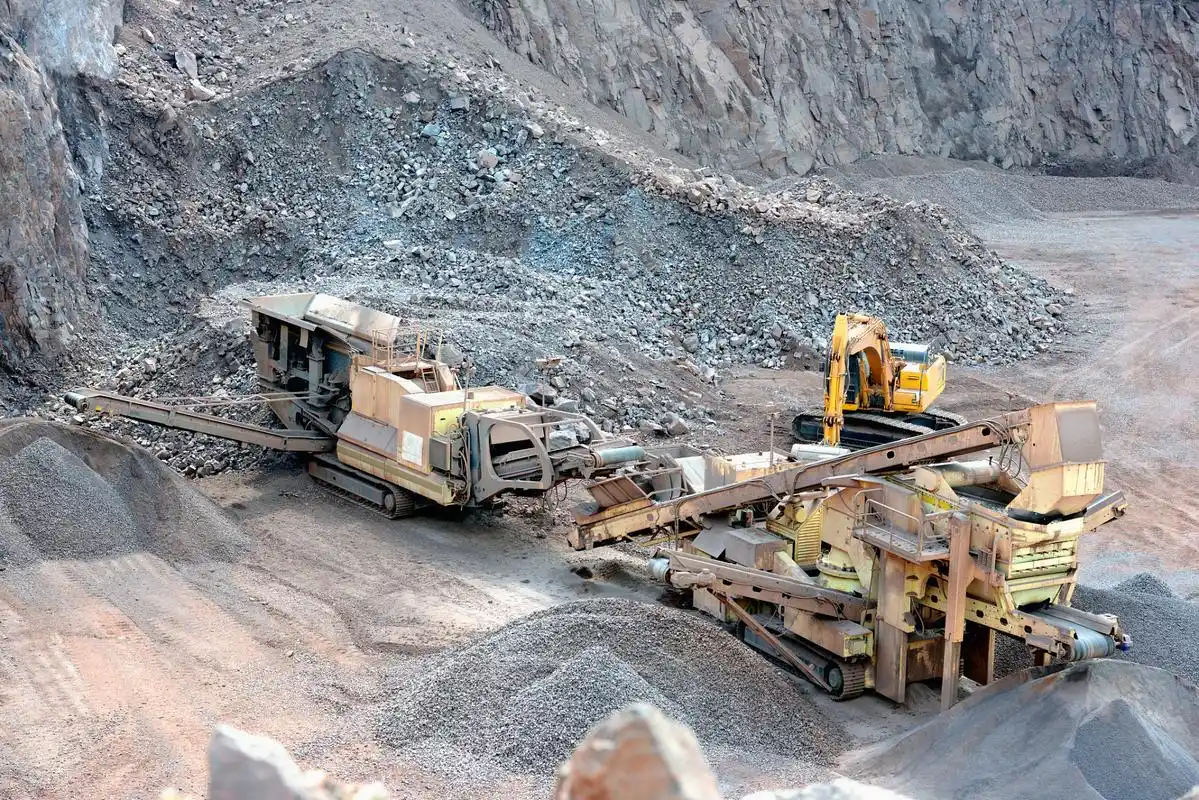
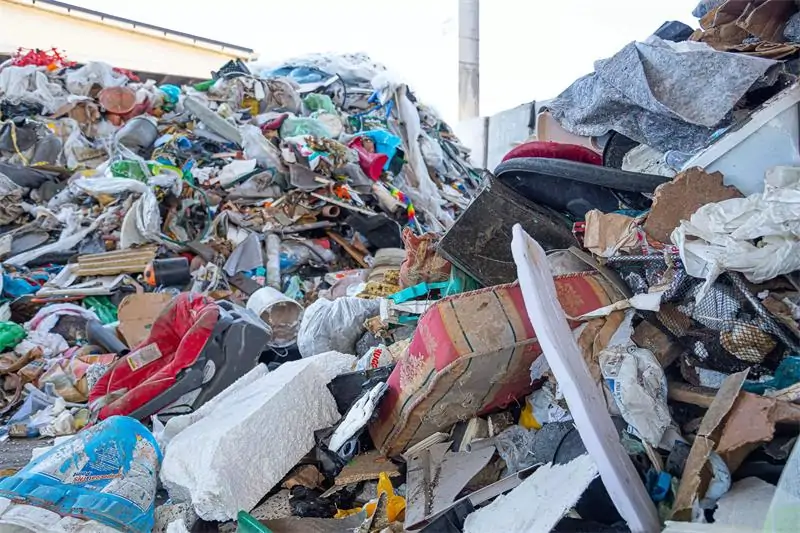
Optical sorting machines improve material purity and recovery value by removing unwanted particles, contaminants, and off-grade materials. They are widely used in recycling and mineral processing applications to reduce manual sorting, improve product quality, and increase production efficiency. The main applications include plastic recycling, waste glass recycling, mineral processing, and municipal solid waste recycling.
Xinzhongyi ECO provides customized sorting solutions based on material characteristics, processing requirements, and complete project needs.
Custom Color Sorter Machine Solutions
Xinzhongyi ECO designs optical sorting solutions based on material characteristics, production targets, and processing requirements. By understanding your raw material, purity requirements, and plant conditions, our engineering team can recommend the right sorting technology, sensor configuration, machine model, and complete processing solution.
Custom Options Include:
- Material Type & Application
- Feed Size & Material Condition
- Purity Requirement & Sorting Target
- Công suất xử lý
- Sorting Process Requirement
- Solution Scope
Optical Sorting Machine Manufacturer & Supplier
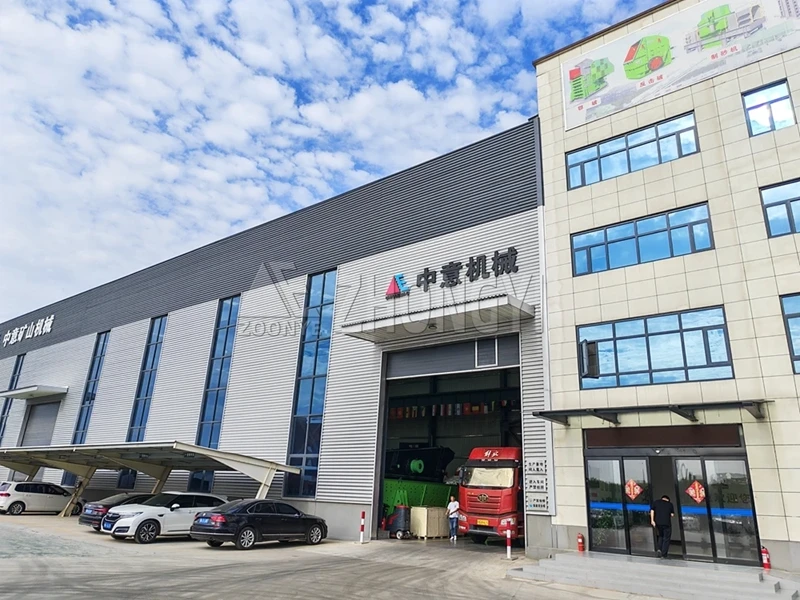
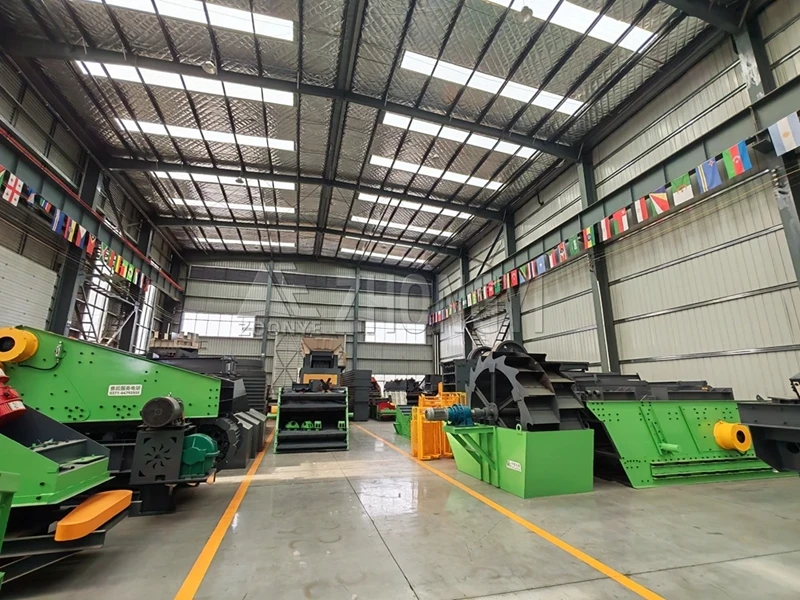
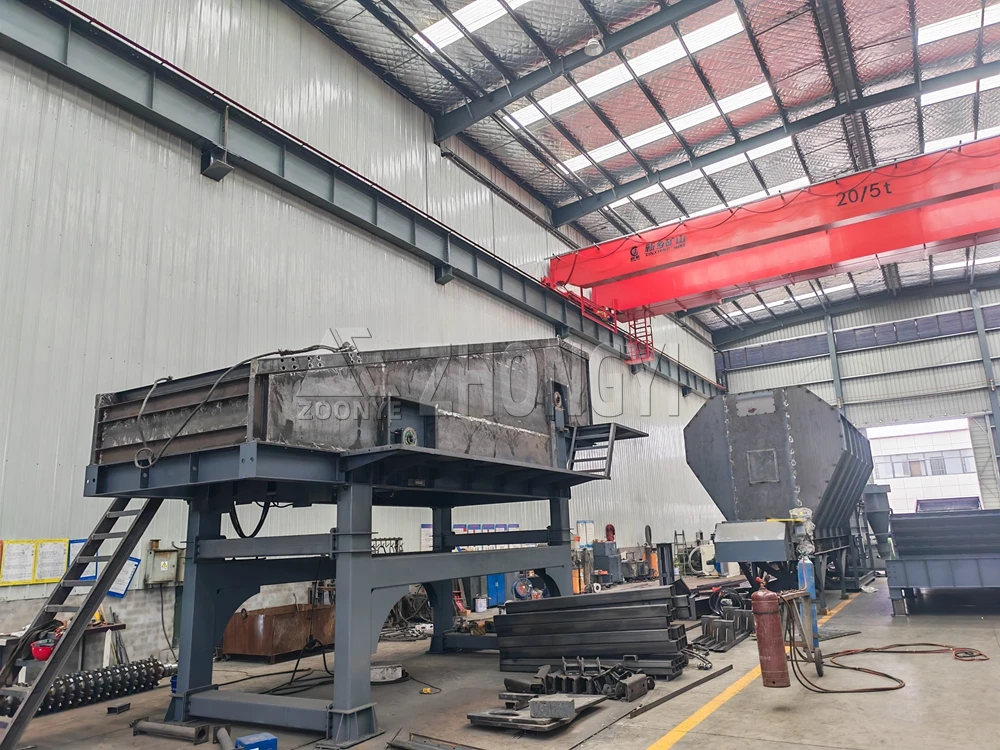
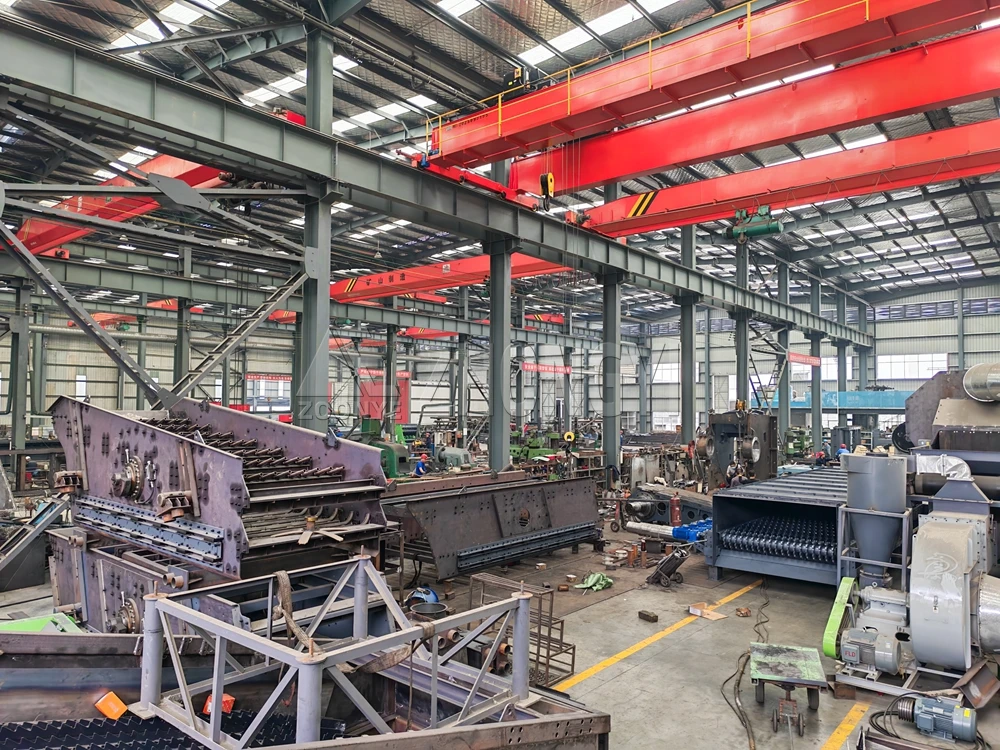
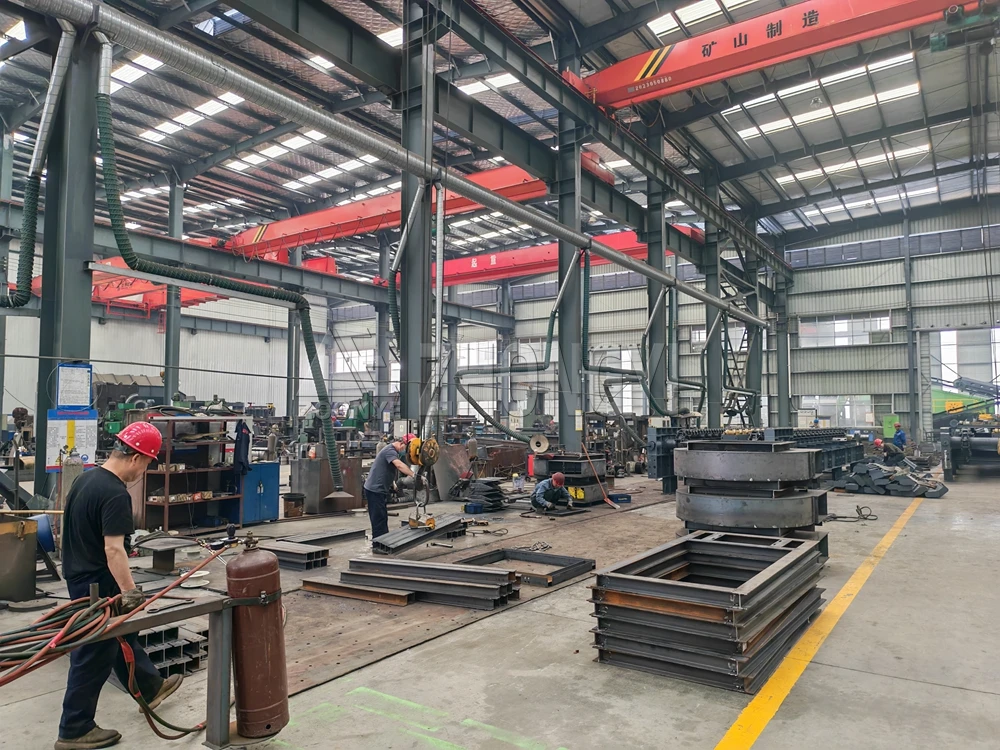
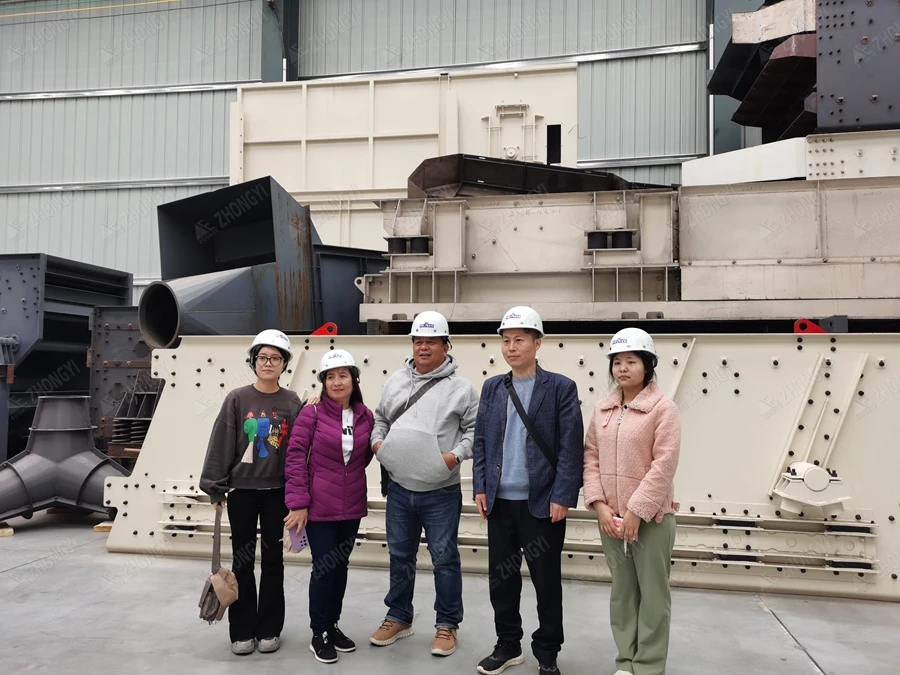
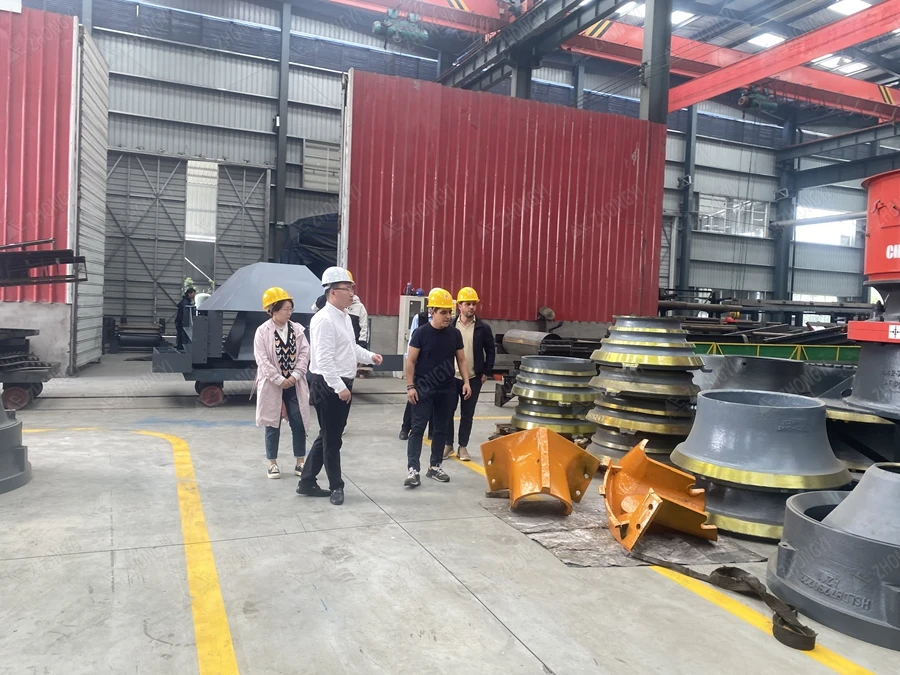
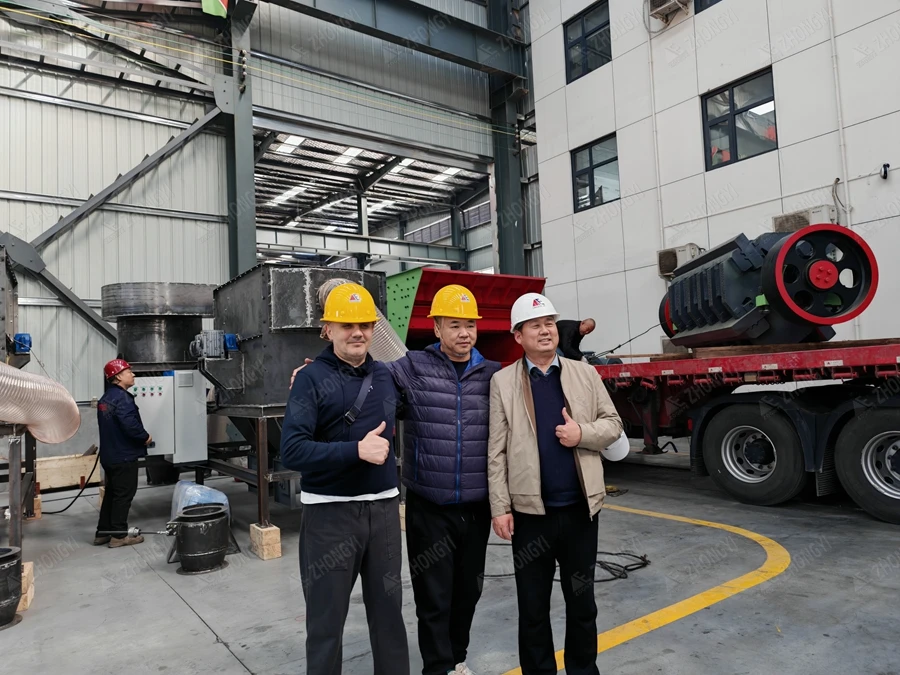
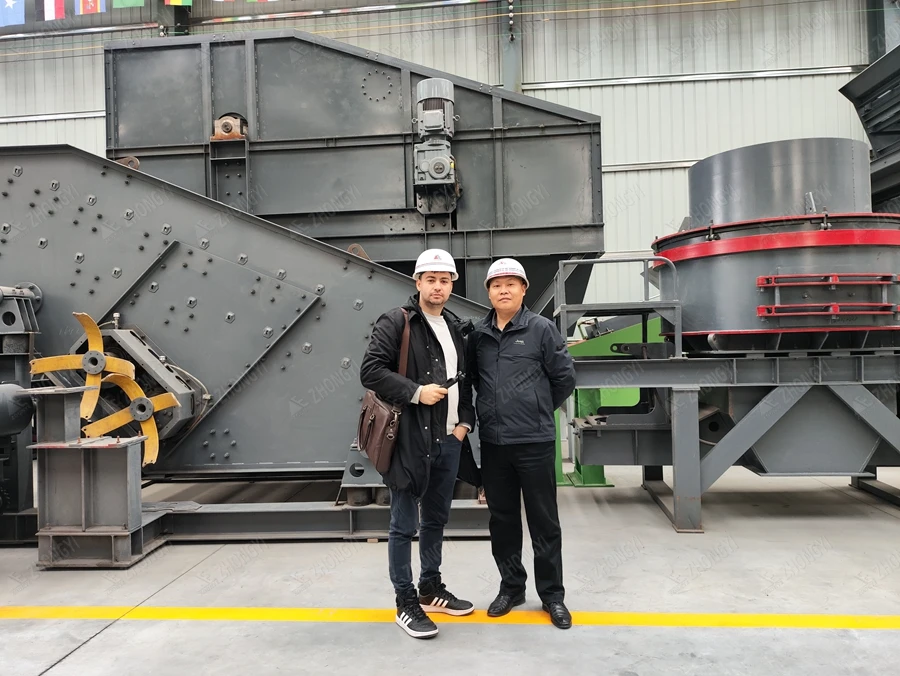
Xinzhongyi ECO manufactures optical sorting machines for mineral processing, aggregate production, and recycling applications. With 16+ years of experience in industrial equipment manufacturing, we provide sorting solutions for materials such as quartz, feldspar, fluorite, recycled glass, and industrial minerals. Our machines use CCD and NIR sensor technology with precision air ejection systems to improve separation efficiency and product quality.
Supported by 3 production bases and ISO 9001 quality management, Xinzhongyi ECO provides complete project support from equipment selection and manufacturing to installation, commissioning, and after-sales service. We work with customers to develop reliable sorting systems based on material conditions, production requirements, and final product standards.
Câu hỏi thường gặp
Máy phân loại màu quang học loại bỏ các hạt lệch màu, bị nhiễm bẩn và chất lượng thấp khỏi dòng khoáng sản bằng công nghệ phát hiện CCD và NIR. Thiết bị được sử dụng để nâng cao độ tinh khiết và chất lượng sản phẩm trong thạch anh, cát silica, fenspat, thủy tinh tái chế, cốt liệu và các vật liệu công nghiệp khác.
Máy phân loại quang học được sử dụng rộng rãi cho thạch anh, cát silica, fenspat, fluorit, canxit, bột talc, thủy tinh tái chế, cốt liệu và các khoáng sản công nghiệp khác. Hiệu suất phân loại phụ thuộc vào đặc tính vật liệu, độ chênh lệch màu sắc và điều kiện tạp chất.
Các model CCD phát hiện sự khác biệt về thị giác như màu sắc và độ sáng, trong khi các model CCD+NIR bổ sung khả năng phát hiện quang phổ để nhận diện sự khác biệt về thành phần vật liệu. CCD+NIR phù hợp cho các ứng dụng yêu cầu độ tinh khiết cao hơn và phân tách chính xác hơn.
Việc lựa chọn máy phụ thuộc vào loại vật liệu, kích thước cấp liệu, công suất xử lý, độ tinh khiết mục tiêu và yêu cầu phân loại. Xinzhongyi ECO đánh giá điều kiện dự án và đề xuất cấu hình cảm biến, mẫu máy và quy trình phân loại phù hợp.
Có. Xinzhongyi ECO có thể cung cấp các giải pháp phân loại hoàn chỉnh, bao gồm cấp liệu, sàng lọc, phân loại quang học, vận chuyển và thiết bị phụ trợ, theo các yêu cầu khác nhau về chế biến khoáng sản và tái chế.
Để được tư vấn giải pháp phù hợp, vui lòng cung cấp loại vật liệu, phạm vi kích thước đầu vào, công suất xử lý, độ tinh khiết mục tiêu, điều kiện độ ẩm, nguồn điện, vị trí dự án và việc bạn cần một máy đơn lẻ hay một dây chuyền phân loại hoàn chỉnh.