
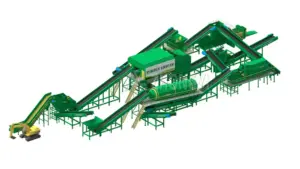
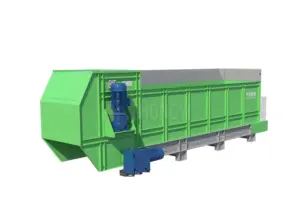
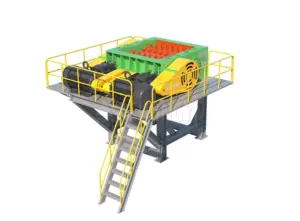
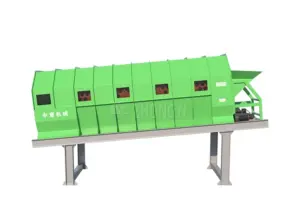













อุปกรณ์
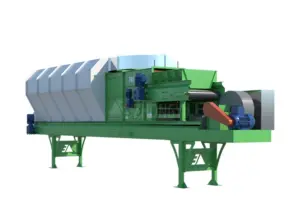
อุปกรณ์คัดแยกด้วยลม

- กำลังการแปรรูป: 30–150 m³/h
- ขนาดอนุภาควัสดุป้อน: ≤300 mm

- กำลังการแปรรูป: 20–100 m³/h
- แรงดันลม: 1200–1400 Pa
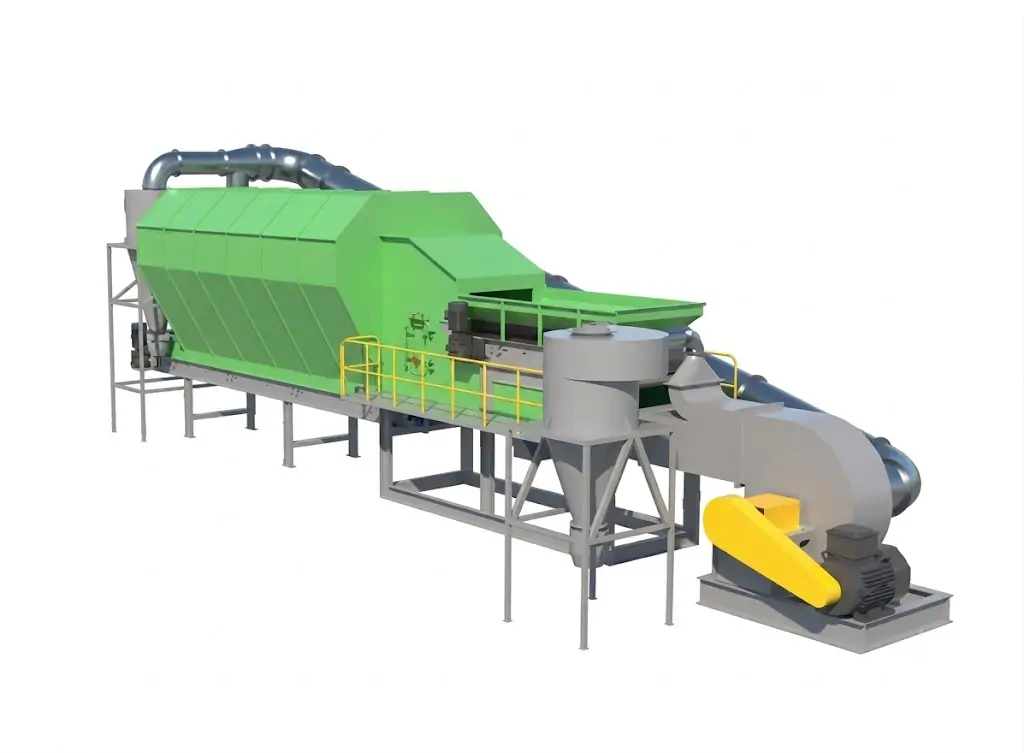
- ปริมาตรอากาศ: 2,000–60,000 m³/h
- แรงดันลม: 20,00–3,500 Pa

- กำลังการแปรรูป: 30–150 m³/h
- ปริมาณอากาศ: 8,000–25,000 m³/h
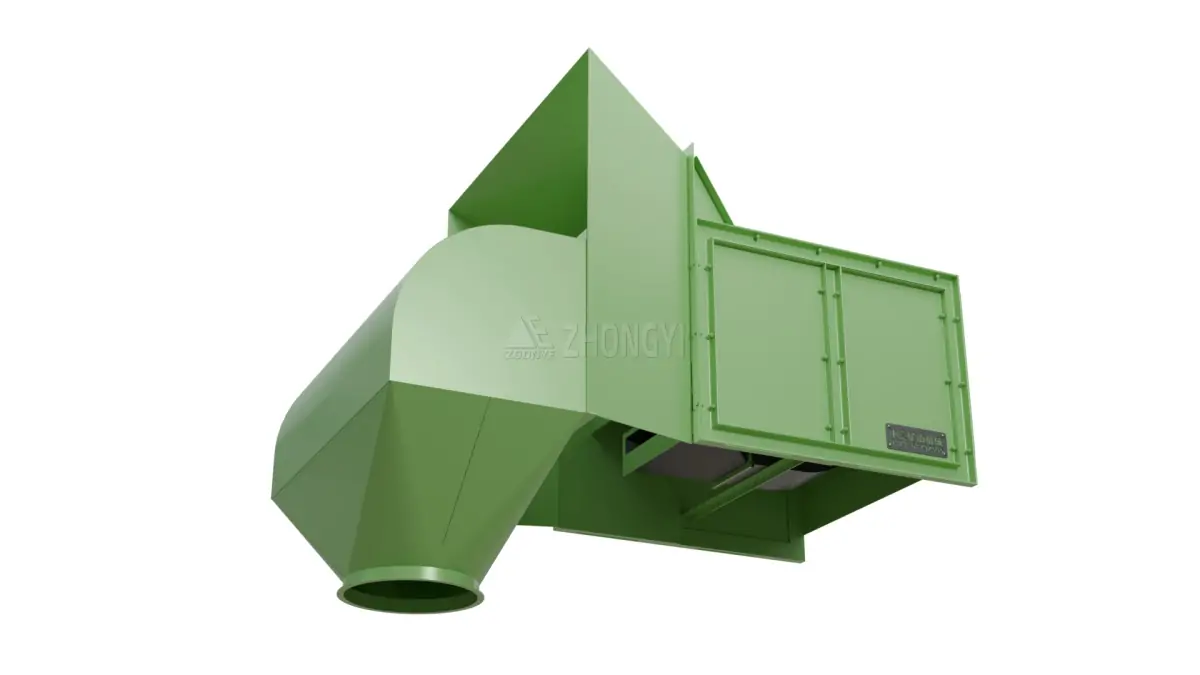
- กำลังการแปรรูป: 20–100 m³/h
- แรงดันลม: สูงสุด 790 Pa
- กำลังมอเตอร์: 2.2 kW
- ความจุ: 30–150 m³/h
- ปริมาณอากาศ: 8,000–25,000 m³/h
- แรงดันลม: 1,500–3,000 Pa

- ความกว้างป้อนวัสดุ: 800mm – 1,400mm.
- ความจุสูง: 8 – 80 t/h
เครื่องคัดแยกด้วยลมคืออะไร?
เครื่องคัดแยกด้วยลม หรือที่รู้จักกันในชื่อเครื่องแยกด้วยอากาศหรือวินด์ชิฟเตอร์ เป็นระบบคัดแยกตามความหนาแน่นที่ใช้กระแสอากาศควบคุมเพื่อแยกวัสดุน้ำหนักเบาออกจากส่วนที่หนักกว่า ถูกใช้อย่างแพร่หลายในการรีไซเคิลขยะ การแปรรูปปุ๋ยหมัก การรีไซเคิลขยะก่อสร้าง และโรงงานกู้คืนวัสดุ เพื่อปรับปรุงความบริสุทธิ์ของผลิตภัณฑ์และลดการคัดแยกด้วยมือ.
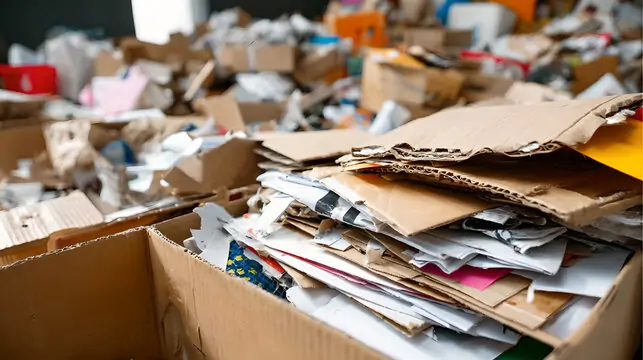
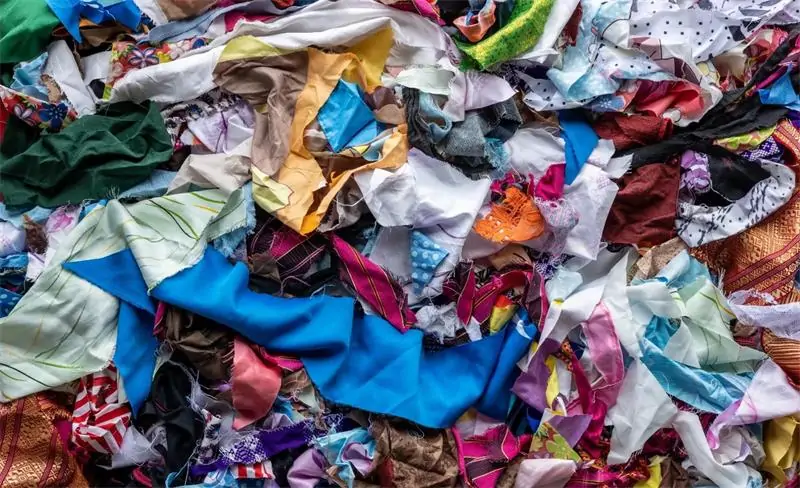
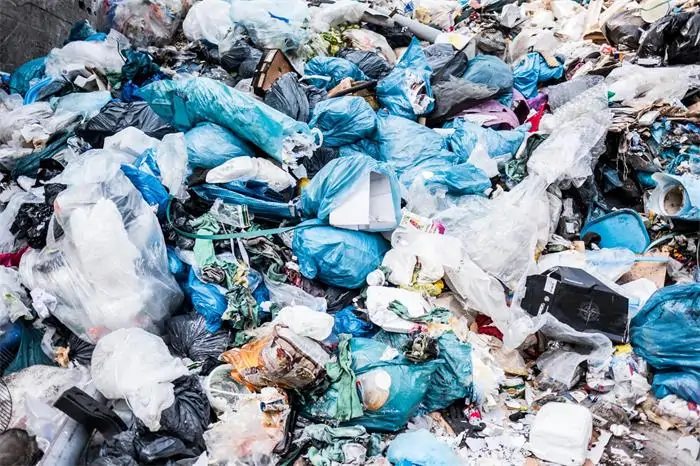
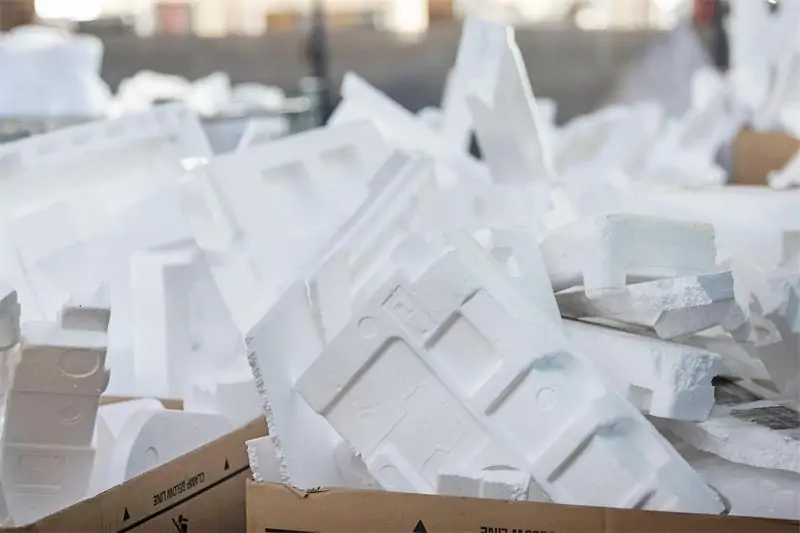
ด้วยการผสมผสานใบมีดลมแบบกำหนดทิศทางและพัดลมดูดแบบปรับได้ เครื่องจักรสามารถกำจัดสิ่งปนเปื้อนน้ำหนักเบา เช่น ฟิล์มพลาสติก กระดาษ โฟม และสิ่งทอ ออกจากกระแสขยะผสมได้อย่างมีประสิทธิภาพ ช่วยให้โรงงานรีไซเคิลเพิ่มอัตราการกู้คืนวัสดุ ปรับปรุงประสิทธิภาพการแปรรูปปลายน้ำ และผลิตวัสดุรีไซเคิลที่สะอาดขึ้น.
ประโยชน์หลัก
แปรรูปปุ๋ยหมักที่ผ่านการคัดกรองล่วงหน้าแต่ยังไม่สมบูรณ์ ส่วนที่มีขนาดใหญ่เกินไป และวัสดุที่ปนเปื้อนซึ่งมีพลาสติก
ใช้ใบมีดลมแบบกำหนดทิศทางสำหรับการแยกวัสดุและระบบดูดแบบปรับได้เพื่อสกัดส่วนที่เป็นน้ำหนักเบา
กำจัดพลาสติกน้ำหนักเบา ฟิล์ม ฟอยล์ หิน และสิ่งปนเปื้อนที่เป็นเหล็กได้สูงสุดถึง 95% จากกากปุ๋ยหมักที่ผ่านการคัดกรองและกระแสขยะผสม
เครื่องคัดแยกด้วยลมสามารถแยกวัสดุอะไรได้บ้าง?
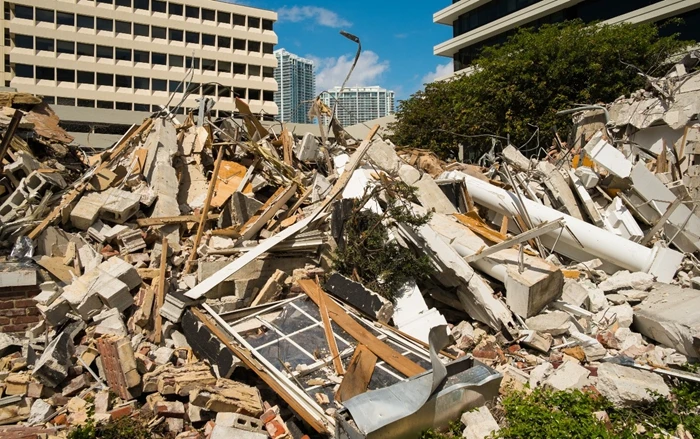
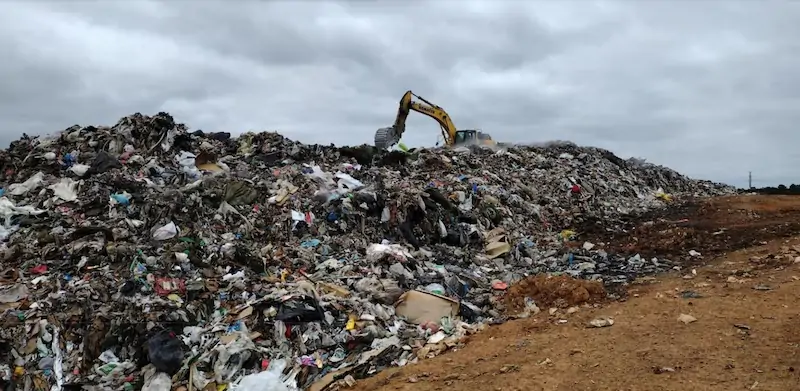
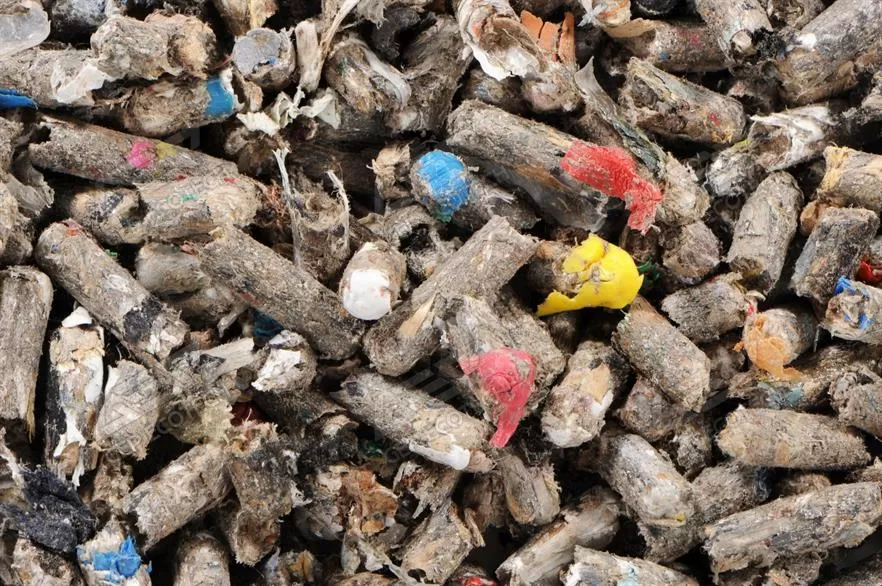
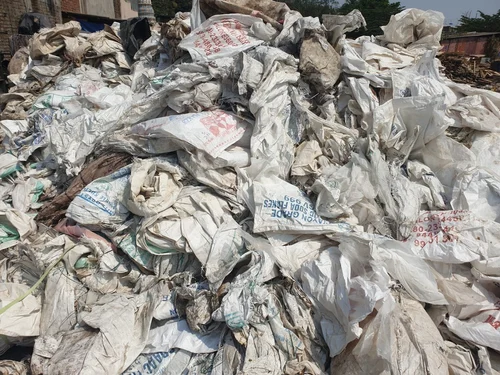
เครื่องคัดแยกด้วยลมแยกขยะผสมตามความหนาแน่นและลักษณะอากาศพลศาสตร์ ในโรงงานรีไซเคิล ถูกใช้เพื่อกำจัดสิ่งปนเปื้อนน้ำหนักเบาออกจากวัสดุที่หนักกว่า ปรับปรุงความบริสุทธิ์ของผลิตภัณฑ์และประสิทธิภาพการกู้คืน การใช้งานทั่วไปรวมถึงขยะมูลฝอยชุมชน ขยะก่อสร้างและรื้อถอน การกลั่นปุ๋ยหมัก การแปรรูปชีวมวล และการผลิตเชื้อเพลิง RDF/SRF.
อุปกรณ์คัดแยกด้วยลมทำงานอย่างไร?
เครื่องคัดแยกด้วยลมใช้หลักการอากาศพลศาสตร์ในการแยกวัสดุตามความแตกต่างของความหนาแน่น ก่อนเข้าสู่เครื่อง ขยะผสมจะถูกแปรรูปเบื้องต้นผ่านการบดและกำจัดสิ่งเจือปน ทำให้ได้ขนาดอนุภาคที่สม่ำเสมอซึ่งช่วยเพิ่มความแม่นยำในการแยก จากนั้นวัสดุจะถูกป้อนเข้าสู่พื้นที่คัดแยกของเครื่องอย่างสม่ำเสมอเพื่อการแยกด้วยกระแสอากาศ.
การแยกหลักอาศัยระบบกระแสอากาศที่ควบคุมได้พร้อมพัดลมและช่องอากาศแบบปรับได้ วัสดุน้ำหนักเบาเช่นฟิล์มพลาสติก กระดาษ และสิ่งทอจะถูกยกและพาเข้าสู่การรวบรวมส่วนน้ำหนักเบา ในขณะที่สิ่งของหนักเช่นอิฐ คอนกรีต และโลหะจะตกลงตามแรงโน้มถ่วงเข้าสู่การรวบรวมส่วนหนัก รุ่นขั้นสูงอาจรวมถึงการคัดแยกทุติยภูมิหรือการควบคุมอัตโนมัติเพื่อเพิ่มประสิทธิภาพการแยก.
ปัจจัยหลักในการแยกได้แก่ ความหนาแน่นของวัสดุ ขนาดอนุภาค ความเร็วลม ปริมาณความชื้น และลักษณะรูปร่าง.
เหตุใดอุปกรณ์คัดแยกด้วยลมจึงสำคัญในการรีไซเคิลขยะ?
อุปกรณ์คัดแยกด้วยลมมีบทบาทสำคัญในระบบรีไซเคิลสมัยใหม่โดยการแยกวัสดุน้ำหนักเบาที่กำจัดได้ยากผ่านการคัดกรอง การแยกด้วยแม่เหล็ก หรือการคัดแยกด้วยมือ ช่วยปรับปรุงการกู้คืนวัสดุ ลดต้นทุนการดำเนินงาน และช่วยสร้างกระบวนการรีไซเคิลที่มีประสิทธิภาพมากขึ้น.
การใช้งาน:
Henan Xinzhongyi Eco Equipment Co., Ltd. มีประสบการณ์กว่าปีในด้านอุปกรณ์คัดแยกด้วยลมและโซลูชันการรีไซเคิล เราให้บริการระบบที่ปรับแต่งสำหรับขยะ MSW, C&D ปุ๋ยหมัก ชีวมวล และการแปรรูปขยะอุตสาหกรรม ทีมวิศวกรของเราออกแบบโซลูชันการแยกด้วยกระแสอากาศที่มีประสิทธิภาพตามลักษณะวัสดุ ความจุ และผังโรงงาน ช่วยให้ลูกค้าปรับปรุงความบริสุทธิ์ของวัสดุ ประสิทธิภาพการกู้คืน และประสิทธิภาพการรีไซเคิลโดยรวม.
ประเภทของอุปกรณ์คัดแยกด้วยลม
กระแสขยะที่แตกต่างกันต้องการการกำหนดค่ากระแสอากาศและวิธีการแยกที่แตกต่างกัน Xinzhongyi ECO นำเสนอการออกแบบเครื่องคัดแยกด้วยลมหลายรูปแบบเพื่อตอบสนองความต้องการของโรงงานรีไซเคิลขยะมูลฝอยชุมชน ขยะก่อสร้าง ปุ๋ยหมัก ชีวมวล และพลาสติก.
เครื่องคัดแยกด้วยลมแบบตู้คอนเทนเนอร์
เครื่องคัดแยกด้วยลมแบบคอนเทนเนอร์เป็นหน่วยแยกด้วยอากาศแบบโมดูลาร์ที่สร้างขึ้นภายในโครงสร้างคอนเทนเนอร์ สามารถขนส่ง ติดตั้ง และทดสอบเดินเครื่องได้อย่างรวดเร็วด้วยงานโยธาที่น้อยที่สุด การออกแบบที่กะทัดรัดทำให้เหมาะสำหรับสถานที่รีไซเคิลชั่วคราว โรงงานบำบัดขยะเคลื่อนที่ และโครงการระยะไกลที่ต้องการความยืดหยุ่นและการติดตั้งที่รวดเร็ว.
เหมาะที่สุดสำหรับ: โรงงานรีไซเคิลเคลื่อนที่ สิ่งอำนวยความสะดวกชั่วคราว โครงการระยะไกล.
ข้อมูลจำเพาะของเครื่องคัดแยกด้วยลมแบบคอนเทนเนอร์
| รุ่น | ความกว้างป้อน (มม.) | ขนาดอนุภาคขาเข้า (มม.) | ความสามารถในการบำบัดขยะครัวเรือน (ตัน/ชั่วโมง) | ความสามารถในการบำบัดขยะผสม (ตัน/ชั่วโมง) | กำลังมอเตอร์ (กิโลวัตต์) |
| FXJ1000 | 800 | 120 | 8-12 | 8-40 | 30-45 |
| FXJ1200 | 1000 | 200 | 12-16 | 12-50 | 45-75 |
| FXJ1400 | 1200 | 300 | 15-25 | 15-60 | 75-110 |
| FXJ1600 | 1400 | 450 | 25-30 | 25-80 | 110-160 |
เครื่องรีไซเคิล Windshifter แบบครบวงจร
ระบบแยกด้วยลมแบบบูรณาการนี้รวมฟังก์ชันการป้อนวัสดุ การแยกด้วยกระแสลม และการรวบรวมไว้ในหน่วยเดียว ออกแบบมาสำหรับการทำงานต่อเนื่องและกำลังการผลิตสูง เหมาะสำหรับโรงคัดแยกของเสียขนาดใหญ่ที่จัดการสายวัสดุหลายประเภท.
เหมาะที่สุดสำหรับ: MSW sorting plants, material recovery facilities (MRFs), large recycling centers.
Comprehensive Windshifter Recycling Machine Specifications
| รุ่น | Air Pressure (Pa) | Air Volume (m³/h) | Max. Feed Size (mm) | Power (kW) | Capacity (m³/h) |
| FXZ1000 | 1,800–2,800 | 10,000–20,000 | ≤300 | 15–22 | 50–100 |
| FXZ1200 | 2,000–3,000 | 12,000–25,000 | ≤300 | 15–30 | 60–150 |
| FXZ1400 | 2,000–3,500 | 30,000–40,000 | ≤300 | 15–37 | 70–200 |
| FXZ1600 | 2,000–3,500 | 30,000–40,000 | ≤300 | 15–45 | 80–250 |

FXG Series High Density Wind shifter
The FXG Series is designed for separating heavy mixed waste streams with high precision. Its powerful airflow system enables effective removal of light contaminants from aggregates, construction debris, and industrial waste, producing cleaner heavy fractions for further recycling.
เหมาะที่สุดสำหรับ: Construction waste, industrial waste, heavy mixed waste recycling.
FXG Series High Density Wind shifter Specifications
| รุ่น | Air Pressure (Pa) | Air Volume (m³/h) | Max. Feed Size (mm) | Power (kW) |
| FXG1000 | 2,000–3,000 | 20,000–30,000 | ≤300 | 22–30 |
| FXG1200 | 2,500–3,500 | 25,000–35,000 | ≤300 | 22–37 |
| FXG1400 | 2,000–3,500 | 30,000–40,000 | ≤400 | 22–37 |
| FXG1600 | 2,000–3,500 | 30,000–40,000 | ≤400 | 22–45 |
FYF Series Horizontal Negative Pressure Wind Sifter
The FYF Series uses a horizontal negative-pressure airflow design to create a stable separation process. It is particularly effective at removing plastic films, paper, textiles, and other lightweight contaminants from mixed waste streams while maintaining high throughput.
เหมาะที่สุดสำหรับ: C&D waste recycling, MSW pretreatment, film and paper separation.

FYF Series Horizontal Negative Pressure Wind Sifter Specifications
| รุ่น | Air Pressure (Pa) | Air Volume (m³/h) | Max. Feed Size (mm) | Power (kW) | Capacity (m³/h) |
| FYF08 | 1,200–1,400 | 26,700–37,000 | ≤150 | 11–18.5 | 20–50 |
| FYF10 | 1,200–1,400 | 26,700–37,000 | ≤150 | 11–18.5 | 20–80 |
| FYF12 | 1,200–1,400 | 26,700–37,000 | ≤150 | 11–18.5 | 20–100 |

FXF Series Vertical Negative Pressure Wind Sifter
The FXF Series features a vertical airflow structure that delivers efficient density separation within a compact footprint. Its space-saving design makes it easy to integrate into existing recycling lines while maintaining reliable separation performance.
เหมาะที่สุดสำหรับ: Recycling plants with limited installation space and retrofit projects.
FXF Series Vertical Negative Pressure Wind Sifter Specifications
| รุ่น | Air Pressure (Pa) | Air Volume (m³/h) | Max. Feed Size (mm) | Power (kW) | Capacity (m³/h) |
| FXF08 | 1,200–1,400 | 26,700–37,000 | ≤100 | 18.5 | 20–50 |
| FXF10 | 1,200–1,400 | 26,700–37,000 | ≤100 | 18.5 | 20–80 |
| FXF12 | 1,200–1,400 | 26,700–37,000 | ≤100 | 18.5 | 20–100 |
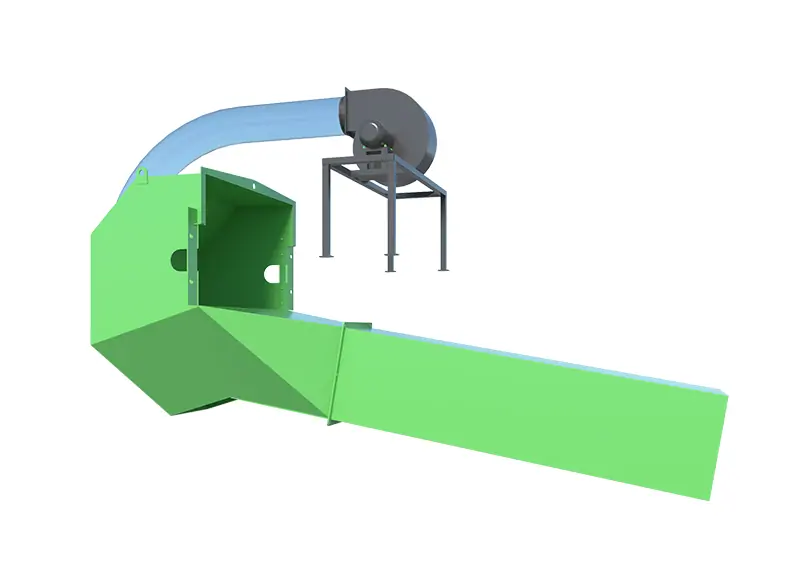
FXD Series Hanging Wind Sifter
The FXD Hanging Wind Sifter is suspended above the conveyor line, minimizing floor space requirements and simplifying integration into existing systems. It is commonly used in plant upgrades where additional separation capacity is needed without major layout modifications.
เหมาะที่สุดสำหรับ: Existing recycling lines, facility upgrades, compact plant layouts.
FXD Series Hanging Wind Sifter Specifications
| รุ่น | Air Pressure (Pa) | Air Volume (m³/h) | Power (kW) | Capacity (m³/h) |
| FXD06 | 790–502 | 3,800 | 5.5 | 20–50 |
| FXD08 | 790–502 | 3,800 | 5.5 | 20–80 |
| FXD10 | 790–502 | 3,800 | 5.5 | 20–100 |

FMX Series Styrofoam Windshifter
A single shaft bag opener is suitable for relatively stable waste streams and medium capacity lines. It provides controlled bag opening and steady feeding for the next process.
This type is common in larger MSW sorting plants and heavy duty waste treatment lines. Compared with a single shaft model, it handles bulky and difficult waste better and is more suitable for continuous heavy load operation.
FMX Series Styrofoam Windshifter Specifications
| รุ่น | Air Pressure (Pa) | Air Volume (m³/h) | Power (kW) | Capacity (m³/h) |
| FMXC6 | 790–502 | 3,800 | 22 | 20–50 |
| FMXC8 | 790–502 | 3,800 | 22 | 20–80 |
| FMX10 | 790–502 | 3,800 | 22 | 20–100 |
Comparison of Different Wind Sifter Models
To help select the right equipment for different recycling applications, the following table compares all major Wind Sifter models based on structure, airflow design, capacity, and application scenarios.
| Series / Model | Structure Type | Airflow Type | Max Feed Size | Capacity Range (m³/h) | Power (kW) |
| Containerized FXZ | Modular container | Positive pressure | ≤300 mm | 50–250 | 15–45 |
| FXG Series | High-density separator | Strong airflow system | ≤300–400 mm | High capacity (industrial scale) | 22–45 |
| FYF Series | Horizontal negative pressure | Horizontal airflow | ≤150 mm | 20–100 | 11–18.5 |
| FXF Series | Vertical negative pressure | Vertical air classification | ≤100 mm | 20–100 | 18.5 |
| FXD Series | Hanging type | Suspended airflow separation | ≤150 mm | 20–100 | 5.5 |
| FMX Series | Foam / EPS special design | Light material optimized airflow | ≤100 mm | 20–100 | 22 |
How to Choose the Right Wind Sifter Equipment?
Choosing the right wind sifter depends on your material type, processing capacity, and plant layout. Henan Xinzhongyi Eco Equipment Co., Ltd. offers customized wind sifter solutions for municipal solid waste, construction waste, plastics, biomass, RDF, and industrial waste. Systems can be configured as standalone units or integrated into a complete sorting line.
Customizable options include:
- Processing capacity (20–250 m³/h)
- Airflow system power and configuration
- Separation intensity adjustment
- Feed and discharge layout
- Containerized or fixed installation
- Dust-proof and sealing options
Provide your project details, material type, required throughput, and site conditions—and our engineering team will recommend the most efficient, tailored solution for your recycling plant.
Why Choose Us as Your Wind Sifter Equipment Supplier?
16+
ปีของประสบการณ์
Henan Xinzhongyi Eco Equipment Co., Ltd. has over 15 years of experience designing and manufacturing wind sifter systems for waste recycling and material separation. Our expertise covers complete solutions, including machine production, process planning, system integration, installation support, and long-term maintenance.
60+
สิทธิบัตรระดับชาติ
We hold more than 60 national patents and are ISO9001 certified, ensuring high-quality equipment and reliable operation. Our wind sifter systems also support remote monitoring and data-driven management, allowing efficient performance tracking and predictive maintenance for recycling plants worldwide.
For most recycling facilities, it is essential to have a system tailored to specific waste streams and plant conditions. We offer comprehensive custom solutions, including engineering design, turnkey production line integration, installation, commissioning, and long-term operational support for municipal solid waste, construction waste, plastic, biomass, and industrial recycling projects.
Frequently Asked Questions
A wind sifter is used to separate light materials such as plastic film, paper, foam, and textiles from heavy waste like stones, metals, and glass using controlled airflow.
It removes lightweight contaminants early in the process, reducing manual sorting and improving the performance of downstream equipment.
It separates plastics, paper, textiles, foam, biomass, and light organics from heavy fractions such as concrete, bricks, and metals.
Yes. They are widely used to remove wood, plastic, and insulation materials from construction and demolition waste streams.
Positive pressure systems push air through materials, while negative pressure systems use suction airflow for more stable and precise separation.
Selection depends on waste type, moisture content, capacity requirements, and plant layout. Customized solutions are recommended.
ติดต่อเรา
เริ่มต้นโครงการที่ปรับแต่งสำหรับคุณวันนี้!
แบ่งปันข้อมูลจำเพาะวัสดุและเป้าหมายการแปรรูปของคุณกับเรา วิศวกรของเราจะจัดทำข้อเสนอทางเทคนิคและการวิเคราะห์ผลตอบแทนการลงทุนที่ปรับแต่งให้เหมาะกับคุณภายใน 24 ชั่วโมง เพื่อช่วยคุณเพิ่มประสิทธิภาพการดำเนินงานการกู้คืนทรัพยากร.
หากคุณสะดวก โทรหาเราที่
ส่งข้อความ
ทีมผู้เชี่ยวชาญของเราพร้อมรับคำถามของคุณ.
98%
ความบริสุทธิ์
บรรลุแล้ว