












设备
风选设备

- 处理能力:30–150 m³/h
- 进料粒度:≤300 mm

- 处理能力:20–100 m³/h
- 风压:1200–1400 Pa
- 风量:2,000–60,000 m³/h
- 风压:20,00–3,500 Pa

- 处理能力:30–150 m³/h
- 风量:8,000–25,000 m³/h
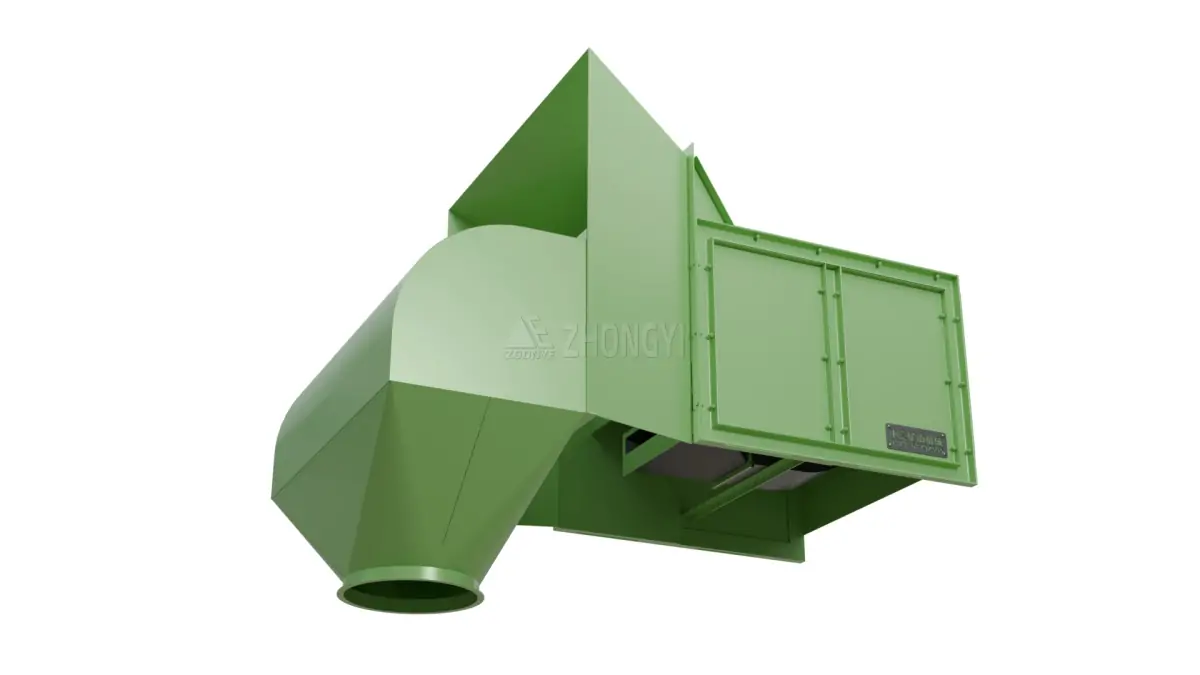
- 处理能力:20–100 m³/h
- 风压:最高 790 Pa
- 电机功率:2.2 kW
- 处理能力:30–150 m³/h
- 风量:8,000–25,000 m³/h
- 风压:1,500–3,000 Pa

- 进料宽度:800mm – 1,400mm。.
- 高处理能力:8 – 80 t/h
什么是风选机?
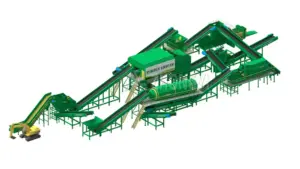
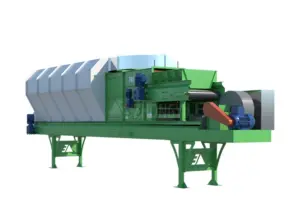
风选机,也称为空气分离器或风力分选机,是一种基于密度的分选系统,利用受控气流将轻质物料与较重物料分离。它广泛应用于废物回收、堆肥处理、建筑垃圾回收和材料回收设施中,以提高产品纯度并减少人工分拣。.
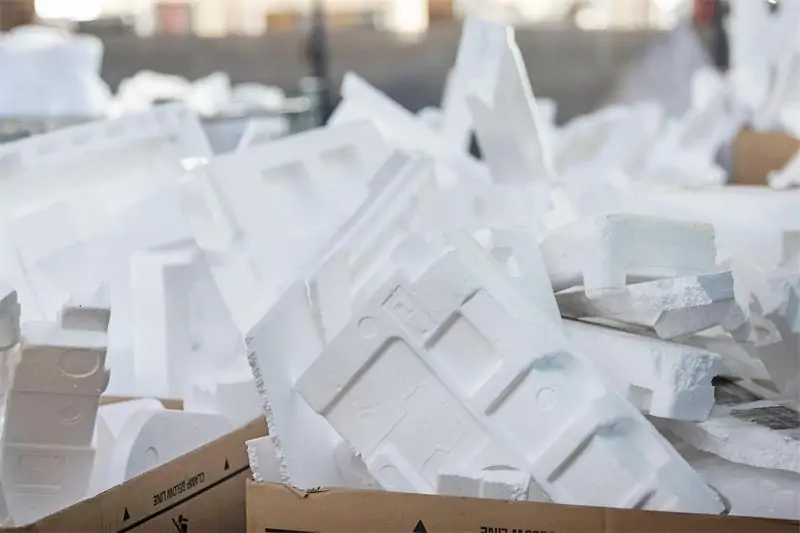
通过结合定向气刀和可调抽吸风机,该设备可高效去除混合废物流中的塑料薄膜、纸张、泡沫和纺织品等轻质杂质。这有助于回收厂提高物料回收率、改善下游处理效率,并产出更洁净的可回收物料。.
核心优势
处理经过预筛分但未完成处理的堆肥、超粒级物料以及含塑料的污染物料
采用定向气刀进行物料分离,并配备可调抽吸系统提取轻质组分
从筛分后的堆肥残渣和混合废物流中去除高达 95% 的轻质塑料、薄膜、箔片、石块和铁质杂质
风选机可以分选哪些物料?
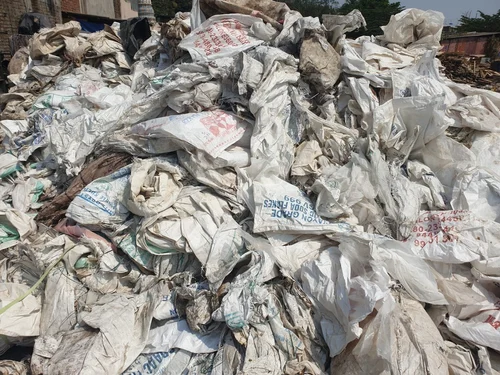
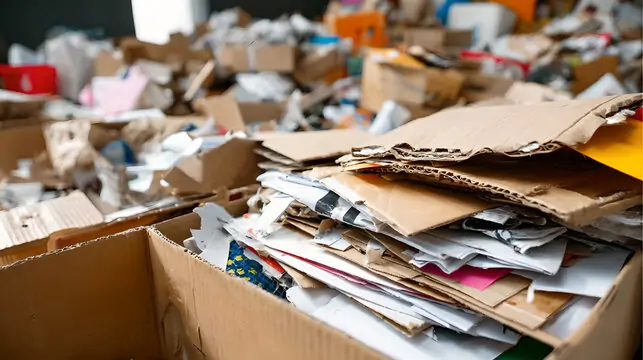
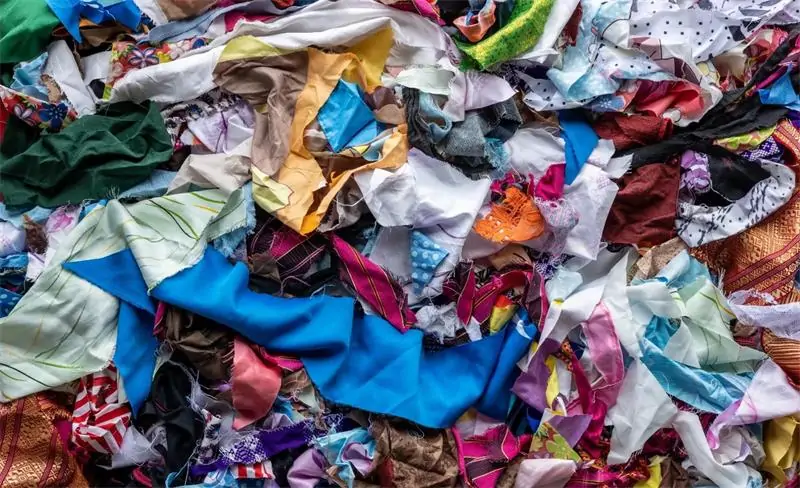
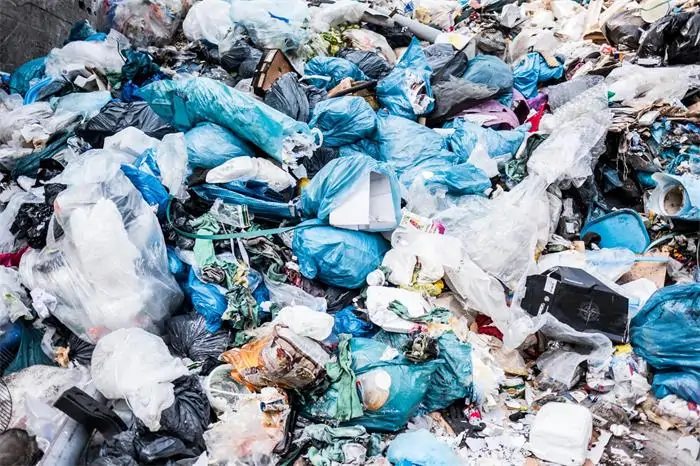
风选机根据密度和空气动力学特性对混合废物进行分选。在回收厂中,它们用于从较重物料中去除轻质杂质,提高产品纯度和回收效率。典型应用包括城市生活垃圾、建筑和拆除垃圾、堆肥精制、生物质处理以及 RDF/SRF 燃料生产。.
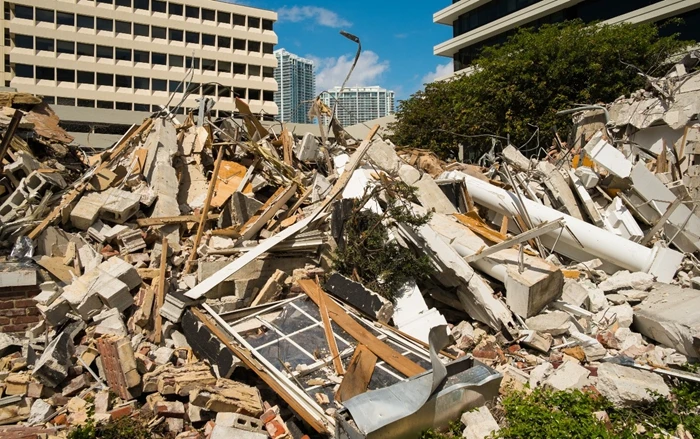
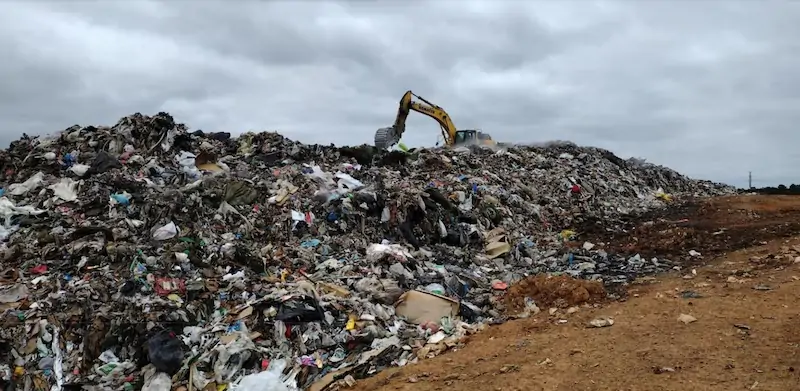
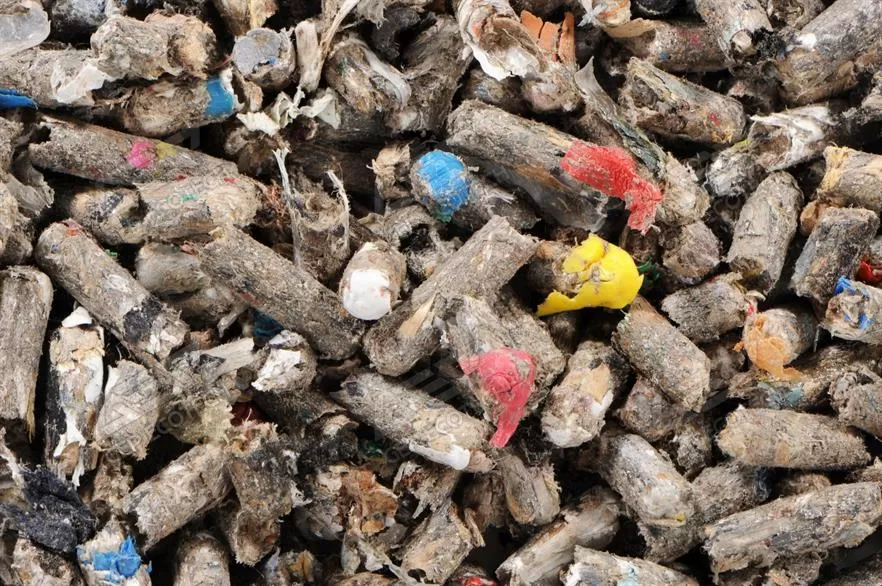
风选设备如何工作?
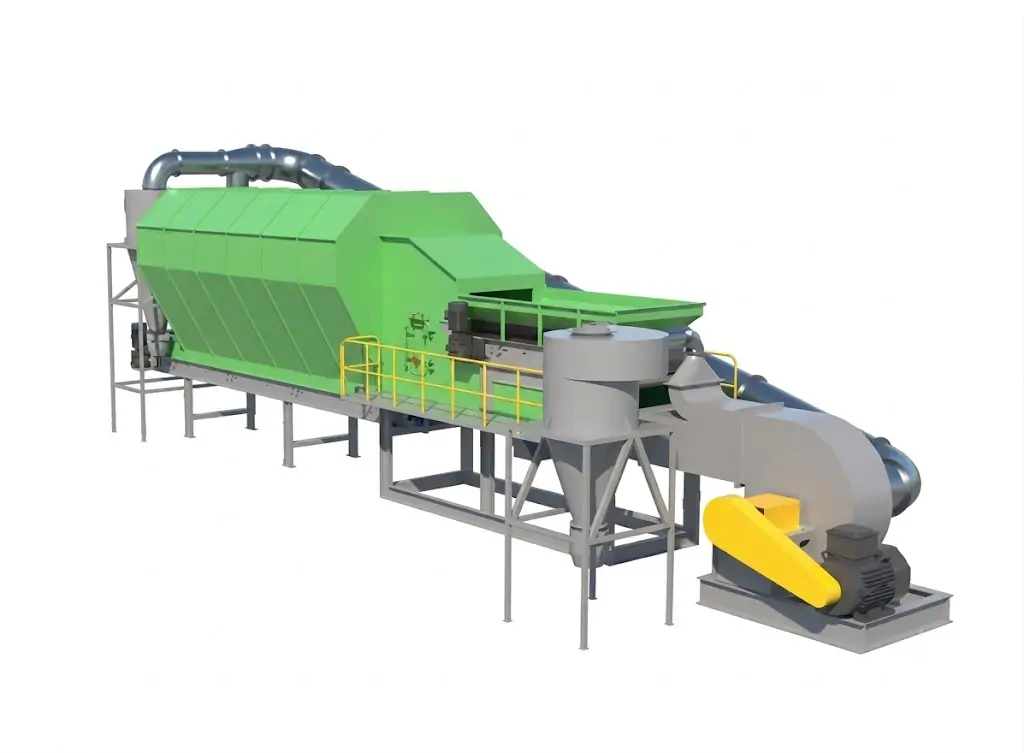
风选机利用空气动力学原理,根据密度差异对物料进行分离。在进入设备之前,混合废物经过破碎和除杂预处理,产生均匀的粒度以提高分选精度。随后物料被均匀送入风选机的分选区域进行气流分选。.
核心分离依赖于配备风机和可调风道的可控气流系统。塑料薄膜、纸张和纺织品等轻质物料被提升并输送至轻质组分收集区,而砖块、混凝土和金属等重质物料则依靠重力落入重质组分收集区。先进型号可能包含二次分选或自动化控制,以提高分选效率。.
关键分选因素包括物料密度、粒度、风速、含水率和形状特征。.
风选设备在废物回收中为何重要?
风选设备在现代回收系统中发挥着关键作用,可分离难以通过筛分、磁选或人工分拣去除的轻质物料。它提高物料回收率、降低运营成本,并有助于构建更高效的回收流程。.
应用:
Henan Xinzhongyi Eco Equipment Co., Ltd. 在风选设备和回收解决方案领域拥有超过 15 年的经验。我们为 MSW、C&D 废物、堆肥、生物质和工业废物处理提供定制化系统。我们的工程团队根据物料特性、产能和工厂布局设计高效的气流分选解决方案,帮助客户提高物料纯度、回收效率和整体回收性能。.
风选设备类型
不同的废物流需要不同的气流配置和分选方法。Xinzhongyi ECO 提供多种风选机设计,以满足城市生活垃圾、建筑垃圾、堆肥、生物质和塑料回收设施的需求。.
集装箱式风选机
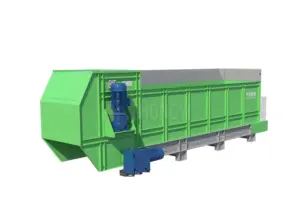
集装箱式风选机是一种模块化空气分选单元,构建于集装箱结构内部。它可以快速运输、安装和调试,土建工作量极少。紧凑的设计使其适用于临时回收场地、移动式废物处理厂以及需要灵活性和快速部署的偏远项目。.
最适合: 移动式回收厂、临时设施、偏远项目。.
集装箱式风选机规格
| 型号 | 进料宽度 (mm) | 入料粒度 (mm) | 生活垃圾处理能力 (t/h) | 混合废物处理能力 (t/h) | 电机功率(kW) |
| FXJ1000 | 800 | 120 | 8-12 | 8-40 | 30-45 |
| FXJ1200 | 1000 | 200 | 12-16 | 12-50 | 45-75 |
| FXJ1400 | 1200 | 300 | 15-25 | 15-60 | 75-110 |
| FXJ1600 | 1400 | 450 | 25-30 | 25-80 | 110-160 |
综合式风选回收机
该一体化风选系统将物料给料、气流分选和收集功能集成于单一设备中。其设计支持连续运行和高处理能力,适用于处理多种物料流的大型废弃物分选设施。.
最适合: MSW 分选厂、材料回收设施(MRF)、大型回收中心。.
综合风选回收机规格
| 型号 | 风压(Pa) | 风量(m³/h) | 最大进料尺寸(mm) | 功率(kW) | 产能(m³/h) |
| FXZ1000 | 1,800–2,800 | 10,000–20,000 | ≤300 | 15–22 | 50–100 |
| FXZ1200 | 2,000–3,000 | 12,000–25,000 | ≤300 | 15–30 | 60–150 |
| FXZ1400 | 2,000–3,500 | 30,000–40,000 | ≤300 | 15–37 | 70–200 |
| FXZ1600 | 2,000–3,500 | 30,000–40,000 | ≤300 | 15–45 | 80–250 |

FXG系列高密度风选机
FXG系列专为高精度分离重型混合废物流而设计。其强劲的气流系统可有效去除骨料、建筑垃圾和工业废物中的轻质杂质,产出更洁净的重质组分以供进一步回收利用。.
最适合: 建筑垃圾、工业废物、重型混合废物回收。.
FXG系列高密度风选机规格
| 型号 | 风压(Pa) | 风量(m³/h) | 最大进料尺寸(mm) | 功率(kW) |
| FXG1000 | 2,000–3,000 | 20,000–30,000 | ≤300 | 22–30 |
| FXG1200 | 2,500–3,500 | 25,000–35,000 | ≤300 | 22–37 |
| FXG1400 | 2,000–3,500 | 30,000–40,000 | ≤400 | 22–37 |
| FXG1600 | 2,000–3,500 | 30,000–40,000 | ≤400 | 22–45 |
FYF系列水平负压风选机
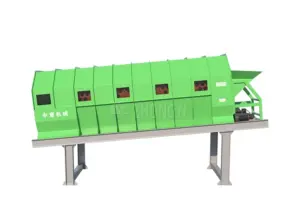
FYF系列采用水平负压气流设计,形成稳定的分选过程。该系列特别适用于从混合废物流中去除塑料薄膜、纸张、纺织品及其他轻质杂质,同时保持高处理能力。.
最适合: C&D 废物回收、MSW 预处理、薄膜与纸张分离。.

FYF系列水平负压风选机规格
| 型号 | 风压(Pa) | 风量(m³/h) | 最大进料尺寸(mm) | 功率(kW) | 产能(m³/h) |
| FYF08 | 1,200–1,400 | 26,700–37,000 | ≤150 | 11–18.5 | 20–50 |
| FYF10 | 1,200–1,400 | 26,700–37,000 | ≤150 | 11–18.5 | 20–80 |
| FYF12 | 1,200–1,400 | 26,700–37,000 | ≤150 | 11–18.5 | 20–100 |

FXF系列垂直负压风选机
FXF系列采用垂直气流结构,在紧凑的占地面积内实现高效的密度分选。其节省空间的设计便于集成到现有回收生产线中,同时保持可靠的分选性能。.
最适合: 安装空间有限的回收厂及改造项目。.
FXF系列垂直负压风选机规格
| 型号 | 风压(Pa) | 风量(m³/h) | 最大进料尺寸(mm) | 功率(kW) | 产能(m³/h) |
| FXF08 | 1,200–1,400 | 26,700–37,000 | ≤100 | 18.5 | 20–50 |
| FXF10 | 1,200–1,400 | 26,700–37,000 | ≤100 | 18.5 | 20–80 |
| FXF12 | 1,200–1,400 | 26,700–37,000 | ≤100 | 18.5 | 20–100 |
FXD系列悬挂式风选机
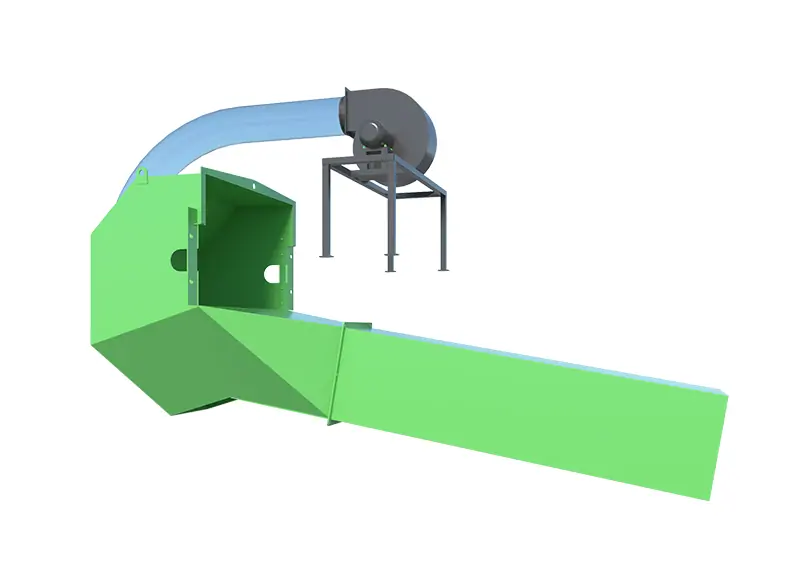
FXD悬挂式风选机悬挂于输送线上方,最大限度减少占地面积,简化与现有系统的集成。该设备常用于工厂升级改造,在无需大幅调整布局的情况下增加分选能力。.
最适合: 现有回收生产线、设施升级、紧凑型工厂布局。.
FXD系列悬挂式风选机规格
| 型号 | 风压(Pa) | 风量(m³/h) | 功率(kW) | 产能(m³/h) |
| FXD06 | 790–502 | 3,800 | 5.5 | 20–50 |
| FXD08 | 790–502 | 3,800 | 5.5 | 20–80 |
| FXD10 | 790–502 | 3,800 | 5.5 | 20–100 |

FMX系列泡沫塑料风选机
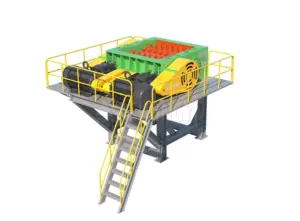
单轴破袋机适用于相对稳定的废物流和中等产能生产线。它提供可控的破袋和稳定进料,为下一工序做好准备。.
该机型常见于大型MSW分选厂和重型废物处理线。与单轴机型相比,它能更好地处理大件和难处理废物,更适合连续重载运行。.
FMX系列泡沫塑料风选机规格
| 型号 | 风压(Pa) | 风量(m³/h) | 功率(kW) | 产能(m³/h) |
| FMXC6 | 790–502 | 3,800 | 22 | 20–50 |
| FMXC8 | 790–502 | 3,800 | 22 | 20–80 |
| FMX10 | 790–502 | 3,800 | 22 | 20–100 |
不同风选机型号对比
To help select the right equipment for different recycling applications, the following table compares all major Wind Sifter models based on structure, airflow design, capacity, and application scenarios.
| Series / Model | Structure Type | Airflow Type | Max Feed Size | Capacity Range (m³/h) | 功率(kW) |
| Containerized FXZ | Modular container | Positive pressure | ≤300 mm | 50–250 | 15–45 |
| FXG Series | High-density separator | Strong airflow system | ≤300–400 mm | High capacity (industrial scale) | 22–45 |
| FYF Series | Horizontal negative pressure | Horizontal airflow | ≤150 mm | 20–100 | 11–18.5 |
| FXF Series | Vertical negative pressure | Vertical air classification | ≤100 mm | 20–100 | 18.5 |
| FXD Series | Hanging type | Suspended airflow separation | ≤150 mm | 20–100 | 5.5 |
| FMX Series | Foam / EPS special design | Light material optimized airflow | ≤100 mm | 20–100 | 22 |
How to Choose the Right Wind Sifter Equipment?
Choosing the right wind sifter depends on your material type, processing capacity, and plant layout. Henan Xinzhongyi Eco Equipment Co., Ltd. offers customized wind sifter solutions for municipal solid waste, construction waste, plastics, biomass, RDF, and industrial waste. Systems can be configured as standalone units or integrated into a complete sorting line.
Customizable options include:
- Processing capacity (20–250 m³/h)
- Airflow system power and configuration
- Separation intensity adjustment
- Feed and discharge layout
- Containerized or fixed installation
- Dust-proof and sealing options
Provide your project details, material type, required throughput, and site conditions—and our engineering team will recommend the most efficient, tailored solution for your recycling plant.
Why Choose Us as Your Wind Sifter Equipment Supplier?
16+
年经验
Henan Xinzhongyi Eco Equipment Co., Ltd. has over 15 years of experience designing and manufacturing wind sifter systems for waste recycling and material separation. Our expertise covers complete solutions, including machine production, process planning, system integration, installation support, and long-term maintenance.
60+
国家专利
We hold more than 60 national patents and are ISO9001 certified, ensuring high-quality equipment and reliable operation. Our wind sifter systems also support remote monitoring and data-driven management, allowing efficient performance tracking and predictive maintenance for recycling plants worldwide.
For most recycling facilities, it is essential to have a system tailored to specific waste streams and plant conditions. We offer comprehensive custom solutions, including engineering design, turnkey production line integration, installation, commissioning, and long-term operational support for municipal solid waste, construction waste, plastic, biomass, and industrial recycling projects.
Frequently Asked Questions
A wind sifter is used to separate light materials such as plastic film, paper, foam, and textiles from heavy waste like stones, metals, and glass using controlled airflow.
It removes lightweight contaminants early in the process, reducing manual sorting and improving the performance of downstream equipment.
It separates plastics, paper, textiles, foam, biomass, and light organics from heavy fractions such as concrete, bricks, and metals.
Yes. They are widely used to remove wood, plastic, and insulation materials from construction and demolition waste streams.
Positive pressure systems push air through materials, while negative pressure systems use suction airflow for more stable and precise separation.
Selection depends on waste type, moisture content, capacity requirements, and plant layout. Customized solutions are recommended.
联系我们
立即启动您的定制化项目!
请与我们分享您的物料规格和处理目标。我们的工程师将在24小时内提供量身定制的技术方案和投资回报分析,帮助您优化资源回收运营。.
如果您愿意,请致电我们
发送消息
我们的专家团队期待您的咨询。.
98%
纯度
达成