












Ausrüstung
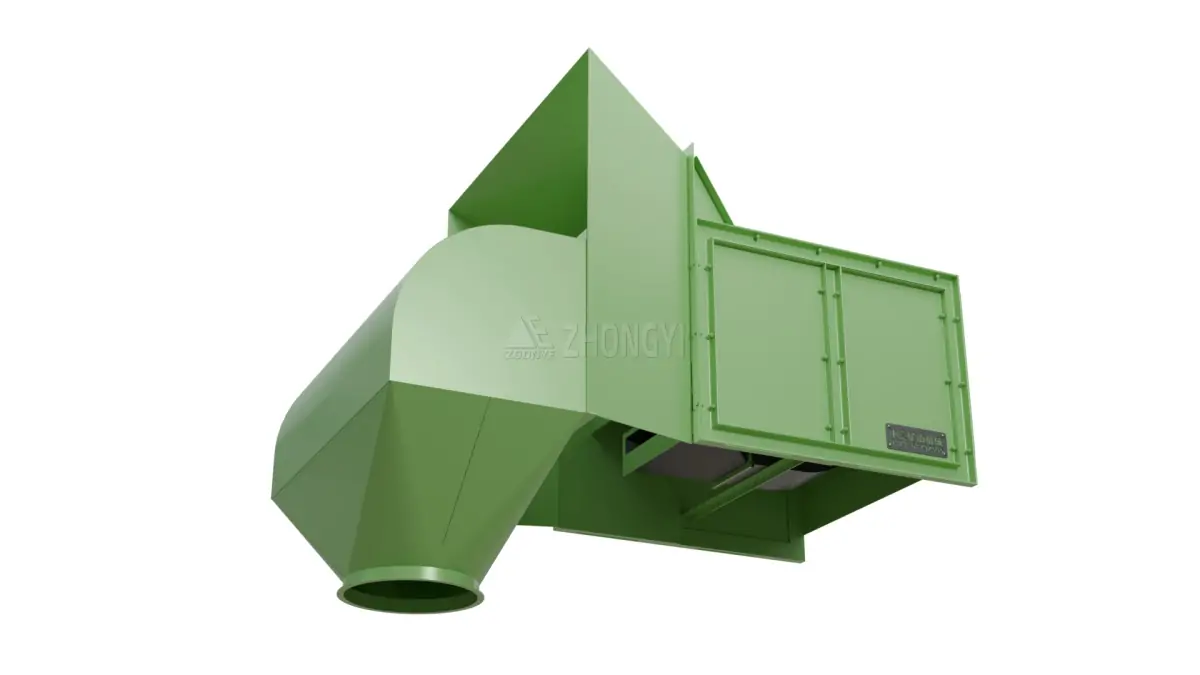
Windsichter-Ausrüstung

- Verarbeitungskapazität: 30–150 m³/h
- Aufgabekorngröße: ≤300 mm

- Verarbeitungskapazität: 20–100 m³/h
- Winddruck: 1200–1400 Pa
- Luftvolumenstrom: 2.000–60.000 m³/h
- Winddruck: 20,00–3.500 Pa

- Verarbeitungskapazität: 30–150 m³/h
- Luftvolumenstrom: 8.000–25.000 m³/h
- Verarbeitungskapazität: 20–100 m³/h
- Winddruck: bis zu 790 Pa
- Motorleistung: 2,2 kW
- Kapazität: 30–150 m³/h
- Luftvolumenstrom: 8.000–25.000 m³/h
- Winddruck: 1.500–3.000 Pa

- Aufgabebreite: 800 mm – 1.400 mm.
- Hohe Kapazität: 8 – 80 t/h
Was ist eine Windsichtermaschine?
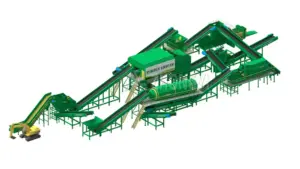
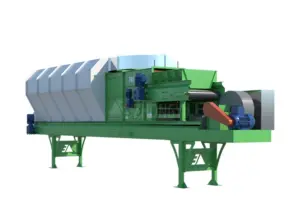
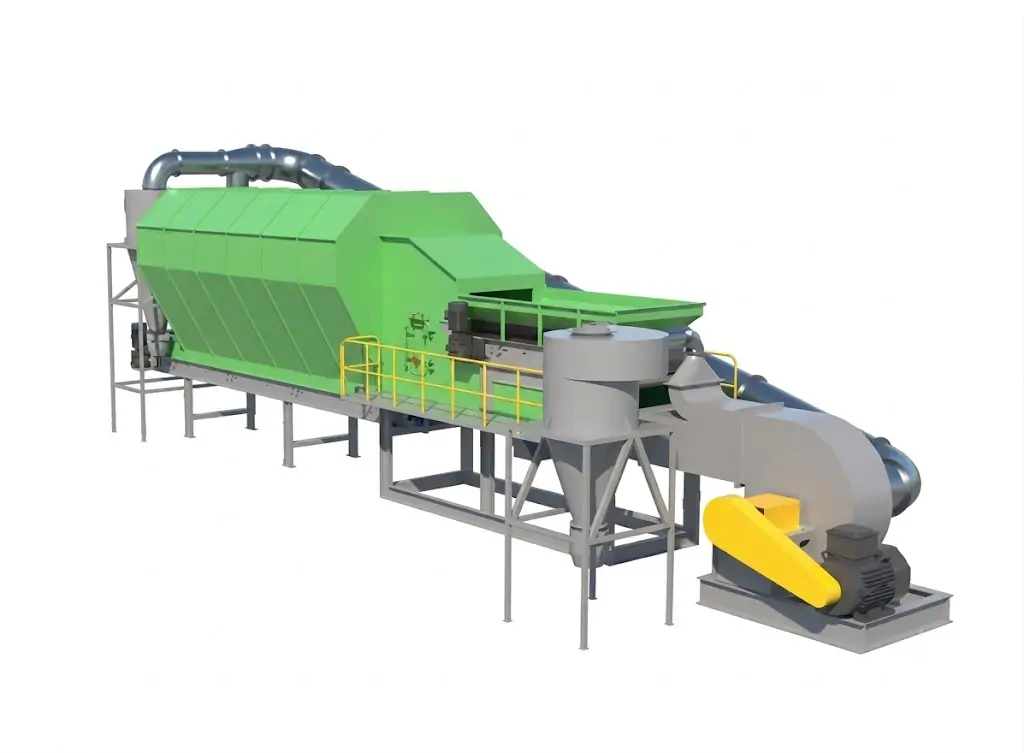
Eine Windsichtermaschine, auch bekannt als Luftseparator oder Windsichter, ist ein dichtebasiertes Trennsystem, das einen kontrollierten Luftstrom nutzt, um leichte Materialien von schwereren Fraktionen zu trennen. Sie wird häufig in der Abfallverwertung, der Kompostaufbereitung, dem Recycling von Bauschutt und in Materialrückgewinnungsanlagen eingesetzt, um die Produktreinheit zu verbessern und die manuelle Sortierung zu reduzieren.
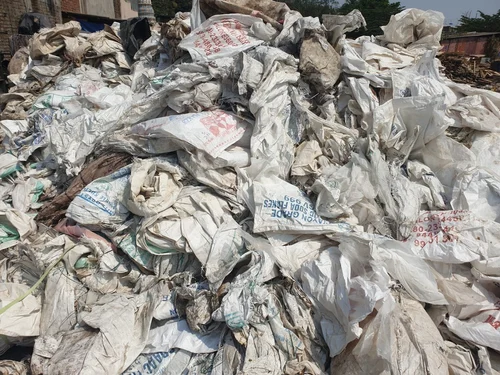
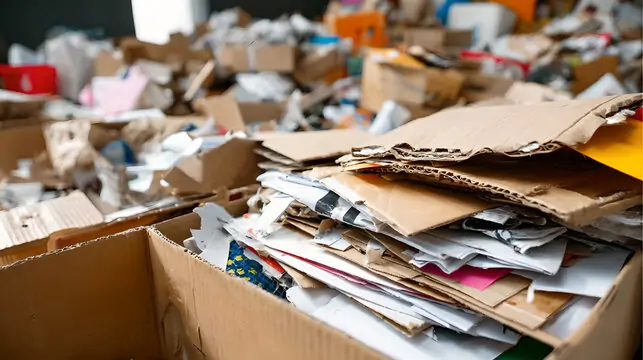
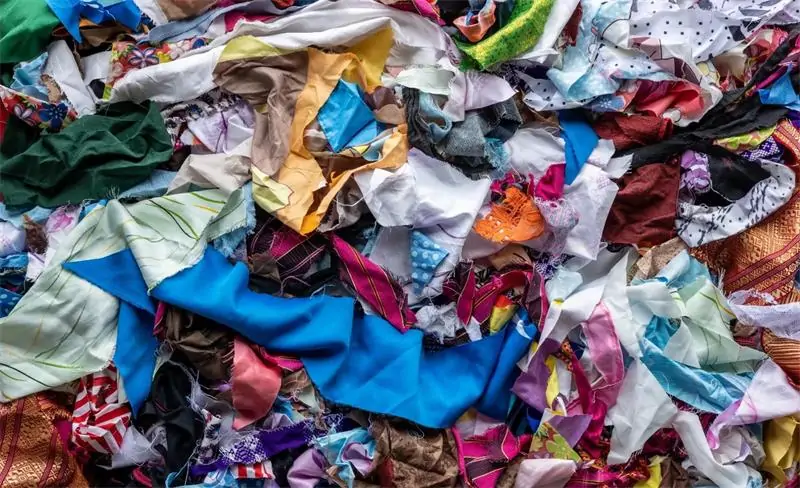
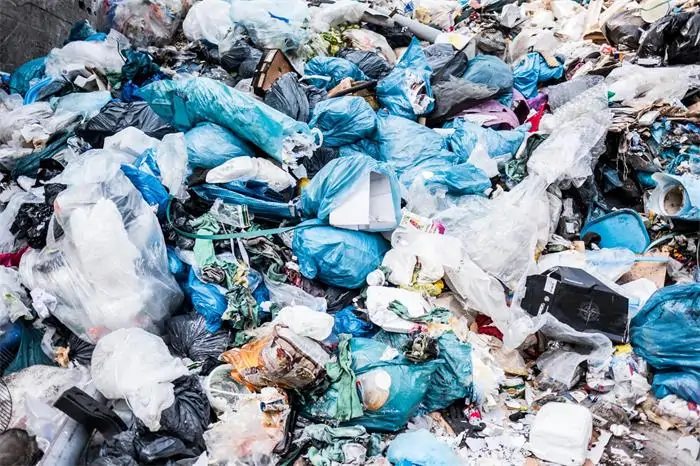
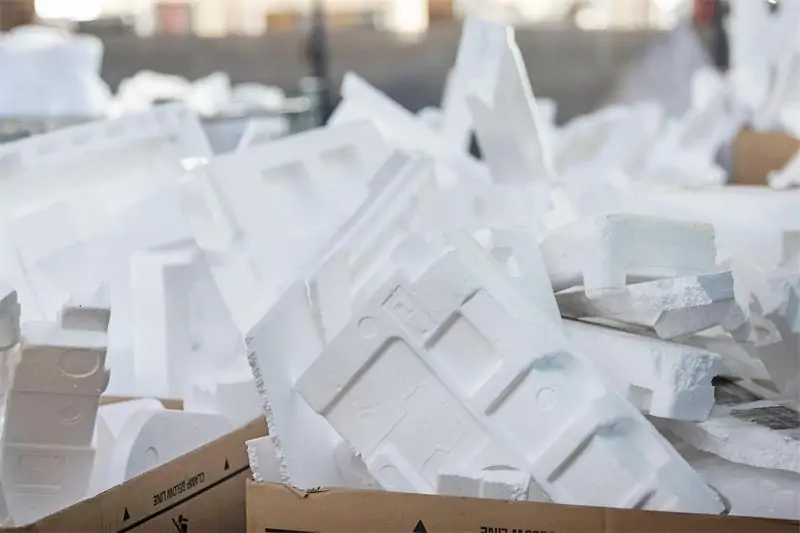
Durch die Kombination eines gerichteten Luftmessers und eines verstellbaren Saugventilators entfernt die Maschine effizient leichte Verunreinigungen wie Plastikfolie, Papier, Schaumstoff und Textilien aus gemischten Abfallströmen. Dies hilft Recyclinganlagen, die Materialrückgewinnungsraten zu erhöhen, die Effizienz der nachgelagerten Verarbeitung zu verbessern und sauberere recycelbare Materialien zu produzieren.
Hauptvorteile
Verarbeitet vorgesiebten, aber noch nicht fertigen Kompost, Überkornfraktionen und mit Kunststoffen verunreinigte Materialien
Verwendet ein gerichtetes Luftmesser zur Materialtrennung und ein verstellbares Absaugsystem zur Extraktion von Leichtfraktionen
Entfernt bis zu 95% leichte Kunststoffe, Folien, Metallfolien, Steine und eisenhaltige Verunreinigungen aus gesiebten Kompostrückständen und gemischten Abfallströmen
Welche Materialien können mit einer Windsichtermaschine getrennt werden?
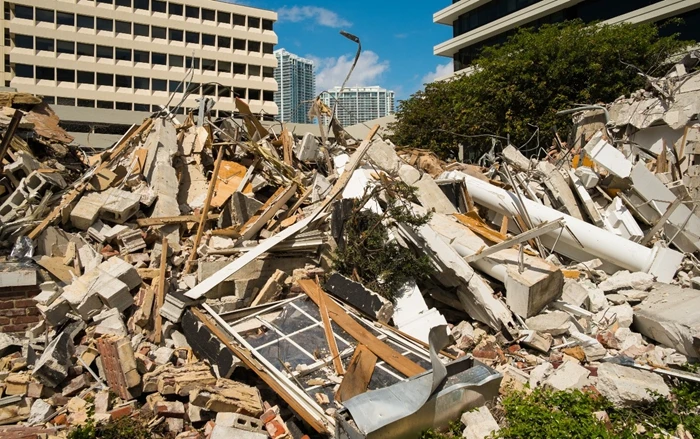
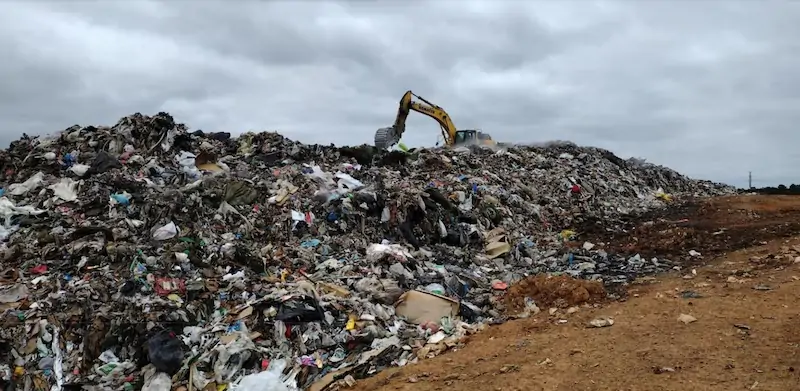
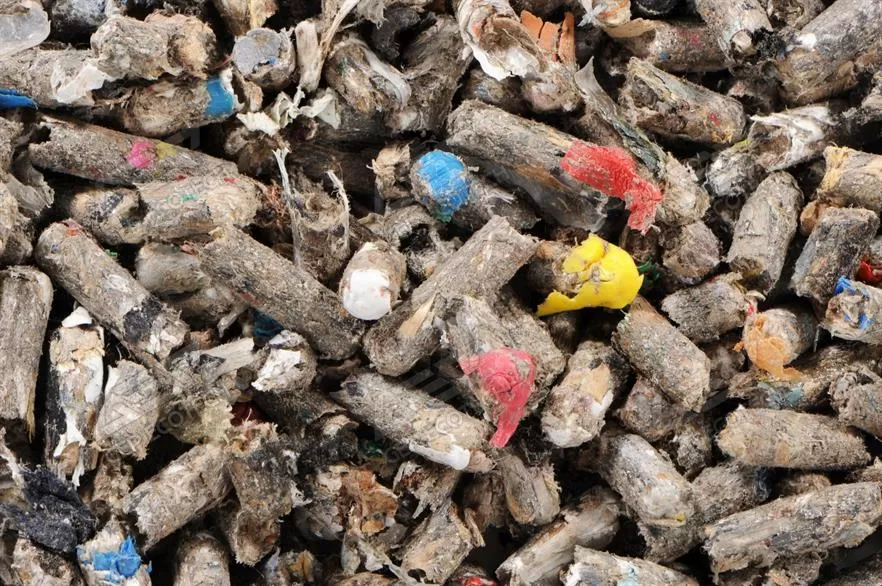
Windsichter trennen gemischten Abfall nach Dichte und aerodynamischen Eigenschaften. In Recyclinganlagen werden sie eingesetzt, um leichte Verunreinigungen aus schwereren Materialien zu entfernen und so die Produktreinheit und die Rückgewinnungseffizienz zu verbessern. Typische Anwendungen umfassen Siedlungsabfälle, Bau- und Abbruchabfälle, Kompostveredelung, Biomasseverarbeitung und die Herstellung von RDF/SRF-Brennstoff.
Wie funktioniert eine Windsichteranlage?
Windsichter nutzen aerodynamische Prinzipien, um Materialien anhand von Dichteunterschieden zu trennen. Vor dem Eintritt in die Maschine wird gemischter Abfall durch Zerkleinerung und Entfernung von Verunreinigungen vorbehandelt, wodurch eine gleichmäßige Partikelgröße entsteht, die die Trenngenauigkeit verbessert. Das Material wird dann gleichmäßig in den Sortierbereich des Sichters aufgegeben, um eine luftstrombasierte Trennung zu ermöglichen.
Die Kerntrennung beruht auf einem steuerbaren Luftstromsystem mit Ventilatoren und verstellbaren Luftkanälen. Leichte Materialien wie Plastikfolien, Papier und Textilien werden angehoben und in die Leichtfraktionssammlung befördert, während schwere Gegenstände wie Ziegel, Beton und Metalle durch die Schwerkraft in die Schwerfraktionssammlung fallen. Fortschrittliche Modelle können eine Nachsortierung oder eine automatisierte Steuerung umfassen, um die Trenneffizienz zu erhöhen.
Wesentliche Trennfaktoren sind Materialdichte, Partikelgröße, Luftgeschwindigkeit, Feuchtigkeitsgehalt und Formeigenschaften.
Warum ist eine Windsichteranlage im Abfallrecycling wichtig?
Windsichteranlagen spielen eine Schlüsselrolle in modernen Recyclingsystemen, indem sie leichte Materialien trennen, die durch Siebung, Magnetabscheidung oder manuelle Sortierung nur schwer zu entfernen sind. Sie verbessern die Materialrückgewinnung, senken die Betriebskosten und tragen zu einem effizienteren Recyclingprozess bei.
Anwendung:
Henan Xinzhongyi Eco Equipment Co., Ltd. verfügt über mehr als 15 Jahre Erfahrung in Windsichteranlagen und Recyclinglösungen. Wir bieten maßgeschneiderte Systeme für die Verarbeitung von MSW-, C&D-Abfällen, Kompost, Biomasse und Industrieabfällen. Unser Engineering-Team entwickelt effiziente Luftstromtrennungslösungen basierend auf Materialeigenschaften, Kapazität und Anlagenlayout, um Kunden dabei zu helfen, Materialreinheit, Rückgewinnungseffizienz und die gesamte Recyclingleistung zu verbessern.
Arten von Windsichteranlagen
Unterschiedliche Abfallströme erfordern unterschiedliche Luftstromkonfigurationen und Trennverfahren. Xinzhongyi ECO bietet mehrere Windsichterdesigns an, um die Anforderungen von Anlagen für Siedlungsabfälle, Bauabfälle, Kompost, Biomasse und Kunststoffrecycling zu erfüllen.
Container-Windsichter
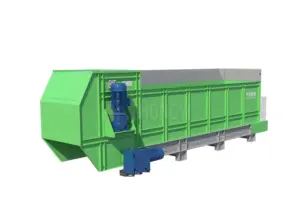
Der containerisierte Windsichter ist eine modulare Lufttrenneinheit, die in einer containerisierten Struktur untergebracht ist. Er kann schnell transportiert, installiert und in Betrieb genommen werden, mit minimalen Tiefbauarbeiten. Das kompakte Design macht ihn geeignet für temporäre Recyclingstandorte, mobile Abfallbehandlungsanlagen und abgelegene Projekte, bei denen Flexibilität und schneller Einsatz gefordert sind.
Am besten geeignet für: Mobile Recyclinganlagen, temporäre Einrichtungen, abgelegene Projekte.
Spezifikationen der containerisierten Windsichtermaschine
| Modell | Aufgabebreite (mm) | Einlasspartikelgröße (mm) | Behandlungskapazität für Haushaltsabfälle (t/h) | Behandlungskapazität für gemischte Abfälle (t/h) | Motorleistung (kW) |
| FXJ1000 | 800 | 120 | 8-12 | 8-40 | 30-45 |
| FXJ1200 | 1000 | 200 | 12-16 | 12-50 | 45-75 |
| FXJ1400 | 1200 | 300 | 15-25 | 15-60 | 75-110 |
| FXJ1600 | 1400 | 450 | 25-30 | 25-80 | 110-160 |
Umfassende Windsichter-Recyclingmaschine
This integrated wind separation system combines material feeding, airflow separation, and collection functions into a single unit. It is designed for continuous operation and high processing capacity, making it suitable for large-scale waste sorting facilities handling multiple material streams.
Am besten geeignet für: MSW sorting plants, material recovery facilities (MRFs), large recycling centers.
Comprehensive Windshifter Recycling Machine Specifications
| Modell | Air Pressure (Pa) | Air Volume (m³/h) | Max. Feed Size (mm) | Leistung (kW) | Capacity (m³/h) |
| FXZ1000 | 1,800–2,800 | 10,000–20,000 | ≤300 | 15–22 | 50–100 |
| FXZ1200 | 2,000–3,000 | 12,000–25,000 | ≤300 | 15–30 | 60–150 |
| FXZ1400 | 2,000–3,500 | 30,000–40,000 | ≤300 | 15–37 | 70–200 |
| FXZ1600 | 2,000–3,500 | 30,000–40,000 | ≤300 | 15–45 | 80–250 |

Hochdichter Windsichter der Baureihe FXG
The FXG Series is designed for separating heavy mixed waste streams with high precision. Its powerful airflow system enables effective removal of light contaminants from aggregates, construction debris, and industrial waste, producing cleaner heavy fractions for further recycling.
Am besten geeignet für: Construction waste, industrial waste, heavy mixed waste recycling.
FXG Series High Density Wind shifter Specifications
| Modell | Air Pressure (Pa) | Air Volume (m³/h) | Max. Feed Size (mm) | Leistung (kW) |
| FXG1000 | 2,000–3,000 | 20,000–30,000 | ≤300 | 22–30 |
| FXG1200 | 2,500–3,500 | 25,000–35,000 | ≤300 | 22–37 |
| FXG1400 | 2,000–3,500 | 30,000–40,000 | ≤400 | 22–37 |
| FXG1600 | 2,000–3,500 | 30,000–40,000 | ≤400 | 22–45 |
FYF Series Horizontal Negative Pressure Wind Sifter
The FYF Series uses a horizontal negative-pressure airflow design to create a stable separation process. It is particularly effective at removing plastic films, paper, textiles, and other lightweight contaminants from mixed waste streams while maintaining high throughput.
Am besten geeignet für: C&D waste recycling, MSW pretreatment, film and paper separation.

FYF Series Horizontal Negative Pressure Wind Sifter Specifications
| Modell | Air Pressure (Pa) | Air Volume (m³/h) | Max. Feed Size (mm) | Leistung (kW) | Capacity (m³/h) |
| FYF08 | 1,200–1,400 | 26,700–37,000 | ≤150 | 11–18.5 | 20–50 |
| FYF10 | 1,200–1,400 | 26,700–37,000 | ≤150 | 11–18.5 | 20–80 |
| FYF12 | 1,200–1,400 | 26,700–37,000 | ≤150 | 11–18.5 | 20–100 |

FXF Series Vertical Negative Pressure Wind Sifter
The FXF Series features a vertical airflow structure that delivers efficient density separation within a compact footprint. Its space-saving design makes it easy to integrate into existing recycling lines while maintaining reliable separation performance.
Am besten geeignet für: Recycling plants with limited installation space and retrofit projects.
FXF Series Vertical Negative Pressure Wind Sifter Specifications
| Modell | Air Pressure (Pa) | Air Volume (m³/h) | Max. Feed Size (mm) | Leistung (kW) | Capacity (m³/h) |
| FXF08 | 1,200–1,400 | 26,700–37,000 | ≤100 | 18.5 | 20–50 |
| FXF10 | 1,200–1,400 | 26,700–37,000 | ≤100 | 18.5 | 20–80 |
| FXF12 | 1,200–1,400 | 26,700–37,000 | ≤100 | 18.5 | 20–100 |
FXD Series Hanging Wind Sifter
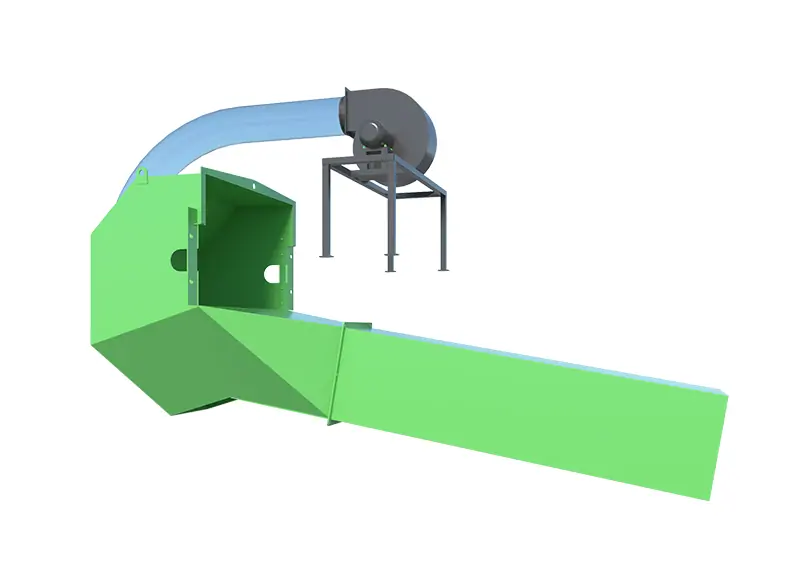
The FXD Hanging Wind Sifter is suspended above the conveyor line, minimizing floor space requirements and simplifying integration into existing systems. It is commonly used in plant upgrades where additional separation capacity is needed without major layout modifications.
Am besten geeignet für: Existing recycling lines, facility upgrades, compact plant layouts.
FXD Series Hanging Wind Sifter Specifications
| Modell | Air Pressure (Pa) | Air Volume (m³/h) | Leistung (kW) | Capacity (m³/h) |
| FXD06 | 790–502 | 3,800 | 5.5 | 20–50 |
| FXD08 | 790–502 | 3,800 | 5.5 | 20–80 |
| FXD10 | 790–502 | 3,800 | 5.5 | 20–100 |

FMX Series Styrofoam Windshifter
A single shaft bag opener is suitable for relatively stable waste streams and medium capacity lines. It provides controlled bag opening and steady feeding for the next process.
This type is common in larger MSW sorting plants and heavy duty waste treatment lines. Compared with a single shaft model, it handles bulky and difficult waste better and is more suitable for continuous heavy load operation.
FMX Series Styrofoam Windshifter Specifications
| Modell | Air Pressure (Pa) | Air Volume (m³/h) | Leistung (kW) | Capacity (m³/h) |
| FMXC6 | 790–502 | 3,800 | 22 | 20–50 |
| FMXC8 | 790–502 | 3,800 | 22 | 20–80 |
| FMX10 | 790–502 | 3,800 | 22 | 20–100 |
Comparison of Different Wind Sifter Models
To help select the right equipment for different recycling applications, the following table compares all major Wind Sifter models based on structure, airflow design, capacity, and application scenarios.
| Series / Model | Structure Type | Airflow Type | Max Feed Size | Capacity Range (m³/h) | Leistung (kW) |
| Containerized FXZ | Modular container | Positive pressure | ≤300 mm | 50–250 | 15–45 |
| FXG Series | High-density separator | Strong airflow system | ≤300–400 mm | High capacity (industrial scale) | 22–45 |
| FYF Series | Horizontal negative pressure | Horizontal airflow | ≤150 mm | 20–100 | 11–18.5 |
| FXF Series | Vertical negative pressure | Vertical air classification | ≤100 mm | 20–100 | 18.5 |
| FXD Series | Hanging type | Suspended airflow separation | ≤150 mm | 20–100 | 5.5 |
| FMX Series | Foam / EPS special design | Light material optimized airflow | ≤100 mm | 20–100 | 22 |
How to Choose the Right Wind Sifter Equipment?
Choosing the right wind sifter depends on your material type, processing capacity, and plant layout. Henan Xinzhongyi Eco Equipment Co., Ltd. offers customized wind sifter solutions for municipal solid waste, construction waste, plastics, biomass, RDF, and industrial waste. Systems can be configured as standalone units or integrated into a complete sorting line.
Customizable options include:
- Processing capacity (20–250 m³/h)
- Airflow system power and configuration
- Separation intensity adjustment
- Feed and discharge layout
- Containerized or fixed installation
- Dust-proof and sealing options
Provide your project details, material type, required throughput, and site conditions—and our engineering team will recommend the most efficient, tailored solution for your recycling plant.
Why Choose Us as Your Wind Sifter Equipment Supplier?
16+
Jahre Erfahrung
Henan Xinzhongyi Eco Equipment Co., Ltd. has over 15 years of experience designing and manufacturing wind sifter systems for waste recycling and material separation. Our expertise covers complete solutions, including machine production, process planning, system integration, installation support, and long-term maintenance.
60+
National Patents
We hold more than 60 national patents and are ISO9001 certified, ensuring high-quality equipment and reliable operation. Our wind sifter systems also support remote monitoring and data-driven management, allowing efficient performance tracking and predictive maintenance for recycling plants worldwide.
For most recycling facilities, it is essential to have a system tailored to specific waste streams and plant conditions. We offer comprehensive custom solutions, including engineering design, turnkey production line integration, installation, commissioning, and long-term operational support for municipal solid waste, construction waste, plastic, biomass, and industrial recycling projects.
Frequently Asked Questions
A wind sifter is used to separate light materials such as plastic film, paper, foam, and textiles from heavy waste like stones, metals, and glass using controlled airflow.
It removes lightweight contaminants early in the process, reducing manual sorting and improving the performance of downstream equipment.
It separates plastics, paper, textiles, foam, biomass, and light organics from heavy fractions such as concrete, bricks, and metals.
Yes. They are widely used to remove wood, plastic, and insulation materials from construction and demolition waste streams.
Positive pressure systems push air through materials, while negative pressure systems use suction airflow for more stable and precise separation.
Selection depends on waste type, moisture content, capacity requirements, and plant layout. Customized solutions are recommended.
Kontaktieren Sie uns
Starten Sie noch heute Ihr individuelles Projekt!
Teilen Sie uns Ihre Materialspezifikationen und Verarbeitungsziele mit. Unsere Ingenieure erstellen innerhalb von 24 Stunden einen maßgeschneiderten technischen Vorschlag und eine ROI-Analyse, um Ihnen bei der Optimierung Ihrer Ressourcenrückgewinnungsprozesse zu helfen.
Wenn Sie bevorzugen, rufen Sie uns an unter
Nachricht senden
Unser Expertenteam erwartet Ihre Anfrage.
98%
Reinheit
Erreicht