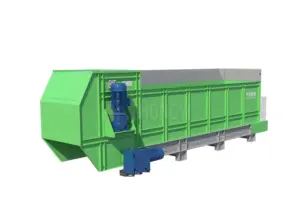
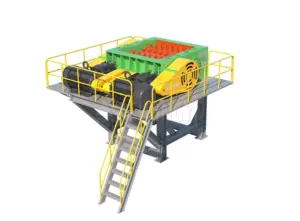
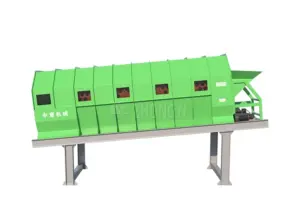
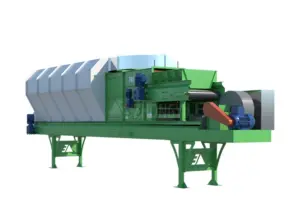















What Is a Flip Flow Screen?
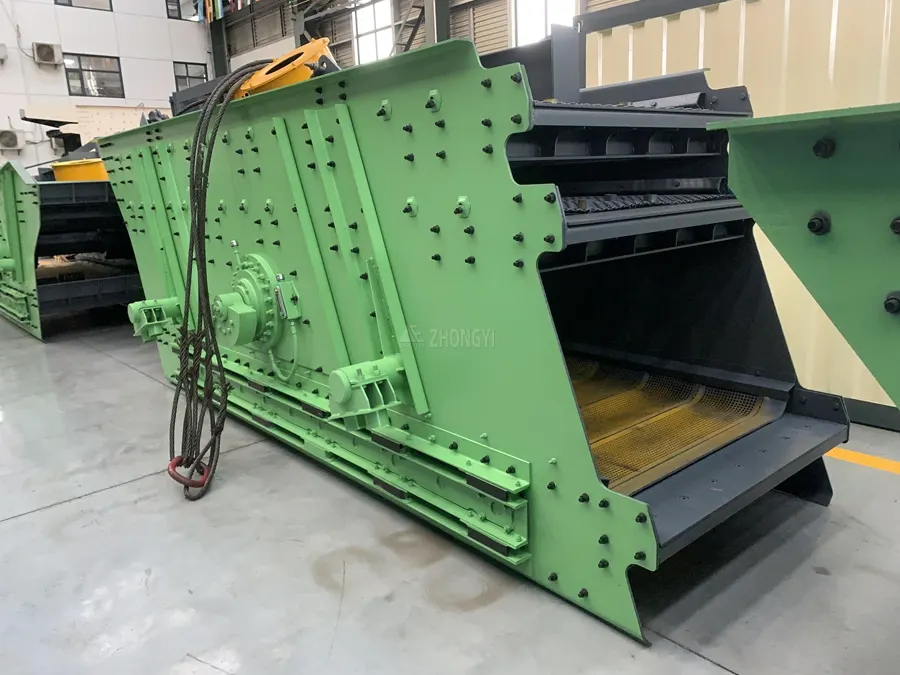
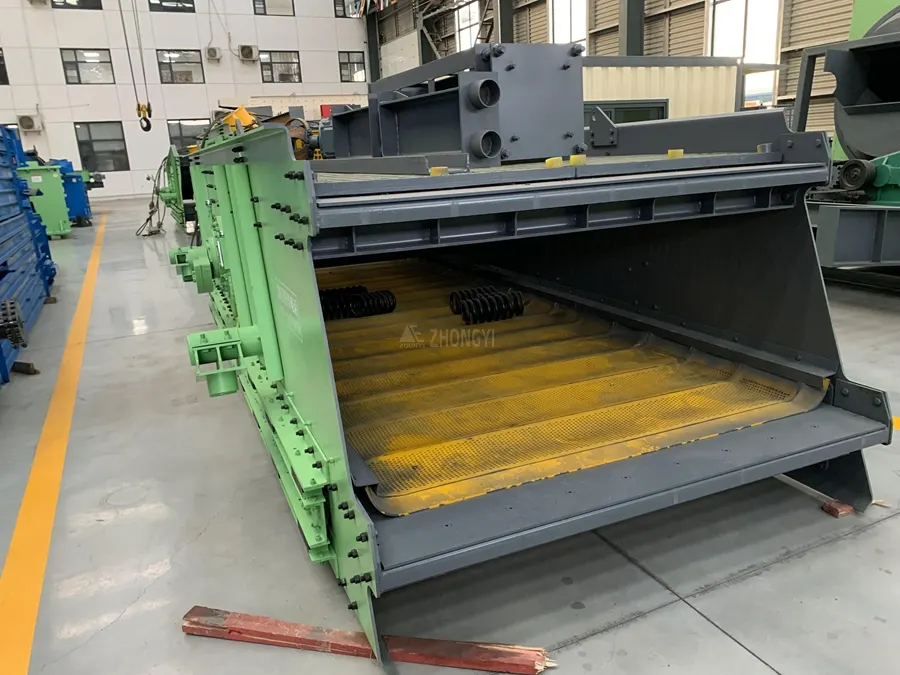
A Flip Flow Screen, also known as a Flip Flop Screen, is designed to separate fine and coarse fractions from wet, sticky, and difficult-to-screen materials. Its elastic polyurethane screen mats repeatedly stretch and relax during operation, helping reduce screen blinding in waste recycling applications.
The Xinzhongyi ECO YKF series includes 16 models, with installed power from 7.5 to 45 kW and processing capacities of 20–500 m³/h, depending on the model and material conditions. In a waste recycling line, it can be integrated with shredders, conveyors, and downstream sorting equipment to classify material before further processing. The configuration depends on feed composition, moisture content, target separation size, and required throughput.
Applicable Materials
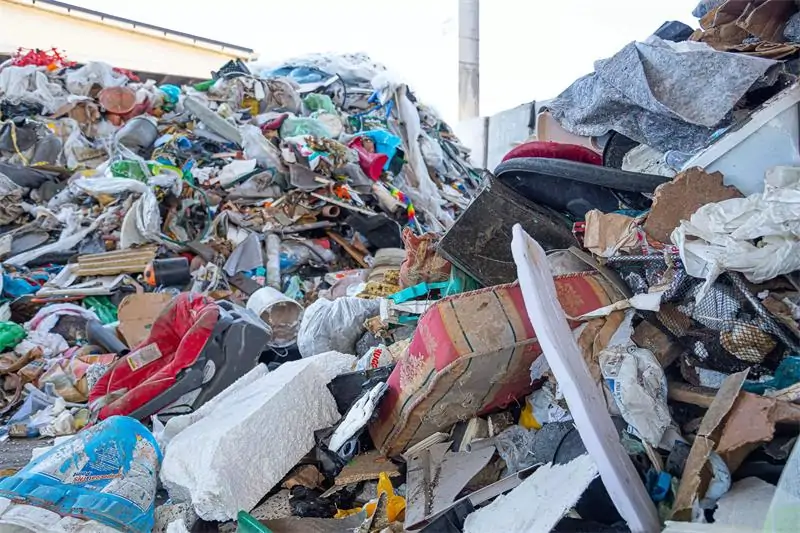
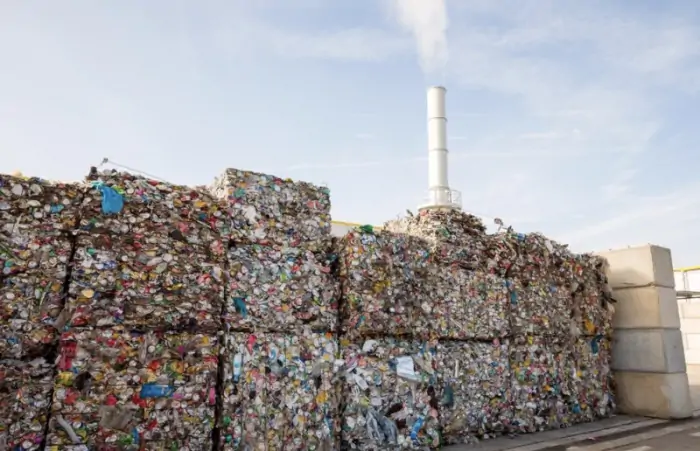
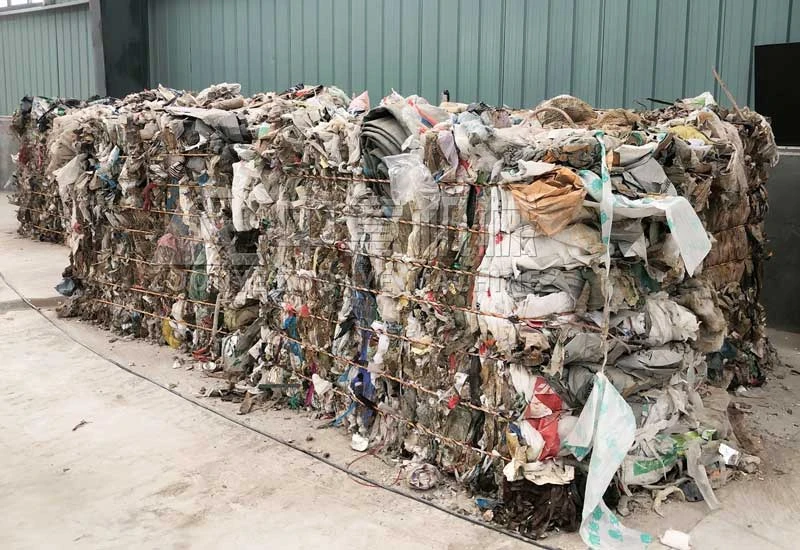
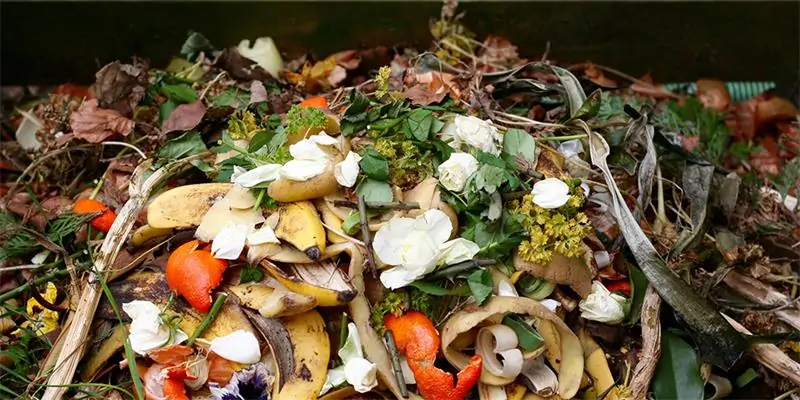
A Flip Flow Screen is designed for wet, sticky and fine materials that can blind conventional screens. In waste recycling plants, this flip flow screening machine separates fine and coarse fractions before further sorting, crushing or RDF/SRF processing. Screen selection depends on material properties and the required separation size.
Working Principle
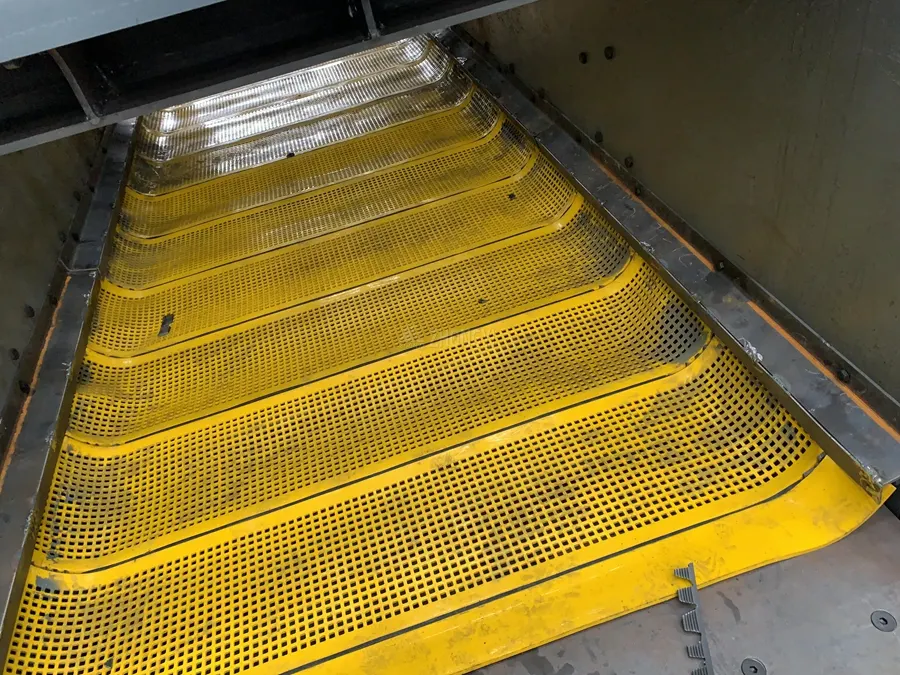
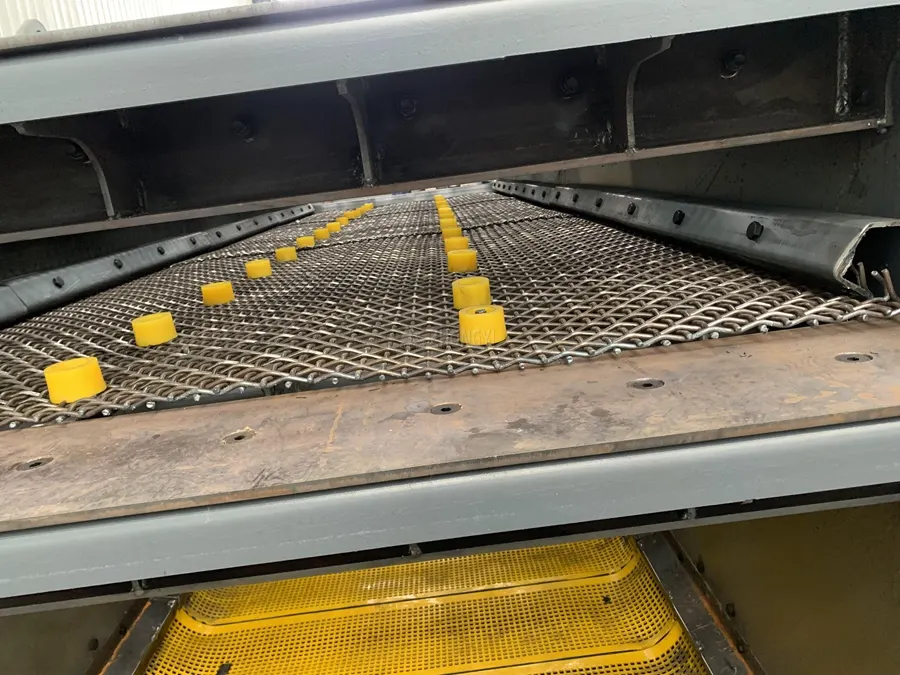
A Flip Flow Screen uses circular motion and elastic screen mats to separate fine particles from wet, sticky materials. The screen body conveys material along the deck, while the relative movement between the fixed and floating frames repeatedly stretches and relaxes the mats, helping reduce screen blinding.
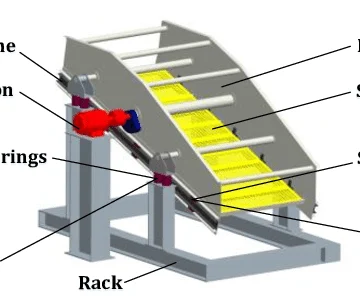
Main Components of a Flip Flow Screen
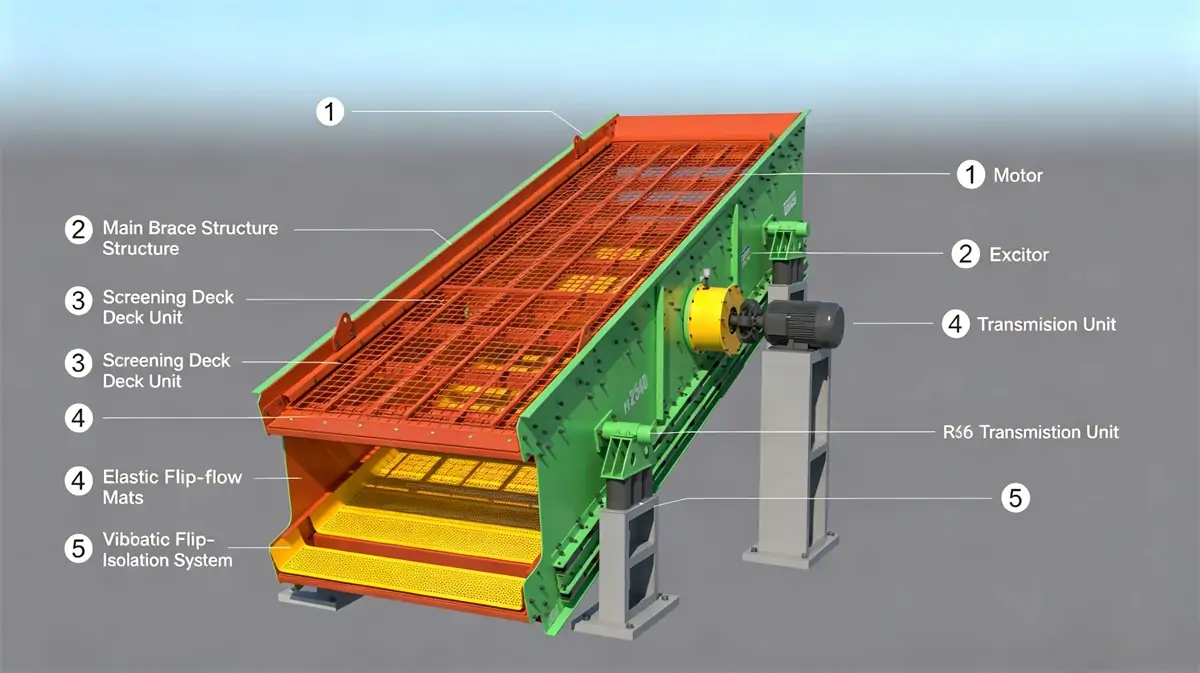
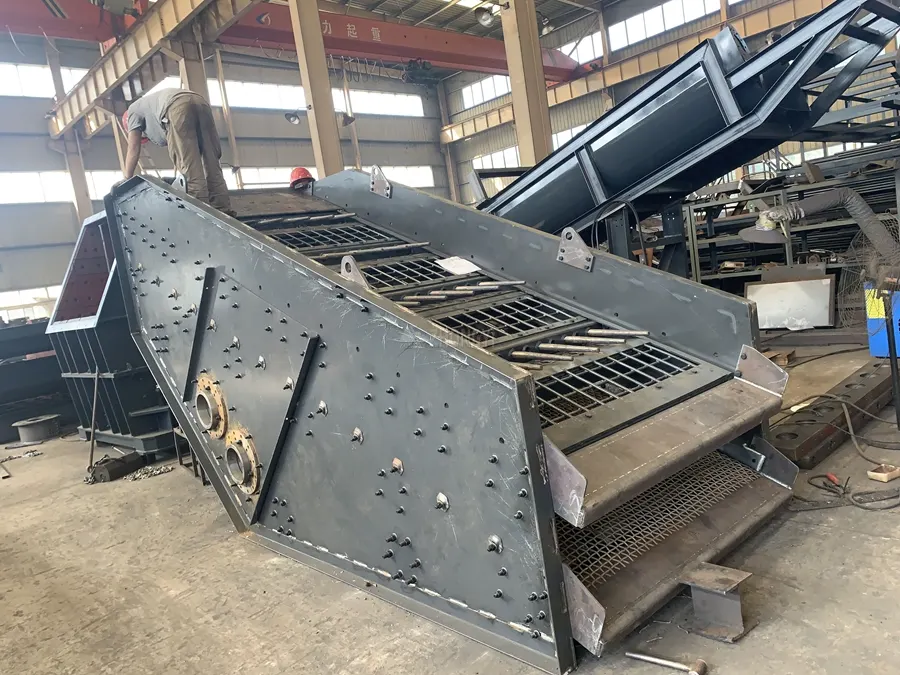
A Flip Flow Screen combines a drive system, dual screen frames and elastic screen mats to convey material and reduce screen blinding. The main components and their functions are listed below.
Specifications
The Circular Flip Flow Screen is available in different models and configurations. Key specifications include screen area, deck layers, feed size, processing capacity, vibration parameters, and motor power. Refer to the table below for model-specific data.
| Model | Power (kW) | Capacity (m³/h) |
|---|---|---|
| YKF1540 | 7.5 | 20–120 |
| YKF1548 | 11 | 20–150 |
| YKF1848 | 15 | 30–180 |
| YKF1860 | 18.5 | 30–200 |
| YKF2160 | 22 | 45–350 |
| YKF2460 | 22 | 60–380 |
| 2YKF1548 | 15 | 20–150 |
| 3YKF1548 | 18.5 | 20–150 |
| 2YKF1860 | 22 | 30–200 |
| 3YKF1860 | 30 | 30–200 |
| 2YKF2160 | 22 | 45–350 |
| 3YKF2160 | 30 | 45–350 |
| 2YKF2460 | 30 | 60–380 |
| 3YKF2460 | 30 | 60–380 |
| 2YKF3060 | 37 | 70–500 |
| 3YKF3060 | 45 | 70–500 |
Advantages
A Flip Flow Screen uses elastic screen mats to improve the screening of wet, sticky and fine materials. Its main advantages are reduced screen blinding, improved fine-particle separation and flexibility across different feed conditions.
Applications
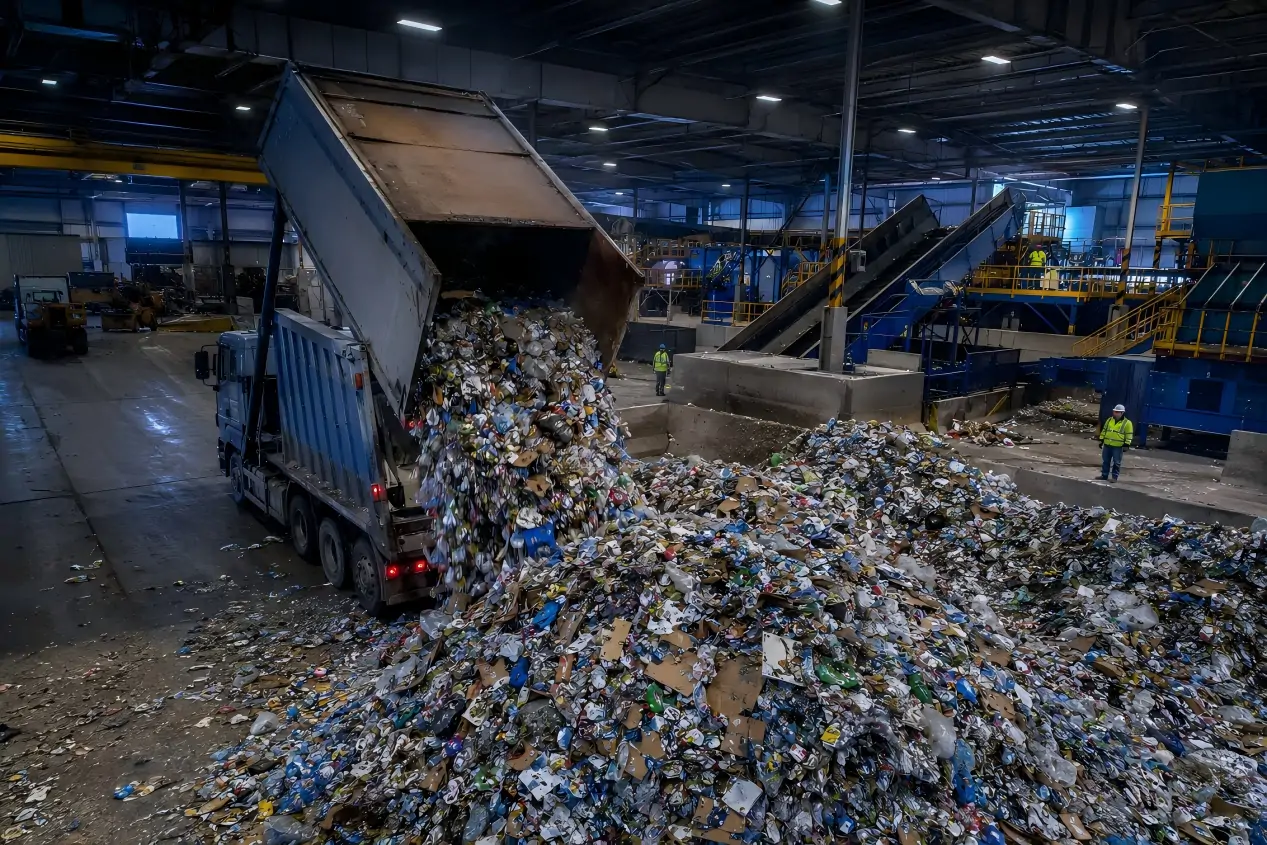
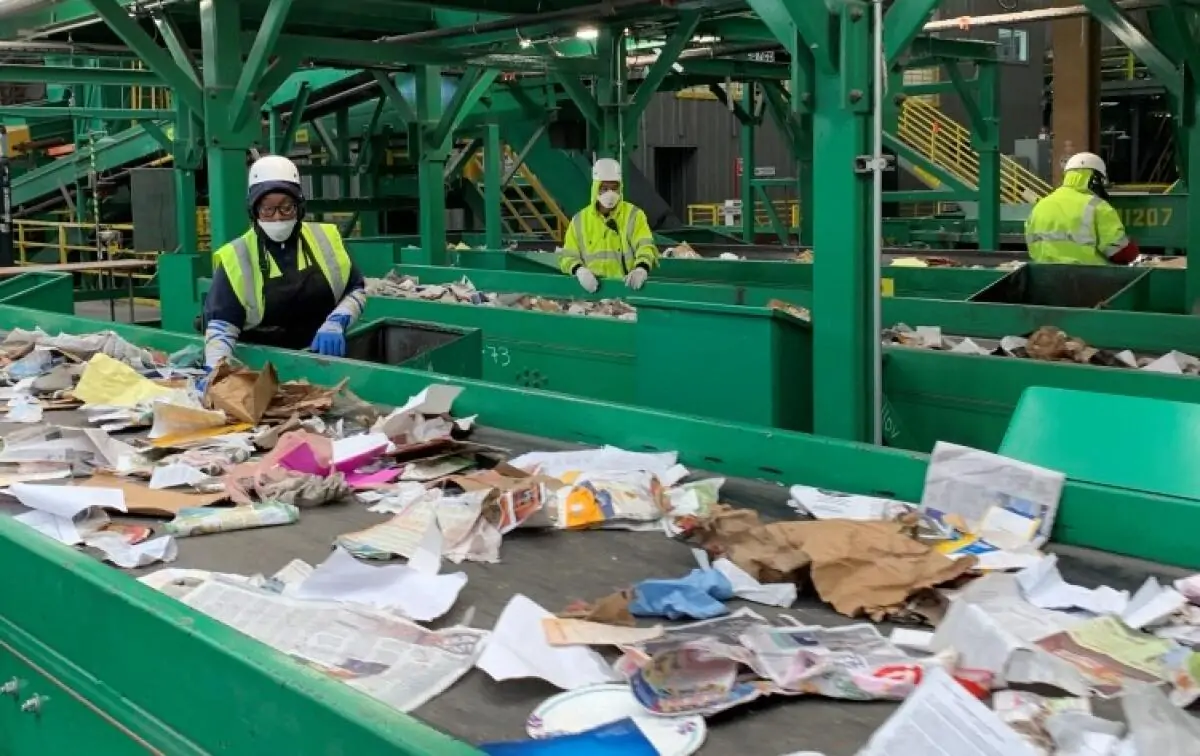
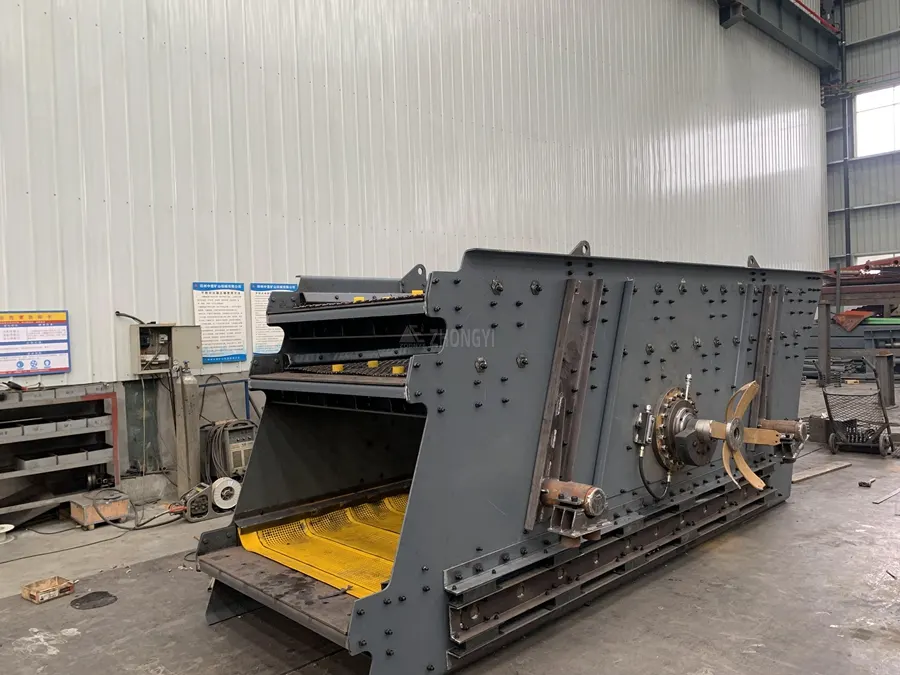
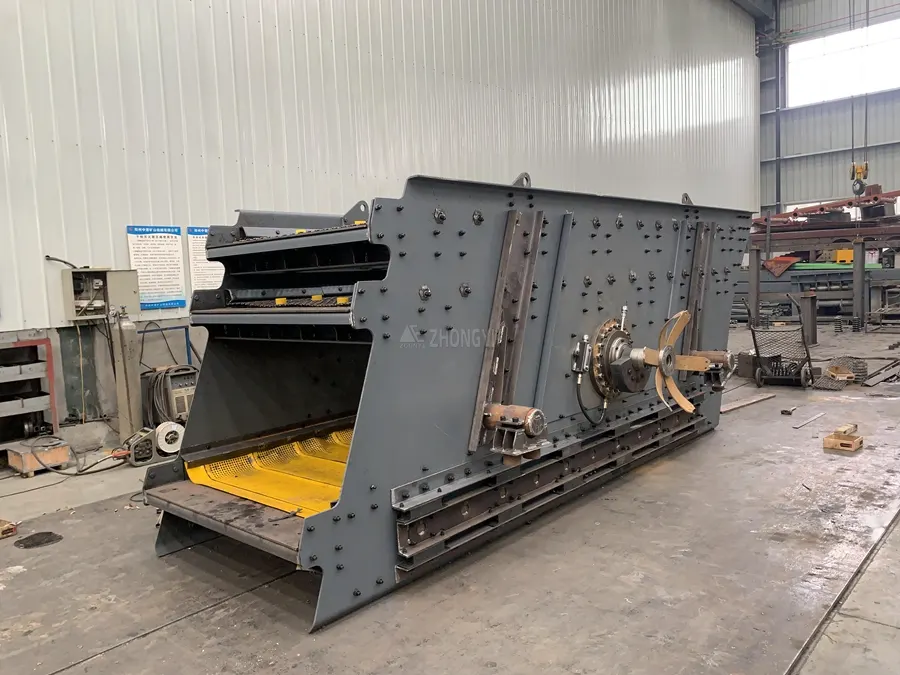
A Flip Flow Screen for Waste Recycling is typically installed after initial shredding or size reduction to separate fine and coarse fractions before downstream sorting or processing. Its role in the line depends on feed composition, moisture content and the required separation size.
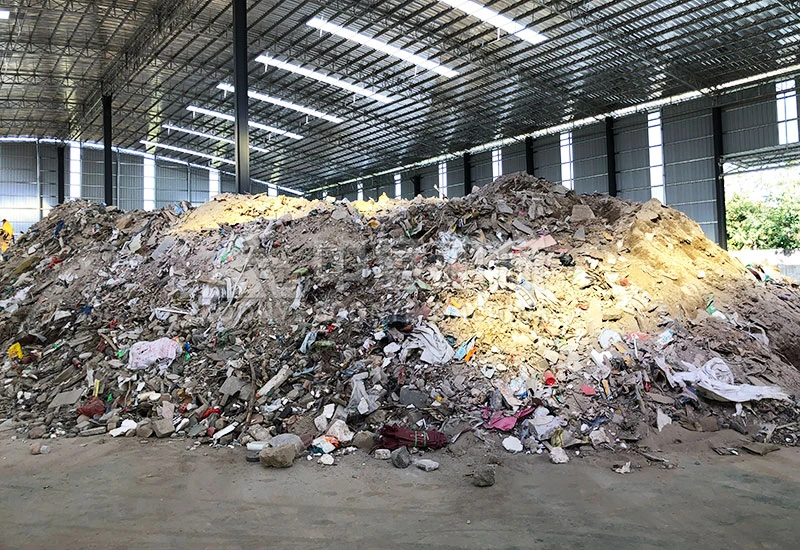
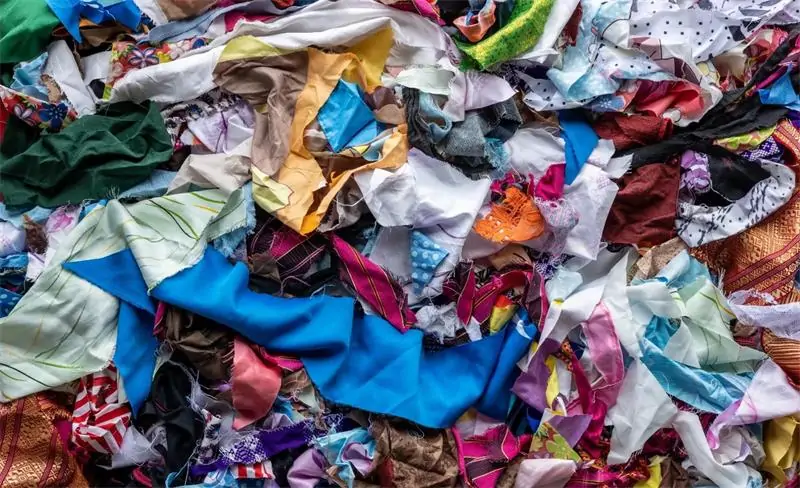
Round Flip-Flop Screen for Waste Management Processing Line
Our Cases
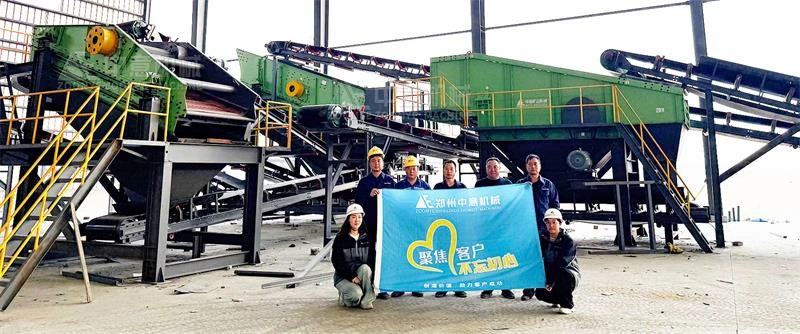
Custom Solutions
We configure each Custom Flip Flow Screen according to material properties, required capacity, separation size and site conditions. Options include screen dimensions, aperture size, deck layers and integration with existing conveying, crushing and sorting equipment. For complete waste recycling screening equipment configurations, explore our waste recycling production line solutions to see how screening fits into the overall process.
To evaluate a suitable flip flow screening system, please provide the following project details:
- Material type and composition
- Required capacity (t/h or m³/h)
- Moisture content and feed particle size
- Target separation size
- Site layout and available installation space
- Existing upstream and downstream equipment
Circular Motion Flip Flow Screen Manufacturer & Supplier
Xinzhongyi ECO is a Flip Flow Screen Manufacturer with over 16 years of industry experience, three production bases and more than 60 national patents. We provide screening equipment for municipal solid waste, construction waste and RDF/SRF processing, with configurations selected according to material characteristics, capacity requirements and site conditions.
As a Flip Flow Screen Supplier and waste recycling equipment manufacturer, we provide equipment design, manufacturing and integration with upstream and downstream processing systems. Explore our waste recycling solutions or contact our team to discuss your project requirements and equipment configuration.
FAQ
A Flip Flow Screen is used to separate fine and coarse fractions from materials that are difficult to screen with conventional equipment. Common applications include municipal solid waste (MSW), construction and demolition waste, RDF/SRF production, and selected wet or sticky material streams. In a recycling plant, it is typically installed before downstream sorting, crushing, or further material processing. The suitable application depends on feed properties and the required separation size.
A Flip Flow Screen uses elastic screen mats that repeatedly stretch and relax as the screen frames move relative to each other. This cyclic movement helps dislodge particles that may block the apertures during screening. The anti-blinding action is particularly useful for wet, sticky, and fine materials. However, it does not eliminate blockage under all conditions. Moisture content, material adhesion, aperture size, and feed preparation still affect performance.
The processing capacity of a Flip Flow Screen depends on the model, material properties, moisture content, feed size distribution, and required separation size. The Xinzhongyi ECO YKF series covers nominal capacities of 20–500 m³/h across different models. These figures are model-dependent reference ranges rather than guaranteed output for every material. For accurate selection, provide the expected feed rate, material composition, and target screening size.
To select a suitable Flip Flow Screen, evaluate the required throughput, feed particle size, moisture content, material composition, and target separation size. Screen dimensions, aperture size, deck configuration, and installation space must also match the process requirements. Capacity alone is not enough to determine the right model. For an integrated recycling line, check the connection with upstream feeding and downstream conveying, sorting, or crushing equipment.
Yes. In construction waste recycling, a Flip Flow Screen can separate soil, sand, and other fine fractions from larger concrete, brick, and mixed fragments. This screening stage can be positioned before further crushing, sorting, or aggregate recovery. The elastic deck helps reduce blinding when feed contains damp or adhering fines. The screen separates material by size; removing ferrous metals or lightweight contaminants requires additional separation equipment.
The main difference is the screening surface and its movement. A conventional vibrating screen generally uses a relatively rigid screen deck, while a Flip Flow Screen uses elastic mats that stretch and relax through the relative movement of its frames. This action helps reduce blinding when processing wet, sticky, or fine materials. Conventional vibrating screens may be suitable for free-flowing feed, so selection should be based on material properties and separation requirements.
Routine maintenance for a Flip Flow Screen includes inspecting elastic screen mats for wear or damage, checking springs and drive components, and monitoring abnormal noise or vibration. Worn mats may affect screening performance and should be replaced according to their condition and the equipment manufacturer’s instructions. Inspection intervals depend on operating hours, material abrasiveness, and feed conditions. Regular checks help identify wear and mechanical issues before they cause unplanned downtime.
To configure a custom Flip Flow Screening System, provide the material type and composition, required throughput, feed particle size, moisture content, target separation size, and available installation space. Details of existing conveyors, crushers, and sorting equipment are also useful when integrating the screen into a recycling line. These inputs help determine the model, screen aperture, deck arrangement, and connection requirements. For variable waste streams, representative material samples can improve selection accuracy.