












What Is a European Type Impact Crusher?
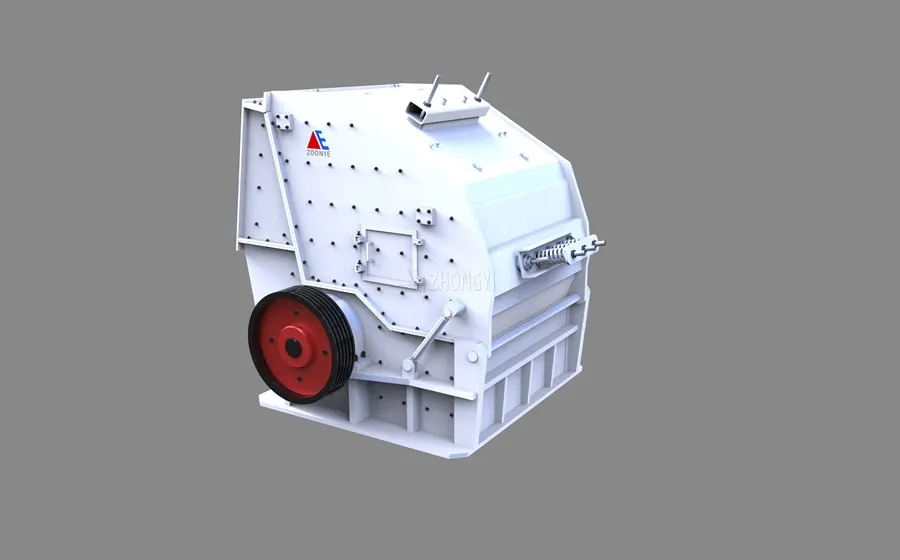
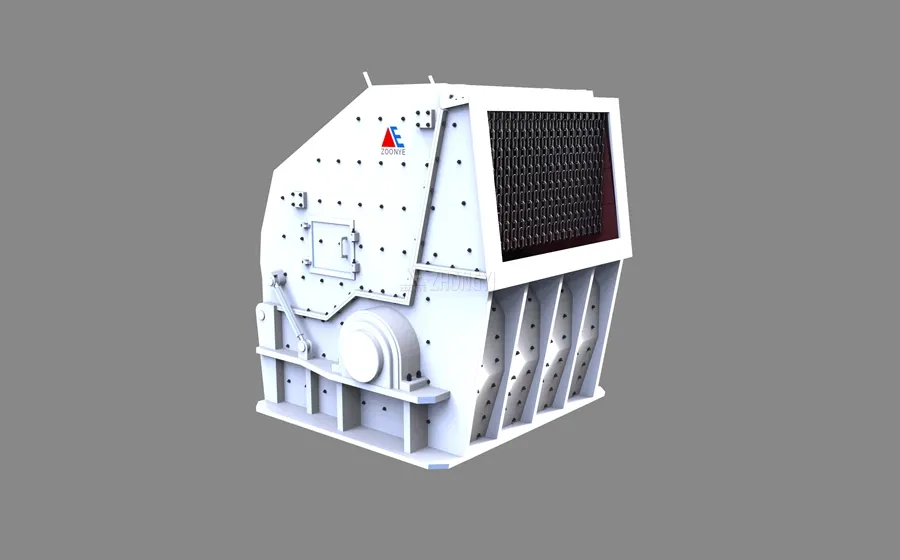
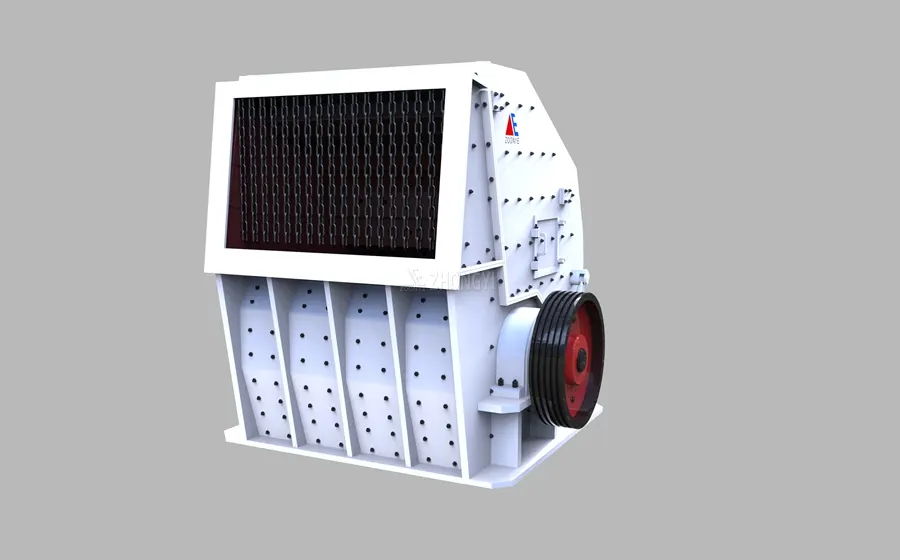
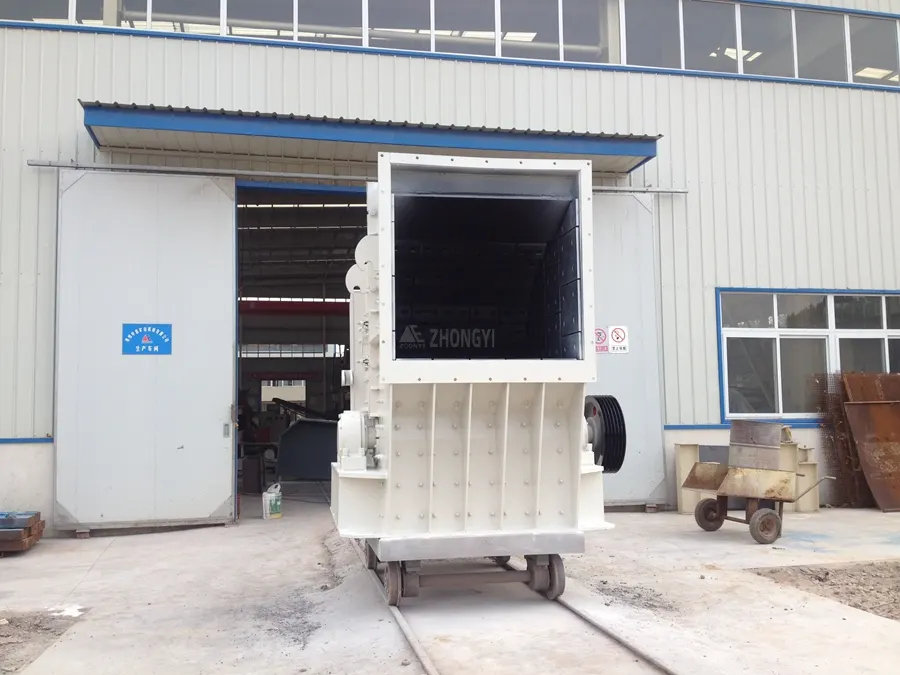
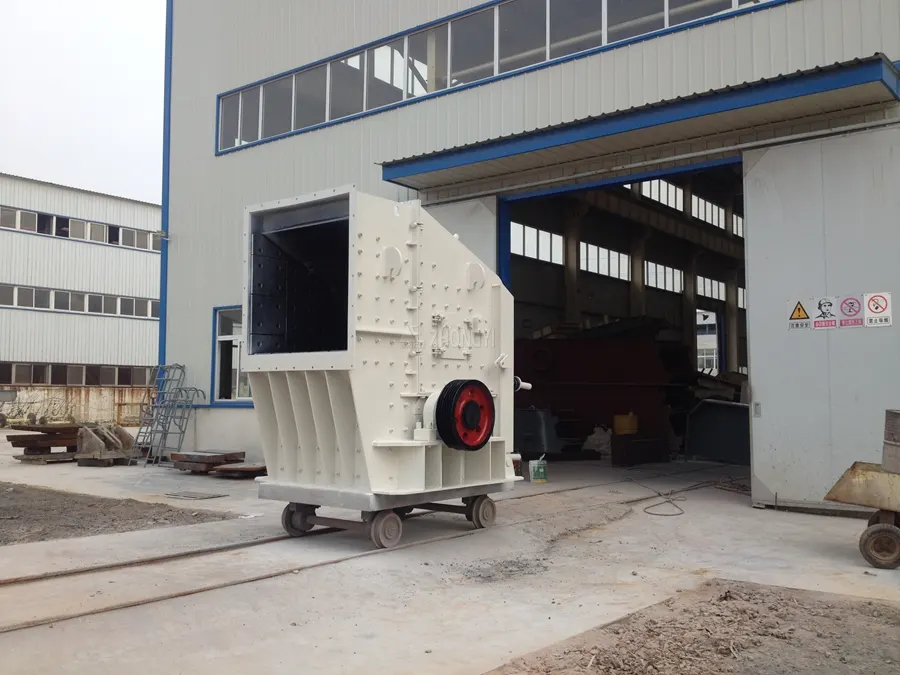
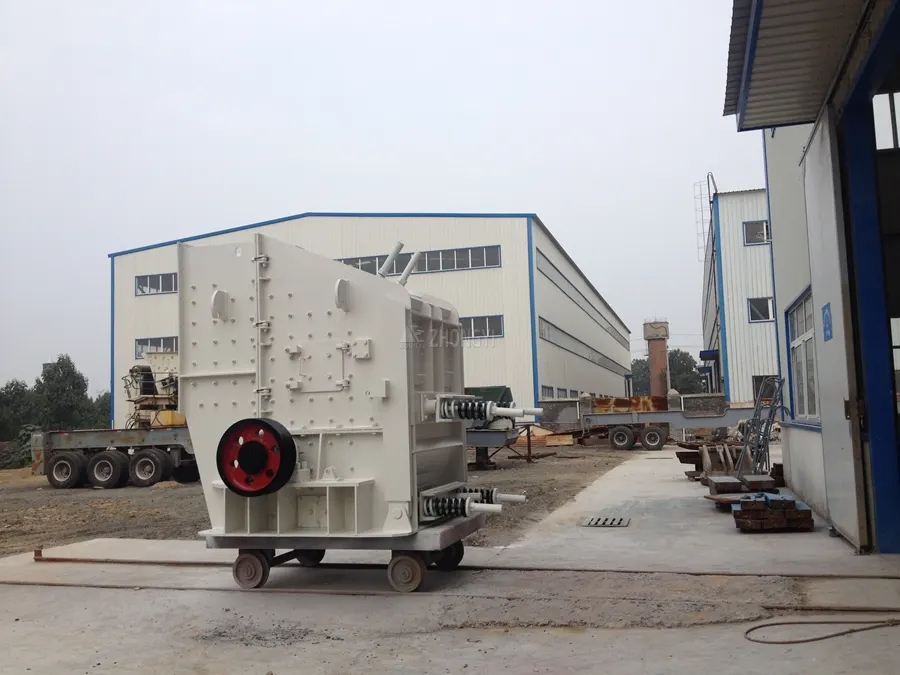
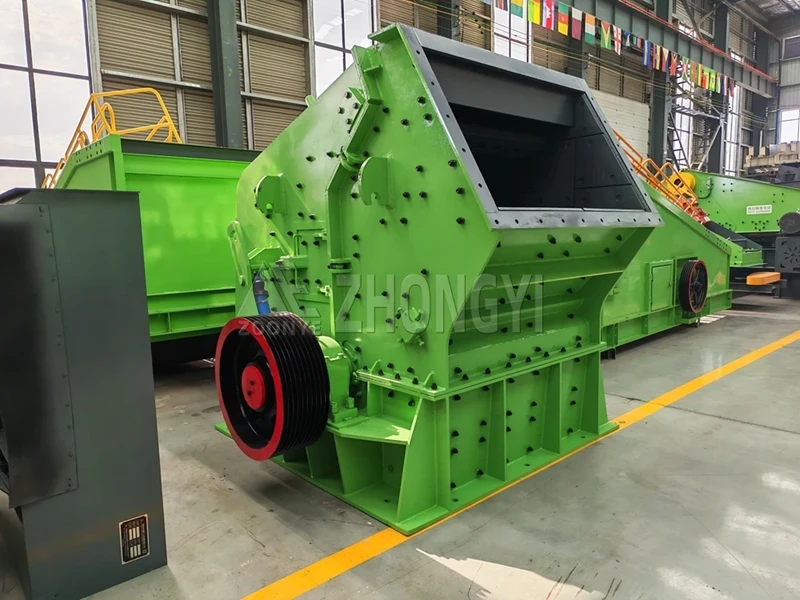
A European type impact crusher for sale is designed to reduce material size through impact. A high-speed rotor drives the blow bars against the feed material, throwing it onto impact plates for further crushing. Also known as a European impact crusher, it is used to process suitable materials such as limestone and concrete rubble. Final product size depends on the feed properties and crusher settings.
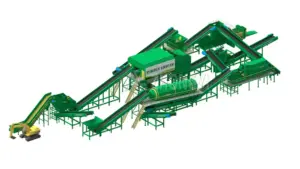
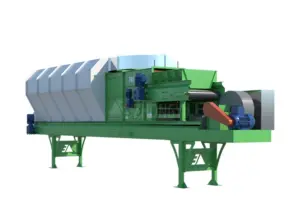
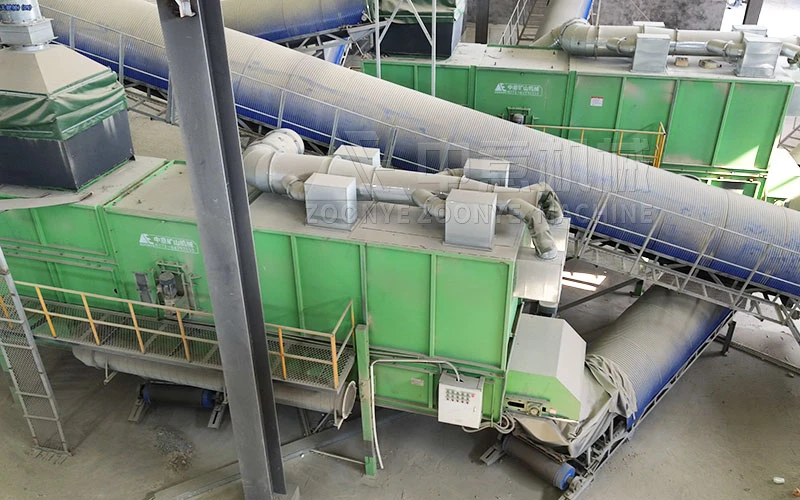
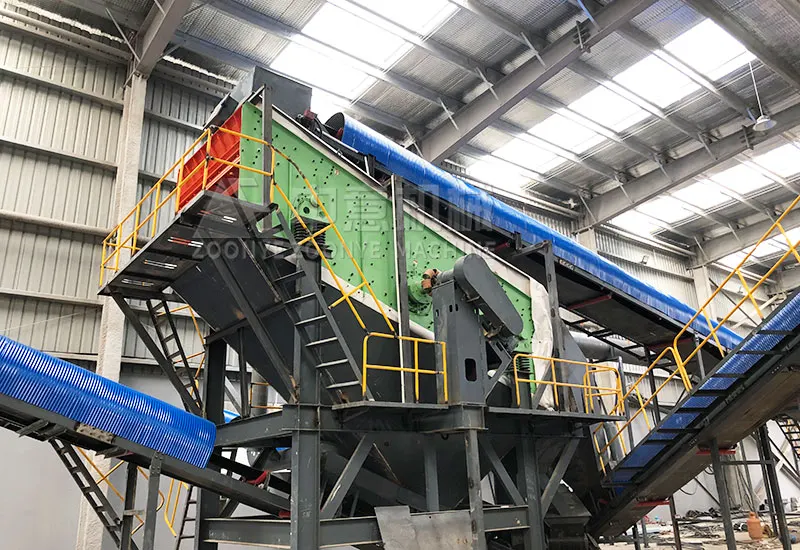
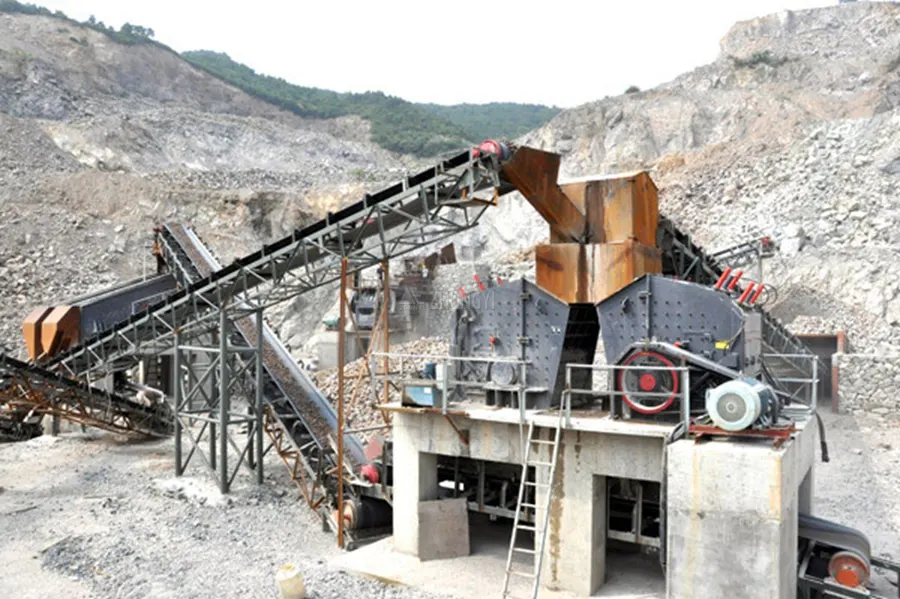
In a construction waste recycling plant, a European impact crusher machine is typically installed after a vibrating feeder or primary crusher and before a vibrating screen. Oversized material can return to the crusher for further reduction, while a magnetic separator removes ferrous metals where required. Equipment configuration depends on feed size, material composition, target output size and required processing capacity.
Products Display


Working Principle
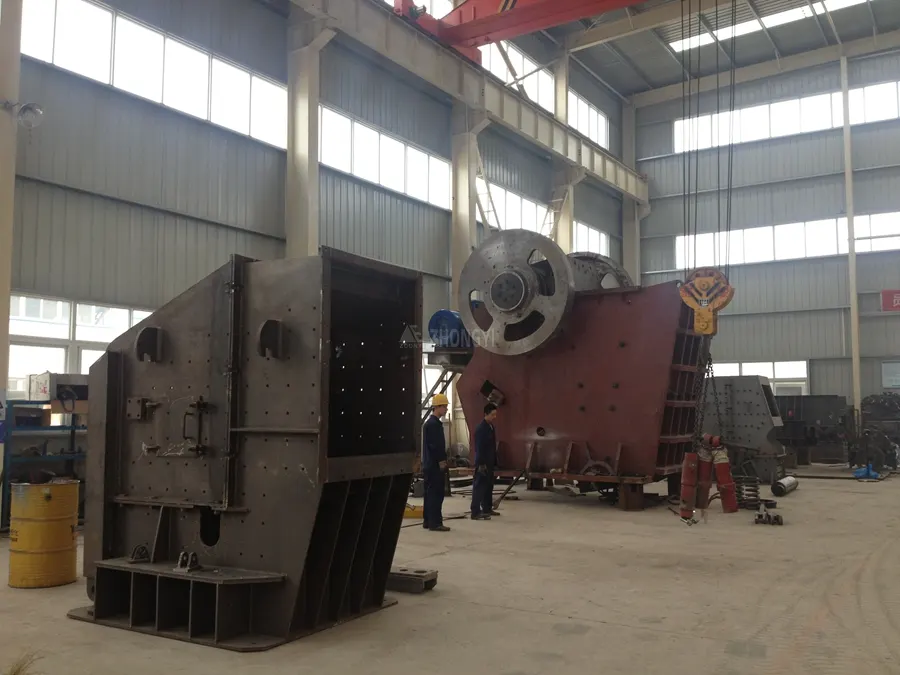
Parts of European Type Impact Crushing Machine
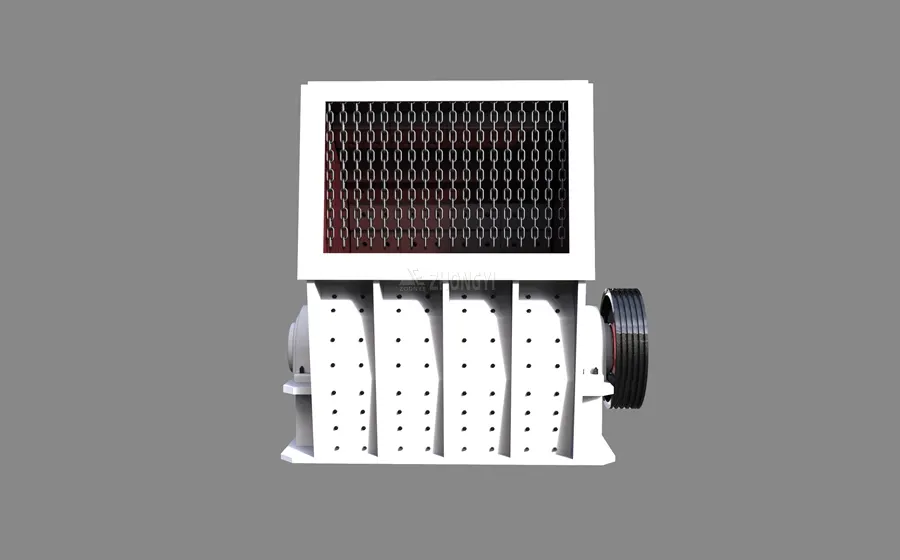
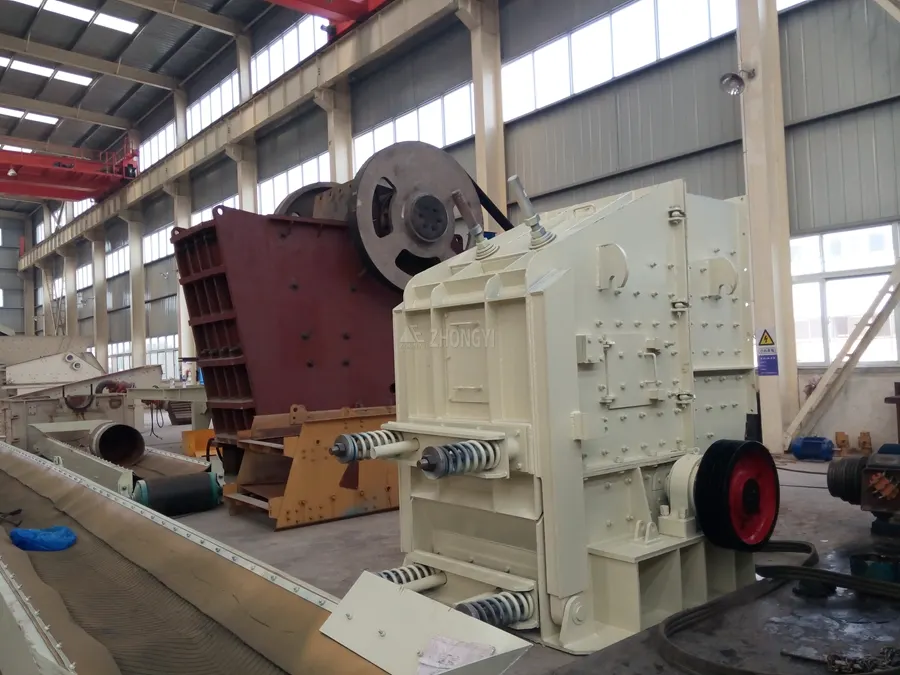
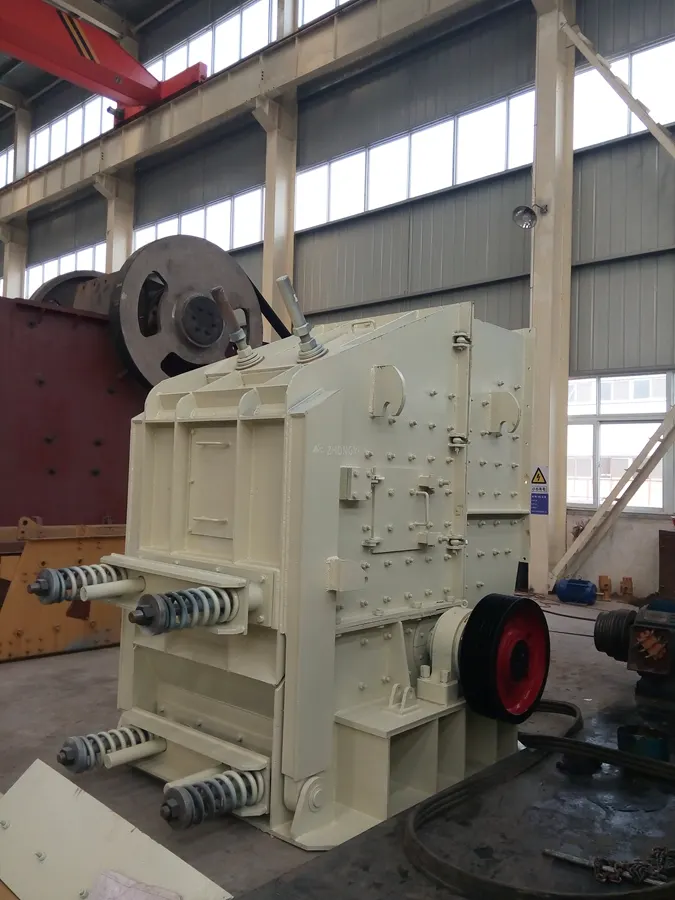
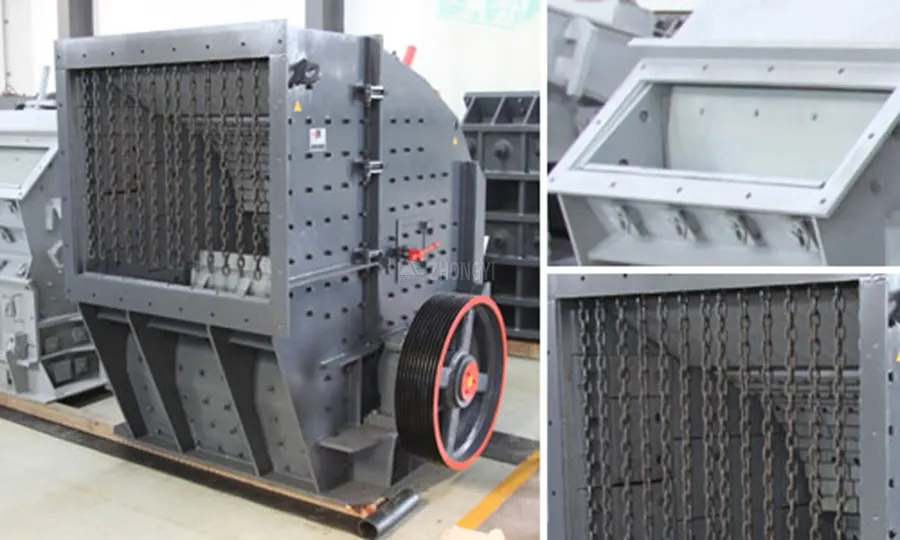
The main European Type Impact Crusher parts include the rotor, blow bars, impact plates, bearings, drive system and frame. Each component affects crushing performance, wear and maintenance requirements
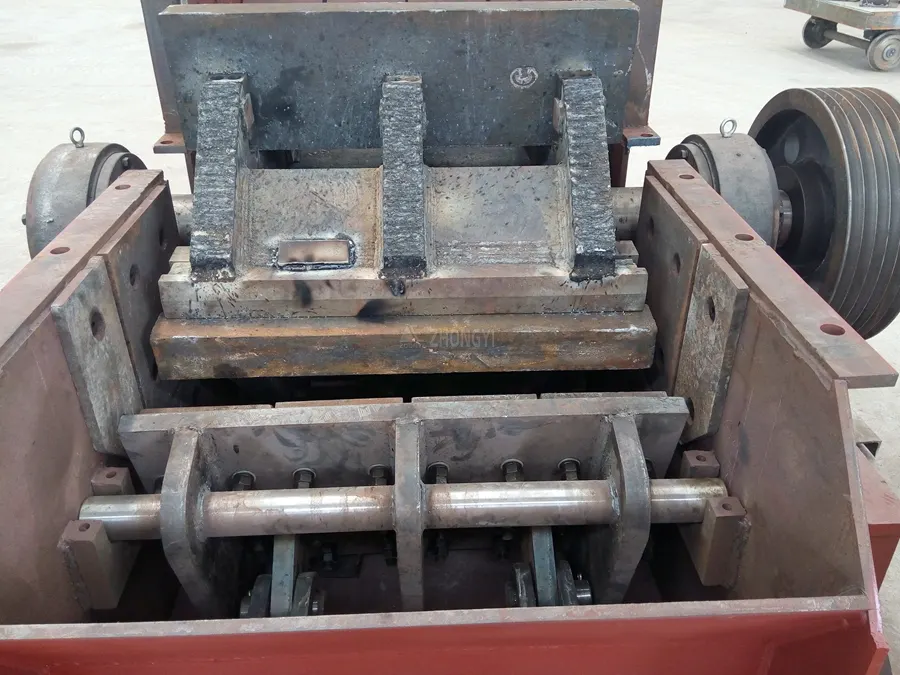
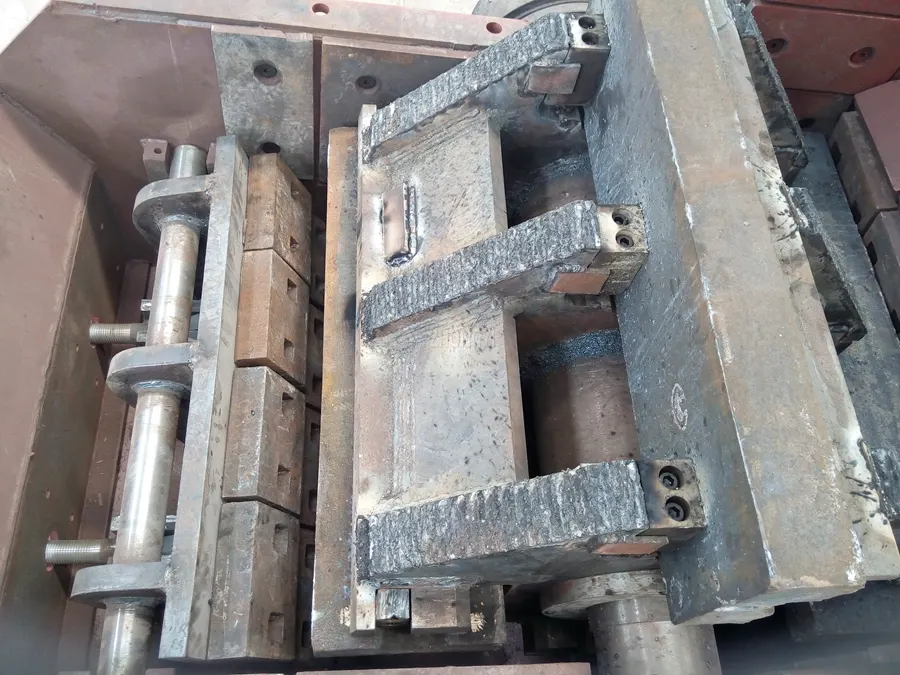
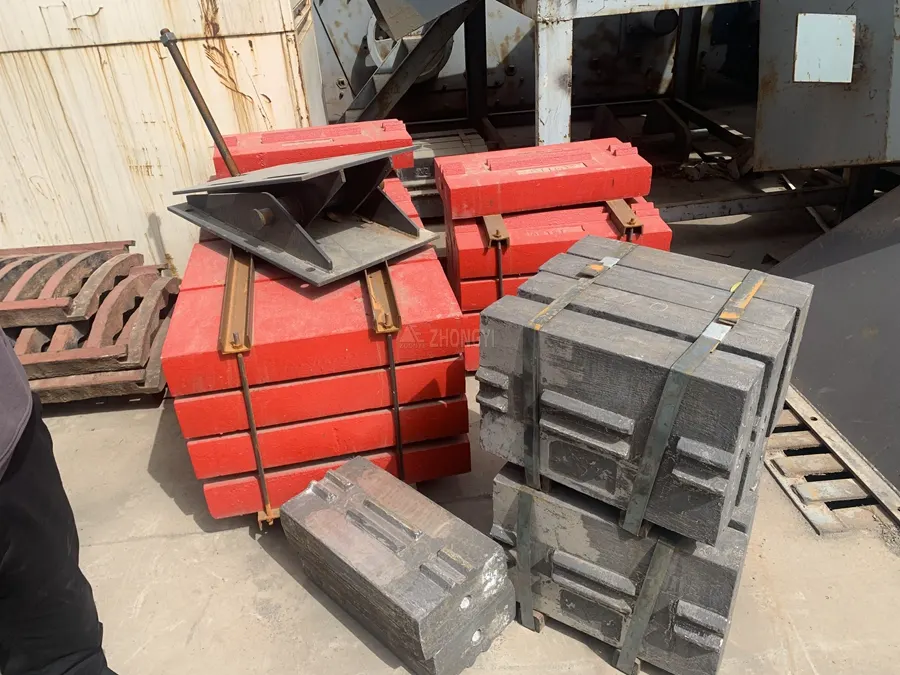
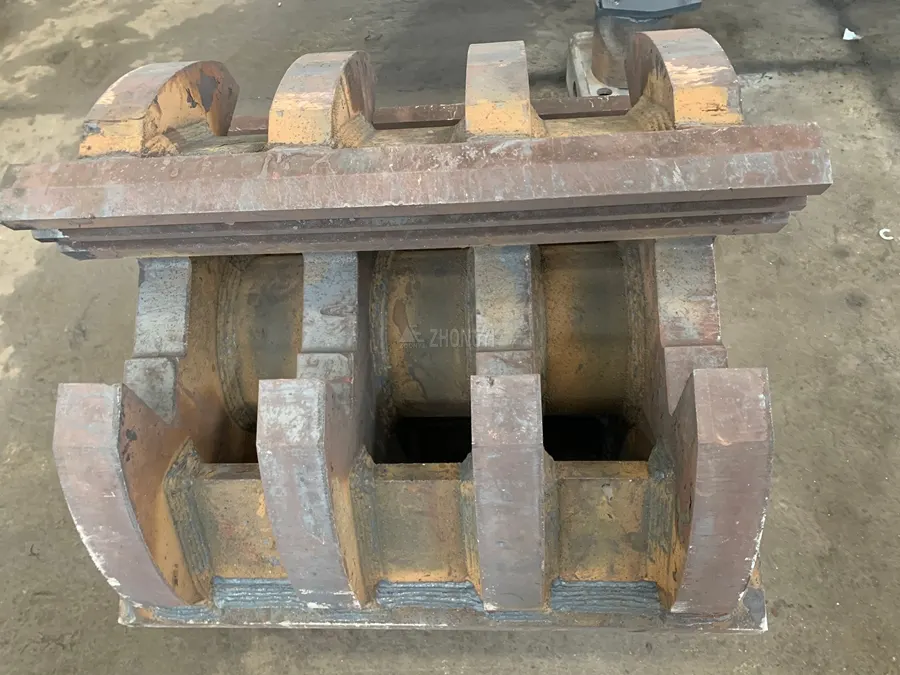
Specification
For the European Type Impact Crusher, key specifications such as feed size, crushing chamber configuration, motor power, liner materials, and discharge adjustment range depend on the selected model. We can configure the equipment according to your material, required capacity, target output size, and production line layout.
| Modèle | Diamètre du rotor (mm) | Longueur du rotor (mm) | Taille d'alimentation max. (mm) | Capacité (t/h) | Puissance (kW) | Poids (t) | Dimensions (mm) |
| PFW-1008 | 1000 | 800 | ≤200 | 55-85 | 55-75 | 10.184 | 2858×2508×2470 |
| PFW-1313 | 1280 | 1340 | ≤200 | 130-200 | 132-200 | 19.8 | 3210×2730×2545 |
| PFW-1515 | 1540 | 1500 | ≤300 | 250-350 | 280-315 | 30 | 3200×3082×3036 |
Obtenir un devis gratuit
European Type Impact Crusher vs. Jaw Crusher
A European Type Impact Crusher vs a jaw crusher differ in crushing principle, feed size and production-line role. Jaw crushers are typically used for primary crushing, while European Type Impact Crushers handle secondary crushing and aggregate shaping. The following comparison highlights their key differences and helps buyers select equipment for construction waste recycling.
| Comparaison | Concasseur à percussion de type européen | Concasseur à mâchoires de la série PE |
| Crushing Principle | High-speed impact | Compression |
| Typical Production-Line Role | Secondary crushing and aggregate shaping | Primary crushing of large feed |
| Main Components | Rotor, blow bars and impact plates | Fixed and movable jaw plates, eccentric shaft and toggle plate |
| Taille d'alimentation | Depends on model; suitable for feed within its specified limit | Generally accommodates larger feed, depending on model |
| Product Characteristics | Can produce more cubical particles from suitable materials | Typically produces coarser crushed material |
| Construction Waste Application | Further crushing of concrete and masonry | Initial size reduction of large concrete blocks and demolition debris |
Which Crusher Should You Choose for Construction Waste Recycling?
For construction waste recycling, Impact Crusher Selection depends on feed size, material composition and target aggregate grading. Large concrete blocks may require jaw crushing before entering a European Type Impact Crusher, while suitable smaller feed may go directly to impact crushing. Reinforcing steel and other contaminants may require pretreatment.
Before selecting equipment, confirm the maximum feed size, required throughput and target output. Ensure the crusher matches the feeder, magnetic separator and screening system to avoid production bottlenecks.When comparing crusher types for construction waste recycling, read our guide on Comment choisir le bon concasseur de déchets pour les déchets de construction to understand how feed size, material composition, and target output affect equipment selection.
Avantages
A European Type Impact Crusher for Sale is selected based on the required aggregate size, feed material and plant capacity. Key considerations include product shape, wear-part replacement, discharge adjustment and compatibility with downstream equipment.
Application
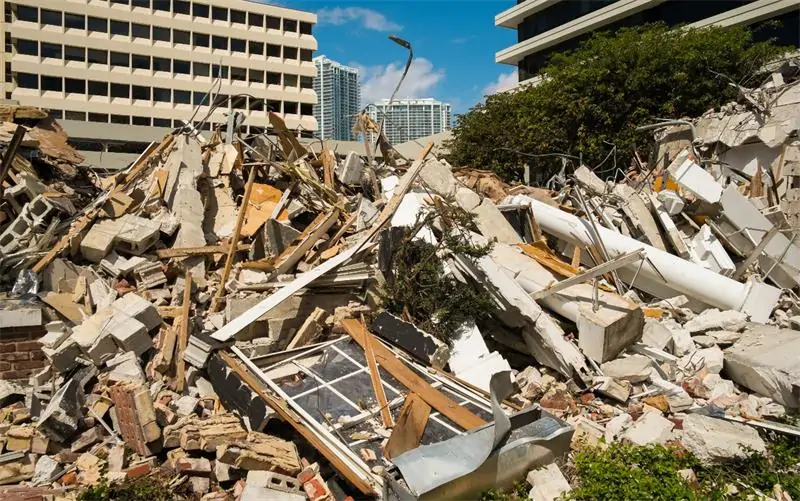
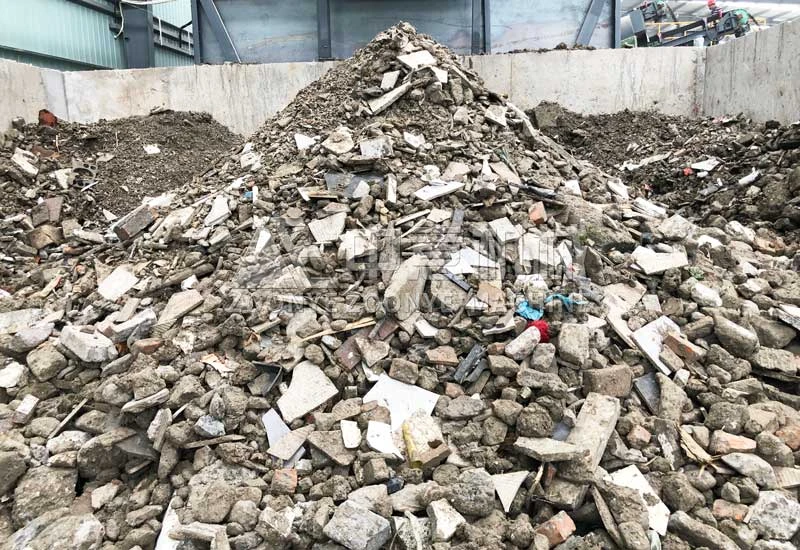
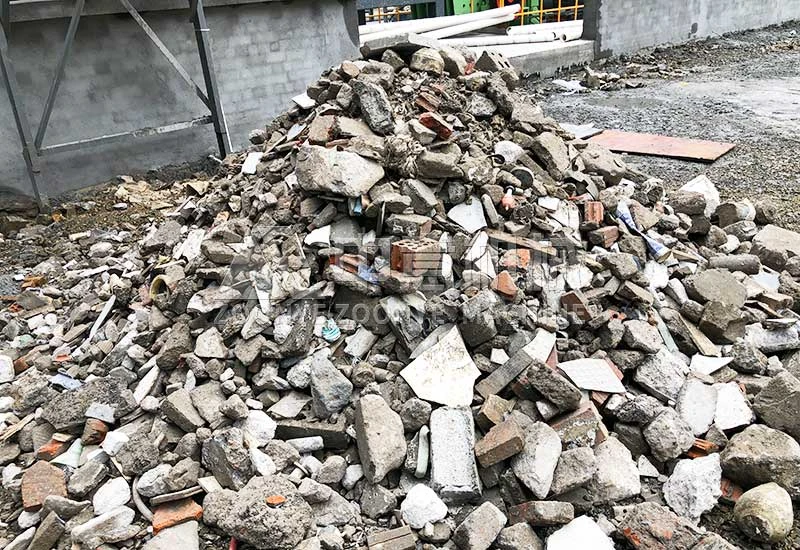
A European Type Impact Crusher reduces suitable mineral waste into smaller particles for recovery and reuse in construction waste recycling plants. Its application depends on feed composition, material size and target output. Pre-sorting, metal removal and screening may be required as part of the overall treatment process.
Project Cases
How to Choose the Right European Type Impact Crusher?
When choosing a European Type Impact Crusher for Sale, assess the waste composition, maximum feed size, material abrasiveness and required output gradation. Concrete, bricks and masonry may need different crushing configurations, while reinforcing steel, wood and plastic may require pre-sorting or separate removal. Check the model’s rated capacity against actual feed conditions and the processing capacity of downstream screens.
In equipment selection, the crusher must match the entire recycling line, not just the target throughput. An undersized feeder or screening system can restrict production even when the crusher has sufficient rated capacity. Before requesting a quotation for a European Type Impact Crusher, prepare the waste type, maximum feed size, target throughput, required aggregate sizes, contamination levels and site layout. These details help determine the appropriate model and whether additional feeding, magnetic separation or screening equipment is needed.
European Type Impact Crusher Price and Cost Factors
The price of a European Type Impact Crusher for Sale varies by model, configuration and project requirements. The main cost factors include equipment specifications, wear parts, auxiliary equipment, transportation and installation.
For a quotation, provide your waste type, required capacity, maximum feed size, target output size and project location. This information helps determine the suitable configuration and clarify the supply scope.
Obtenir un devis gratuit
European Type Impact Crusher Manufacturer and Supplier
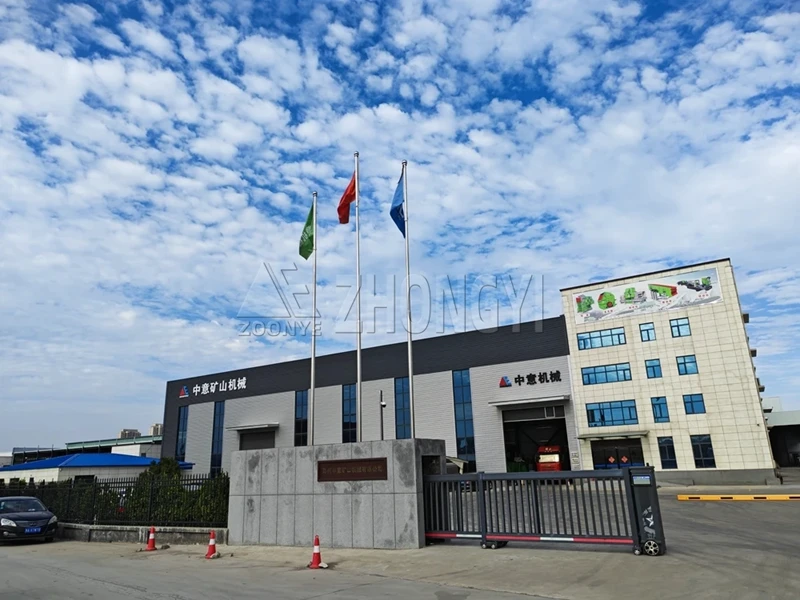
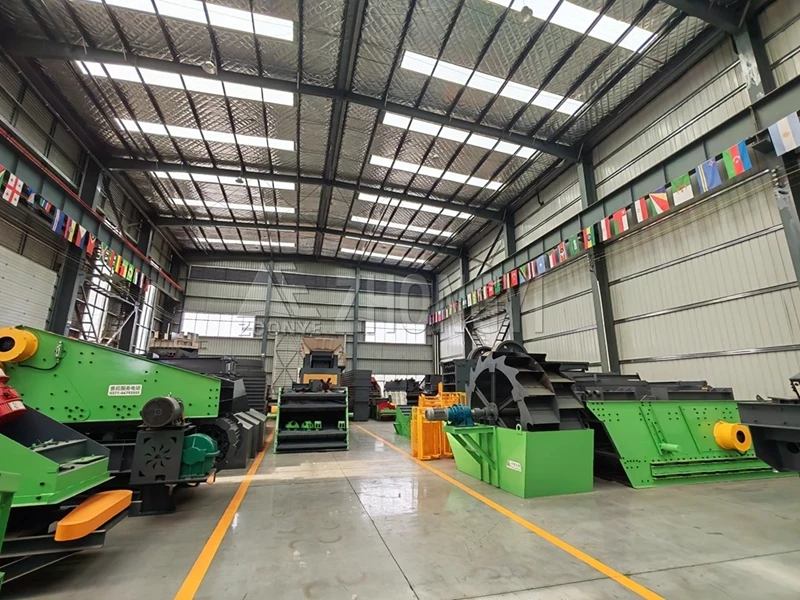
Xinzhongyi ECO supplies crushing equipment for construction waste recycling and other solid waste applications. Backed by three production bases covering over 300 acres and more than 60 patents, we support equipment selection based on feed composition, maximum feed size, required throughput and target aggregate grading. This helps buyers assess whether a European Type Impact Crusher for Sale fits their material and processing requirements before finalizing a configuration.
For construction waste projects, the crusher must work with the right feeding, metal removal and screening equipment. We support European Type Impact Crusher selection and production line integration, with spare parts supply, installation guidance and commissioning support according to project requirements. From standalone equipment to complete recycling line configurations, our focus is on matching the equipment to the waste stream and downstream process. Learn more about Xinzhongyi ECO and our technical and after-sales services.
FAQ
Un concasseur à percussion de type européen peut traiter des matériaux minéraux appropriés tels que le béton de démolition, les briques, la maçonnerie et d'autres débris de construction fragiles. Son adéquation dépend de la dureté du matériau, de son abrasivité, de la taille d'alimentation et des niveaux de contamination. Pour les déchets de construction et de démolition mixtes, le bois, le plastique, l'acier d'armature et d'autres matériaux inappropriés peuvent devoir être retirés avant le concassage. La composition de l'alimentation doit être évaluée avant de sélectionner le modèle de concasseur et la configuration du procédé.
La taille maximale d'alimentation du concasseur à percussion dépend du modèle, de l'ouverture d'alimentation et des caractéristiques du matériau. Avant d'acheter un concasseur à percussion de type européen, confirmez les dimensions maximales des matériaux dans votre flux de déchets, plutôt que de vous fier uniquement à la taille moyenne. Les blocs de béton surdimensionnés peuvent nécessiter un concassage primaire préalable. Le système d'alimentation doit également fournir le matériau à un débit approprié pour réduire les blocages et maintenir un fonctionnement stable.
Un concasseur à percussion pour déchets de construction peut traiter des fragments de béton armé appropriés, mais les armatures apparentes peuvent créer des problèmes opérationnels si elles pénètrent dans le système de concassage sans contrôle. Selon le matériau et la configuration de l'installation, un pré-tri, une élimination des armatures ou une séparation magnétique peuvent être nécessaires. Les acheteurs doivent fournir des informations sur la taille des blocs de béton, la teneur en acier et la régularité de l'alimentation afin que le fournisseur puisse évaluer l'équipement de prétraitement et d'élimination des métaux nécessaire.
La taille de sortie du concasseur à percussion dépend du modèle de concasseur, de la configuration du rotor, des réglages des plaques d'impact et des propriétés de l'alimentation. Un concasseur à percussion de type européen réduit la taille des matériaux, mais la granulométrie finale des granulats recyclés est également déterminée par le criblage en aval. Si un projet nécessite plusieurs granulométries de granulats, l'installation peut avoir besoin de plusieurs étages de criblage et d'un convoyeur de retour pour les matériaux surdimensionnés. Confirmez la granulométrie requise du produit avant de finaliser la configuration de l'équipement.
Le choix du concasseur à percussion doit tenir compte du débit horaire requis, des heures de fonctionnement, de la composition de l'alimentation, de la taille maximale des aliments et de la granulométrie cible du produit. La capacité nominale du concasseur à percussion ne doit pas être considérée comme la production garantie de l'ensemble de l'installation de recyclage. Les alimentateurs, les cribles et les convoyeurs peuvent limiter la production réelle. Pour une sélection précise, précisez le tonnage horaire requis et décrivez les conditions matérielles dans lesquelles l'installation fonctionnera.
Le prix du concasseur à percussion de type européen dépend du modèle sélectionné, de la configuration et des exigences du projet. Le devis peut couvrir uniquement le concasseur ou inclure des alimentateurs, des séparateurs magnétiques, des cribles vibrants, des convoyeurs et d'autres équipements auxiliaires. Le fret, l'installation et la mise en service peuvent s'ajouter à l'investissement initial. Lors de la comparaison des devis, examinez la portée des équipements, les pièces d'usure, les modalités de service et les exclusions afin d'évaluer le coût total du concasseur à percussion, et pas seulement le prix de la machine.
An impact crusher uses impact to break suitable materials and is often used for secondary crushing or aggregate shaping. A jaw crusher uses compression and is commonly used to reduce larger feed material during primary crushing. In a construction waste recycling plant, the two may work together when concrete blocks exceed the impact crusher’s feed limit. The right configuration depends on feed size, material abrasiveness, target grading and required throughput.
The service life of Impact Crusher Wear Parts depends on feed abrasiveness, material composition, operating conditions and the presence of unsuitable contaminants. Blow bars and impact plates require regular inspection because excessive wear can affect crushing performance and product grading. When evaluating an Impact Crusher Supplier, ask about wear-part materials, replacement procedures, spare-parts availability and maintenance access. Actual replacement intervals should be established from operating conditions rather than a universal schedule.


