
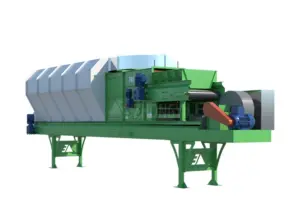













What Is a European Type Impact Crusher?
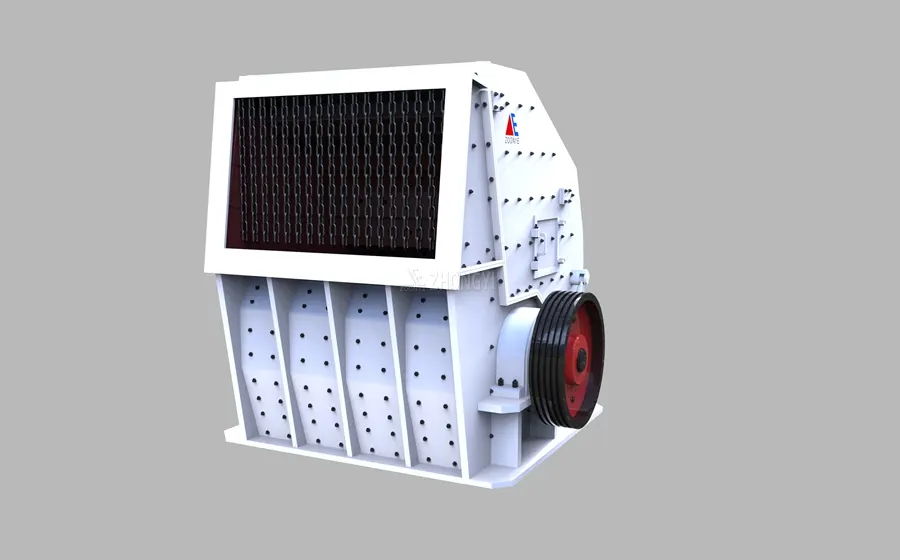
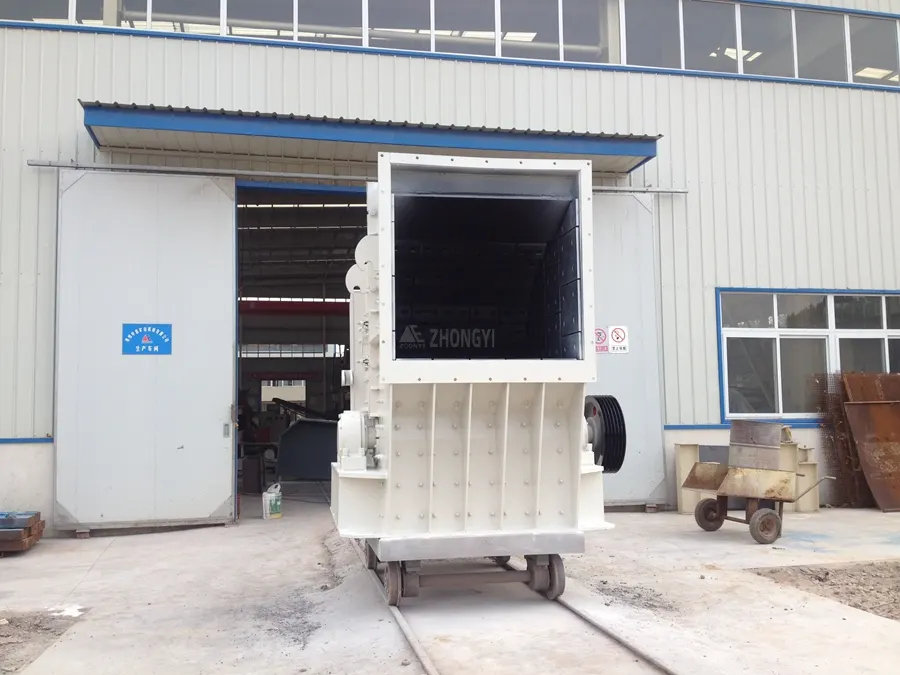
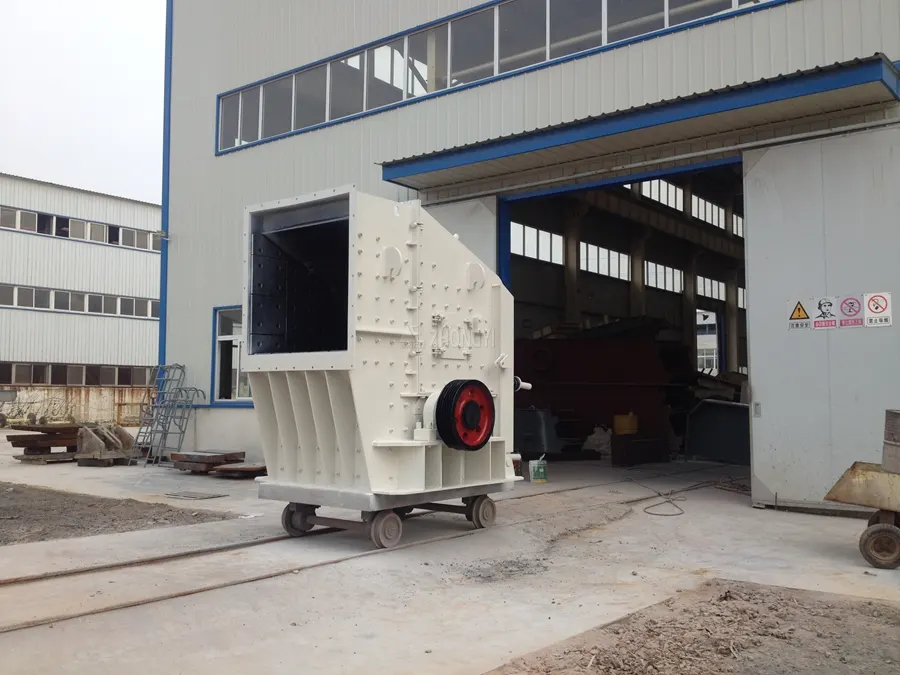
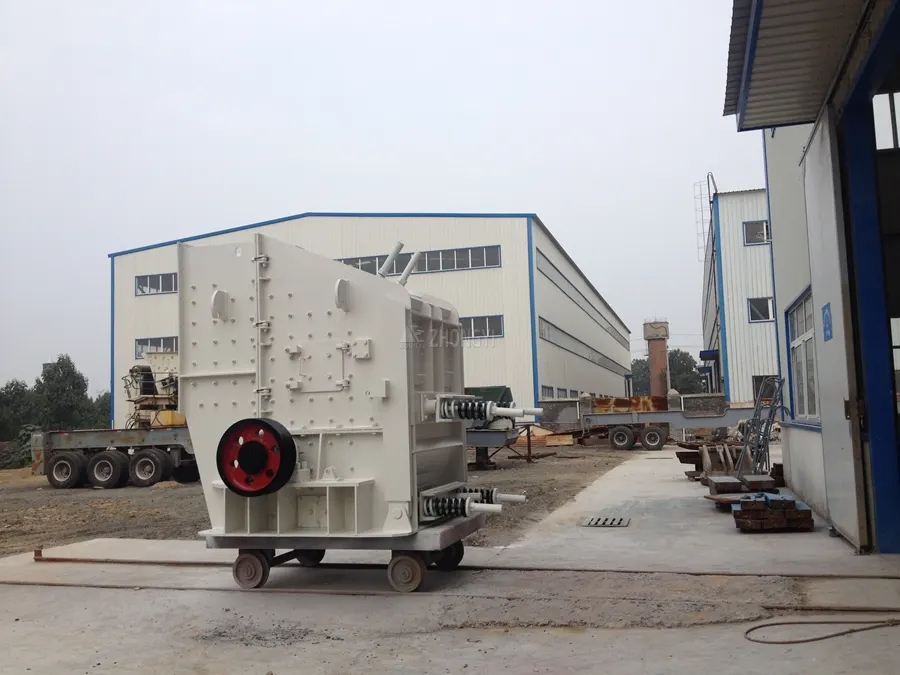
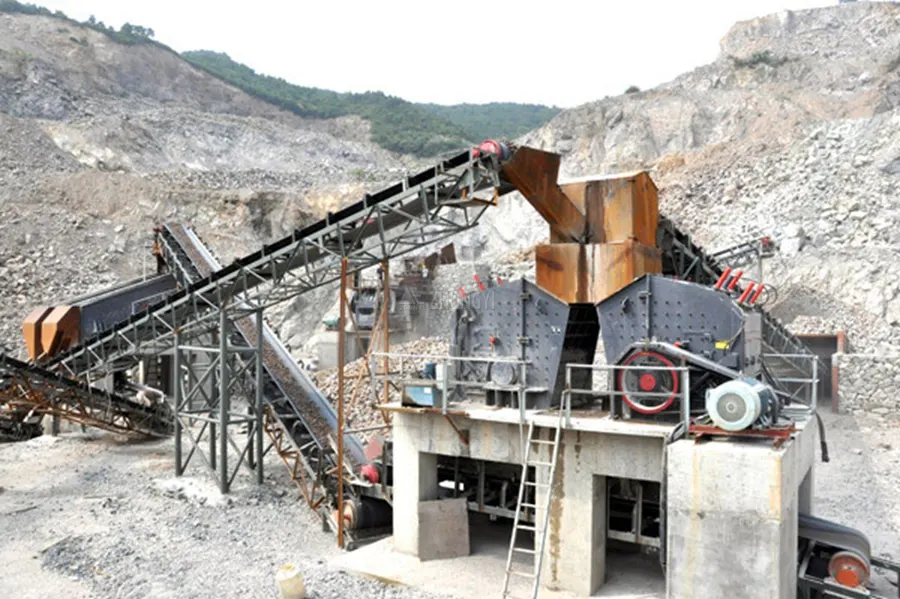
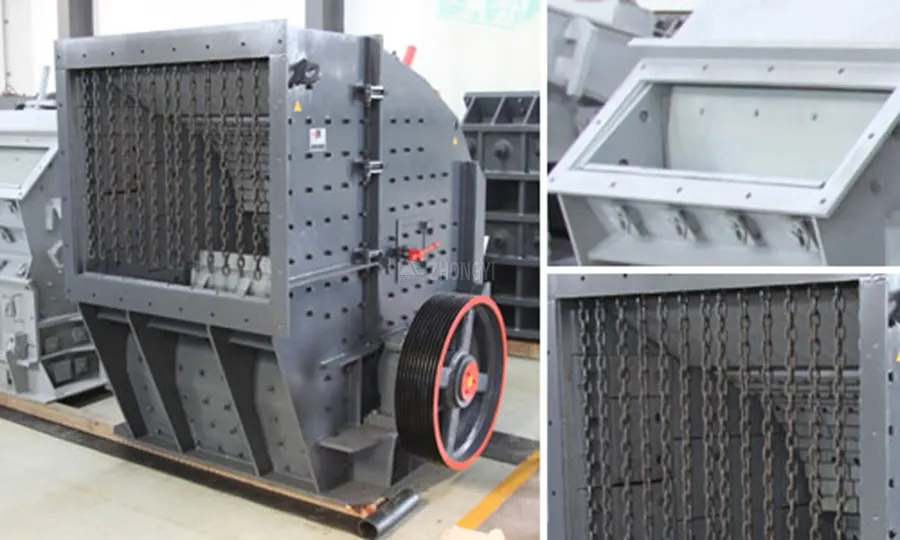
A European type impact crusher for sale is designed to reduce material size through impact. A high-speed rotor drives the blow bars against the feed material, throwing it onto impact plates for further crushing. Also known as a European impact crusher, it is used to process suitable materials such as limestone and concrete rubble. Final product size depends on the feed properties and crusher settings.
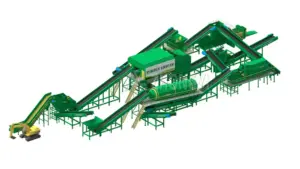
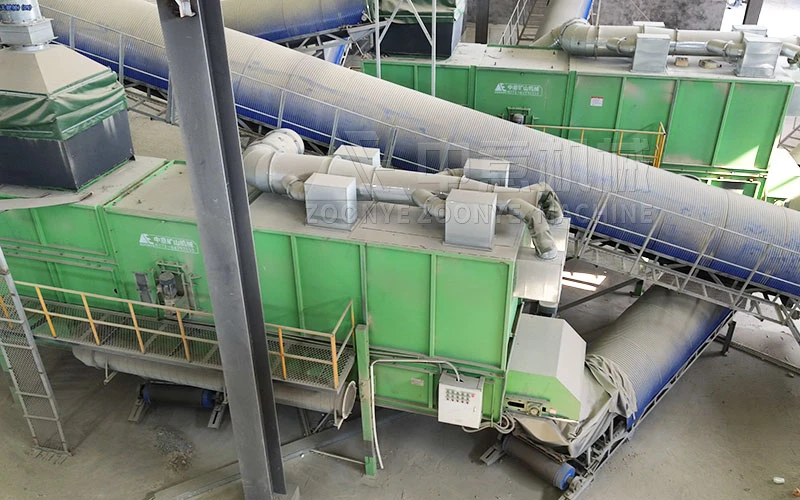
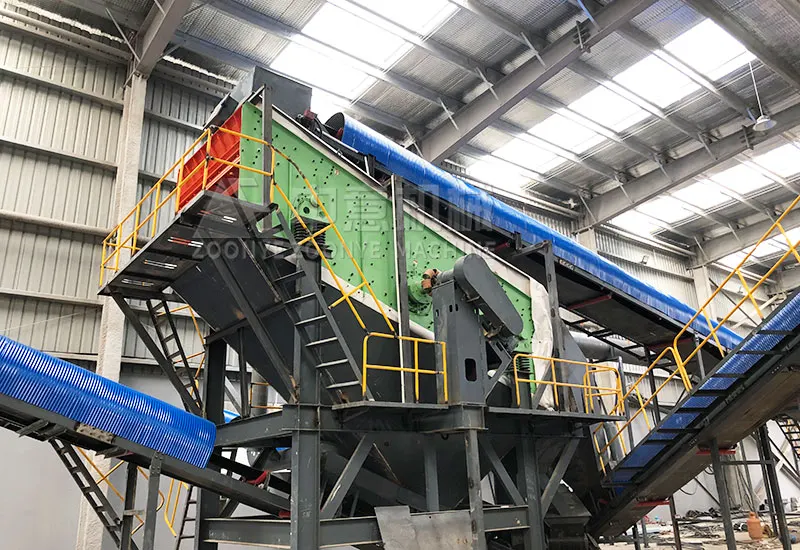
In a construction waste recycling plant, a European impact crusher machine is typically installed after a vibrating feeder or primary crusher and before a vibrating screen. Oversized material can return to the crusher for further reduction, while a magnetic separator removes ferrous metals where required. Equipment configuration depends on feed size, material composition, target output size and required processing capacity.
Products Display


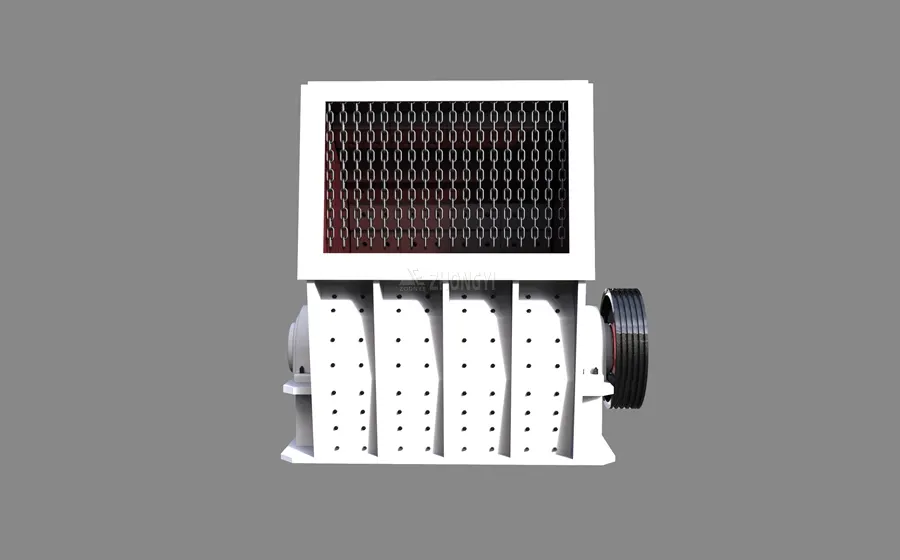
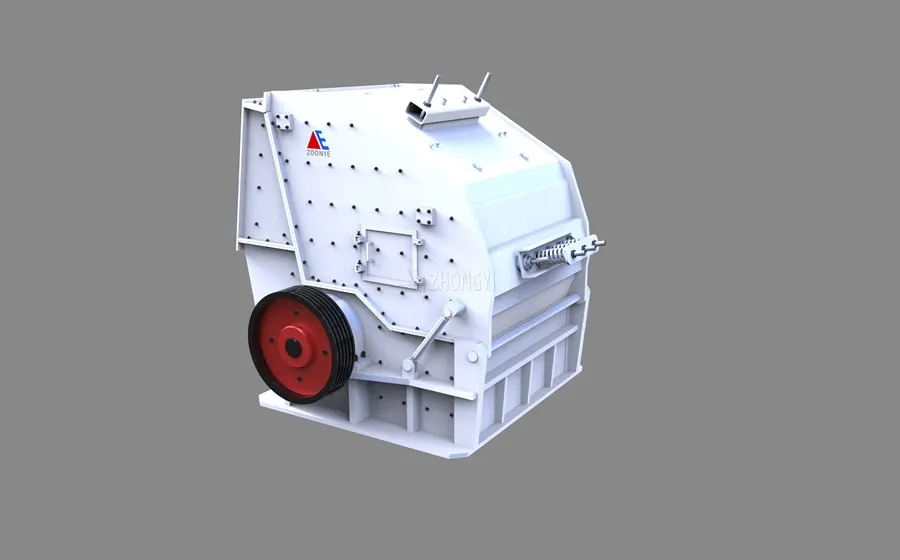
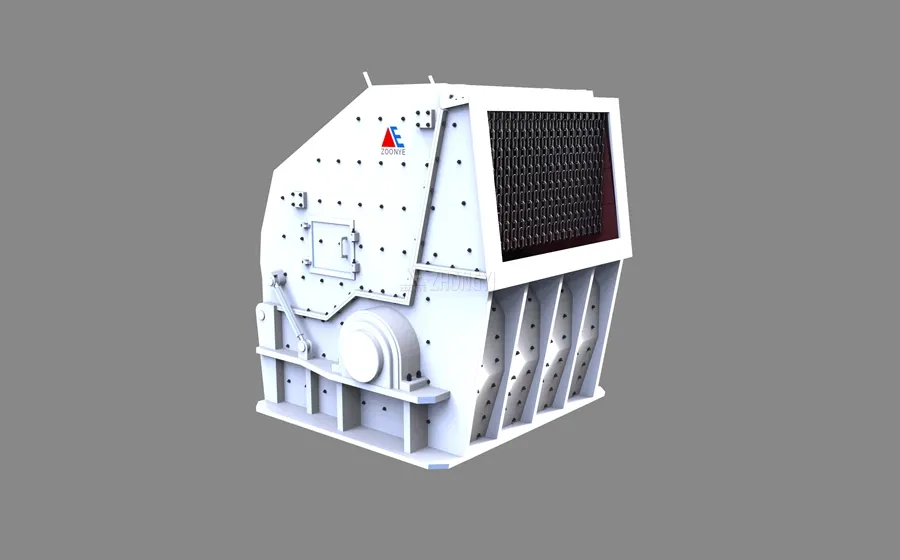
Working Principle
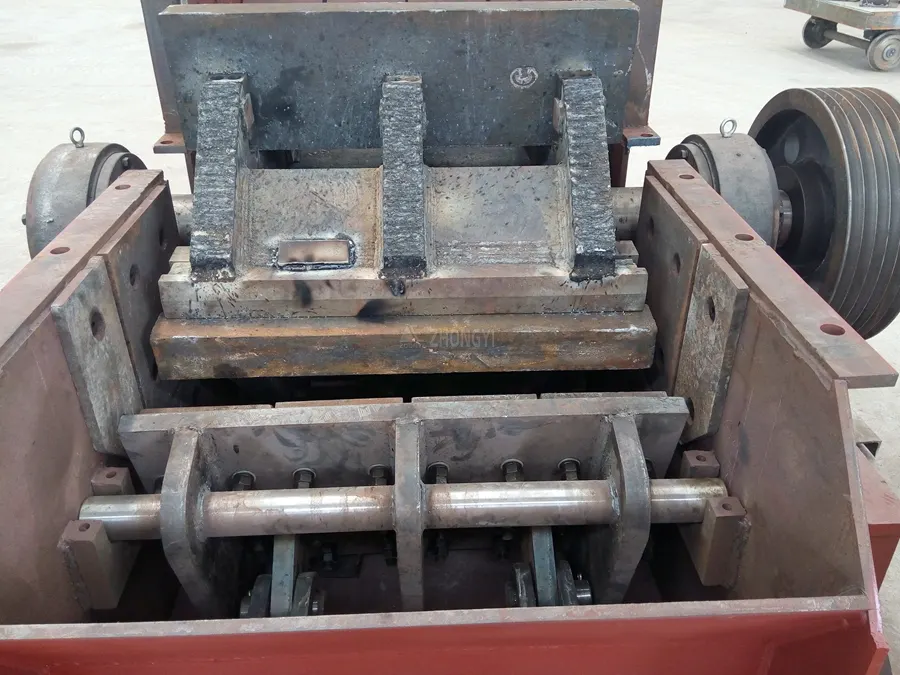
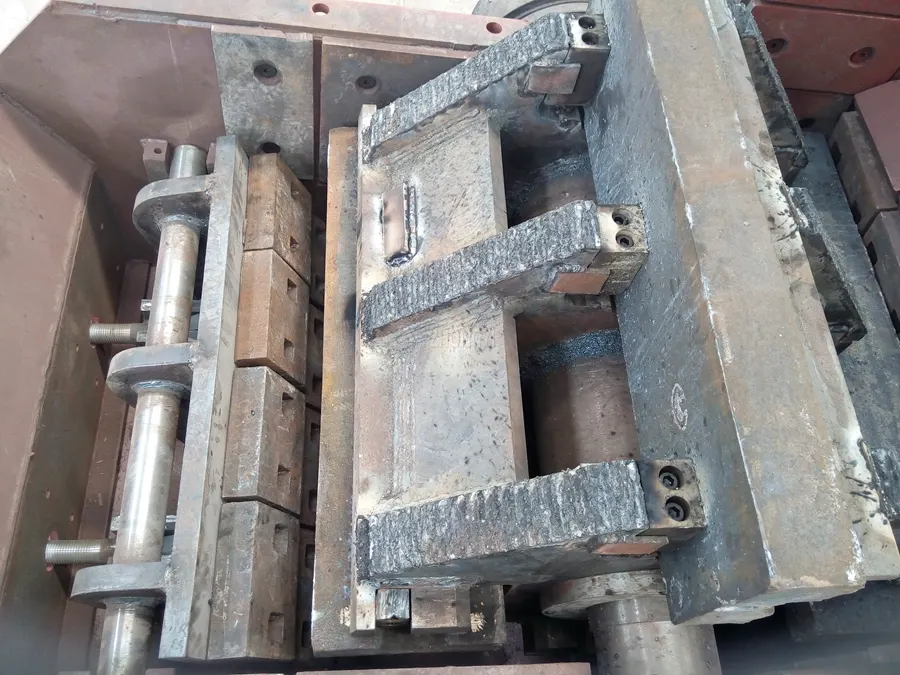
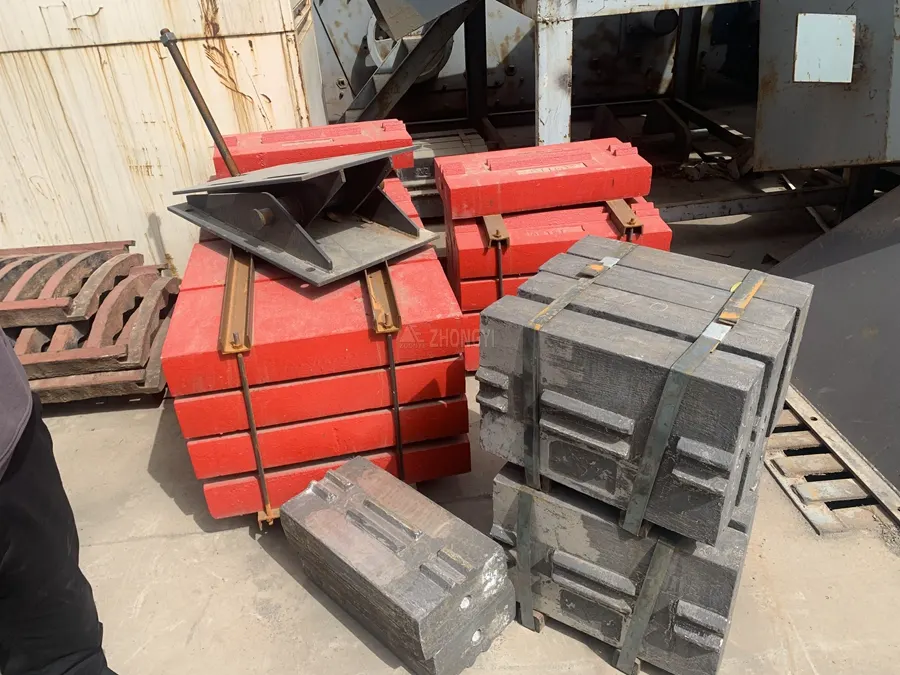
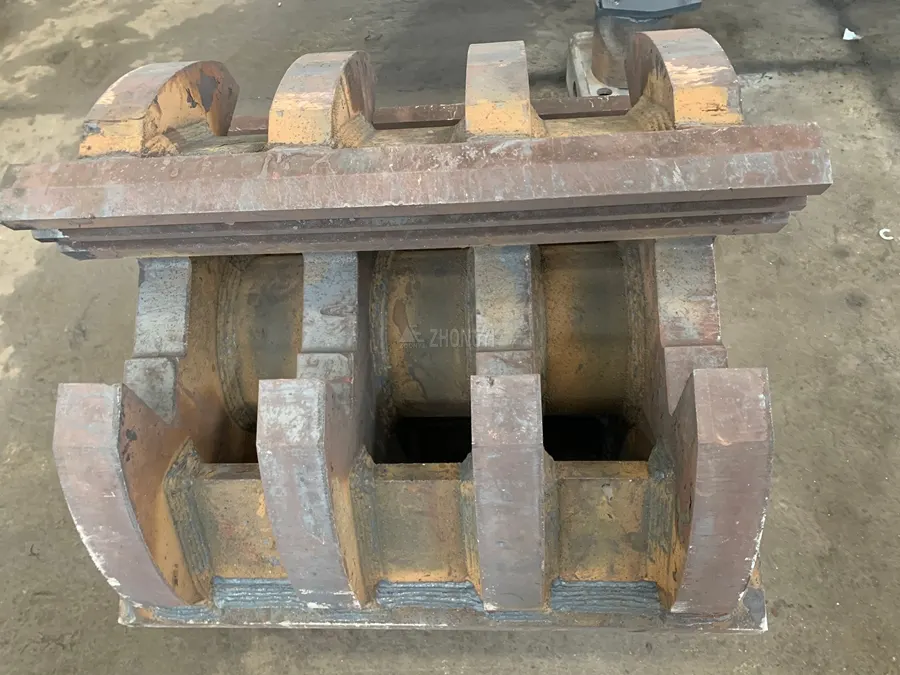
Parts of European Type Impact Crushing Machine
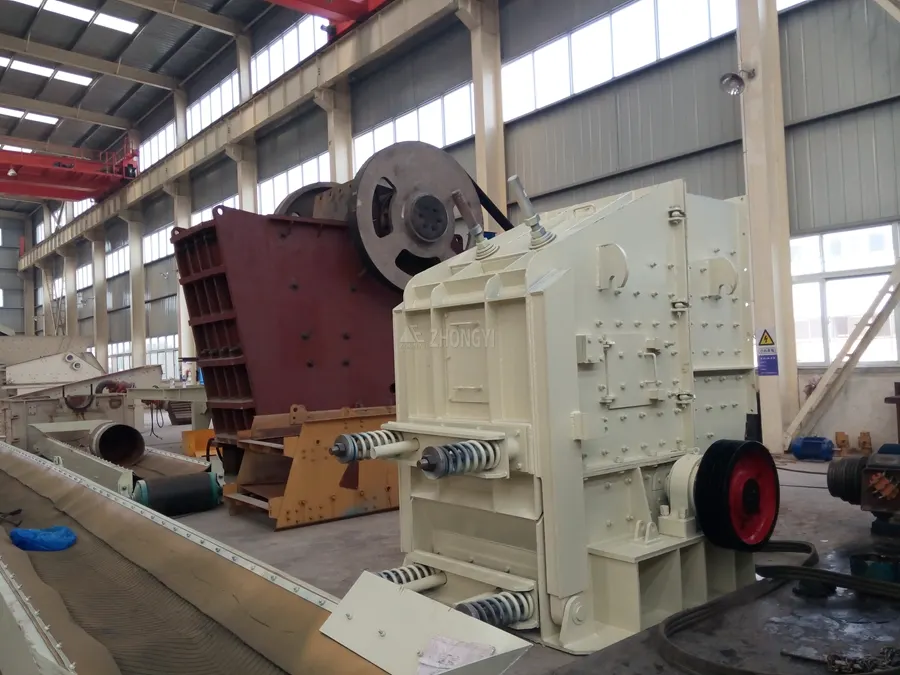
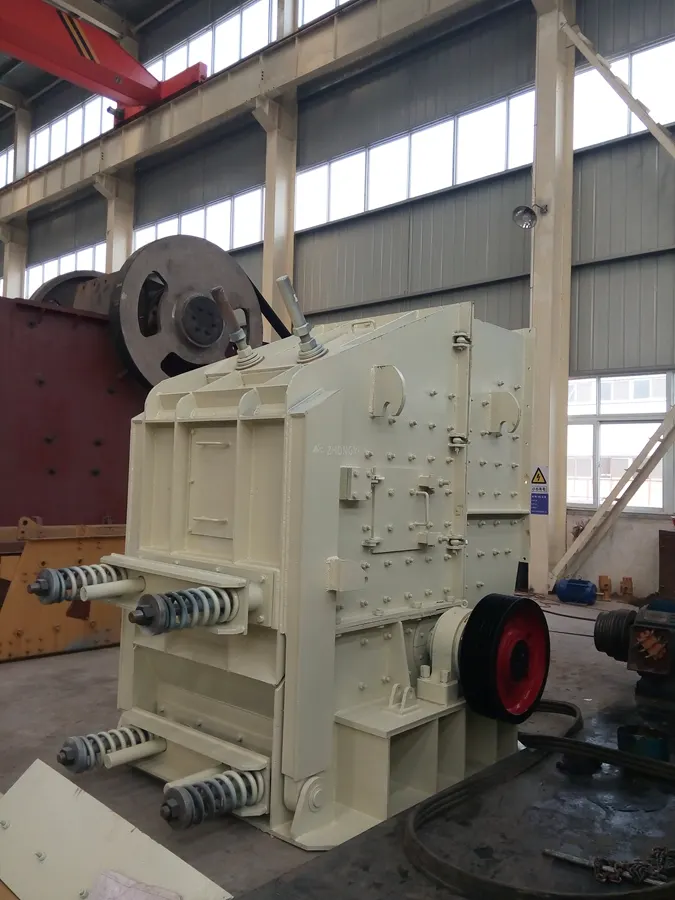
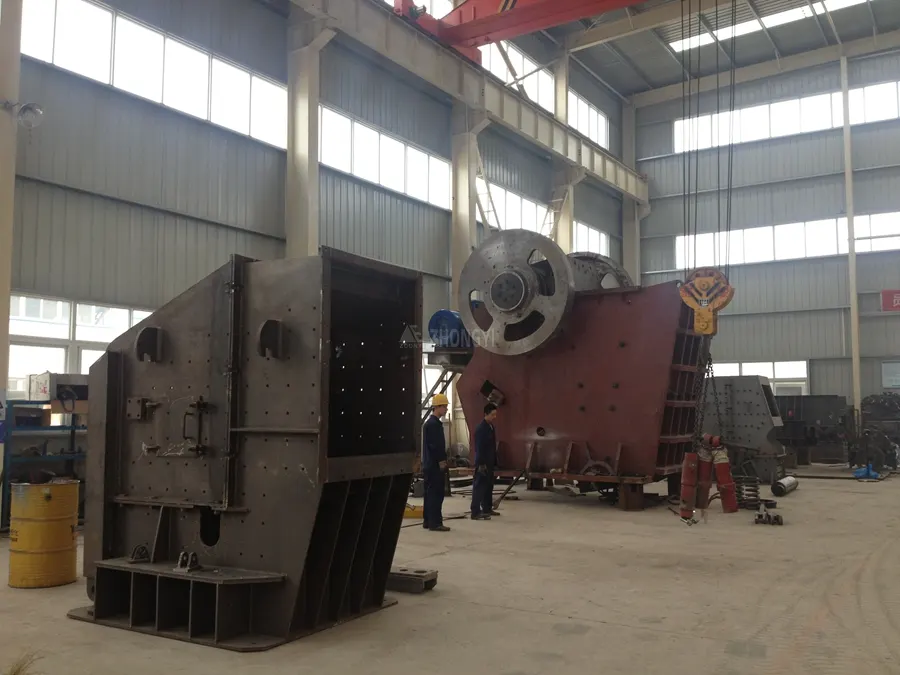
The main European Type Impact Crusher parts include the rotor, blow bars, impact plates, bearings, drive system and frame. Each component affects crushing performance, wear and maintenance requirements
Specification
For the European Type Impact Crusher, key specifications such as feed size, crushing chamber configuration, motor power, liner materials, and discharge adjustment range depend on the selected model. We can configure the equipment according to your material, required capacity, target output size, and production line layout.
| Modell | Rotor diameter (mm) | Rotor length (mm) | Max. feed size (mm) | Capacity (t/h) | Power (kw) | Weight (t) | Dimension (mm) |
| PFW-1008 | 1000 | 800 | ≤200 | 55-85 | 55-75 | 10.184 | 2858×2508×2470 |
| PFW-1313 | 1280 | 1340 | ≤200 | 130-200 | 132-200 | 19.8 | 3210×2730×2545 |
| PFW-1515 | 1540 | 1500 | ≤300 | 250-350 | 280-315 | 30 | 3200×3082×3036 |
Kostenloses Angebot erhalten
European Type Impact Crusher vs. Jaw Crusher
A European Type Impact Crusher vs a jaw crusher differ in crushing principle, feed size and production-line role. Jaw crushers are typically used for primary crushing, while European Type Impact Crushers handle secondary crushing and aggregate shaping. The following comparison highlights their key differences and helps buyers select equipment for construction waste recycling.
| Vergleich | Prallbrecher vom europäischen Typ | PE Series Jaw Crusher |
| Crushing Principle | High-speed impact | Compression |
| Typical Production-Line Role | Secondary crushing and aggregate shaping | Primary crushing of large feed |
| Main Components | Rotor, blow bars and impact plates | Fixed and movable jaw plates, eccentric shaft and toggle plate |
| Aufgabegröße | Depends on model; suitable for feed within its specified limit | Generally accommodates larger feed, depending on model |
| Product Characteristics | Can produce more cubical particles from suitable materials | Typically produces coarser crushed material |
| Construction Waste Application | Further crushing of concrete and masonry | Initial size reduction of large concrete blocks and demolition debris |
Which Crusher Should You Choose for Construction Waste Recycling?
For construction waste recycling, Impact Crusher Selection depends on feed size, material composition and target aggregate grading. Large concrete blocks may require jaw crushing before entering a European Type Impact Crusher, while suitable smaller feed may go directly to impact crushing. Reinforcing steel and other contaminants may require pretreatment.
Before selecting equipment, confirm the maximum feed size, required throughput and target output. Ensure the crusher matches the feeder, magnetic separator and screening system to avoid production bottlenecks.When comparing crusher types for construction waste recycling, read our guide on So wählen Sie den richtigen Abfallbrecher für Baustellenabfall aus to understand how feed size, material composition, and target output affect equipment selection.
Vorteile
A European Type Impact Crusher for Sale is selected based on the required aggregate size, feed material and plant capacity. Key considerations include product shape, wear-part replacement, discharge adjustment and compatibility with downstream equipment.
Application
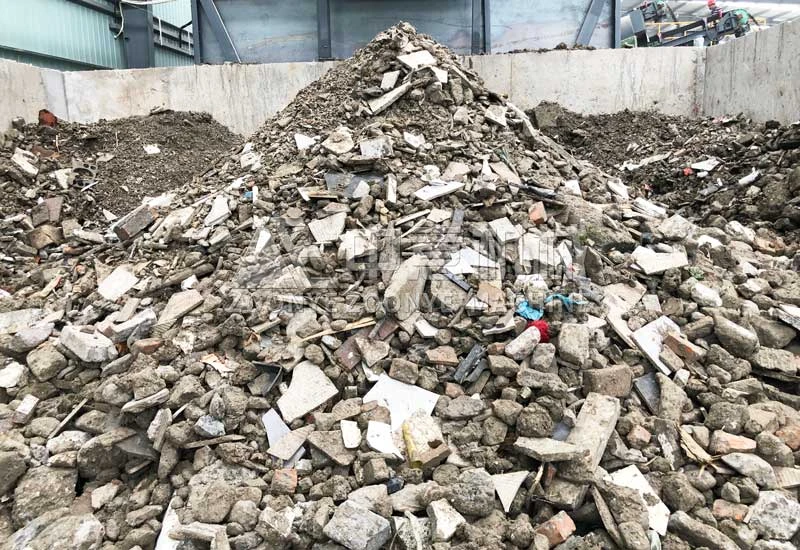
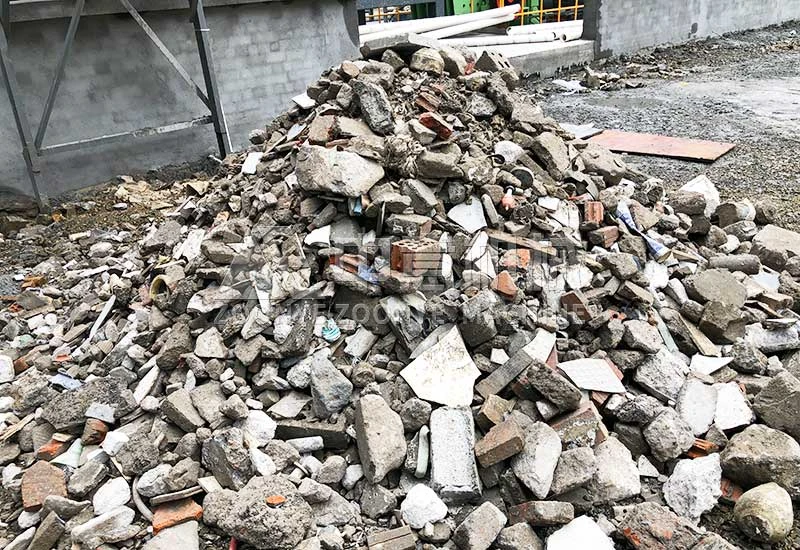
A European Type Impact Crusher reduces suitable mineral waste into smaller particles for recovery and reuse in construction waste recycling plants. Its application depends on feed composition, material size and target output. Pre-sorting, metal removal and screening may be required as part of the overall treatment process.

Project Cases
How to Choose the Right European Type Impact Crusher?
When choosing a European Type Impact Crusher for Sale, assess the waste composition, maximum feed size, material abrasiveness and required output gradation. Concrete, bricks and masonry may need different crushing configurations, while reinforcing steel, wood and plastic may require pre-sorting or separate removal. Check the model’s rated capacity against actual feed conditions and the processing capacity of downstream screens.
In equipment selection, the crusher must match the entire recycling line, not just the target throughput. An undersized feeder or screening system can restrict production even when the crusher has sufficient rated capacity. Before requesting a quotation for a European Type Impact Crusher, prepare the waste type, maximum feed size, target throughput, required aggregate sizes, contamination levels and site layout. These details help determine the appropriate model and whether additional feeding, magnetic separation or screening equipment is needed.
European Type Impact Crusher Price and Cost Factors
The price of a European Type Impact Crusher for Sale varies by model, configuration and project requirements. The main cost factors include equipment specifications, wear parts, auxiliary equipment, transportation and installation.
For a quotation, provide your waste type, required capacity, maximum feed size, target output size and project location. This information helps determine the suitable configuration and clarify the supply scope.
Kostenloses Angebot erhalten
European Type Impact Crusher Manufacturer and Supplier
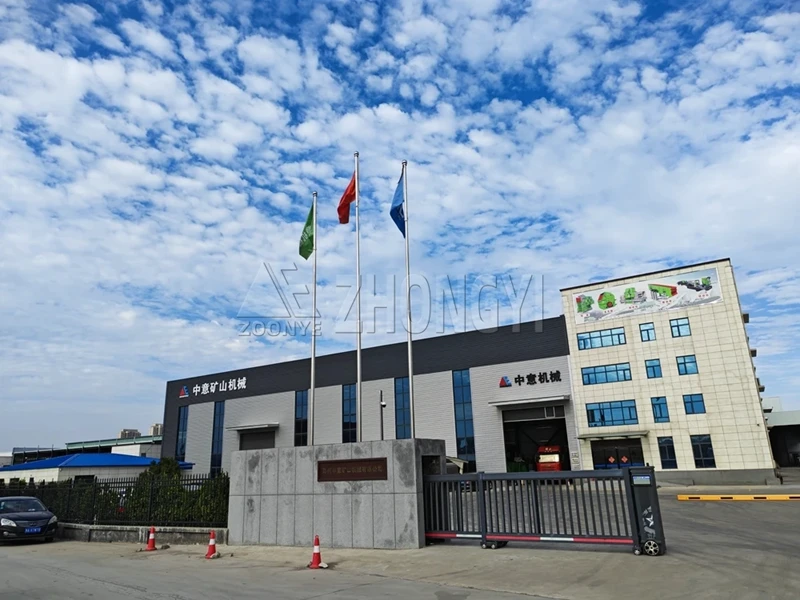
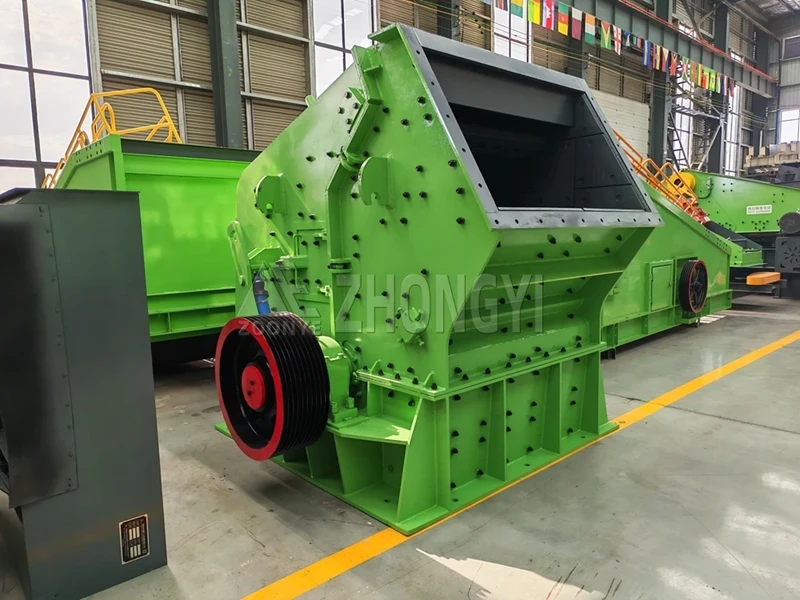
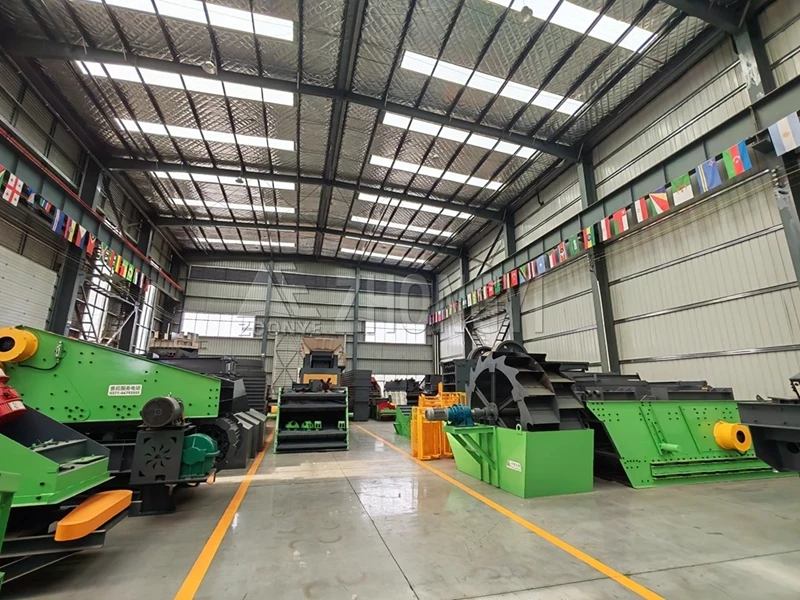
Xinzhongyi ECO supplies crushing equipment for construction waste recycling and other solid waste applications. Backed by three production bases covering over 300 acres and more than 60 patents, we support equipment selection based on feed composition, maximum feed size, required throughput and target aggregate grading. This helps buyers assess whether a European Type Impact Crusher for Sale fits their material and processing requirements before finalizing a configuration.
For construction waste projects, the crusher must work with the right feeding, metal removal and screening equipment. We support European Type Impact Crusher selection and production line integration, with spare parts supply, installation guidance and commissioning support according to project requirements. From standalone equipment to complete recycling line configurations, our focus is on matching the equipment to the waste stream and downstream process. Learn more about Xinzhongyi ECO and our technical and after-sales services.
FAQ
A European Type Impact Crusher can process suitable mineral materials such as waste concrete, bricks, masonry and other brittle construction debris. Its suitability depends on material hardness, abrasiveness, feed size and contamination levels. For mixed construction and demolition waste, wood, plastic, reinforcing steel and other unsuitable materials may need to be removed before crushing. Feed composition should be assessed before selecting the crusher model and process configuration.
The maximum Impact Crusher Feed Size depends on the model, feed opening and material characteristics. Before purchasing a European Type Impact Crusher for Sale, confirm the largest material dimensions in your waste stream, rather than relying only on average size. Oversized concrete blocks may require primary crushing first. The feeding system must also deliver material at a suitable rate to reduce blockages and maintain stable operation.
An Impact Crusher for Construction Waste can process suitable reinforced concrete fragments, but exposed rebar can create operational problems if it enters the crushing system unchecked. Depending on the material and plant layout, pre-sorting, rebar removal or magnetic separation may be required. Buyers should provide information about concrete block size, steel content and feed consistency so the supplier can assess the necessary pretreatment and metal-removal equipment.
The Impact Crusher Output Size depends on the crusher model, rotor configuration, impact plate settings and feed properties. A European Type Impact Crusher reduces material size, but the final recycled aggregate grading is also determined by downstream screening. If a project requires several aggregate sizes, the plant may need multiple screen decks and a return conveyor for oversized material. Confirm the required product grading before finalizing the equipment configuration.
Impact Crusher Selection should consider required hourly throughput, operating hours, feed composition, maximum feed size and target product grading. The rated Impact Crusher Capacity should not be treated as the guaranteed output of the entire recycling plant. Feeders, screens and conveyors can limit actual production. For accurate selection, specify the required tonnes per hour and describe the material conditions under which the plant will operate.
The European Type Impact Crusher Price depends on the selected model, configuration and project requirements. The quotation may cover only the crusher or include feeders, magnetic separators, vibrating screens, conveyors and other auxiliary equipment. Freight, installation and commissioning can add to the initial investment. When comparing quotations, review the equipment scope, wear parts, service arrangements and exclusions to evaluate the total Impact Crusher Cost, not just the machine price.
An impact crusher uses impact to break suitable materials and is often used for secondary crushing or aggregate shaping. A jaw crusher uses compression and is commonly used to reduce larger feed material during primary crushing. In a construction waste recycling plant, the two may work together when concrete blocks exceed the impact crusher’s feed limit. The right configuration depends on feed size, material abrasiveness, target grading and required throughput.
The service life of Impact Crusher Wear Parts depends on feed abrasiveness, material composition, operating conditions and the presence of unsuitable contaminants. Blow bars and impact plates require regular inspection because excessive wear can affect crushing performance and product grading. When evaluating an Impact Crusher Supplier, ask about wear-part materials, replacement procedures, spare-parts availability and maintenance access. Actual replacement intervals should be established from operating conditions rather than a universal schedule.


