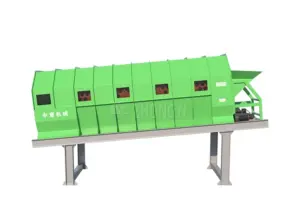
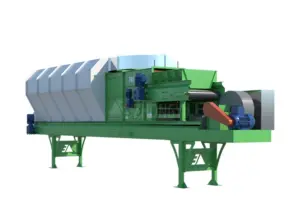















What Is a Flip Flop Screen?
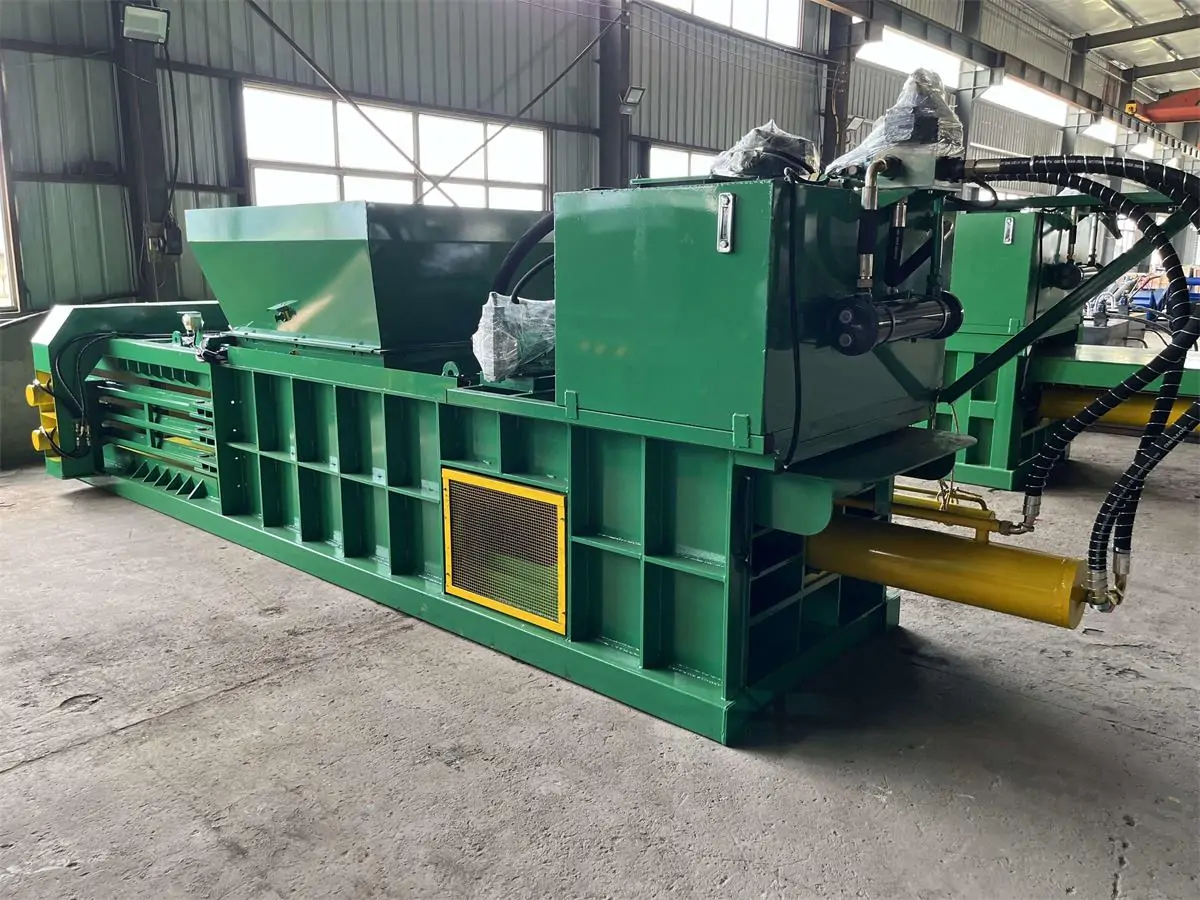
A Flip Flop Screen, also known as a Flip Flow Screen, is designed to screen difficult materials that can blind conventional screen media, particularly wet, sticky and fine-grained feed. The YBF Series Rod Deck Flip Flop Screen combines a stepped rod deck with a flexible screening surface that repeatedly stretches and relaxes during operation. This movement helps release adhering particles and reduce screen blinding, making the equipment suitable for selected waste recycling and material separation applications.
In a waste recycling line, the Flip Flop Screen can be installed downstream of a Waste Shredder or Crusher to classify processed material by size. Depending on the output fractions and process requirements, screened material may then proceed to a Magnetic Separator for ferrous metal recovery or an Air Separator for lightweight material separation. The actual equipment sequence depends on feed composition, target particle size and the plant’s sorting objectives.


Which Materials Can a Flip Flop Screen Process?
The YBF Series Rod Deck Flip Flop Screen is designed for difficult-to-screen bulk materials, particularly wet, sticky, and clogging-prone feed. Its moving rod deck helps reduce material buildup and supports particle separation in applications such as coal handling, mineral processing, and selected waste recycling lines. As Waste Screening Equipment, its suitability depends on feed size, moisture content, material characteristics, required cut size, and processing capacity.
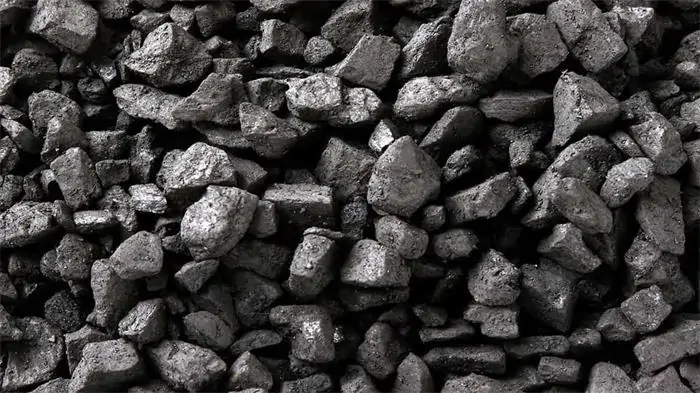
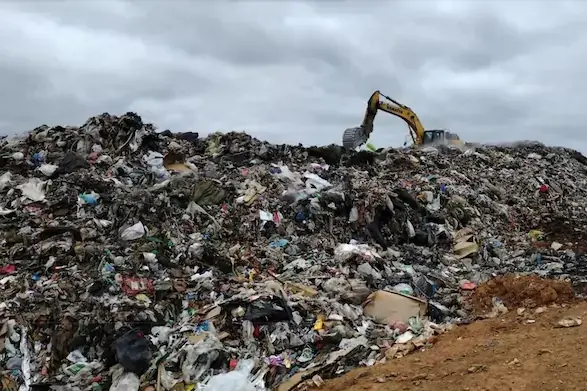
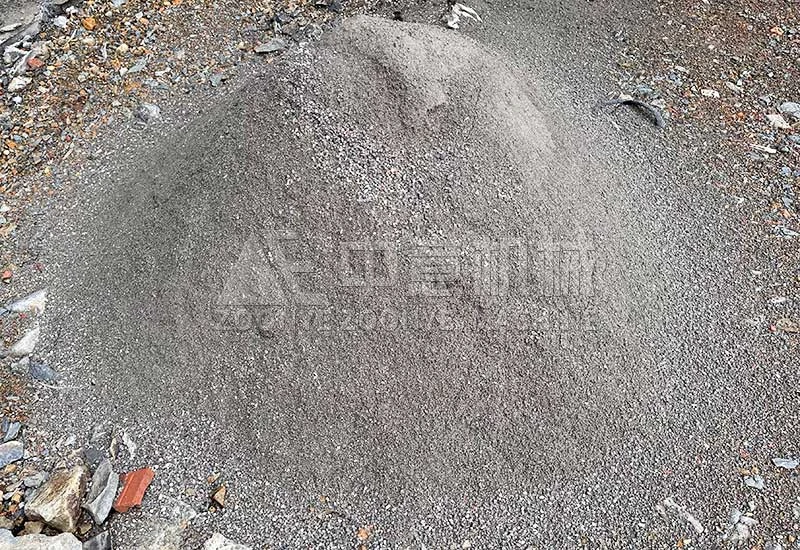
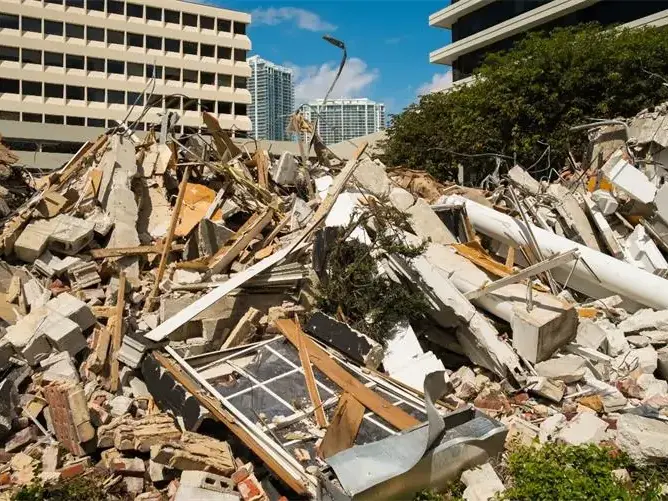
Области применения
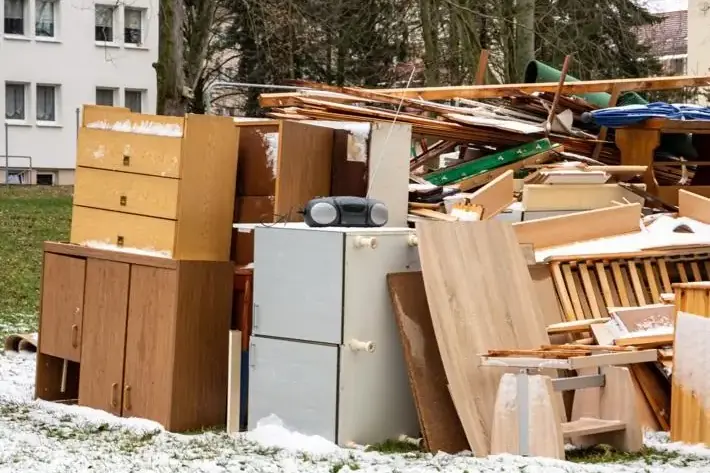
A Flip Flop Screening Machine is installed at screening stages where conventional screens may struggle with sticky or clogging-prone feed. In a Waste Recycling Plant, its position is determined by the required particle-size separation and the next processing stage.
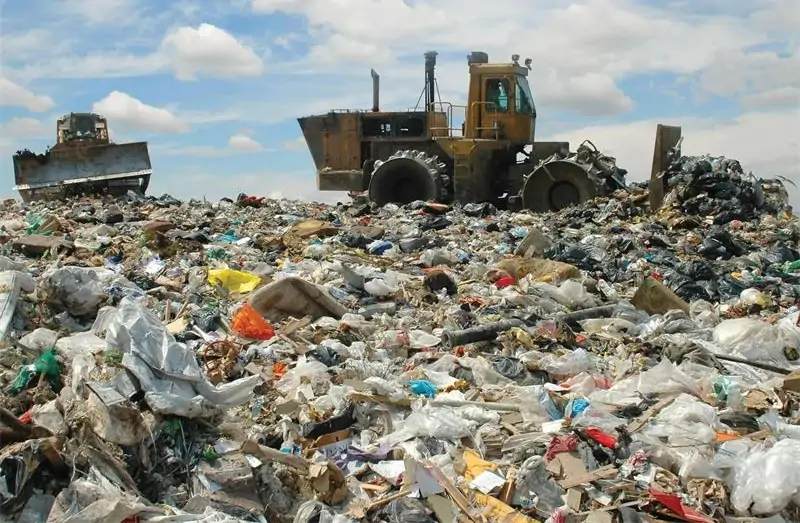
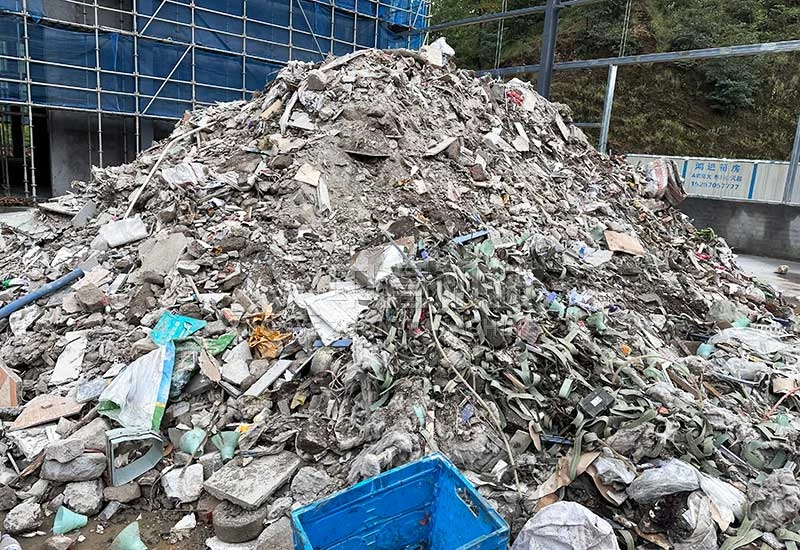
How Does a Rod Deck Flip Flop Screen Work?
A Rod Deck Flip Flop Screen separates materials by particle size through the movement of its screening rods and deck. The working process involves material distribution, dynamic screening, and the discharge of undersize and oversize particles.
Material spreads across the stepped rod deck and moves along the screening surface. Proper feed distribution helps expose fine particles to the screening gaps and reduces uneven loading.
During operation, the screening rods or deck move according to the machine’s drive design. This dynamic action loosens the material and helps reduce clogging around the screening gaps, particularly when processing difficult-to-screen feed.
Particles smaller than the effective screening gaps pass through the deck as undersize material, while larger particles continue toward the discharge end. The separation size depends on the rod spacing and deck configuration, as well as the characteristics of the feed.
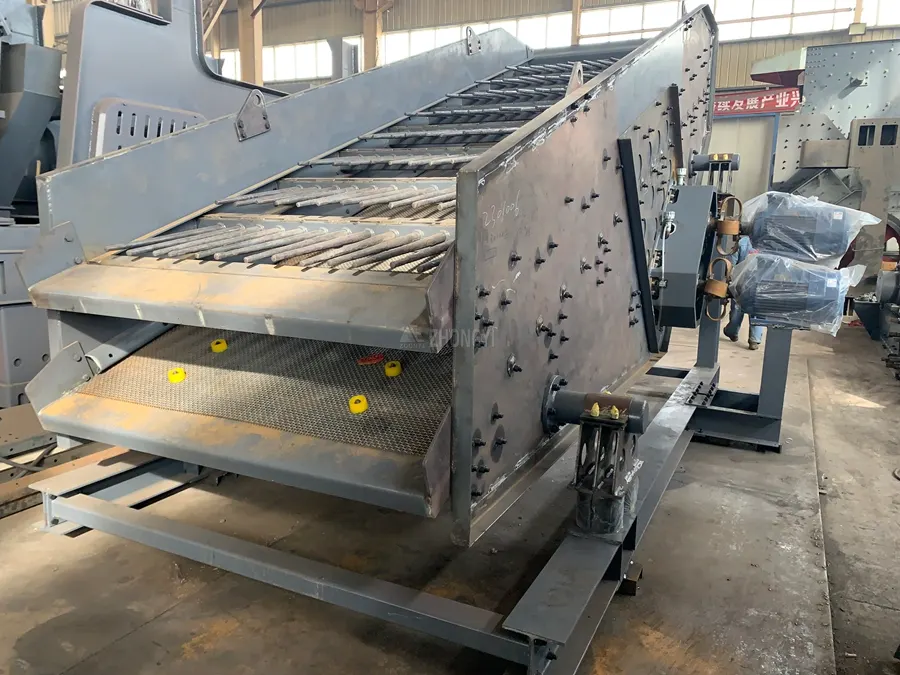
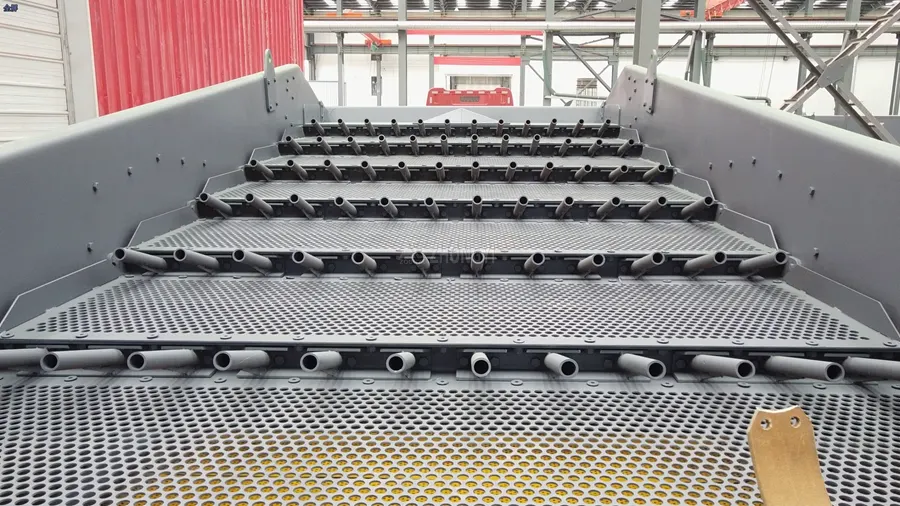
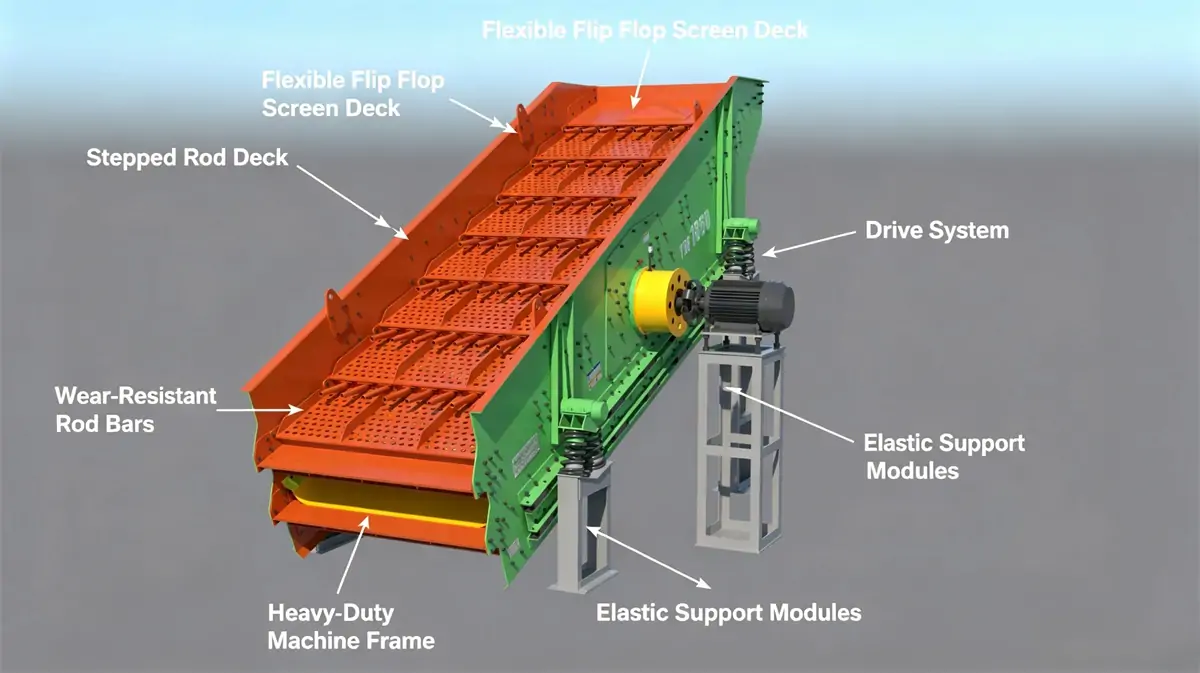
Parts of Rod Deck Flip Flop Screen
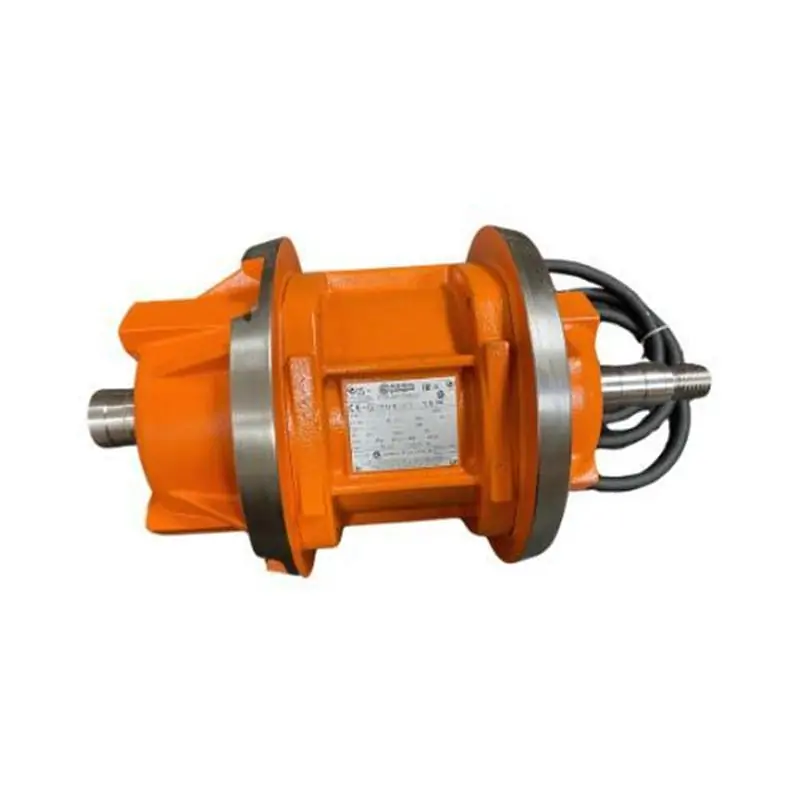
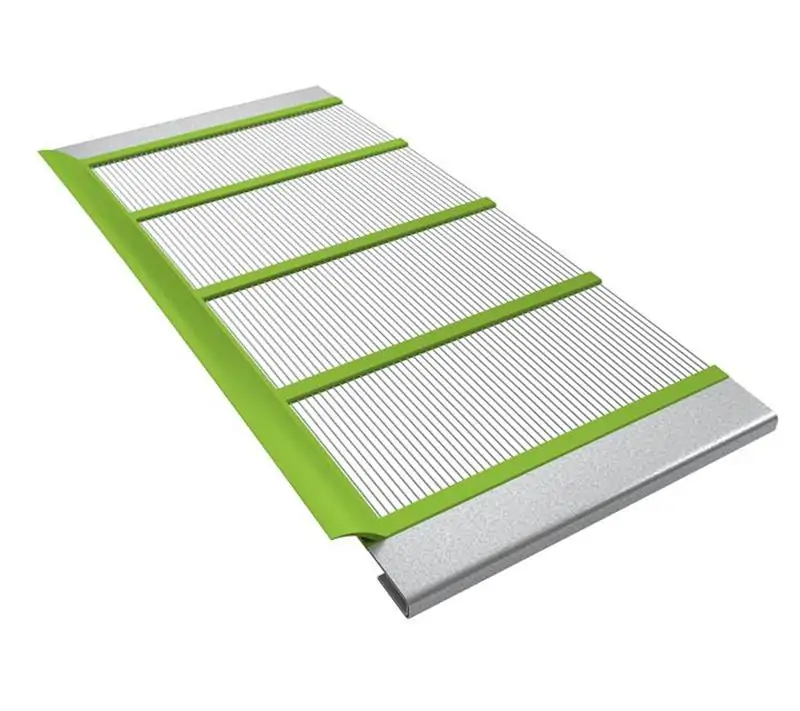
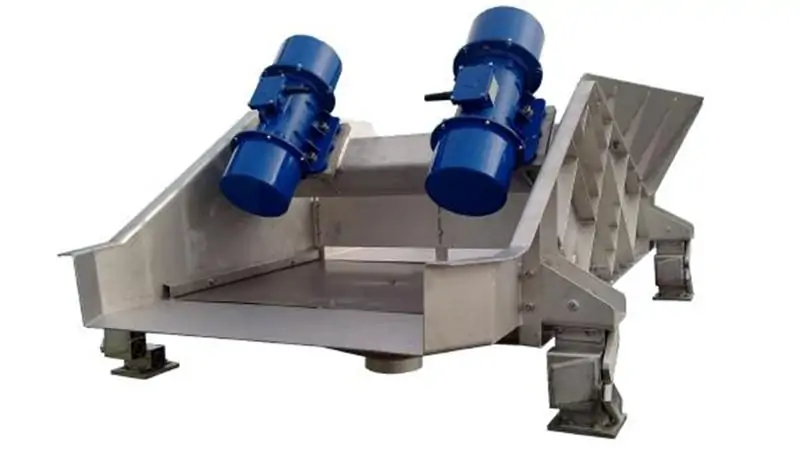
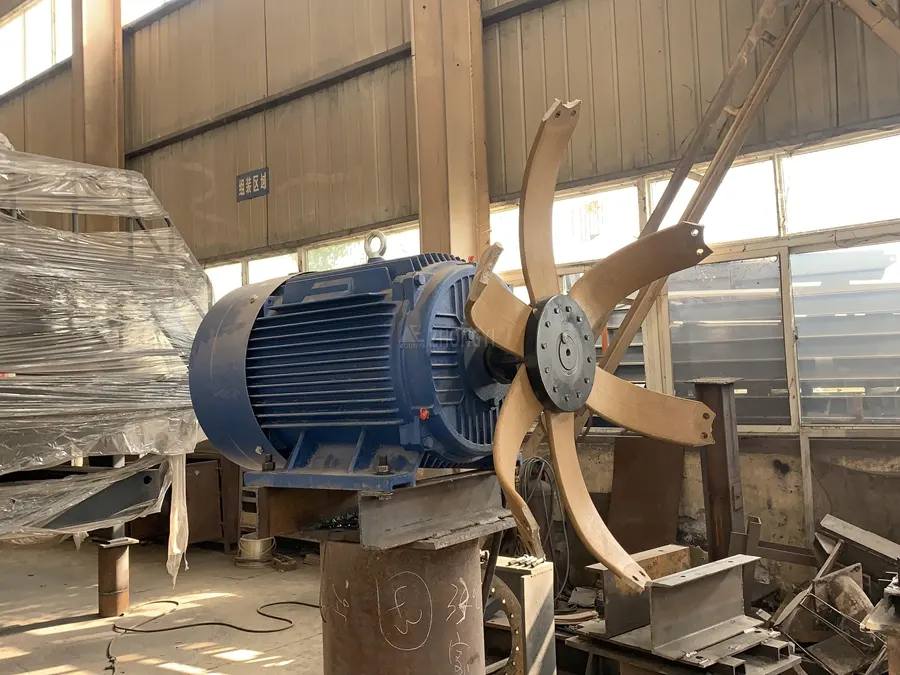
The YBF Rod Deck Screen consists of screening components, a drive system, supports, and a machine frame. Each component affects screening stability, material separation, and routine maintenance. The exact configuration should be confirmed against the manufacturer’s technical drawings and specifications.
Specifications
The Rod Deck Flip Flop Screen is available in multiple models for different feed conditions and processing capacities. Model selection depends on material type, moisture content, feed size, required screening size, and plant throughput. Refer to the technical specifications below for model dimensions and operating parameters.
| Модель | Installed Power (kW) | Производительность (м³/ч) |
| YBF1548 | 15 | 30–100 |
| YBF1860 | 22 | 35–200 |
| YBF2160 | 30 | 40–250 |
| YBF2460 | 30 | 45–300 |
| YBF3060 | 30 | 50–350 |
Преимущества
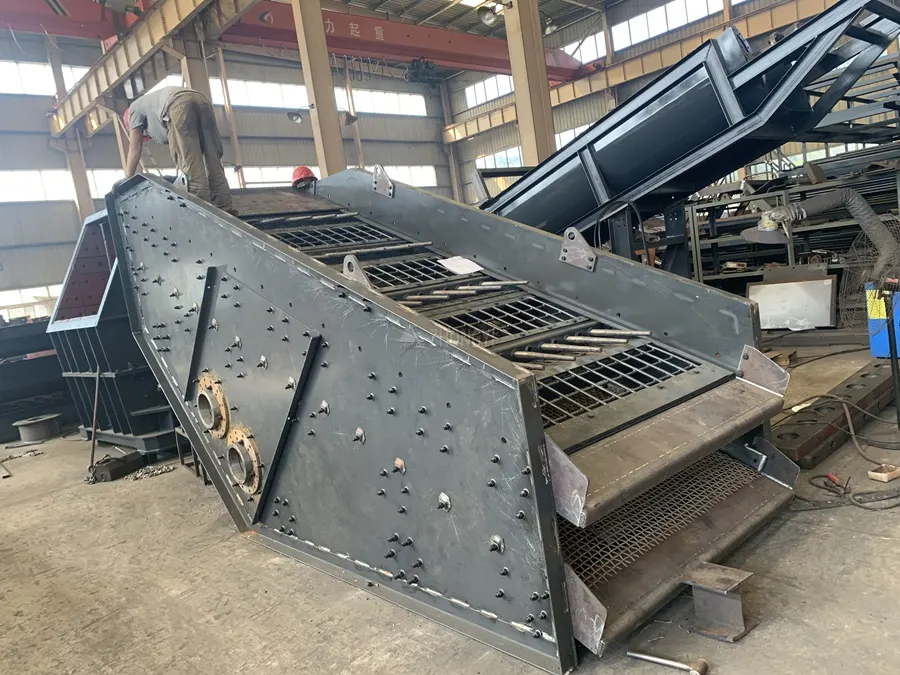
The YBF Series Flip Flop Screen is designed for bulk materials that tend to clog conventional screen media. Its main advantages are related to dynamic screening, material movement, and configuration flexibility.
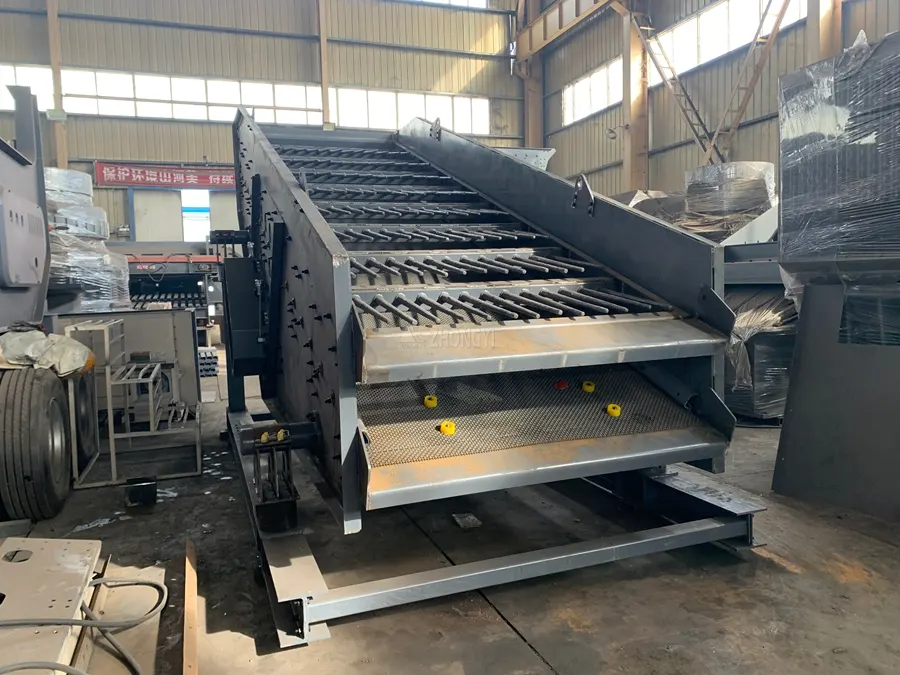
Flip Flop Screen vs. Conventional Vibrating Screen
The main difference between a Flip Flop Screen and a conventional vibrating screen lies in the screening surface design and operating motion. The YBF Rod Deck Flip Flop Screen uses a moving rod deck to separate particles, while conventional vibrating screens use vibration to move material across the screening surface. Actual performance depends on feed properties, screen configuration, and operating conditions.
| Comparison Factor | YBF Rod Deck Flip Flop Screen | Conventional Vibrating Screen |
| Screening Surface | Rod deck with model-specific movement | Wire mesh, perforated plate, or other screen media, depending on design |
| Screening Motion | Dynamic rod-deck movement | Vibration generated by the machine’s drive system |
| Wet or Sticky Feed | Can help reduce material buildup and screen blinding | Blinding risk depends on material properties and screen media |
| Separation Size | Determined by rod spacing and deck configuration | Determined by screen aperture and media configuration |
| Key Selection Factors | Feed size, moisture, material stickiness, required cut size, and capacity | Feed characteristics, required cut size, screen media, and capacity |
A YBF Rod Deck Flip Flop Screen is worth evaluating when sticky or moisture-bearing feed causes recurring screen blinding. A conventional vibrating screen may be suitable when the material and separation requirements match its screen media and operating range. Final selection should be based on actual feed conditions, required separation results, and confirmed equipment specifications.
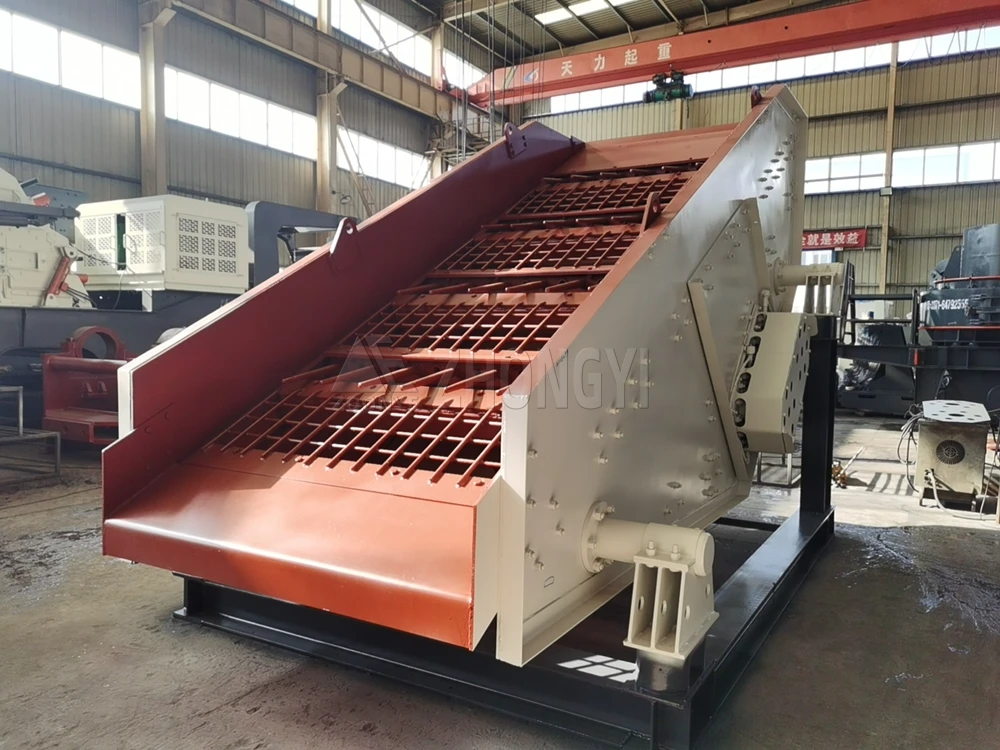
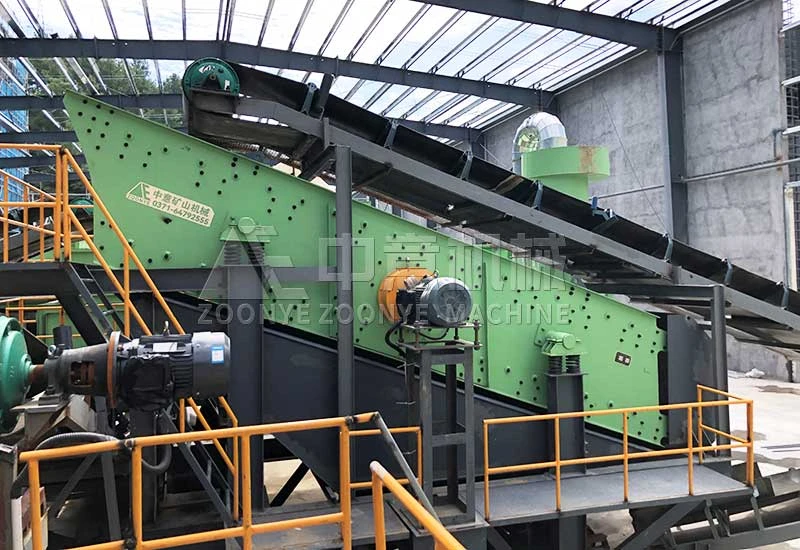
How to Choose the Right Flip Flop Screen?
Selecting the right Flip Flop Screen requires matching the machine to the feed conditions, target separation size, and required throughput. These parameters should be confirmed before choosing a model.
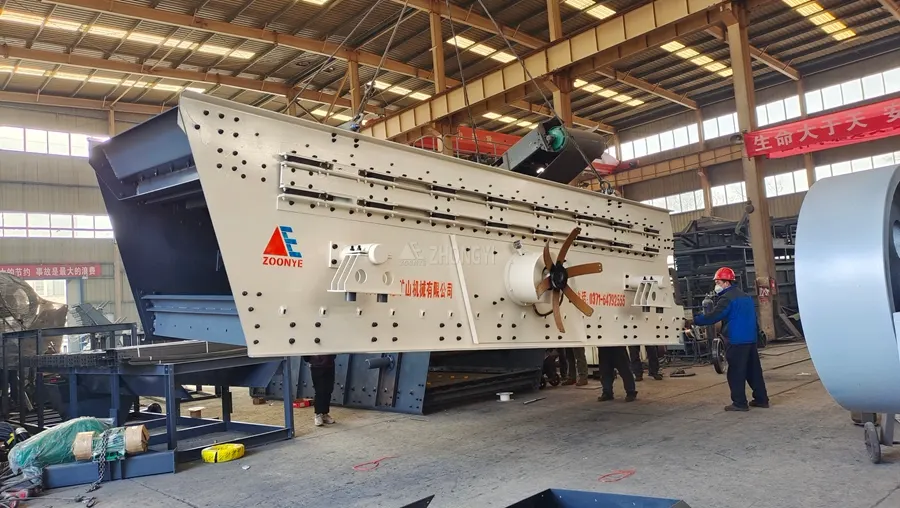
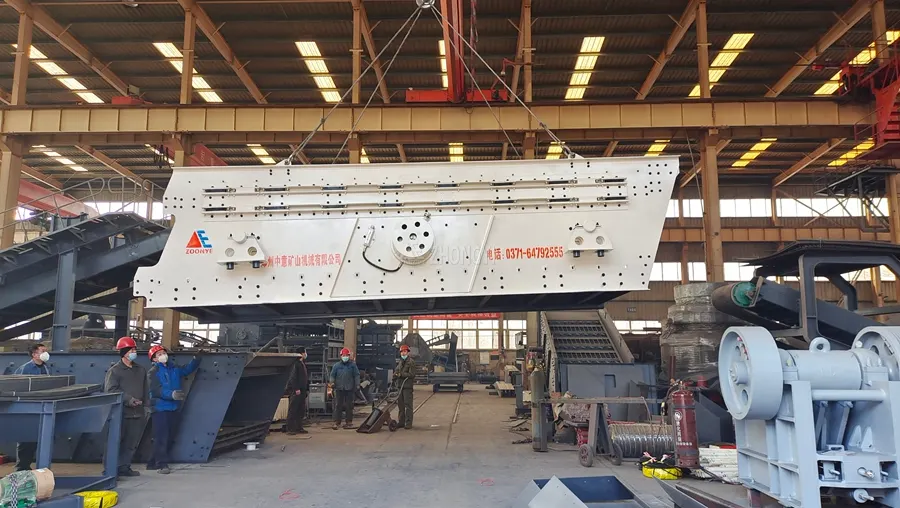
Custom Rod Deck Flip Flop Screen Solutions
Xinzhongyi ECO provides engineering support for waste screening projects, including process planning, equipment selection, and layout design. For MSW, construction waste, and landfill waste applications, system configuration is based on material composition, moisture content, target separation size, required throughput, and site conditions.
Please provide the following information:
1. Waste Type
2. Waste Composition
3. Final Output Requirement
4. Processing Capacity
5. Project Location & Site Conditions
6. Automation Level
7. Existing Equipment
8. Budget Range
Rod Deck Flip Flop Screen Manufacturer & Supplier
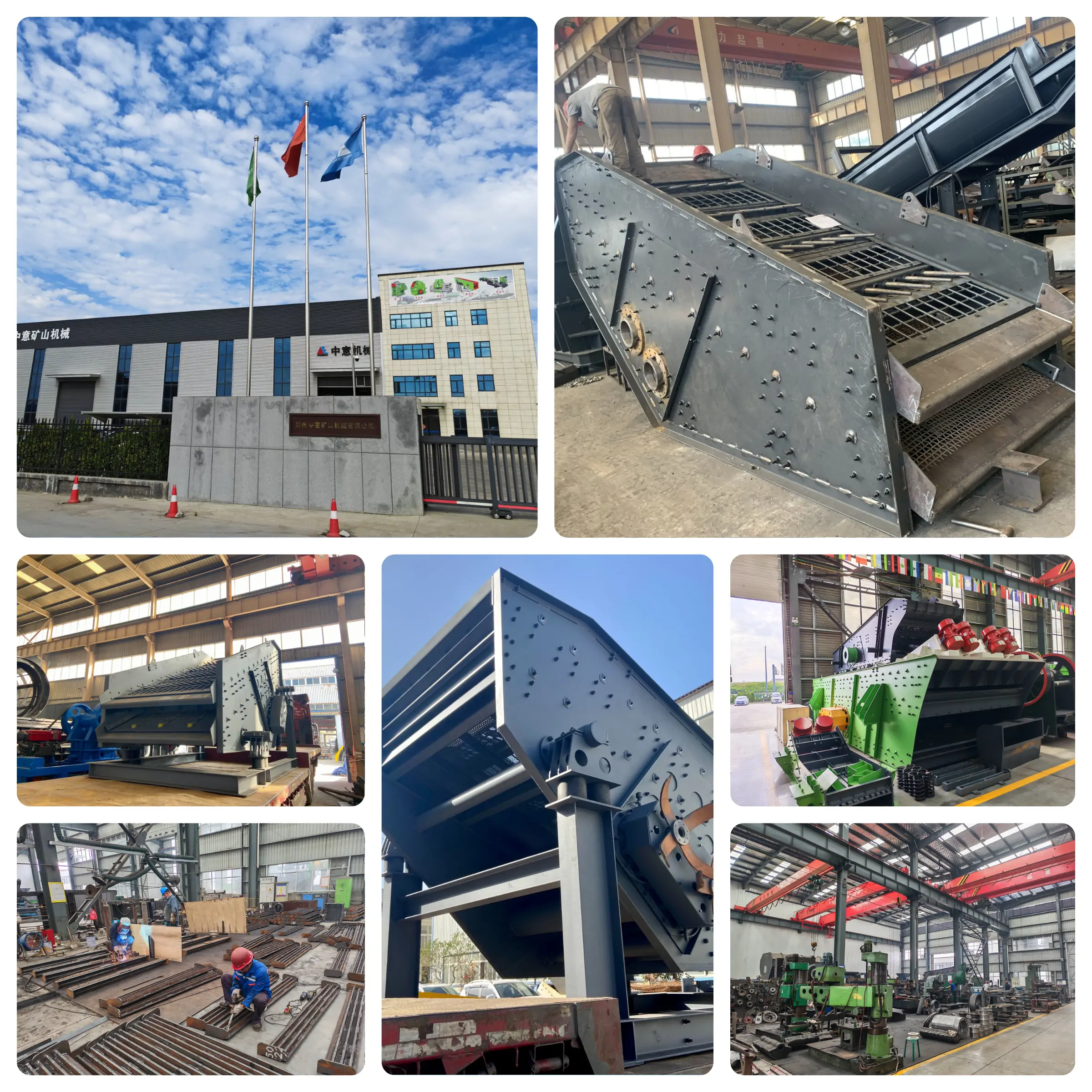
Henan Xinzhongyi Eco Equipment Co., Ltd. (Xinzhongyi ECO) manufactures waste screening equipment and integrated recycling systems. With three production bases covering over 300 acres and more than 60 national patents, we support projects involving municipal solid waste, construction and demolition waste, landfill waste, and RDF production.
As a Flip Flop Screen Manufacturer and Supplier, we provide YBF Series rod deck screens with engineering support for equipment selection, process planning, and production line integration. Our team evaluates feed composition, moisture content, target screening size, required throughput, and site layout to help determine a suitable configuration.
Contact Xinzhongyi ECO to discuss your Flip Flop Screen requirements. Share your material properties, target capacity, and project layout to receive equipment selection guidance for your waste recycling line.
Часто задаваемые вопросы
Штанговый грохот с гибким ситом (Rod Deck Flip Flop Screen) — это просеивающая машина, предназначенная для разделения сыпучих материалов по размеру частиц. Серия YBF использует ступенчатую штанговую деку для распределения материала по просеивающей поверхности. Динамическое движение просеивания может помочь уменьшить налипание материала при переработке подходящего трудно просеиваемого сырья. Фактическая производительность просеивания зависит от шага штанг, характеристик материала, распределения подачи и условий эксплуатации.
Для подходящих влажных, липких или склонных к засорению материалов, включая отдельные потоки угля, минерального сырья и отходов, можно рассмотреть Flip Flop Screen. В применениях оборудования для сортировки отходов совместимость материалов зависит от влажности, гранулометрического состава, состава и крупногабаритных объектов. Для твердых коммунальных отходов, строительных отходов или отходов полигонов перед выбором серии YBF необходимо подтвердить фактические характеристики подаваемого материала и требуемый размер разделения.
Грохот с подвижными (флип-флоп) ситами использует динамическое движение просеивания для нарушения материала вокруг просеивающих щелей, помогая уменьшить накопление, вызывающее забивание. Это противозабивающее действие может быть полезным при обработке подходящего липкого или влажного сырья. Однако оно не предотвращает все засорения. Производительность зависит от адгезии материала, влажности, формы частиц, скорости подачи и конкретной конфигурации просеивающей поверхности.
The listed YBF Series models have a stated volumetric capacity range of 30–350 m³/h. Actual throughput depends on the selected model, bulk density, moisture content, particle-size distribution, and required screening cut. Volumetric capacity should not be converted directly into tonnes per hour without considering bulk density. Confirm the rated capacity against your feed conditions before finalizing the equipment selection.
Flip Flop Screen Selection starts with the required screening cut size, actual feed rate, and material characteristics. Define which particles must pass through the deck and which should continue to the discharge end. Moisture, particle shape, and feed distribution can affect separation results. Confirm the available rod spacing, maximum feed size, and rated capacity with the manufacturer before selecting a model.
The main difference between a Flip Flop Screen and a conventional vibrating screen is the screening surface movement. A Flip Flop Screen uses a dynamically moving screening surface to help manage difficult-to-screen feed, while conventional vibrating screens rely on vibration to move material across the deck. The suitable option depends on moisture, stickiness, required separation size, screen media, and operating conditions.
A Rod Deck Screen requires routine inspection of the screening rods, drive components, supports, fasteners, and frame connections. Check for wear, damage, loose connections, and changes in screening performance. Inspection frequency depends on operating hours, material abrasiveness, and feed conditions. Follow the manufacturer’s maintenance instructions and isolate the equipment from its power source before carrying out inspection or repair.
A Flip Flop Screening Machine can be integrated into a Waste Recycling Plant when its feed limits, capacity, and separation requirements match the process. Depending on the plant layout, it may be installed after size reduction and before downstream sorting or material recovery. Check conveyor interfaces, feed and discharge heights, installation space, maintenance access, and downstream equipment capacity before confirming the process layout.