













Thiết bị
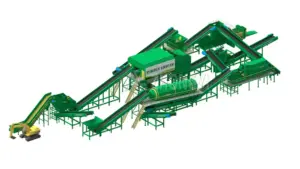
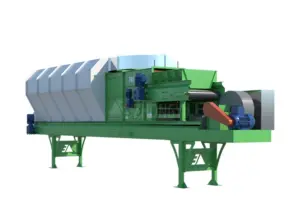
Hệ thống phân loại chất thải AI

- Độ tinh khiết phân loại: ≥ 99,5%
- Năng suất: 1–30 t/h
- Mức tiêu thụ điện năng: 1,5–7,5 kW

- Chiều rộng tang từ: 600–2000 mm
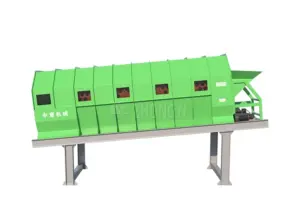
- Năng suất xử lý: 1–20 T/H

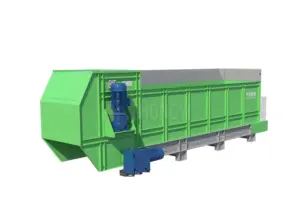
- Năng suất xử lý: 10-280m³/h
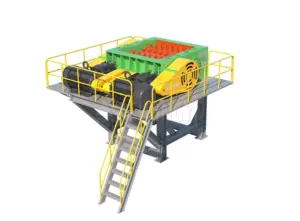
Kích thước hạt nạp: 500–2000 mm
Thiết bị phân loại rác AI là gì?
Thiết bị phân loại rác AI sử dụng công nghệ nhận dạng AI, thị giác máy, cảm biến và IoT để tự động nhận diện, phân loại và tách các loại vật liệu rác khác nhau. Thiết bị giúp thay thế hoặc hỗ trợ quy trình phân loại thủ công tại các cơ sở xử lý rác thải sinh hoạt, vật liệu tái chế và thu hồi tài nguyên.
So với phân loại thủ công truyền thống, hệ thống AI mang lại độ chính xác cao hơn, tốc độ xử lý nhanh hơn và yêu cầu nhân công thấp hơn. Hệ thống nâng cao tỷ lệ thu hồi vật liệu và độ tinh khiết của sản phẩm đầu ra, giúp vận hành xử lý rác hiệu quả hơn, tiết kiệm chi phí hơn và có khả năng mở rộng. Nếu bạn muốn tìm hiểu thêm về những ưu điểm cốt lõi của Máy phân loại rác AI độ chính xác cao, vui lòng nhấp vào bài viết.
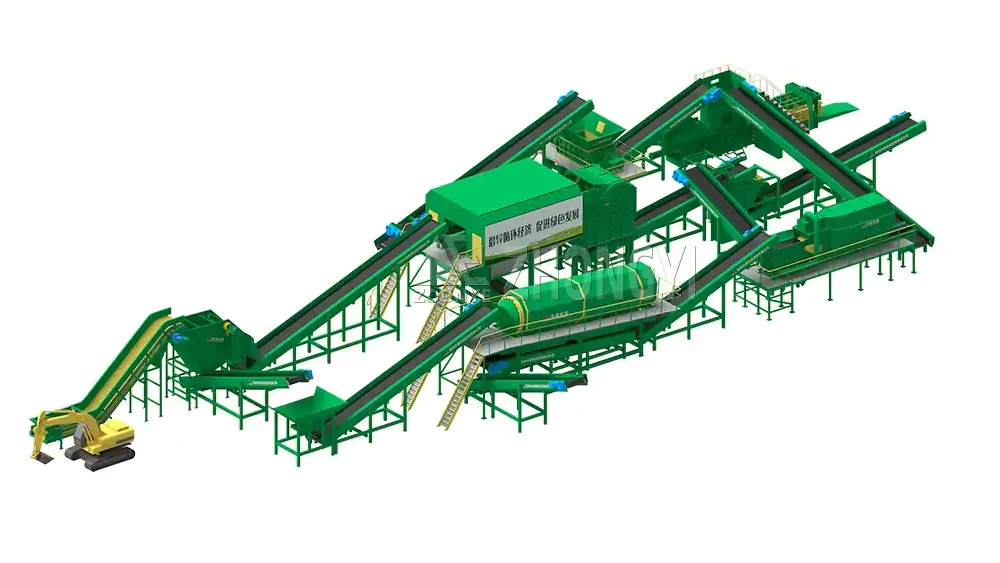
Thiết bị phân loại rác AI hoạt động như thế nào?
Thiết bị phân loại rác AI kết hợp công nghệ nhận dạng thông minh và phân loại tự động để nhận diện và tách các loại vật liệu rác khác nhau một cách nhanh chóng và chính xác trong suốt quá trình tái chế.
Ứng dụng:
Xinzhongyi ECO cung cấp các giải pháp phát triển phân loại rác AI tiên tiến cho rác thải sinh hoạt, vật liệu tái chế, rác thải thương mại và rác thải rắn hỗn hợp. Tận dụng kinh nghiệm sâu rộng trong các dự án bảo vệ môi trường và tái chế, chúng tôi thiết kế và cung cấp các hệ thống phân loại tùy chỉnh bằng cách tích hợp công nghệ nhận dạng trí tuệ nhân tạo, phân loại quang học, phân loại robot và điều khiển tự động, phù hợp với thành phần rác, công suất nhà máy và yêu cầu vận hành.
Tại sao ngành tái chế cần Thiết bị phân loại rác AI?
Khi khối lượng rác thải toàn cầu gia tăng, các cơ sở tái chế phải nâng cao hiệu quả, cắt giảm chi phí và đáp ứng các tiêu chuẩn môi trường. Thiết bị phân loại rác AI tự động hóa quá trình thu hồi, nâng cao độ tinh khiết của vật liệu và tối đa hóa giá trị tài nguyên.
Các loại Thiết bị phân loại rác AI
Các vật liệu tái chế khác nhau yêu cầu công nghệ tách khác nhau. Hệ thống tái chế AI hiện đại thường kết hợp nhiều máy phân loại để đạt tỷ lệ thu hồi cao hơn, độ tinh khiết tốt hơn và hiệu suất xử lý ổn định. Henan Xinzhongyi Eco Equipment Co., Ltd. cung cấp các giải pháp tiên tiến và hệ thống phân loại rác AI tùy chỉnh để đáp ứng nhu cầu tái chế đa dạng.

Máy phân tách dòng xoáy
Máy tách dòng xoáy tách kim loại màu như nhôm, đồng và đồng thau bằng dòng điện cảm ứng. Chúng cho phép xử lý nhanh, thu hồi kim loại giá trị cao, giảm rác chôn lấp và nâng cao hiệu quả tái chế trong các dòng vật liệu hỗn hợp.
Máy tách dòng xoáy Máy
| Mẫu | Tốc độ con lăn từ (r/min) | Công suất động cơ trục chính (kW) | Công suất động cơ băng tải (kW) | Công suất động cơ rung (kW) | Công suất (t/h) |
|---|---|---|---|---|---|
| WX500 | 3000–4200 | 5.5 | 0.75 | 0.1 | 3–5 |
| WX650 | 3000–4200 | 5.5 | 0.75 | 0.1 | 5–7 |
| WXBo0 | 3000–4200 | 5.5 | 0.75 | 0.2 | 7–10 |
| WX1000 | 3000–4200 | 5.5 | 0.75 | 0.2 | 8–13 |
| WX1200 | 3000–4200 | 5.5 | 1.5 | 0.2×2 | 10–15 |
| WX1400 | 3000–4200 | 7.5 | 1.5 | 0.2×2 | 12–18 |
| WX1500 | 3000–4200 | 7.5 | 0.75 | 0.25×2 | 13–20 |
| WX1600 | 3000–4200 | 7.5 | 1.5 | 0.2×2 | 15–20 |
| WX1800 | 3000–4200 | 7.5 | 1.5 | 0.37×2 | 15–25 |
| WX2000 | 3000–4200 | 7.5 | 1.5 | 0.37×2 | 18–28 |
Máy tách từ treo trên băng tải
Máy xé túi hai trục sử dụng hai trục để xé túi rác mạnh hơn. Thiết bị thường được chọn cho công suất lớn hơn, dòng rác phức tạp hơn hoặc vật liệu cứng hơn.
Loại này phổ biến trong các nhà máy phân loại MSW lớn hơn và dây chuyền xử lý rác hạng nặng. So với mẫu một trục, thiết bị xử lý rác cồng kềnh và khó tốt hơn và phù hợp hơn cho vận hành liên tục với tải nặng.

Máy tách từ treo trên băng tải Máy
| Mẫu | Công suất (kW) | Công suất xử lý (t/h) |
| PDJ1000 | 18.5 | 8-20 |
| PDJ1200 | 18.5 | 10-25 |
| PDJ1400 | 18.5 | 15-30 |
| PDJ1600 | 18.5 | 20-35 |

Máy phân loại rác AI
Máy phân loại quang phổ sử dụng ánh sáng khả kiến và hình ảnh siêu phổ để nhận diện những khác biệt tinh tế trong nhựa, nhiên liệu RDF/SRF và rác thải điện tử. Chúng cung cấp phân loại thời gian thực, học thích ứng và tách chính xác để thu hồi vật liệu chất lượng cao.
Máy phân loại rác AI Máy
| Mẫu | Công suất (kW) | Công suất xử lý (t/h) |
| PDJ1000 | 18.5 | 8-20 |
| PDJ1200 | 18.5 | 10-25 |
| PDJ1400 | 18.5 | 15-30 |
| PDJ1600 | 18.5 | 20-35 |
Máy phân loại quang học cho tái chế
Máy phân loại quang học sử dụng camera, cảm biến NIR và thuật toán AI để phát hiện vật liệu theo màu sắc, hình dạng và đặc điểm quang phổ. Chúng nhanh chóng phân loại PET, HDPE, PP, giấy, thùng carton và vật liệu tái chế hỗn hợp, mang lại khả năng tách vật liệu tốc độ cao, chính xác và linh hoạt.
Optical Sorting Machine for Recycling Machine
| Mẫu | Công suất (kW) | Công suất xử lý (t/h) |
| PDJ1000 | 18.5 | 8-20 |
| PDJ1200 | 18.5 | 10-25 |
| PDJ1400 | 18.5 | 15-30 |
| PDJ1600 | 18.5 | 20-35 |
AI Waste Sorting Equipment Buying Guide
Choosing the right AI waste sorting equipment depends on application scenarios such as front-end smart collection or back-end sorting plants. The key is to match waste type, capacity needs, and automation level while balancing performance, cost, and long-term operation efficiency.
First identify whether the system is for municipal waste, plastics, construction waste, or mixed materials. Different waste types require different AI recognition and separation technologies.
Select equipment based on required throughput per hour. High-volume facilities need continuous, high-speed sorting lines, while smaller plants may use compact systems.
Define target material quality for recycling or resale. Higher purity requires more advanced AI recognition and multi-stage separation systems.
Choose between semi-automatic or fully automated systems. Fully automated lines reduce labor dependency and improve long-term operational stability.
Evaluate plant layout, space limitations, and future expansion plans. System design should ensure smooth material flow and easy maintenance access.
If you’re not sure which waste bag opener machine fits your project, contact Zhongyi Machinery. We can recommend a suitable solution based on your waste type, required capacity, and overall processing line.
How AI Helps Build a Sustainable Future for the Recycling Industry ?
Artificial intelligence is transforming waste management, enabling fully digital, low-carbon, and intelligent sorting systems from front-end collection to back-end processing. This shift improves efficiency, reduces environmental impact, and supports a circular economy.
Applications
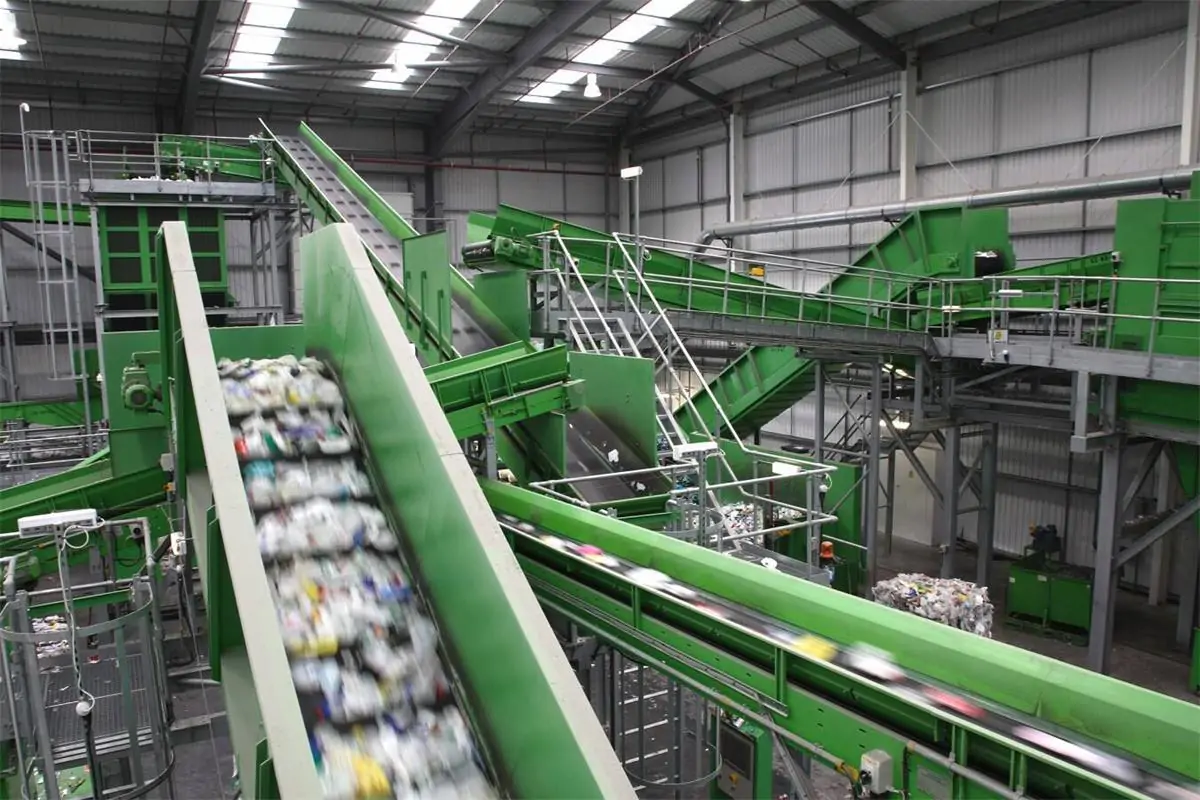
AI waste sorting technology is widely applied across the entire waste management chain, including source collection, transportation, and final treatment. It helps improve sorting efficiency, increase recycling rates, and support the transformation from manual sorting to intelligent, large-scale waste processing systems.
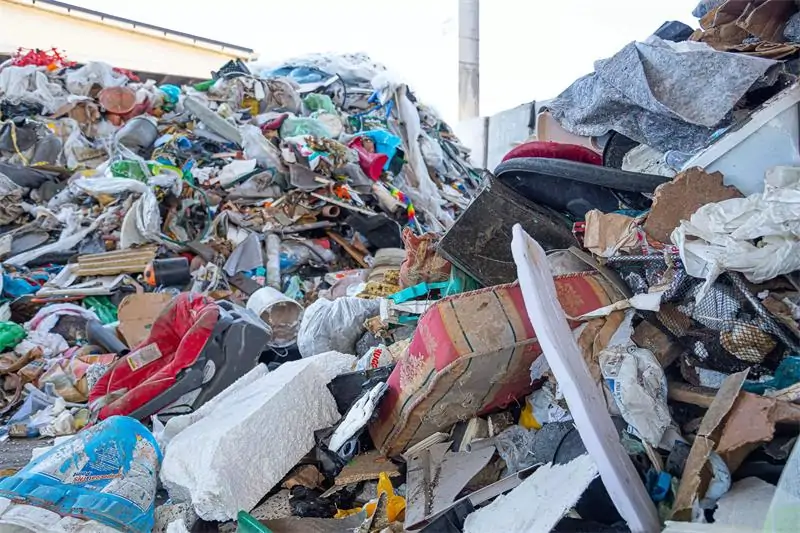
Complete AI Waste Sorting Solutions
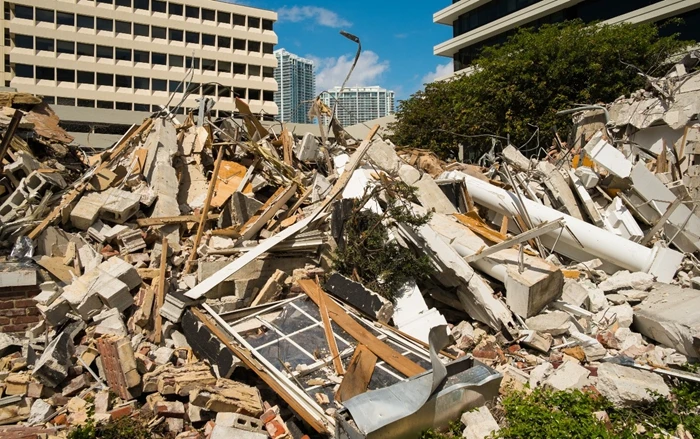
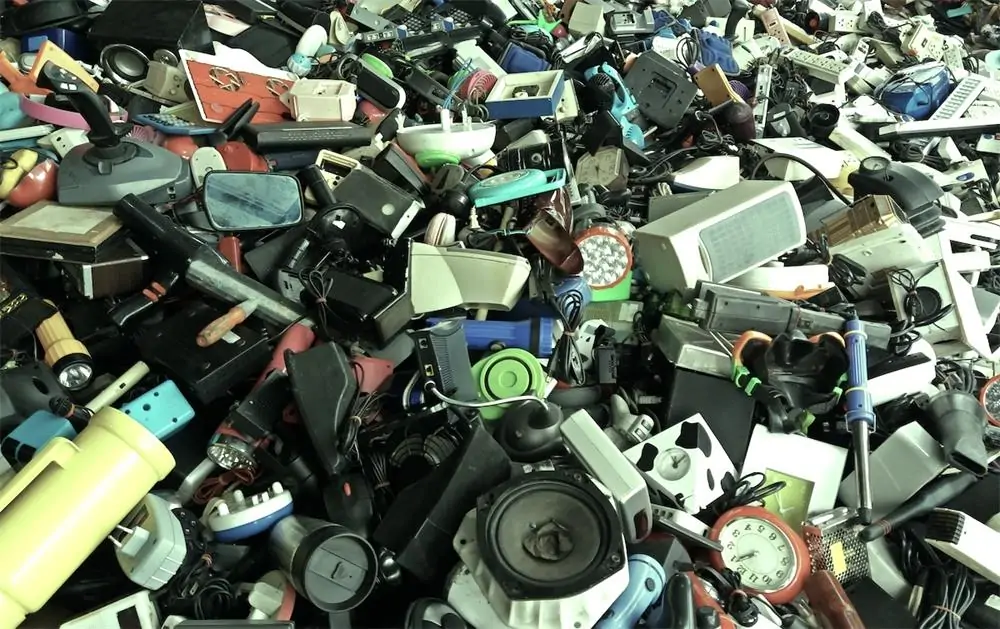
We provide customized AI waste sorting solutions for different waste treatment needs. From a single sorting machine to a fully integrated intelligent recycling system, our team can design complete production lines for municipal solid waste, construction and demolition waste, plastic recycling, biomass, RDF/SRF, and industrial waste processing.
Tell us your material type, processing capacity, and project requirements, and we will recommend the most suitable AI sorting solution for your plant. Available customization options include sorting equipment type, processing capacity, automation level, plant layout, mobile system options, discharge size, and intelligent control system.
Why Choose Us as Your Bag Opener Machine Supplier?
15+
Năm kinh nghiệm
Xinzhongyi ECO has 16 years of experience in intelligent waste sorting equipment. As a manufacturer and supplier, we provide complete turnkey recycling line solutions covering design, manufacturing, installation, commissioning, and technical support for municipal, industrial, and commercial waste projects.
60+
Bằng sáng chế quốc gia
With over 60 national patents and ISO9001 certification, Xinzhongyi ECO delivers reliable performance and stable operation. We support remote monitoring and data-based maintenance, helping customers improve efficiency, reduce costs, and achieve long-term recycling benefits.
FAQs
AI waste sorting equipment uses machine vision, sensors, and AI algorithms to automatically identify and separate different waste materials for recycling.
It can sort MSW, plastics (PET, PP, HDPE), paper, metals, glass, construction waste, and mixed recyclables.
Modern systems typically achieve 95%+ recognition accuracy, with some lines reaching up to 99% material purity.
Yes. AI sorting is designed to handle mixed and complex waste streams, including contaminated recyclables.
Systems support remote monitoring and predictive maintenance, reducing downtime and simplifying operation management.
Yes. Solutions can be customized based on waste type, capacity, plant layout, automation level, and output requirements.
Liên hệ với chúng tôi
Bắt đầu dự án tùy chỉnh của bạn ngay hôm nay!
Chia sẻ thông số vật liệu và mục tiêu xử lý của bạn với chúng tôi. Các kỹ sư của chúng tôi sẽ cung cấp đề xuất kỹ thuật phù hợp và phân tích ROI trong vòng 24 giờ để giúp bạn tối ưu hóa hoạt động thu hồi tài nguyên.
Nếu bạn muốn, hãy gọi cho chúng tôi theo số
Gửi tin nhắn
Đội ngũ chuyên gia của chúng tôi đang chờ yêu cầu của bạn.
98%
Độ tinh khiết
Đạt được