
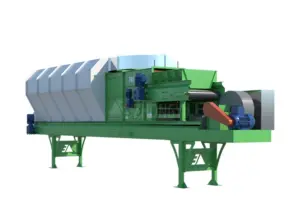













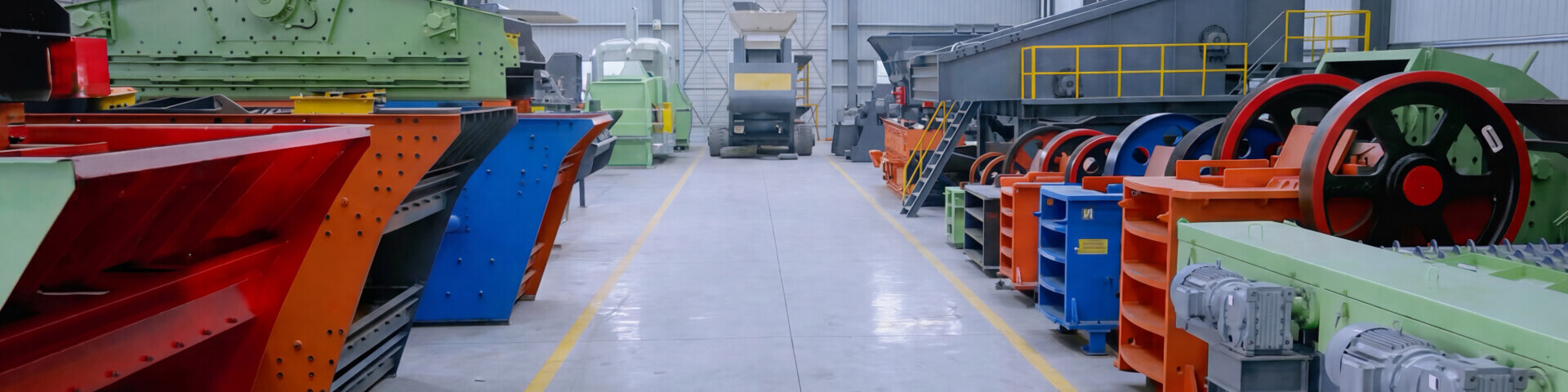
المعدات
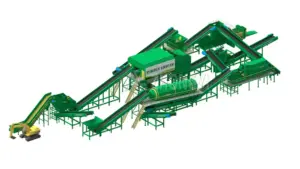
نظام فرز النفايات AI

- نقاء الفرز: ≥ 99.5%
- طاقة الإنتاج: 1–30 طن/ساعة
- استهلاك الطاقة: 1.5–7.5 كيلوواط

- عرض الأسطوانة المغناطيسية: 600–2000 مم
- طاقة المعالجة: 1–20 طن/ساعة

- طاقة المعالجة: 10-280م³/ساعة
حجم جزيئات التغذية: 500–2000 مم
ما هو جهاز فرز النفايات AI؟
يستخدم جهاز فرز النفايات AI تقنيات التعرف AI والرؤية الآلية وأجهزة الاستشعار وإنترنت الأشياء لتحديد وتصنيف وفصل مواد النفايات المختلفة تلقائيًا. يساعد في استبدال أو دعم عمليات الفرز اليدوي في مرافق النفايات الصلبة البلدية والمواد القابلة لإعادة التدوير واسترداد الموارد.
مقارنةً بالفرز اليدوي التقليدي، توفر أنظمة AI دقة أعلى وسرعات معالجة أسرع ومتطلبات عمالة أقل. فهي تحسّن معدلات استرداد المواد ونقاء المخرجات، مما يجعل عمليات معالجة النفايات أكثر كفاءة وفعالية من حيث التكلفة وقابلية للتوسع. إذا كنت ترغب في معرفة المزيد عن المزايا الأساسية لآلة فرز النفايات عالية الدقة AI،, يرجى النقر على المقال.
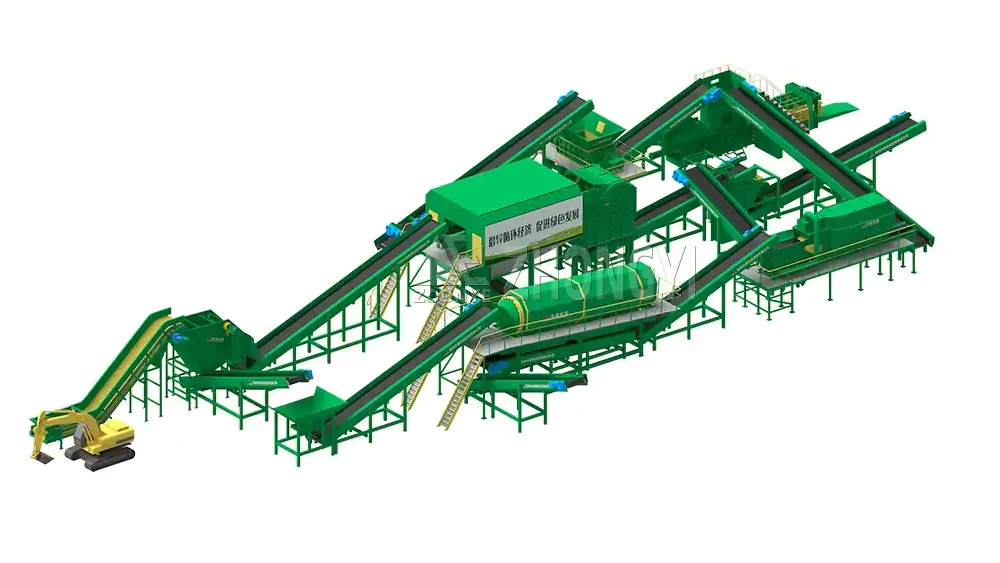
كيف يعمل جهاز فرز النفايات AI؟
يجمع جهاز فرز النفايات AI بين تقنيات التعرف الذكي والفرز الآلي لتحديد وفصل مواد النفايات المختلفة بسرعة ودقة throughout عملية إعادة التدوير.
التطبيق:
يوفر Xinzhongyi ECO حلولاً متقدمة لتطوير فرز النفايات AI للنفايات الصلبة البلدية والمواد القابلة لإعادة التدوير والنفايات التجارية والنفايات الصلبة المختلطة. بالاستفادة من خبرتنا الواسعة في مشاريع حماية البيئة وإعادة التدوير، نصمم ونقدم أنظمة فرز مخصصة من خلال دمج تقنيات التعرف بالذكاء الاصطناعي والفرز البصري والفرز الروبوتي وتقنيات التحكم الآلي، مصممة وفقًا لتكوين النفايات وسعة المصنع والمتطلبات التشغيلية.
لماذا تحتاج صناعة إعادة التدوير إلى جهاز فرز النفايات AI؟
مع نمو أحجام النفايات العالمية، يجب على مرافق إعادة التدوير تحسين الكفاءة وخفض التكاليف والامتثال للمعايير البيئية. يقوم جهاز فرز النفايات AI بأتمتة الاسترداد ويعزز نقاء المواد ويزيد من قيمة الموارد.
أنواع أجهزة فرز النفايات AI
تتطلب المواد القابلة لإعادة التدوير المختلفة تقنيات فصل مختلفة. عادةً ما تجمع أنظمة إعادة التدوير الحديثة AI بين عدة آلات فرز لتحقيق معدلات استرداد أعلى ونقاء أفضل وأداء معالجة مستقر. يوفر Henan Xinzhongyi Eco Equipment Co., Ltd. حلولاً متقدمة وأنظمة فرز نفايات AI مخصصة لتلبية احتياجات إعادة التدوير المتنوعة.

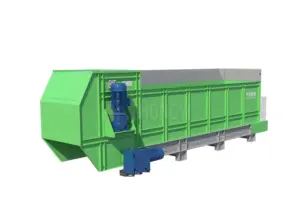
آلة فاصل التيار الدوامي
تفصل فواصل التيار الدوامي المعادن غير الحديدية مثل الألومنيوم والنحاس والنحاس الأصفر باستخدام التيارات المستحثة. فهي تتيح معالجة سريعة وتسترد المعادن عالية القيمة وتقلل من نفايات المكبات وتعزز كفاءة إعادة التدوير في تدفقات المواد المختلطة.
آلة فاصل التيار الدوامي آلة
| الطراز | سرعة الأسطوانة المغناطيسية (دورة/دقيقة) | قدرة محرك العمود الرئيسي (كيلوواط) | قدرة محرك الحزام (كيلوواط) | قدرة محرك الاهتزاز (كيلوواط) | السعة (طن/ساعة) |
|---|---|---|---|---|---|
| WX500 | 3000–4200 | 5.5 | 0.75 | 0.1 | 3–5 |
| WX650 | 3000–4200 | 5.5 | 0.75 | 0.1 | 5–7 |
| WXBo0 | 3000–4200 | 5.5 | 0.75 | 0.2 | 7–10 |
| WX1000 | 3000–4200 | 5.5 | 0.75 | 0.2 | 8–13 |
| WX1200 | 3000–4200 | 5.5 | 1.5 | 0.2×2 | 10–15 |
| WX1400 | 3000–4200 | 7.5 | 1.5 | 0.2×2 | 12–18 |
| WX1500 | 3000–4200 | 7.5 | 0.75 | 0.25×2 | 13–20 |
| WX1600 | 3000–4200 | 7.5 | 1.5 | 0.2×2 | 15–20 |
| WX1800 | 3000–4200 | 7.5 | 1.5 | 0.37×2 | 15–25 |
| WX2000 | 3000–4200 | 7.5 | 1.5 | 0.37×2 | 18–28 |
فاصل مغناطيسي علوي
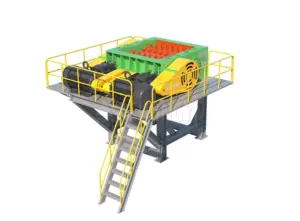
يستخدم فاتح الأكياس ثنائي العمود عمودين لفتح النفايات المعبأة في أكياس بشكل أكثر قوة. يُختار عادةً للإنتاجية الأعلى أو تدفقات النفايات الأكثر تعقيدًا أو المواد الأصعب.
هذا النوع شائع في محطات الفرز الأكبر MSW وخطوط معالجة النفايات للخدمة الشاقة. مقارنةً بالطراز أحادي العمود، فإنه يتعامل بشكل أفضل مع النفايات الضخمة والصعبة وهو أكثر ملاءمة للتشغيل المستمر تحت الحمل الثقيل.

آلة الفاصل المغناطيسي العلوي
| الطراز | الطاقة (كيلوواط) | قدرة المعالجة (طن/ساعة) |
| PDJ1000 | 18.5 | 8-20 |
| PDJ1200 | 18.5 | 10-25 |
| PDJ1400 | 18.5 | 15-30 |
| PDJ1600 | 18.5 | 20-35 |

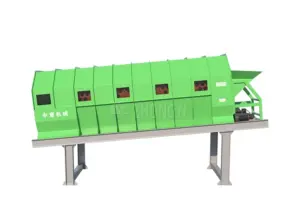
آلة فرز النفايات AI
تستخدم آلات الفرز الطيفي الضوء المرئي والتصوير فوق الطيفي لتحديد الاختلافات الدقيقة في البلاستيك ووقود RDF/SRF والنفايات الإلكترونية. فهي توفر تصنيفًا في الوقت الفعلي وتعلمًا تكيفيًا وفصلاً دقيقًا لاسترداد مواد عالية الجودة.
آلة فرز النفايات AI آلة
| الطراز | الطاقة (كيلوواط) | قدرة المعالجة (طن/ساعة) |
| PDJ1000 | 18.5 | 8-20 |
| PDJ1200 | 18.5 | 10-25 |
| PDJ1400 | 18.5 | 15-30 |
| PDJ1600 | 18.5 | 20-35 |
آلة الفرز البصري لإعادة التدوير
تستخدم آلات الفرز البصري الكاميرات وأجهزة استشعار NIR وخوارزميات AI للكشف عن المواد حسب اللون والشكل والخصائص الطيفية. فهي تفرز بسرعة PET وHDPE وPP والورق والكرتون والمواد القابلة لإعادة التدوير المختلطة، مما يوفر فصلاً سريعًا ودقيقًا ومرنًا للمواد.
آلة الفرز البصري لإعادة التدوير آلة
| الطراز | الطاقة (كيلوواط) | قدرة المعالجة (طن/ساعة) |
| PDJ1000 | 18.5 | 8-20 |
| PDJ1200 | 18.5 | 10-25 |
| PDJ1400 | 18.5 | 15-30 |
| PDJ1600 | 18.5 | 20-35 |
دليل شراء جهاز فرز النفايات AI
Choosing the right AI waste sorting equipment depends on application scenarios such as front-end smart collection or back-end sorting plants. The key is to match waste type, capacity needs, and automation level while balancing performance, cost, and long-term operation efficiency.
First identify whether the system is for municipal waste, plastics, construction waste, or mixed materials. Different waste types require different AI recognition and separation technologies.
Select equipment based on required throughput per hour. High-volume facilities need continuous, high-speed sorting lines, while smaller plants may use compact systems.
Define target material quality for recycling or resale. Higher purity requires more advanced AI recognition and multi-stage separation systems.
Choose between semi-automatic or fully automated systems. Fully automated lines reduce labor dependency and improve long-term operational stability.
Evaluate plant layout, space limitations, and future expansion plans. System design should ensure smooth material flow and easy maintenance access.
If you’re not sure which waste bag opener machine fits your project, contact Zhongyi Machinery. We can recommend a suitable solution based on your waste type, required capacity, and overall processing line.
How AI Helps Build a Sustainable Future for the Recycling Industry ?
Artificial intelligence is transforming waste management, enabling fully digital, low-carbon, and intelligent sorting systems from front-end collection to back-end processing. This shift improves efficiency, reduces environmental impact, and supports a circular economy.
Applications
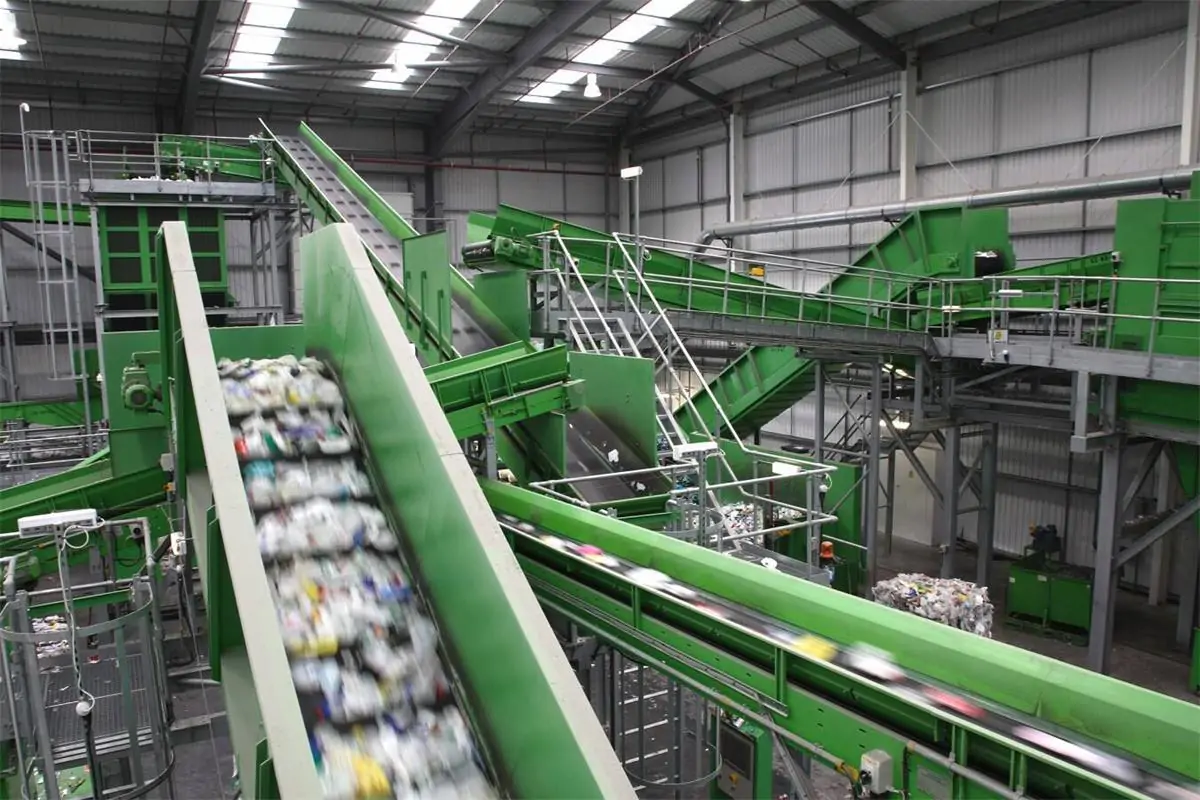
AI waste sorting technology is widely applied across the entire waste management chain, including source collection, transportation, and final treatment. It helps improve sorting efficiency, increase recycling rates, and support the transformation from manual sorting to intelligent, large-scale waste processing systems.
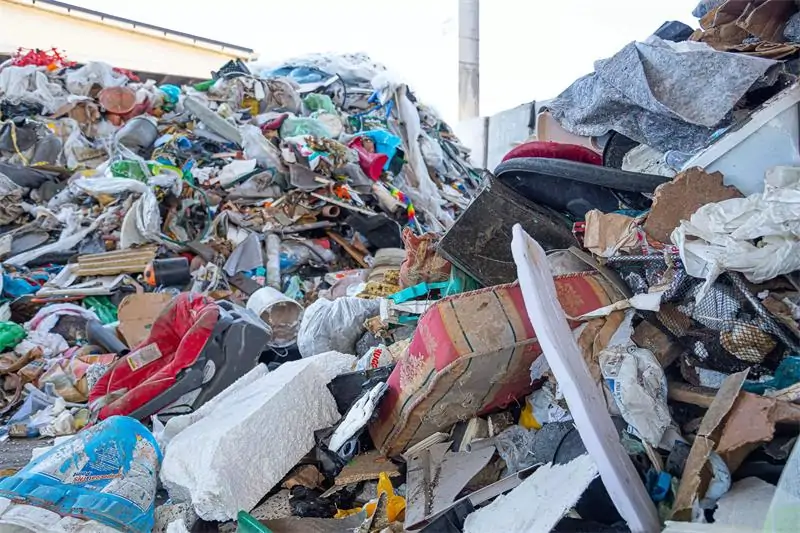
Complete AI Waste Sorting Solutions
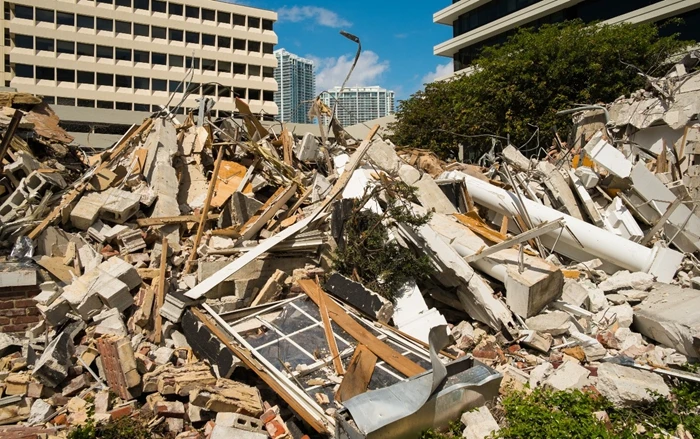
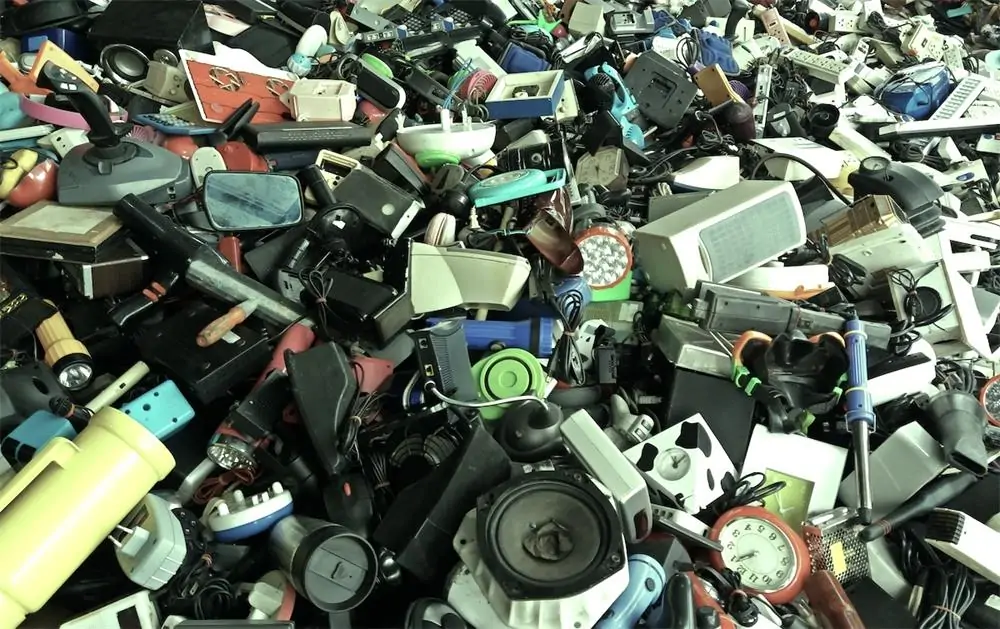
We provide customized AI waste sorting solutions for different waste treatment needs. From a single sorting machine to a fully integrated intelligent recycling system, our team can design complete production lines for municipal solid waste, construction and demolition waste, plastic recycling, biomass, RDF/SRF, and industrial waste processing.
Tell us your material type, processing capacity, and project requirements, and we will recommend the most suitable AI sorting solution for your plant. Available customization options include sorting equipment type, processing capacity, automation level, plant layout, mobile system options, discharge size, and intelligent control system.
Why Choose Us as Your Bag Opener Machine Supplier?
15+
سنوات الخبرة
Xinzhongyi ECO has 16 years of experience in intelligent waste sorting equipment. As a manufacturer and supplier, we provide complete turnkey recycling line solutions covering design, manufacturing, installation, commissioning, and technical support for municipal, industrial, and commercial waste projects.
60+
براءات الاختراع الوطنية
With over 60 national patents and ISO9001 certification, Xinzhongyi ECO delivers reliable performance and stable operation. We support remote monitoring and data-based maintenance, helping customers improve efficiency, reduce costs, and achieve long-term recycling benefits.
FAQs
AI waste sorting equipment uses machine vision, sensors, and AI algorithms to automatically identify and separate different waste materials for recycling.
It can sort MSW, plastics (PET, PP, HDPE), paper, metals, glass, construction waste, and mixed recyclables.
Modern systems typically achieve 95%+ recognition accuracy, with some lines reaching up to 99% material purity.
Yes. AI sorting is designed to handle mixed and complex waste streams, including contaminated recyclables.
Systems support remote monitoring and predictive maintenance, reducing downtime and simplifying operation management.
Yes. Solutions can be customized based on waste type, capacity, plant layout, automation level, and output requirements.
اتصل بنا
ابدأ مشروعك المخصص اليوم!
شاركنا مواصفات موادك وأهداف المعالجة الخاصة بك. سيقدم مهندسونا عرضاً تقنياً مخصصاً وتحليلاً للعائد على الاستثمار خلال 24 ساعة لمساعدتك في تحسين عمليات استرداد الموارد.
إذا كنت تفضل ذلك، اتصل بنا على
أرسل رسالة
فريق المتخصصين لدينا في انتظار استفسارك.
98%
النقاء
المحقق