
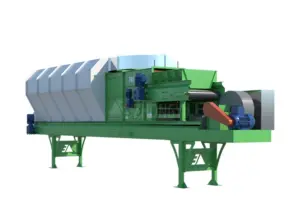













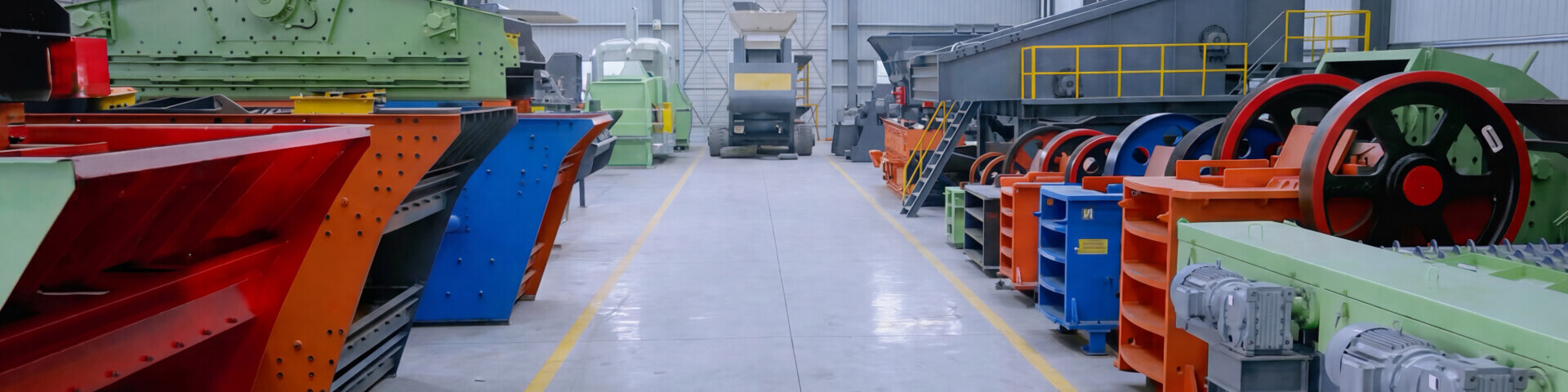
Ekipman
Atık Geri Dönüşüm Tesisi Ekipmanları

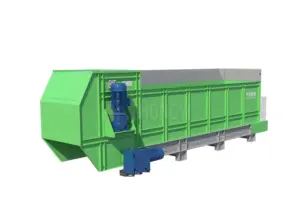
- İşleme Kapasitesi: 50–300 m³/sa
Maks. Besleme Parçacık Boyutu: ≤350 mm

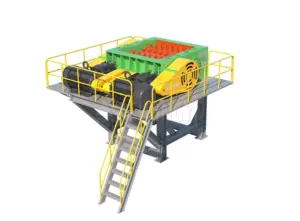
- Besleme Kapasitesi: 50-1000 m³/s
- Motor Gücü: 11-45 kW

- Kapasite: 20–800 t/sa
- Bant Genişliği: 500–1800 mm

- Bant Genişliği: 500 mm – 2000 mm
- Taşıma Uzunluğu: 20 m – 2000 m+
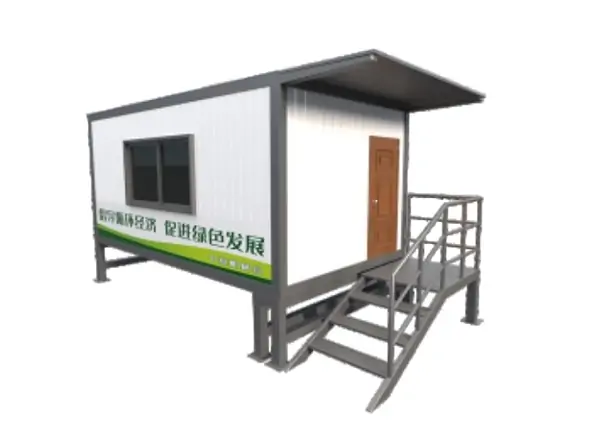
Kontrol Sistemi: PLC + HMI / SCADA Merkezi Kontrol
İzleme Kapasitesi: 20–200+ Ekipman Ünitesinin Entegrasyonunu Destekler

İşleme Kapasitesi: 3–20 T/sa
Balyalama Kuvveti: 80–200 Ton

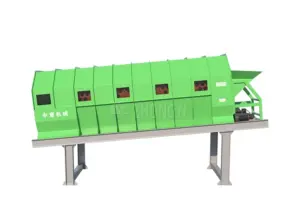
- Ayıklama İstasyonları: 6 istasyon
- Konveyör Genişliği: 1400 mm
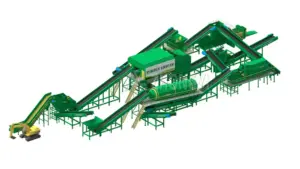
Atık Geri Dönüşüm Tesisleri İçin Komple Yardımcı Ekipman
Xinzhongyi, atık geri dönüşüm tesisleri için besleme, taşıma, ayıklama, balyalama ve otomasyonu kapsayan yardımcı ekipmanlar sunar. Bu sistemler, geri dönüşüm hatlarıyla entegre olacak ve istikrarlı, sürekli çalışmayı destekleyecek şekilde tasarlanmıştır.
Besleme ekipmanları tutarlı malzeme alımını sağlar. Taşıma sistemleri malzemeleri işleme aşamaları arasında verimli şekilde aktarır. Ayıklama ekipmanları malzeme ayrımını ve geri kazanım verimliliğini artırır. Balyalama makineleri, daha kolay depolama ve taşıma için yoğun, düzgün balyalar üretir. Otomasyon sistemleri merkezi kontrolü mümkün kılar, manuel müdahaleyi azaltır ve operasyonel güvenilirliği artırır.
İster yeni kurulumlar ister tesis yükseltmeleri için olsun, Xinzhongyi farklı atık akışlarına, kapasite gereksinimlerine ve tesis yerleşimlerine göre uyarlanmış ekipman çözümleri sunarak müşterilerin verimli ve maliyet etkin geri dönüşüm operasyonları elde etmelerine yardımcı olur.
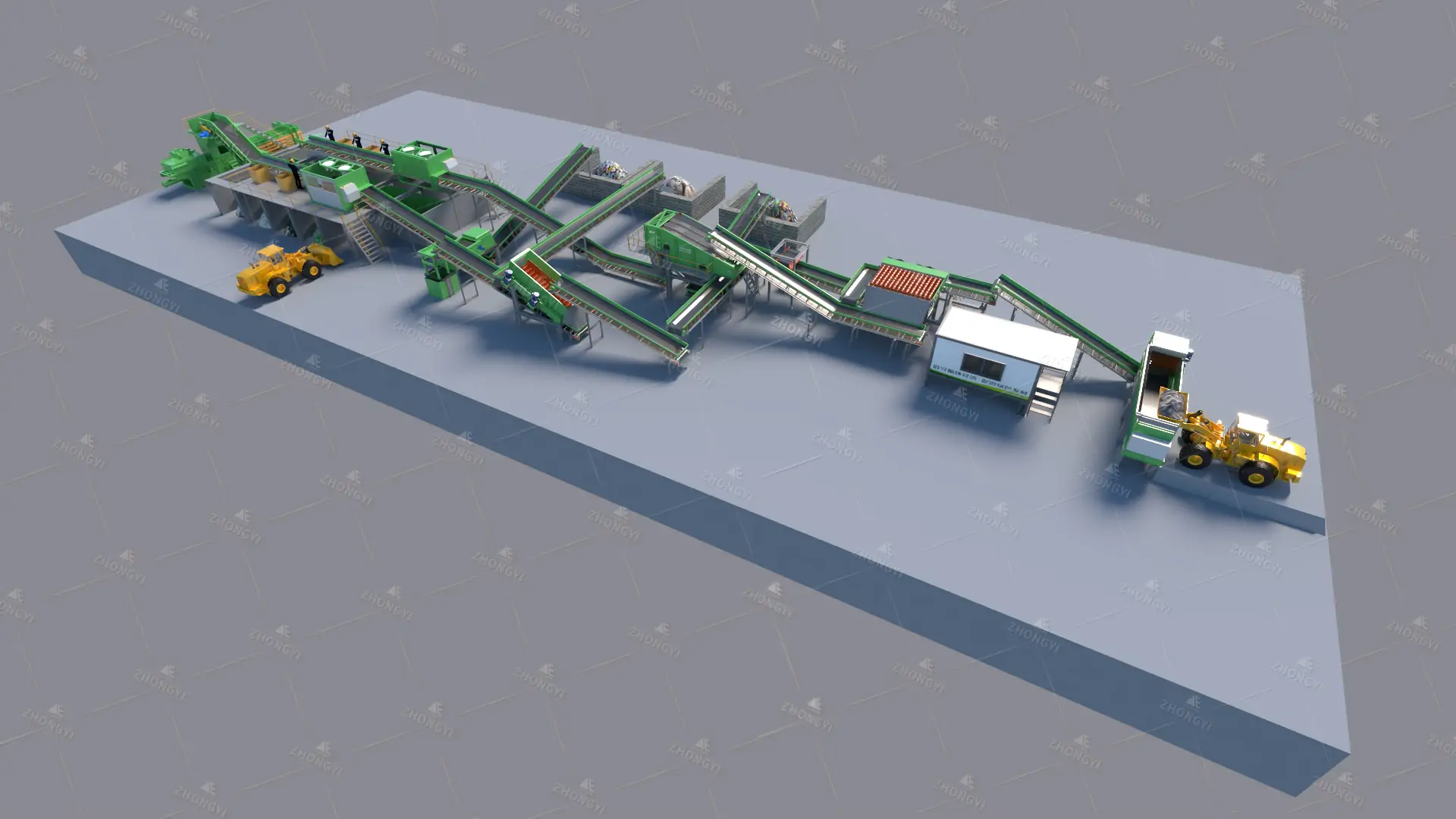
Atık Geri Dönüşüm Tesisi Ekipmanı Nedir?
Atık geri dönüşüm tesisi ekipmanı, bir atık işleme tesisinde geri dönüştürülebilir malzemelerin işlenmesi, taşınması, ayıklanması, ayrılması ve geri kazanılması için kullanılır. Sistem; konveyörler, parçalayıcılar, elekler, manyetik ayırıcılar, hava sınıflandırıcılar, balyalama makineleri ve otomatik kontrol ünitelerinden oluşur. Bu makineler, ayıklama verimliliğini artırmak, malzeme geri kazanım oranlarını yükseltmek ve düzenli depolama bertarafını azaltmak için birlikte çalışır. Atık geri dönüşüm ekipmanı MSW, C&D atık, ticari atık ve malzeme geri kazanım tesisi (MRF) projelerinde yaygın olarak kullanılır.
Geri Dönüşüm Tesisi Ekipmanı Türleri
Xinzhongyi, bir geri dönüşüm tesisinin tüm aşamalarını kapsayan yardımcı ekipmanlar sunar: besleme, taşıma, ayıklama, balyalama ve otomasyon. Her sistem istikrarlı çalışma, yüksek verimlilik ve uzun hizmet ömrü için tasarlanmıştır. Ekipman, sorunsuz malzeme akışı sağlamak ve genel tesis verimliliğini artırmak için kusursuz şekilde entegre olacak şekilde tasarlanmıştır.
Ana ürün kategorileri şunları içerir:
Atık Geri Dönüşüm Tesisleri İçin Paletli Besleyiciler
Ürünler: Hafif Hizmet Paletli Plaka Besleyici, Ağır Hizmet Paletli Besleyici
Paletli besleyiciler düzgün malzeme beslemesi sağlar ve hacimli atıkları güvenilir şekilde işler. MSW ve C&D atık geri dönüşümünde yaygın olarak kullanılırlar. Tasarım, ağır yük altında minimum bakımla sürekli çalışmaya olanak tanır.
Parametreler:
- Maksimum malzeme boyutu: 500 mm
- Besleme kapasitesi: 10–200 t/sa
- Tava genişliği: 500–2000 mm
- Motor gücü: 2.2–30 kW
Bantlı Konveyör Sistemleri
Ürünler: Madencilik Bantlı Konveyörü, Kapalı Bantlı Konveyör
Bantlı konveyörler malzemeleri işleme aşamaları arasında verimli şekilde taşır. Kapalı tasarımlar toz ve kokuları kontrol eder. Konveyörler her türlü geri dönüştürülebilir malzeme için uygundur ve farklı tesis yerleşimlerine uyarlanabilir.
Parametreler:
- Eğim: 0–20°
- Bant genişliği: 400–2000 mm
- Kapasite: 20–1000 t/sa
- Bant hızı: 0.5–3.5 m/s

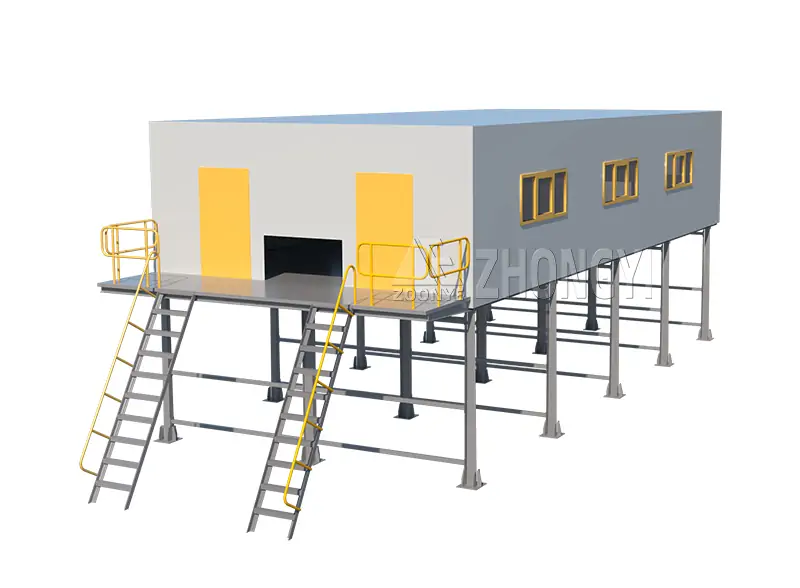
Atık Ayıklama Kabinleri
Ürünler: Manuel Atık Ayıklama Kabini
Ayıklama kabinleri malzeme ayrımı için güvenli ve verimli bir çalışma alanı sağlar. MRF'ler için tasarlanmış olup operatör güvenliğini sağlarken ayıklama doğruluğunu artırırlar.
Parametreler:
- Yapı: Güvenlik camlı çelik çerçeve
- Kabin boyutu: 2×3 m – 5×10 m
- Çalışan kapasitesi: 1–10
- Malzeme akışı: 5–50 t/sa
Atık Balyalama Makineleri
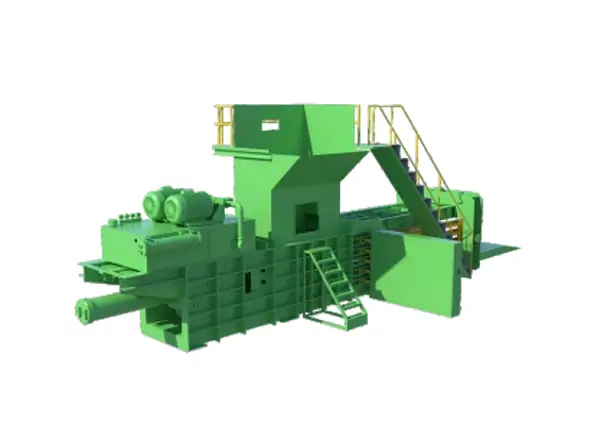
Balyalama makineleri geri dönüştürülebilir malzemeleri düzgün balyalar halinde sıkıştırarak depolama alanını ve taşıma maliyetlerini azaltır. Kağıt, plastik, metaller ve karışık geri dönüştürülebilir malzemeler için uygundur.
Parametreler:
- Motor power: 15–75 kW
- Bale size: 500×500×800 mm – 1200×1200×2000 mm
- Pressing force: 50–200 t
- Cycle time: 30–90 s per bale
Central Control Rooms
Central control rooms integrate SCADA systems for plant-wide monitoring and control. They support automation, real-time data collection, and centralized equipment management, improving operational reliability.
Parametreler:
- Equipment monitored: 50+ units
- Control: PLC/SCADA integration
- Display: Multi-screen with alerts
- Network: Ethernet/Industrial IoT compatible
How These Equipment Work Together in a Recycling Plant?
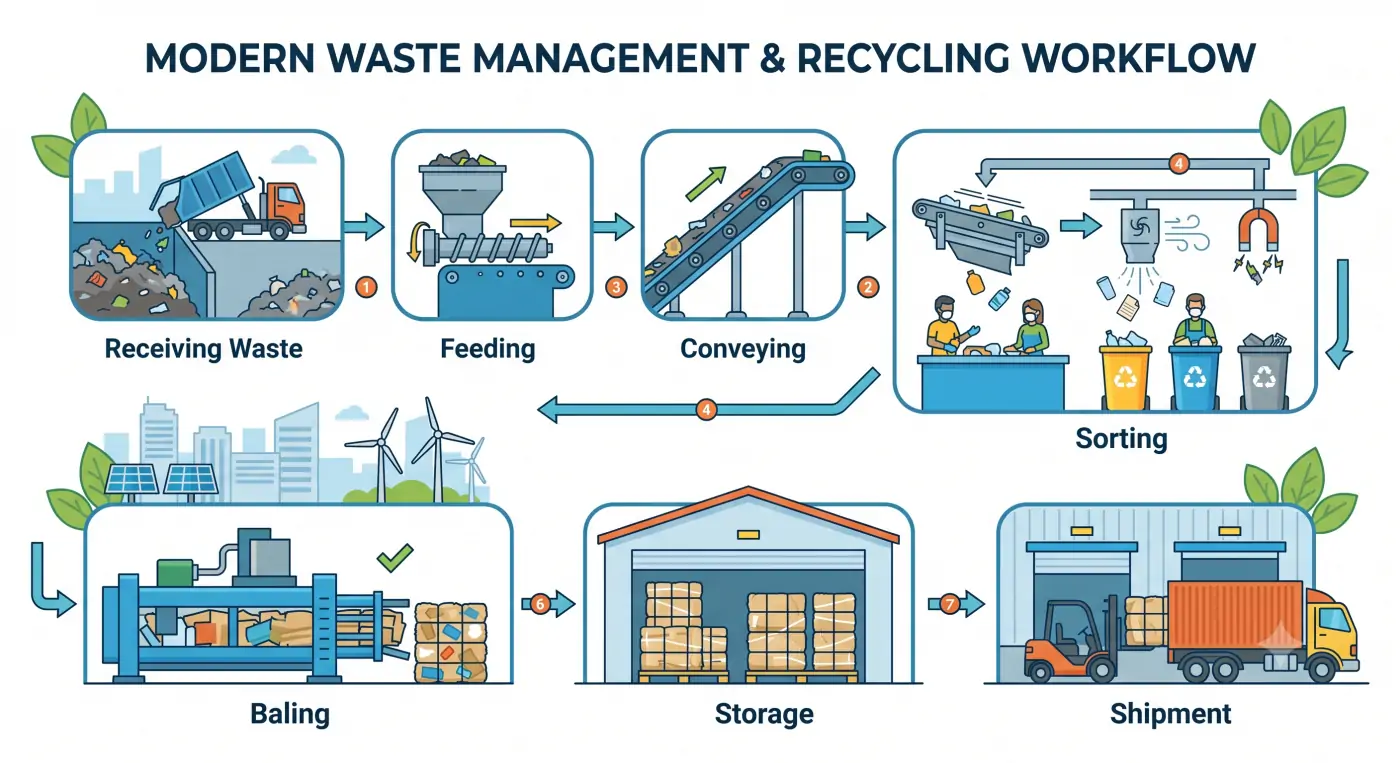
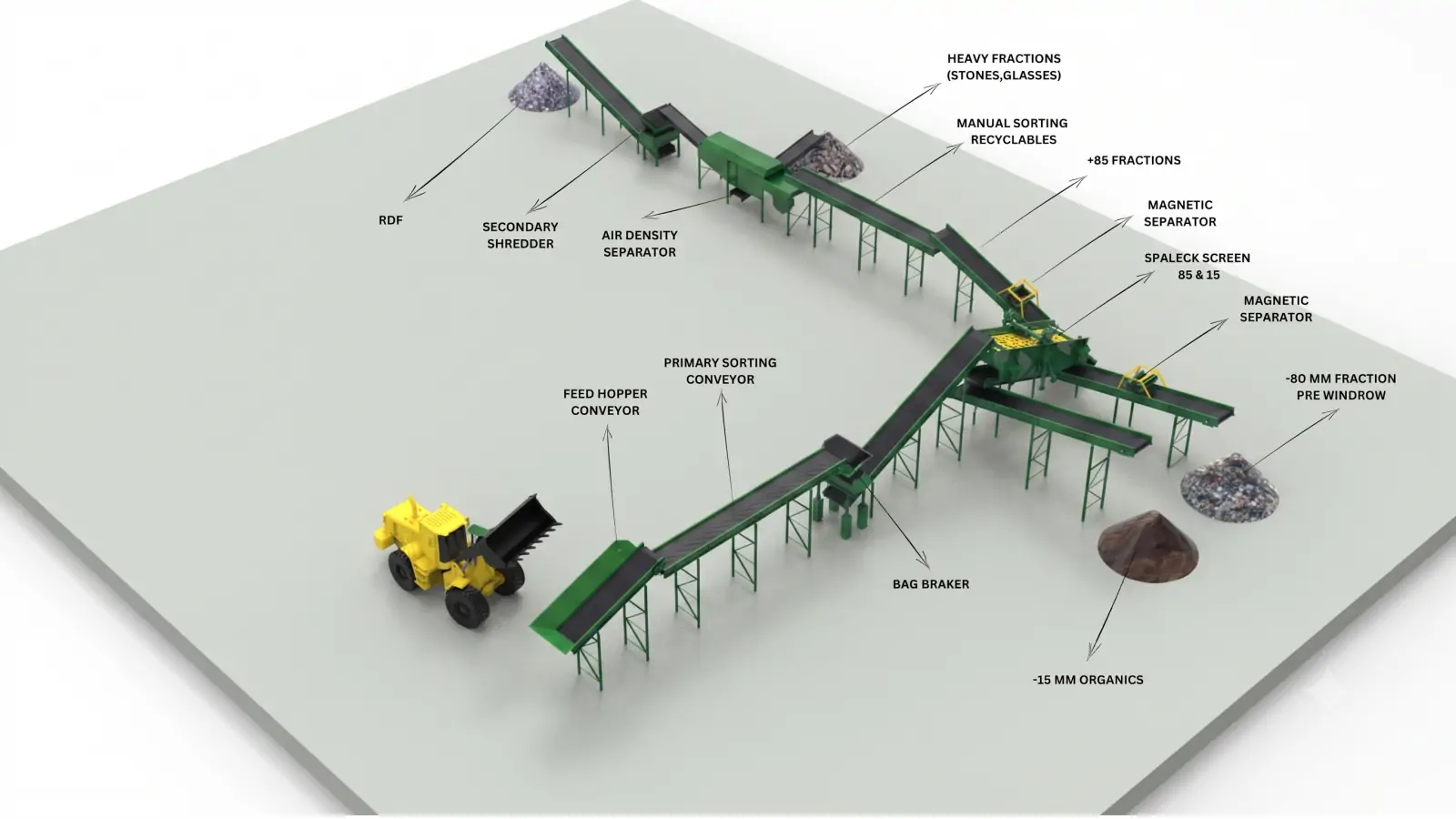
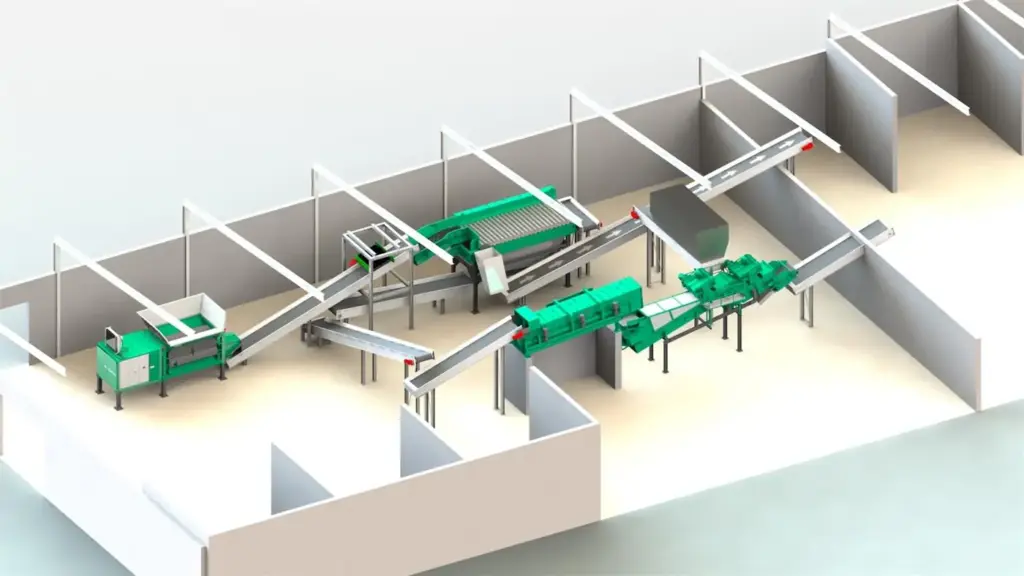
Waste recycling equipment is typically arranged according to the material processing sequence. Waste enters the plant through the receiving area and is transferred by feeding and conveying equipment to different sorting stages. Depending on the waste composition and recovery targets, screening, magnetic separation, air separation, optical sorting, and other technologies are used to separate valuable materials from mixed waste streams. The recovered materials are then compacted, stored, and prepared for transportation. A properly configured process line ensures stable material flow between each stage and enables efficient recovery of recyclable resources from large volumes of waste.
Industries & Applications
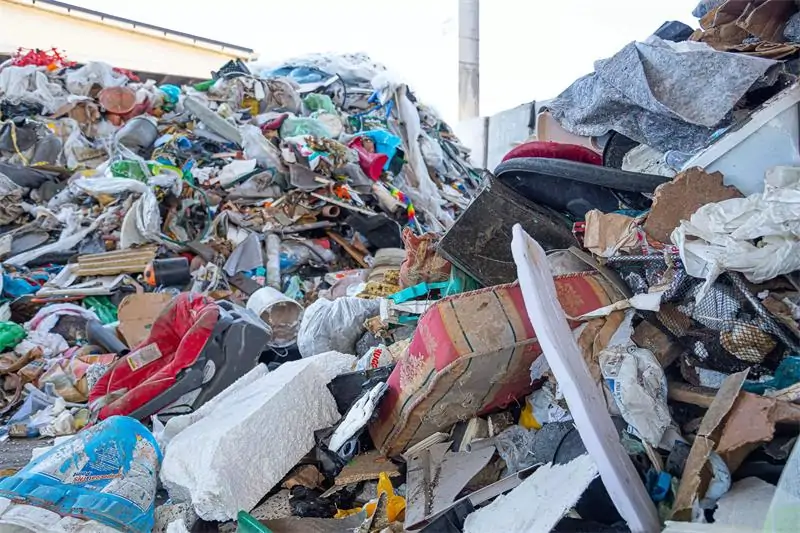
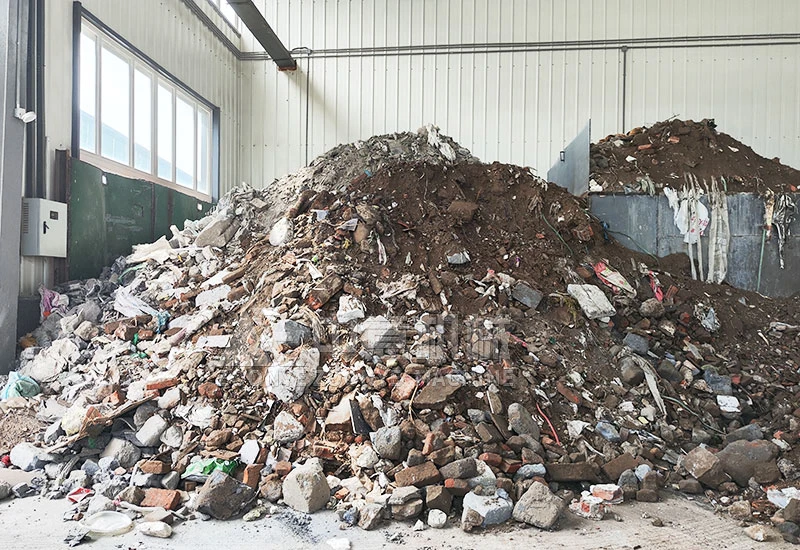
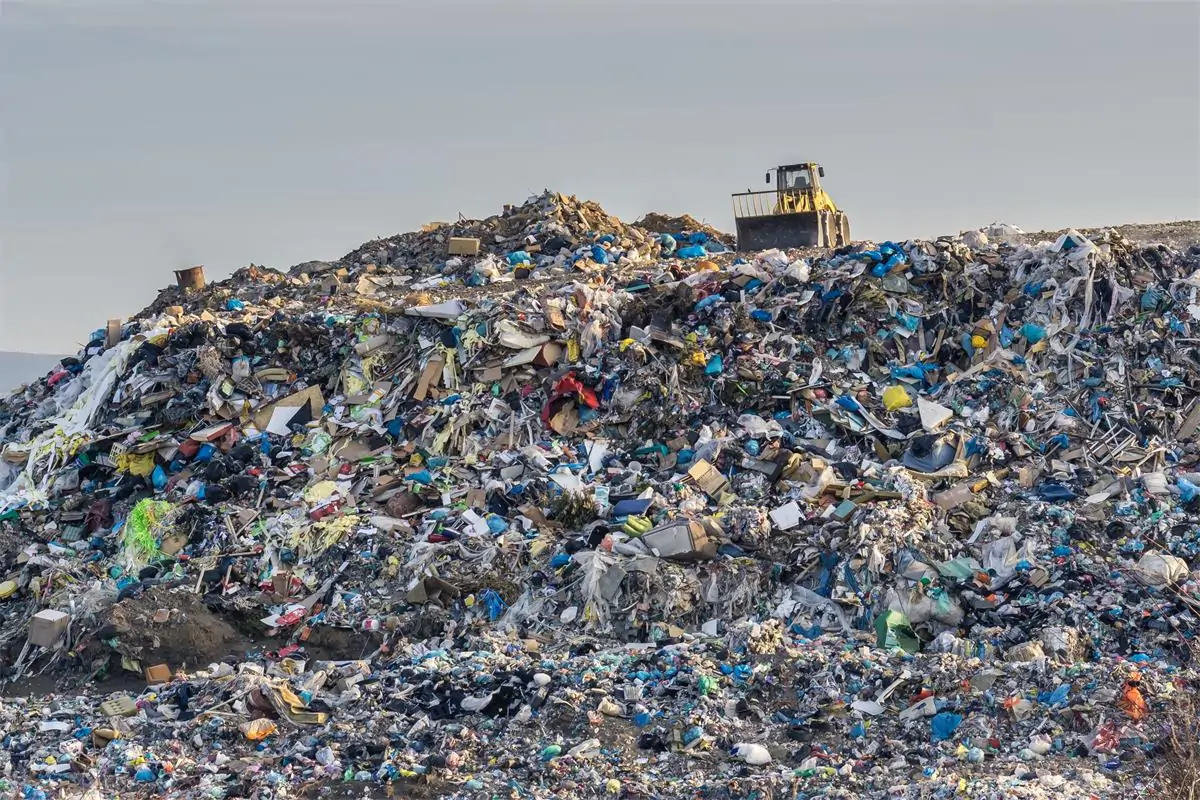
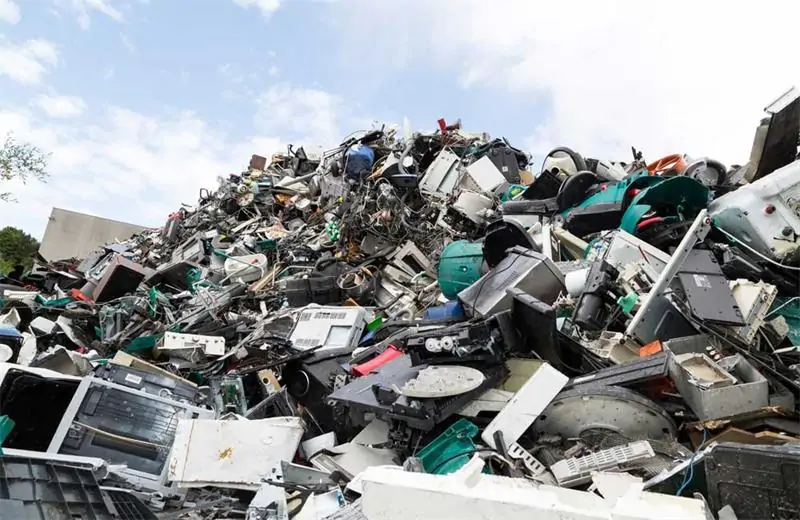
Waste recycling plant equipment is used across a wide range of waste management and resource recovery applications. By combining conveying, screening, sorting, separation, and baling technologies, help recover valuable materials, reduce landfill disposal, and improve overall recycling efficiency. Different industries require different equipment configurations based on material composition, processing capacity, and recovery targets.
Benefits of Modern Recycling Plant Equipment
Benefits of Modern Recycling Plant Equipment
Modern recycling plant equipment is designed to stabilize material flow and improve separation efficiency across different waste streams. By integrating conveying, screening, and sorting systems, plants achieve more consistent recovery performance with lower manual intervention and operating variability.
How to Choose the Right Equipment?
Equipment selection in recycling projects is usually determined by a few practical factors: waste composition, required processing capacity, automation level, and local environmental requirements. In Xinzhongyi’s project experience, most performance issues come not from a single machine, but from mismatches between material conditions and system configuration.
Different waste streams require different separation logic and equipment combinations.
- MSW: mixed household waste with high moisture and high impurity content, requiring screening + air separation + manual or optical sorting
- C&D: construction debris dominated by concrete, bricks, and aggregates, focusing on size reduction and material grading
- Landfill Waste: heterogeneous legacy waste requiring robust screening and multiple separation stages
- Industrial Waste: relatively stable composition, usually higher recovery efficiency and simpler sorting layout
Plant capacity determines conveyor width, screen size, and separation system scale.
- 10 TPH: small-scale sorting stations or pilot lines
- 50 TPH: standard municipal or regional recycling plants
- 100 TPH: continuous industrial-grade MSW/C&D facilities
- 300 TPH+: large centralized material recovery facilities (MRFs)
In Xinzhongyi projects, 50–100 TPH lines are the most common configuration for municipal and mixed waste processing.
Local regulations directly affect plant layout and auxiliary systems.
- Dust control: enclosed conveying + bag filter system
- Odor control: negative pressure system + biological or chemical treatment
- Noise control: equipment enclosure and vibration isolation
In many early-stage projects, dust, odor, and noise control are not fully considered in the initial layout. In actual operation, however, these systems often become a key requirement for approvals and for keeping the plant running within local standards over the long term.
If you are planning a recycling project, please contact us today. Xinzhongyi can help you evaluate the right equipment configuration based on your material, capacity, and site conditions.
Related Recycling Plant Solutions
We provide complete recycling plant solutions designed around different waste streams, covering the full process from feeding and sorting to material recovery and final output.
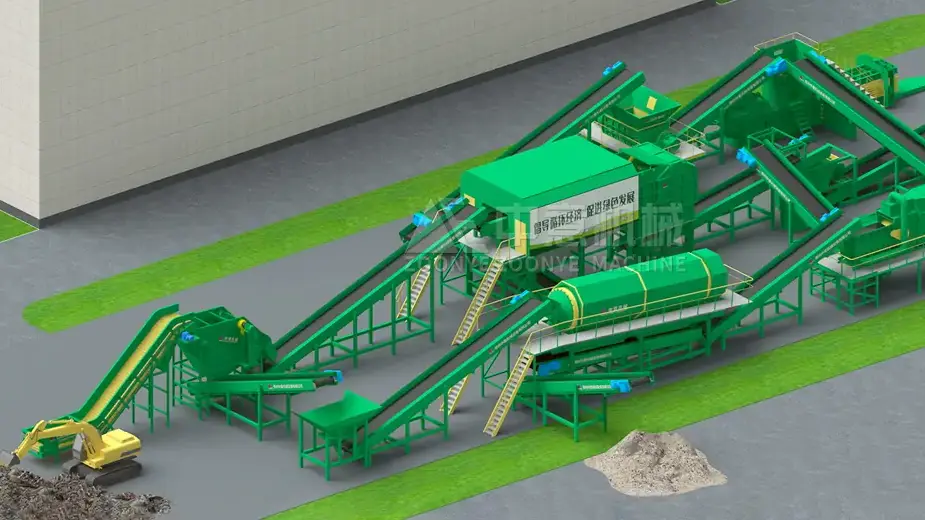
MSW Recycling Plant Solution

C&D Waste Recycling Plant Solution
Düzenli Depolama Madenciliği Tesisi Çözümü
RDF Üretim Tesisi Çözümü
Get Your Custom Waste Recycling Equipment Solution
We provide complete waste recycling plant solutions, including equipment selection, process design, and layout planning based on your project requirements. Contact our team to get a tailored recycling plant proposal and layout design.
To prepare a suitable solution, we need the following information from you:
- Material type
- Required capacity
- Site conditions and available space
- Expected plant layout
- Level of automation
Based on these inputs, we configure key parameters such as conveyor system, sorting stations, baler specification, and PLC control level.
Ücretsiz Teklif Alın
Neden Bizi Seçmelisiniz?
Xinzhongyi ECO provides not only individual machines, but also complete waste recycling solutions tailored to different materials, capacities, and project requirements.
FAQs
Equipment selection depends on waste composition, handling capacity, moisture content, and automation requirements. A complete evaluation of your material characteristics and project goals helps determine whether light-duty or heavy-duty feeding, enclosed conveying, manual sorting, or centralized control is required.
Light-duty apron feeders are suitable for municipal solid waste and lighter mixed materials, while heavy-duty apron feeders are designed for bulky, abrasive, or high-impact waste streams such as construction debris, mining waste, and landfill excavation materials.
Yes. Most waste recycling equipment can be integrated into existing lines. Modular design allows flexible connection with shredders, trommel screens, conveyors, balers, and control systems to improve plant efficiency without requiring a complete system replacement.
Enclosed belt conveyors minimize dust emission, odor leakage, and material spillage during transport. They improve environmental compliance, reduce housekeeping costs, and provide safer operation, especially in enclosed waste processing facilities.
A central control room enables real-time monitoring of all equipment, centralized operation control, alarm management, and production data analysis. This improves process stability, reduces labor dependence, and helps optimize system performance.
Routine maintenance includes lubrication, wear-part inspection, chain tension adjustment, belt tracking checks, and electrical system inspection. Heavy-duty components are designed for continuous operation, with wear-resistant materials extending service intervals and reducing downtime.
Yes. Manual sorting cabins are often integrated with automated lines to improve sorting accuracy for difficult-to-identify materials. This hybrid solution combines operational flexibility with automation efficiency for better recovery performance.
Yes. Equipment can be customized based on plant layout, waste type, processing capacity, and automation level. Full technical support typically includes process design, equipment integration, installation guidance, operator training, and long-term after-sales service.
Bize ulaşın
Özelleştirilmiş Projenizi Bugün Başlatın!
Malzeme özelliklerinizi ve işleme hedeflerinizi bizimle paylaşın. Mühendislerimiz, kaynak geri kazanım operasyonlarınızı optimize etmenize yardımcı olmak için 24 saat içinde size özel bir teknik teklif ve ROI analizi sunacaktır.
Dilerseniz bizi şu numaradan arayın
Mesaj gönderin
Uzman Ekibimiz Sorunuzu Bekliyor.
98%
Saflık
Elde Edildi