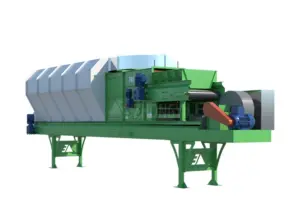













引言
Choosing between a Double vs Single Shaft Waste Shredder is not simply about finding which machine is better. The right choice depends on waste characteristics, required output size, and the role of the shredder in your recycling process. Selecting the wrong shredder may result in inefficient processing, higher maintenance costs, or additional equipment requirements.
In general, a double shaft waste shredder performs better for large, bulky, mixed, and difficult-to-process materials that require strong primary shredding, while a single shaft waste shredder is more suitable for applications requiring controlled and uniform output sizes, such as plastic recycling and production waste processing. This industrial waste shredder comparison and selection guide will explain their working principles, advantages, limitations, and application scenarios to help you choose the right shredding solution for your recycling plant.The choice of shredding speed can affect more than output capacity. See [低噪音垃圾撕碎机优势分析] for a practical comparison of low-speed shredding and high-speed size reduction.
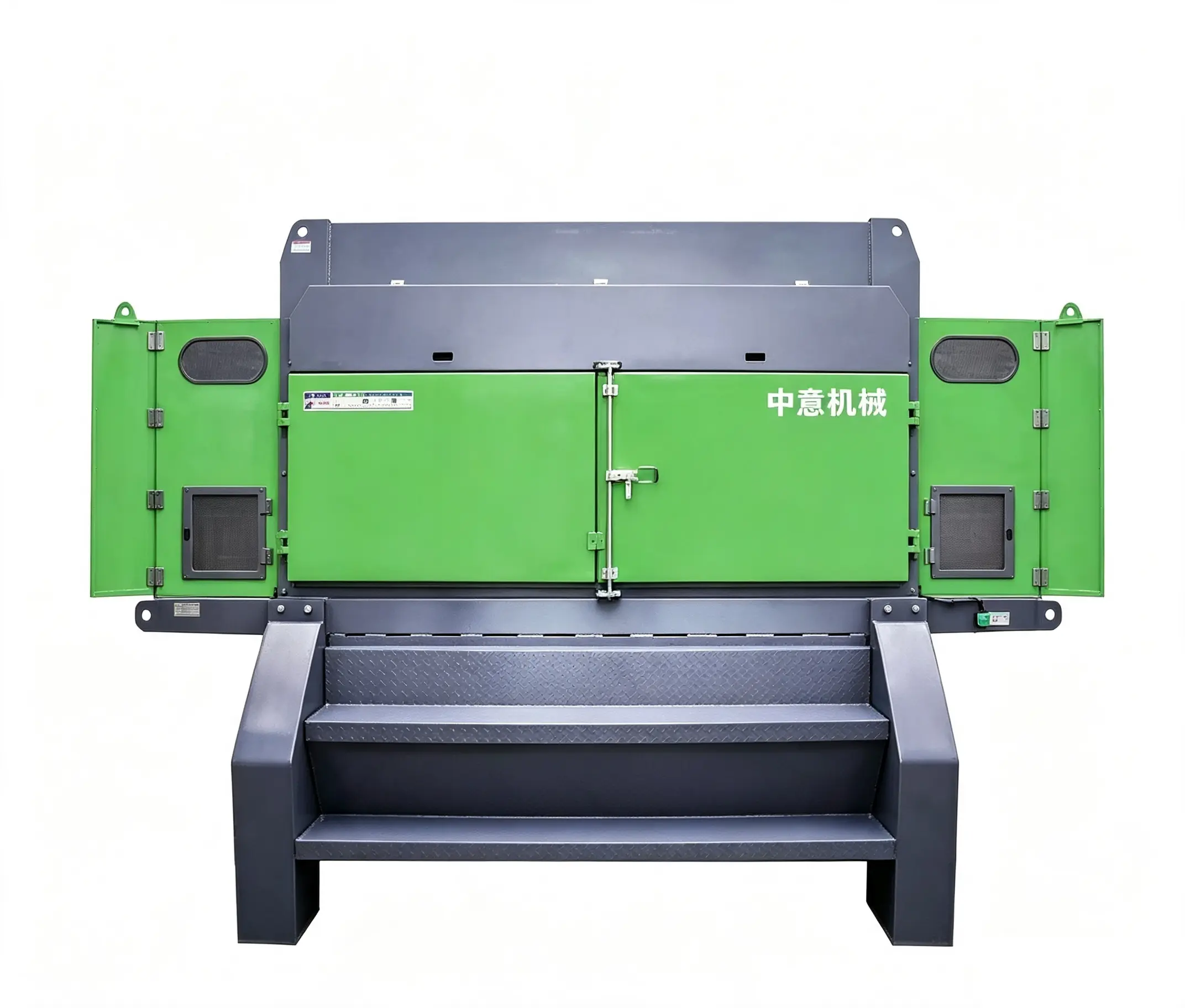
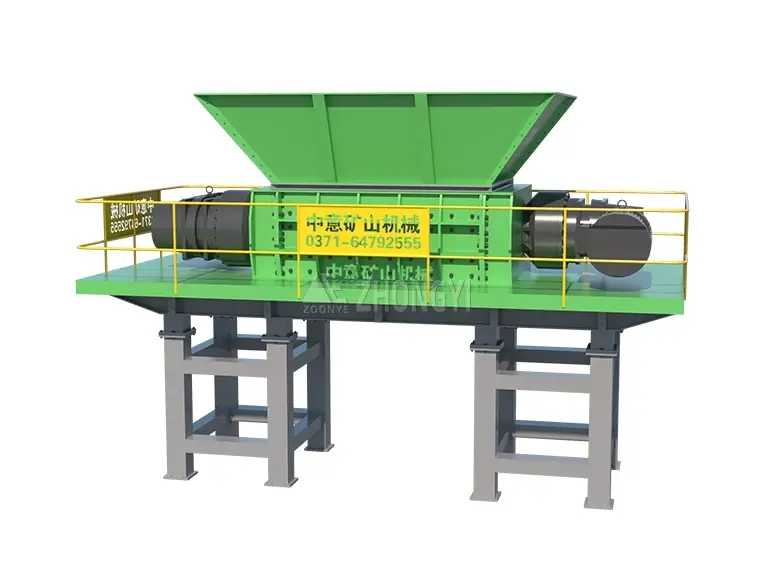
Double Shaft vs Single Shaft Waste Shredder: Quick Comparison
A double shaft waste shredder and a single shaft waste shredder are designed for different waste processing requirements. The key difference lies in their cutting structure, processing capability, and output control. The following comparison provides a quick overview to help you select the right shredding solution.For a closer look at how double shaft shredders grip, tear, and shear waste, see our guide to the Double Shaft Shredder Crushing Mechanism.
| Comparison | 双轴废物撕碎机 | Single Shaft Waste Shredder |
| Shaft Design | Two counter-rotating shafts with high-torque cutting blades | One rotor with fixed blades and hydraulic feeding system |
| 工作原理 | Tearing and shearing materials through low-speed, high-torque operation | Cutting materials with rotor blades and controlling size through screens |
| Main Application | Primary shredding and volume reduction of bulky, mixed, and difficult waste | Size-controlled shredding for relatively uniform materials |
| 适用物料 | MSW, industrial waste, tires, construction waste, bulky waste | Plastic film, packaging waste, paper, wood, textiles |
| Output Size | Larger and less uniform particles for further processing | More consistent and adjustable particle size |
| Processing Performance | Stronger resistance to hard materials and foreign objects | Better size control and material consistency |
| Capacity & Operation | Suitable for heavy-duty, medium to high-capacity applications | Suitable for controlled recycling processes with stable materials |
| Best Choice When | Waste is large, hard, mixed, or requires primary reduction | Waste requires precise size control and higher output uniformity |
What Is a Double Shaft Waste Shredder?
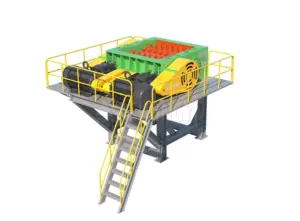
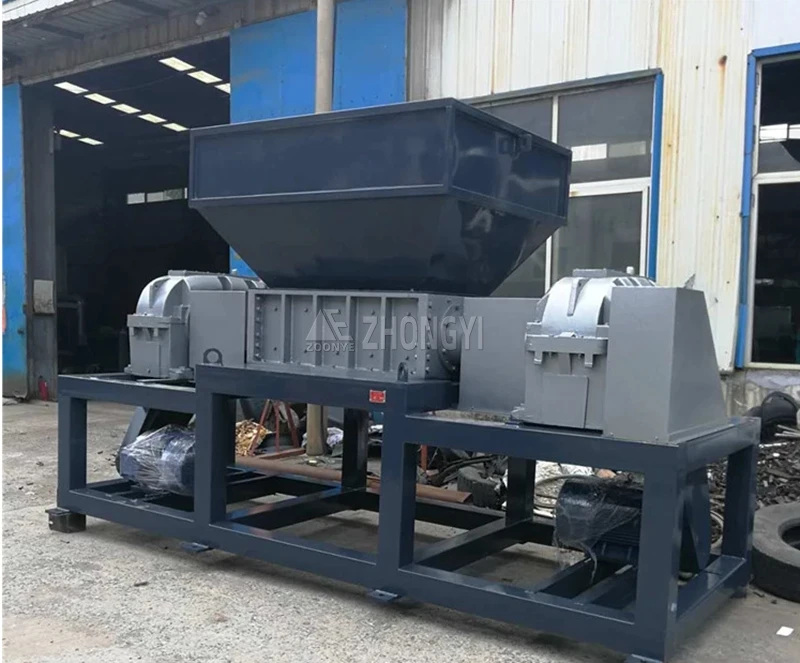
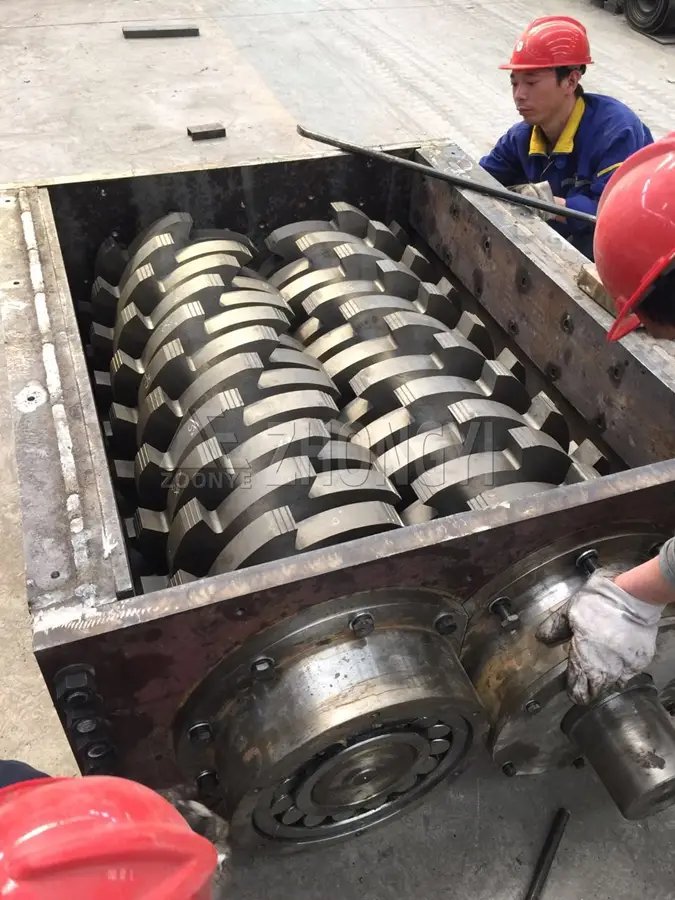
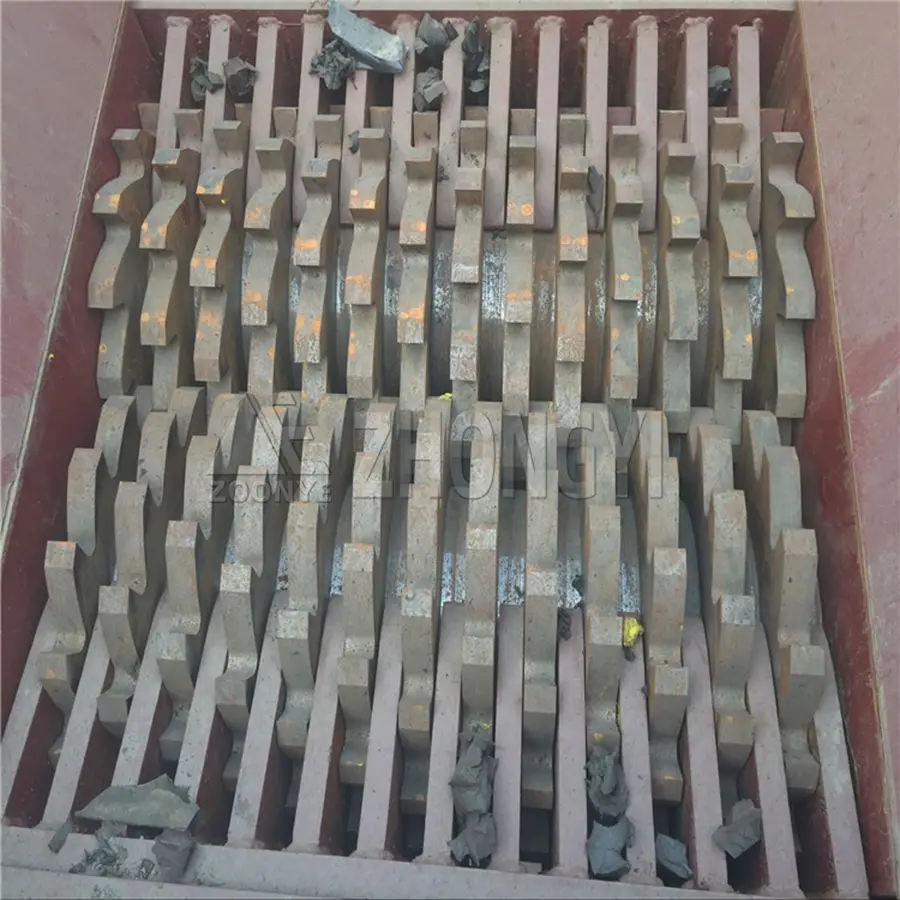
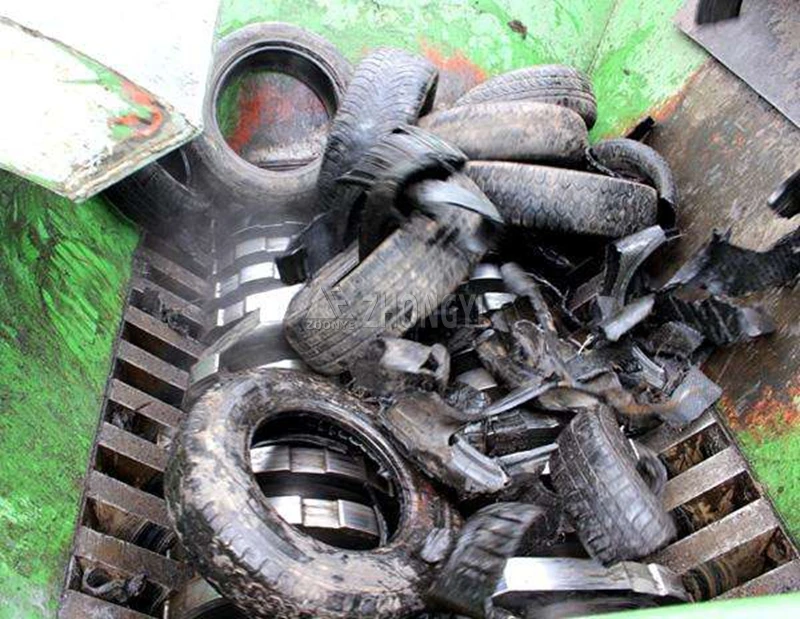
A double shaft waste shredder is a low-speed, high-torque shredding machine designed for the primary size reduction of bulky, mixed, and challenging waste materials. It uses two counter-rotating shafts equipped with cutting blades to generate strong shearing and tearing forces, breaking down materials with different sizes, shapes, and hardness levels into smaller pieces.
Due to its robust structure and strong material adaptability, a double shaft shredder is widely used in waste recycling applications, including municipal solid waste (MSW), industrial waste, tires, construction waste, metal-containing waste, and electronic waste. It is commonly installed at the beginning of recycling processes to reduce waste volume and prepare materials for further sorting, screening, or secondary processing.
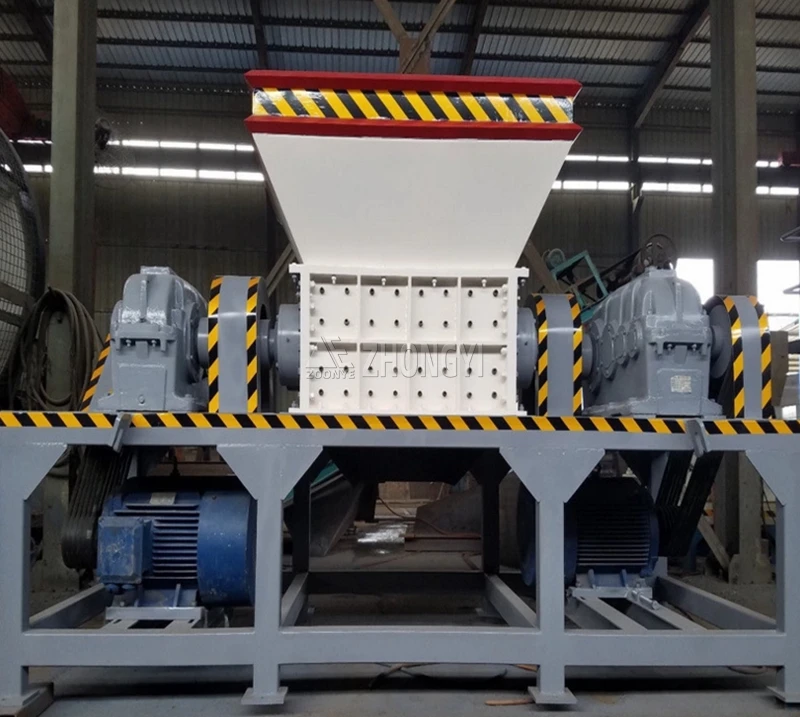
Working Principle of Double Shaft Shredder
A double shaft waste shredder operates through two parallel shafts rotating in opposite directions. As waste enters the cutting chamber, the interlocking blades capture and shear the material through continuous tearing, cutting, and compression forces, gradually reducing it into smaller pieces. The low-speed, high-torque design provides strong cutting performance and overload resistance, allowing the shredder to process bulky and tough materials with stable operation. It is commonly used as a primary industrial waste shredder to prepare materials for subsequent sorting, screening, or recycling processes.
Advantages of Double Shaft Waste Shredder
A double shaft waste shredder offers reliable performance when processing complex waste streams where material size, composition, and condition can vary significantly. Its heavy-duty cutting system provides better tolerance for oversized materials and contaminants, helping reduce interruptions during continuous operation.
For recycling plants, the double shaft shredder is commonly selected for its stable feeding capability, strong adaptability, and ability to prepare materials for downstream processes. It is especially suitable for waste pretreatment, RDF production, and material recovery systems where consistent volume reduction and efficient handling of mixed waste are required.
Limitations of Double Shaft Shredder
A double shaft shredder is mainly designed for primary size reduction, so its output is usually larger and less uniform than that of a single shaft shredder. It is not the best option for applications requiring precise particle size control. In these cases, additional screening or secondary shredding equipment may be needed to achieve the required final material size.
What Is a Single Shaft Waste Shredder?
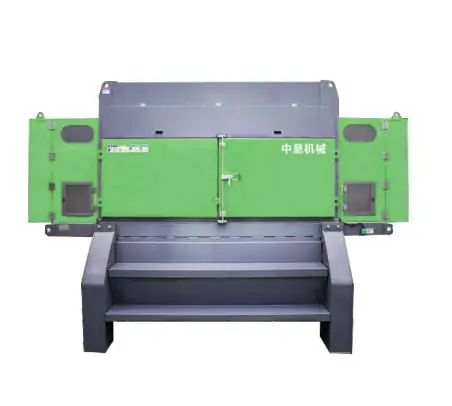
A single shaft waste shredder is a machine that uses a rotating rotor, fixed knives, and a screen system to cut waste materials into controlled sizes. Unlike double shaft shredders used mainly for primary volume reduction, single shaft shredders are designed for applications requiring more consistent output and better particle size control.
The main components include a rotor, cutting knives, hydraulic pusher, and replaceable screen. By selecting different screen openings and knife configurations, the shredder can process materials such as plastics, films, wood, packaging waste, and RDF feedstock into sizes suitable for further recycling or processing.
Working Principle of Single Shaft Shredder
A single shaft shredder operates through a rotor cutting system combined with hydraulic feeding and screen control. During operation, the hydraulic pusher feeds the material into the cutting chamber, where the rotating knives and fixed knives create shearing forces to reduce the material size. The processed material passes through the screen once it reaches the required particle size, while oversized pieces continue to be cut until meeting the specified output requirements.
Advantages of Single Shaft Waste Shredder
A single shaft waste shredder is widely used in recycling applications where stable output size and consistent material quality are required. Compared with primary shredders, it provides better control over particle size, making it suitable for processes that require further sorting, extrusion, or fuel preparation. The screen-controlled design helps produce more uniform particles, which improves the efficiency of downstream processing for materials such as plastic film, packaging waste, electronic waste, and production scraps.
The output size of a single shaft shredder can be adjusted by changing screen openings, knife configurations, and operating parameters to meet different recycling requirements. It is commonly used after primary shredding or sorting stages to refine material size and improve feed quality for equipment such as separators, pelletizing systems, and RDF/SRF production lines.
Limitations of Single Shaft Shredder
A single shaft shredder is more suitable for relatively uniform and pre-processed materials. Compared with double shaft shredders, it has lower tolerance for oversized materials, heavy contaminants, and highly mixed waste streams. For applications involving large or difficult-to-process waste, additional sorting or primary shredding may be required before processing.
Double Shaft vs Single Shaft Waste Shredder: Main Differences
Choosing between a double shaft waste shredder and a single shaft waste shredder depends on the material characteristics, processing goals, and required output size rather than which machine is simply better. A double shaft shredder is generally the better choice for large, mixed, and difficult-to-process waste that requires primary size reduction, while a single shaft shredder is more suitable for recycling applications where consistent particle size and controlled material preparation are required.
Cutting Method and Structure
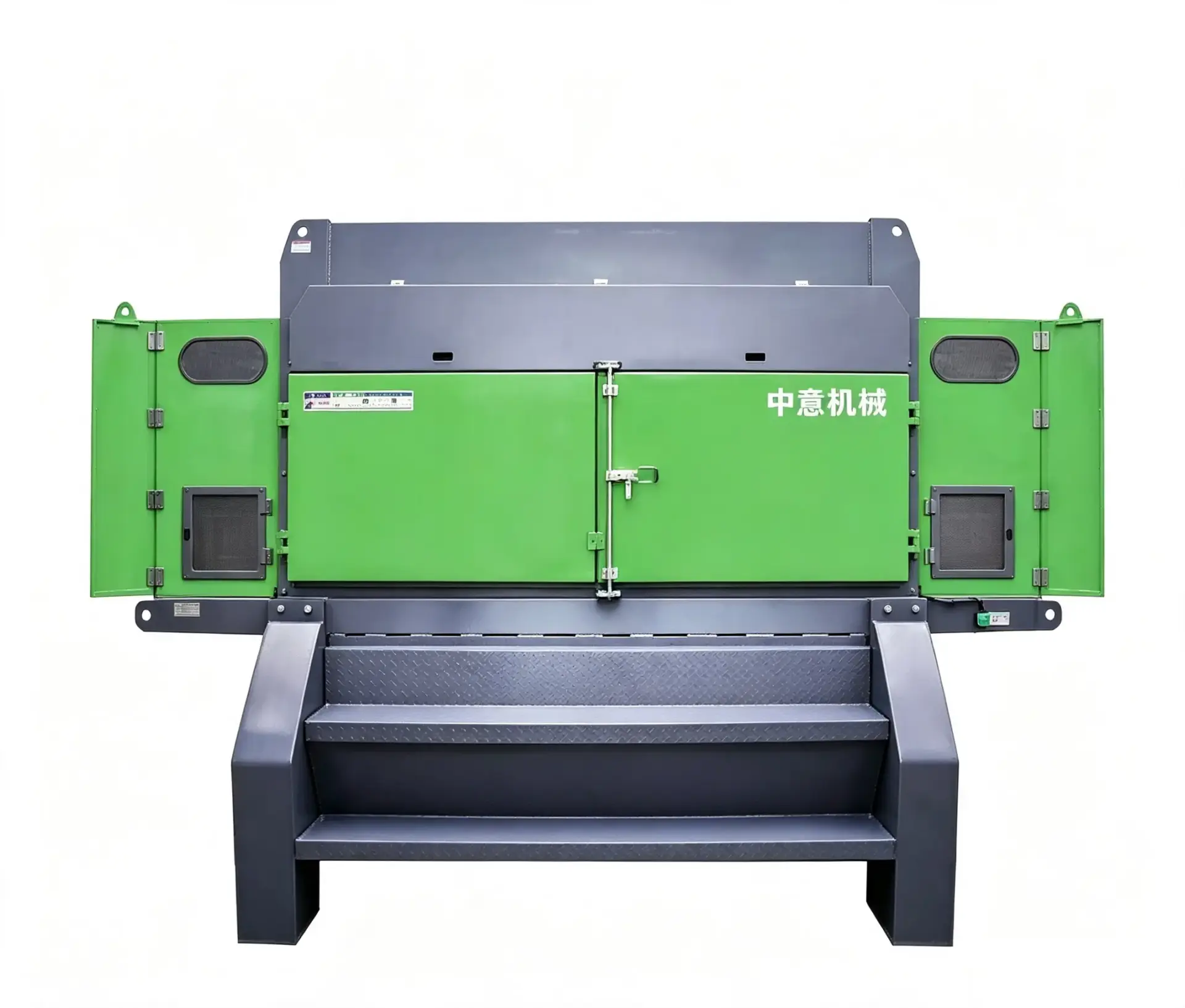
The cutting design is one of the main differences between a double shaft waste shredder and a single shaft waste shredder. A double shaft shredder relies on two rotating shafts to create strong tearing and shearing forces, making it suitable for large and difficult waste streams. A single shaft shredder uses a rotor and fixed knives with screen control, providing better control over final particle size and output consistency.
| Cutting Type | 双轴废物撕碎机 | Single Shaft Waste Shredder |
| Cutting Method | Tearing and shearing for primary size reduction | Cutting and shearing with controlled particle size |
| Processing Focus | Handling bulky, mixed, and tough materials | Producing more uniform output for recycling processes |
Material Compatibility and Application Scenarios
Material composition, size, and contamination level are important factors when selecting between a double shaft waste shredder and a single shaft waste shredder. Double shaft shredders are commonly used for mixed, bulky, and contaminated waste streams requiring primary size reduction, while single shaft shredders are better suited for relatively uniform materials that require controlled particle size for recycling applications.
| 材质 | Recommended Shredder | Selection Reason |
| 城市固体废弃物(MSW) | Double Shaft | Handles mixed and bulky waste streams |
| Tires | Double Shaft | Processes tough and elastic materials |
| Industrial Mixed Waste | Double Shaft | Better tolerance for contaminants |
| Plastic Film | Single Shaft | Provides consistent output size |
| Clean Hard Plastic | Single Shaft | Suitable for recycling size reduction |
| Electronic Waste | Single Shaft / Combined System | Depends on material composition |
| RDF Production | Double + Single Shaft Combination | Combines capacity and size control |
Output Size Requirements
The required output size and final processing goal are important factors when selecting between a double shaft waste shredder and a single shaft waste shredder. When the priority is volume reduction and primary waste processing, a double shaft shredder is commonly used to break bulky materials into smaller pieces for easier handling and further treatment. When the process requires more consistent particles for recycling, extrusion, or RDF production, a single shaft shredder provides better control through adjustable screen sizes.
In general, a double shaft shredder is selected when reducing waste volume is the main objective, while a single shaft shredder is preferred when uniform output size and material preparation quality are more important.
Capacity and Production Requirements
Capacity is only one factor in shredder selection. The right choice also depends on waste composition, material size, moisture content, required output size, and the configuration of downstream equipment. In industrial recycling plants, a properly matched shredding system is more important than selecting a machine based only on throughput. Many large-scale applications use a combination of double shaft primary shredding and single shaft secondary shredding to achieve stable processing capacity and consistent output quality.
Double Shaft or Single Shaft Waste Shredder: Which One Should You Choose?
Neither shredder is suitable for all applications. The right choice depends on the type of waste being processed and the required final material size. Double shaft waste shredders are generally selected for large, mixed waste streams requiring primary reduction, while single shaft waste shredders are chosen when uniform particle size and precise output control are more important.
Choose a Double Shaft Waste Shredder If:
A double shaft waste shredder is suitable for applications involving mixed, bulky, or difficult waste materials that require primary size reduction before further processing.
Choose a double shaft shredder when your project involves:
- Mixed waste streams with different material types;
- Large, oversized, or irregular-shaped materials;
- Primary shredding before sorting, screening, or recycling;
- Continuous operation under demanding working conditions.
Typical applications include municipal solid waste (MSW), industrial waste, tires, construction waste, and other mixed waste streams where strong size reduction and stable processing are required.
Choose a Single Shaft Waste Shredder If:
A single shaft waste shredder is suitable for applications that require consistent output size and better control of the final material quality.
Choose a single shaft shredder for:
- Producing more uniform particle sizes;
- Processing plastics, films, wood, packaging materials, and other relatively consistent waste;
- Preparing materials for recycling, extrusion, or RDF/SRF production;
- Further size reduction after sorting or primary shredding.
Typical applications include plastic recycling plants, material recovery systems, and recycling lines where controlled particle size is required.
Can Double Shaft and Single Shaft Shredders Be Used Together?
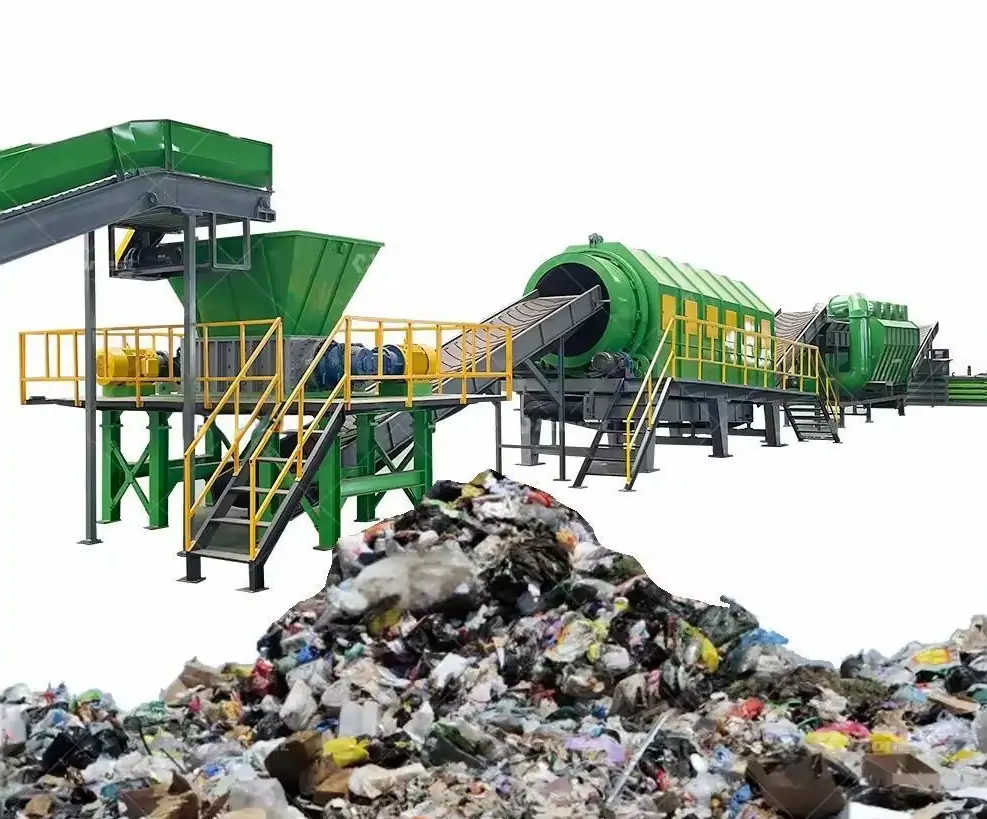
In many recycling plants, double shaft and single shaft waste shredders are used together to handle different stages of material processing. The double shaft shredder performs primary size reduction by processing bulky, mixed, and difficult materials, while the single shaft shredder provides further size reduction and better output control through adjustable screens. This two-stage approach is commonly used in applications such as plastic recycling, MSW treatment, and RDF/SRF production.
A common process includes:
Waste Receiving → Double Shaft Shredder → Sorting/Screening → Single Shaft Shredder → Recycling Output or RDF Production
This combination helps improve system stability, reduce unnecessary wear on downstream equipment, and achieve the required particle size for further processing. For clean and consistent materials, a single shredder may be enough, while complex waste streams often benefit from a combined shredding system.
How to Choose the Right Waste Shredder for Your Recycling Plant?
Choosing a waste shredder requires considering the material type, processing purpose, output size, and operating conditions. The right equipment should match the waste characteristics and the requirements of the recycling process.In waste recycling applications, the crusher itself is only part of the decision; the choice between a mobile and fixed setup can also affect material handling and site requirements. If you want to explore the differences in more detail, see our [移动式与固定式垃圾破碎站对比] guide.
结论
There is no single shredder that fits every waste processing application. Double shaft waste shredders are better suited for primary size reduction of bulky, mixed, and difficult materials, while single shaft waste shredders provide better particle size control for recycling processes that require consistent output. The right choice depends on the waste characteristics, processing capacity, and final product requirements.
If you are selecting a shredder for your recycling plant, contact our team to discuss your material type, processing goals, and suitable shredding solution. We can help recommend the right equipment configuration based on your specific application.


安迪·余
技术工程师 | Zhongyi ECO
16+
年经验.
300+
解决方案
50+
国家
拥有16年环境与固体废物管理经验,专注于C&D回收和废物分选解决方案。在中意矿山机械,致力于通过技术专长和定制化配置提升全球客户的效率。.
常见问题
双轴废弃物撕碎机采用两根相对旋转的轴,为 bulky、混合及难处理废弃物提供强大的剪切力。单轴废弃物撕碎机采用转子、固定刀片和筛网系统,实现更可控的出料粒度。主要区别在于,双轴撕碎机侧重于初级尺寸减小,而单轴撕碎机侧重于出料一致性。.
双轴废弃物撕碎机通常更适合处理城市固体废弃物,因为MSW含有混合物料、不规则尺寸以及可能的污染物。其高扭矩设计可在分选、筛分和进一步回收之前稳定处理大件废弃物。为在初级撕碎后控制最终出料尺寸,可增设单轴撕碎机。.
双轴废弃物撕碎机适用于处理需要初级尺寸减小的大块、混合或难处理物料。典型应用包括工业废弃物、轮胎、大件垃圾、建筑垃圾和受污染物料。当处理稳定性、高扭矩和物料适应性比精确的粒度控制更为重要时,主要选用该设备。.
是的。单轴废物撕碎机常用于塑料回收厂,用于处理薄膜、管材、片材、包装废弃物和生产废料。可调节筛网系统有助于产生更均匀的颗粒尺寸,提高下游工艺(如清洗、挤出和造粒)的效率。.
是的。许多大型回收工厂在两段式破碎系统中同时使用这两种设备。双轴破碎机在初级破碎阶段处理大件和混合物料,而单轴破碎机则进一步减小尺寸并控制颗粒大小。这种组合通常用于MSW处理、塑料回收以及RDF/SRF生产。.
选型取决于物料类型、尺寸、硬度、含水率、污染程度、所需出料尺寸和处理能力。双轴撕碎机通常用于大件和混合垃圾,而单轴撕碎机更适合需要一致粒径的较洁净物料。最终选择应同时匹配物料和下游工艺要求。.
单轴废物撕碎机通常能提供更好的出料粒度控制,因为可通过不同的筛网尺寸和刀具配置来调节颗粒大小。双轴撕碎机主要侧重于减小物料体积并为废物的后续处理做准备,在此类应用中出料均匀性通常不太重要。.
所需破碎机产能取决于物料类型、进料尺寸、处理时长和目标产量。不仅要考虑额定产能,还要考虑未来产量增长和物料变化,这一点非常重要。选择正确的产能有助于保持稳定运行,避免不必要的能耗或设备过载。.