












Giới thiệu
Choosing between a Double vs Single Shaft Waste Shredder is not simply about finding which machine is better. The right choice depends on waste characteristics, required output size, and the role of the shredder in your recycling process. Selecting the wrong shredder may result in inefficient processing, higher maintenance costs, or additional equipment requirements.
In general, a double shaft waste shredder performs better for large, bulky, mixed, and difficult-to-process materials that require strong primary shredding, while a single shaft waste shredder is more suitable for applications requiring controlled and uniform output sizes, such as plastic recycling and production waste processing. This industrial waste shredder comparison and selection guide will explain their working principles, advantages, limitations, and application scenarios to help you choose the right shredding solution for your recycling plant.The choice of shredding speed can affect more than output capacity. See [Phân tích ưu điểm của máy hủy phế thải độ ồn thấp] để có so sánh thực tế giữa nghiền tốc độ thấp và giảm kích thước tốc độ cao.
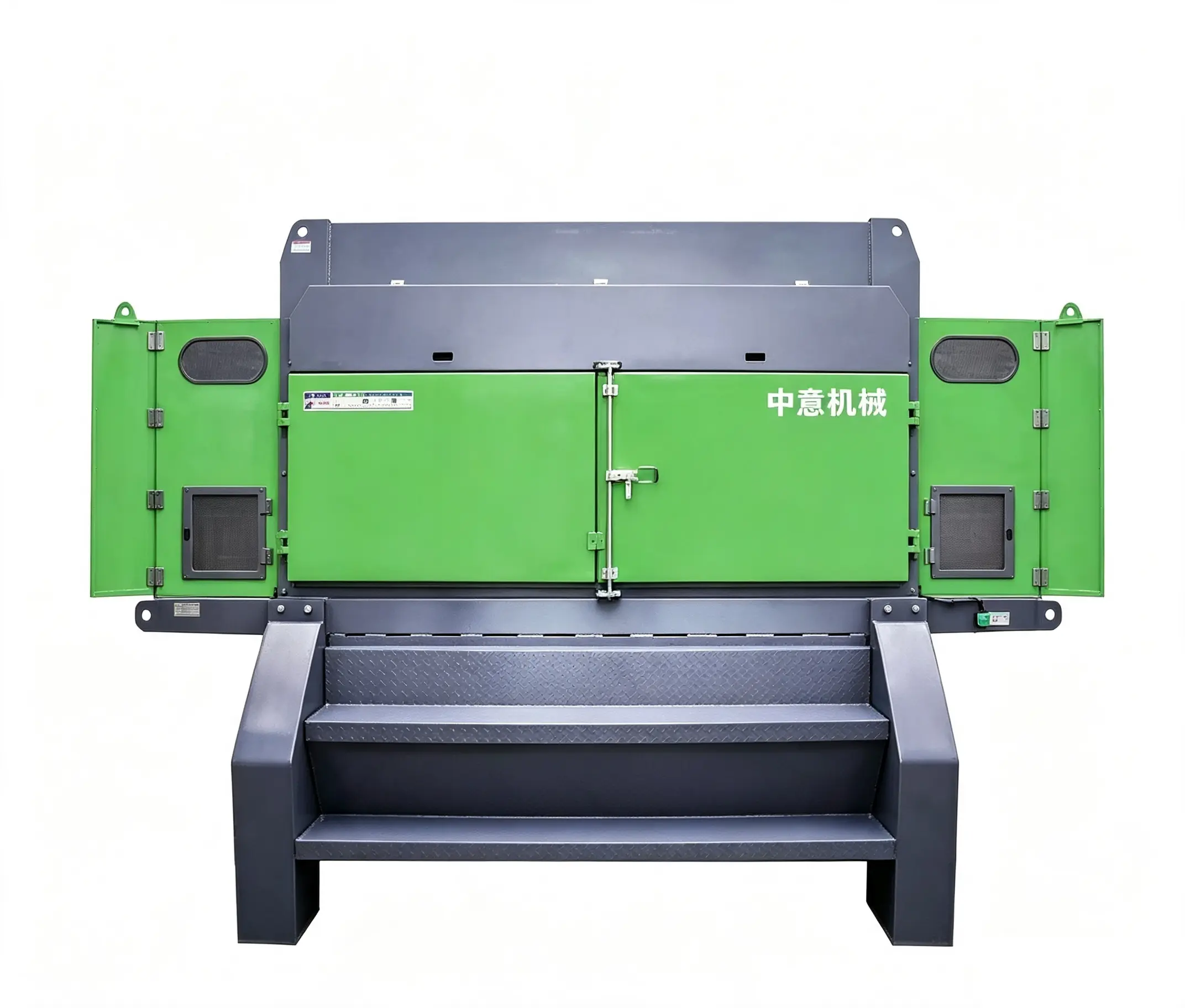
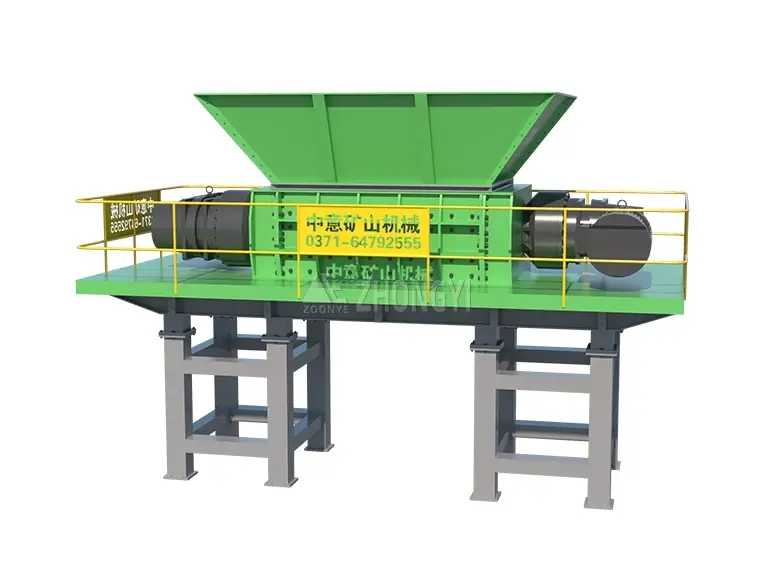
Double Shaft vs Single Shaft Waste Shredder: Quick Comparison
A double shaft waste shredder and a single shaft waste shredder are designed for different waste processing requirements. The key difference lies in their cutting structure, processing capability, and output control. The following comparison provides a quick overview to help you select the right shredding solution.For a closer look at how double shaft shredders grip, tear, and shear waste, see our guide to Cơ chế nghiền của máy nghiền hai trục.
| So sánh | Máy hủy chất thải trục đôi | Single Shaft Waste Shredder |
| Shaft Design | Two counter-rotating shafts with high-torque cutting blades | One rotor with fixed blades and hydraulic feeding system |
| Working Principle | Tearing and shearing materials through low-speed, high-torque operation | Cutting materials with rotor blades and controlling size through screens |
| Main Application | Primary shredding and volume reduction of bulky, mixed, and difficult waste | Size-controlled shredding for relatively uniform materials |
| Vật liệu phù hợp | MSW, industrial waste, tires, construction waste, bulky waste | Plastic film, packaging waste, paper, wood, textiles |
| Kích thước đầu ra | Larger and less uniform particles for further processing | More consistent and adjustable particle size |
| Processing Performance | Stronger resistance to hard materials and foreign objects | Better size control and material consistency |
| Capacity & Operation | Suitable for heavy-duty, medium to high-capacity applications | Suitable for controlled recycling processes with stable materials |
| Best Choice When | Waste is large, hard, mixed, or requires primary reduction | Waste requires precise size control and higher output uniformity |
What Is a Double Shaft Waste Shredder?
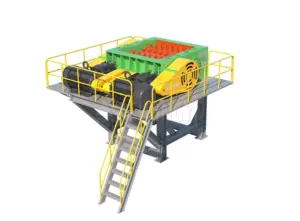
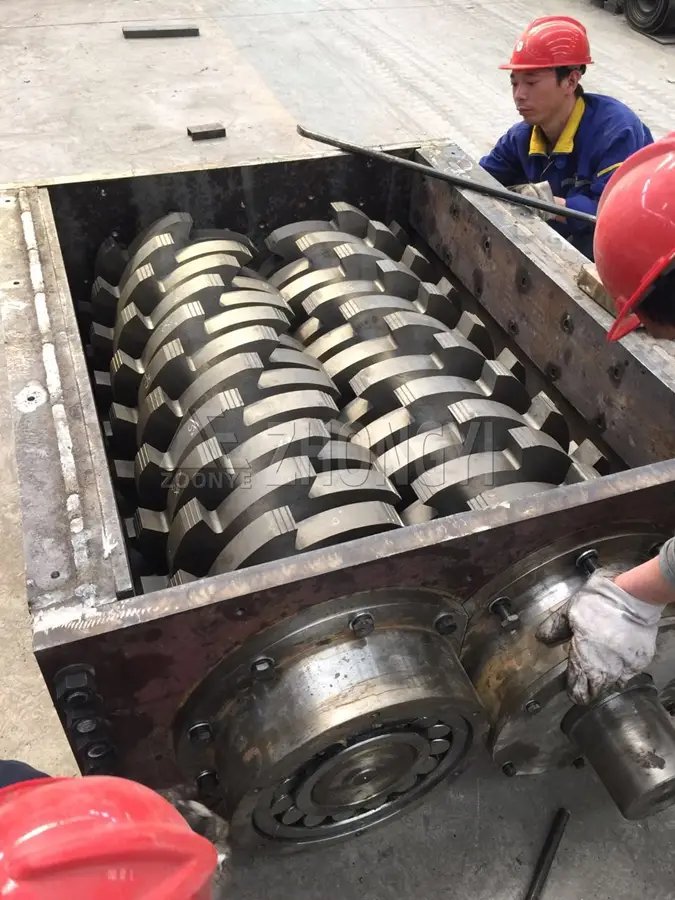
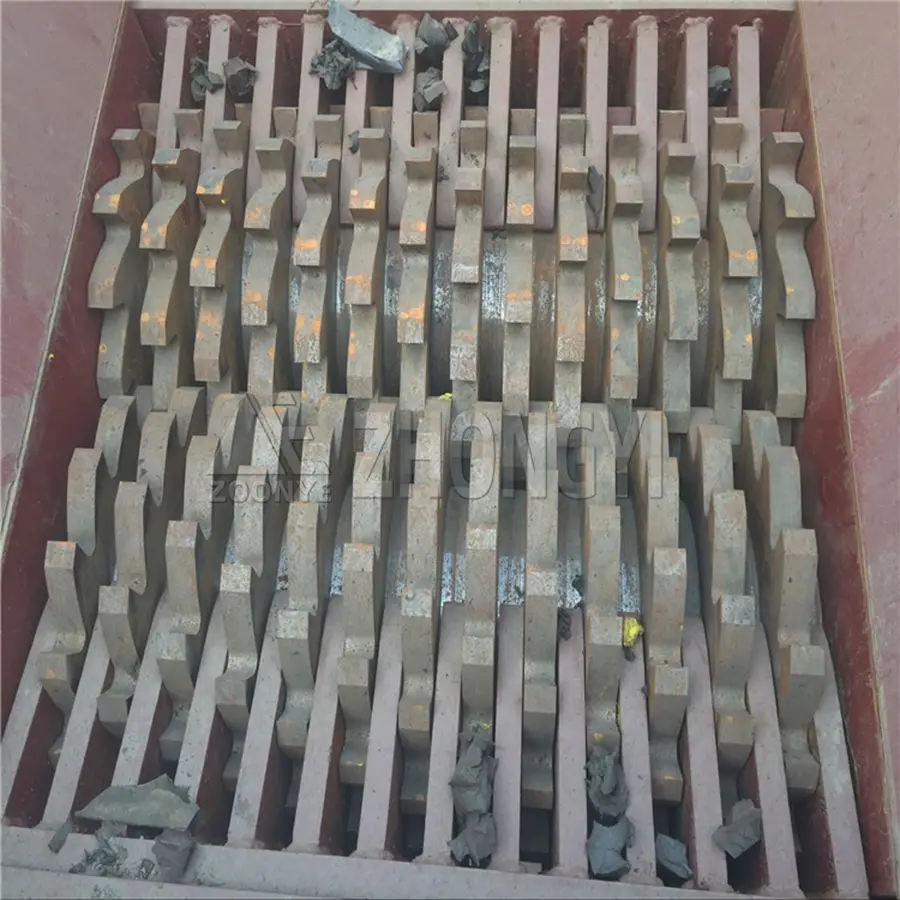
A double shaft waste shredder is a low-speed, high-torque shredding machine designed for the primary size reduction of bulky, mixed, and challenging waste materials. It uses two counter-rotating shafts equipped with cutting blades to generate strong shearing and tearing forces, breaking down materials with different sizes, shapes, and hardness levels into smaller pieces.
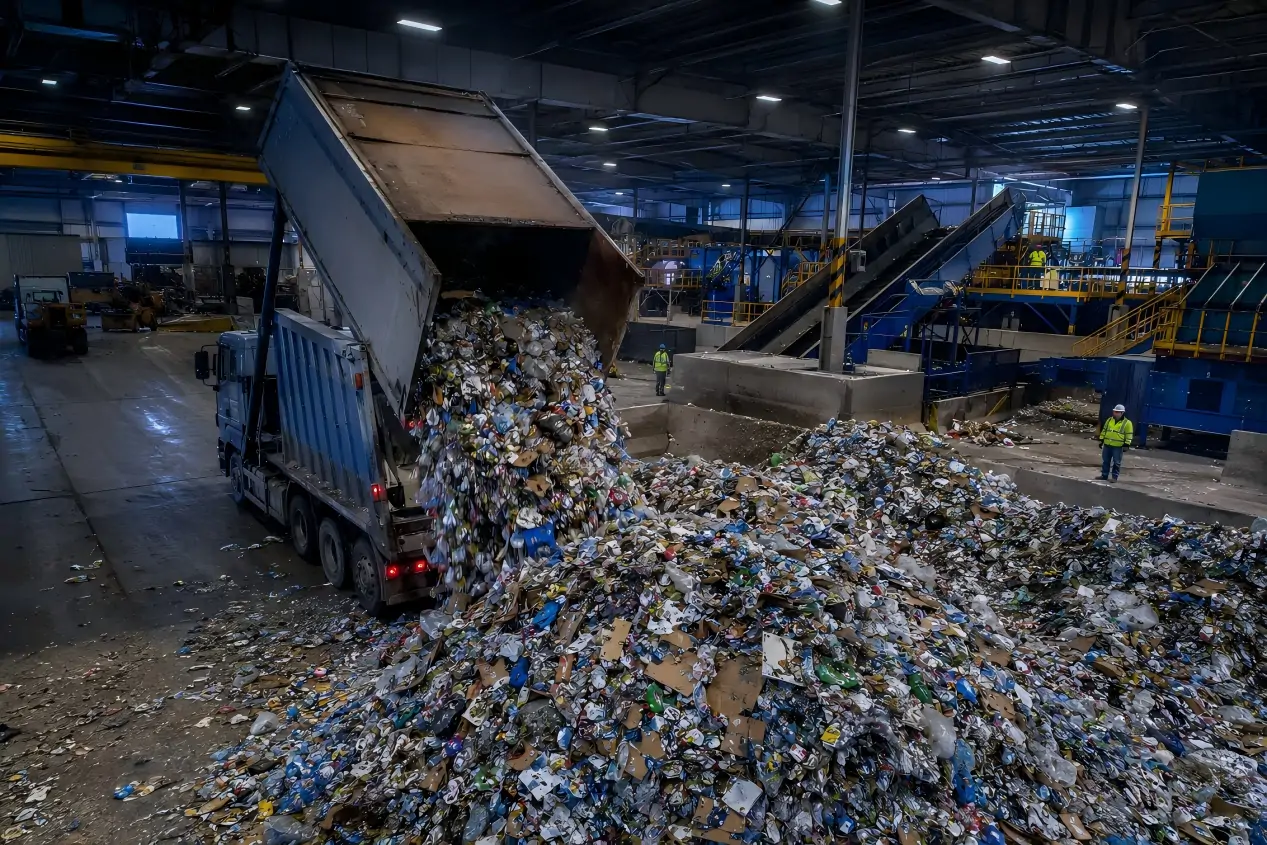
Due to its robust structure and strong material adaptability, a double shaft shredder is widely used in waste recycling applications, including municipal solid waste (MSW), industrial waste, tires, construction waste, metal-containing waste, and electronic waste. It is commonly installed at the beginning of recycling processes to reduce waste volume and prepare materials for further sorting, screening, or secondary processing.
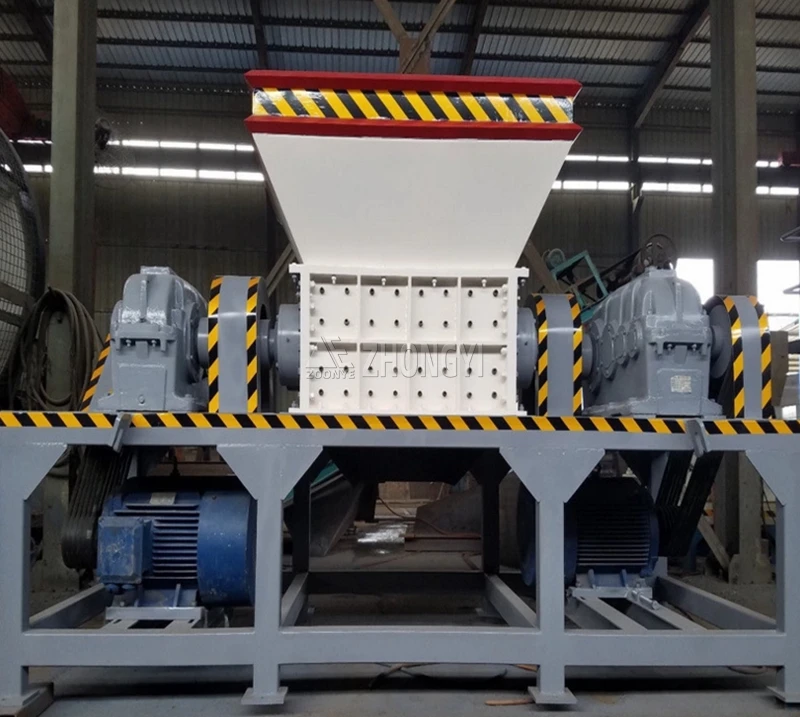
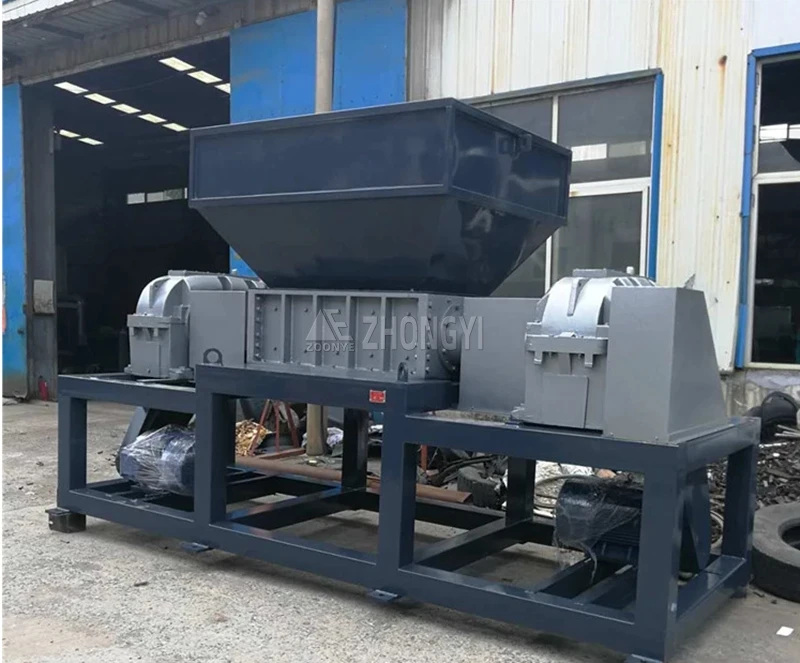
Working Principle of Double Shaft Shredder
A double shaft waste shredder operates through two parallel shafts rotating in opposite directions. As waste enters the cutting chamber, the interlocking blades capture and shear the material through continuous tearing, cutting, and compression forces, gradually reducing it into smaller pieces. The low-speed, high-torque design provides strong cutting performance and overload resistance, allowing the shredder to process bulky and tough materials with stable operation. It is commonly used as a primary industrial waste shredder to prepare materials for subsequent sorting, screening, or recycling processes.
Advantages of Double Shaft Waste Shredder
A double shaft waste shredder offers reliable performance when processing complex waste streams where material size, composition, and condition can vary significantly. Its heavy-duty cutting system provides better tolerance for oversized materials and contaminants, helping reduce interruptions during continuous operation.
For recycling plants, the double shaft shredder is commonly selected for its stable feeding capability, strong adaptability, and ability to prepare materials for downstream processes. It is especially suitable for waste pretreatment, RDF production, and material recovery systems where consistent volume reduction and efficient handling of mixed waste are required.
Limitations of Double Shaft Shredder
A double shaft shredder is mainly designed for primary size reduction, so its output is usually larger and less uniform than that of a single shaft shredder. It is not the best option for applications requiring precise particle size control. In these cases, additional screening or secondary shredding equipment may be needed to achieve the required final material size.
What Is a Single Shaft Waste Shredder?
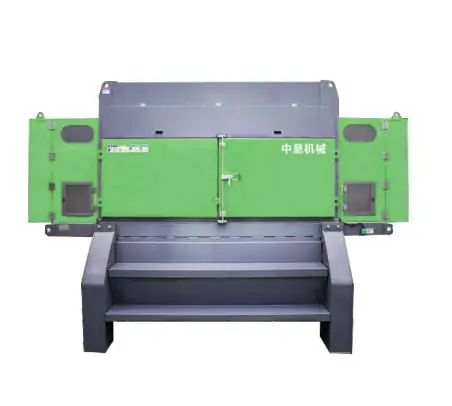
A single shaft waste shredder is a machine that uses a rotating rotor, fixed knives, and a screen system to cut waste materials into controlled sizes. Unlike double shaft shredders used mainly for primary volume reduction, single shaft shredders are designed for applications requiring more consistent output and better particle size control.
The main components include a rotor, cutting knives, hydraulic pusher, and replaceable screen. By selecting different screen openings and knife configurations, the shredder can process materials such as plastics, films, wood, packaging waste, and RDF feedstock into sizes suitable for further recycling or processing.
Working Principle of Single Shaft Shredder
A single shaft shredder operates through a rotor cutting system combined with hydraulic feeding and screen control. During operation, the hydraulic pusher feeds the material into the cutting chamber, where the rotating knives and fixed knives create shearing forces to reduce the material size. The processed material passes through the screen once it reaches the required particle size, while oversized pieces continue to be cut until meeting the specified output requirements.
Advantages of Single Shaft Waste Shredder
A single shaft waste shredder is widely used in recycling applications where stable output size and consistent material quality are required. Compared with primary shredders, it provides better control over particle size, making it suitable for processes that require further sorting, extrusion, or fuel preparation. The screen-controlled design helps produce more uniform particles, which improves the efficiency of downstream processing for materials such as plastic film, packaging waste, electronic waste, and production scraps.
The output size of a single shaft shredder can be adjusted by changing screen openings, knife configurations, and operating parameters to meet different recycling requirements. It is commonly used after primary shredding or sorting stages to refine material size and improve feed quality for equipment such as separators, pelletizing systems, and RDF/SRF production lines.
Limitations of Single Shaft Shredder
A single shaft shredder is more suitable for relatively uniform and pre-processed materials. Compared with double shaft shredders, it has lower tolerance for oversized materials, heavy contaminants, and highly mixed waste streams. For applications involving large or difficult-to-process waste, additional sorting or primary shredding may be required before processing.
Double Shaft vs Single Shaft Waste Shredder: Main Differences
Choosing between a double shaft waste shredder and a single shaft waste shredder depends on the material characteristics, processing goals, and required output size rather than which machine is simply better. A double shaft shredder is generally the better choice for large, mixed, and difficult-to-process waste that requires primary size reduction, while a single shaft shredder is more suitable for recycling applications where consistent particle size and controlled material preparation are required.
Cutting Method and Structure
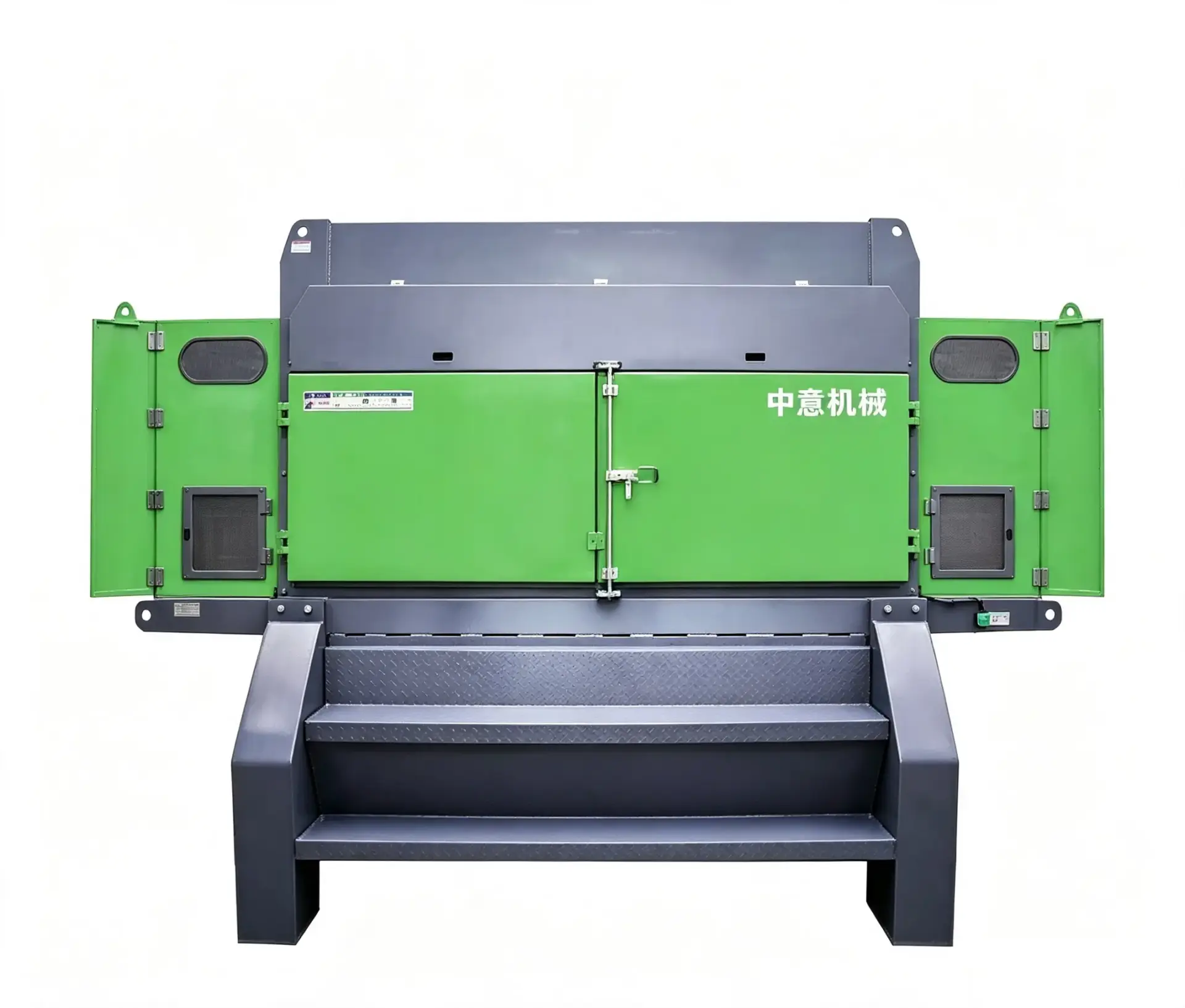
The cutting design is one of the main differences between a double shaft waste shredder and a single shaft waste shredder. A double shaft shredder relies on two rotating shafts to create strong tearing and shearing forces, making it suitable for large and difficult waste streams. A single shaft shredder uses a rotor and fixed knives with screen control, providing better control over final particle size and output consistency.
| Cutting Type | Máy hủy chất thải trục đôi | Single Shaft Waste Shredder |
| Cutting Method | Tearing and shearing for primary size reduction | Cutting and shearing with controlled particle size |
| Processing Focus | Handling bulky, mixed, and tough materials | Producing more uniform output for recycling processes |
Material Compatibility and Application Scenarios
Material composition, size, and contamination level are important factors when selecting between a double shaft waste shredder and a single shaft waste shredder. Double shaft shredders are commonly used for mixed, bulky, and contaminated waste streams requiring primary size reduction, while single shaft shredders are better suited for relatively uniform materials that require controlled particle size for recycling applications.
| Material | Recommended Shredder | Selection Reason |
| Chất thải rắn đô thị (MSW) | Double Shaft | Handles mixed and bulky waste streams |
| Tires | Double Shaft | Processes tough and elastic materials |
| Industrial Mixed Waste | Double Shaft | Better tolerance for contaminants |
| Plastic Film | Single Shaft | Provides consistent output size |
| Clean Hard Plastic | Single Shaft | Suitable for recycling size reduction |
| Electronic Waste | Single Shaft / Combined System | Depends on material composition |
| RDF Production | Double + Single Shaft Combination | Combines capacity and size control |
Output Size Requirements
The required output size and final processing goal are important factors when selecting between a double shaft waste shredder and a single shaft waste shredder. When the priority is volume reduction and primary waste processing, a double shaft shredder is commonly used to break bulky materials into smaller pieces for easier handling and further treatment. When the process requires more consistent particles for recycling, extrusion, or RDF production, a single shaft shredder provides better control through adjustable screen sizes.
In general, a double shaft shredder is selected when reducing waste volume is the main objective, while a single shaft shredder is preferred when uniform output size and material preparation quality are more important.
Capacity and Production Requirements
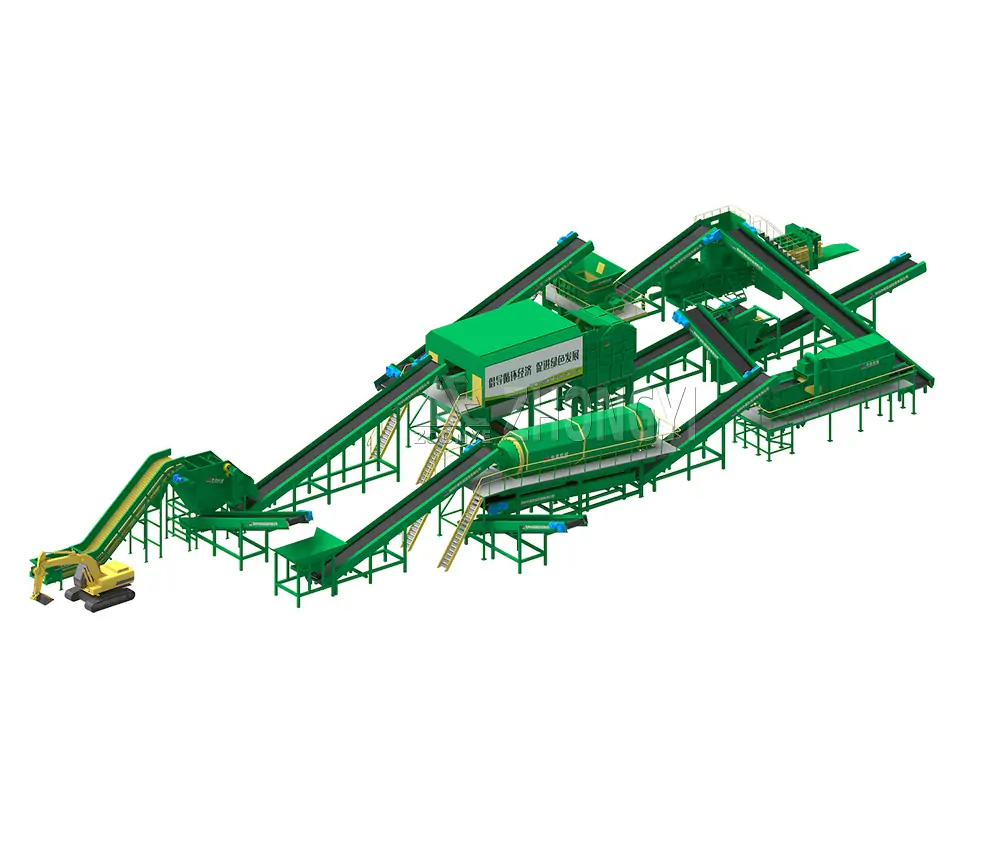
Capacity is only one factor in shredder selection. The right choice also depends on waste composition, material size, moisture content, required output size, and the configuration of downstream equipment. In industrial recycling plants, a properly matched shredding system is more important than selecting a machine based only on throughput. Many large-scale applications use a combination of double shaft primary shredding and single shaft secondary shredding to achieve stable processing capacity and consistent output quality.
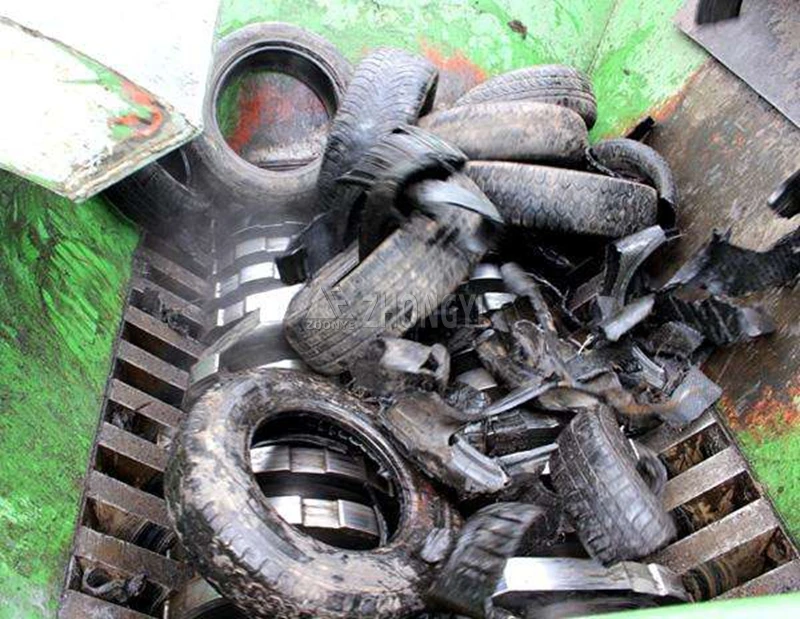
Double Shaft or Single Shaft Waste Shredder: Which One Should You Choose?
Neither shredder is suitable for all applications. The right choice depends on the type of waste being processed and the required final material size. Double shaft waste shredders are generally selected for large, mixed waste streams requiring primary reduction, while single shaft waste shredders are chosen when uniform particle size and precise output control are more important.
Choose a Double Shaft Waste Shredder If:
A double shaft waste shredder is suitable for applications involving mixed, bulky, or difficult waste materials that require primary size reduction before further processing.
Choose a double shaft shredder when your project involves:
- Mixed waste streams with different material types;
- Large, oversized, or irregular-shaped materials;
- Primary shredding before sorting, screening, or recycling;
- Continuous operation under demanding working conditions.
Typical applications include municipal solid waste (MSW), industrial waste, tires, construction waste, and other mixed waste streams where strong size reduction and stable processing are required.
Choose a Single Shaft Waste Shredder If:
A single shaft waste shredder is suitable for applications that require consistent output size and better control of the final material quality.
Choose a single shaft shredder for:
- Producing more uniform particle sizes;
- Processing plastics, films, wood, packaging materials, and other relatively consistent waste;
- Preparing materials for recycling, extrusion, or RDF/SRF production;
- Further size reduction after sorting or primary shredding.
Typical applications include plastic recycling plants, material recovery systems, and recycling lines where controlled particle size is required.
Can Double Shaft and Single Shaft Shredders Be Used Together?
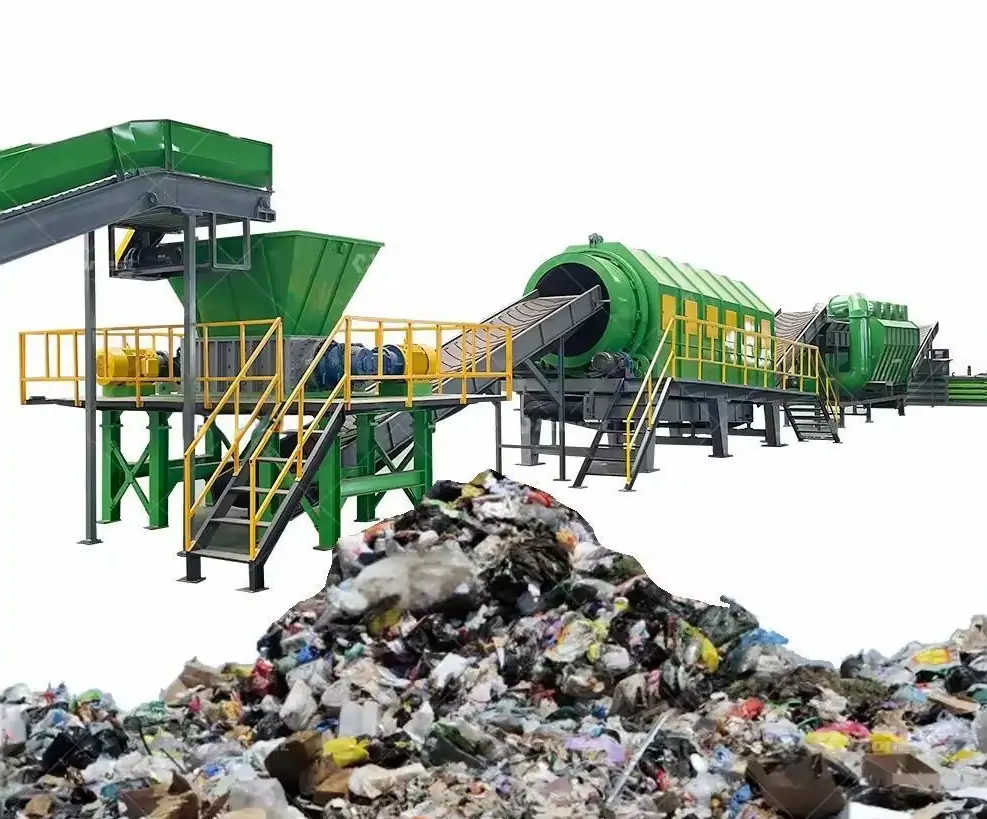
In many recycling plants, double shaft and single shaft waste shredders are used together to handle different stages of material processing. The double shaft shredder performs primary size reduction by processing bulky, mixed, and difficult materials, while the single shaft shredder provides further size reduction and better output control through adjustable screens. This two-stage approach is commonly used in applications such as plastic recycling, MSW treatment, and RDF/SRF production.
A common process includes:
Waste Receiving → Double Shaft Shredder → Sorting/Screening → Single Shaft Shredder → Recycling Output or RDF Production
This combination helps improve system stability, reduce unnecessary wear on downstream equipment, and achieve the required particle size for further processing. For clean and consistent materials, a single shredder may be enough, while complex waste streams often benefit from a combined shredding system.
How to Choose the Right Waste Shredder for Your Recycling Plant?
Choosing a waste shredder requires considering the material type, processing purpose, output size, and operating conditions. The right equipment should match the waste characteristics and the requirements of the recycling process.In waste recycling applications, the crusher itself is only part of the decision; the choice between a mobile and fixed setup can also affect material handling and site requirements. If you want to explore the differences in more detail, see our [So sánh trạm nghiền phế thải di động và cố định] của chúng tôi.
Kết luận
There is no single shredder that fits every waste processing application. Double shaft waste shredders are better suited for primary size reduction of bulky, mixed, and difficult materials, while single shaft waste shredders provide better particle size control for recycling processes that require consistent output. The right choice depends on the waste characteristics, processing capacity, and final product requirements.
If you are selecting a shredder for your recycling plant, contact our team to discuss your material type, processing goals, and suitable shredding solution. We can help recommend the right equipment configuration based on your specific application.


Andy Yu
Kỹ sư kỹ thuật | Zhongyi ECO
16+
Năm kinh nghiệm.
300+
Giải pháp
50+
Quốc gia
16 năm kinh nghiệm trong lĩnh vực quản lý môi trường và chất thải rắn, chuyên về các giải pháp tái chế C&D và phân loại chất thải. Tại Zhongyi Mining Machinery, tập trung vào việc nâng cao hiệu quả cho khách hàng toàn cầu thông qua chuyên môn kỹ thuật và cấu hình tùy chỉnh.
Câu hỏi thường gặp
Máy hủy rác trục đôi sử dụng hai trục quay ngược chiều nhau để tạo lực cắt mạnh đối với rác cồng kềnh, hỗn hợp và khó xử lý. Máy hủy rác trục đơn sử dụng một rôto, các dao cố định và hệ thống sàng để đạt được kích thước hạt được kiểm soát tốt hơn. Sự khác biệt chính là máy hủy trục đôi tập trung vào việc giảm kích thước sơ cấp, trong khi máy hủy trục đơn tập trung vào tính đồng nhất của đầu ra.
Máy nghiền rác trục đôi thường phù hợp hơn với chất thải rắn đô thị vì MSW chứa vật liệu hỗn hợp, kích thước không đồng đều và có thể có tạp chất. Thiết kế mô-men xoắn cao cho phép xử lý ổn định rác cồng kềnh trước khi phân loại, sàng lọc và tái chế tiếp theo. Để kiểm soát kích thước đầu ra sau khi nghiền sơ cấp, có thể bổ sung máy nghiền trục đơn.
Máy nghiền rác trục đôi phù hợp khi xử lý các vật liệu lớn, hỗn hợp hoặc khó nghiền cần giảm kích thước sơ cấp. Các ứng dụng điển hình bao gồm rác công nghiệp, lốp xe, rác cồng kềnh, rác xây dựng và vật liệu bị nhiễm bẩn. Máy chủ yếu được lựa chọn khi độ ổn định khi vận hành, mô-men xoắn cao và khả năng thích ứng vật liệu quan trọng hơn việc kiểm soát chính xác kích thước hạt.
Có. Máy nghiền rác trục đơn thường được sử dụng trong các nhà máy tái chế nhựa để xử lý màng, ống, tấm, rác thải bao bì và phế liệu sản xuất. Hệ thống sàng có thể điều chỉnh giúp tạo ra kích thước hạt đồng đều hơn, nâng cao hiệu quả của các quy trình hạ nguồn như rửa, đùn và tạo hạt.
Có. Nhiều nhà máy tái chế lớn sử dụng cả hai máy trong một hệ thống nghiền hai giai đoạn. Máy nghiền trục đôi xử lý vật liệu cồng kềnh và hỗn hợp trong giai đoạn nghiền sơ cấp, trong khi máy nghiền trục đơn giúp giảm kích thước thêm và kiểm soát hạt. Sự kết hợp này thường được sử dụng cho xử lý MSW, tái chế nhựa và sản xuất RDF/SRF.
Việc lựa chọn phụ thuộc vào loại vật liệu, kích thước, độ cứng, độ ẩm, mức độ nhiễm bẩn, kích thước đầu ra yêu cầu và công suất xử lý. Máy nghiền trục đôi thường được chọn cho chất thải cồng kềnh và hỗn hợp, trong khi máy nghiền trục đơn phù hợp hơn với vật liệu sạch hơn yêu cầu kích thước hạt đồng đều. Lựa chọn cuối cùng cần phù hợp với cả vật liệu và yêu cầu của quy trình hạ nguồn.
A single shaft waste shredder generally provides better output size control because the particle size can be adjusted through different screen sizes and cutting configurations. Double shaft shredders mainly focus on reducing material volume and preparing waste for further processing, where output uniformity is usually less important.
The required shredder capacity depends on material type, feeding size, processing hours, and target output. It is important to consider not only the rated capacity but also future production increases and material variations. Selecting the correct capacity helps maintain stable operation and avoid unnecessary energy consumption or equipment overload.