












บทนำ
When we discuss a waste crushing project with a customer, the question is often simple: Should the crushing station be mobile or fixed? In practice, there is no single answer. We first look at where the waste comes from, how long the project will run, how far the material would need to be transported, and what the customer wants to get after crushing. The waste itself also matters. Concrete and brick are handled differently from mixed renovation waste containing steel, wood, plastic, or other light materials.
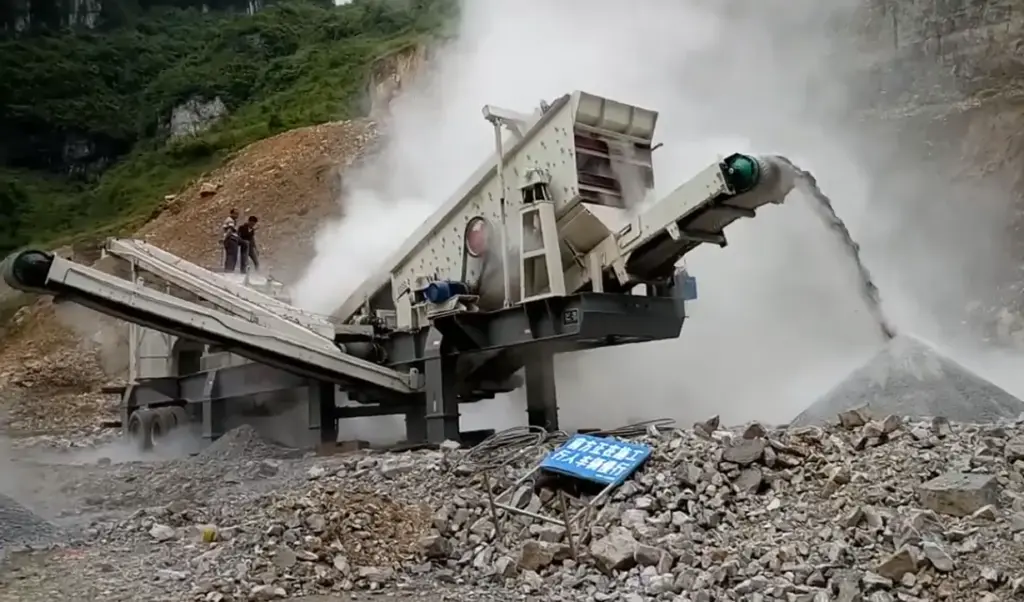
A mobile waste crushing station is often considered when waste comes from different demolition or construction sites and can be processed close to where it is generated. A fixed station makes more sense when material is continuously brought to one recycling facility and the process includes screening, magnetic separation, air separation, or other downstream stages.
From an engineering point of view, the question is not simply whether the crusher can move. It is about which setup makes the whole waste processing process work better for the actual project. In this article, we will compare mobile and fixed waste crushing stations from the aspects that matter in a real project, including site conditions, material transportation, processing capacity, investment, operating requirements, and downstream processing. We will also look at typical construction waste and MSW applications to show when each configuration is worth c
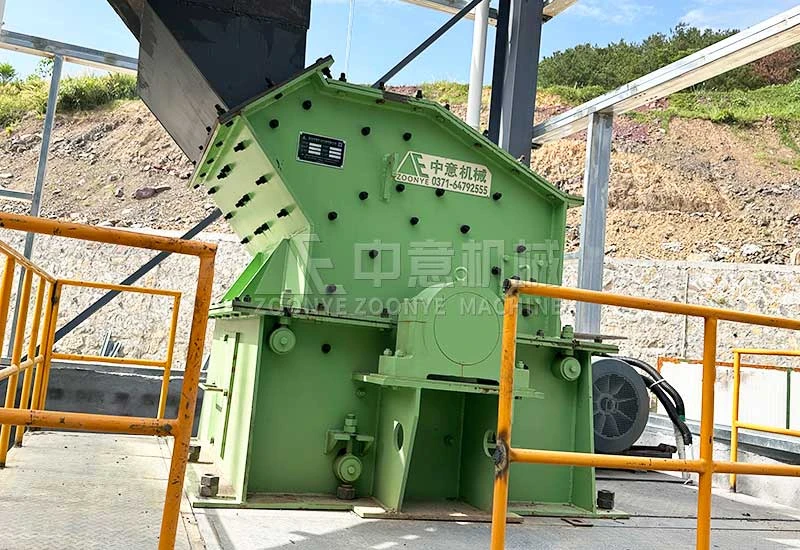
Mobile vs Fixed Waste Crushing Station at a Glance
The choice between a mobile and fixed waste crushing station usually comes down to where the waste is generated and how the project will operate. The table below gives a quick comparison before we look at each factor in more detail.
| Factor | Mobile Station | Fixed Station |
| Waste source | Multiple or changing sites | One centralized site |
| Relocation | Easy to move | Permanently installed |
| Site preparation | Less civil work | Foundation required |
| Material hauling | Can reduce hauling distance | Waste is hauled to the plant |
| Project type | Temporary or multi-site work | Long-term recycling operation |
| Process layout | Compact and flexible | Easier to expand and integrate |
This is a general comparison, not a rule for every project. A mobile station can be configured with screening and separation equipment, while a fixed plant can be designed for a specific waste stream and expanded as processing needs grow. The right choice depends on how the entire waste processing process is planned, not only on whether the crushing equipment can move.
Where Mobile Waste Crushing Makes Sense?
When we look at a mobile waste crushing project, the first question is usually not how powerful the crusher needs to be. We first ask where the waste is generated and how long it will stay there.
This matters because construction and demolition waste is often tied to a specific project site. A demolition contractor may have concrete and brick waste at one location for several months, then move to another site. A road project may also generate waste along a changing work area. In these situations, sending every load back to a central recycling plant adds another step to the process.
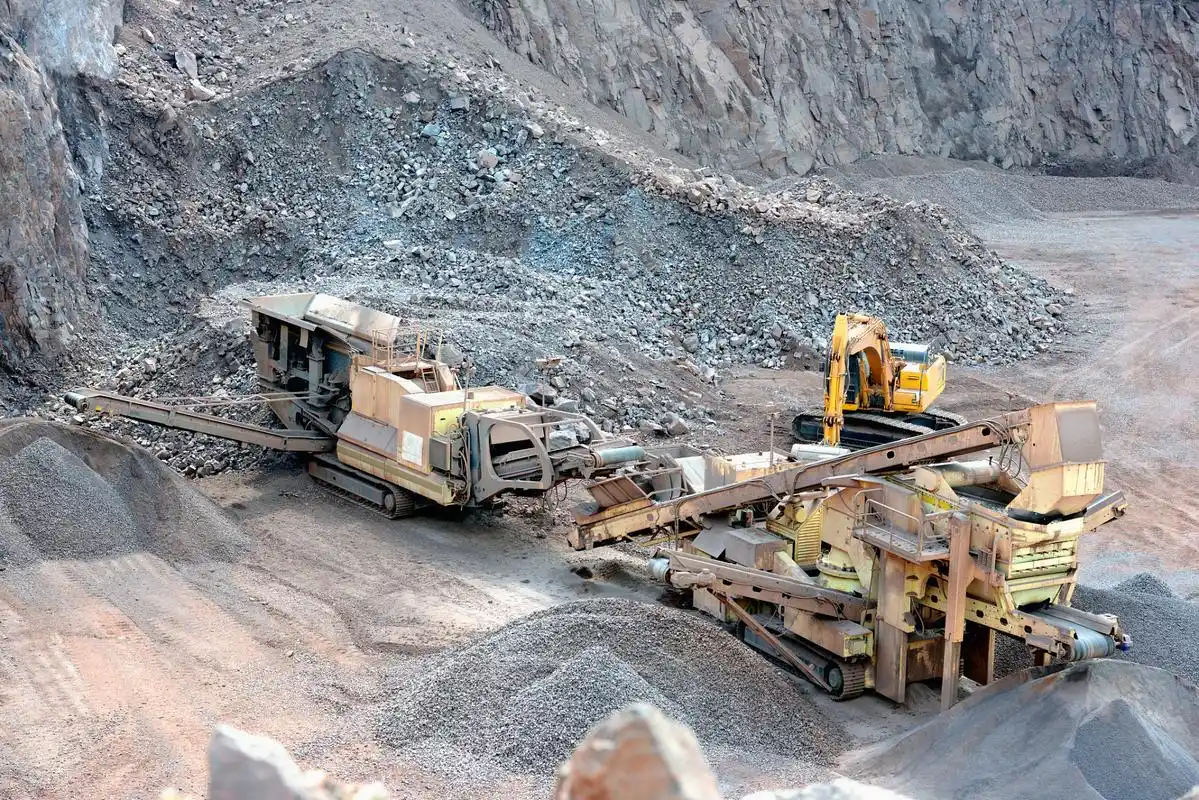
A mobile crushing station gives the project more flexibility in where crushing takes place. Depending on the material and the required final product, the crushed material can then go through screening, magnetic separation, air separation, or other downstream equipment. For mixed waste, however, we would not decide on mobility alone. Material composition, contamination, site access, and the required recovery process still need to be checked.
From our project experience, mobile crushing makes the most sense when moving the equipment is easier than repeatedly moving large volumes of waste to a fixed plant. That is the basic question we use to judge whether mobility has a real value for a project.
Situations Where We Would Consider a Mobile Setup
- Demolition and renovation sites — When a large amount of concrete, brick, or masonry waste is generated at a temporary site, crushing closer to the source can reduce repeated hauling of bulky material.
- Multiple project locations — If a contractor handles several demolition, road, or renovation projects, one mobile unit may be moved between sites instead of bringing all material back to the same facility.
- Temporary or space-limited projects — For projects with a limited operating period or restricted space for permanent infrastructure, a mobile configuration can avoid committing the site to a fixed crushing layout.
- On-site recycling — When the goal is to recover usable mineral material from C&D waste at the project location, mobile crushing can be integrated with screening and separation equipment according to the required output.
- Special or urgent waste-processing work — Some temporary waste-handling projects require equipment to reach the material rather than waiting for the material to be transported elsewhere. In these cases, access roads, power supply, working space, and feed conditions should be checked in advance.
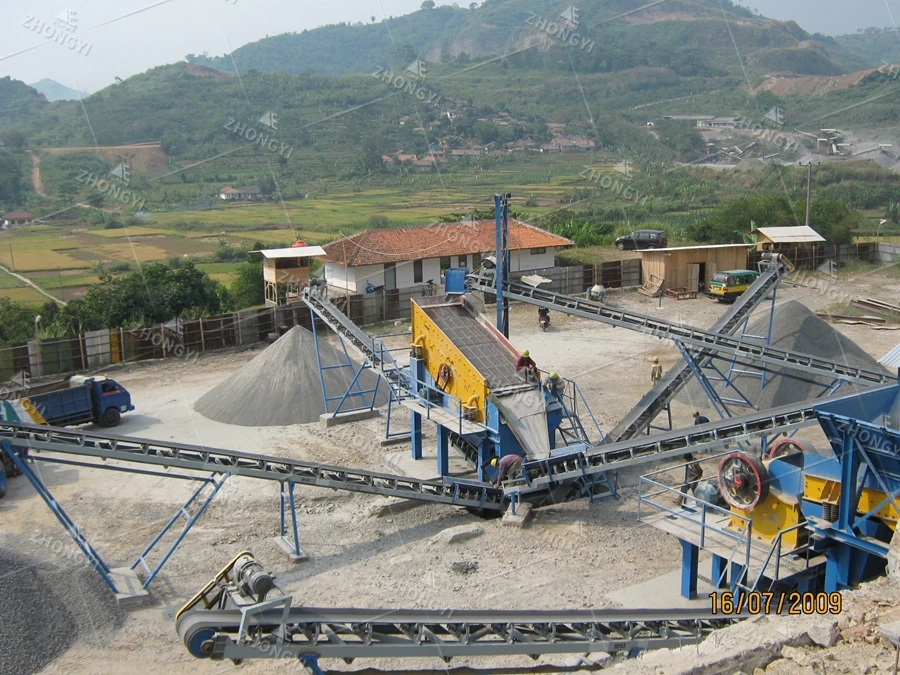
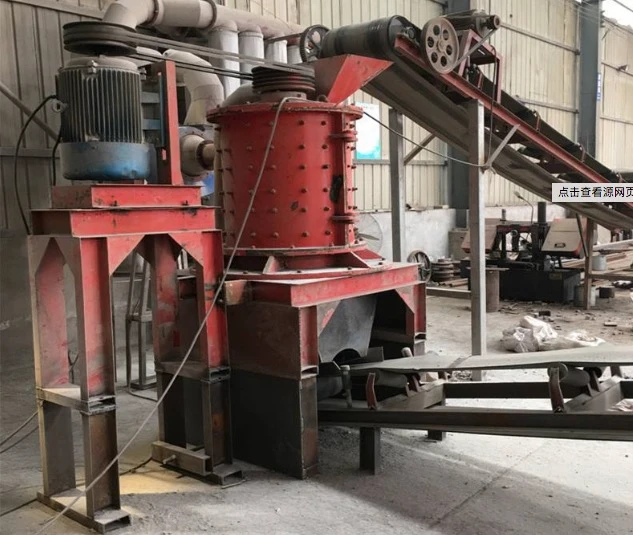
When a Fixed Waste Crushing Station Makes More Sense?
When we evaluate a fixed waste crushing station, we usually start with a different question: Will the waste keep coming to the same place?
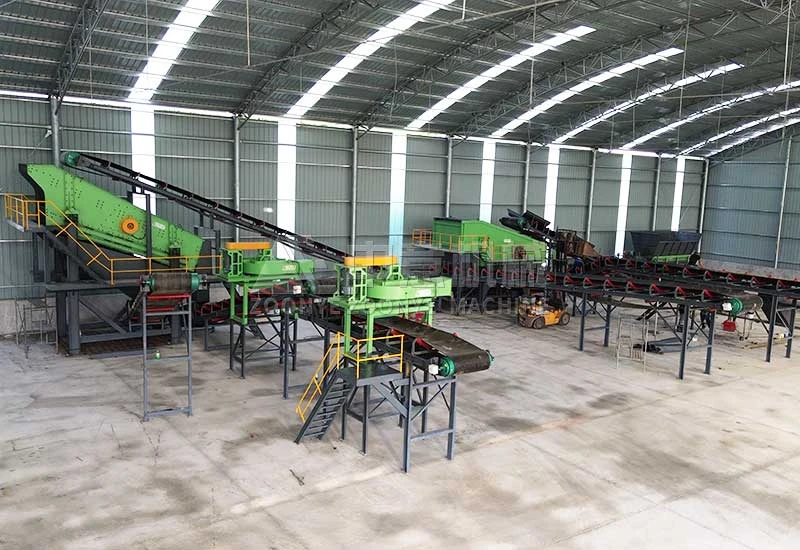
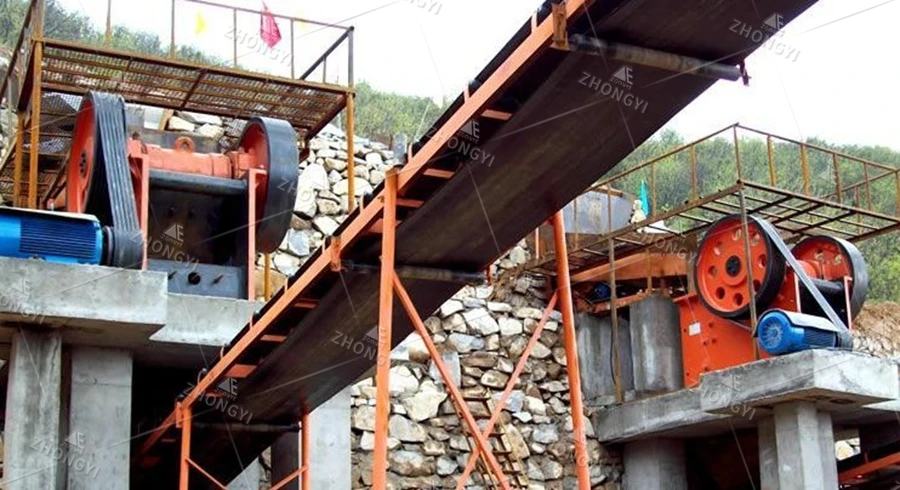
If waste is continuously delivered to one recycling facility over a long operating period, a fixed setup can be designed around the site’s material flow. This is common in centralized C&D recycling facilities, municipal waste treatment sites, and long-term recycling plants.
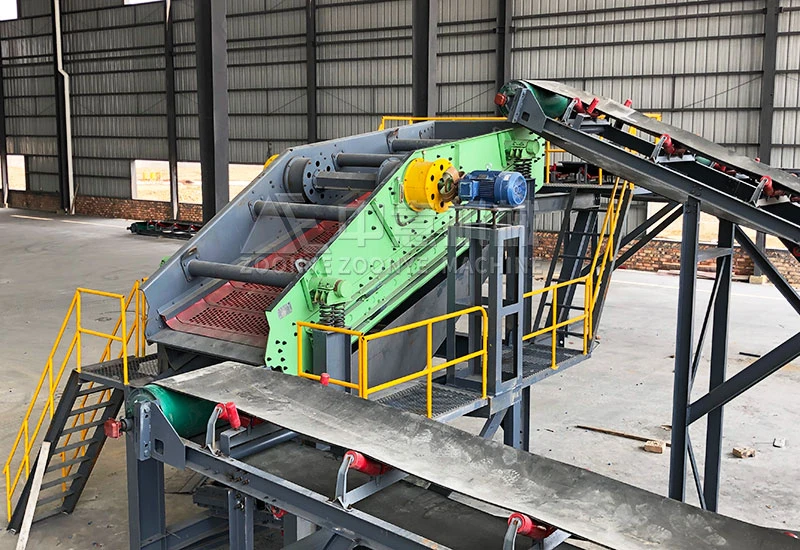
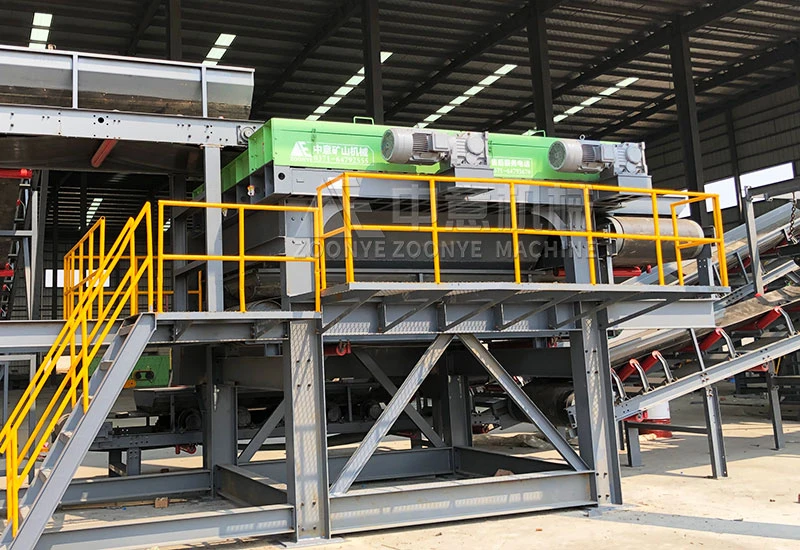
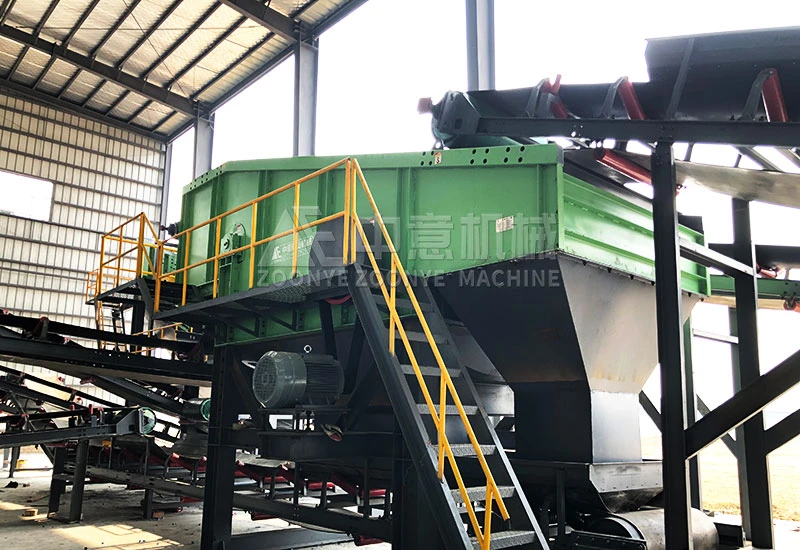
The difference becomes more noticeable when crushing is only one stage of the process. A permanent plant can be arranged around feeding, crushing, screening, magnetic separation, air separation, and sorting, with each stage connected according to the required output. A fixed layout also leaves more room to add equipment later without relocating the entire processing system.
From our project experience, fixed crushing makes more sense when the site, feed source, and production plan are all relatively stable. In this situation, we look at the complete processing line rather than the crusher alone.
Situations Where We Would Consider a Fixed Setup
- Long-term centralized recycling — Waste is continuously delivered to one permanent facility for long-term processing.
- Continuous multi-stage processing — The project requires crushing together with screening, magnetic separation, air separation, or other sorting stages.
- Stable production with room to expand — The plant needs consistent material flow and may require additional crushing, screening, or separation equipment as processing requirements develop.
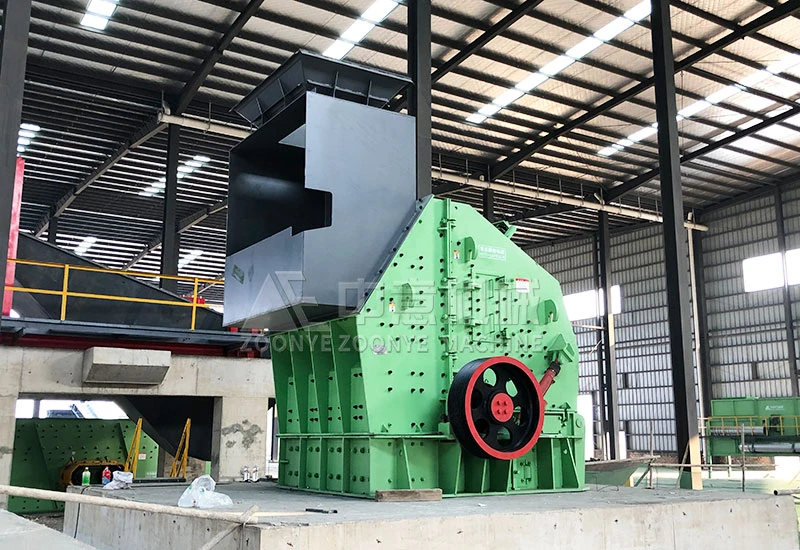
The Real Difference Is More Than Mobility
Two projects may both need a waste crushing station, but the equipment configuration can still be very different. The reason is simple: the crusher is only one part of the recycling process. Before we select the equipment, we need to understand what is coming into the plant, what needs to happen after crushing, and what the customer wants to recover.
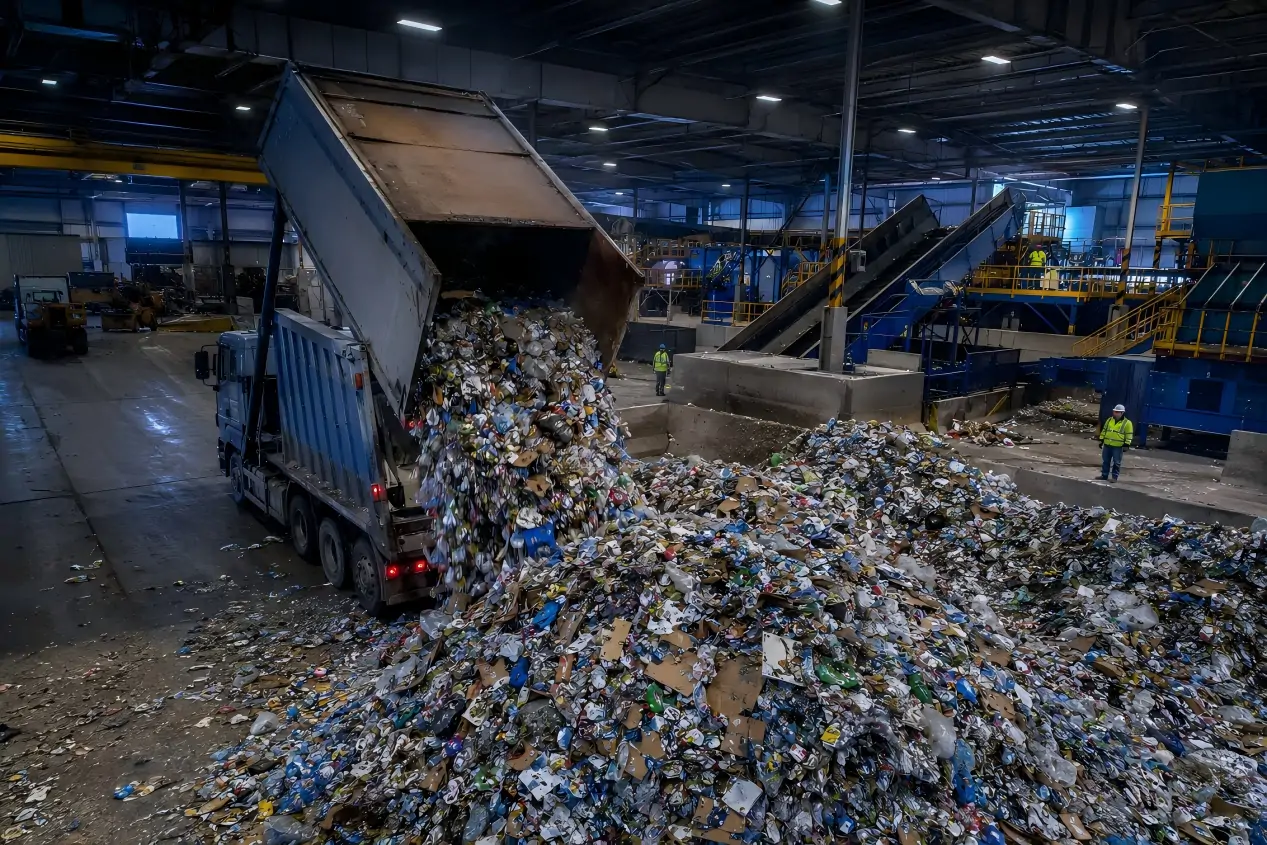
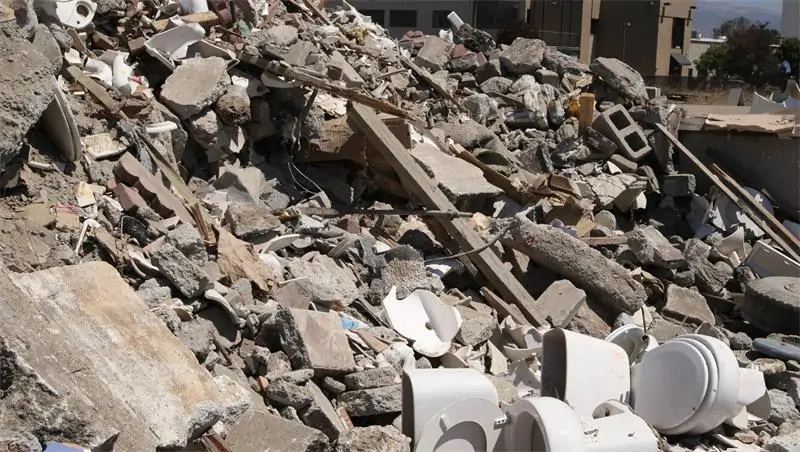
C&D waste is a good example. It may contain concrete, brick, stone, steel, wood, plastic, foam, and fines in the same feed. These materials behave differently during crushing and separation. We have seen projects where heavy aggregates were mixed with a large amount of light combustible material, affecting downstream screening performance. In that situation, simply increasing crusher capacity would not solve the actual process problem.
The final product also changes the equipment requirements. If the objective is only to reduce particle size, the process can remain relatively simple. If the target is cleaner recycled aggregate with several size fractions, recovered ferrous metal, and separated light materials, additional screening and separation stages may be required.
For a new project, we normally focus on three points first:
- Feed composition — What materials, contaminants, moisture, and fines are coming into the system?
- Downstream process — What needs to happen after crushing, such as screening, magnetic separation, air separation, or sorting?
- Required output — What aggregate sizes or separated materials need to be recovered?
The right crushing station is the one that fits the whole material flow, not simply the one with the highest crushing capacity.
Mobile vs Fixed: What Should Buyers Compare?
Once we know where the waste will be processed, we normally start asking a few practical questions. How much material is coming in, what is actually in it, and what does the customer want to get out? These details often matter more than the mobile or fixed label on the equipment.
| What to Compare | What We Usually Check |
| Waste source | Is the waste coming from one fixed facility or from different project sites? |
| Feed composition | How much concrete, brick, metal, wood, plastic, and fines are in the incoming waste? |
| Maximum feed size | What is the largest piece entering the crusher, and does it need pre-processing before crushing? |
| Required capacity | How much material needs to be processed per hour, and how consistently will the feed arrive? |
| Final product | Does the customer need general crushed material, several aggregate sizes, or separated metal and light materials? |
| Project duration | Is the plant needed for a short project or expected to operate at the same site for many years? |
One point we often explain to customers is that capacity should not be looked at by itself. A project processing 100 t/h of relatively clean concrete may need a very different configuration from another project processing 100 t/h of mixed demolition waste containing steel, wood, and fines.
The same applies to the final product. If the customer only needs to reduce the size of the waste, the process may be relatively simple. If the target is clean recycled aggregate with controlled size fractions and separated contaminants, the crushing station becomes part of a larger processing system.
For this reason, when preparing a quotation, we normally need more than a target capacity. Feed composition, maximum feed size, required output, operating period, and site conditions give us a much better basis for configuring the equipment.
Mobile or Fixed for Construction Waste?
For a construction waste project, we normally look at the source of the waste, the project duration, and the condition of the material before choosing the crushing setup. If waste is generated mainly at one demolition site and the project is temporary, processing close to the source can make a mobile system practical because it may reduce the amount of material that needs to be hauled away. When a contractor is working on several demolition or renovation sites, the ability to relocate the equipment becomes more useful.
The situation is different for a centralized C&D recycling plant. When waste is continuously delivered to one location, a fixed line gives us more freedom to build the process around the material, particularly when mixed C&D waste needs crushing, screening, magnetic separation, and air separation. A relatively clean stream of concrete and brick may only need crushing and screening, while mixed renovation waste containing wood, plastic, foam, and metal usually requires more separation after crushing. In practice, the equipment choice should follow the actual waste flow rather than a simple rule that one type is always better.
For buyers, we would normally check these conditions together: Is the waste coming from one site or several? How long will the project run? How complex is the incoming material? And what needs to be recovered at the end? Those answers usually make the direction of the equipment selection much clearer.
Mobile vs Fixed Crushing: Cost Is About the Whole Process
When comparing mobile and fixed waste crushing stations, we do not look at the equipment price alone. The more useful question is: What will the total processing cost look like over the whole project?
A mobile setup may reduce waste hauling, permanent civil construction, and repeated loading and unloading because the crushing point can move closer to where waste is generated. However, relocation, mobile power arrangements, and maintenance also need to be considered.
A fixed station usually requires more upfront site infrastructure, such as foundations, conveyors, electrical systems, and dust control. For a long-term recycling facility, the fixed layout can be arranged around a stable material flow and integrated with screening and separation equipment.
Total project cost = equipment + site preparation + material transportation + energy + labor + maintenance + downstream processing
This is why there is no universal answer to which setup costs less. For a short-term or multi-site waste project, transportation and relocation can have a major impact. For a long-term centralized plant, site infrastructure and continuous processing become more important. The right comparison is the total cost of processing the waste, not simply the purchase price of the crushing station.
How Xinzhongyi ECO Configures Waste Crushing Systems?
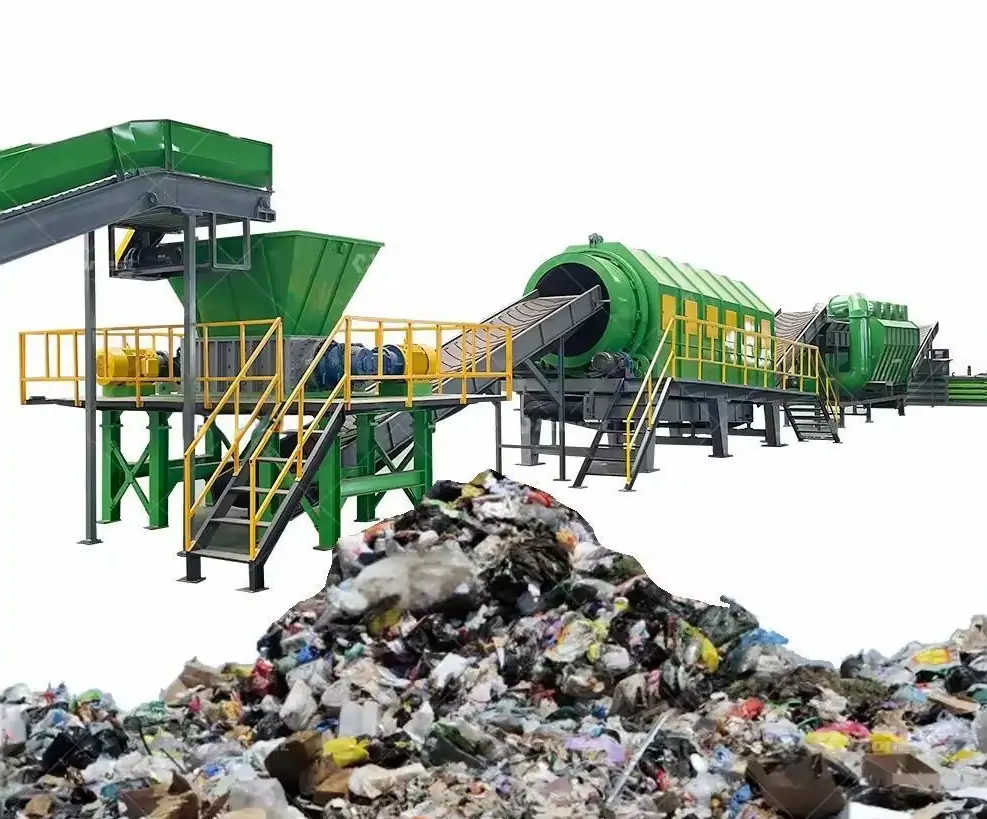
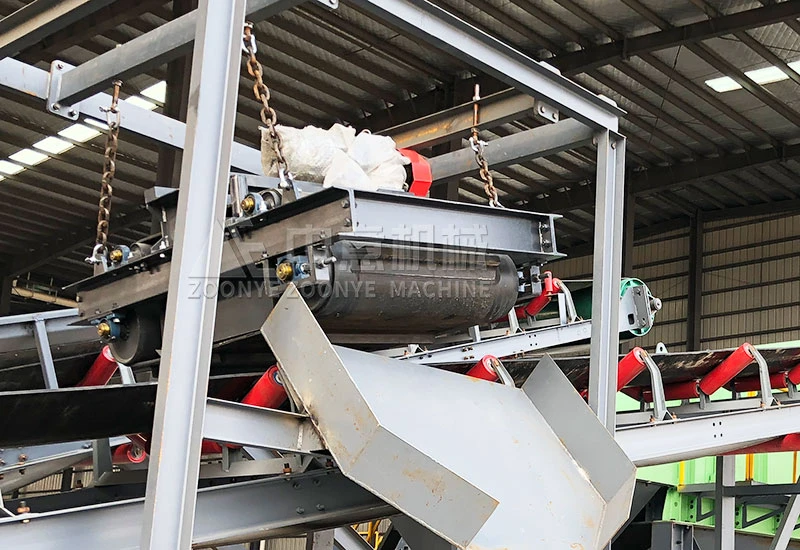
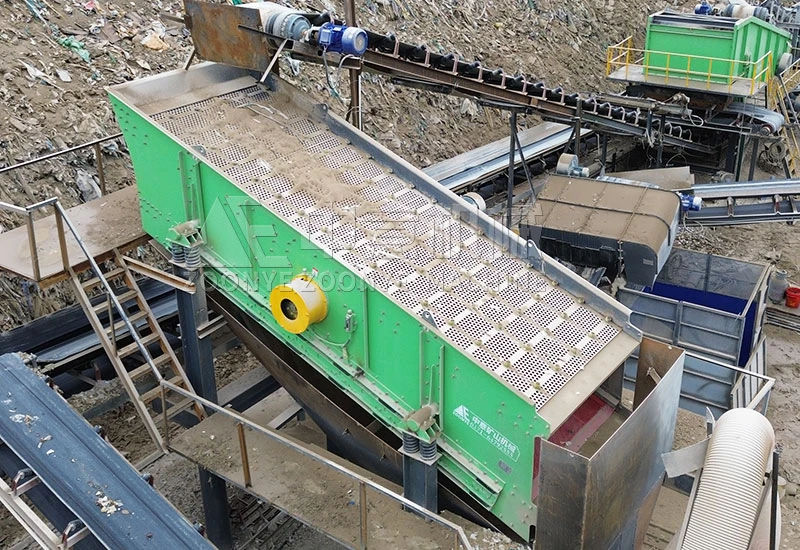
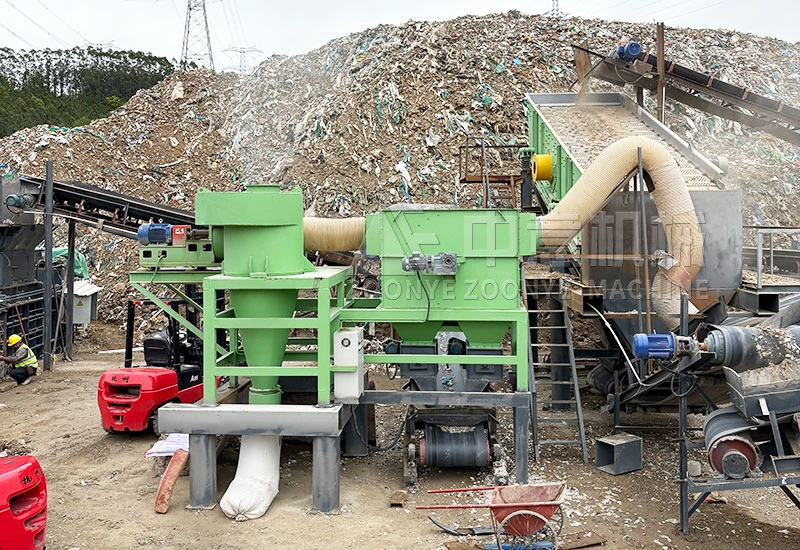
For waste recycling projects, Xinzhongyi ECO does not select crushing equipment from capacity alone. We look at the material flow first, including waste composition, feed size, required capacity, final products, and what needs to happen after crushing. For construction and demolition waste, a typical process may include Feeding → Primary Crushing → Screening → Magnetic Separation → Air Separation → Product Stockpiling. The actual equipment combination depends on the material and output requirements.
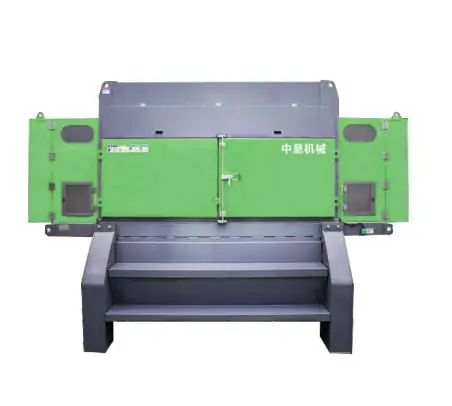
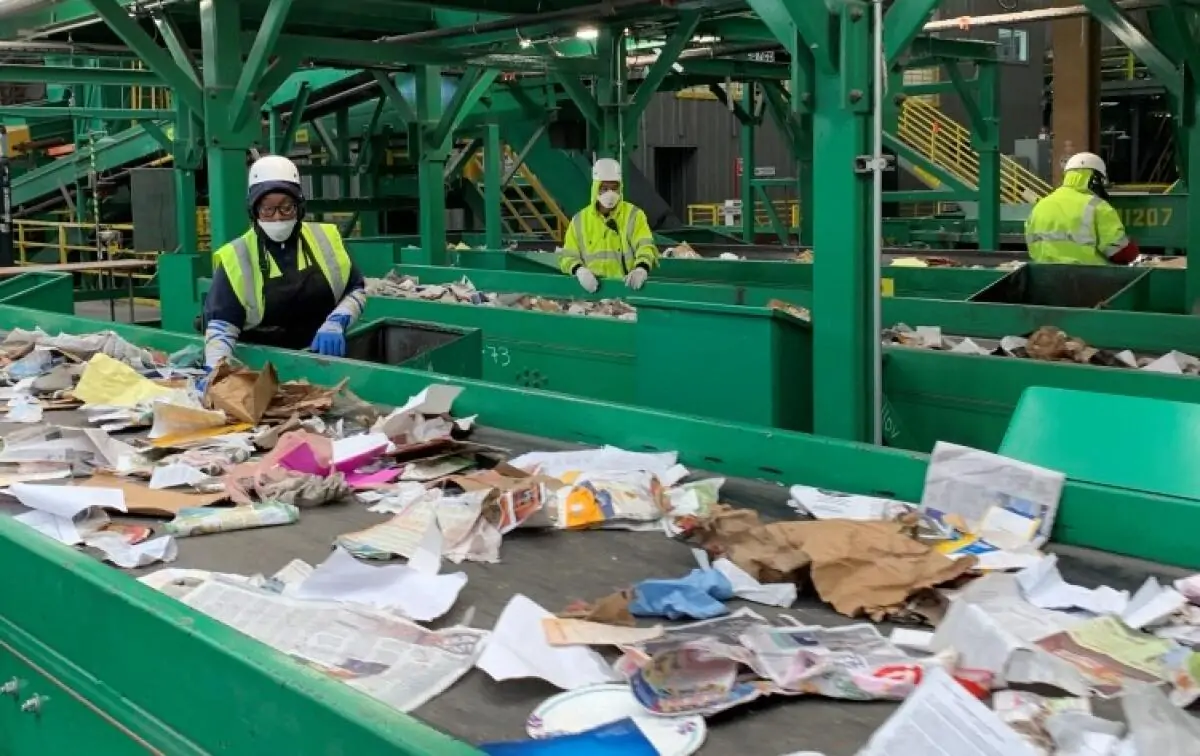
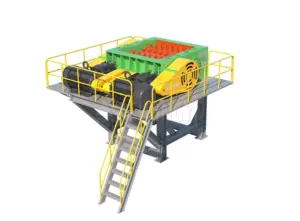
For mixed waste, the process may require additional stages such as bag opening, shredding, screening, การแยกด้วยแม่เหล็ก, air separation, and sorting. For example, a Waste Crusher Machine can be combined with Screening Equipment, a Wind Sifter, or an AI Waste Sorting System when the project requires further material separation.
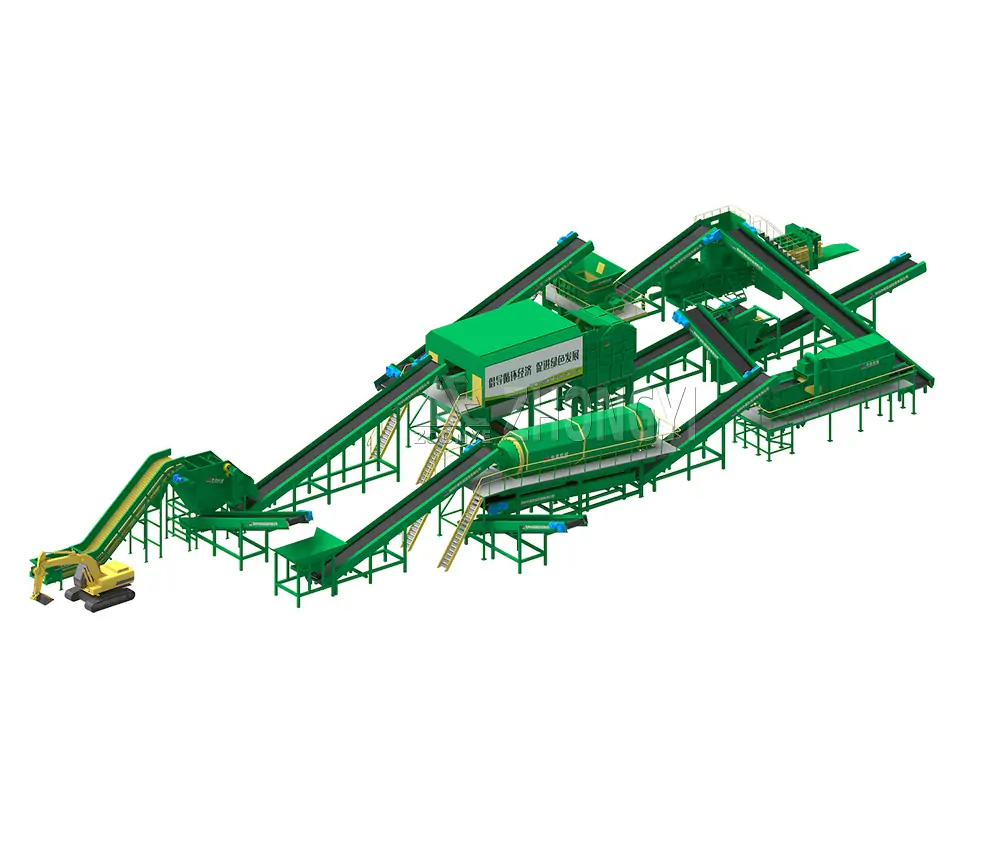
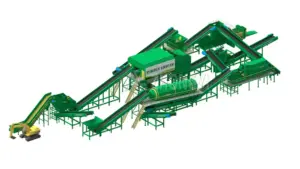
This is also why we treat the crusher as one part of the waste recycling system, rather than an isolated machine. The final configuration is based on the waste stream, processing capacity, site conditions, and recovered products required by the project. For larger or more complex projects, these stages can be integrated into a complete Waste Recycling Plant Equipment configuration.
บทสรุป
Mobile and fixed waste crushing stations are designed for different project conditions. The right choice depends on where the waste is generated, how long the project will run, the expected material flow, and what the waste needs to become after crushing. In many projects, these factors are more important than the mobility of the crusher itself.
At Xinzhongyi ECO, we evaluate crushing as part of the complete recycling process. Based on the waste composition and required products, the crushing stage can be integrated with screening, magnetic separation, air separation, and sorting to build a process around the actual material flow. This approach also allows the equipment configuration to be adjusted when the project has specific feed conditions or recovery requirements.
If you are planning a construction waste or MSW recycling project, send us your waste type, maximum feed size, required capacity, and target output. Our engineering team can review these conditions and recommend a suitable mobile, fixed, or integrated processing configuration. Contact Xinzhongyi ECO to discuss your project and get an equipment configuration based on your actual waste stream.


Andy Yu
Technical Engineer | Zhongyi ECO
16+
Years Exp.
300+
โซลูชัน
50+
Countries
16 years’ experience in environmental and solid waste management, specializing in C&D recycling and waste sorting solutions. At Zhongyi Mining Machinery, focused on improving global clients’ efficiency through technical expertise and tailored configurations.
คำถามที่พบบ่อย
ความแตกต่างหลักอยู่ที่วิธีการที่อุปกรณ์บดเข้ากับสายการไหลของวัสดุ สถานีเคลื่อนที่สามารถย้ายตำแหน่งได้และอาจแปรรูปของเสียใกล้กับแหล่งกำเนิด สถานีอยู่กับที่จะคงอยู่ที่จุดเดียวและสามารถรวมเข้ากับสายการรีไซเคิลแบบถาวรได้ การกำหนดค่าที่ดีกว่าขึ้นอยู่กับแหล่งของเสีย ระยะเวลาโครงการ สภาพพื้นที่ ข้อกำหนดด้านการขนส่ง และขั้นตอนการแปรรูปที่จำเป็นหลังการบด.
ใช่ การบดแบบเคลื่อนที่อาจเหมาะสมเมื่อมีของเสียจากการก่อสร้างและการรื้อถอนเกิดขึ้นในสถานที่โครงการชั่วคราวหรือเปลี่ยนแปลงบ่อย การแปรรูปใกล้พื้นที่รื้อถอนอาจช่วยลดการขนย้ายวัสดุและการจัดการซ้ำ อย่างไรก็ตาม ยังจำเป็นต้องตรวจสอบองค์ประกอบของเสีย คอนกรีตและอิฐอาจต้องใช้การบดและการคัดแยกเป็นหลัก ในขณะที่ของเสียจากการปรับปรุงที่ปะปนซึ่งมีไม้ พลาสติก โลหะ หรือวัสดุเบาอื่น ๆ อาจต้องใช้อุปกรณ์แยกเพิ่มเติม.
โดยทั่วไปจะพิจารณาสถานีแบบอยู่กับที่เมื่อมีการส่งของเสียอย่างต่อเนื่องไปยังโรงงานรีไซเคิลแห่งเดียว และคาดว่าโรงงานจะดำเนินการเป็นระยะเวลานาน รูปแบบผังแบบถาวรช่วยให้สามารถเชื่อมต่อการบดเข้ากับขั้นตอนการป้อน การคัดแยกด้วยตะแกรง การแยกด้วยแม่เหล็ก การแยกด้วยอากาศ และขั้นตอนอื่นๆ ได้ นอกจากนี้ยังให้ความยืดหยุ่นมากขึ้นเมื่อโครงการต้องการสายการผลิตขนาดใหญ่ขึ้นหรือการขยายอุปกรณ์ในอนาคต.
ไม่ใช่ สถานีเคลื่อนที่อาจลดงานโยธาถาวร การขนย้ายขยะ และการขนถ่ายซ้ำในบางโครงการ แต่การย้ายตำแหน่ง การจัดหาพลังงานเคลื่อนที่ และการบำรุงรักษาก็ส่งผลต่อต้นทุนรวมเช่นกัน โรงงานแบบอยู่กับที่อาจต้องใช้โครงสร้างพื้นฐานหน้างานมากกว่าในตอนแรก แต่มีรูปแบบการแปรรูปที่มั่นคงสำหรับการดำเนินงานระยะยาว การเปรียบเทียบควรครอบคลุมถึงอุปกรณ์ การเตรียมพื้นที่ การขนส่ง พลังงาน แรงงาน การบำรุงรักษา และการแปรรูปปลายน้ำ.
การขนส่งอาจเป็นปัจจัยสำคัญเมื่อเปรียบเทียบการกำหนดค่าแบบทั้งสองรูปแบบ หากของเสียเกิดขึ้นในสถานที่ที่เปลี่ยนแปลงไป การเคลื่อนย้ายอุปกรณ์บดให้ใกล้แหล่งกำเนิดมากขึ้นอาจช่วยลดระยะทางที่ของเสียที่มีขนาดใหญ่ต้องเดินทาง ด้วยโรงงานแบบอยู่กับที่ โดยปกติแล้ววัสดุจะต้องถูกขนส่งไปยังสถานที่แปรรูป ผลกระทบที่แท้จริงขึ้นอยู่กับระยะทางการขนส่ง ปริมาณของเสีย สภาพถนน ข้อกำหนดในการบรรทุก และระยะเวลาของโครงการ.
ได้ ระบบทั้งสองรูปแบบสามารถออกแบบให้มีขั้นตอนการแปรรูปเพิ่มเติมได้ อย่างไรก็ตาม จำเป็นต้องพิจารณาผังพื้นที่ที่มีอยู่และสภาพหน้างาน ด้วยเหตุนี้ ระบบอาจประกอบด้วยการคัดแยกด้วยตะแกรง การแยกด้วยแม่เหล็ก การแยกด้วยอากาศ หรือการคัดแยกหลังการบด ขึ้นอยู่กับสายธารของเสีย สำหรับของเสียจากการก่อสร้างแบบผสม ขั้นตอนเหล่านี้มีความสำคัญในการกำจัดวัสดุที่ไม่ต้องการและผลิตมวลรวมหรือเศษวัสดุที่นำกลับมาใช้ใหม่ตามที่กำหนด.
ก่อนการเลือกอุปกรณ์ โดยปกติแล้วเราจำเป็นต้องทราบประเภทของเสีย องค์ประกอบของวัสดุป้อน ขนาดวัสดุป้อนสูงสุด ความจุที่ต้องการ ผลผลิตเป้าหมาย ระยะเวลาการดำเนินงาน และสภาพพื้นที่หน้างาน ภาพถ่ายหรือวิดีโอของของเสียที่เข้ามายังมีประโยชน์ โดยเฉพาะอย่างยิ่งเมื่อวัสดุมีส่วนผสมของคอนกรีต อิฐ โลหะ ไม้ พลาสติก หรือสิ่งปนเปื้อนอื่นๆ รายละเอียดเหล่านี้ช่วยในการกำหนดการกำหนดค่าอุปกรณ์บดและอุปกรณ์ปลายน้ำ.
ใช่ Xinzhongyi ECO สามารถกำหนดค่าขั้นตอนการบดร่วมกับอุปกรณ์ปลายน้ำตามข้อกำหนดของโครงการ ขึ้นอยู่กับสายธารของเสีย กระบวนการอาจรวมถึงเครื่องบดของเสีย อุปกรณ์คัดแยก การแยกด้วยแม่เหล็ก การแยกด้วยอากาศ หรือการคัดแยกอัตโนมัติ การกำหนดค่านี้พิจารณาจากวัสดุขาเข้า ความจุที่ต้องการ สภาพพื้นที่ และผลิตภัณฑ์ที่ต้องการกู้คืน มากกว่าการเลือกเครื่องบดจากความจุเพียงอย่างเดียว.