












Introduction
When we discuss a waste crushing project with a customer, the question is often simple: Should the crushing station be mobile or fixed? In practice, there is no single answer. We first look at where the waste comes from, how long the project will run, how far the material would need to be transported, and what the customer wants to get after crushing. The waste itself also matters. Concrete and brick are handled differently from mixed renovation waste containing steel, wood, plastic, or other light materials.
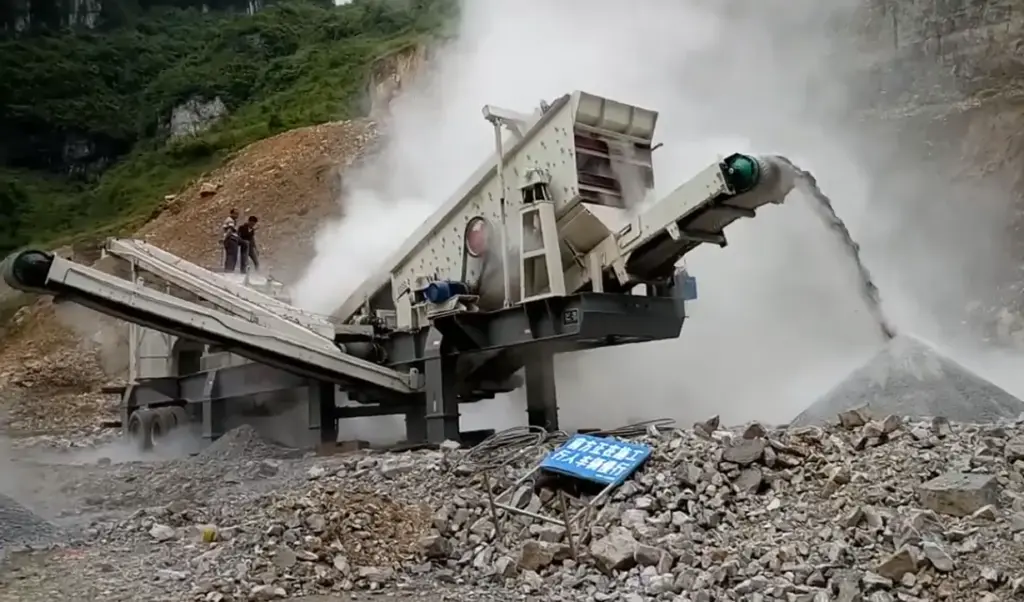
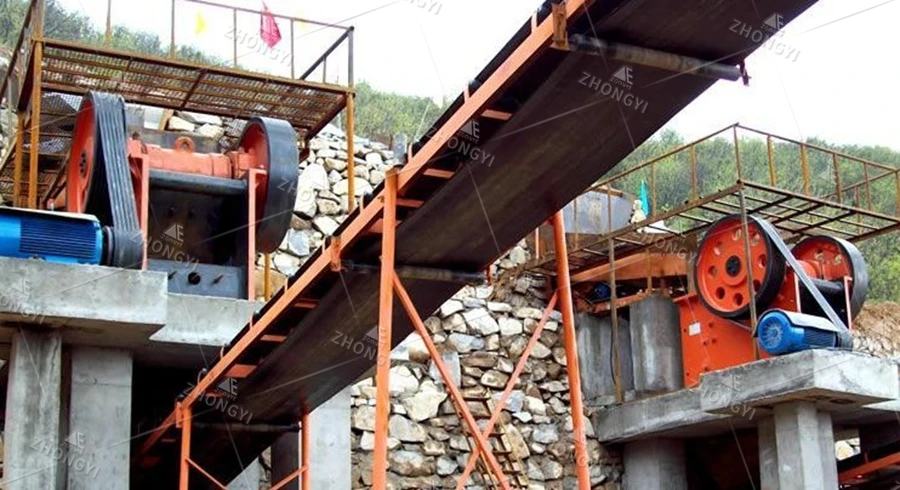
A mobile waste crushing station is often considered when waste comes from different demolition or construction sites and can be processed close to where it is generated. A fixed station makes more sense when material is continuously brought to one recycling facility and the process includes screening, magnetic separation, air separation, or other downstream stages.
From an engineering point of view, the question is not simply whether the crusher can move. It is about which setup makes the whole waste processing process work better for the actual project. In this article, we will compare mobile and fixed waste crushing stations from the aspects that matter in a real project, including site conditions, material transportation, processing capacity, investment, operating requirements, and downstream processing. We will also look at typical construction waste and MSW applications to show when each configuration is worth c
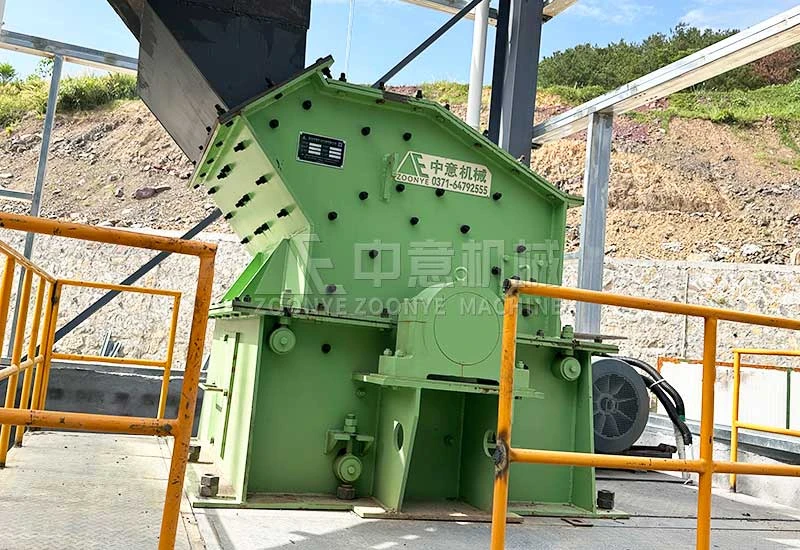
Mobile vs Fixed Waste Crushing Station at a Glance
The choice between a mobile and fixed waste crushing station usually comes down to where the waste is generated and how the project will operate. The table below gives a quick comparison before we look at each factor in more detail.
| Factor | Mobile Station | Fixed Station |
| Waste source | Multiple or changing sites | One centralized site |
| Relocation | Easy to move | Permanently installed |
| Site preparation | Less civil work | Foundation required |
| Material hauling | Can reduce hauling distance | Waste is hauled to the plant |
| Project type | Temporary or multi-site work | Long-term recycling operation |
| Process layout | Compact and flexible | Easier to expand and integrate |
This is a general comparison, not a rule for every project. A mobile station can be configured with screening and separation equipment, while a fixed plant can be designed for a specific waste stream and expanded as processing needs grow. The right choice depends on how the entire waste processing process is planned, not only on whether the crushing equipment can move.
Where Mobile Waste Crushing Makes Sense?
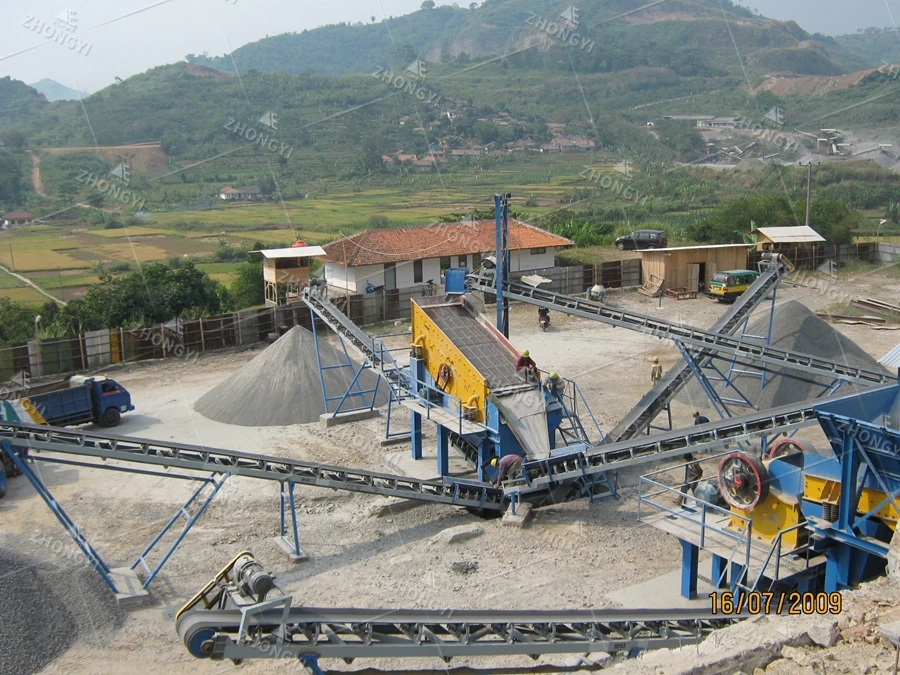
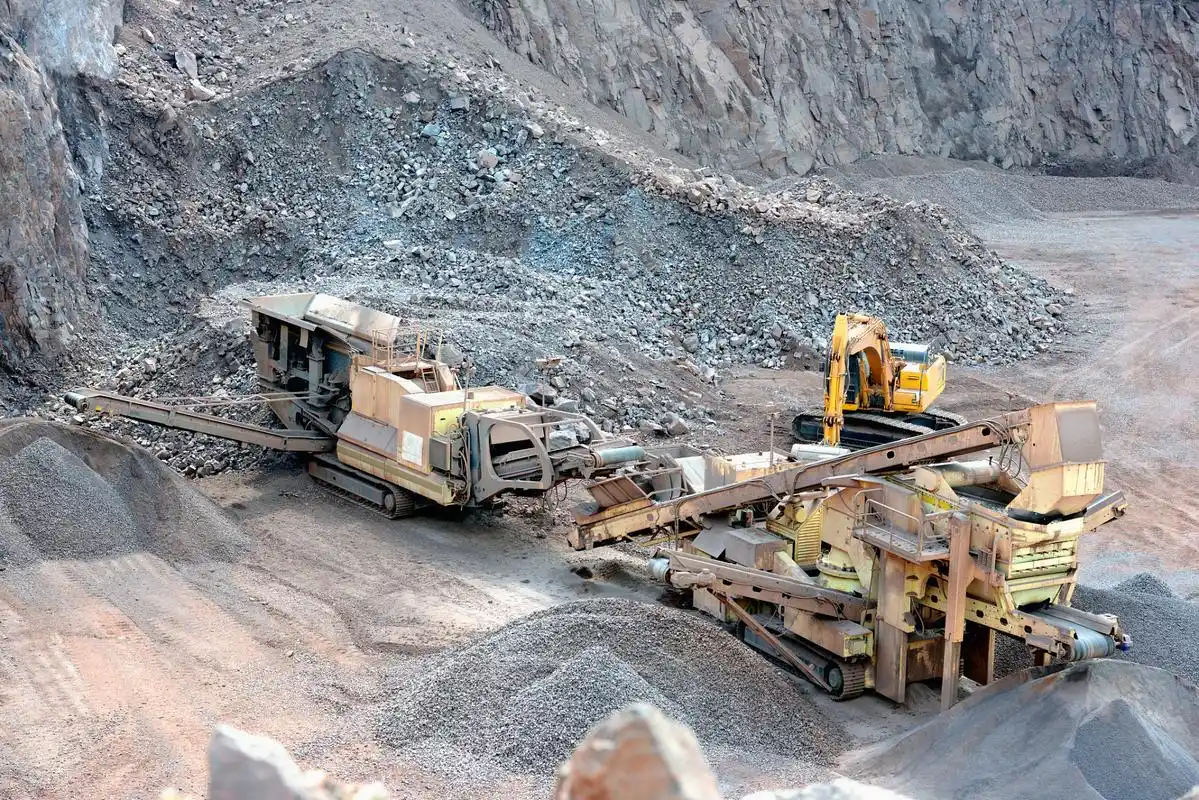
When we look at a mobile waste crushing project, the first question is usually not how powerful the crusher needs to be. We first ask where the waste is generated and how long it will stay there.
This matters because construction and demolition waste is often tied to a specific project site. A demolition contractor may have concrete and brick waste at one location for several months, then move to another site. A road project may also generate waste along a changing work area. In these situations, sending every load back to a central recycling plant adds another step to the process.
A mobile crushing station gives the project more flexibility in where crushing takes place. Depending on the material and the required final product, the crushed material can then go through screening, magnetic separation, air separation, or other downstream equipment. For mixed waste, however, we would not decide on mobility alone. Material composition, contamination, site access, and the required recovery process still need to be checked.
From our project experience, mobile crushing makes the most sense when moving the equipment is easier than repeatedly moving large volumes of waste to a fixed plant. That is the basic question we use to judge whether mobility has a real value for a project.
Situations Where We Would Consider a Mobile Setup
- Demolition and renovation sites — When a large amount of concrete, brick, or masonry waste is generated at a temporary site, crushing closer to the source can reduce repeated hauling of bulky material.
- Multiple project locations — If a contractor handles several demolition, road, or renovation projects, one mobile unit may be moved between sites instead of bringing all material back to the same facility.
- Temporary or space-limited projects — For projects with a limited operating period or restricted space for permanent infrastructure, a mobile configuration can avoid committing the site to a fixed crushing layout.
- On-site recycling — When the goal is to recover usable mineral material from C&D waste at the project location, mobile crushing can be integrated with screening and separation equipment according to the required output.
- Special or urgent waste-processing work — Some temporary waste-handling projects require equipment to reach the material rather than waiting for the material to be transported elsewhere. In these cases, access roads, power supply, working space, and feed conditions should be checked in advance.
When a Fixed Waste Crushing Station Makes More Sense?
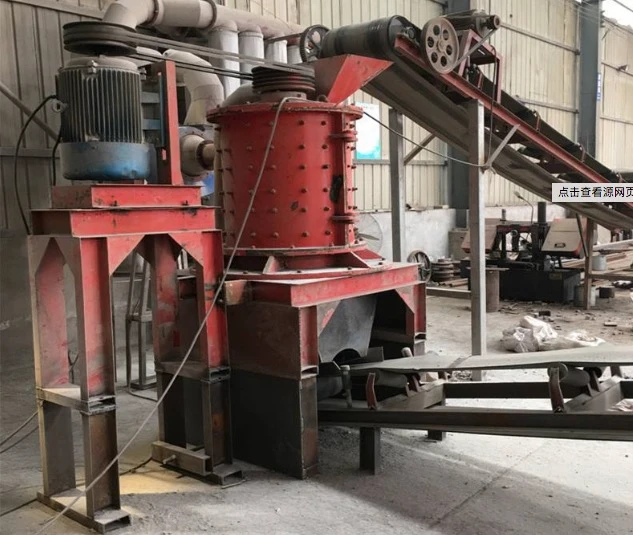
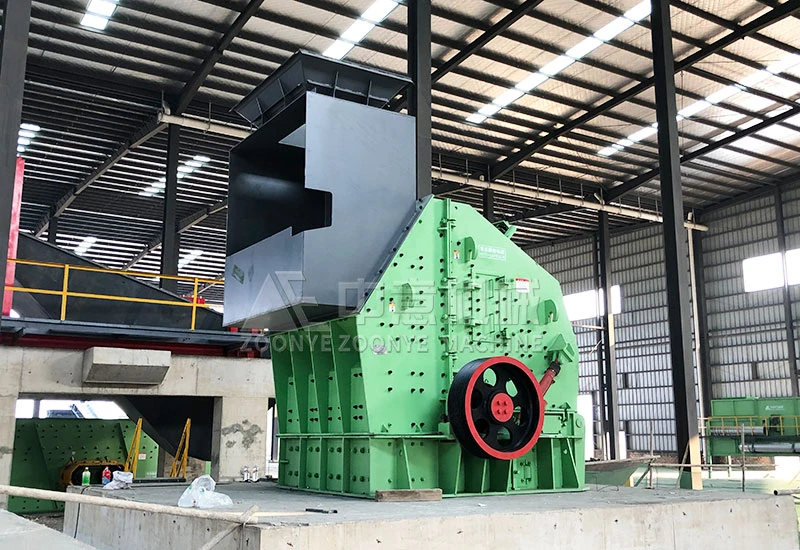
When we evaluate a fixed waste crushing station, we usually start with a different question: Will the waste keep coming to the same place?
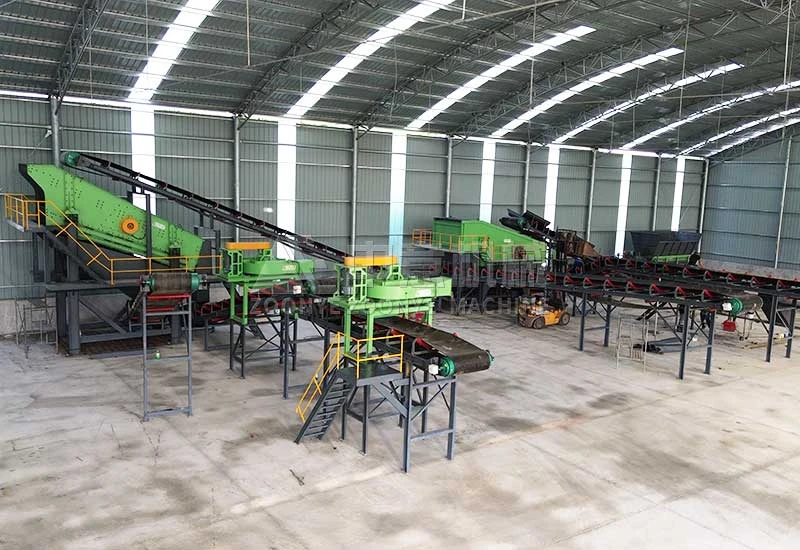
If waste is continuously delivered to one recycling facility over a long operating period, a fixed setup can be designed around the site’s material flow. This is common in centralized C&D recycling facilities, municipal waste treatment sites, and long-term recycling plants.
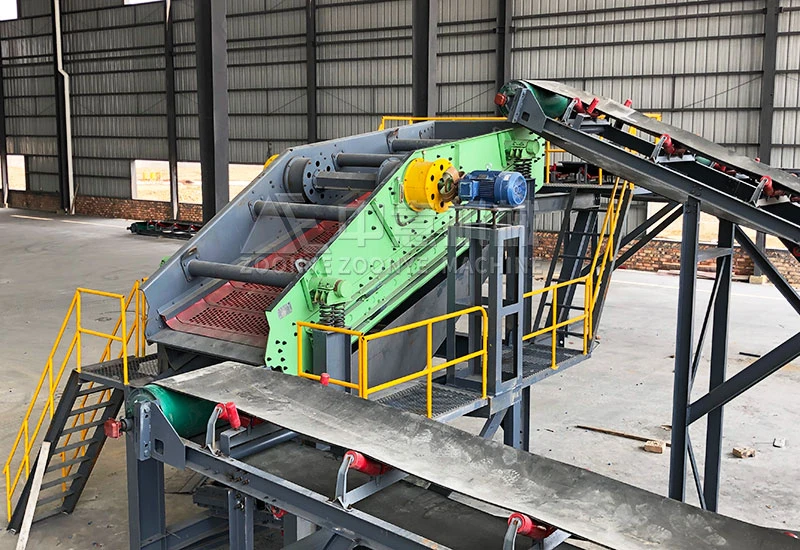
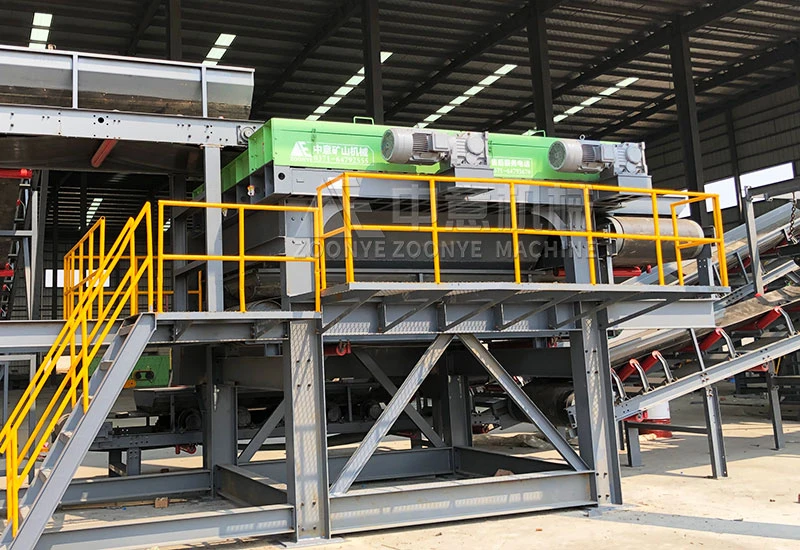
The difference becomes more noticeable when crushing is only one stage of the process. A permanent plant can be arranged around feeding, crushing, screening, magnetic separation, air separation, and sorting, with each stage connected according to the required output. A fixed layout also leaves more room to add equipment later without relocating the entire processing system.
From our project experience, fixed crushing makes more sense when the site, feed source, and production plan are all relatively stable. In this situation, we look at the complete processing line rather than the crusher alone.
Situations Where We Would Consider a Fixed Setup
- Long-term centralized recycling — Waste is continuously delivered to one permanent facility for long-term processing.
- Continuous multi-stage processing — The project requires crushing together with screening, magnetic separation, air separation, or other sorting stages.
- Stable production with room to expand — The plant needs consistent material flow and may require additional crushing, screening, or separation equipment as processing requirements develop.
The Real Difference Is More Than Mobility
Two projects may both need a waste crushing station, but the equipment configuration can still be very different. The reason is simple: the crusher is only one part of the recycling process. Before we select the equipment, we need to understand what is coming into the plant, what needs to happen after crushing, and what the customer wants to recover.
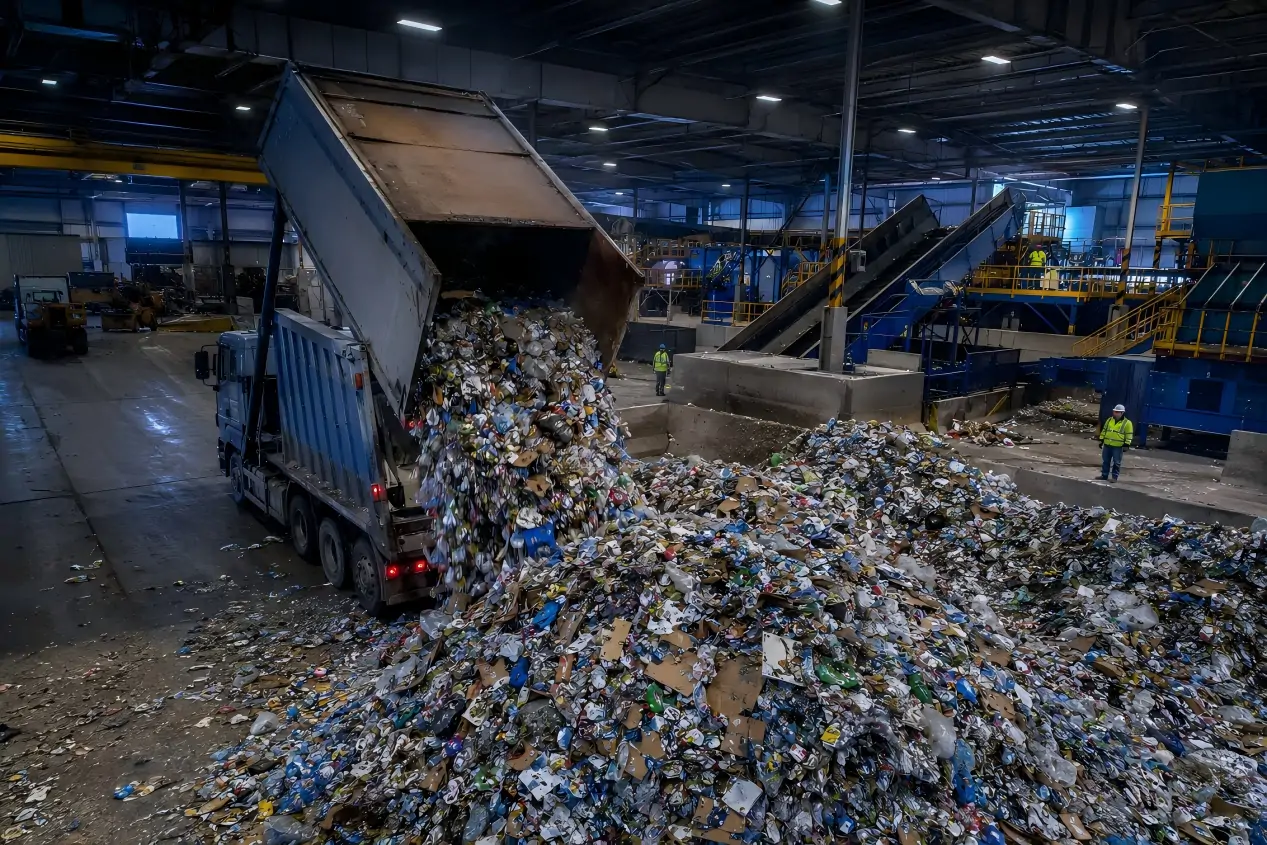
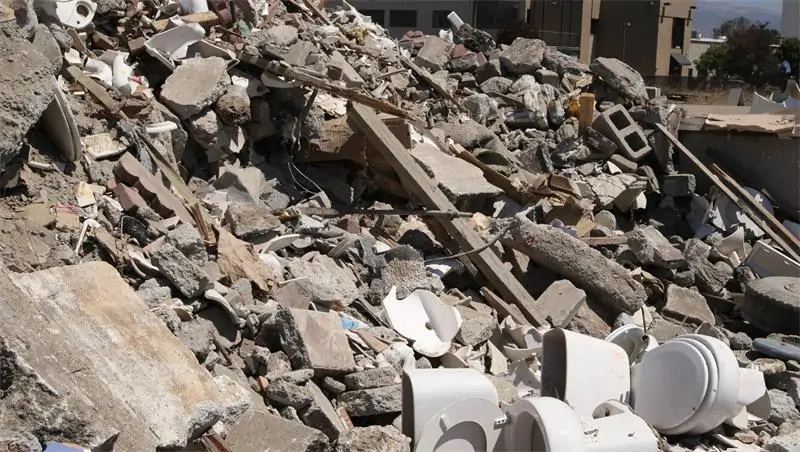
C&D waste is a good example. It may contain concrete, brick, stone, steel, wood, plastic, foam, and fines in the same feed. These materials behave differently during crushing and separation. We have seen projects where heavy aggregates were mixed with a large amount of light combustible material, affecting downstream screening performance. In that situation, simply increasing crusher capacity would not solve the actual process problem.
The final product also changes the equipment requirements. If the objective is only to reduce particle size, the process can remain relatively simple. If the target is cleaner recycled aggregate with several size fractions, recovered ferrous metal, and separated light materials, additional screening and separation stages may be required.
For a new project, we normally focus on three points first:
- Feed composition — What materials, contaminants, moisture, and fines are coming into the system?
- Downstream process — What needs to happen after crushing, such as screening, magnetic separation, air separation, or sorting?
- Required output — What aggregate sizes or separated materials need to be recovered?
The right crushing station is the one that fits the whole material flow, not simply the one with the highest crushing capacity.
Mobile vs Fixed: What Should Buyers Compare?
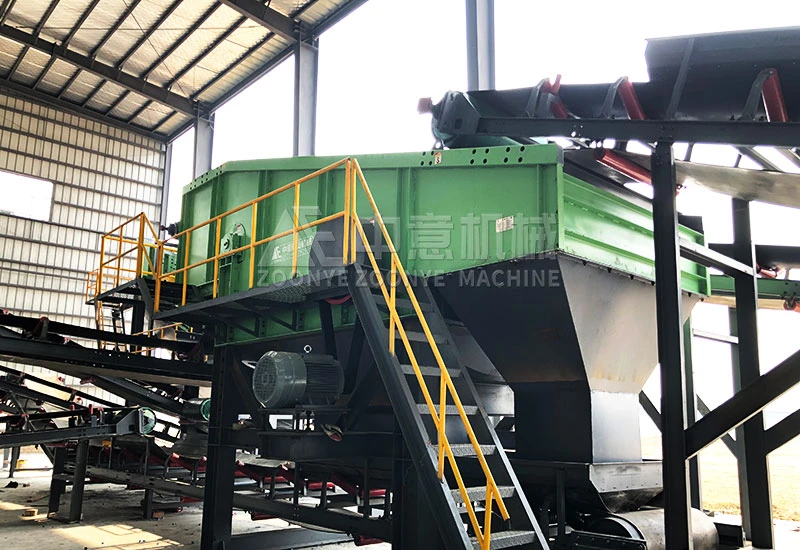
Once we know where the waste will be processed, we normally start asking a few practical questions. How much material is coming in, what is actually in it, and what does the customer want to get out? These details often matter more than the mobile or fixed label on the equipment.
| What to Compare | What We Usually Check |
| Waste source | Is the waste coming from one fixed facility or from different project sites? |
| Feed composition | How much concrete, brick, metal, wood, plastic, and fines are in the incoming waste? |
| Maximum feed size | What is the largest piece entering the crusher, and does it need pre-processing before crushing? |
| Required capacity | How much material needs to be processed per hour, and how consistently will the feed arrive? |
| Final product | Does the customer need general crushed material, several aggregate sizes, or separated metal and light materials? |
| Project duration | Is the plant needed for a short project or expected to operate at the same site for many years? |
One point we often explain to customers is that capacity should not be looked at by itself. A project processing 100 t/h of relatively clean concrete may need a very different configuration from another project processing 100 t/h of mixed demolition waste containing steel, wood, and fines.
The same applies to the final product. If the customer only needs to reduce the size of the waste, the process may be relatively simple. If the target is clean recycled aggregate with controlled size fractions and separated contaminants, the crushing station becomes part of a larger processing system.
For this reason, when preparing a quotation, we normally need more than a target capacity. Feed composition, maximum feed size, required output, operating period, and site conditions give us a much better basis for configuring the equipment.
Mobile or Fixed for Construction Waste?
For a construction waste project, we normally look at the source of the waste, the project duration, and the condition of the material before choosing the crushing setup. If waste is generated mainly at one demolition site and the project is temporary, processing close to the source can make a mobile system practical because it may reduce the amount of material that needs to be hauled away. When a contractor is working on several demolition or renovation sites, the ability to relocate the equipment becomes more useful.
The situation is different for a centralized C&D recycling plant. When waste is continuously delivered to one location, a fixed line gives us more freedom to build the process around the material, particularly when mixed C&D waste needs crushing, screening, magnetic separation, and air separation. A relatively clean stream of concrete and brick may only need crushing and screening, while mixed renovation waste containing wood, plastic, foam, and metal usually requires more separation after crushing. In practice, the equipment choice should follow the actual waste flow rather than a simple rule that one type is always better.
For buyers, we would normally check these conditions together: Is the waste coming from one site or several? How long will the project run? How complex is the incoming material? And what needs to be recovered at the end? Those answers usually make the direction of the equipment selection much clearer.
Mobile vs Fixed Crushing: Cost Is About the Whole Process
When comparing mobile and fixed waste crushing stations, we do not look at the equipment price alone. The more useful question is: What will the total processing cost look like over the whole project?
A mobile setup may reduce waste hauling, permanent civil construction, and repeated loading and unloading because the crushing point can move closer to where waste is generated. However, relocation, mobile power arrangements, and maintenance also need to be considered.
A fixed station usually requires more upfront site infrastructure, such as foundations, conveyors, electrical systems, and dust control. For a long-term recycling facility, the fixed layout can be arranged around a stable material flow and integrated with screening and separation equipment.
Total project cost = equipment + site preparation + material transportation + energy + labor + maintenance + downstream processing
This is why there is no universal answer to which setup costs less. For a short-term or multi-site waste project, transportation and relocation can have a major impact. For a long-term centralized plant, site infrastructure and continuous processing become more important. The right comparison is the total cost of processing the waste, not simply the purchase price of the crushing station.
How Xinzhongyi ECO Configures Waste Crushing Systems?
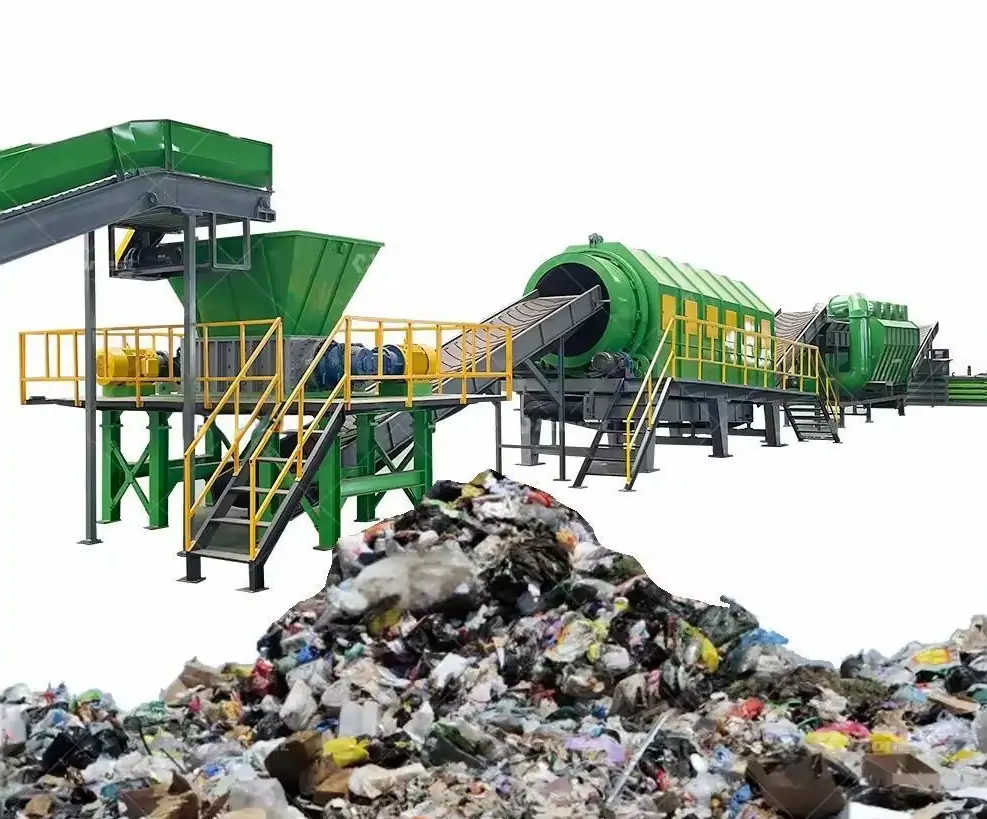
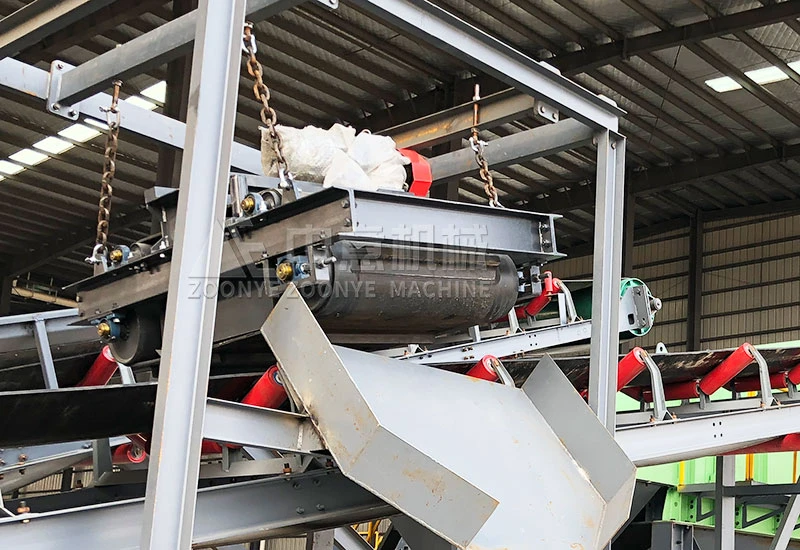
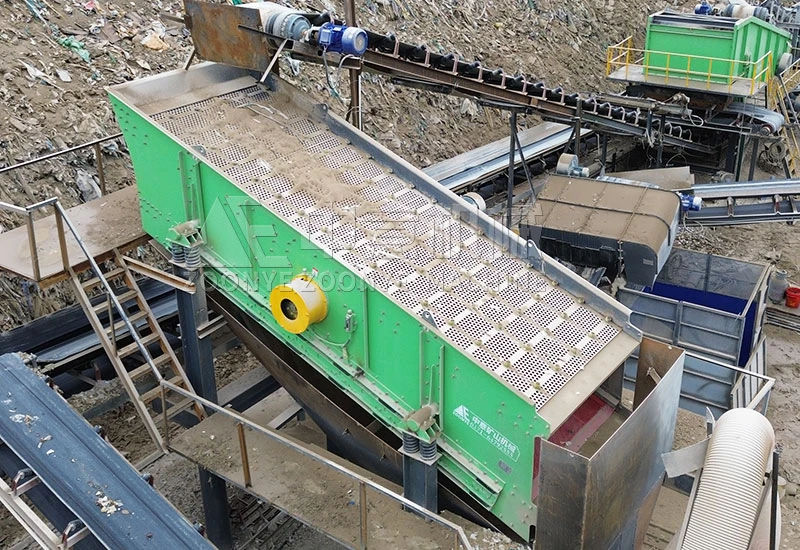
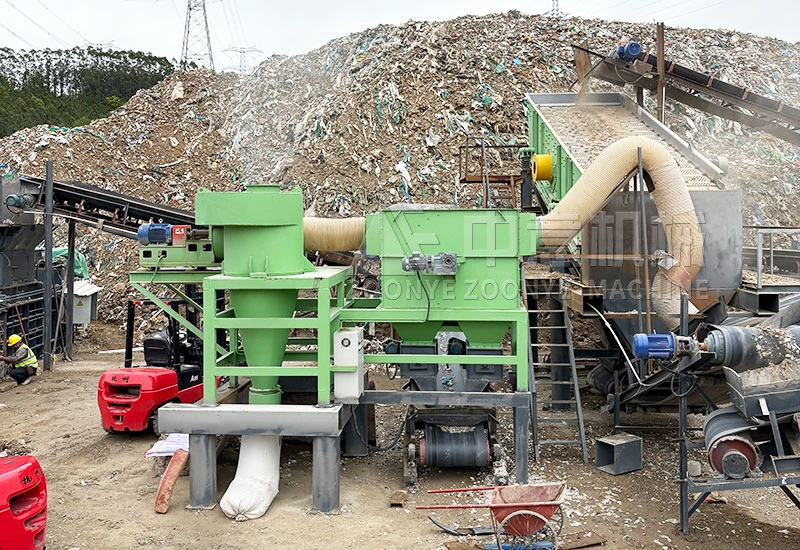
For waste recycling projects, Xinzhongyi ECO does not select crushing equipment from capacity alone. We look at the material flow first, including waste composition, feed size, required capacity, final products, and what needs to happen after crushing. For construction and demolition waste, a typical process may include Feeding → Primary Crushing → Screening → Magnetic Separation → Air Separation → Product Stockpiling. The actual equipment combination depends on the material and output requirements.
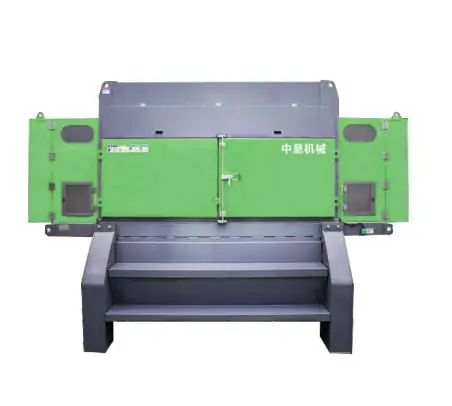
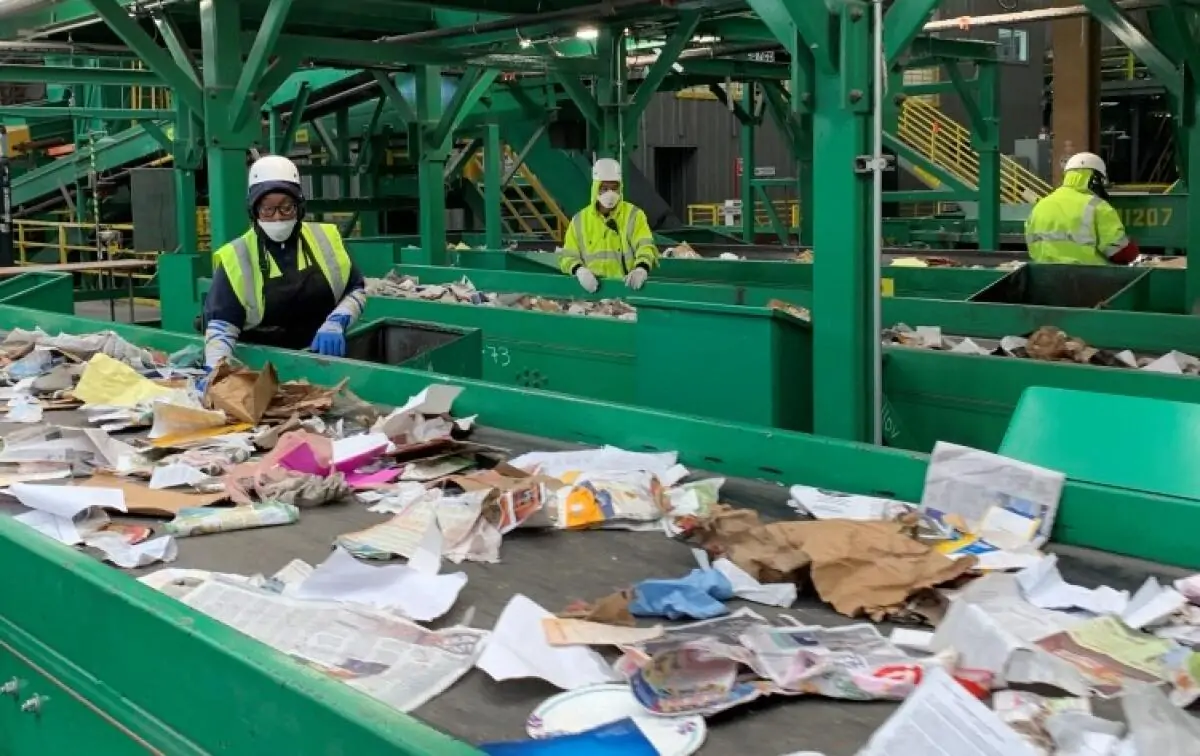
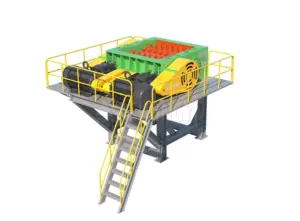
For mixed waste, the process may require additional stages such as bag opening, shredding, le criblage, la séparation magnétique, air separation, and sorting. For example, a Waste Crusher Machine can be combined with Screening Equipment, a Wind Sifter, or an AI Waste Sorting System when the project requires further material separation.
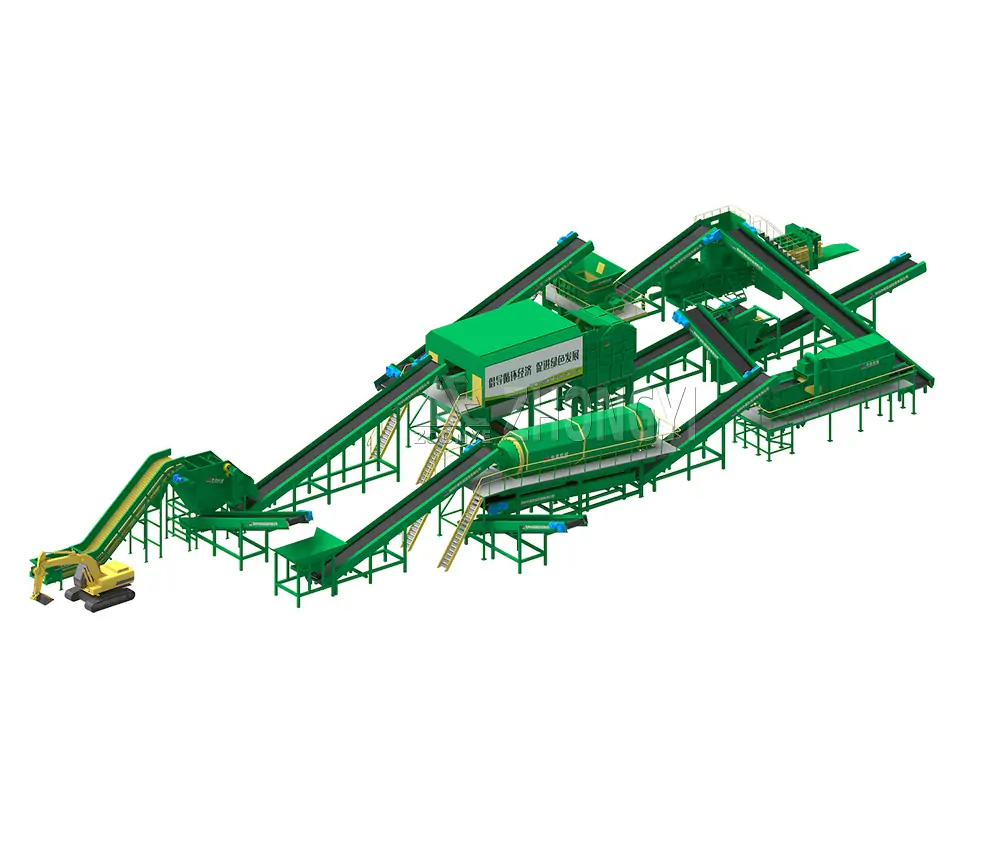
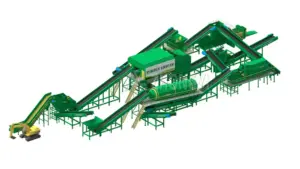
This is also why we treat the crusher as one part of the waste recycling system, rather than an isolated machine. The final configuration is based on the waste stream, processing capacity, site conditions, and recovered products required by the project. For larger or more complex projects, these stages can be integrated into a complete Waste Recycling Plant Equipment configuration.
Conclusion
Mobile and fixed waste crushing stations are designed for different project conditions. The right choice depends on where the waste is generated, how long the project will run, the expected material flow, and what the waste needs to become after crushing. In many projects, these factors are more important than the mobility of the crusher itself.
At Xinzhongyi ECO, we evaluate crushing as part of the complete recycling process. Based on the waste composition and required products, the crushing stage can be integrated with screening, magnetic separation, air separation, and sorting to build a process around the actual material flow. This approach also allows the equipment configuration to be adjusted when the project has specific feed conditions or recovery requirements.
If you are planning a construction waste or MSW recycling project, send us your waste type, maximum feed size, required capacity, and target output. Our engineering team can review these conditions and recommend a suitable mobile, fixed, or integrated processing configuration. Contact Xinzhongyi ECO to discuss your project and get an equipment configuration based on your actual waste stream.


Andy Yu
Ingénieur technique | Zhongyi ECO
16+
Années d'expérience.
300+
Solutions
50+
Pays
16 ans d'expérience dans la gestion environnementale et des déchets solides, spécialisé dans les solutions de recyclage et de tri des déchets C&D. Chez Zhongyi Mining Machinery, il s'attache à améliorer l'efficacité des clients internationaux grâce à son expertise technique et à des configurations sur mesure.
FAQ
La principale différence réside dans la façon dont l'équipement de concassage s'intègre dans le flux de matières. Une station mobile peut être déplacée et peut traiter les déchets au plus près de leur lieu de production. Une station fixe reste sur un seul site et peut être intégrée à une ligne de recyclage permanente. La meilleure configuration dépend de la source de déchets, de la durée du projet, des conditions du site, des exigences de transport et des étapes de traitement nécessaires après le concassage.
Oui. Le concassage mobile peut être adapté lorsque les déchets de construction et de démolition sont générés sur des chantiers temporaires ou changeants. Un traitement plus proche de la zone de démolition peut réduire le transport des matériaux et les manutentions répétées. Cependant, la composition des déchets doit encore être vérifiée. Le béton et la brique peuvent nécessiter principalement un concassage et un criblage, tandis que les déchets de rénovation mixtes contenant du bois, du plastique, du métal ou d'autres matériaux légers peuvent nécessiter des équipements de séparation supplémentaires.
Une station fixe est généralement envisagée lorsque les déchets sont livrés en continu à une seule installation de recyclage et que l'usine doit fonctionner sur une période prolongée. Sa configuration permanente permet de relier le concassage à l'alimentation, au criblage, à la séparation magnétique, à la séparation par air et à d'autres étapes. Elle peut également offrir plus de flexibilité lorsque le projet nécessite une ligne de traitement plus importante ou une extension future des équipements.
Non. Une station mobile peut réduire les travaux de génie civil permanents, le transport des déchets et les chargements répétés dans certains projets, mais la relocalisation, les solutions d'alimentation électrique mobiles et la maintenance influent également sur le coût total. Une usine fixe peut nécessiter davantage d'infrastructures de site au départ, tout en offrant une configuration de traitement stable pour une exploitation à long terme. La comparaison doit inclure les équipements, la préparation du site, le transport, l'énergie, la main-d'œuvre, la maintenance et le traitement en aval.
Le transport peut être un facteur important lors de la comparaison des deux configurations. Si les déchets sont générés à des emplacements changeants, rapprocher l'équipement de concassage de la source peut réduire la distance que les déchets volumineux doivent parcourir. Avec une installation fixe, les matériaux doivent normalement être transportés jusqu'au site de traitement. L'impact réel dépend de la distance de transport, du volume de déchets, des conditions routières, des exigences de chargement et de la durée du projet.
Oui. Les deux configurations peuvent être conçues avec des étapes de traitement supplémentaires, bien que la disposition disponible et les conditions du site doivent être prises en compte. Selon le flux de déchets, le système peut inclure un criblage, une séparation magnétique, une séparation par air ou un tri après concassage. Pour les déchets de construction mixtes, ces étapes peuvent être importantes pour éliminer les matériaux indésirables et produire les fractions de granulats ou de matériaux récupérés requises.
Before selecting the equipment, we normally need the waste type, feed composition, maximum feed size, required capacity, target output, operating period, and site conditions. Photos or videos of the incoming waste can also be useful, especially when the material contains mixed concrete, brick, metal, wood, plastic, or other contaminants. These details help determine the crushing and downstream equipment configuration.
Yes. Xinzhongyi ECO can configure the crushing stage together with downstream equipment according to the project requirements. Depending on the waste stream, the process may include a waste crusher, screening equipment, magnetic separation, air separation, or automated sorting. The configuration is based on the incoming material, required capacity, site conditions, and target recovered products rather than selecting a crusher from capacity alone.