












Einleitung
Operating a waste recycling plant involves more than selecting equipment with high processing capacity or low motor power. Waste materials often vary in size, composition, density, and hardness, placing different demands on shredding, conveying, screening, and sorting systems. When equipment is poorly matched to the feed material or production requirements, the result can be excessive energy consumption, repeated processing, frequent wear part replacement, and unplanned downtime. These factors directly affect waste recycling plant operating costs, making equipment selection an important decision for long-term plant performance.
The energy efficiency of energy-saving waste recycling equipment depends not only on individual machine specifications but also on how the entire processing line operates. Proper equipment configuration, optimized material handling, coordinated automation, and effective resource recovery all contribute to reducing unnecessary energy use while maintaining stable throughput and sorting performance.
This article examines the core features of energy-efficient waste recycling plant equipment, including key energy-saving technologies, material separation methods, environmental protection measures, and practical equipment selection considerations. It also explains how buyers can evaluate processing efficiency and operating costs when planning an industrial waste recycling project.For an overview of the complete separation sequence, read Wie sortieren Recyclinganlagen Materialien? Ein vollständiger Prozessleitfaden. It provides context for evaluating where each machine contributes to recovery and energy use.
What Makes Waste Recycling Plant Equipment Energy Efficient?
The performance of energy-efficient recycling machinery depends on more than motor power. Buyers need to consider how much electricity the equipment consumes per ton of processed waste, whether it maintains the required processing capacity and material recovery performance, and how much it costs to operate and maintain over time. These factors provide a more practical basis for evaluating the energy efficiency of an entire recycling line.
Energy Consumption per Ton of Processed Waste
Specific energy consumption measures the electricity required to process one ton of waste, usually expressed in kWh/t. It is a useful indicator for evaluating waste recycling equipment energy consumption under actual operating conditions.
The calculation is:
Specific energy consumption (kWh/t) = Total electricity consumed (kWh) / Waste processed (t)
For example, if a recycling line consumes 1,200 kWh to process 100 tons of waste, its average specific energy consumption is 12 kWh/t. This is an illustrative calculation, not actual Zhongyi Eco equipment data.
Rated power indicates the motor’s capacity, while actual operating power reflects its electricity consumption during production. Idling, frequent load changes, and overloading can affect energy use per ton. When comparing equipment, buyers should use consistent measurement boundaries and comparable waste composition, moisture content, feed size, and processing requirements.
Processing Efficiency and Material Recovery Rate
Energy consumption should be evaluated alongside processing capacity, sorting accuracy, material recovery rate, and output quality. Processing capacity indicates how much waste a line handles per hour, while sorting accuracy reflects how effectively different materials are separated. Material recovery rate measures the proportion of target recyclable materials recovered, and output quality determines their suitability for further use.
Poor separation can allow valuable materials to enter the residual waste stream or require additional sorting and processing. This increases the workload on downstream equipment and may raise the overall energy consumption of the recycling line.
Operating Costs Beyond Electricity Consumption
Electricity is only one part of waste recycling plant operating costs. Wear parts such as shredder blades and screening components, routine maintenance, labor, unplanned downtime, and repeated processing all affect long-term operating expenses.
Buyers should therefore evaluate the total cost of ownership (TCO), which considers equipment purchase, energy consumption, maintenance, replacement parts, and operating costs throughout its service life. Equipment with a lower initial price or rated power does not necessarily deliver lower long-term costs.
Main Energy-Saving Features of Modern Waste Recycling Equipment
Energy use is influenced by motor selection, size reduction, separation, and material handling. These stages need to work together to avoid unnecessary power consumption while meeting processing requirements.
High-Efficiency Motors and Variable Frequency Drive Systems
High-efficiency motors reduce electrical losses during operation. Variable frequency drives (VFDs) provide another way to manage power consumption by adjusting motor speed to suit changing operating conditions.
This is particularly useful for equipment with variable loads. For example, conveyor speed can be adjusted to match the feeding rate and the capacity of downstream machines. Some ventilation and dust collection fans can also use variable-speed control to match airflow requirements.
However, a VFD does not automatically make every machine more energy-efficient. Shredders and crushers need sufficient torque to process the incoming material. Reducing their speed without considering feed characteristics and load requirements may affect throughput or cause blockages. Motor capacity and drive configuration should therefore be matched to the actual working conditions.
The U.S. Department of Energy provides further guidance on equipment selection and operating practices in its Motor Systems resources. Use these principles alongside the actual torque and load requirements of the recycling line.
Optimized Shredding and Crushing Systems
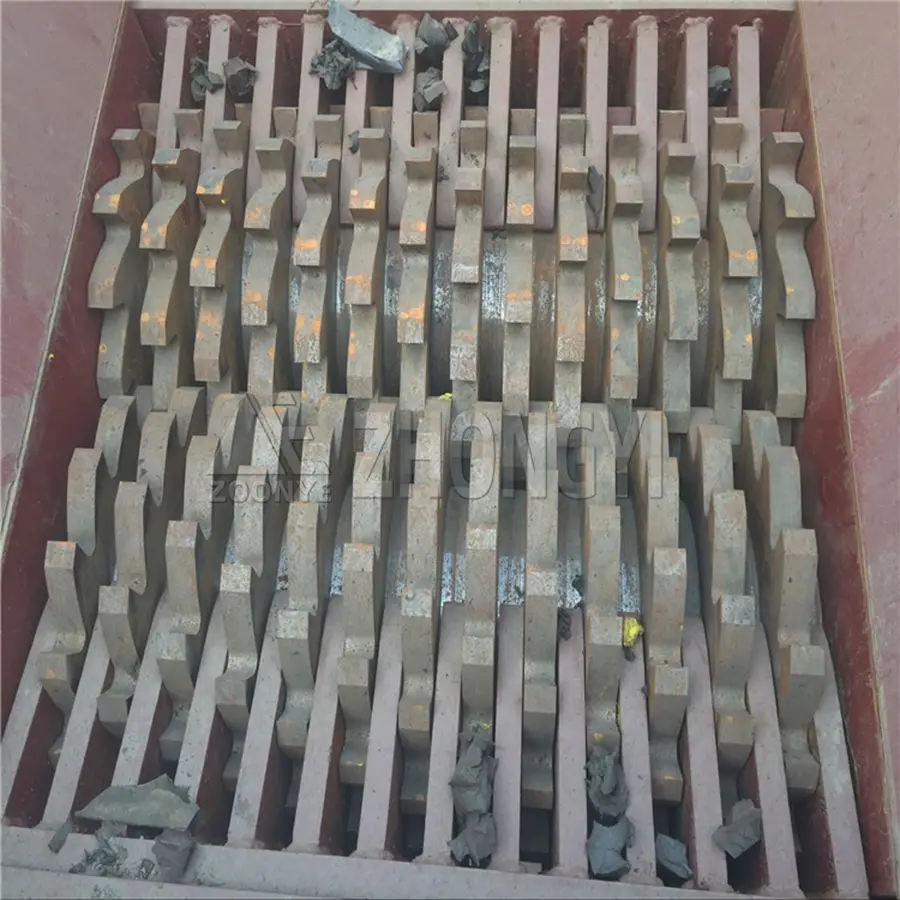
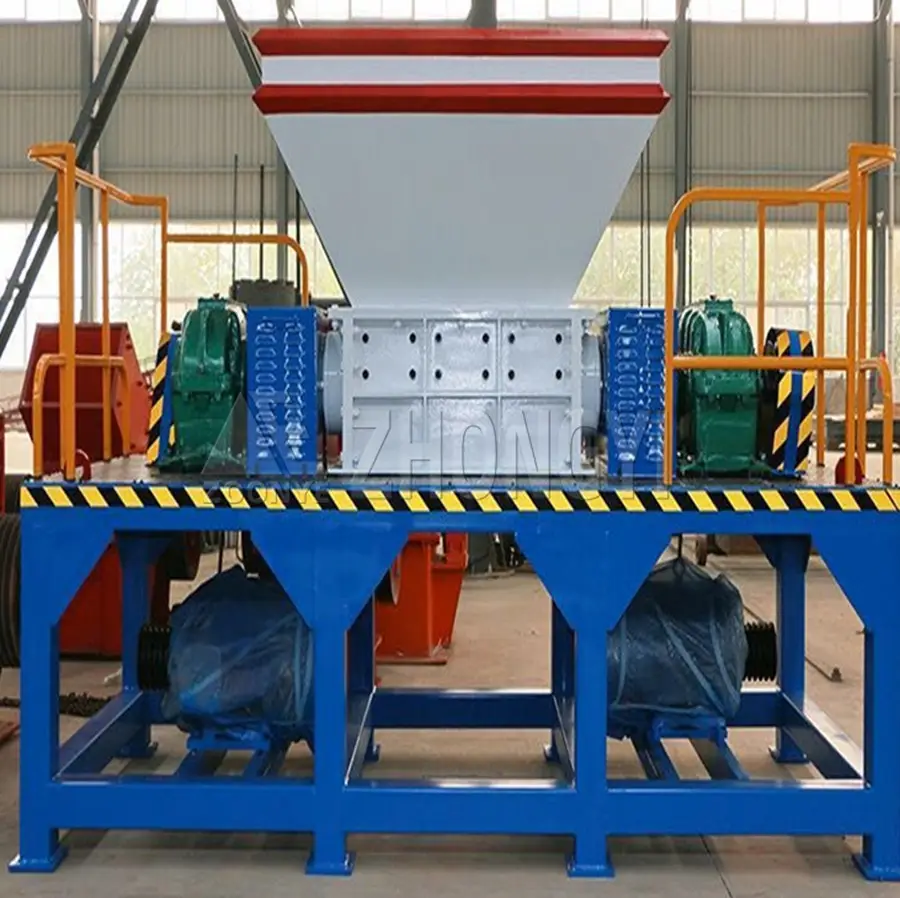
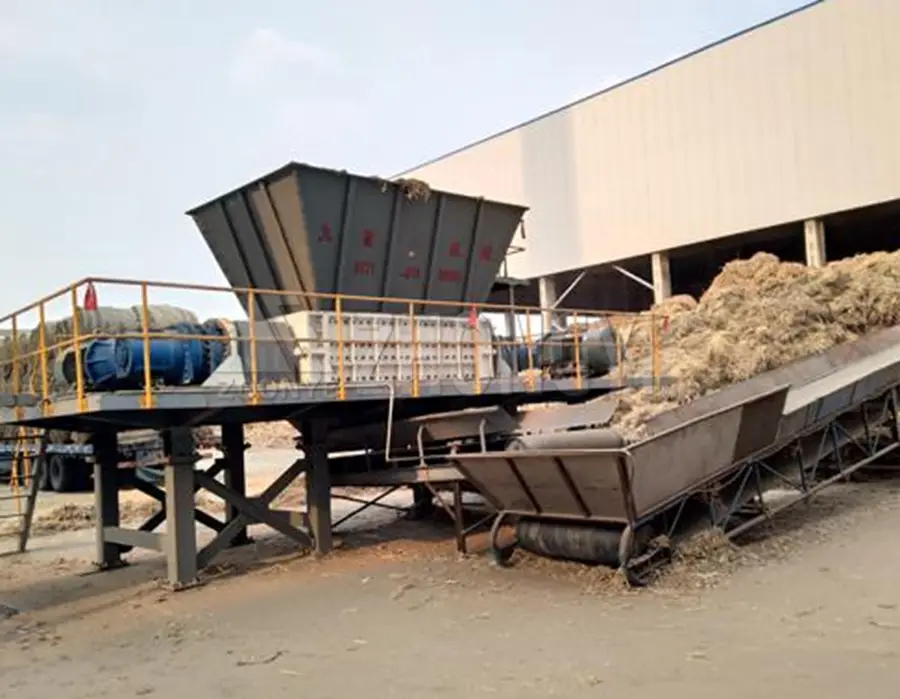
The energy required for size reduction depends largely on the material being processed and the required output size. Bulky waste, wood waste, plastic waste, and mixed solid waste differ in size, hardness, toughness, and composition. These differences affect the cutting force, torque, and shredder configuration required.
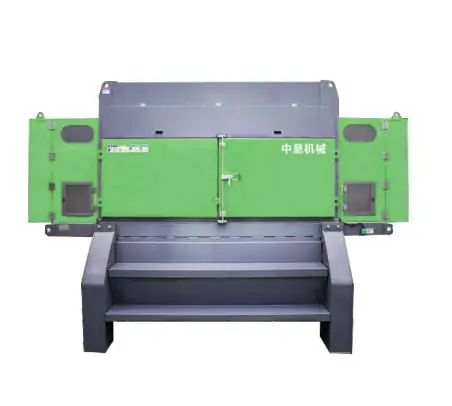
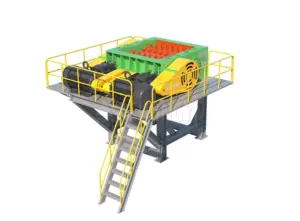
For this reason, waste shredding equipment should be selected according to feed characteristics and downstream processing requirements. Rotor design, cutting tools, crushing chamber structure, and discharge configuration all influence how material moves through the machine and how consistently it is reduced in size. A properly matched industrial waste shredder helps avoid excessive loading and unnecessary repeated processing.
Output size also matters. Making waste finer than necessary increases the energy required for size reduction and may complicate subsequent screening and separation. The target particle size should be determined by the requirements of the next processing stage, rather than assuming that finer output always improves recovery.
Efficient Screening and Material Separation
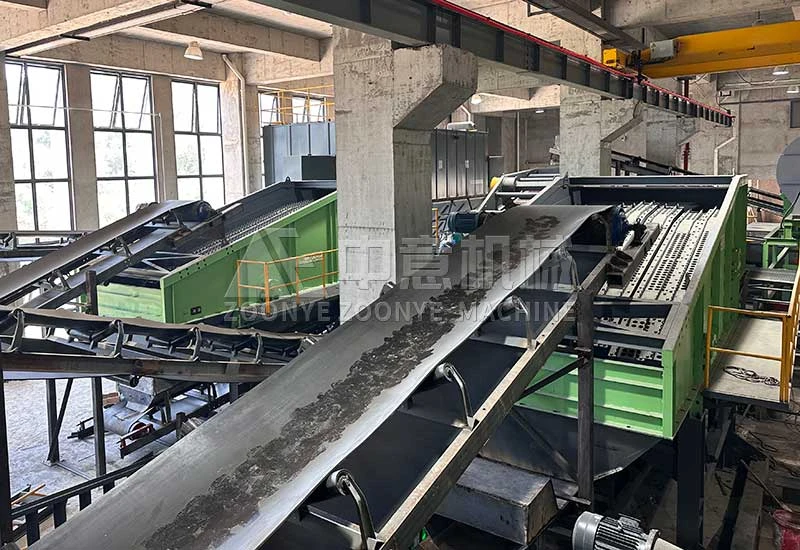
Screening and separation determine how materials are divided into different fractions before further processing. Poor screening can send unsuitable material to downstream equipment, increasing its workload and creating unnecessary material circulation.
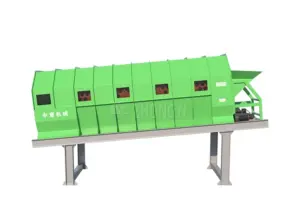
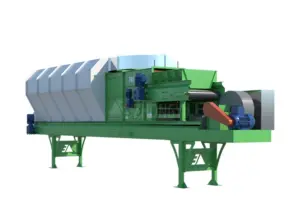
Within a waste shredding and sorting equipment line, each separator performs a distinct function:
| Ausrüstung | Main function |
|---|---|
| Vibrating screen | Separates materials by particle size |
| Magnetabscheider | Removes ferrous metals |
| Eddy current separator | Separates suitable non-ferrous metals |
| Air separator | Divides materials according to their aerodynamic behavior |
Screen selection should account for feed size, material distribution, moisture content, and processing capacity. Wet or sticky materials, for example, may require a screen structure designed to reduce blinding and material buildup.
The separation sequence is equally important. Magnetic separation can remove iron and steel before suitable downstream recovery processes, while eddy current separation targets non-ferrous metals such as aluminum. Air separation uses differences in material density, shape, and aerodynamic behavior to separate light and heavy fractions. Arranging these stages according to the waste composition helps limit unnecessary handling and repeated processing.
To review how ferrous removal fits into this sequence, see Magnetic Separators for Recycling, then assess the separator against feed distribution and downstream recovery needs.
Optimized Conveying and Material Handling
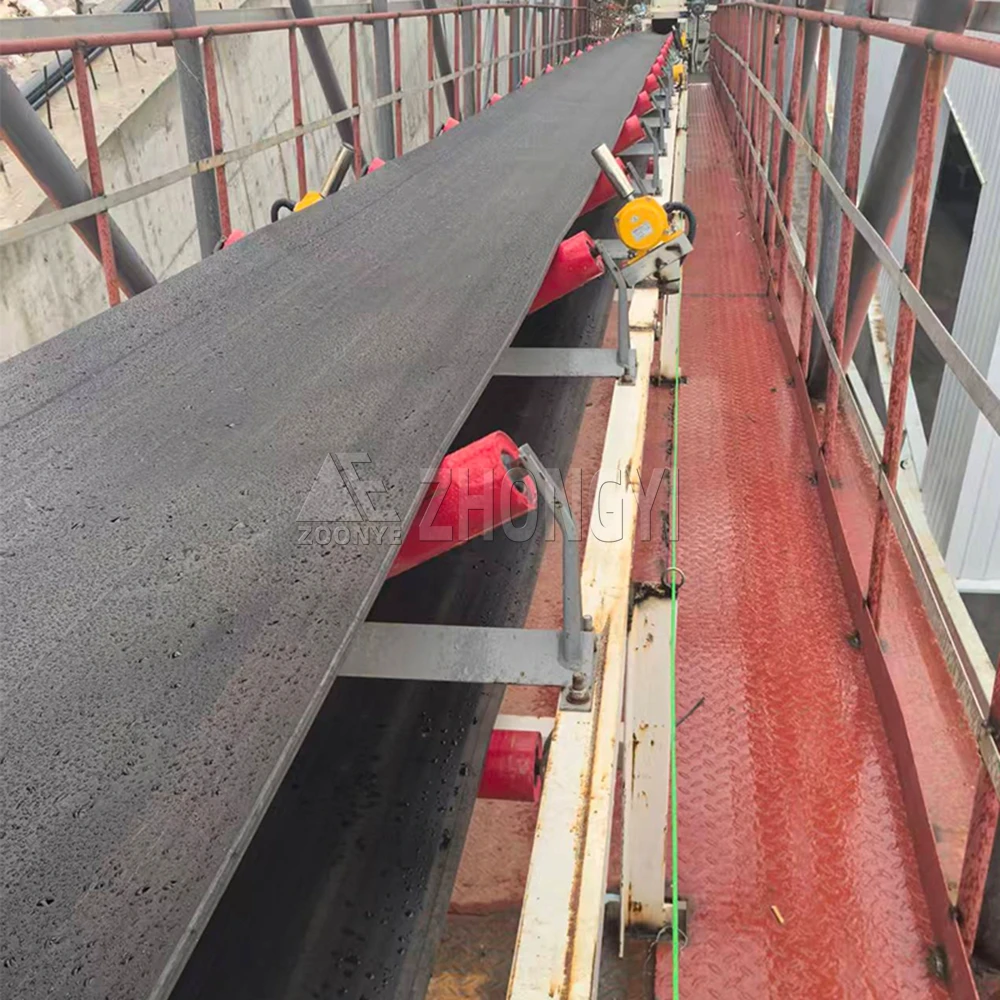
Conveyors maintain material flow between feeding, shredding, screening, and separation equipment. Their capacity and operating speed must match the requirements of connected machines.
If upstream feeding exceeds the capacity of downstream equipment, material can accumulate and cause blockages or production interruptions. If conveyors continue running without sufficient material, they consume power without contributing to processing. Coordinated feeding and equipment start-stop sequences help reduce these unnecessary operating periods.
A well-planned waste conveyor system also avoids unnecessary transfer points and repeated material handling. However, shorter conveying distances do not always mean lower energy consumption. Elevation changes, material load, belt speed, and drive efficiency should all be considered when designing the conveying route.
Die Schüttgut-Förderband product page outlines conveying options that can be considered when matching transfer capacity and plant layout.
Automated Control and Real-Time Energy Monitoring
A PLC control system coordinates the operating sequence of feeders, shredders, conveyors, screens, and separation equipment. It allows operators to manage connected machines from a central control point and helps prevent problems such as continued upstream feeding when downstream equipment is stopped.
More advanced configurations can incorporate load-based control and energy monitoring. Depending on the installed instruments, these functions may record motor current, power consumption, operating hours, and equipment alarms. Vibration and temperature monitoring require additional sensors.
Basic PLC control should not be confused with a dedicated energy management system. A PLC can coordinate machine operation, but analyzing actual electricity consumption requires suitable power meters and data collection functions.
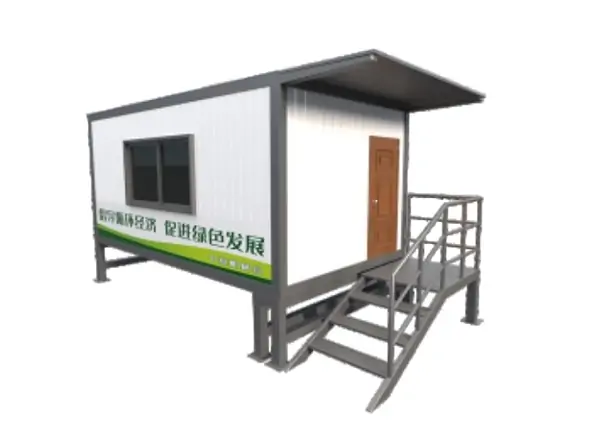
For a centralized operating arrangement, review Zentralwarte für Abfallrecyclinganlagen. Confirm the required metering and sensors separately when specifying energy monitoring.
Ultimately, energy efficiency comes from matching equipment to the material and coordinating each processing stage. Reducing unnecessary size reduction, preventing material buildup, and maintaining balanced material flow can improve the operation of the entire recycling line. These improvements also influence how much recyclable material can be recovered and the quality of the final output.

How Energy-Efficient Equipment Improves Resource Recovery
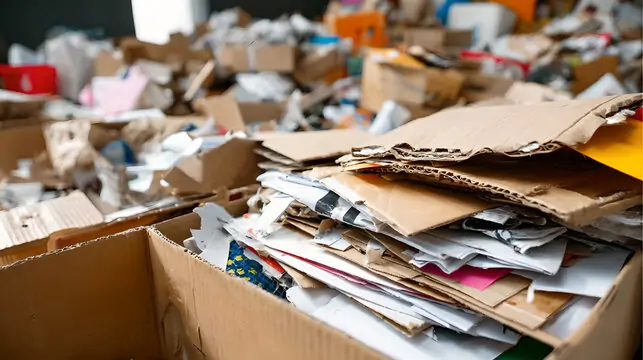
Reducing electricity consumption is only part of an efficient waste recycling process. Equipment configuration also determines how much recyclable material can be separated from bulky waste and mixed solid waste. Effective shredding, screening, and separation help recover usable materials while reducing the amount of valuable resources lost in residual waste.
Recovering Ferrous and Non-Ferrous Metals
A magnetic separator for waste recycling removes ferrous metals such as iron and steel from shredded material. For suitable non-ferrous metals, an eddy current separator uses an alternating magnetic field to induce currents in conductive materials, creating a repulsive force that separates them from the remaining waste.
Separation performance depends on feed distribution, particle size, and the condition of the material entering each machine. Proper pre-shredding and screening help expose and separate metal pieces more effectively. The purity of the recovered metal also matters, as excessive contamination can limit its suitability for downstream processing and sale.
Separating Recyclable Wood, Plastics, and Lightweight Materials
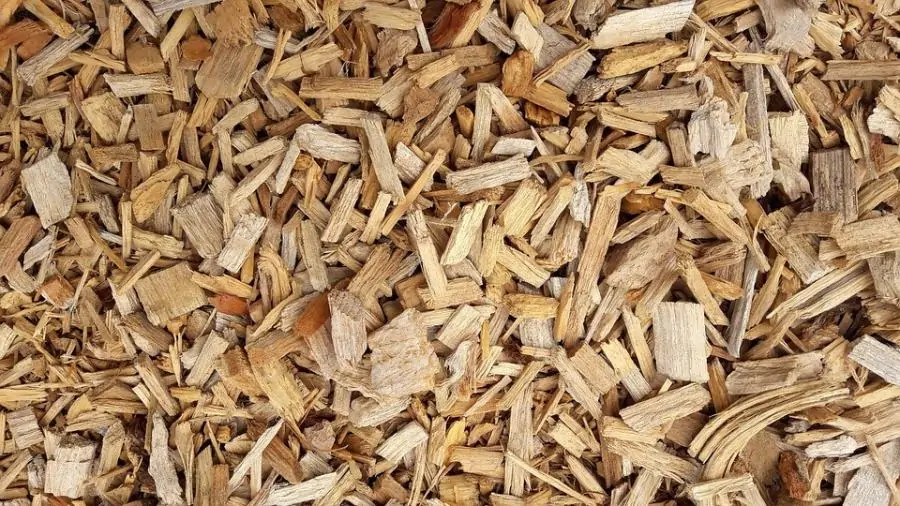
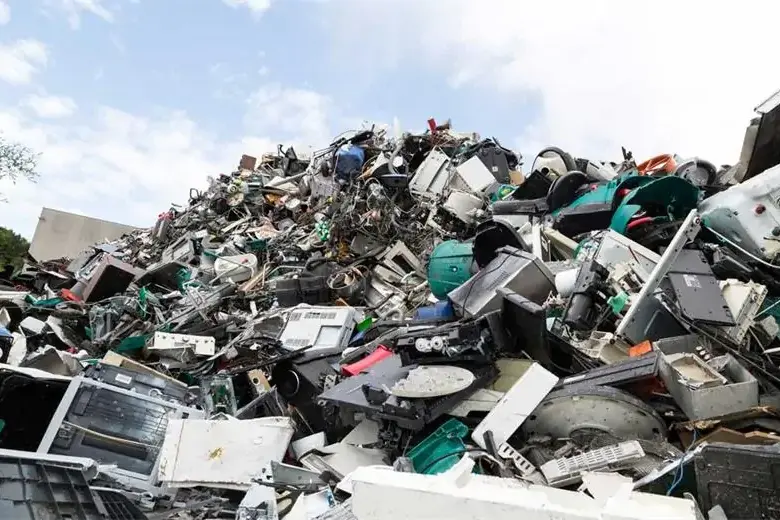
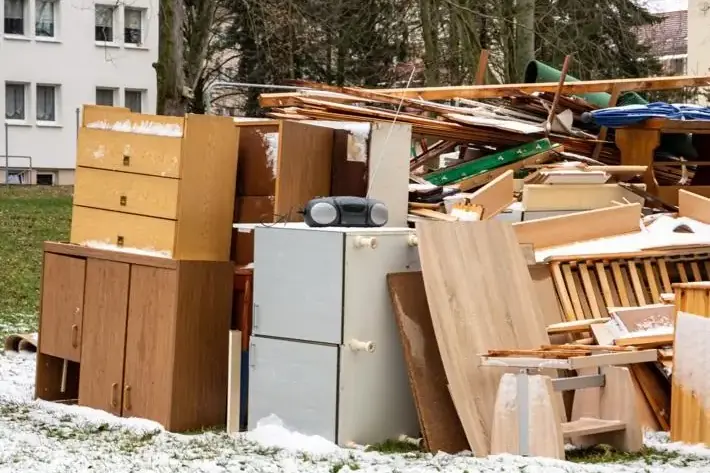
Bulky waste commonly contains wood, plastics, foam, textiles, and other lightweight fractions. Screening equipment first separates materials by particle size, while air classification uses differences in aerodynamic behavior to separate lighter materials from heavier fractions.
The appropriate separation sequence depends on the waste composition and the intended use of recovered materials. In a bulky waste recycling plant, combining screening and air separation helps produce more manageable material fractions for subsequent sorting and processing.
Reducing Residual Waste and Reprocessing
Properly selected shredding and separation stages reduce the amount of recyclable material entering the residual waste stream. They also limit unnecessary repeated crushing, conveying, and manual sorting.
However, material recovery efficiency should not be judged by recovered quantity alone. The purity and usability of recovered wood, metals, and plastics determine whether these materials can enter further recycling processes. Effective waste recycling process optimization therefore needs to balance recovery quantity, output quality, and processing requirements.
After improving material recovery, the plant must also control dust, noise, and other environmental impacts generated during operation.
Environmental Protection and Sustainable Plant Operation
Environmental performance is also an important consideration when selecting energy-saving waste recycling equipment. In addition to controlling electricity consumption and improving material recovery, a recycling plant needs suitable measures to manage dust, noise, wastewater, and other operational impacts. The required environmental controls depend on waste characteristics, processing methods, and site-specific requirements.
Dust Collection and Emission Control
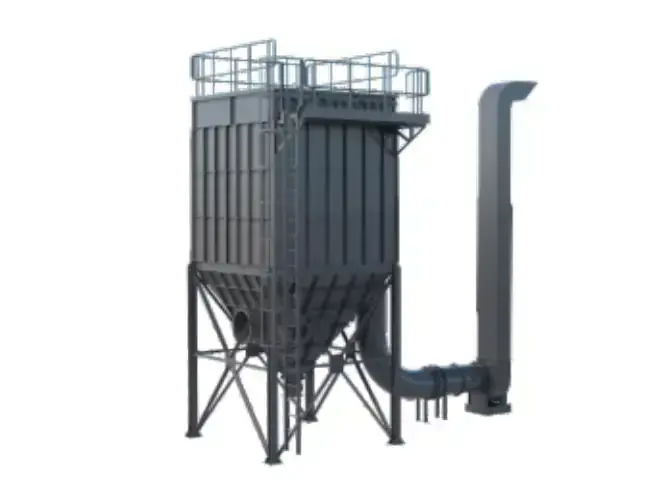
Dust is mainly generated during shredding, screening, and material transfer. Shredder inlets and discharge outlets, conveyor transfer points, and screening areas may require targeted extraction.
A waste recycling dust collection system can combine equipment covers, extraction hoods, ductwork, and dust collectors to capture airborne particles at their sources. The configuration of an industrial dust control system should reflect dust characteristics, generation volume, airflow requirements, and site conditions. Waste shredding dust extraction and other dust suppression equipment may also be required for suitable applications. Not every recycling line needs the same configuration.
Noise Reduction and Equipment Safety
Shredders and vibrating screens generate noise through mechanical impact, vibration, and material movement. Proper equipment foundations, vibration isolation, and suitable installation can help limit noise transmission. Where necessary, acoustic enclosures and thoughtful equipment layout provide additional industrial noise reduction. Machine guards, emergency stops, and sufficient maintenance access are also essential parts of recycling plant safety.
Wastewater and Secondary Pollution Management
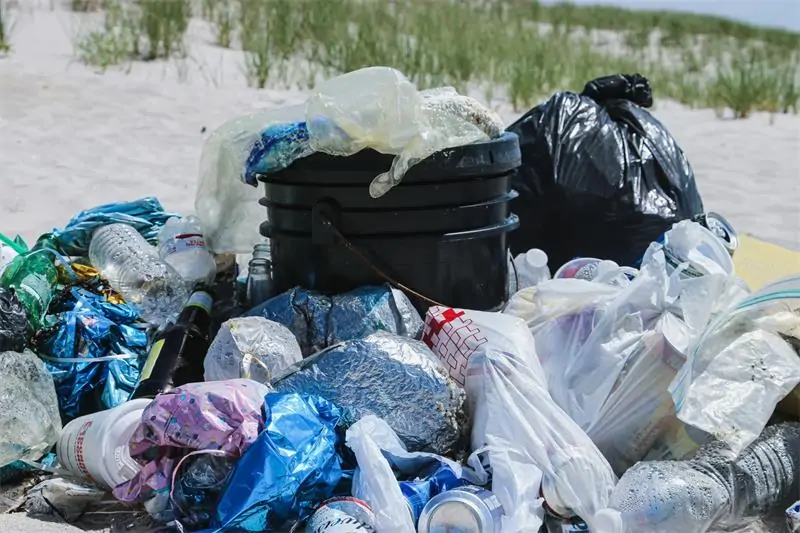
Dry mechanical sorting generally does not require process wastewater treatment. Wet washing or water-based separation, however, requires appropriate wastewater collection and treatment based on water quality and local discharge requirements. Material spills, leakage, collected dust, and processing residues also need proper handling to prevent secondary pollution.
Environmental control requirements should be considered during equipment selection and plant layout, rather than added after installation.
How to Choose Energy-Saving Waste Recycling Plant Equipment
Selecting energy-saving waste recycling equipment requires more than comparing motor power or purchase prices. Buyers need to consider waste volume, material characteristics, processing requirements, and long-term operating costs. The following factors help determine whether an equipment configuration is suitable for an actual recycling project.
Match Equipment Capacity with Actual Waste Volume
Start by calculating the required waste processing capacity based on daily feed volume and effective operating hours.
Required throughput (t/h) = Daily waste volume (t/day) / Effective operating hours (h/day)
For example, a plant handling 120 tons of waste in 10 effective operating hours requires an average throughput of 12 t/h. This is a planning estimate, not a guaranteed equipment capacity. Actual selection should also account for feed fluctuations, downtime, and the capacity of upstream and downstream equipment.
Evaluate Waste Composition and Processing Requirements
A waste composition analysis should be completed before waste recycling equipment selection. Buyers need to identify waste types, feed size, hardness, toughness, moisture content, and impurities. They should also define the required output size and sorting results.
A bulky waste recycling line may require different shredding and separation stages from a mixed solid waste processing line. Equipment should therefore be configured around actual feed conditions and recovery targets, rather than selected by machine name alone.
For municipal solid waste projects, Auswahlleitfaden für Sortieranlagen mit hoher Kapazität MSW: Wie wählt man das richtige System aus? expands on matching material characteristics, capacity, and recovery targets.
Compare Energy Consumption and Total Cost of Ownership
Compare rated motor power with actual electricity consumption and request energy consumption per ton (kWh/t) under comparable operating conditions. Waste recycling equipment cost should also be evaluated alongside wear parts, maintenance, labor, downtime, service life, and spare parts availability.
A lower purchase price does not necessarily mean lower recycling plant operating costs. Total cost of ownership provides a more useful basis for long-term comparison.
Consider Modular Design and Future Expansion
A modular waste recycling plant allows equipment configurations to be adjusted as processing requirements change. When reviewing the waste recycling plant layout, consider equipment foundations, conveyor routes, maintenance access, and space for additional screening, magnetic separation, or air separation units. A customized recycling system should meet current production needs while allowing practical future expansion.
Procurement Evaluation Checklist
| Evaluation item | Key question for buyers |
|---|---|
| Verarbeitungskapazität | Does throughput match actual feed volume? |
| Energy consumption | Is measured kWh/t available? |
| Material compatibility | Can equipment handle the actual waste? |
| Sorting performance | Are recovered materials suitable for reuse? |
| Maintenance | Are wear parts accessible and replaceable? |
| Expansion | Can the line accommodate future upgrades? |
| Technical support | Does the supplier provide installation and commissioning? |
The right equipment configuration is only part of a successful project. The supplier’s engineering experience and ability to support installation, commissioning, and long-term operation also matter.

Why Engineering Design and After-Sales Support Matter
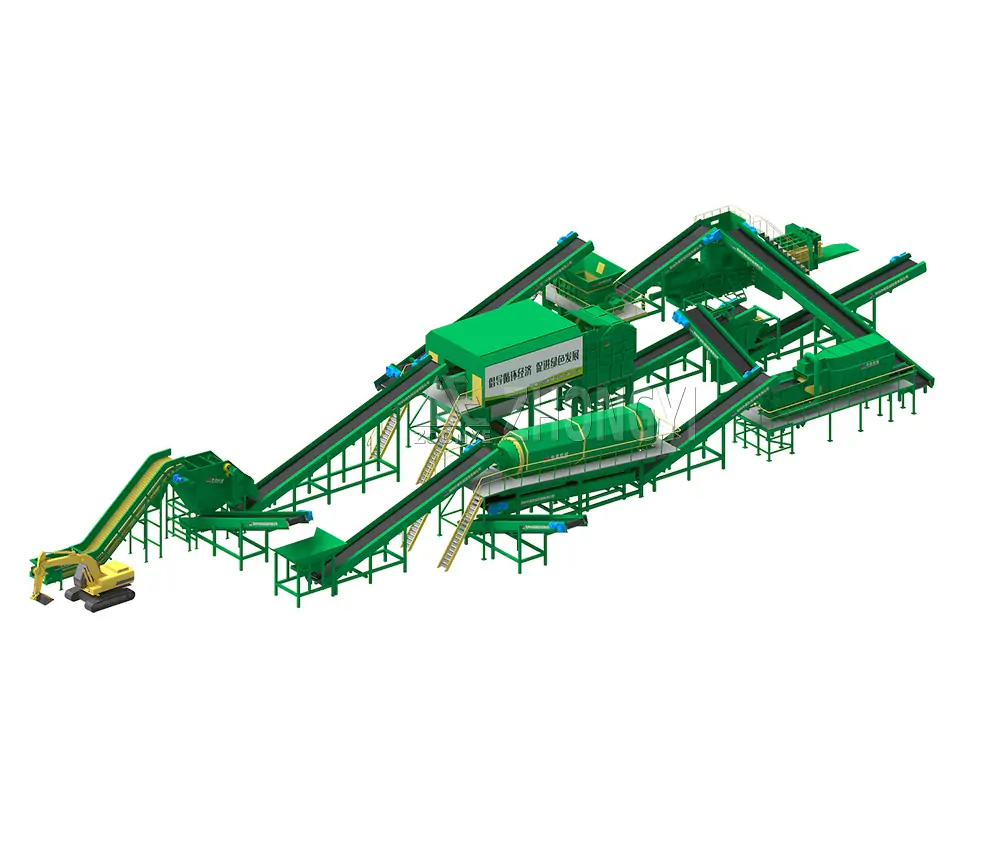
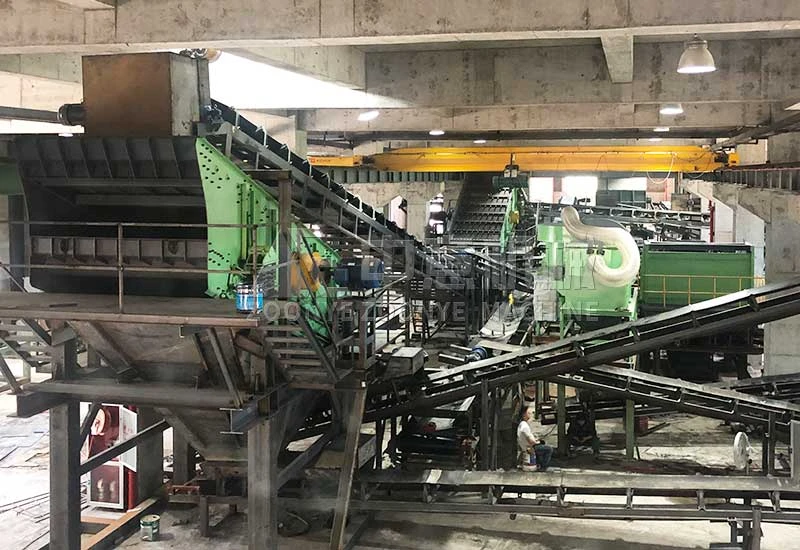
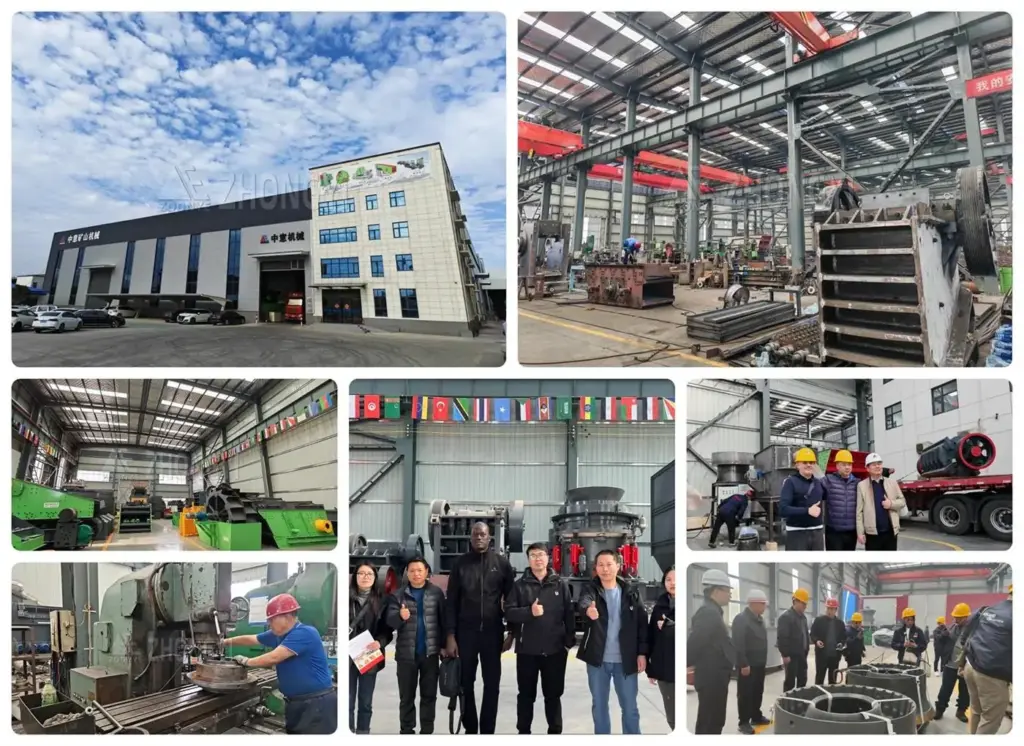
The performance of energy-saving waste recycling equipment depends not only on machine specifications but also on engineering design and system integration. A customized waste recycling plant should be configured according to waste composition, required processing capacity, output specifications, and available site space. Feeders, shredders, screens, separators, and conveyors need to work together as a complete waste recycling line, rather than being selected as separate machines without considering their connection.
Proper waste recycling equipment installation and recycling plant commissioning are equally important. Equipment alignment, electrical connections, operating sequences, and material flow should be checked before full production. Load testing helps identify adjustments under actual working conditions, while equipment operation training prepares operators for safe operation, routine inspection, and basic maintenance.
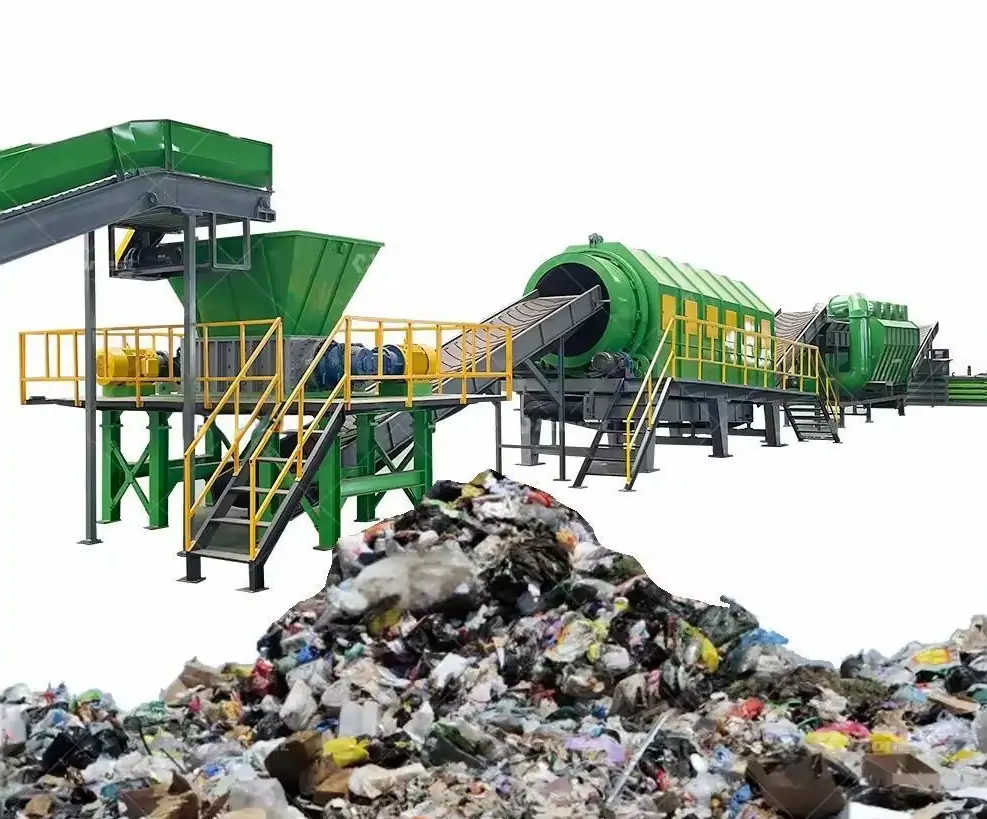
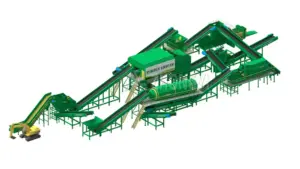
Long-term operation also depends on spare parts supply and timely technical support. Regular waste recycling equipment maintenance helps manage wear and reduce unexpected downtime. For example, a bulky waste recycling plant may combine pre-sorting, shredding, magnetic separation, screening, and air separation. Zhongyi Eco’s bulky waste recycling plant solution illustrates how these stages can be integrated according to project requirements. The supplier’s engineering experience and after-sales support help maintain the performance of the complete system throughout its operating life.
After commissioning, use Waste Recycling Equipment Daily Operation Standard Process as a reference when establishing routine checks and operating responsibilities.
Fazit
Energy-saving waste recycling equipment is not simply about choosing machines with lower motor power. Overall energy efficiency depends on equipment design, process matching, automated control, and material separation performance across the entire recycling line. Buyers should evaluate energy consumption per ton alongside processing capacity, recovered material quality, and maintenance costs. The right equipment configuration must match the actual waste composition and project requirements.
For bulky waste and mixed solid waste recycling projects, Zhongyi Eco develops equipment configurations and complete recycling line solutions based on material characteristics, required processing capacity, and recovery objectives. Contact our team to discuss your feed material, target output, and site requirements.
FAQ
Energy-saving waste recycling equipment refers to machinery designed to process waste while minimizing unnecessary energy consumption and maintaining the required processing performance. It includes shredders, crushers, vibrating screens, magnetic separators, and conveying systems. Its efficiency depends on equipment design, motor performance, material characteristics, and coordination between processing stages. The goal is to achieve the required throughput and material recovery quality with efficient energy use.
Waste recycling equipment reduces energy consumption through efficient motors, suitable drive systems, optimized size reduction, and coordinated material handling. Proper equipment selection helps prevent overloading, unnecessary crushing, and repeated processing. Automated control can also reduce idle running and improve coordination between machines. The actual energy performance depends on waste composition, equipment configuration, operating conditions, and how effectively the complete recycling line is managed.
Shredders and crushers often account for a significant share of electricity consumption because breaking down bulky or hard materials requires substantial mechanical power. Conveyors, screens, and separation equipment also contribute to total energy use. However, the largest energy consumer varies with waste characteristics, equipment capacity, operating hours, and process configuration. Measuring the power consumption of individual machines provides a more accurate assessment.
Suitable energy-saving technologies depend on the equipment’s operating conditions. High-efficiency motors help reduce electrical losses, while variable frequency drives (VFDs) can adjust motor speed for applications with changing loads, such as conveyors and dust collection fans. Optimized shredder design and coordinated control can also reduce unnecessary processing. VFDs are not automatically beneficial for every machine, as shredders and crushers require sufficient torque under varying material loads.
No. Higher rated processing capacity does not necessarily mean lower energy consumption per ton. Equipment operating below its suitable load range may use electricity inefficiently, while overloading can cause blockages, reduced throughput, and downtime. Buyers should compare actual throughput and specific energy consumption (kWh/t) under similar material and operating conditions. Rated capacity alone is not enough to determine whether a machine is energy-efficient.
Energy consumption per ton is calculated by dividing total electricity consumption by the amount of waste processed during the same period. The formula is: kWh/t = Total electricity consumed (kWh) / Waste processed (t). For meaningful comparisons, buyers should confirm whether the measurement covers an individual machine or the entire production line and use comparable waste types, feed conditions, and processing requirements.
Waste recycling plant operating costs include electricity, wear parts, routine maintenance, labor, and unplanned downtime. Material characteristics also affect equipment wear, processing difficulty, and maintenance frequency. Poor equipment matching may lead to repeated processing or reduced throughput, increasing the cost per ton of recovered material. Buyers should evaluate total cost of ownership (TCO), rather than comparing equipment purchase prices alone.
Start by identifying the waste composition, daily processing volume, feed size, and required output quality. Then compare equipment capacity, measured energy consumption per ton, maintenance requirements, and compatibility with downstream machines. Buyers should also assess the supplier’s engineering experience, installation and commissioning capabilities, spare parts availability, and technical support. A suitable configuration should meet actual project requirements rather than rely on rated motor power alone.