












Giới thiệu
A common situation when buying a wind sifter for an Indonesian waste plant is that two suppliers give very different quotations for what appears to be similar equipment. One quote may look attractive at first, while another is considerably higher. The reason is usually not just the supplier’s price. There is no single fixed Wind Sifter Machine Cost Indonesia. Processing capacity, waste composition, moisture, airflow configuration, automation and equipment layout can all change the wind sifter machine price. For MSW sorting, the right comparison is therefore not simply the lowest equipment cost, but whether the machine configuration matches the actual feed material and separation target.
There is another cost that is easy to overlook during the initial quotation stage. The machine still has to move from China to Indonesia, clear customs, reach the waste plant, and be installed and commissioned before it can start working. Depending on the project, shipping, port handling, inland transportation, installation, spare parts and after-sales support can become a meaningful part of the final budget. This is why we recommend looking at wind sifter cost in three steps: the machine price, the delivered project cost, and the support required to keep the equipment running. The sections below break down these costs and the main factors behind them.To compare containerized and fixed wind sifter configurations, see our guide to Máy sàng gió dạng container so với máy sàng gió cố định.


Wind Sifter Machine Cost in Indonesia: 2026 Price Guide
For Wind Sifter Machine Cost Indonesia, there is no single fixed price for waste-sorting applications. As a budgetary reference, industrial wind sifter equipment may range from around USD 20,000 to USD 150,000+, while complete MSW sorting systems are quoted on a project basis. The wind sifter machine price Indonesia buyers receive depends on capacity, waste composition, moisture, airflow configuration, automation and equipment scope.
| Project Type | Indicative Equipment Budget |
| Basic / small wind sifter | USD 20,000–40,000 |
| Medium-capacity system | USD 40,000–80,000 |
| Large-capacity system | USD 80,000–150,000+ |
| Complete sorting system | Project-based |
These are budgetary references, not fixed Indonesian market prices. Two machines with similar throughput can still have different prices because of differences in airflow systems, machine structure, controls and supporting equipment.
Price Reference
When reviewing a wind sifter price, the first thing we recommend checking is not the number itself, but the quotation scope. One supplier may quote only the main wind sifter, while another may include the blower, control cabinet, conveyors or other supporting equipment. For waste-sorting projects, the required separation result and actual waste characteristics can also change the equipment configuration.
What the Price Does and Does Not Include
A typical equipment quotation may include the main wind sifter and, depending on the configuration, the fan or blower, basic electrical components and standard discharge equipment. Ocean freight, customs and port handling, inland transportation, civil and electrical works, installation, commissioning and spare parts may be quoted separately.
For an Indonesian project, a useful comparison is therefore not simply “Which machine is cheaper?” but “Are both suppliers quoting the same equipment scope and the same delivery condition?” This is the starting point for calculating the actual project cost.
What Determines Wind Sifter Machine Cost?
Why does one wind sifter cost USD 30,000 while another is quoted at USD 80,000? In most cases, the difference comes down to the waste being handled, the required throughput and the way the machine is configured.
Công suất xử lý
A higher throughput normally means a larger machine, stronger drive system and higher equipment cost. Also, t/h and m³/h are not interchangeable for waste because bulk density can vary significantly. We normally check both the required hourly tonnage and the actual feed volume before selecting the equipment.
Waste Composition and Moisture
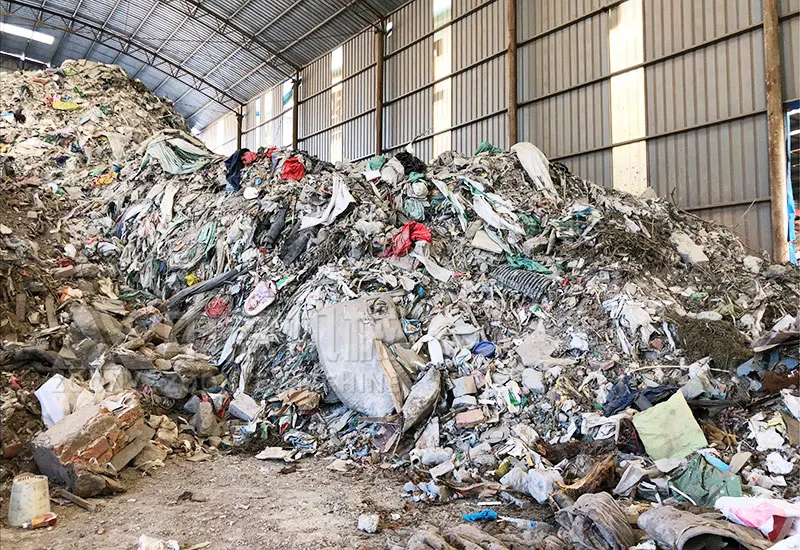
MSW can contain plastic film, paper, textile, organic fines, soil, stones and glass. These materials do not respond to airflow in the same way. Moisture also changes how the material moves through the separator, so the actual waste composition is important when determining the machine configuration.
Airflow and Separation Configuration
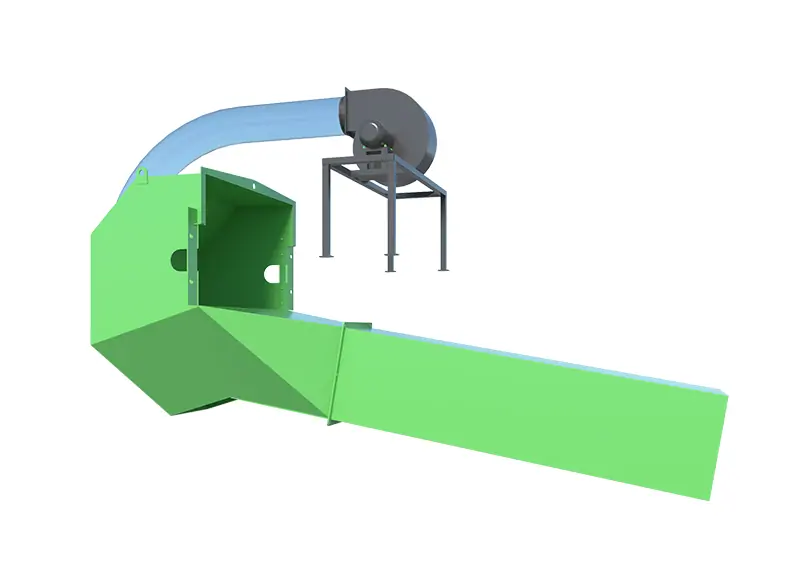
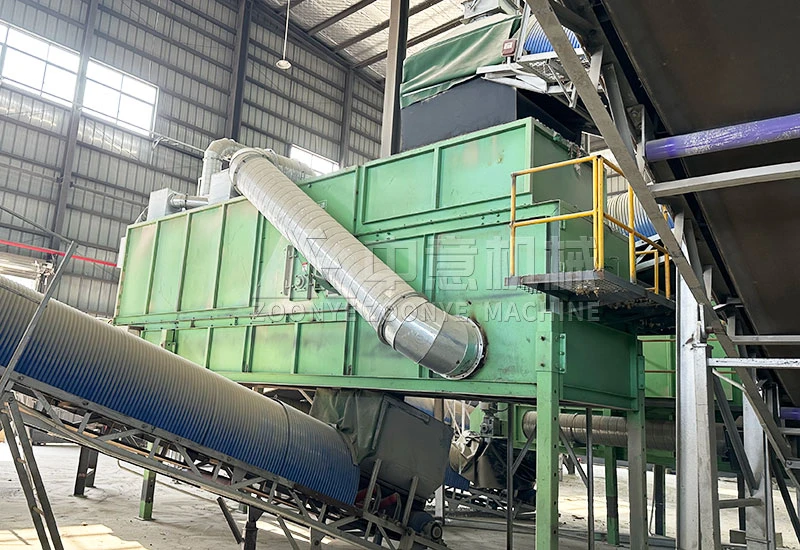
The blower, airflow volume, negative-pressure arrangement and airflow adjustment all affect the separation result and equipment cost. A higher pressure rating does not automatically give better separation. What matters is whether the airflow matches the feed material, target fraction and throughput.
Automation and Electrical System
A basic wind sifter may only need standard motor control, while a larger plant may require frequency converters, adjustable airflow and PLC control. We recommend specifying these functions according to the actual operating process rather than adding automation that the plant does not need.
Machine Type and Layout
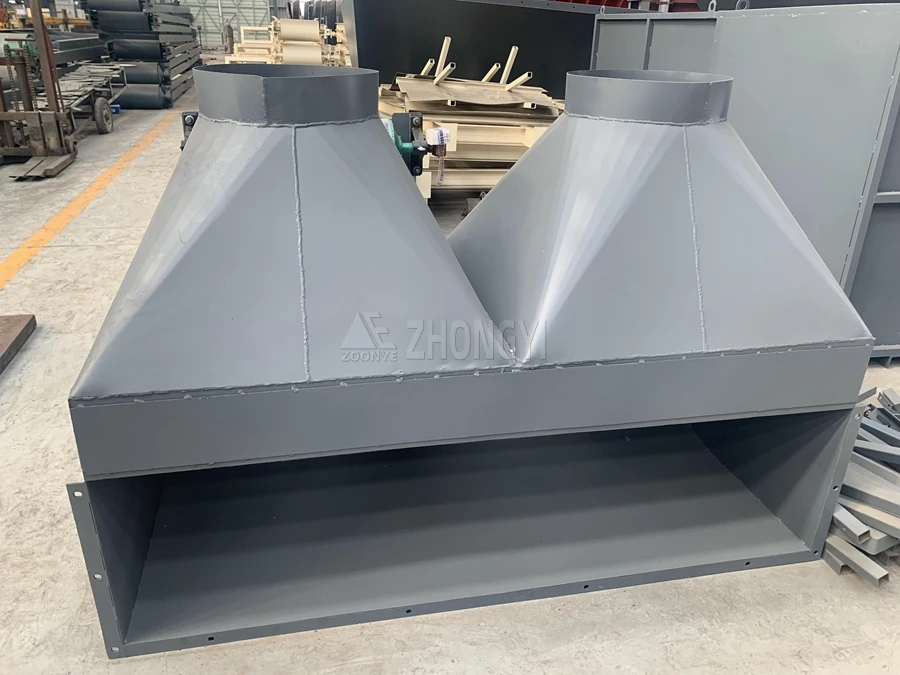
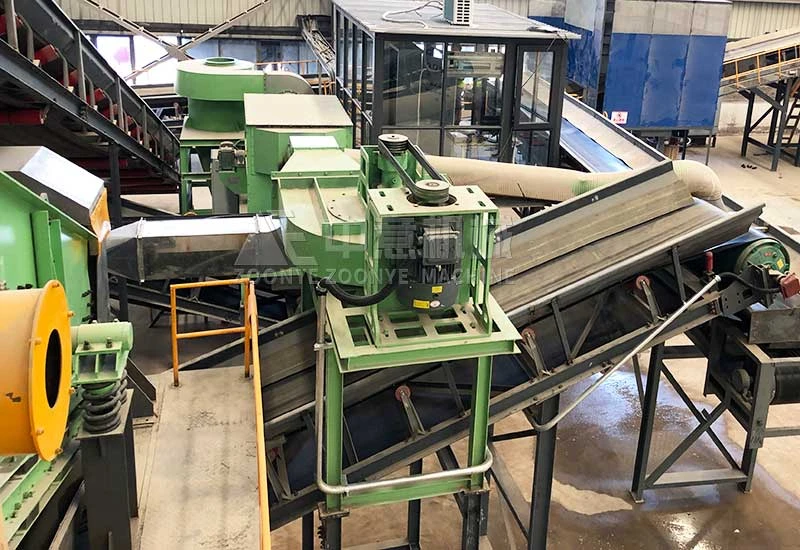
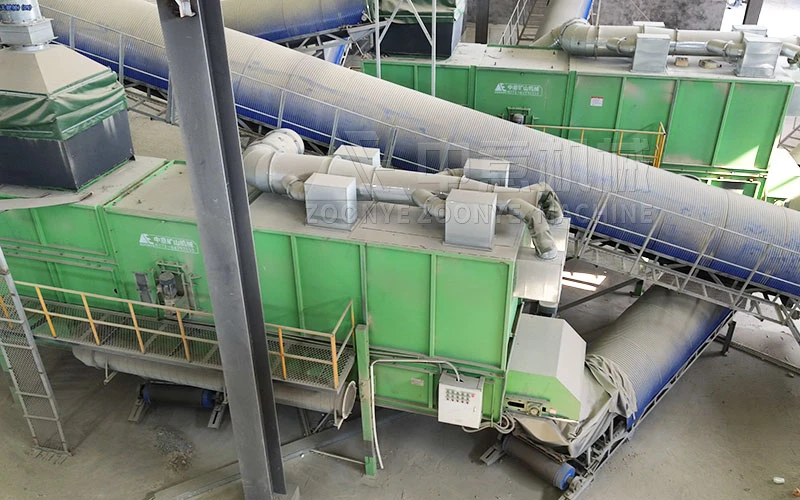
Horizontal, vertical, hanging, containerized and high-density designs suit different plant layouts and waste streams. Available space, existing conveyors and the position of upstream and downstream equipment can all affect the final configuration and wind sifter price.

What Is the Real Delivered Cost for an Indonesian Waste Plant?
The quoted wind sifter price is only one part of the final delivered and installed cost. For an Indonesian waste plant, the total budget can include equipment, international freight, customs and port handling, inland transportation, installation and site works.
Delivered Cost = Equipment + Freight + Customs & Port Handling + Inland Transportation + Installation
| Cost Item | Main Cost Driver |
| Thiết bị | Machine type, capacity and configuration |
| Freight & import | Shipping route, destination port and import requirements |
| Inland transportation | Plant location, distance and road access |
| Installation | Mechanical, electrical and commissioning scope |
Equipment and Delivery Terms
Before comparing quotations, check whether the price is FOB China, CIF Indonesia or project-site delivery. Also confirm whether the blower, electrical cabinet, conveyors and other accessories are included. A lower equipment price does not always mean a lower final project cost.
Freight, Import and Plant Transportation
The wind sifter shipping cost depends on equipment size, weight, packing and destination. After arrival in Indonesia, customs clearance, port handling and inland transportation also need to be considered. The final cost can vary depending on the destination port and how far the waste plant is from the port.
Installation and Site Works
The wind sifter installation cost depends on the existing plant and required service scope. Mechanical installation, electrical connection, airflow adjustment and commissioning may need to be included. Civil foundations, support structures and site electrical work may also be outside the equipment quotation.
For procurement, compare the cost of getting the wind sifter delivered, installed and ready to operate—not only the equipment price.
Shipping a Wind Sifter Machine from China to Indonesia
International transportation is an important part of the delivered cost. Shipping a wind sifter from China to Indonesia involves more than ocean freight. Equipment dimensions, loading, destination port and final plant delivery all need to be considered before shipment.
Depending on the project location and shipping arrangement, Tanjung Priok in Jakarta and Tanjung Perak in Surabaya are important gateway options. The final route is planned according to the plant location and equipment requirements.
From China Factory to the Indonesian Plant
The typical delivery route is:
China Factory → Indonesia Port → Customs Clearance → Inland Transportation → Waste Plant
Before shipment, we check the equipment dimensions, loading method, container arrangement and unloading conditions. If oversized or specially configured components require additional handling, the transport and lifting plan is confirmed before shipment.
Our Logistics Coordination for Indonesian Projects
For Indonesian projects, we coordinate the delivery based on the equipment, shipping route and final plant location.
Our support can include:
- Equipment packing and loading planning
- Ocean shipment and port coordination
- Customs clearance coordination
- Port-to-site inland transportation
- Transit or nearby warehouse arrangements when required
- Site unloading and delivery coordination
- Spare parts transportation and storage planning
- Installation and commissioning support when required
This gives the customer a coordinated delivery process from China factory to Indonesian waste plant, instead of arranging each transportation stage separately.
For wind sifter Indonesia projects, we also consider what happens after delivery. Where required, technical support can be coordinated for installation, commissioning, on-site inspection, maintenance and repair.
Which Wind Sifter Is Suitable for an Indonesian Waste Plant?
There is no single wind sifter for every Indonesian waste plant. The right choice depends on the waste composition, moisture, separation target, processing capacity and available plant space. For Indonesian projects, we recommend selecting the equipment according to the actual waste condition and sorting process rather than capacity alone.
Containerized Wind Sifter
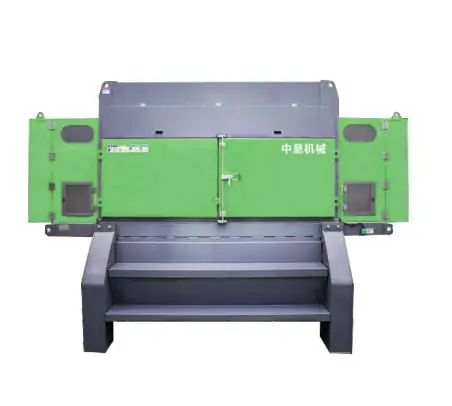
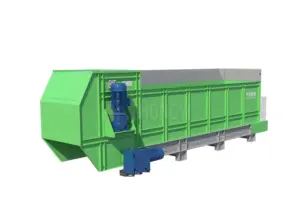
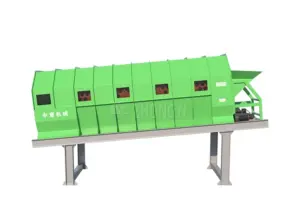
The FXJ Containerized Wind Sifter is designed for projects that need a compact and quickly deployable air-separation unit, with a processing range of 8–80 t/h. It can be considered for new sorting projects, remote sites and plants where extensive civil works are not preferred.
For Indonesian projects, the containerized design can simplify transportation and site preparation, making it practical where installation conditions are limited or equipment needs to be deployed in stages.


Negative Pressure Wind Sifter
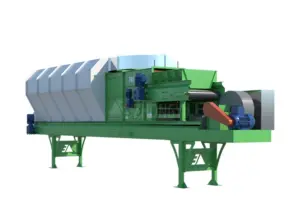
The FYF Horizontal và FXF Vertical Negative Pressure Wind Sifters provide two layout options for enclosed air separation. The choice mainly depends on available space, conveyor arrangement and the position of upstream and downstream equipment.
For Indonesian MSW projects, FYF can suit plants with a horizontal process layout, while FXF can be considered where a more compact vertical arrangement is preferred. For a direct comparison of these two configurations, see [Horizontal vs Vertical Wind Sifter Machine Difference].
Negative-pressure separation can also be useful when controlled airflow and a more enclosed sorting process are required in an MSW recycling line. More details are covered in [Advantages of Negative Pressure Wind Sifter for MSW Recycling].

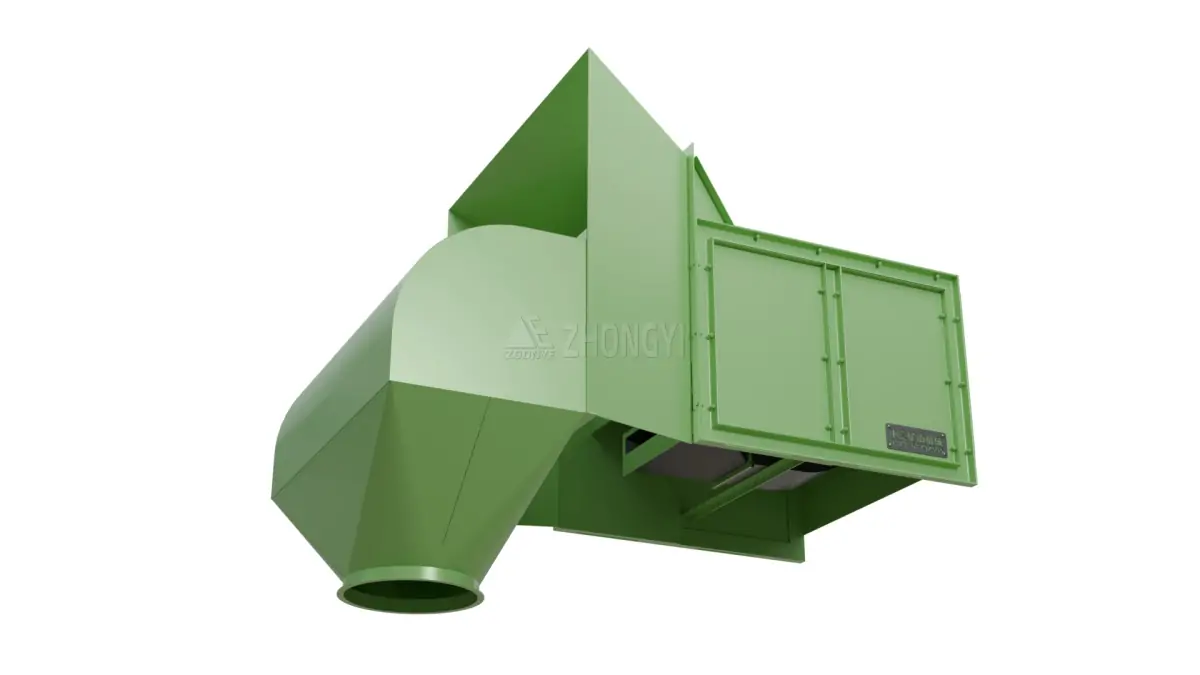
Hanging Wind Sifter3
The FXD Hanging Wind Sifter is designed for integration into an existing sorting line. Its suspended arrangement reduces the additional floor space required, making it suitable for retrofit projects where rebuilding the entire conveyor layout is not practical.
For Indonesian waste plants upgrading an existing line or working with limited floor space, FXD can add an air-separation stage while keeping changes to the existing layout relatively limited.
High-Density Wind Sifter
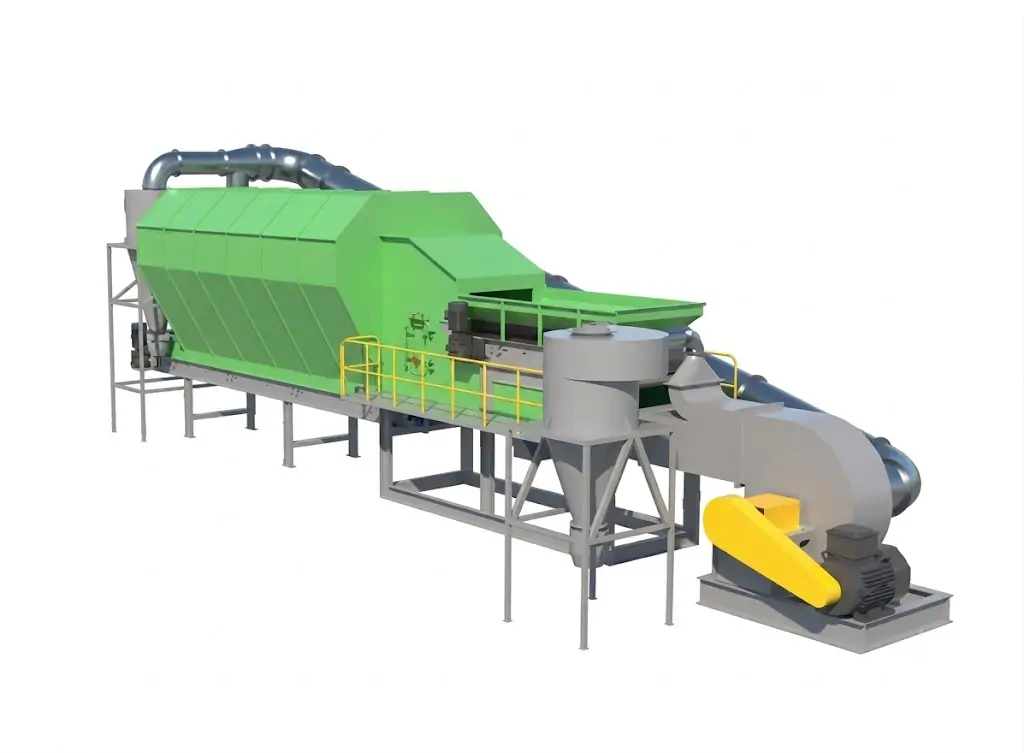
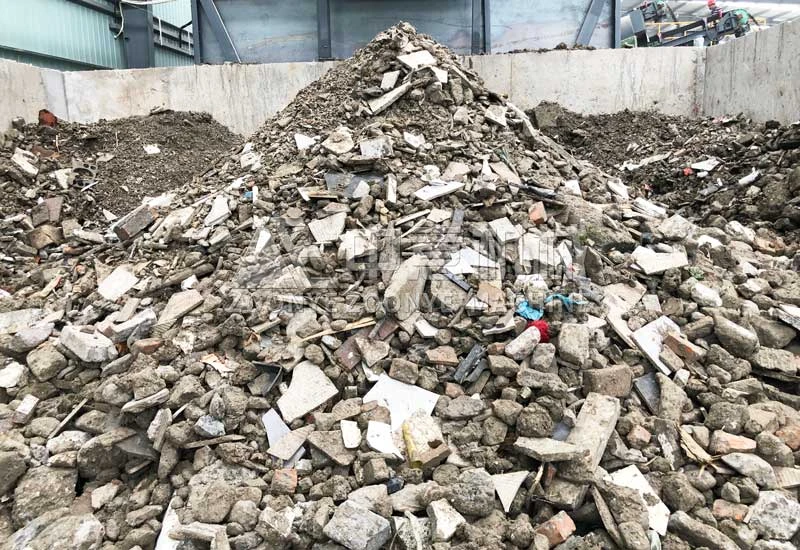
The FXG High-Density Wind Sifter is designed for applications where the feed contains a relatively high proportion of heavy mixed materials and a stronger separation process is required. It can be considered for C&D waste, heavy mixed waste and RDF/SRF-related applications.
For Indonesian projects handling heavier or more complex waste streams, FXG can be evaluated when a conventional air-separation setup does not provide the required separation duty. Final selection should be based on the actual feed material, particle size, capacity and target fractions.
How Wind Sifters Fit into an Indonesian MSW Sorting Plant?
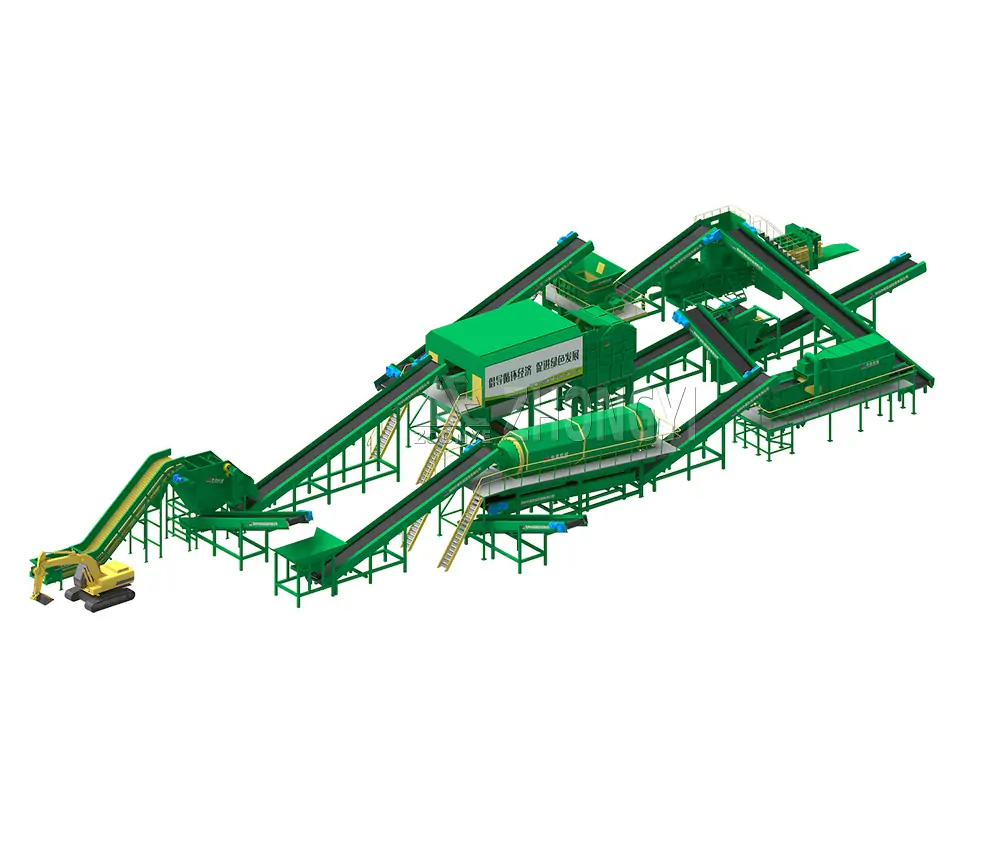
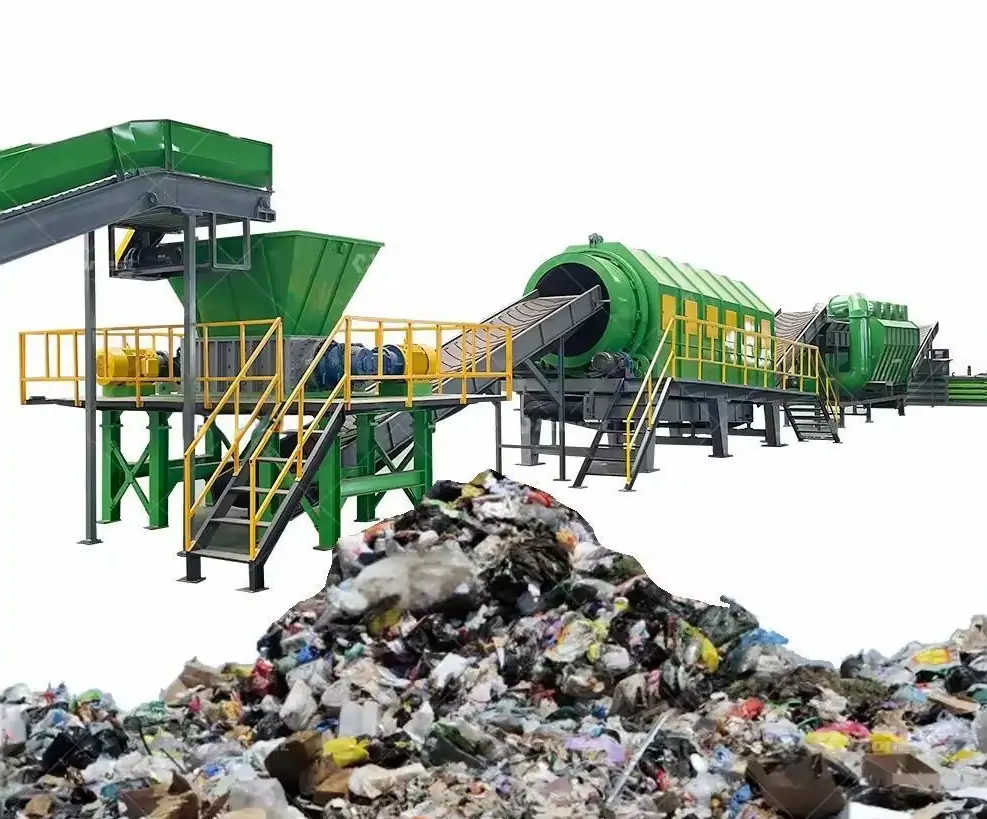
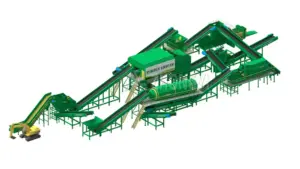
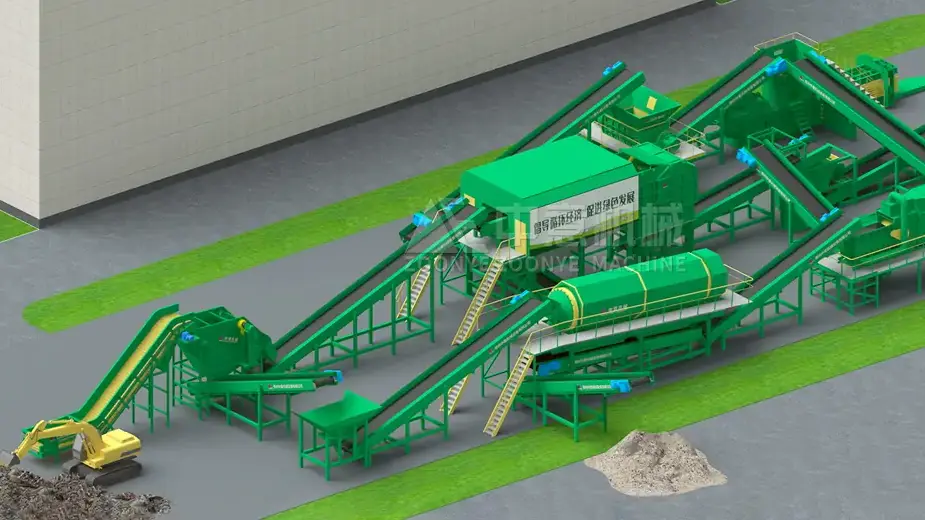
A wind sifter is normally one part of a larger MSW sorting plant Indonesia, rather than a standalone machine. A typical process may be:
Receiving → Bag Opening → Screening → Magnetic Separation → Wind Sifting → Optical Sorting → RDF / Recyclables / Residuals
The exact process depends on the waste composition, target products and downstream equipment. In an Indonesian waste sorting plant, the wind sifter is generally used after basic feed preparation to separate lighter and heavier fractions before further recovery or treatment.
Screening Before Air Separation
Screening is often installed before the wind sifter to remove oversized material, control feed size and reduce excessive fines. If the feed changes too much in size or contains too many fines, the airflow setting becomes harder to control.
For MSW projects, a trommel screen or similar equipment can prepare the material before it enters the wind sifter. This gives the air-separation stage a more consistent feed and makes the separation process easier to adjust.
Light and Heavy Fraction Separation
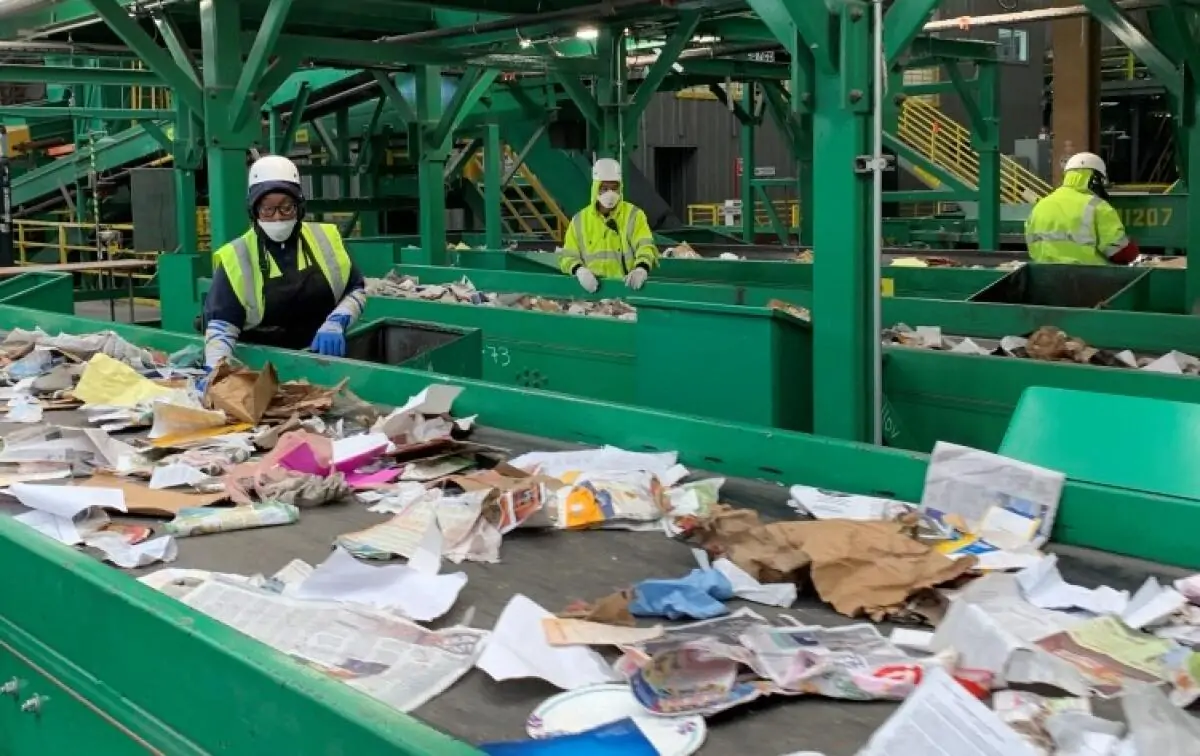
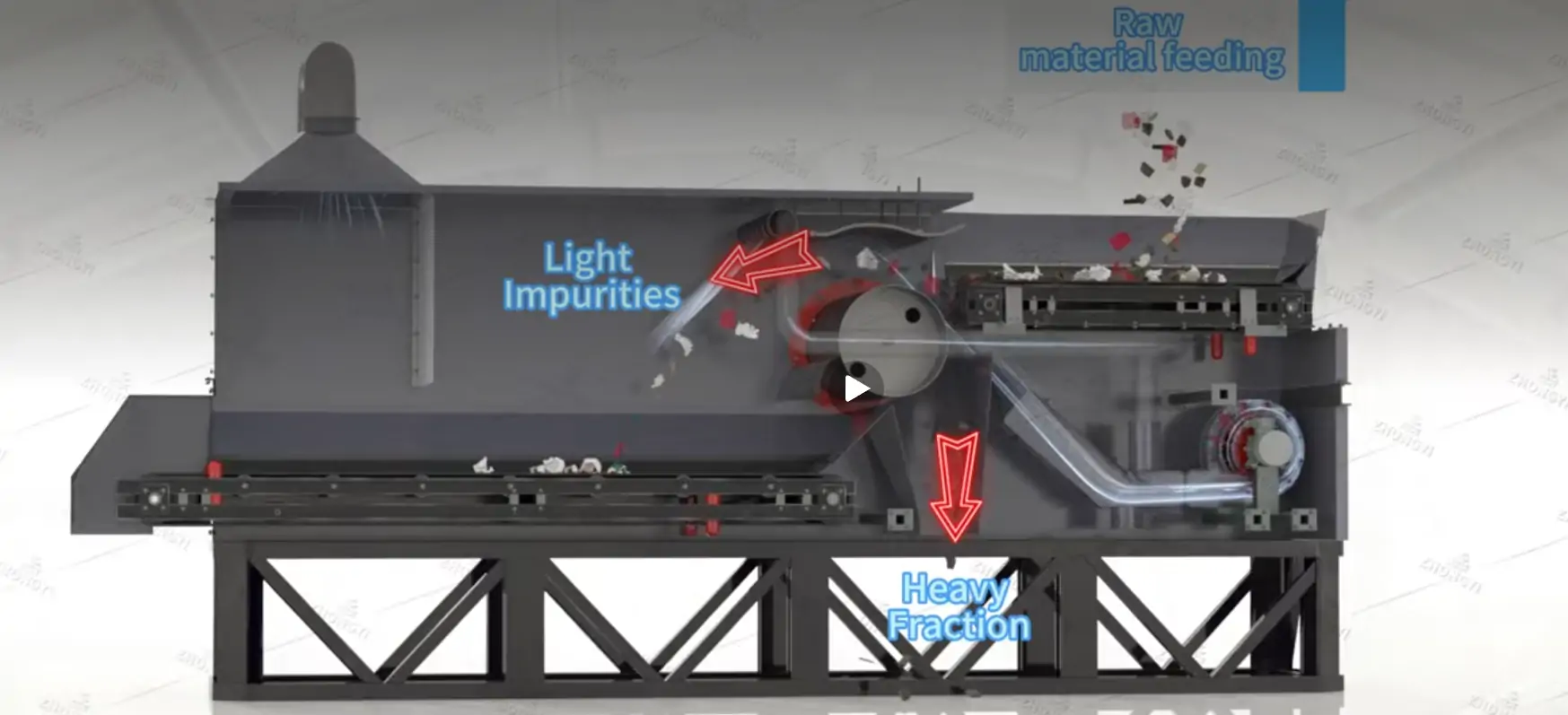
The wind sifter separates materials according to their response to airflow. The light fraction may include plastic film, paper, textile and lightweight packaging, while the heavy fraction may include stones, glass, soil and dense organic or inert materials.
The actual separation result depends on material size, density, moisture and airflow conditions. Some materials may behave differently when they are wet, attached to other materials or mixed with fines. A wind sifter does not identify materials individually; it separates them according to their physical behavior.
Integration with Other Sorting Equipment
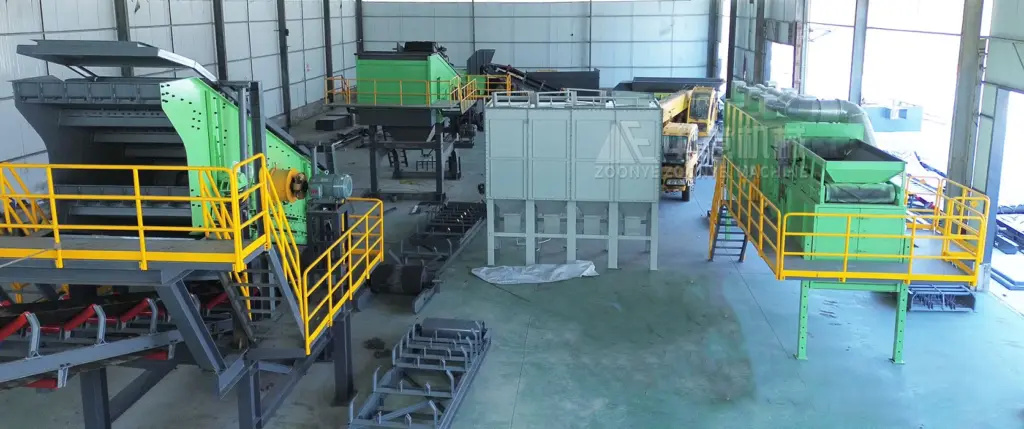
A wind sifter for MSW normally works together with other equipment. Screening prepares the feed, magnetic separation removes ferrous metals, wind sifting separates light and heavy fractions, and optical sorting can further classify selected materials. Conveyors connect these stages and also affect the final plant layout.
For an RDF plant Indonesia or other waste recovery project, different fractions can be directed to downstream processes according to the plant’s target products. This is why the wind sifter should be selected as part of the complete sorting process, rather than based only on its nominal capacity.
Main Considerations for Indonesian MSW Projects
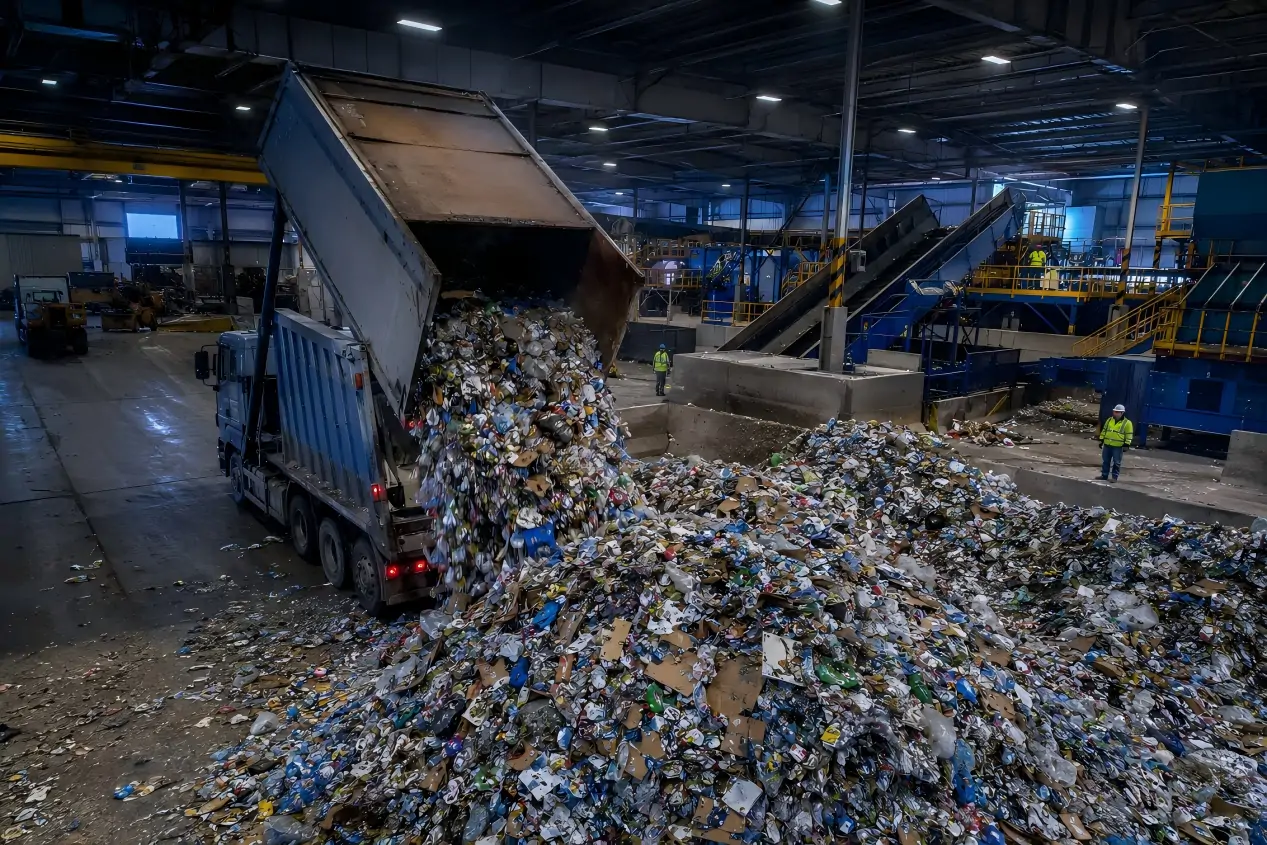
Indonesian MSW is not a uniform feed material. Moisture, waste composition, site access and maintenance conditions can vary from one project to another, and these differences can affect both equipment selection and operation. In practice, the material entering the wind sifter matters more than the nominal capacity shown on a specification sheet.For MSW recycling lines where controlled airflow and enclosed separation are important, a negative-pressure design can offer practical advantages. Advantages of Negative Pressure Wind Sifter for MSW Recycling explains these points in more detail.
High-Moisture and Mixed MSW
Mixed municipal waste can contain wet organics, sticky material, plastic film and fines. When these materials are mixed together, their movement through the sorting line can become less predictable, making feed preparation an important step before air separation.
A wind sifter for wet waste should therefore be evaluated against the actual feed condition. Screening, bag opening or removal of excessive fines may be required, depending on the material. The objective is not to assume that the machine can process any wet waste, but to establish a feed condition that the air-separation system can handle consistently.
Variable Waste Composition
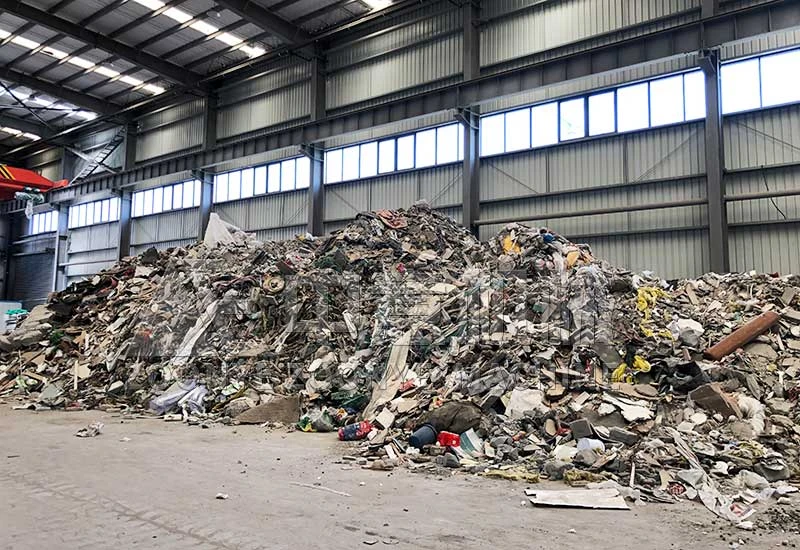
The material received by a plant may change with the municipality, collection system, season or waste source. A line handling household MSW may therefore see a different feed from one receiving commercial or pre-sorted waste.
This variation is one reason capacity alone is not enough for waste sorting Indonesia projects. Machine selection should be based on actual waste composition rather than nominal capacity alone, especially when the proportion of organics, film, fines and dense materials changes significantly.
Island-Based Transportation and Site Access
Getting the equipment to the plant can be a practical engineering issue in Indonesia. Depending on the project location, the route may involve a port, inter-island transportation, inland delivery and final lifting at a remote site.
Equipment dimensions should be checked before production, particularly when access roads, unloading space or lifting equipment are limited. In some cases, a containerized or modular arrangement can make delivery and site preparation easier.
Maintenance and Spare Parts Availability
A waste sorting plant does not stop being a production facility just because one machine needs maintenance. If a wind sifter is down, upstream and downstream equipment may also be affected, so the availability of wear parts and technical support should be considered during procurement.
For this reason, we discuss spare parts, inspection, maintenance and repair support before shipment rather than waiting until a problem occurs. The same consideration applies to installation and commissioning after the equipment reaches the plant.
Before Selecting a Wind Sifter
Before requesting a quotation, confirm:
- Feed: waste composition and moisture condition
- Capacity: actual hourly throughput
- Site: plant location, access and unloading conditions
- Service: spare parts and technical support requirements
This gives the supplier a more useful basis for equipment selection than throughput alone.
Installation and After-Sales Service in Indonesia
Buying a wind sifter for an Indonesian waste plant does not end when the equipment arrives at the site. Installation, commissioning, operator training and spare parts availability can directly affect when the equipment can be put into normal operation. For Indonesian projects, we can coordinate the required technical support according to the equipment configuration, plant layout and service scope.
Engineering and Installation Support
Before installation, we can provide installation drawings, layout confirmation and technical guidance to help connect the wind sifter with upstream and downstream equipment. Mechanical installation requirements and electrical interfaces can also be confirmed before shipment. For wind sifter installation Indonesia projects, this preparation helps reduce avoidable problems during assembly, while the actual installation scope depends on the equipment configuration and site conditions.
Commissioning and Operator Training
Commissioning normally starts with a no-load test to check mechanical and electrical operation, followed by a loaded test using actual feed material. Airflow and other operating conditions can then be adjusted according to the material and required separation result. Operator training covers normal operation, basic adjustments and routine inspection, while final settings are confirmed during commissioning based on the actual feed material.
On-Site Maintenance and Repair
For Indonesian customers who require field support, we can arrange on-site inspection, maintenance, troubleshooting and repair. This is useful when a problem cannot be resolved through remote technical guidance or when the equipment requires physical inspection. For wind sifter maintenance and wind sifter repair, our technical team focuses on identifying the cause of the problem, including possible mechanical, airflow, electrical or operating issues, before recommending corrective action.
Spare Parts Support
Spare parts planning should be considered before shipment, especially when replacement components may take additional time to reach the plant. We can help identify recommended spare parts, wear parts and critical components according to the equipment configuration. Where required, spare parts can be shipped together with the original equipment or arranged separately for future maintenance. This allows critical parts to be planned before they are needed, reducing the risk of extended downtime during future maintenance.
How to Get an Accurate Wind Sifter Machine Cost in Indonesia?
To prepare an accurate wind sifter quotation, Indonesian buyers should provide several basic project details. This information helps the supplier select the suitable configuration and estimate the wind sifter price Indonesia buyers need to budget for.
- Waste type: MSW, C&D waste, industrial waste or RDF feedstock.
- Processing capacity: Required throughput in t/h or m³/h.
- Feed size: Approximate particle size entering the wind sifter, especially after upstream screening.
- Moisture condition: Whether the material is dry, damp or contains wet organics and sticky fines.
- Target separation: What needs to be separated, such as lightweight plastics and paper from stones, glass, soil or other dense materials.
- Plant location: City, island and project location in Indonesia to assess transportation and site access.
- Delivery requirement: FOB China, CIF Indonesia or project-site delivery.
With these details, we can evaluate the suitable wind sifter configuration and prepare a project-based quotation and delivery plan based on the actual waste and plant conditions.
Kết luận
Wind Sifter Machine Cost Indonesia should not be judged by the equipment quotation alone. The machine price is only one part of the total project cost, while Indonesian project conditions such as waste composition, moisture, plant location, transportation and site requirements can affect both equipment selection and delivered cost. Reliable logistics, installation, commissioning and maintenance support also matter when evaluating the real value of a wind sifter for a waste plant.
For Indonesian waste projects, Zhongyi ECO supports customers from equipment selection and China-side logistics planning through installation, commissioning, spare-parts preparation and on-site maintenance when required. If you are planning a waste sorting or RDF project in Indonesia, contact us with your waste type, required capacity and plant location. We can review the project conditions and prepare a suitable wind sifter configuration, quotation and delivery plan.


Andy Yu
Kỹ sư kỹ thuật | Zhongyi ECO
16+
Năm kinh nghiệm.
300+
Giải pháp
50+
Quốc gia
16 năm kinh nghiệm trong lĩnh vực quản lý môi trường và chất thải rắn, chuyên về các giải pháp tái chế C&D và phân loại chất thải. Tại Zhongyi Mining Machinery, tập trung vào việc nâng cao hiệu quả cho khách hàng toàn cầu thông qua chuyên môn kỹ thuật và cấu hình tùy chỉnh.
Câu hỏi thường gặp
Máy sàng gió để phân loại rác thải có thể có giá khoảng 20.000–150.000+ USD, tùy thuộc vào công suất, loại máy, thành phần rác thải, cấu hình luồng khí và mức độ tự động hóa. Một dây chuyền phân loại MSW hoàn chỉnh thường được báo giá riêng dựa trên phạm vi dự án. Những con số này là giá tham khảo ngân sách, không phải giá thị trường Indonesia cố định. Cũng cần xem xét chi phí vận chuyển, xếp dỡ tại cảng, vận tải nội địa, lắp đặt và các chi phí dự án khác.
Các báo giá khác nhau có thể bao gồm các cấu hình thiết bị và phạm vi dự án khác nhau. Công suất, đặc tính chất thải, yêu cầu về lưu lượng khí, mức độ tự động hóa, kết cấu máy và thiết bị phụ trợ đều có thể ảnh hưởng đến giá. Điều khoản giao hàng cũng quan trọng vì một nhà cung cấp có thể báo giá FOB Trung Quốc, trong khi nhà cung cấp khác bao gồm cả vận chuyển hoặc các dịch vụ bổ sung. Do đó, người mua nên so sánh phạm vi thiết bị và tổng chi phí giao hàng thay vì chỉ chọn máy sàng gió dựa trên báo giá ban đầu thấp nhất.
Tổng chi phí dự án có thể bao gồm máy sàng gió, cước vận chuyển, thủ tục hải quan và xếp dỡ tại cảng, vận chuyển nội địa, lắp đặt và thi công tại công trường. Phạm vi chính xác phụ thuộc vào điều kiện giao hàng và yêu cầu dự án. Trước khi so sánh báo giá, cần xác nhận xem các bộ phận như quạt thổi, tủ điện, băng tải và các phụ kiện khác có được bao gồm hay không. Điều này giúp người mua Indonesia hiểu được chi phí giao hàng và lắp đặt thực tế thay vì chỉ so sánh giá thiết bị.
The suitable wind sifter depends on waste composition, moisture, processing capacity, separation target and plant layout. Containerized, horizontal, vertical, hanging and high-density designs serve different applications. For Indonesian MSW projects, the machine should be selected according to the actual feed material and process requirements rather than nominal capacity alone. Existing conveyors, available floor space and upstream screening can also affect the final configuration.
A wind sifter can be used with MSW containing moisture, but performance depends on the actual feed condition. Wet organics, sticky fines and plastic film can change how materials move through the airflow and may affect separation. Depending on the waste, screening, bag opening or other feed preparation may be required. The equipment should therefore be evaluated against representative waste conditions rather than assuming that every type of wet MSW can be processed directly.
A practical quotation normally requires the waste type, processing capacity, feed size, moisture condition, target separation, plant location and delivery requirement. Information about upstream screening and downstream equipment is also useful when the wind sifter will be integrated into an existing sorting line. These details help the supplier determine the appropriate equipment configuration, logistics scope and installation requirements instead of quoting only a standard machine.
Yes. Installation and commissioning support can be arranged according to the project requirements. Before installation, drawings, layout connections, mechanical requirements and electrical interfaces can be confirmed. Commissioning normally includes mechanical and electrical checks, no-load testing, loaded testing and airflow adjustment based on the actual feed material. The final service scope depends on the equipment configuration, plant layout and conditions at the Indonesian waste plant.
For Indonesian customers who require field support, on-site inspection, maintenance, troubleshooting and repair can be arranged. Spare parts can also be planned according to the equipment configuration, including recommended wear parts and critical components. Where required, parts can be shipped with the original equipment or arranged separately for future maintenance. Planning critical spare parts before operation can help reduce waiting time and the risk of extended downtime.