












Giới thiệu
For waste recycling plant operators, investing in an AI waste sorting machine requires more than comparing equipment prices. The key question is whether the expected savings and additional material recovery can justify the total investment. Potential returns depend on processing capacity, waste composition, labor costs, and the market value of recovered materials. Plants handling sufficient volumes of suitable feed material may have greater opportunities to benefit, but actual results depend on how well the sorting system performs under site conditions.
The purchase price is only one part of the calculation. Feed preparation, integration with existing equipment, installation, power consumption, maintenance, and unplanned downtime can all affect operating costs and the payback period. This article examines AI waste sorting machine cost, potential ROI, suitable applications, and equipment selection criteria. By evaluating these factors against actual production conditions, plant operators can determine whether the AI waste sorting machine investment value justifies the cost for their facility.For a closer look at how AI identifies waste materials and coordinates physical separation, read [Nguyên lý nhận diện và phân loại của hệ thống phân loại rác AI].
What Is an AI Waste Sorting Machine?
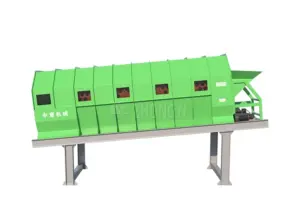
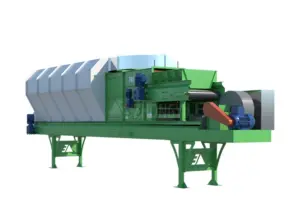
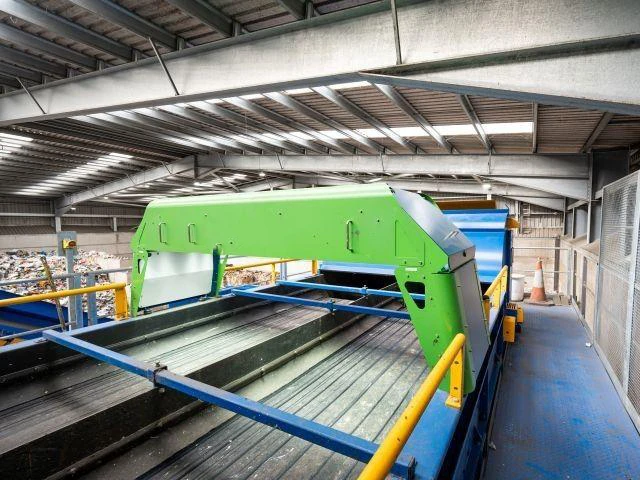
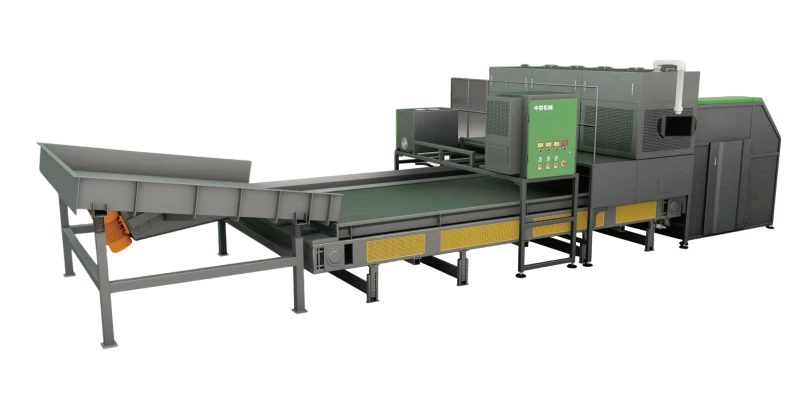
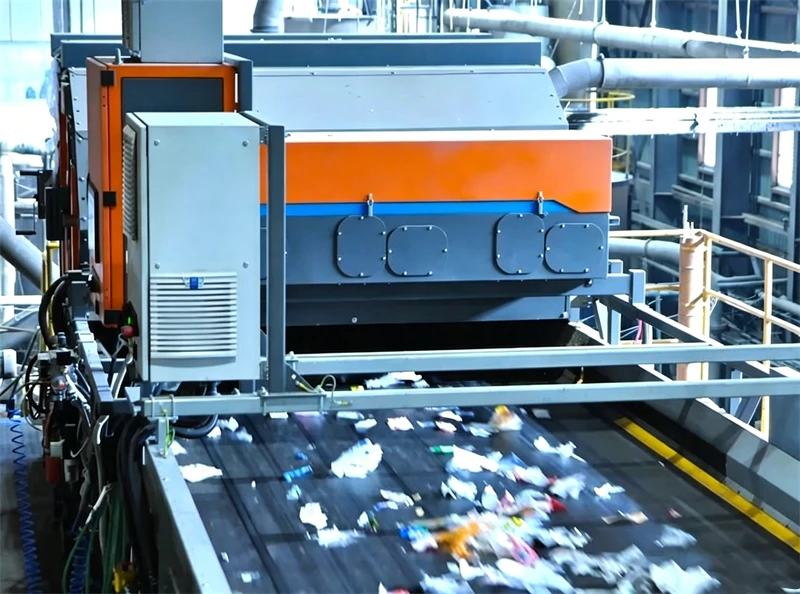
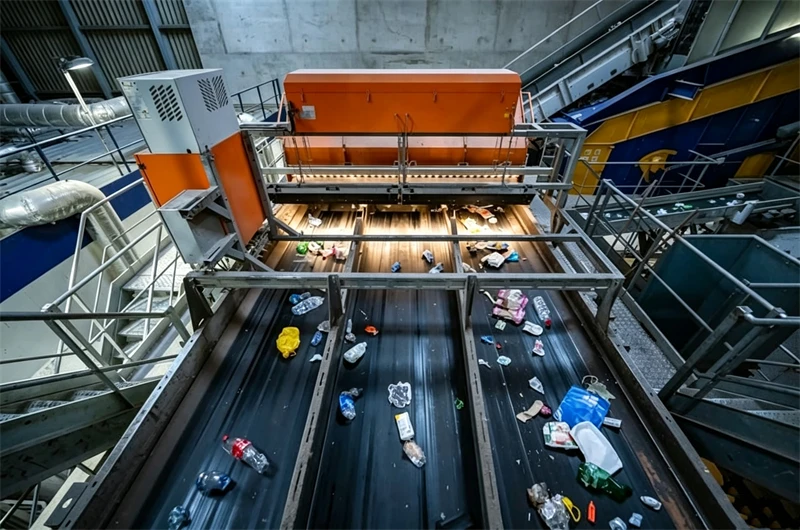
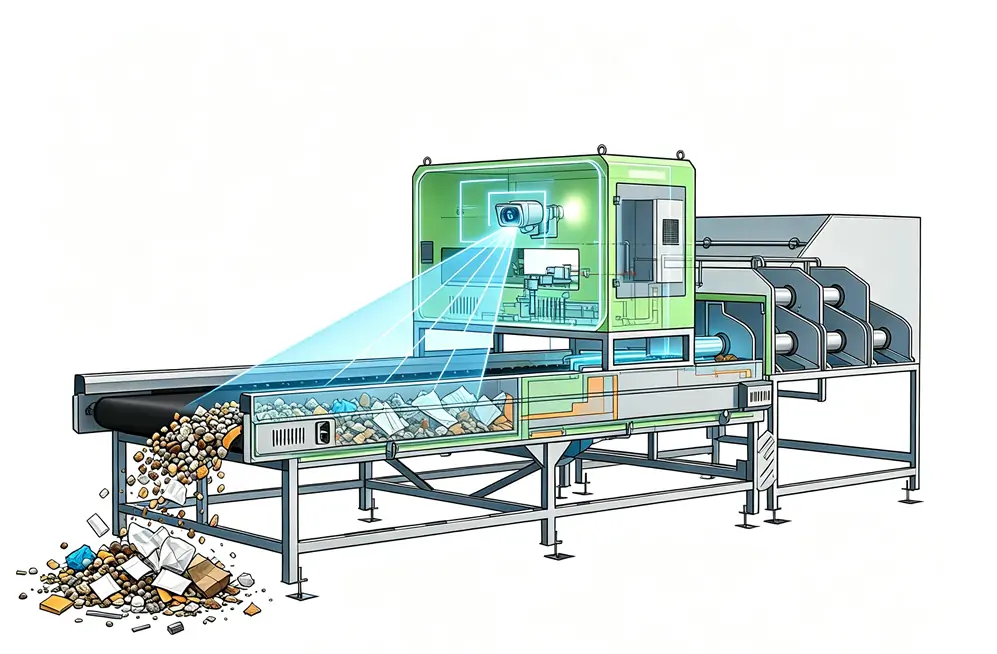
An AI waste sorting machine, also called an AI waste sorting system or AI-powered waste sorting robot, uses machine vision and AI algorithms to identify target materials in mixed waste and control the sorting process. Depending on the application, separation may be carried out by robotic arms, air jets, or other mechanical devices. In industrial recycling plants, the equipment is used to sort selected materials such as plastics and other recoverable items, reducing the amount of manual picking required. Actual sorting results depend on the waste composition, material condition, feeding consistency, and equipment configuration.
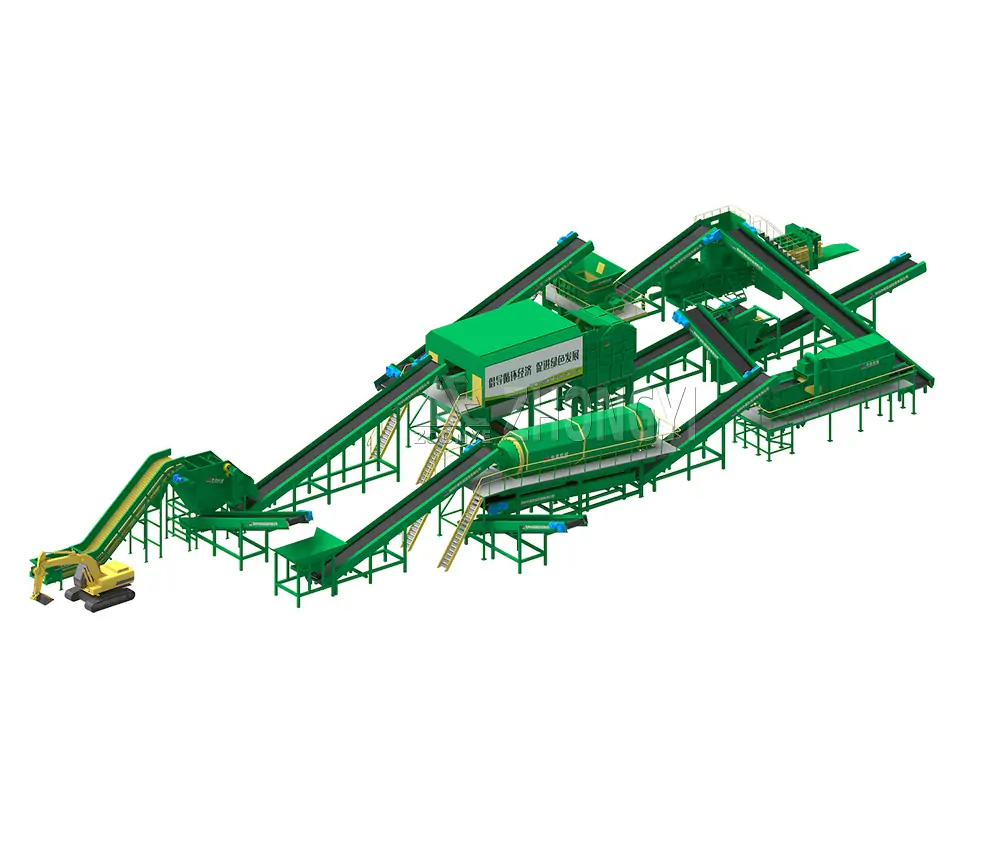
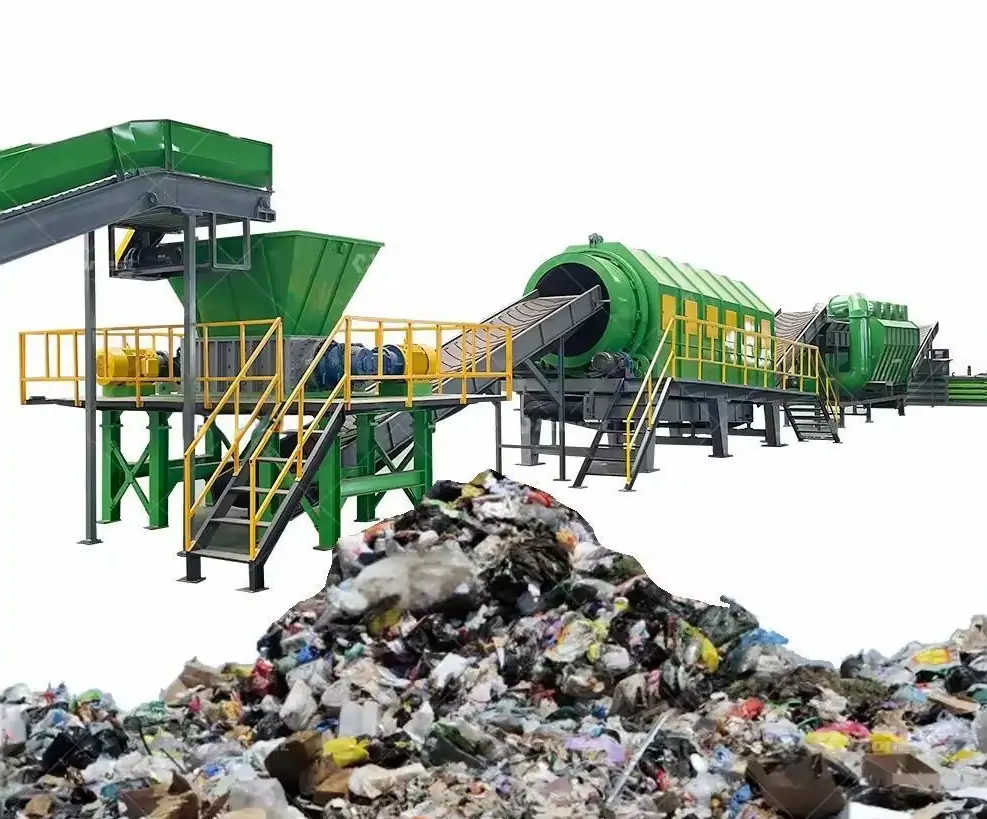
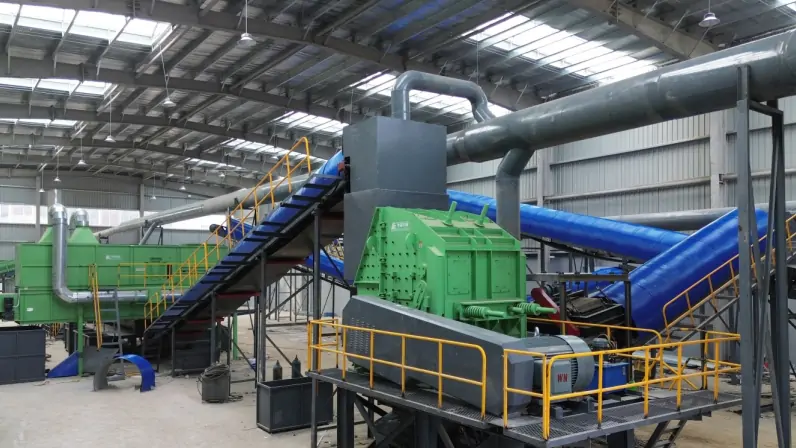
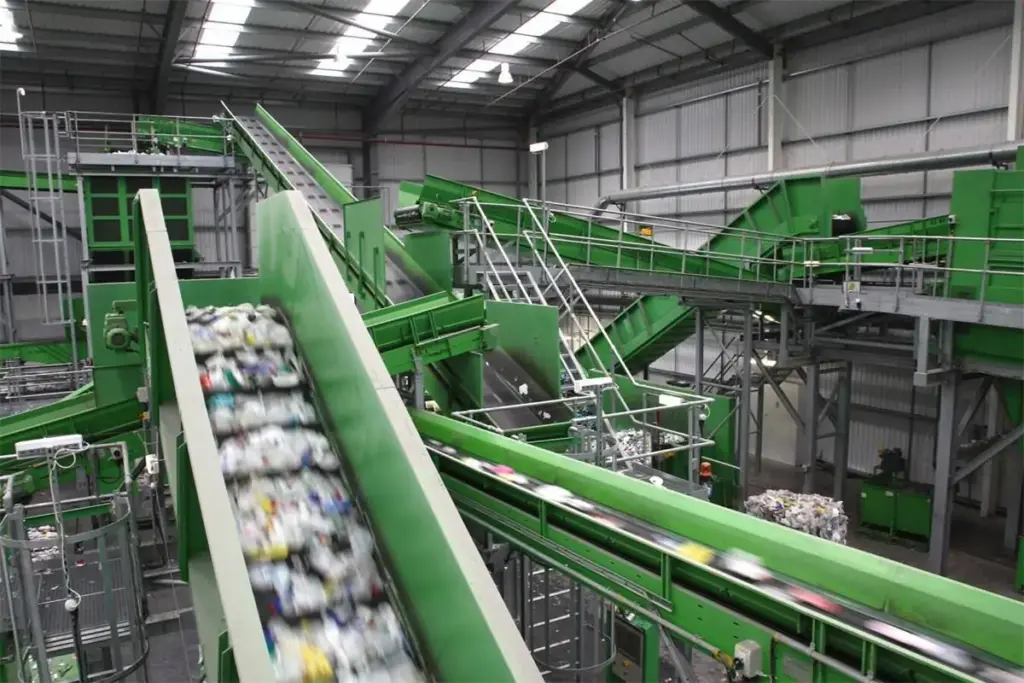
An AI waste sorting machine usually works as part of a complete recycling line. Upstream equipment, such as bag openers, screens, and conveyors, prepares the waste and spreads it across the sorting belt. After AI sorting, the recovered materials are directed to collection points or further processing equipment. Magnetic separators và eddy current separators may also be used to recover ferrous and non-ferrous metals, depending on the process design. When selecting an AI waste sorting system, consider how it fits the existing line, the materials to be recovered, and the output quality required by downstream buyers.
How Does an AI Waste Sorting Machine Work?
The process generally involves three stages: image or sensor data capture, material recognition, and physical separation. Cameras or other sensors collect information about materials moving along a conveyor. The AI system analyzes the data and classifies target items, then sends the results to a control system that coordinates the sorting mechanism. The separation method varies by equipment type. Overlapping materials, surface contamination, moisture, and uneven feeding can affect recognition, while recognition accuracy alone does not determine the final recovery rate or output purity. Proper screening and consistent material distribution help the system perform as intended.
For more on the factors that affect sorting precision and practical performance, read High Precision AI Waste Sorting Machine Core Advantages.
What Makes an AI Waste Sorting Machine Worth the Investment?
An AI waste sorting machine may help a recycling plant cut manual sorting hours, recover more saleable materials, and maintain more consistent output quality. The actual benefit depends on the waste being processed, the line’s throughput, and the value of the recovered materials. Before investing, plant operators should compare the expected savings and additional revenue with the costs of purchasing, integrating, and running the equipment.
Lower Manual Sorting and Recruitment Costs
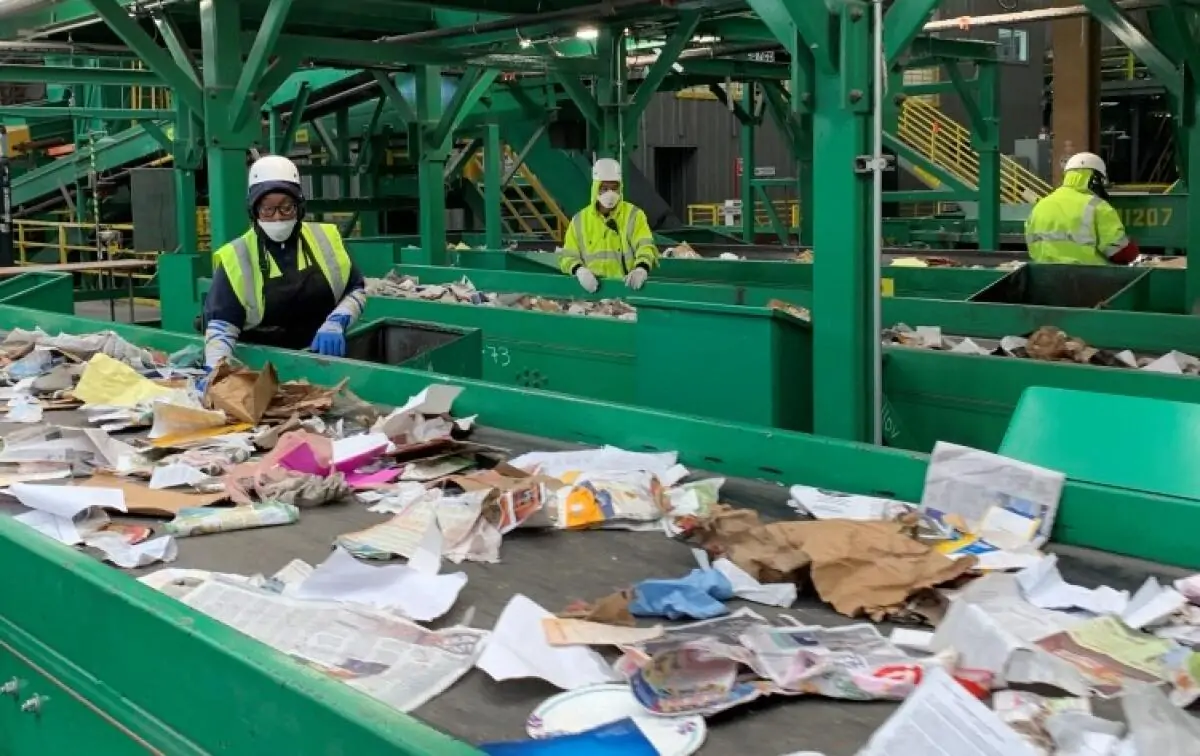
Manual sorting involves more than wages. Shift coverage, recruitment, training, and staff turnover also add to operating costs. AI waste sorting automation can reduce the hours workers spend picking materials by hand, particularly on high-volume lines with a reasonably consistent feed. However, the plant may still need operators, quality inspectors, and maintenance technicians. When calculating labor savings, use the hours and payroll costs that can realistically be reduced or reassigned after installation, rather than counting every existing sorting position as an eliminated cost.
Higher Material Recovery and Product Value
An AI waste sorting system can help recover target materials that would otherwise be missed or reduce unwanted materials in the sorted output. The commercial result depends on both recovery rate and output purity. A higher recovery rate does not automatically translate into higher revenue: buyers may reject contaminated material or pay less for output that fails their specifications. To estimate additional income, compare saleable output before and after installation, apply realistic selling prices, and account for any changes in residual waste disposal costs. Material already recovered by the existing line should not be counted again as a new benefit.
More Consistent Sorting Performance
Manual sorting results can vary between workers and shifts, particularly when workloads are heavy or waste composition changes. An automated system can reduce some of this variation, although feed conditions and machine settings still affect performance. Track throughput, recovery rate, output purity, manual re-sorting, and unplanned downtime during normal production. Comparing these figures over a representative operating period helps establish whether the machine is improving day-to-day performance, rather than simply producing good results during initial testing.
Reduced Exposure to Repetitive and Hazardous Tasks
Workers handling mixed waste may encounter sharp objects, contaminated materials, dust, and repetitive picking movements. Automated recycling equipment can reduce direct handling of selected materials and the time workers spend on these tasks. It does not remove every hazard, however. Staff may still need to inspect output, clear blockages, or maintain the equipment. Machine guarding, emergency stops, and safe maintenance procedures remain necessary wherever automated sorting is installed.
AI Waste Sorting Machine Cost: What Does the Investment Include?
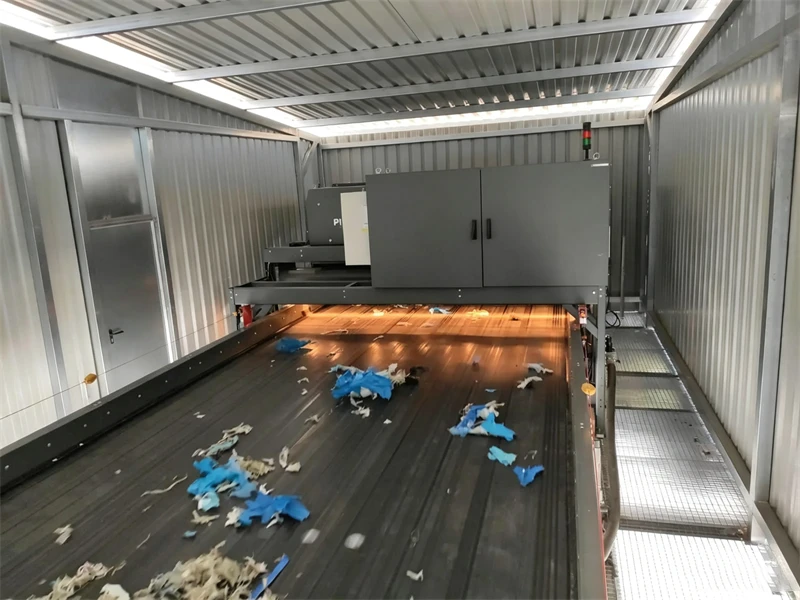
The price of an AI waste sorting machine covers only the items specified in the quotation. Depending on the project, buyers may also need to budget for feeding and conveying equipment, electrical work, installation, integration with the existing line, and ongoing maintenance. A standalone sorting unit and a complete sorting system should therefore be evaluated against their respective scopes of supply, not just their quoted prices.
The main cost items fall into four categories.
| Cost category | What to include |
| Equipment and installation | Sorting unit, sensors, control system, conveyors, installation and commissioning |
| Operating and maintenance | Electricity, wear parts, routine servicing, training and technical support |
| System integration | Feed preparation, conveyor modifications, electrical interfaces and downstream equipment |
| Additional project costs | Civil works, lifting and unloading, unplanned repairs, downtime and spare parts logistics |
Initial Equipment and Installation Costs
The equipment price varies with processing capacity, target materials, sorting technology, and the scope of supply. Some quotations cover only the AI sorting unit, while others include sensors, sorting mechanisms, conveyors, controls, and auxiliary equipment. Buyers should check the itemized quotation to understand exactly what is included.
Installation may involve electrical connections, foundations, lifting, commissioning, and changes to the plant layout. New conveyors or modifications to existing equipment can add to the initial investment. Confirming these requirements before placing an order makes it easier to compare quotations on the same basis.
Operating Costs, Maintenance and Spare Parts
Running costs include electricity, routine inspections, wear parts, replacement components, and technical support. Software or subscription fees should be included only if they form part of the proposed system. Maintenance requirements vary with equipment configuration, operating hours, and the condition of the incoming waste.
Planned servicing is only one part of the maintenance budget. Unexpected breakdowns can also increase repair expenses, interrupt production, and delay material deliveries. Before purchasing, ask the manufacturer about maintenance intervals, recommended spare parts, parts availability, and the technical support available at your site.
New Plant Installation vs. Existing Line Retrofit
For a new plant, equipment layout, conveyor routes, feed distribution, and downstream collection can be coordinated during the design stage. This allows the sorting unit to be positioned around the planned material flow and required throughput.
Retrofitting an existing line can involve more constraints. Conveyor speed, material spacing, control interfaces, floor space, and downstream equipment may all need adjustment. As a result, two projects using similar AI sorting machines can have different total costs. Reviewing the current process and plant layout before ordering helps establish the required integration work.
Hidden Costs That Can Delay Payback
Insufficient screening, uneven feeding, or poorly prepared material can limit sorting performance even when the AI unit itself is correctly selected. Low utilization can also extend the payback period because the plant is not processing enough material to generate the expected benefit. Other potential expenses include unplanned repairs, delayed spare parts, additional civil work, and changes in the selling price of recovered materials.
When requesting an AI waste sorting machine quotation, provide the waste composition, required throughput, target materials, existing line layout, and project location. These details give the manufacturer a clearer basis for specifying the equipment and estimating installation and integration requirements.
A quotation should distinguish equipment supply from installation, integration, and ongoing operating expenses. This breakdown makes it easier to compare suppliers, establish a realistic project budget, and estimate the payback period.
How to Calculate AI Waste Sorting Machine ROI and Payback Period?
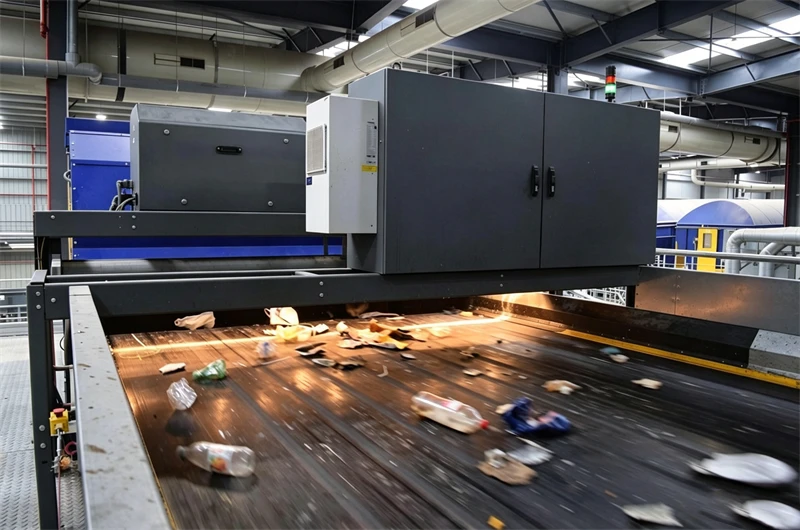
After estimating the total investment, the next step is to determine whether the expected operating savings and additional material revenue justify the cost. The calculation should be based on the plant’s current sorting performance and the improvements that can realistically be achieved after installation.
Annual net benefit = Labor cost savings + Additional material revenue + Disposal cost savings − Additional operating costs
Simple payback period = Initial investment ÷ Annual net benefit
For example, if the total investment is $300,000 and the estimated annual net benefit is $120,000, the simple payback period would be 2.5 years. These figures are illustrative only and should not be treated as a typical industry result or a guaranteed return.
In practice, the payback period depends on processing volume, operating hours, labor costs, material recovery, selling prices, and equipment downtime. Before investing, compare these factors with actual production records and a project-specific quotation. This provides a more realistic basis for deciding whether an AI waste sorting machine is financially suitable for your plant.
When Is AI Waste Sorting Automation a Good Investment?
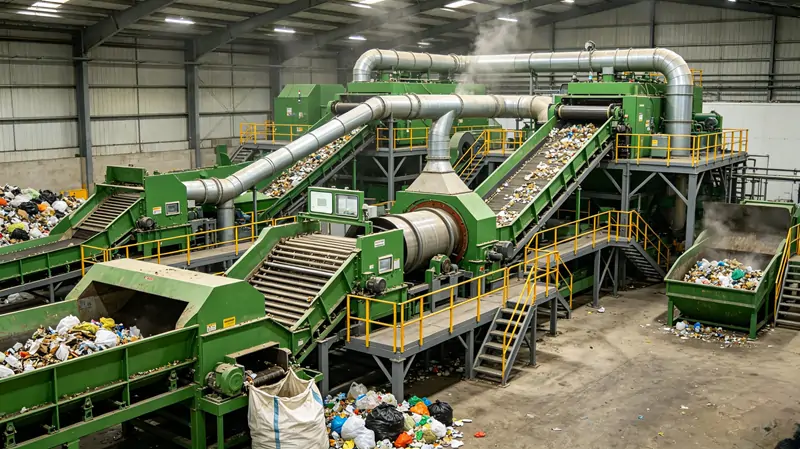
AI waste sorting automation is worth considering when existing equipment or manual labor cannot meet a plant’s sorting requirements efficiently. The investment depends on waste composition, target materials, labor costs, and downstream quality standards. The following applications highlight where AI sorting may be suitable and what to evaluate before purchasing.
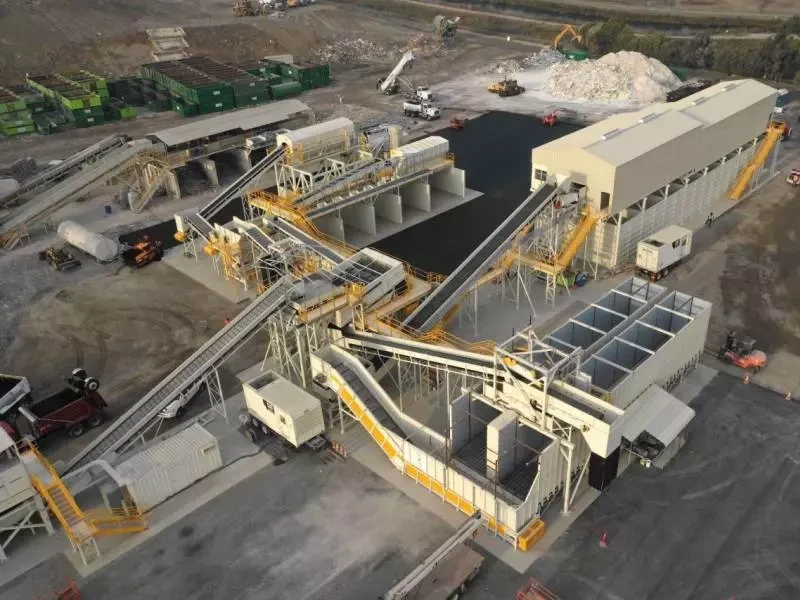
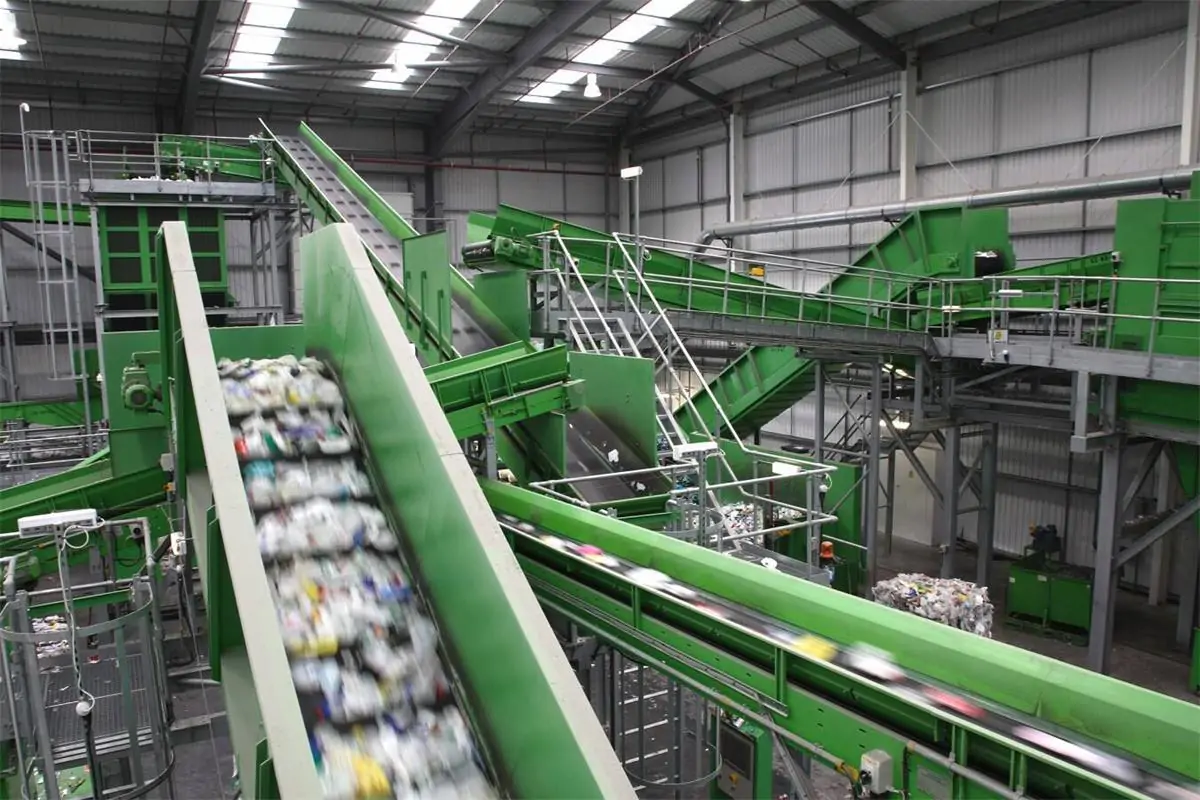
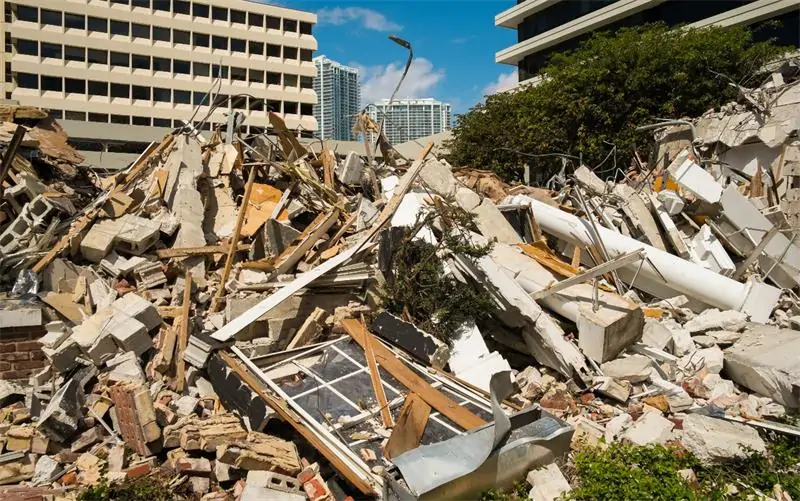
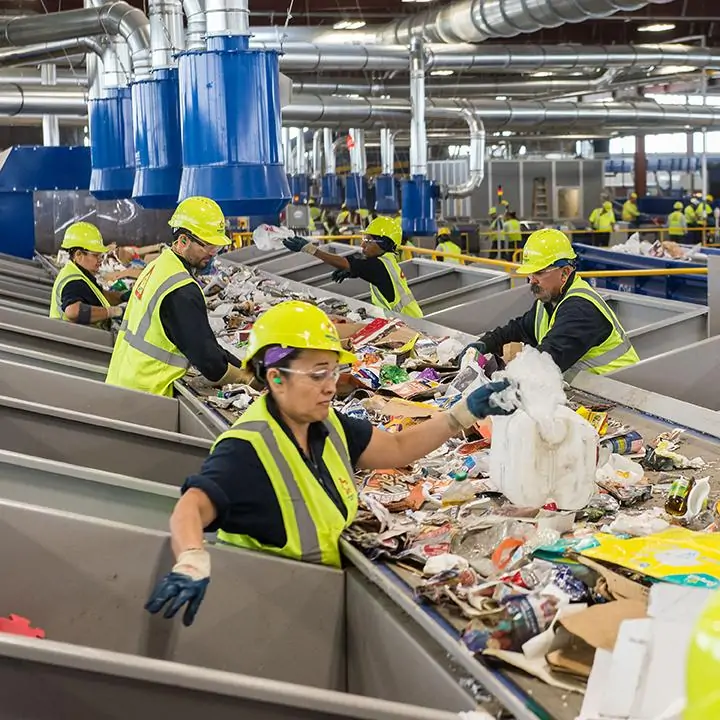
AI sorting is most suitable when the target materials, feed conditions, and expected operating benefits are clearly defined. These factors help determine whether the equipment fits the plant’s requirements and whether the potential savings and material recovery justify the investment.
When Is an AI Waste Sorting Machine Not Worth the Investment?
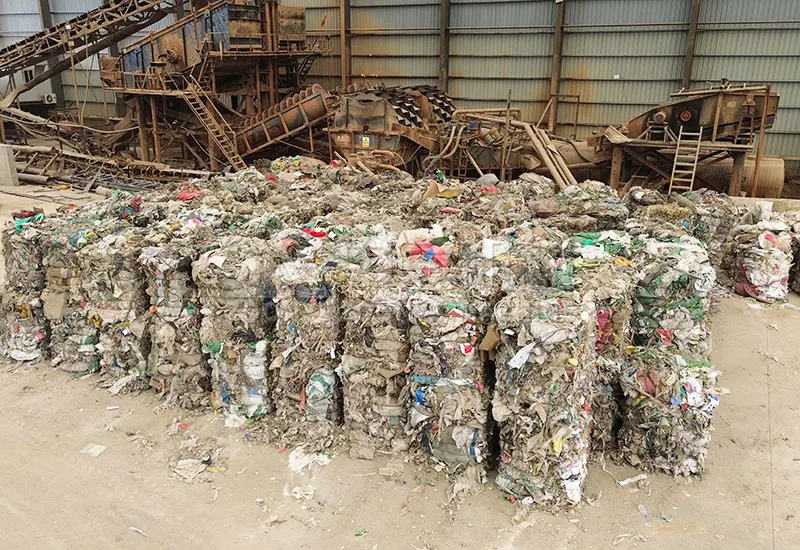
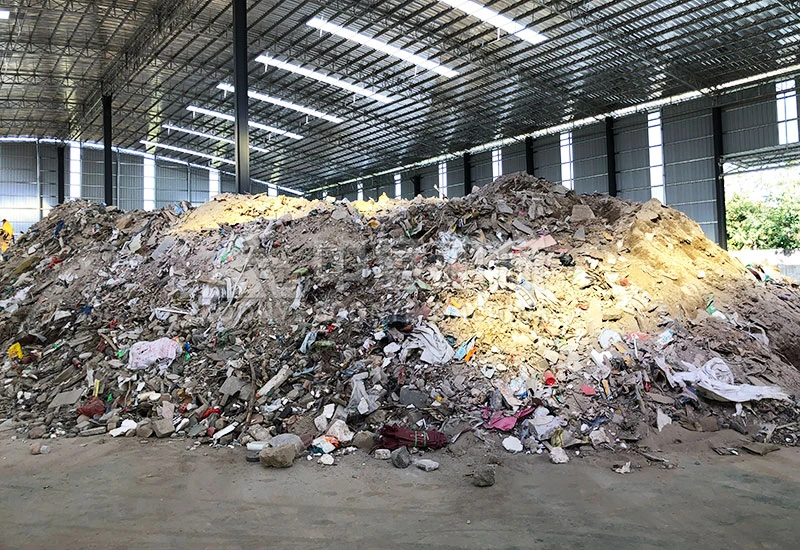
An AI waste sorting machine is not always the right choice for a recycling plant. If the line handles too little material, the waste is difficult to sort, or installation and maintenance costs are too high, the savings may not justify the purchase. Three common situations are worth checking before placing an order.
Low Throughput or Insufficient Recoverable Material Value
A plant with low throughput or short operating hours may struggle to recover the cost of an AI sorting machine. The same applies when the target materials have little resale value or manual sorting is relatively inexpensive. Labor savings and additional material sales may not cover the equipment and running costs. Use actual throughput, annual operating hours, labor expenses, and material prices to estimate the waste sorting equipment payback period.For a direct comparison, see [Manual Sorting vs AI Automatic Waste Sorting System] to understand the cost and performance differences.
Poor Feed Preparation and Highly Variable Waste Composition
Wet or sticky waste, overlapping materials, uneven feeding, and inconsistent particle sizes can affect identification and separation. An AI system cannot compensate for every problem upstream. Depending on the waste stream, screening, bag opening, or better conveyor feeding may be needed before the material reaches the sorting unit. Check the feed conditions first to determine whether the existing line needs improvement before adding AI equipment.
High Integration Costs and Limited Maintenance Support
Installing an AI sorting system in an existing plant may require conveyor changes, electrical work, or additional separation equipment. These modifications can push up the total project cost. Spare parts availability also matters: if a component fails and replacement parts take too long to arrive, production may be interrupted. Before ordering, confirm the installation scope, spare parts supply, maintenance requirements, and after-sales support available at your site.
For some plants, improving screening, feeding, magnetic separation, or manual sorting may be a more economical first step. If these changes address the main production bottleneck, an AI sorting machine may not be necessary yet.
How to Choose the Right AI Waste Sorting Machine for Your Plant?
The right AI waste sorting machine depends on the materials being processed, the required output quality, and the conditions of your existing line. Before comparing suppliers, define what needs to be separated, how much material the plant handles, and what the sorted output must meet. These requirements provide a practical basis for comparing equipment and quotations.
| Selection factor | What to evaluate |
| Target materials and sorting method | Identify the materials to be recovered and determine whether AI vision, optical sorting, robotic picking, or a combination of methods fits the application. |
| Công suất xử lý | Compare the rated throughput with actual feed volume, material composition, and planned operating hours. |
| Recovery rate and output purity | Request test results for comparable waste samples and clarify how recovery rate and output purity are measured. |
| Existing line compatibility | Review conveyor layout, feeding conditions, electrical interfaces, available space, and downstream equipment capacity. |
| Maintenance and future expansion | Check spare parts availability, maintenance access, technical support, and the options for adding capacity later. |
Before finalizing a purchase, ask the supplier to assess representative waste samples and explain how the proposed equipment is expected to meet your output requirements. This gives you a more useful basis for evaluating performance than advertised recognition rates alone.
Conclusion: Is AI Waste Sorting Machine Investment Value Worth It in 2026?
An AI waste sorting machine is worth investing in when the expected labor savings, additional material revenue, and reduced disposal costs justify the initial investment and ongoing operating expenses. The actual AI Waste Sorting Machine Investment Value depends on processing capacity, waste composition, labor costs, recovered material prices, and compatibility with the existing sorting line. Before purchasing, assess the expected AI waste sorting machine ROI using actual operating data, and confirm equipment performance, installation requirements, spare parts availability, and after-sales support.
Xinzhongyi ECO helps recycling plants evaluate waste characteristics, select suitable AI sorting equipment, and plan integration with the existing or new sorting line. To discuss a configuration for your project, contact us with your waste type, processing capacity, target materials, and plant layout. Our team can use these details to assess your requirements and recommend a suitable equipment configuration.


Andy Yu
Kỹ sư kỹ thuật | Zhongyi ECO
16+
Năm kinh nghiệm.
300+
Giải pháp
50+
Quốc gia
16 năm kinh nghiệm trong lĩnh vực quản lý môi trường và chất thải rắn, chuyên về các giải pháp tái chế C&D và phân loại chất thải. Tại Zhongyi Mining Machinery, tập trung vào việc nâng cao hiệu quả cho khách hàng toàn cầu thông qua chuyên môn kỹ thuật và cấu hình tùy chỉnh.
Câu hỏi thường gặp
Chi phí của một máy phân loại rác AI thay đổi tùy theo công suất xử lý, vật liệu mục tiêu, công nghệ phân loại và cấu hình thiết bị. Một thiết bị độc lập có thể có giá thấp hơn một dây chuyền phân loại hoàn chỉnh bao gồm băng tải, thiết bị sàng, hệ thống điều khiển và lắp đặt. Người mua nên yêu cầu báo giá chi tiết từng hạng mục bao gồm thiết bị, vận chuyển, tích hợp, chạy thử và các chi phí dự án khác để ước tính chính xác tổng mức đầu tư.
Máy phân loại rác AI có thể là một khoản đầu tư đáng giá khi tiết kiệm nhân công, doanh thu bổ sung từ vật liệu thu hồi và chi phí xử lý giảm vượt trội so với chi phí mua và vận hành. Giá trị của nó phụ thuộc vào công suất xử lý, thành phần rác, chi phí nhân công, giá vật liệu và số giờ vận hành. Các nhà máy có khối lượng xử lý đủ lớn và mục tiêu thu hồi được xác định rõ ràng thường có cơ sở vững chắc hơn để đánh giá khoản đầu tư.
Để ước tính ROI của máy phân loại rác AI, hãy so sánh khoản đầu tư ban đầu với lợi ích tài chính ròng hằng năm. Bao gồm tiết kiệm chi phí lao động có thể đạt được, doanh thu bổ sung từ vật liệu thu hồi có thể bán được và mọi khoản tiết kiệm chi phí xử lý, sau đó trừ đi chi phí vận hành và bảo trì bổ sung. Thời gian hoàn vốn đơn giản là khoản đầu tư ban đầu chia cho lợi ích ròng hằng năm. Sử dụng dữ liệu thực tế của nhà máy và các giả định vận hành thực tế thay vì mức trung bình ngành được đảm bảo.
An AI waste sorting machine can be configured to identify and separate selected materials, including certain plastics and other recoverable items. Its suitability depends on the material characteristics, sorting technology, and condition of the incoming waste. Municipal solid waste, construction and demolition waste, and plastic recycling streams may require different configurations. Representative waste testing helps establish whether the system can meet the required sorting targets.
An AI waste sorting machine can reduce manual picking for suitable materials, but it does not necessarily eliminate the need for workers. Staff may still be needed for quality inspection, equipment operation, maintenance, and handling materials that the system cannot separate effectively. When estimating labor savings, consider which tasks can realistically be automated and how staffing requirements will change after the equipment is installed.
Recovery rate measures the proportion of a target material recovered from the incoming waste, while output purity measures the proportion of the intended material in the sorted product. A high recovery rate does not automatically mean high purity. Buyers should assess both indicators using representative feed material and confirm that the sorted output meets downstream buyers’ specifications. Test conditions should reflect normal plant operation as closely as possible.
Yes, an AI waste sorting machine can often be integrated into an existing recycling line, provided the feeding system, conveyor layout, available space, electrical controls, and downstream equipment are compatible. Conveyor modifications or additional screening may be necessary to achieve consistent material presentation. Reviewing the current process and plant layout before purchase helps identify integration requirements, additional costs, and potential production interruptions during installation.
Maintenance costs may include routine inspections, cleaning, replacement parts, electrical repairs, and technical support. Actual expenses depend on equipment configuration, operating hours, and incoming waste conditions. Buyers should ask about recommended maintenance intervals, commonly replaced parts, spare parts lead times, and troubleshooting support. These details help estimate ongoing costs and assess the potential financial impact of unexpected downtime.