












Giới thiệu
In waste recycling plants, wet and sticky materials can quickly create a screening problem. Fine particles, soil, organic matter, and plastic films may adhere to the screen surface or lodge in the openings, reducing the available screening area and causing material buildup. When this happens, operators may have to reduce feed rates or stop the screen for cleaning, making stable continuous screening difficult.
Flip Flop Screen Anti-Blocking Tech is designed to reduce this problem through a dynamically moving screening surface. Instead of using a rigid screen that mainly vibrates as one fixed surface, flexible screen mats repeatedly stretch and relax during operation. This movement helps release trapped particles, keep the openings more active, and reduce blinding when processing difficult waste materials. The following sections explain how this working mechanism works and how Xinzhongyi ECO applies it to practical waste recycling screening systems.


Why Do Conventional Screens Block When Processing Wet and Sticky Waste?
Wet and sticky waste can block conventional screens because moisture increases adhesion between fine particles and the screen surface. Fine soil, clay, organic matter, and other sticky fractions may form agglomerates, cover the screen openings, or become lodged in apertures close to their particle size. As buildup increases, less open area remains available for fines to pass through.
Moisture Makes Fine Particles Stick Together
Moisture increases adhesion between fine particles and between the particles and screen surface. Fine soil, clay, and organic matter can form sticky agglomerates instead of separating individually, making them more likely to stay on the deck and accumulate around the apertures.
Fine Particles Cause Blinding and Pegging
Two common blocking mechanisms are blinding and pegging. Blinding occurs when wet fines cover the apertures and reduce the available open area. Pegging occurs when near-size particles become lodged in the openings. Both restrict material passage and gradually reduce screening capacity.
Why Cleaning the Screen Is Not a Real Process Solution
Manual cleaning can restore the open area temporarily, but the problem returns when the same wet and sticky feed continues. Frequent cleaning also interrupts operation and increases maintenance work. For continuous waste screening, the more important objective is to keep the apertures open while the material is being screened.
This makes the movement of the screen surface just as important as the vibration itself.
What Is Flip Flop Screen Anti-Blocking Tech?
Flip Flop Screen Anti-Blocking Tech uses flexible screen mats that repeatedly stretch and relax during screening to reduce blinding and pegging. Unlike a conventional rigid screen, the screening surface is designed to deform dynamically as the machine operates. This movement helps release material trapped in the apertures and reduces the buildup of wet, sticky, or fine particles on the screen surface.
The anti-blocking effect comes from the interaction of three elements: the vibrating screen frame, flexible screen mats, and controlled tension and relaxation of the screening surface. As the mats move, their changing tension disturbs accumulated particles and helps keep the apertures open. The result is a continuous self-cleaning effect that can maintain more stable screening performance without relying solely on manual or external screen cleaning.
For waste recycling applications, this makes flip flop screening particularly useful when the feed contains moisture, organic fines, soil, clay, or other sticky fractions that are more likely to blind conventional screens. The technology does not eliminate blockage under every condition; its purpose is to reduce the tendency to blind and maintain effective screening area during continuous operation.
How Does a Flip Flop Screen Prevent Blocking?
A flip flop screen reduces screen blocking by repeatedly stretching and relaxing its flexible screen mats during operation. The movement disturbs particles lodged in the apertures and helps keep the screening surface open as material moves through the deck.
Step 1 — Material Enters and Moves Across the Screen Deck
Material enters the screen deck and moves forward under the vibration and conveying motion of the screen. The movement turns and distributes the material across the screening surface.
For the rod deck design, the stepped rod deck improves material turnover and stratification, allowing finer particles to reach the screening surface and pass through the apertures.
Step 2 — The Flexible Screen Mats Stretch and Relax
Unlike a conventional rigid screen, a flip flop screen uses flexible screen mats supported by the vibrating structure. As the supporting points move relative to each other, the screen mats stretch and relax repeatedly during operation.
The important difference is that the screen surface does not remain rigid. It continuously changes shape as the machine operates.
Step 3 — Elastic Movement Releases Trapped Particles
Wet fines, sticky material, and near-size particles can adhere to the screen surface or lodge in the apertures. As the screen mats stretch and relax, the changing movement of the screen surface disturbs these particles.
This helps:
- loosen accumulated material;
- release particles lodged in the apertures;
- break up small accumulations on the screen surface;
- reopen passages for fine particles.
The repeated movement reduces the chance of material staying lodged in the same aperture and building up over time.
Step 4 — Fine Material Passes Through While Oversize Moves Forward
Once the apertures are reopened, fine particles can pass through the screen more easily, while larger particles continue moving toward the discharge end.
The screening process remains straightforward:
Undersize → passes through the screen apertures
Oversize → continues along the screen deck toward discharge
The difference is that the flexible screen surface keeps moving and changing shape during screening. This helps reduce blinding and pegging, particularly when processing wet, sticky, or fine-rich materials.
Why Does the Flip Flop Screen Surface Stay More Open?
A flip flop screen helps maintain open screening area because its flexible screen mats continuously move and deform during operation. When wet fines or near-size particles enter the apertures, the repeated stretching and relaxing movement disturbs them and helps release buildup before it causes blinding or pegging.
A conventional rigid screen keeps its apertures in a relatively fixed position. Particles that adhere to the surface or lodge in an aperture can remain there as more material accumulates. On a flip flop screen, the flexible mats repeatedly change shape and tension, which helps loosen trapped material and keep the apertures available for screening.
| Screening Condition | Conventional Rigid Screen | Flip Flop Screen |
| Wet fines | More prone to surface buildup | Flexible movement helps release buildup |
| Near-size particles | More prone to lodge in apertures | Repeated flexing helps disturb lodged particles |
| Sticky organics | Can adhere and accumulate | Screen movement helps limit buildup |
| Difficult fine screening | Open area may decrease as blinding develops | Better suited to feeds prone to blinding and pegging |
The main difference is the movement of the screening surface. The flexible mats continue to stretch and relax as the machine operates, disturbing material around the apertures and helping maintain usable open area throughout screening.
How the Flip Flop Motion Works With the Rod Deck?
The rod deck and flexible screen deck work on different parts of the screening process. The stepped rod deck controls material movement and stratification, while the flexible screen deck provides the deformation needed for fine screening and reduced blinding.
Stepped Rod Deck Improves Material Turnover
As material moves across the stepped rod deck, the changes in deck height help turn and redistribute the feed. This reduces the tendency of material to remain in a deep, compact layer.
The rod deck also promotes material stratification, allowing finer particles to move toward the screening surface and reach the apertures more readily.
Flexible Screen Deck Handles the Fine Fraction
After the material is distributed across the deck, the flexible screen mats handle the finer fraction. Their repeated stretching and relaxing movement disturbs particles around the apertures and helps release material that could lead to blinding or pegging.
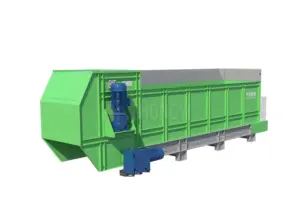
For the YBF Series Rod Deck Flip Flop Screen, these two functions work together: the rod deck manages material flow and stratification, while the flexible screen deck supports fine separation and aperture opening.
What Materials Are Suitable for Flip Flop Screening?
Flip flop screening is most useful for feed materials that are wet, sticky, fine-rich, or highly variable in particle size. These conditions increase the risk of screen blinding and pegging, especially when the material contains organic matter, soil, or other cohesive fines.
Municipal Solid Waste
MSW contains a changing mix of organic matter, plastic films, soil, moisture, and fine particles. Plastic and organic fractions can adhere to the screen surface, while fine material can lodge in the apertures. The flexible screen movement helps disturb this buildup during continuous screening.For MSW sorting plants, trommel and disc screens are also common options, and their differences are discussed in [Trommel Screen vs Disc Screen for MSW Sorting Plant].
Landfill and Construction Waste
Landfill and C&D waste commonly contains soil, fines, mixed debris, and irregular particle sizes. Fine material can accumulate around the apertures while larger debris continues across the deck. Flip flop screening helps reduce the effect of this buildup when feed conditions vary.
RDF, Compost and Biomass
RDF, compost, and biomass often contain a fine fraction with organic content and variable moisture. When these particles become sticky, they can adhere to the screen surface or block apertures. Repeated flexing of the screen mats helps release accumulated fines and maintain material passage.
Industrial and Mineral Materials
Flip flop screening can also be applied to selected materials such as coal, coke, ore, tailings, and aggregates, particularly when moisture and fines make conventional screening more difficult. For Xinzhongyi ECO, however, the primary application focus remains waste recycling and resource recovery.
What Factors Affect Anti-Blocking Performance?
Anti-blocking performance depends on how the material, screen media, feed conditions, and operating parameters work together. A flexible screen can reduce blinding and pegging, but it cannot compensate for unsuitable screen openings, excessive feed load, or material conditions that are difficult to screen.For more practical ways to identify and reduce screening blockage, see our guide: [Làm thế nào để tránh tắc nghẽn thiết bị sàng rác].
- Material moisture and adhesiveness: Moisture percentage alone does not determine blocking risk. Materials with similar moisture levels can behave differently depending on their clay, organic matter, and fine-particle content. Highly adhesive fines are more likely to stick to the screen surface or form agglomerates.For wet waste screening, see [Thiết bị sàng tốt nhất cho chất thải rắn đô thị ướt] for equipment selection options.
- Feed particle size distribution: A high content of fine particles, near-size particles, or oversized lumps can affect screening stability. Near-size particles are more likely to lodge in apertures, while excessive fines can accumulate on the screen surface.
- Screen aperture and screen media selection: Opening size, aperture shape, and screen media characteristics should match the material and target cut size. For flip flop screens, the flexibility and deformation behavior of the screen mats also affect how effectively trapped material is released.
- Feed rate and material bed depth: Excessive feed can create a thick material layer, reduce particle stratification, and limit contact between finer particles and the apertures. Feed rate should be matched to the screen area, material characteristics, and required capacity.
- Vibration and operating parameters: Operating parameters should be selected according to material characteristics and screening requirements, rather than simply maximizing vibration intensity. Excessive vibration does not automatically improve anti-blocking performance.
In practice, these factors should be considered together when selecting and operating a flip flop screen. The main objective is to match the screen design and operating conditions to the actual feed, rather than relying on flexible screen media alone.
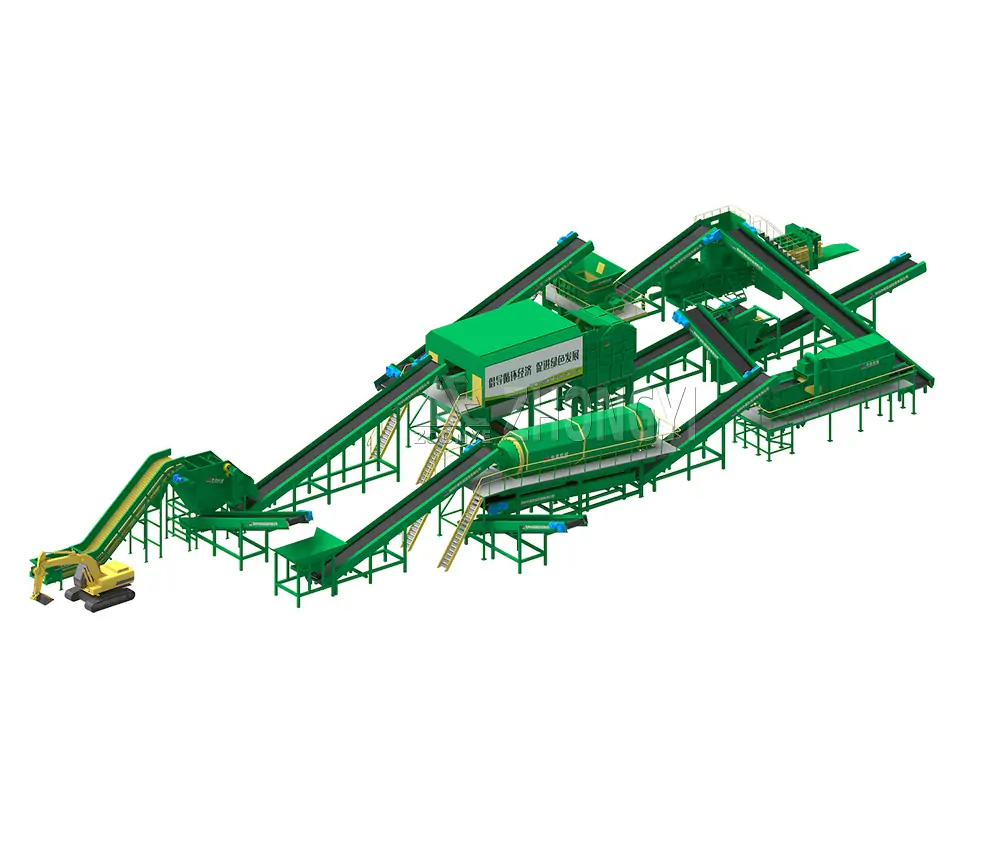
Flip Flop Screen Anti-Blocking Tech in a Waste Recycling Line
Typical process flow:
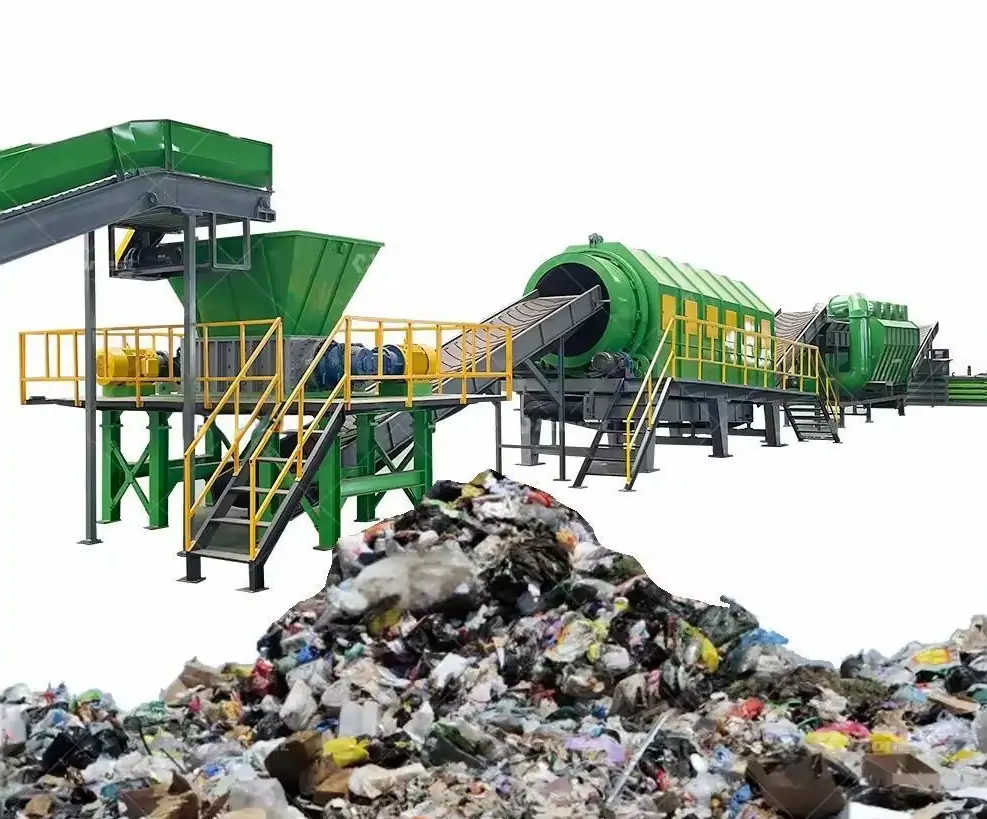
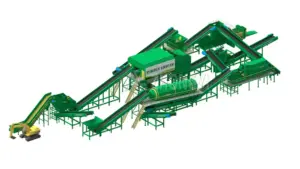
Feeding → Bag Opening / Crushing → Flip Flop Screening → Air Separation / Magnetic Separation / Optical Sorting → Final Recovery
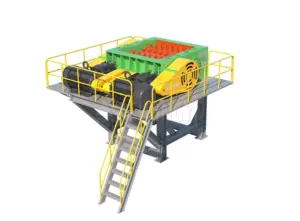
In a waste recycling line, the flip flop screen sits between initial size reduction and downstream separation. After bag opening or crushing, the feed may contain wet fines, soil, organic matter, plastic films, and irregular particles. Its flexible screen mats repeatedly stretch and relax during operation, helping reduce blinding and pegging while separating fine material from the larger fraction.
The flip flop screen therefore does more than reduce screen blockage. Its role is to stabilize the screening stage and provide a more controlled material stream for downstream separation equipment. For Xinzhongyi ECO, screen selection is based on waste composition, moisture, particle size distribution, target cut size, and downstream process requirements.The choice between flip flop and rotary trommel screening also depends on the material and process requirements. See [Flip Flop Screen vs Rotary Trommel Screen Application] for a practical comparison.
Kết luận
Blocking mainly occurs when wet, sticky, or near-size particles reduce the available screen area. Flip flop technology uses flexible screen mats that repeatedly stretch and relax during operation, helping reduce blinding, pegging, and material buildup. Its actual performance also depends on material properties, screen configuration, feed conditions, and operating parameters.
For waste recycling plants, the right flip flop configuration should be selected according to the waste composition, target cut size, feed conditions, and process requirements. With experience in waste recycling systems, Xinzhongyi ECO can assess these factors and integrate flip flop screening into the overall process. Liên hệ với chúng tôi to discuss your screening requirements.


Andy Yu
Kỹ sư kỹ thuật | Zhongyi ECO
16+
Năm kinh nghiệm.
300+
Giải pháp
50+
Quốc gia
16 năm kinh nghiệm trong lĩnh vực quản lý môi trường và chất thải rắn, chuyên về các giải pháp tái chế C&D và phân loại chất thải. Tại Zhongyi Mining Machinery, tập trung vào việc nâng cao hiệu quả cho khách hàng toàn cầu thông qua chuyên môn kỹ thuật và cấu hình tùy chỉnh.
Câu hỏi thường gặp
Màn hình flip flop sử dụng các tấm lưới đàn hồi liên tục giãn ra và co lại trong quá trình vận hành. Chuyển động này làm xáo trộn các hạt bị kẹt trong lỗ lưới và giúp giải phóng vật liệu tích tụ trên bề mặt lưới. Nó có thể giảm hiện tượng bít lỗ và kẹt hạt khi xử lý chất thải ẩm, dính hoặc nhiều hạt mịn. Hiệu quả chống tắc thực tế phụ thuộc vào đặc tính nguyên liệu đầu vào, cấu hình lưới và điều kiện vận hành.
Flip flop screens are suitable for waste streams containing wet fines, sticky organic matter, soil, plastic films, or variable particle sizes. Common applications include MSW, landfill-derived waste, C&D waste, RDF, compost, and biomass. The key consideration is not the waste category alone, but whether the feed has a high risk of blinding, pegging, or material buildup during screening.
Có. Các tấm lưới sàng linh hoạt đặc biệt hữu ích khi độ ẩm và các hạt mịn dính khiến các lưới sàng cứng thông thường dễ bị bít lỗ. Chuyển động co giãn lặp đi lặp lại của chúng giúp phá vỡ vật liệu bám trên bề mặt hoặc mắc kẹt trong các lỗ sàng. Tuy nhiên, nguyên liệu cấp có độ dính cao hoặc bị nhiễm bẩn nặng vẫn có thể cần được chuẩn bị cấp liệu phù hợp, lựa chọn vật liệu lưới sàng và điều kiện vận hành thích hợp để duy trì quá trình sàng ổn định.
Tình trạng tắc nghẽn có thể do nhiều yếu tố gây ra, bao gồm độ ẩm quá cao, hạt mịn kết dính, hạt có kích thước gần bằng lỗ sàng, kích thước lỗ sàng không phù hợp và lượng cấp liệu quá tải. Lớp vật liệu dày cũng có thể làm giảm sự phân tầng của hạt và hạn chế tiếp xúc với các lỗ sàng. Nếu tình trạng tắc nghẽn xảy ra thường xuyên, cần kiểm tra đồng thời đặc tính cấp liệu và cấu hình sàng thay vì chỉ đơn thuần tăng cường độ rung.
Không. Công nghệ flip flop được thiết kế để giảm xu hướng bít lưới và kẹt hạt, không đảm bảo vận hành không tắc nghẽn trong mọi điều kiện. Vật liệu cực ướt hoặc dính, hạt mịn quá nhiều, hạt gần kích thước lỗ lưới, hoặc cấp liệu quá tải vẫn có thể ảnh hưởng đến quá trình sàng. Cần lựa chọn lưới sàng và thông số vận hành phù hợp để đạt được hiệu suất ổn định với các dòng chất thải khó xử lý.
Dữ liệu lựa chọn quan trọng bao gồm thành phần chất thải, điều kiện độ ẩm, kích thước hạt cấp liệu, kích thước cấp liệu tối đa, kích thước cắt mục tiêu và thông lượng yêu cầu. Việc biết thiết bị nào tiếp theo sau sàng và cách các phần đã tách sẽ được xử lý cũng rất hữu ích. Những yếu tố này giúp xác định cấu hình sàng, phương tiện sàng và thông số vận hành phù hợp cho dây chuyền tái chế.
Excessive feed can create a thick material layer, reduce particle stratification, and limit contact between fine particles and the screen apertures. This may increase buildup even when flexible screen mats are used. Feed rate should therefore be matched to the screen area, material characteristics, target cut size, and required capacity rather than simply running the screen at its maximum rated throughput.
Yes. A flip flop screen can be integrated after bag opening or crushing and before downstream separation. It can separate fine material and help provide a more consistent feed for air separation, magnetic separation, optical sorting, and other recovery processes. The final layout depends on the waste composition, target products, throughput, cut size, and requirements of the downstream equipment.
Related Waste Sorting Equipment

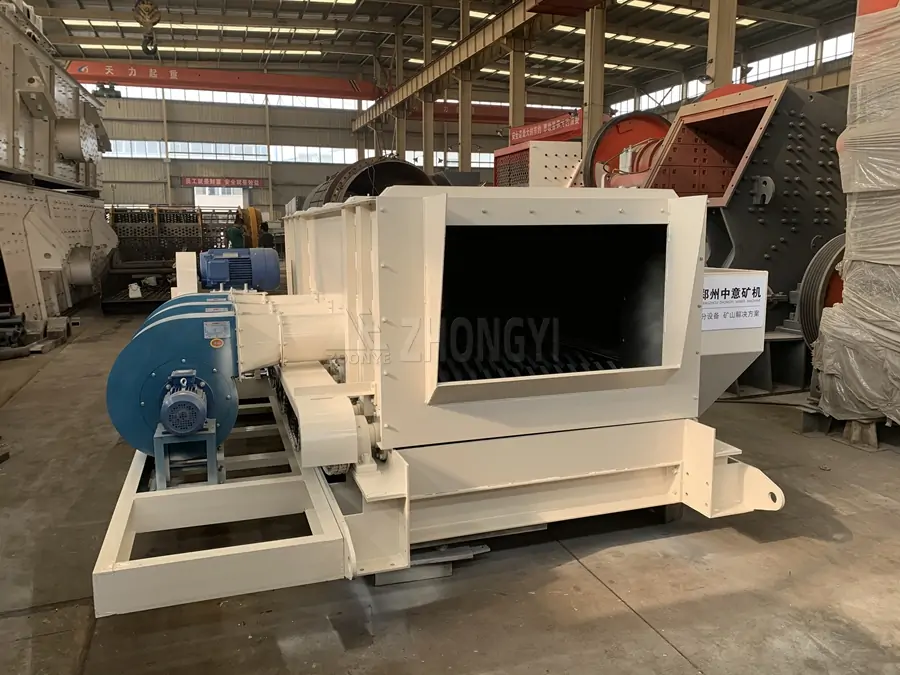
Sàng trục xoắn dòng LX
The LX Series Spiral Shaft Screen uses rotating spiral shafts to separate wet and sticky waste by size. Its anti-clogging design, stable operation, and high throughput make it suitable for kitchen waste, organic waste, MSW, and mixed waste recycling lines.


Sàng đĩa phân loại chất thải
The Waste Sorting Disc Screen uses rotating star discs to separate fine and coarse materials continuously. Its self-cleaning and anti-clogging design suits MSW, RDF, biomass, kitchen waste, and construction waste recycling, helping improve pre-screening and material classification.

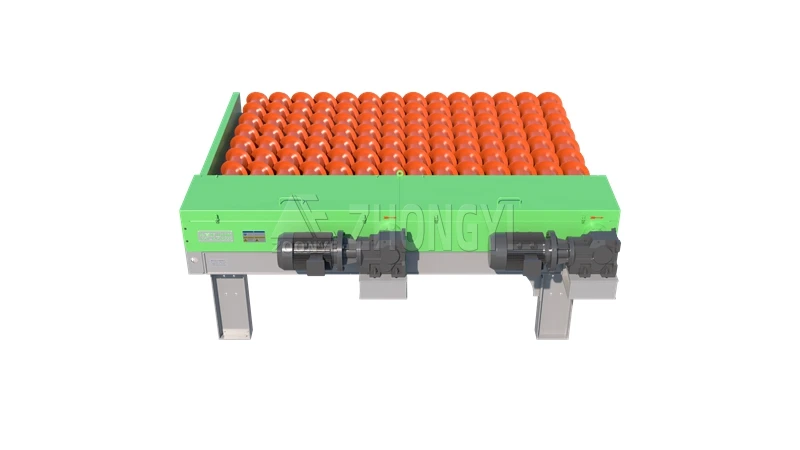
Máy phân tách sàng con lăn
The Roller Screen Separator uses multi-shaft disc rollers to separate waste by size. Its high-capacity design, stable drive system, low energy use, and modular structure make it suitable for MSW, C&D waste, kitchen waste, decoration waste, and bulky waste recycling.

Sàng quay dòng GTS
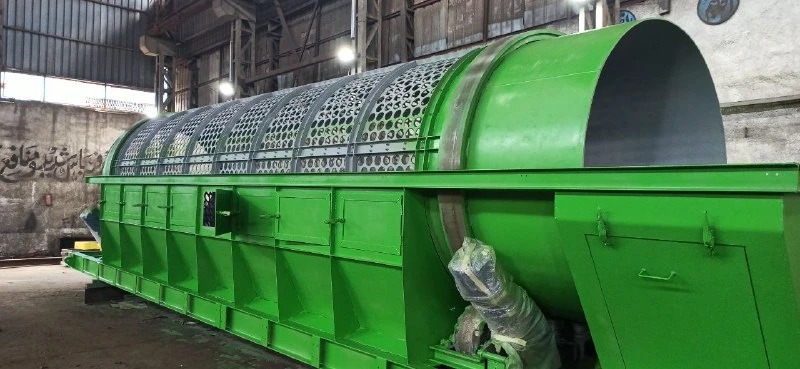
The GTS Series Rotary Trommel Screen uses an inclined rotating drum to separate waste by particle size. It provides continuous screening with stable operation, low dust, low noise, and anti-clogging performance for MSW, landfill waste, compost, biomass, and mixed waste processing.