












مقدمة
In a waste recycling plant, equipment performance depends on more than the capacity of individual machines. Uneven feeding can overload a shredder, blocked screens can restrict material flow, and poor coordination between sorting and conveying equipment can reduce overall line efficiency. These issues are common in plants processing municipal solid waste (MSW), construction and demolition (C&D) waste, and mixed recyclables.
A consistent Waste Recycling Equipment Operation Process helps operators check equipment condition, control material feeding, monitor key operating parameters, and identify problems before they affect downstream equipment. This guide covers the daily operating steps for an integrated recycling line, from pre-start inspection and system startup to process monitoring, shutdown, and shift handover.
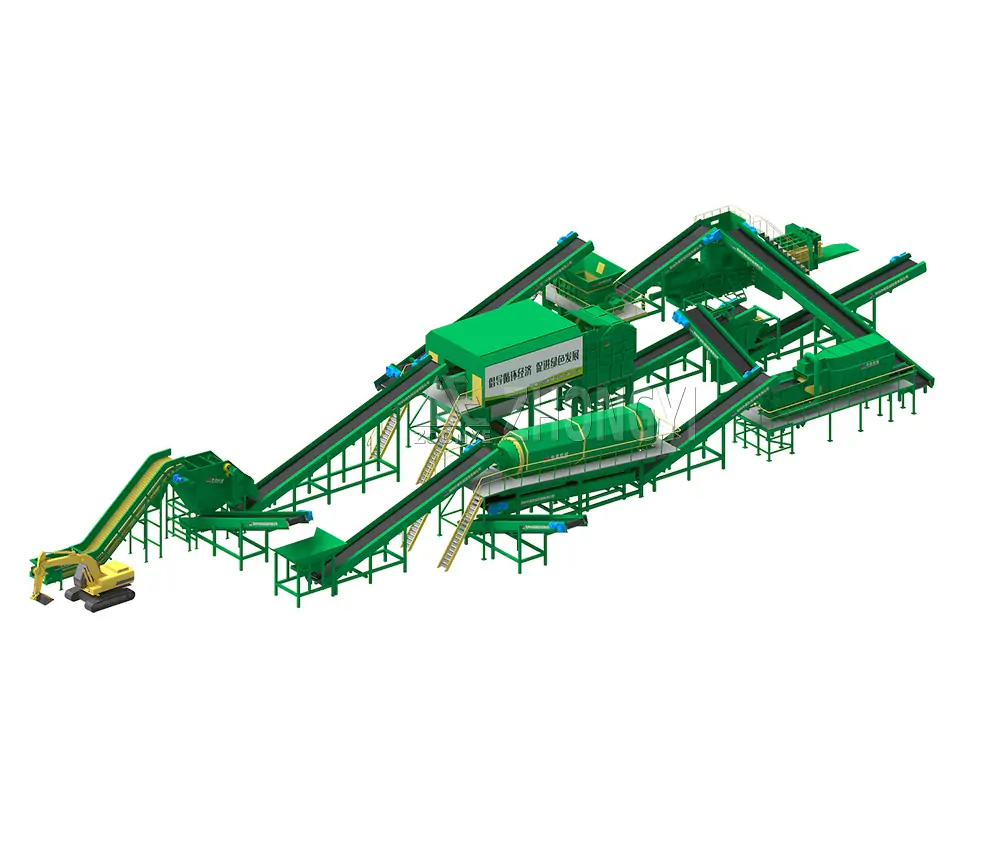
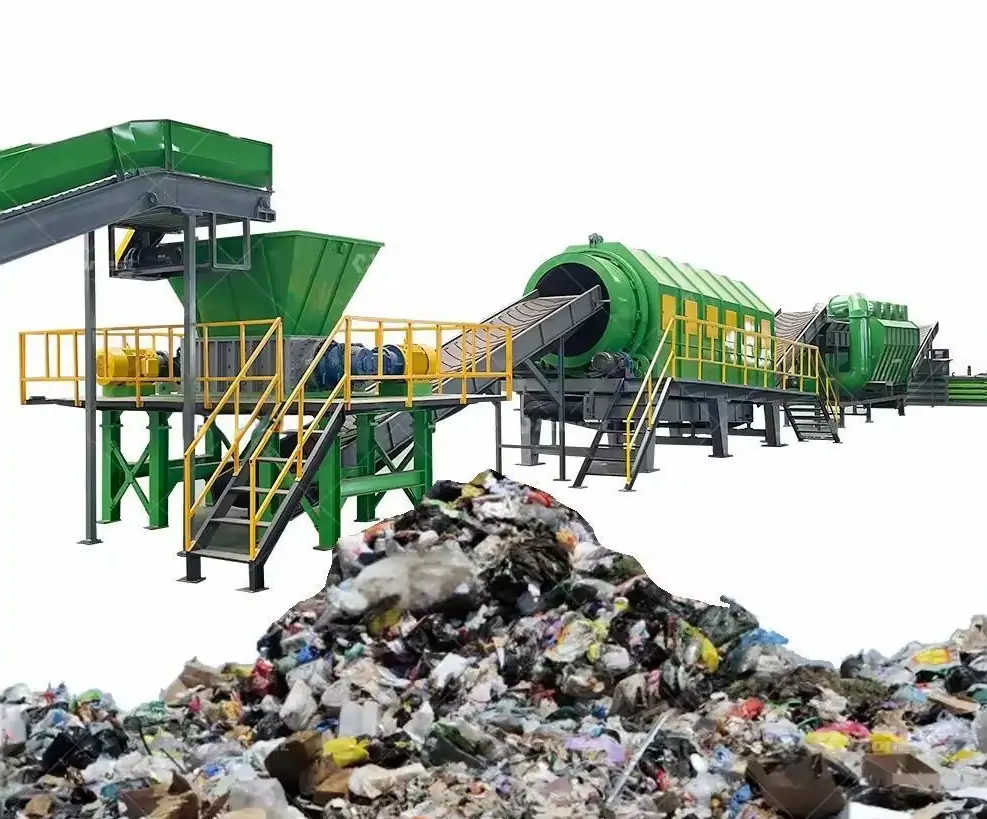
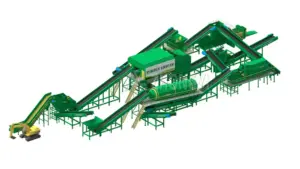
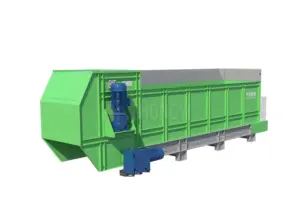
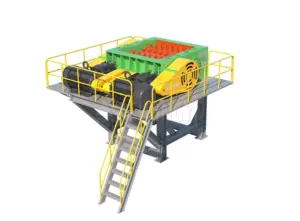
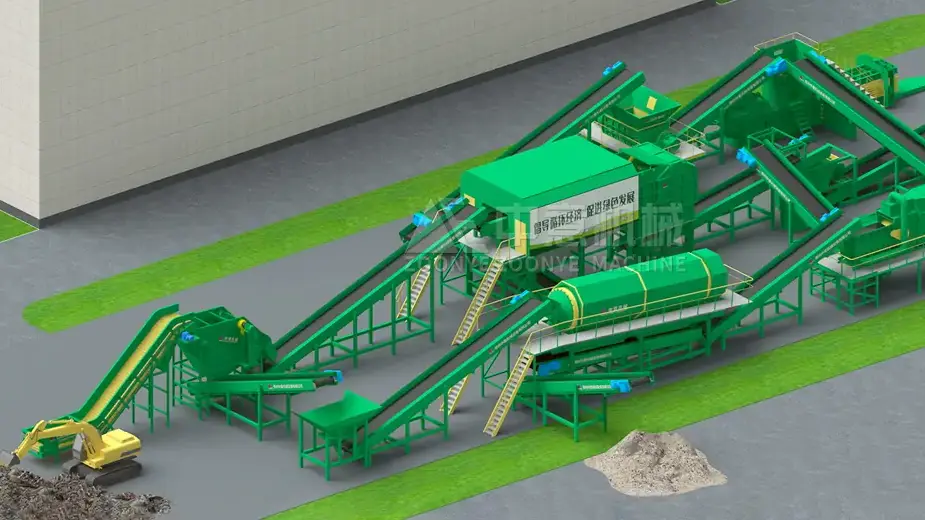
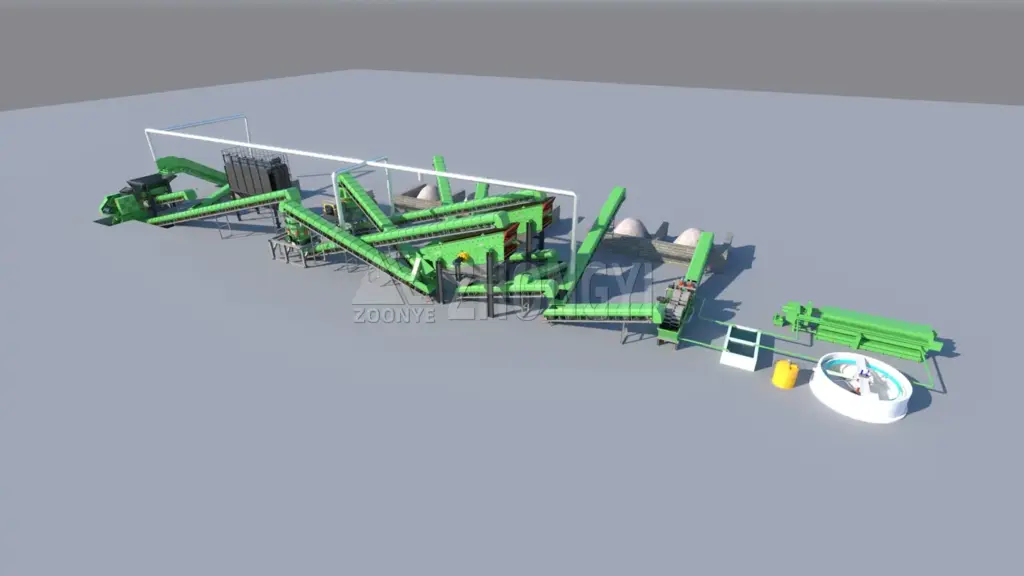
The procedures should be adapted to the plant layout, waste characteristics, equipment configuration, and manufacturer’s operating instructions. Understanding how feeders, conveyors, shredders, screens, and sorting units work together is essential to maintaining stable production and selecting the right equipment for each processing stage.
Why Does a Standard Daily Operating Process Matter?
In a waste recycling plant, a problem at one stage can quickly affect the rest of the line. If a feeder delivers material faster than downstream conveyors or screens can handle, material may accumulate, screening performance may decline, or equipment may trip on overload. Changes in moisture content, film content, and particle size can also affect how material moves through screens and sorting equipment. For this reason, recycling plant operation requires attention to both individual machines and the flow of material between processing stages.
A consistent waste recycling equipment daily operation procedure gives operators a clear basis for pre-start checks, feed-rate control, equipment monitoring, and shift records. Unusual vibration, repeated blockages, or frequent overload trips should be recorded and investigated rather than treated as isolated incidents. Maintenance teams can then compare operating records with material conditions and equipment wear to help identify the cause. Before clearing blockages or inspecting hazardous areas, operators must follow the applicable energy-isolation procedures and equipment safety instructions.
The Waste Recycling Equipment Operation Process should match the plant’s waste stream, equipment configuration, and control system. Feeders, shredders, conveyors, screens, and sorting units have different operating requirements, so a single sequence cannot cover every installation in detail. A practical SOP defines the required checks, startup and shutdown sequence, response to abnormal conditions, and shift handover for the actual line. The next section breaks this process into its main stages.
What Is the Standard Waste Recycling Equipment Operation Process?
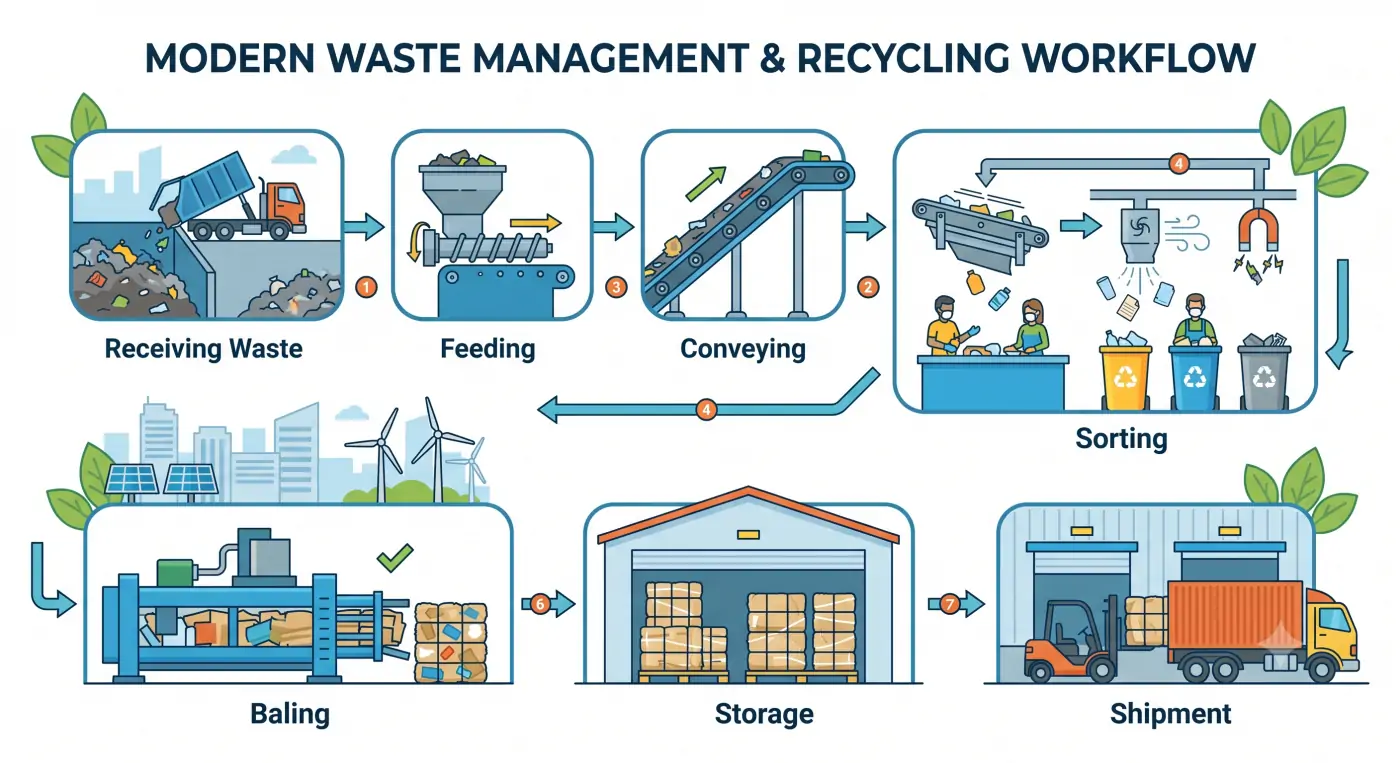
The Waste Recycling Equipment Operation Process covers the daily steps for preparing, starting, operating, and shutting down a recycling line. In MSW, C&D, and mixed recyclables processing, operators need to check equipment condition, control material flow, monitor operating performance, and record abnormal events. The exact procedure depends on the plant layout, installed equipment, control system, and manufacturer’s instructions.
The Six Stages of Daily Recycling Plant Operation
The following six stages provide a general framework for daily operation. Follow the equipment manufacturer’s instructions and site-specific standard operating procedures (SOPs) for detailed checks and operating sequences.
Pre-Start Inspection Checklist for Waste Recycling Equipment
A waste recycling equipment inspection checklist helps operators identify faults and obstructions before starting a recycling line. The checks should cover safety devices, mechanical components, hydraulic and electrical systems, and the condition of incoming material. If a defect could affect safe operation or prevent equipment from running as intended, it should be assessed before startup. Inspection points and acceptance criteria depend on the installed equipment and the manufacturer’s instructions.
Check Safety Devices and Restricted Areas
Check that guards, access doors, and interlocks are in their required positions. Make sure no personnel, tools, or loose materials remain in hazardous areas around feed openings, compacting chambers, or discharge points. Confirm that startup warnings have been given and relevant operators are ready.
Emergency stops and other safety functions should be tested according to the site’s approved procedure. A button that looks intact does not necessarily confirm that the safety function works. Never open a guard or enter a hazardous area while equipment is running. Before carrying out work that exposes personnel to moving parts or other hazardous energy, follow the required isolation procedure.
Inspect Conveyors, Hoppers and Wear Components
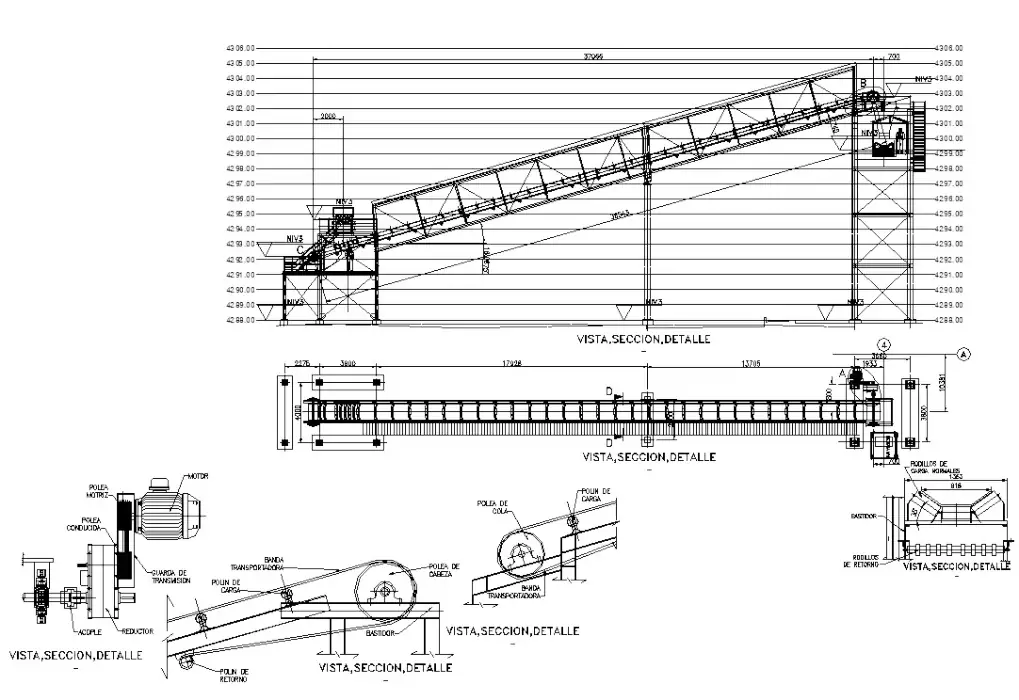
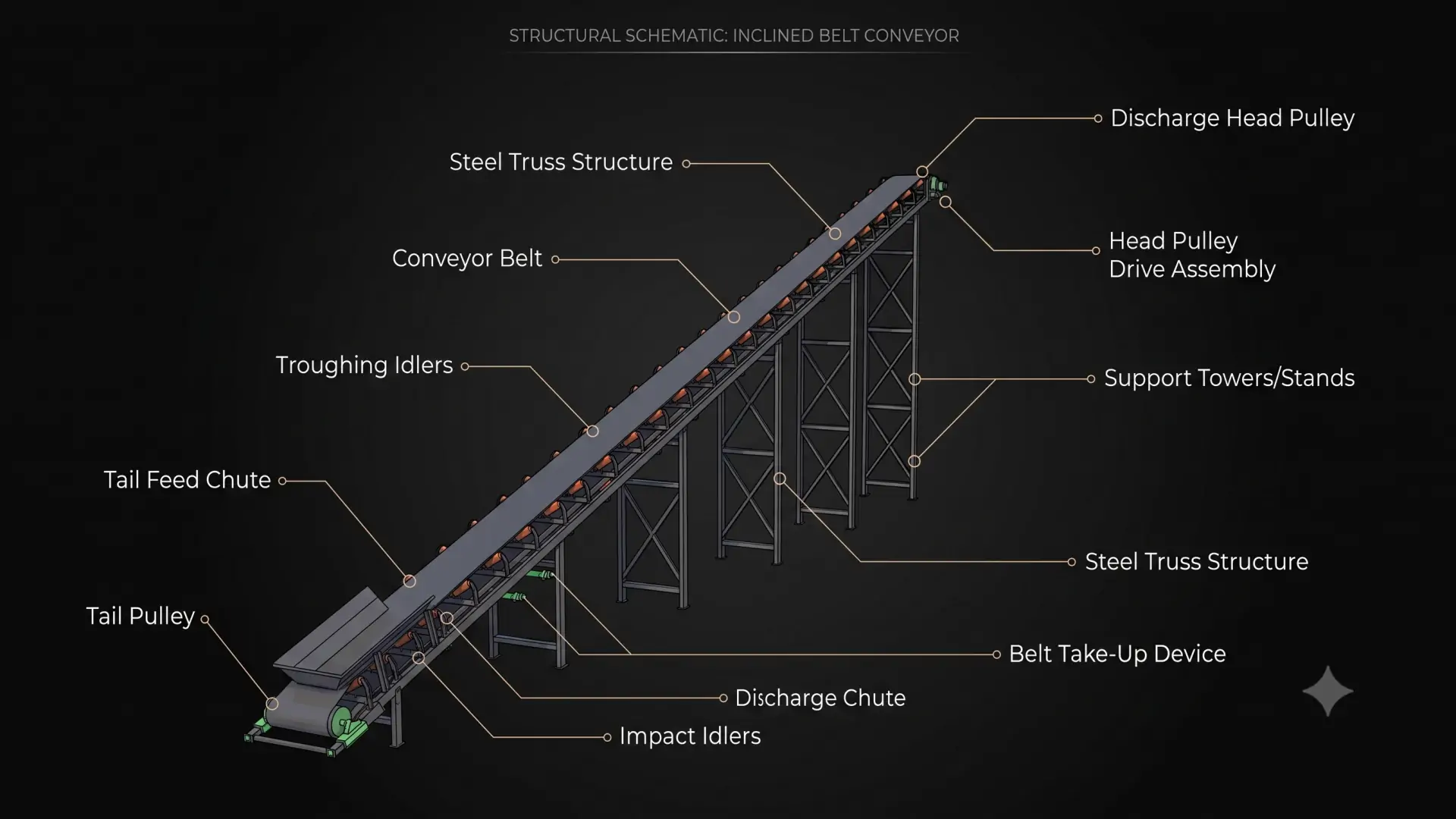
Check conveyor belts for visible tears, misalignment, abnormal slack, and material buildup. Look at accessible rollers, chains, scrapers, transfer points, and discharge chutes for damage or obstruction. Check feed hoppers and accessible screen surfaces for leftover material or foreign objects that could interfere with startup.
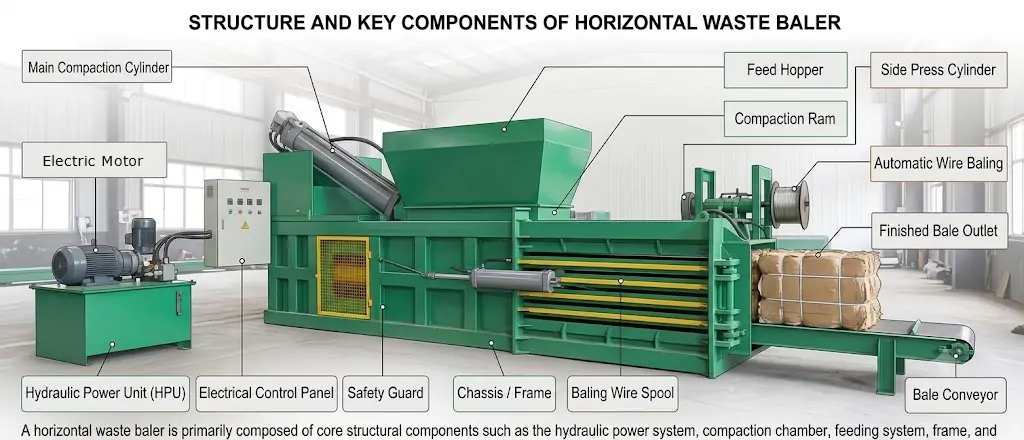
For shredders, crushers, screens, and balers, inspect accessible wear components for obvious damage or abnormal wear. These are visual checks, not a substitute for internal inspections or scheduled maintenance. Any inspection that requires removing a guard or entering a hazardous area must follow the equipment’s shutdown and energy-isolation procedures.
Check Hydraulic, Lubrication and Electrical Systems
Check hydraulic hoses, fittings, and cylinders for visible leaks, cracks, or damage. Verify hydraulic oil and lubricant levels against the specified ranges, and look for signs of contamination where these can be assessed visually. Check the control panel for active alarms and inspect accessible cables and connections for damage, corrosion, or signs of overheating.
Lubrication points, service intervals, oil specifications, and any preheating requirements vary by machine. Follow the manufacturer’s instructions rather than applying one oil level, temperature, or maintenance interval to every type of recycling equipment.
Confirm Feedstock and Downstream Readiness
Check incoming waste for oversized items, obvious metal contamination, or changes in material condition that could affect processing. Confirm that downstream conveyors, sorting equipment, storage areas, and balers can accept material before feeding begins. Check that discharge routes are clear and that no downstream equipment is unavailable or reporting a fault that would interrupt material flow.
If incoming material or downstream conditions could cause a blockage or overload, resolve the issue or adjust the startup plan before introducing waste. Do not rely on a fixed feed rate when material characteristics or downstream readiness have changed.
A completed recycling equipment pre-start inspection gives operators a basis for deciding whether the line is ready to start. Record defects that need follow-up, and refer repairs or internal inspections to qualified personnel where required. The next stage is to start the equipment in the sequence specified for the installed line.
How to Start a Waste Recycling Line in the Correct Sequence
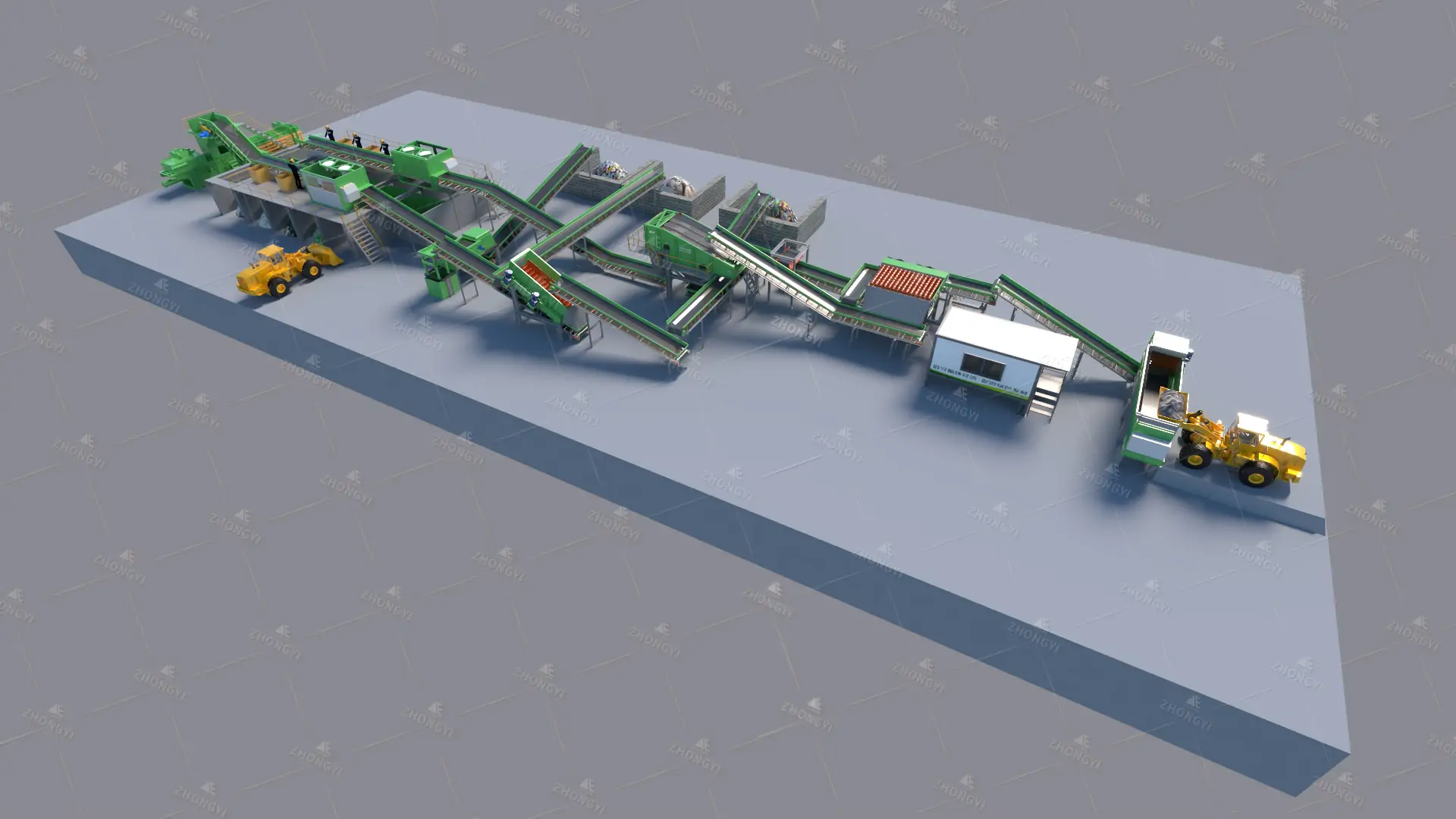
The recycling line startup sequence should follow the process flow and the control logic of the installed equipment. For a continuous recycling line, downstream conveyors and receiving equipment often need to be running before upstream machines begin discharging material. This gives incoming waste a clear route through the system and reduces the risk of material accumulating at transfer points. The actual sequence depends on equipment design, PLC interlocks, and manufacturer instructions; some machines have specific startup requirements that take priority over a general sequence.
Start Downstream Conveyors and Receiving Equipment First
Where the control system specifies downstream-first startup, begin with the conveyors and equipment that receive and discharge material. Check that belts are moving in the correct direction, discharge routes are clear, and downstream machines are ready to accept material. A conveyor that is running does not necessarily mean the whole downstream process is available: a stopped screen, full storage bunker, or unavailable baler can still interrupt material flow.
Confirm the required run signals and interlocks before starting the next stage. If a downstream machine is unavailable or a startup permissive is missing, hold the upstream equipment until the cause has been identified. Do not bypass an interlock to keep the line moving.
Start Screening, Separation and Size-Reduction Equipment
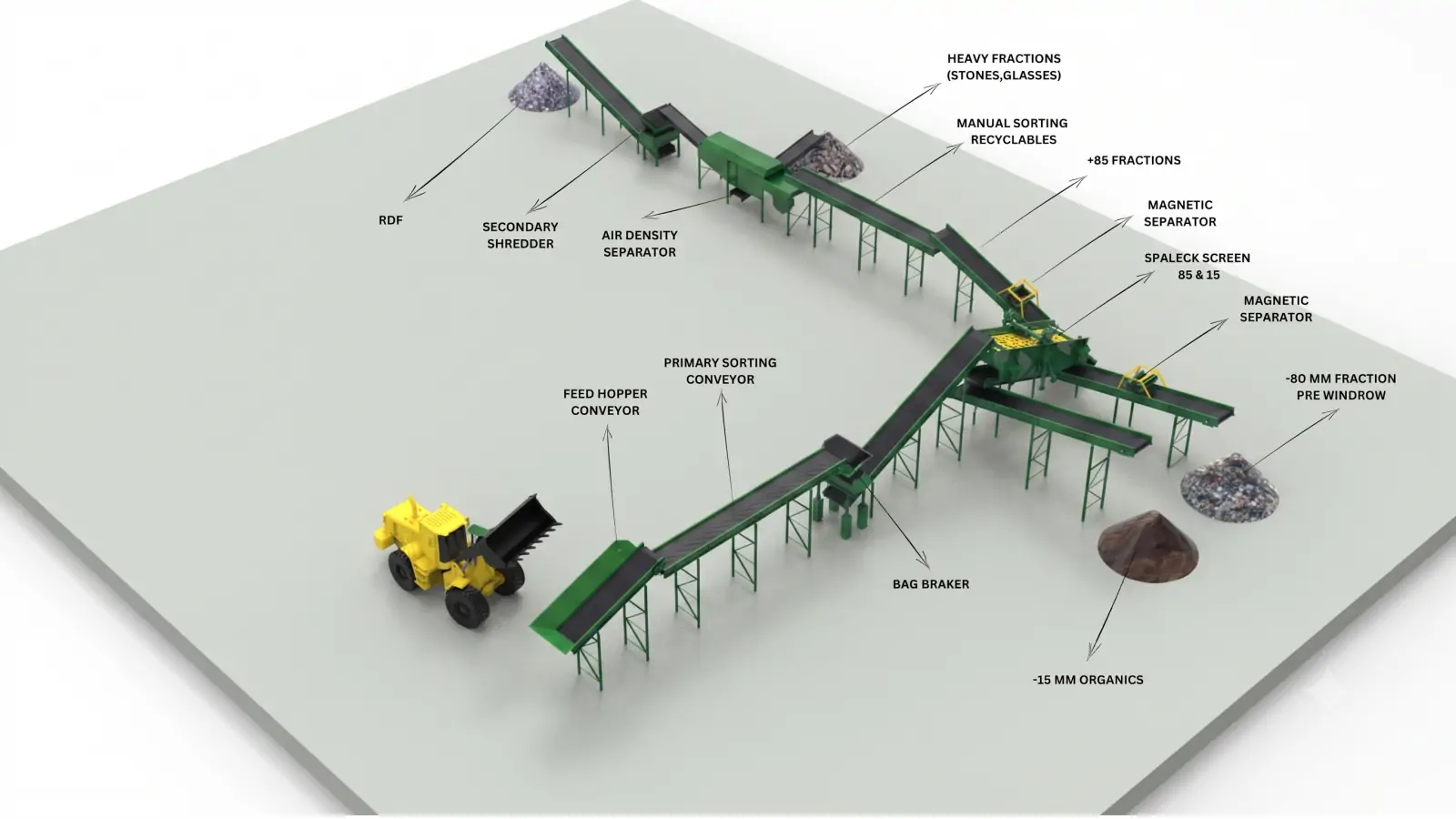
Start screens, separators, shredders, or crushers in the order specified for the plant. In a typical mixed-waste line, these may include a trommel screen, فاصل مغناطيسي, air classifier, eddy-current separator, or downstream baler. Not every line contains all these machines, and their positions in the sequence can differ.
Before enabling the next stage, confirm that the previous machine has reached its required operating state. Pay particular attention to equipment with hydraulic drives, automatic discharge cycles, or specific startup conditions. Follow the machine’s own operating instructions rather than assuming that every unit can start under the same conditions.
Verify Interlocks and Operating Conditions
Check the control panel for unresolved startup alarms and confirm that the required operating permissives are satisfied. Where specified by the manufacturer, verify rotation direction and check for abnormal noise, vibration, or operating readings. No-load operation should be carried out only when the equipment permits it and the prescribed procedure calls for it; a fixed test duration is not appropriate for every machine.
If a motor trips, an alarm recurs, or the machine behaves abnormally, stop the startup sequence and investigate the cause according to site procedures. Repeated resets or forced restarts can conceal a fault and expose equipment to further damage.
Introduce Feed Gradually After the Line Is Ready
Once the required equipment is running and the material route is available, begin feeding waste at a controlled rate. Watch how material spreads across the conveyor or screen, whether it builds up at transfer points, and whether downstream equipment can keep pace. Increase the feed rate according to the plant’s operating limits and observed conditions rather than immediately running at the maximum setting.
If material begins to accumulate, machine load rises abnormally, or a downstream unit stops, reduce or stop incoming feed as required by the site’s procedure. Identify the cause before resuming normal operation.
A sound waste recycling plant startup procedure confirms that each stage is ready to receive or discharge material before the next stage adds to the load. Once the line is running, feed control becomes the main task: the incoming rate must remain within the capacity of the equipment operating downstream.
How to Control Material Feeding During Daily Operation
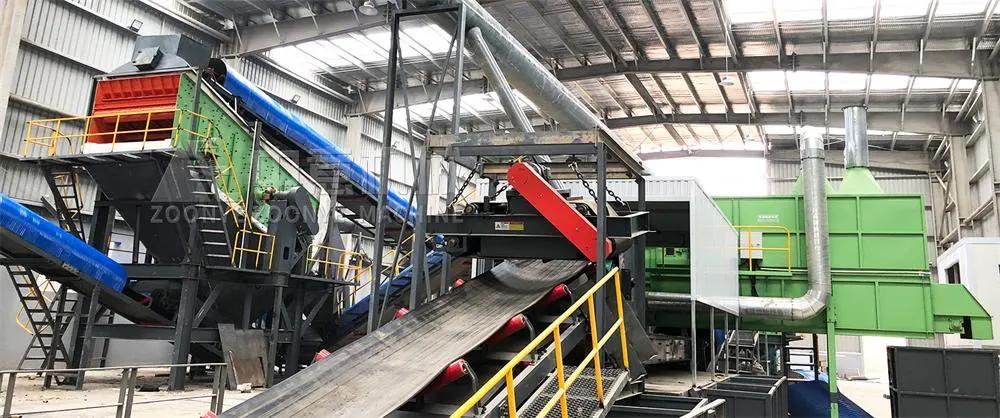
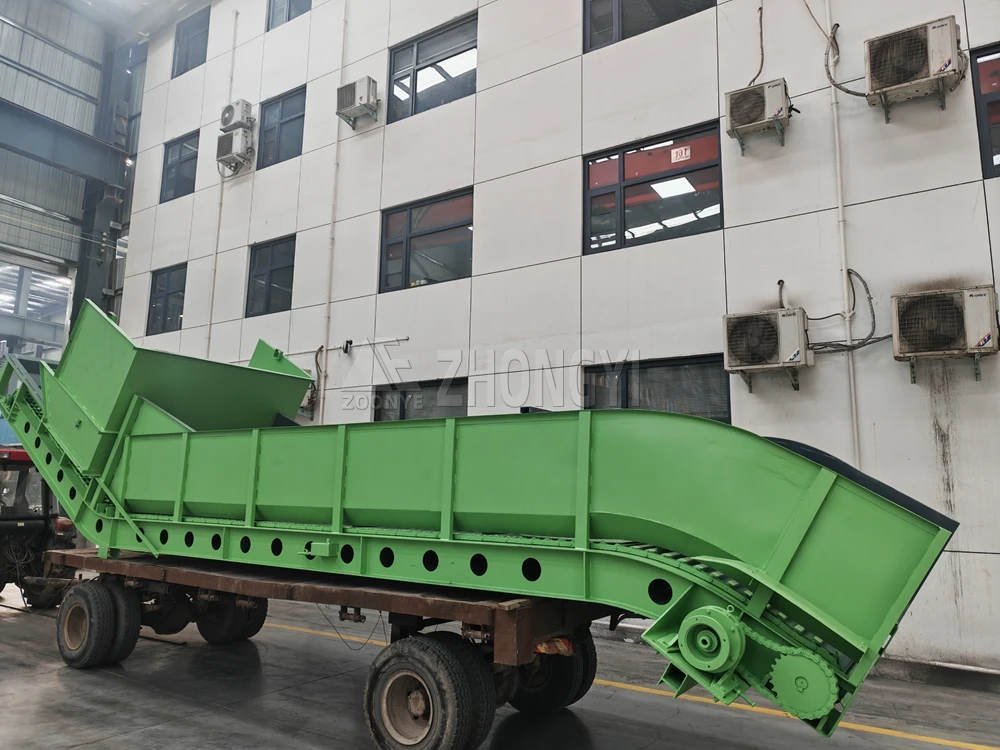
The waste recycling plant feed rate must stay within the operating capacity of the entire line. A shredder may be able to process incoming material, but downstream screens, conveyors, or sorting equipment may not be able to handle the same volume. When feeding exceeds downstream capacity, material can accumulate at transfer points, disrupt separation, or trigger equipment overloads. Operators should adjust feeding according to equipment load, material flow, and the condition of downstream machines. For a comparison of feeder duties and loading conditions, see our guide to light duty vs heavy duty apron feeder selection.
Waste composition also affects feeding. Oversized items may exceed the permitted feed size, while wet, sticky materials can build up on screens and chutes. Films and textiles may wrap around rotating components. Operators should watch for uneven material distribution, irregular discharge, and increasing buildup, then adjust the feed rate or remove unsuitable items through the designated sorting process. Repeated blockages should be investigated to determine whether the cause is feedstock, equipment condition, or a restriction further down the line.
During normal operation, recycling line throughput depends on coordination between feeders, size-reduction equipment, screens, and conveyors. If a downstream unit stops or cannot accept material, reduce or stop incoming feed according to the site’s operating procedure. Do not attempt to clear a hopper or blockage while equipment is running. Before clearing an obstruction, follow the required shutdown and hazardous-energy isolation procedures.


Daily Monitoring of Core Waste Recycling Equipment
Daily waste recycling equipment operation requires operators to monitor equipment condition, material flow, and processing results. The following checks cover common equipment in MSW, C&D, and mixed recyclables processing lines. Apply the relevant checks according to the installed equipment and manufacturer’s instructions.
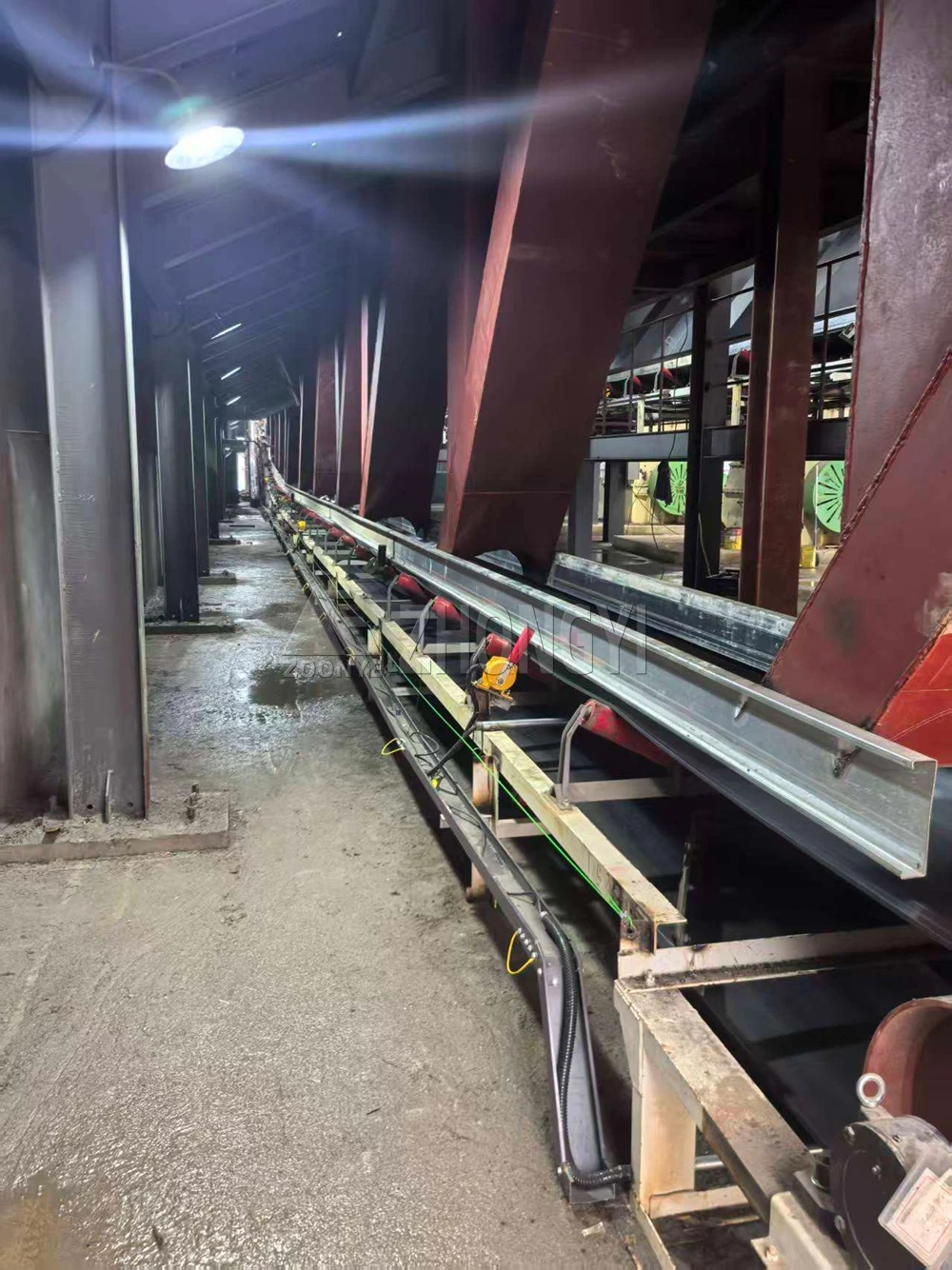
Feeders and Conveyors — Feed Stability and Belt Tracking
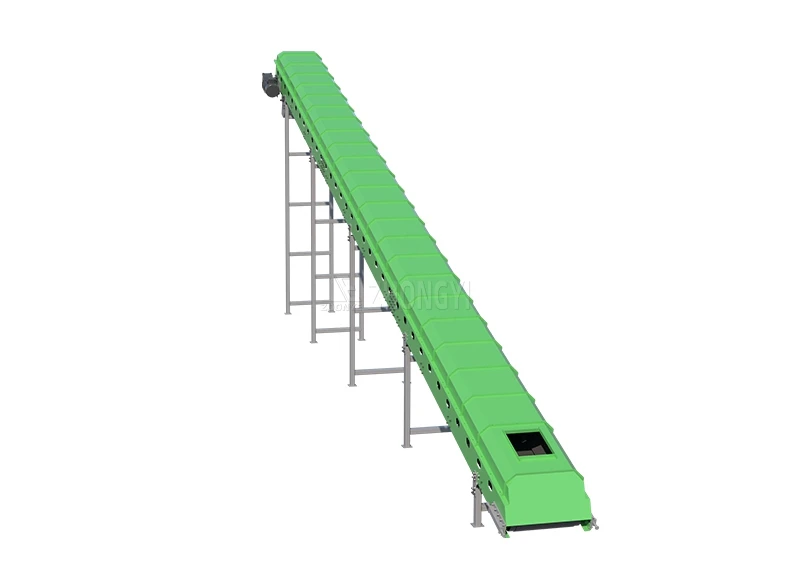
Check feeding consistency, belt alignment, and material buildup at transfer points. Uneven feeding can affect downstream processing, while belt misalignment may cause spillage or interruptions. Investigate abnormal buildup, belt tracking, or protection-device trips according to site procedures.
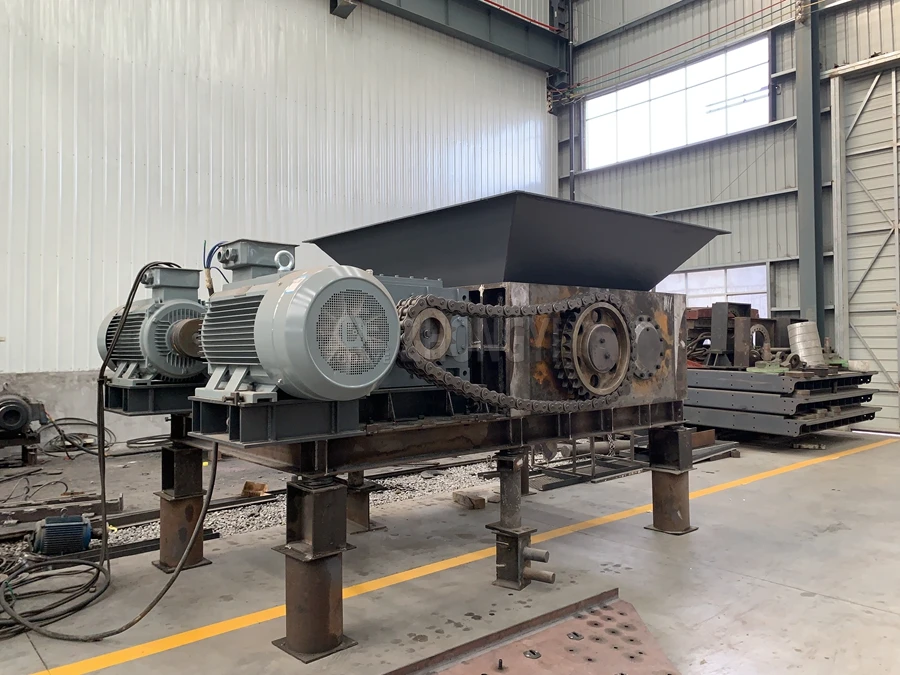
Shredders and Crushers — Load, Noise and Discharge Condition
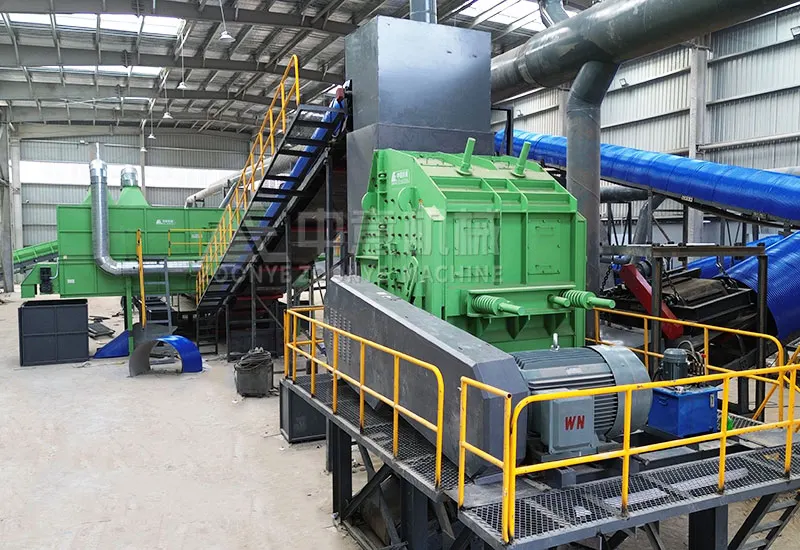
Monitor motor load, unusual noise or vibration, discharge flow, and alarms. Sudden load changes may indicate excessive feeding, unsuitable material, or a mechanical issue. Check the cause before restarting the machine or adjusting the feed rate.
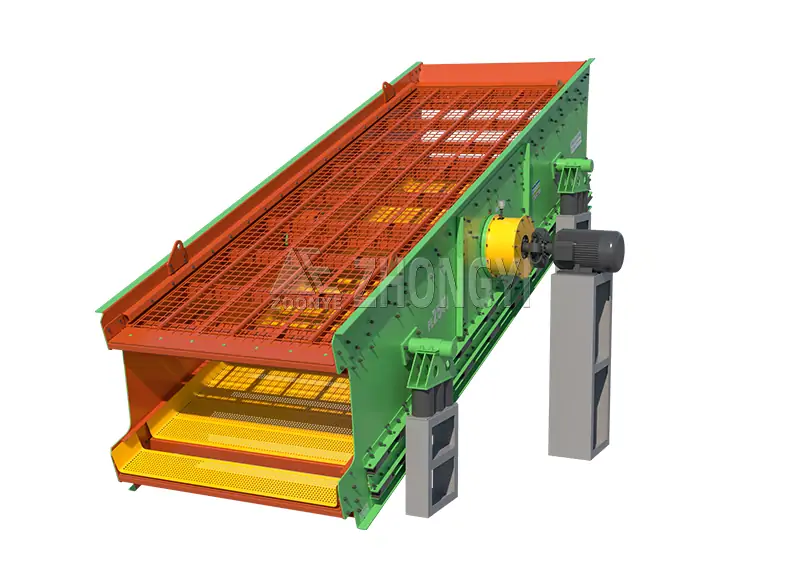
Trommel and Vibrating Screens — Screening Efficiency and Blinding
Check material distribution, screen blinding, discharge consistency, and abnormal vibration. Poor screening may result from wet or sticky material, uneven feeding, or damaged screen components. Compare feed conditions with screening results before deciding whether inspection or adjustment is needed.
Magnetic and Other Separation Units — Separation Quality
Check separator operation, recovered material, and contaminant carryover. Changes in separation results may relate to feed composition, material-layer thickness, or equipment settings. Compare results with established quality criteria and investigate significant changes.
Air and Optical Sorting Systems — Material Purity and Sensor Condition
For lines equipped with air or optical sorting, monitor sorting results, system alarms, and relevant sensor or air-supply status. Check sensor cleanliness and operating settings according to the manufacturer’s instructions when sorting accuracy declines.
Balers and Compactors — Cycle Consistency and Bale Quality
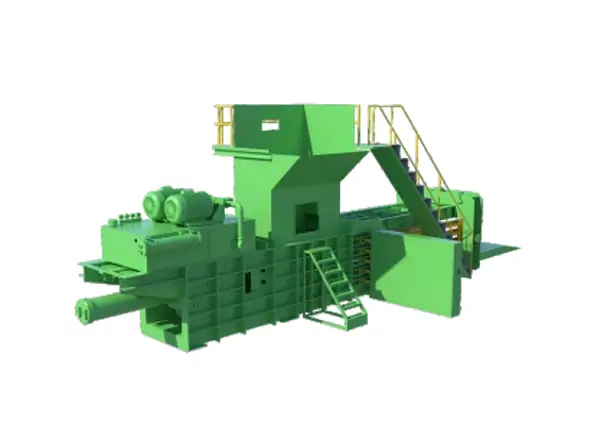
Check cycle completion, alarms, bale formation, and compliance with specified product dimensions or weight requirements. Inconsistent bales may indicate changes in material or equipment condition. Inspect hydraulic and compression systems according to the equipment’s maintenance procedures.
Effective recycling equipment performance monitoring combines operating indicators with output checks. Record recurring alarms, abnormal loads, and changes in screening or separation results to support fault diagnosis and recycling plant quality control.


How to Handle Common Operating Problems in a Recycling Plant
Common operating problems in a recycling plant include material blockages, equipment overloads, reduced screening efficiency, and unstable output. Effective recycling equipment troubleshooting starts with identifying the symptom and checking the relevant operating conditions. Operators should follow site procedures, address safety risks first, and avoid restarting equipment before the cause of a fault has been assessed.
Conveyor Blockages and Material Buildup
Material may accumulate at transfer points because of uneven feeding, restricted discharge, or wet, sticky waste adhering to chutes. Reduce or stop upstream feeding according to the operating procedure. Before inspecting or clearing a blockage, shut down the affected equipment and isolate hazardous energy as required. Never attempt to clear material while the equipment is running.
Shredder Overload and Unexpected Shutdowns
Oversized material, foreign objects, or excessive feeding may cause a shredder to overload or trip. Check the alarm and operating status, then investigate the feed conditions and machine condition before restarting. Repeated resets without identifying the cause may worsen equipment damage and increase recycling plant downtime.
Screen Blinding and Reduced Separation Efficiency
Wet or sticky material, excessive loading, blocked apertures, and worn screen components can reduce screening efficiency. Compare the feedstock condition and feed rate with the screening results before assuming the screen itself has failed. Inspect or clean the screen only after following the equipment-specific shutdown and energy-isolation procedures.
Increasing Noise, Vibration or Hydraulic Leakage
Unusual noise, abnormal vibration, or visible hydraulic leakage may indicate a developing mechanical or hydraulic fault. Stop the affected equipment when required by its protection system or site procedure, and arrange inspection by qualified personnel. Never use bare hands to locate hydraulic leaks or loosen fittings while the system is pressurized.
Declining Output Quality or Unstable Throughput
When output quality or throughput changes, compare feedstock composition, operating readings, equipment alarms, and downstream conditions. The cause may be a change in incoming material, a machine fault, or a restriction elsewhere in the line. Record adjustments and their results so the cause can be verified, rather than changing several operating parameters at once.
Effective recycling equipment troubleshooting follows a consistent process: identify the symptom, control the immediate risk, investigate the likely cause, apply an approved correction, and record the outcome. If a fault recurs or its cause remains unclear, refer it to qualified maintenance personnel. Once the line has returned to normal operation, operators should follow the prescribed end-of-shift shutdown, cleaning, and handover procedures.
End-of-Shift Shutdown and Cleaning Procedure
A proper recycling plant shutdown procedure helps prevent residual material buildup, unexpected machine movement, and avoidable problems at the next startup. Normal shutdown should follow the approved sequence for the installed line. If an immediate hazard occurs, use the emergency-stop procedure rather than waiting for the line to empty.
Stop Feed Intake and Clear Residual Material
For a normal shutdown, stop incoming waste first. Allow downstream equipment to discharge residual material only where the machine design and operating procedure permit it. Check accessible conveyors, transfer points, and discharge areas for remaining material that could obstruct the next startup.
Shut Down Equipment in the Approved Sequence
Stop the line according to the manufacturer’s instructions, control-system interlocks, and site procedures. The correct sequence varies by equipment configuration; do not assume every machine should stop in the same order. Confirm that equipment has reached its required stopped state before proceeding with cleaning or inspection.
Isolate Energy Before Cleaning or Maintenance
Before removing trapped material, cleaning inside equipment, or accessing hazardous moving parts, isolate the relevant energy sources and apply the site’s lockout/tagout (LOTO) procedure. Verify that the equipment is in a safe, zero-energy state, including control of stored hydraulic, pneumatic, or mechanical energy where applicable. OSHA provides guidance on Control of Hazardous Energy (Lockout/Tagout). Follow the regulations and procedures applicable to the facility’s location.
Record Equipment Condition and Outstanding Issues
After cleaning and permitted visual checks, record recurring alarms, unusual noise or vibration, leaks, visible wear, and any maintenance tasks that remain unfinished. Keep the work area and access routes clear, and hand over unresolved issues to the next shift. These records support follow-up maintenance and help operators identify recurring problems.
Daily Operation Records and Performance Checks
A recycling plant operation log helps operators track production, identify recurring equipment faults, and investigate changes in output quality. Rather than recording only total daily production, record the operating data available from the plant’s control system, production reports, quality checks, and maintenance records. These records support waste recycling equipment performance monitoring and recycling equipment downtime tracking. The specific fields and recording frequency should match the installed equipment, process requirements, and site procedures.
Record Throughput, Runtime and Downtime: Log actual throughput, operating hours, downtime, and reasons for interruptions. Where possible, distinguish equipment failures from planned maintenance, feedstock problems, and downstream restrictions.
Track Product Quality and Reject Rates: Record relevant quality indicators, such as recovered-material purity, screening results, contamination levels, and rejected material. Use the acceptance criteria established for each product and project.
Document Alarms, Wear and Corrective Actions: Record alarm codes, occurrence times, abnormal operating conditions, actions taken, and follow-up responsibilities. Review recurring issues to help maintenance teams prioritize inspections and spare parts.
Consistent records make it easier to compare operating conditions across shifts and identify patterns that may affect throughput, equipment availability, or product quality.
How Equipment Configuration and Service Support Affect Daily Operation
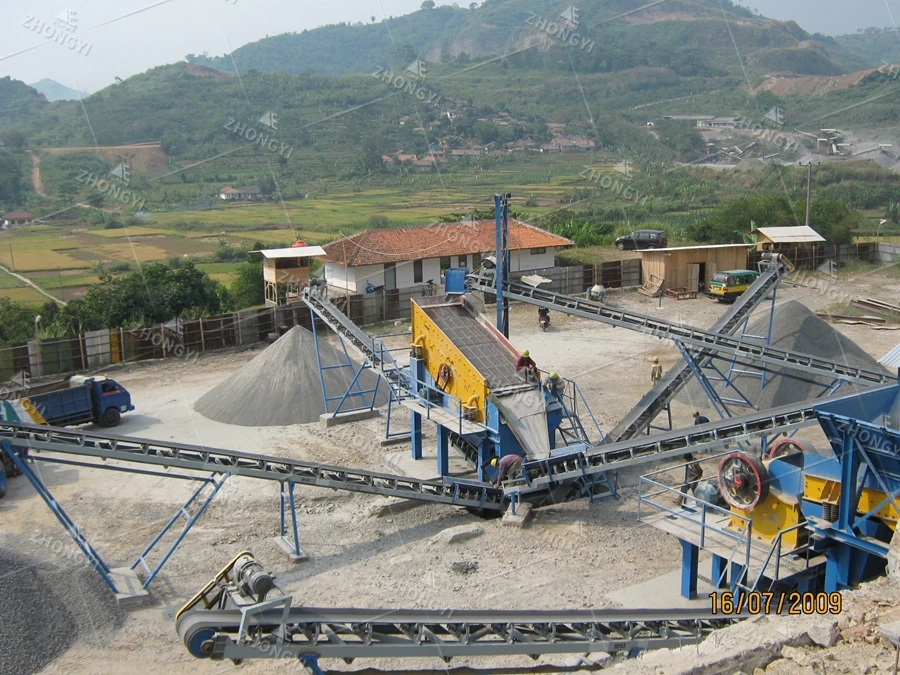
Waste recycling equipment configuration should match the incoming waste composition, required throughput, and target output quality. Wet or sticky materials can reduce screening efficiency, while oversized items may increase the load on shredders and conveyors. Equipment capacity must also be coordinated across the processing line. If downstream screens or conveyors cannot handle the feed rate, material may accumulate even when upstream equipment operates within its rated capacity.
During recycling plant commissioning, verify equipment coordination, startup sequences, safety interlocks, and operating parameters against the project requirements. Recycling equipment operator training should cover normal operating procedures, alarm responses, routine inspections, and safe blockage handling. Spare-parts availability and access to technical support should also be assessed before equipment purchase, particularly for wear components that can cause unplanned downtime. Matching equipment to actual process conditions and establishing clear operating procedures help reduce avoidable interruptions, maintain output quality, and support long-term operating cost control. For a broader view of the process stages, read how recycling plants sort materials.
الخاتمة
A consistent Waste Recycling Equipment Operation Process covers pre-start inspections, line startup and shutdown, controlled feeding, equipment monitoring, fault handling, and shift records. Effective waste recycling equipment daily operation depends on more than following a checklist. Operators must consider equipment condition, incoming waste characteristics, and downstream processing capacity together to maintain stable material flow and identify problems before they cause prolonged downtime.
Each SOP should reflect the installed equipment, control system, manufacturer instructions, and site-specific safety procedures. Production and maintenance records should also be reviewed regularly to improve operating practices over time.
At Xinzhongyi ECO, we support waste recycling projects through equipment selection, process configuration, commissioning, and technical support based on project requirements. Contact our team to discuss your waste stream, processing capacity, and plant layout, and identify an equipment configuration suited to your operational needs.
الأسئلة الشائعة
The Waste Recycling Equipment Operation Process covers pre-start inspections, system startup, controlled material feeding, operational monitoring, fault response, shutdown, and shift reporting. The exact procedure depends on the waste stream, equipment configuration, control system, and manufacturer’s instructions. A site-specific SOP should define the required operating sequence, inspection points, abnormal-condition responses, and responsibilities for operators and maintenance personnel.
Before startup, operators should check safety guards, emergency stops, visible mechanical damage, conveyor condition, and accessible hydraulic or lubrication indicators. They should also confirm that discharge routes are clear, downstream equipment is available, and incoming waste is suitable for processing. Any defect that could affect safe operation or interrupt the line should be assessed before startup, following the site’s approved inspection procedure.
For many continuous recycling lines, downstream receiving equipment is started before upstream processing equipment so that material has a clear discharge route. However, the recycling line startup sequence must follow the installed control logic, PLC interlocks, and individual machine requirements. Operators should confirm that each required stage is ready before introducing waste and should never bypass safety interlocks to keep production moving.
Operators should adjust the feed rate according to the capacity and operating condition of the complete processing line, not just the primary shredder or crusher. Oversized items, uneven feeding, wet or sticky materials, and downstream restrictions can increase equipment loading or cause blockages. Monitoring motor load, material accumulation, discharge flow, and alarms helps operators identify developing problems and adjust feeding before interruptions become more serious.
Basic operating checks should generally be completed before each shift, with additional monitoring during production. Detailed inspections, lubrication, and component replacement should follow the manufacturer’s maintenance schedule and the site’s operating conditions. Inspection frequency may need to increase when equipment handles abrasive, wet, or highly contaminated waste. Operators should record recurring abnormalities and arrange further inspection when wear, vibration, leakage, or operating readings change unexpectedly.
Operators should stop or reduce incoming feed according to the approved procedure and respond to the affected machine’s alarms and protection systems. Before clearing a blockage, shut down the equipment, isolate all relevant hazardous energy, and verify the safe condition as required by site procedures. Never reach into a hopper, shredder, or screen while hazardous movement is possible. If the cause remains unclear, involve qualified maintenance personnel before restarting.
A useful recycling equipment downtime tracking record should include the affected machine, start and end times, reported symptoms, alarm codes, suspected cause, corrective action, and follow-up responsibility. Where possible, distinguish equipment faults from planned maintenance, feedstock problems, and downstream restrictions. Reviewing these records across shifts helps identify recurring failures and production bottlenecks, allowing maintenance teams to prioritize inspections and investigate the causes of lost operating time.
Waste recycling equipment configuration affects material flow, processing capacity, separation quality, and maintenance requirements. Feeders, shredders, screens, separators, and conveyors must be matched to the incoming waste and coordinated across the line. A machine with a high rated capacity cannot guarantee equivalent plant throughput if downstream equipment becomes a bottleneck. Equipment selection should therefore consider material characteristics, target output quality, environmental controls, and the operating requirements of the complete process.