












مقدمة
Choosing between a light-duty and a heavy-duty apron feeder can be a difficult decision for waste plant buyers. When oversized concrete, bulky waste, or mixed municipal solid waste (MSW) enters the line, a feeder that cannot handle the actual loading and impact conditions may cause unstable feeding, excessive wear, or interruptions upstream of the crusher. On the other hand, specifying a heavier design than necessary can increase equipment and operating costs. The right choice depends on more than throughput: maximum feed size, hopper loading, material characteristics, and downstream equipment capacity all need to be considered.
This guide compares light duty and heavy duty apron feeders for waste plants, explaining their structural differences, suitable applications, and key selection criteria. It also outlines how to assess feed size, required throughput, loading impact, and downstream equipment requirements. By evaluating these factors together, plant owners and project engineers can select an apron feeder that matches actual operating conditions and supports stable material feeding throughout the waste processing line.
What Is an Apron Feeder and How Does It Work?
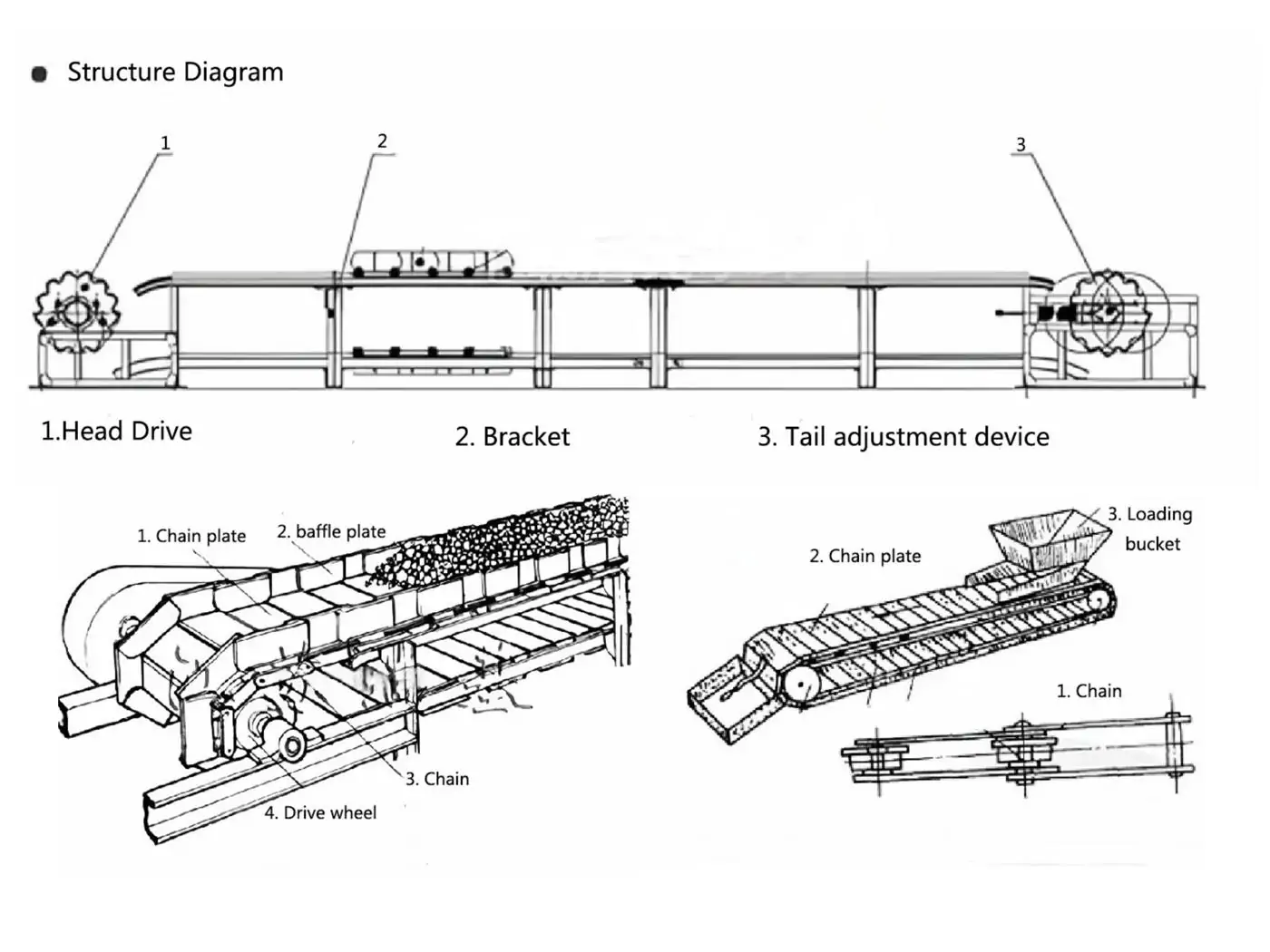
Apron Feeder Structure and Working Principle
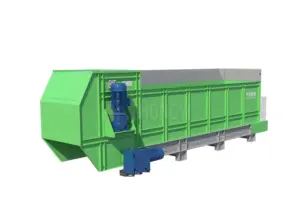
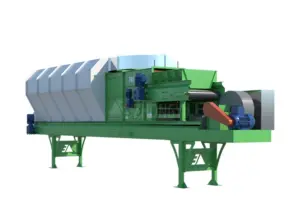
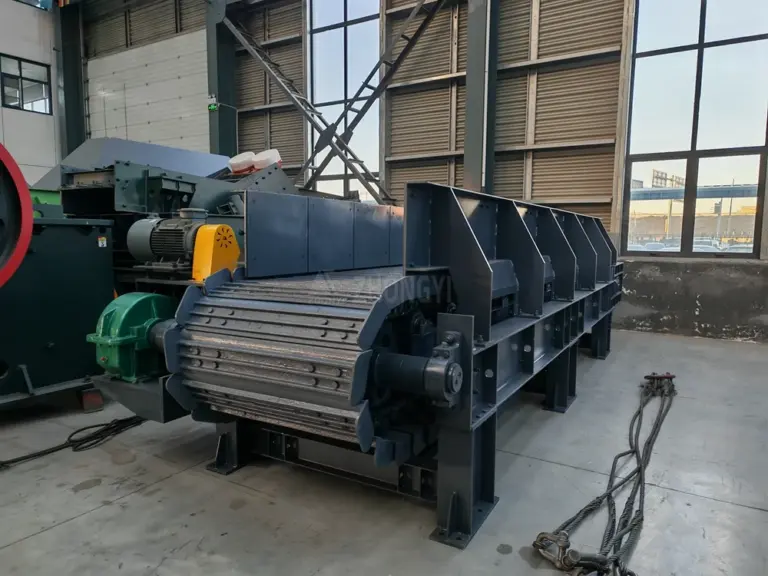
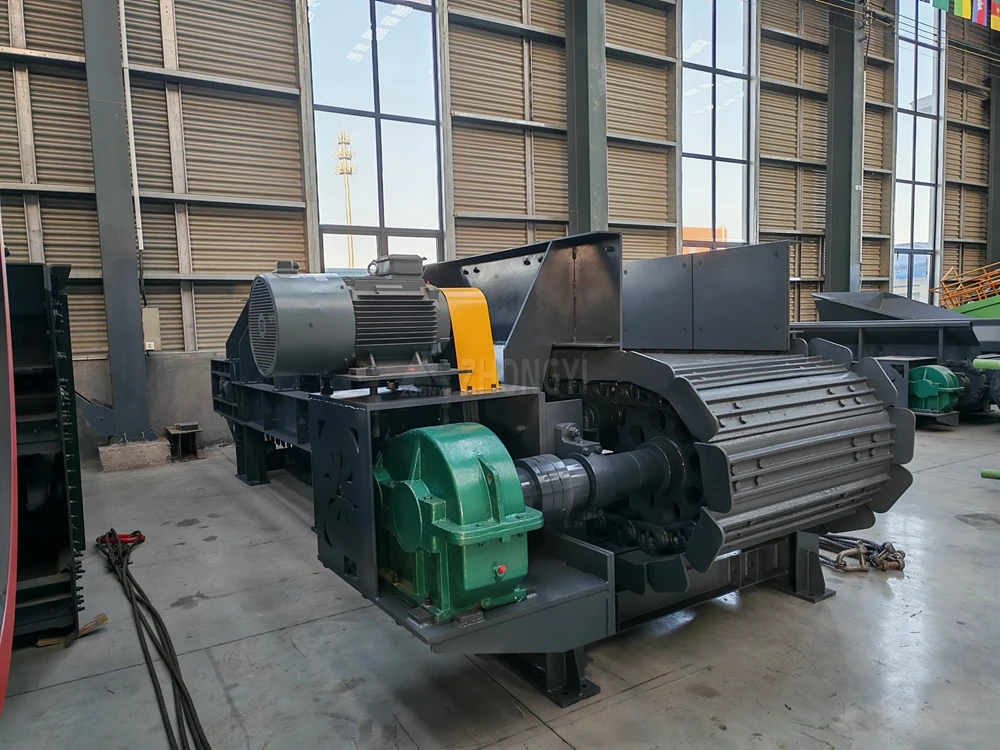
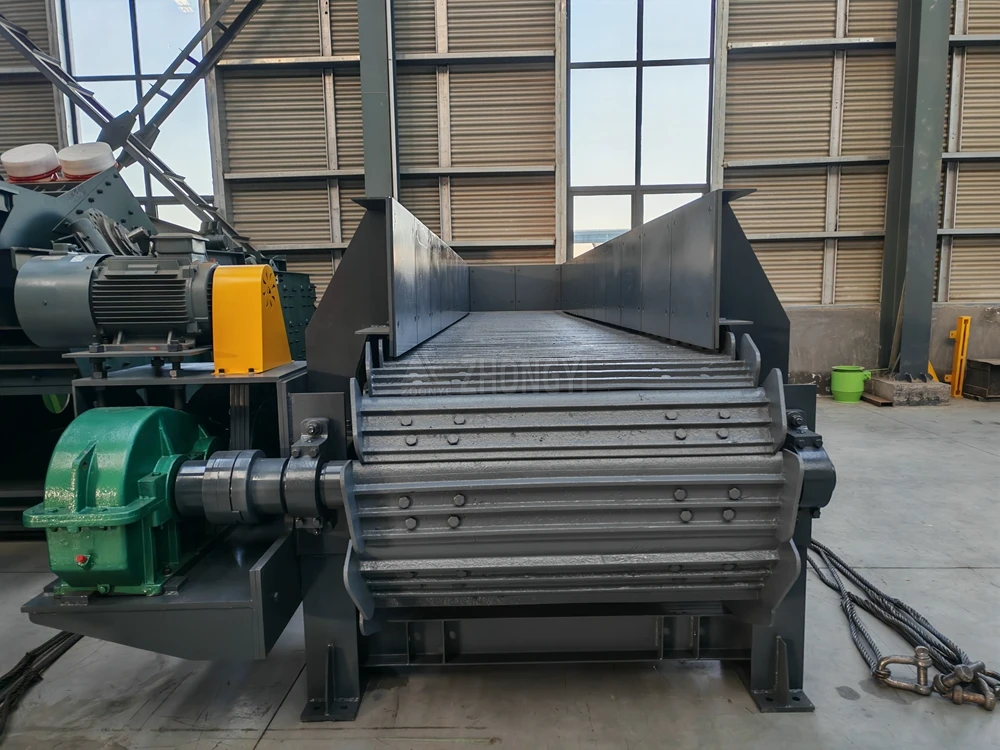
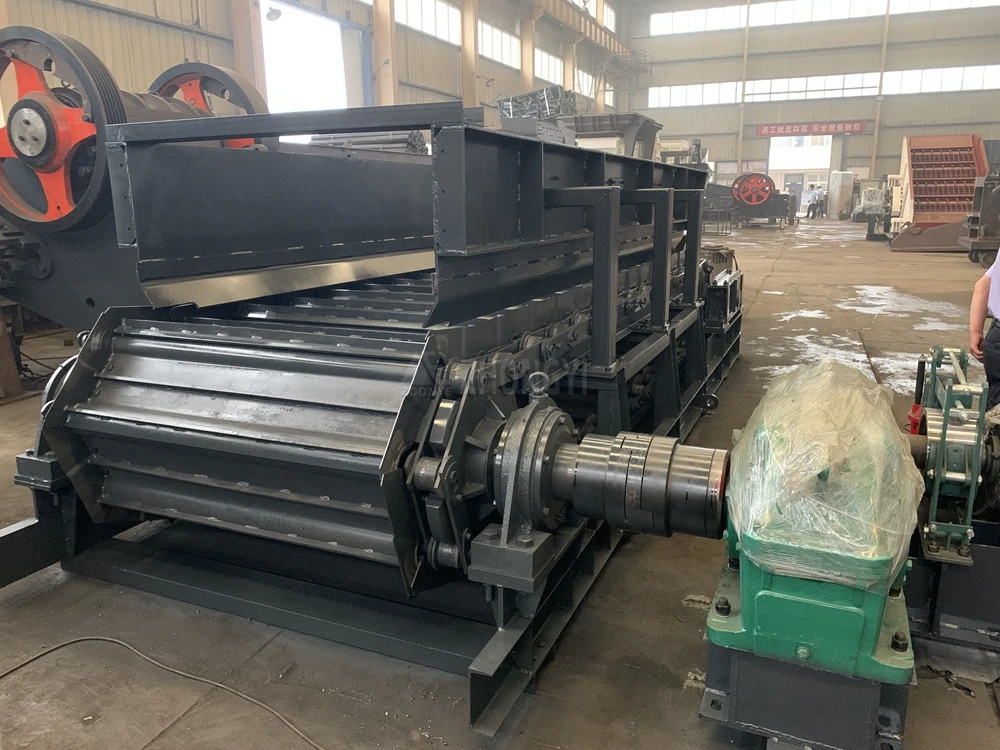
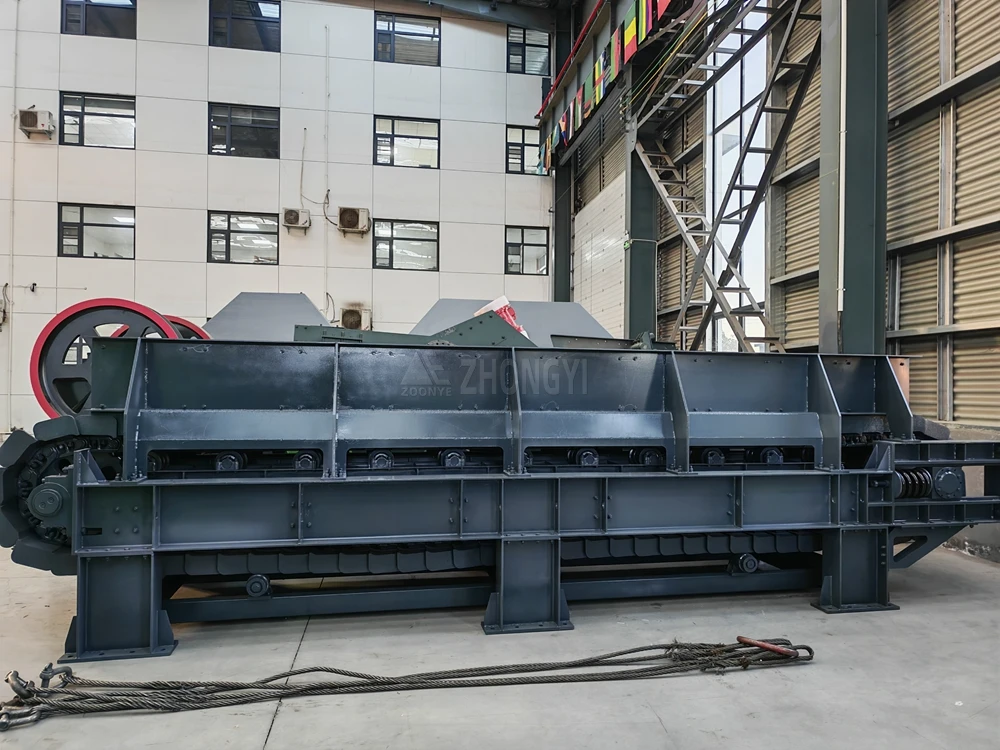
An apron feeder is a mechanical feeding unit that uses connected steel pans, chains, and a drive system to transfer bulk materials from a hopper to downstream equipment. The rigid pans provide a load-bearing surface that can be designed to handle heavy loads and impact from falling material. Its capacity depends on the feeder design, material characteristics, and loading conditions.
The apron feeder working principle is straightforward: the drive system moves the chain pans continuously toward the discharge end, carrying material to a crusher, conveyor, screen, or sorting system. The feed rate depends on factors such as feeder speed, material depth, and hopper discharge conditions. Where variable-speed control is fitted, the operating speed can be adjusted to match downstream feed requirements.
The Role of an Apron Feeder in Waste Processing Plants
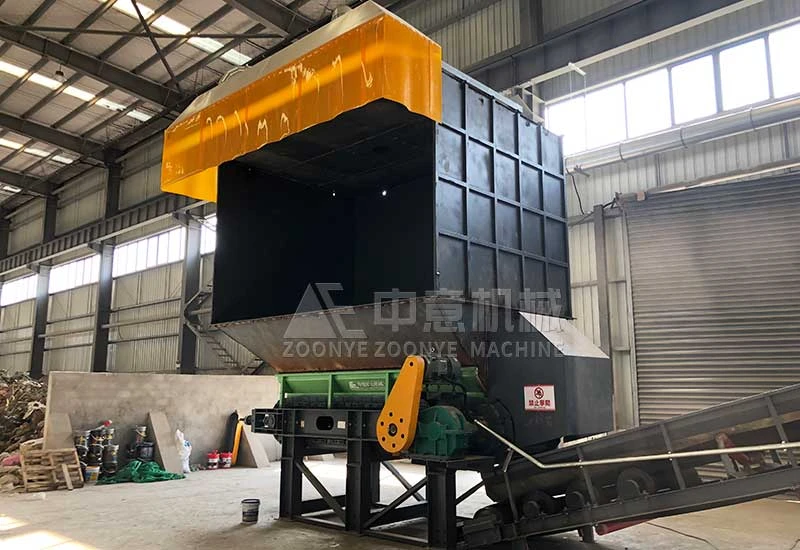
An apron feeder for waste processing plants transfers material from a receiving hopper to the next stage of the line. Mixed municipal solid waste (MSW), construction and demolition (C&D) waste, and bulky waste can differ significantly in size, density, and impact load. The feeder must be matched to these material conditions and the requirements of the downstream equipment.
Although light duty and heavy duty apron feeders share the same basic operating principle, their structural design and load-handling capabilities differ. Understanding these differences helps plant operators and project engineers determine which apron feeder is better suited to their waste processing application.
Light Duty vs Heavy Duty Apron Feeder: Main Differences
The main difference between a light duty and heavy duty apron feeder lies in the loading conditions and impact forces each design is intended to handle. A light duty apron feeder may suit moderate loads within its rated limits, while a heavy duty apron feeder is designed for more demanding applications involving heavy materials, large feed pieces, or higher impact loads.
For waste processing plants, selection should consider feed rate, maximum feed size, hopper loading conditions, material characteristics, and downstream equipment capacity. The following comparison summarizes the published specifications and general design differences. Confirm model-specific limits with the supplier before finalizing equipment selection.
| Comparison Factor | مغذي صفائحي للخدمة الخفيفة | مغذي صفائحي للخدمة الشاقة |
|---|---|---|
| Published feeding capacity | Product overview lists 50–300 m³/h; confirm capacity against the selected model | Product page lists 50–1,000 m³/h; confirm capacity against the selected model |
| Published motor power | 7.5–22 kW | 11–45 kW |
| Maximum feed particle size | Published model limits range from 150 to 350 mm | Product page states up to 1,500 mm; confirm the applicable limit for the selected model |
| Structural configuration | Chain-driven feeding system with overlapping steel apron pans and adjustable feeding speed | Heavy-duty apron pans, traction chains, and drive components designed for demanding loading conditions |
| Typical waste applications | MSW, construction and renovation waste, bulky recyclables, and mixed recyclable materials | Bulky mixed waste, construction and demolition (C&D) debris, excavated landfill material, and other demanding feed applications |
| Key selection considerations | Required feed rate, maximum feed size, bulk density, hopper conditions, and downstream capacity | Maximum lump size, material weight, impact loading, required feed rate, and structural load requirements |
Note: The figures above reflect published product information and general design descriptions. They are not guaranteed operating values for every configuration. Actual capacity and allowable feed size depend on the selected model and operating conditions. Verify the applicable specifications with the supplier before ordering.


When Is a Light Duty Apron Feeder Suitable for a Waste Plant?
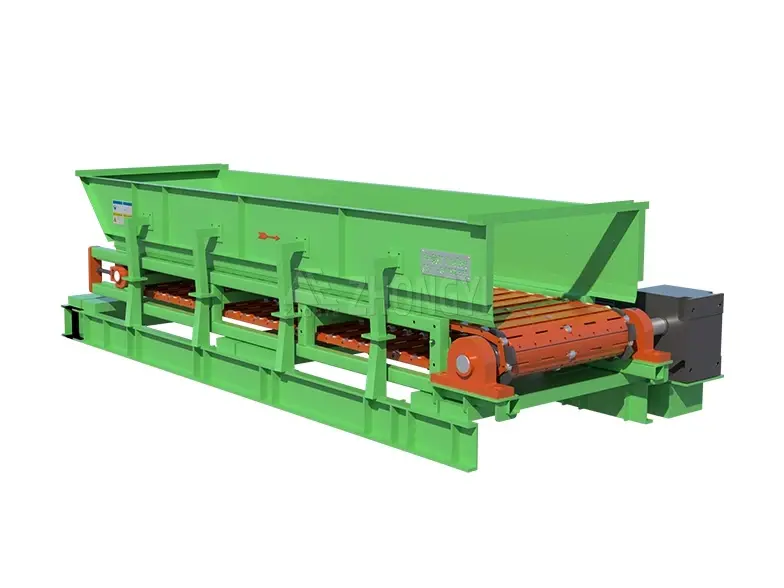
When feeding a shredder, screen, or sorting system, the feeder must deliver material at a rate the downstream equipment can accept. Where a variable-frequency drive is fitted, feed speed can be adjusted to match process requirements. For equipment details, see our مغذي صفائحي للخدمة الخفيفة. If heavy blocks, bulky items, or concentrated impact loads exceed the light duty design limits, a heavy duty apron feeder may be more suitable.
When Does a Waste Plant Need a Heavy Duty Apron Feeder?
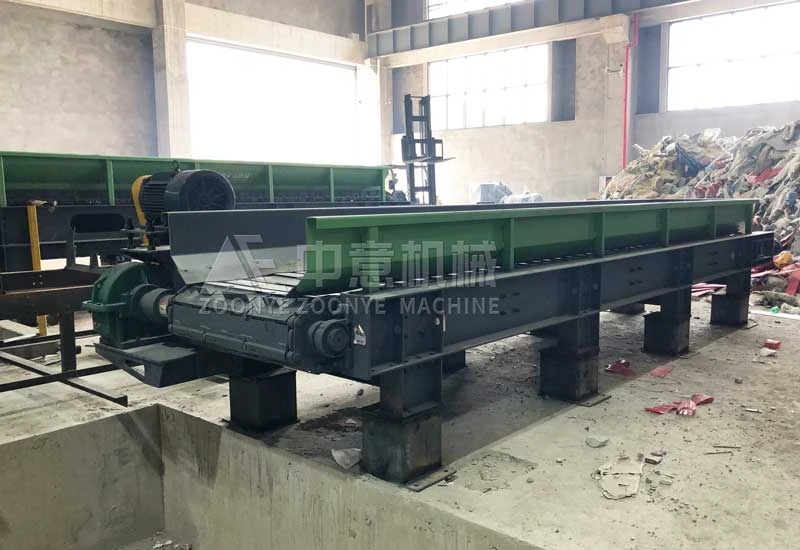
A heavy duty apron feeder should be considered when the feed material, loading method, or impact conditions exceed the design limits of a light duty unit. In waste processing plants, this often needs closer assessment when handling large concrete pieces, heavy bulky waste, or mixed landfill excavation material.
Construction and Demolition Waste
Construction and demolition (C&D) waste can contain concrete blocks, bricks, masonry, and metal pieces of different sizes and weights. Large, dense pieces falling onto the feeder can create high impact loads on the apron pans, chains, and supporting structure. An apron feeder for construction waste should be selected according to maximum feed size, drop height, loading pattern, and material abrasiveness. A line handling mainly small, pre-crushed rubble may not need the same structural capacity as one receiving large concrete blocks.
Bulky Waste and High-Impact Feeding
Furniture, mattresses, and other bulky waste can land unevenly because of their size and shape. Heavy items discharged by a loader or dropped from a height may create concentrated impact loads. A heavy duty design may be necessary when these loads exceed the limits of a light duty feeder. Flexible materials that wrap around moving parts and items that cause hopper blockages also require attention to hopper geometry, discharge openings, and access for clearing obstructions.
Landfill Excavation and Abrasive Residuals
Excavated landfill material may contain soil, stones, construction debris, and unexpected foreign objects. Abrasive particles can accelerate wear, while wet material and oversized pieces can affect feeding conditions. A heavy duty apron feeder may be suitable when the actual load and impact conditions require a stronger structure. Material composition and loading conditions should be assessed before specifying the feeder. For equipment details, see our مغذي صفائحي للخدمة الشاقة.
In practice, the decision comes down to material weight, feed size, impact load, and abrasiveness—not the waste category alone. These factors should be checked against the required feed rate and the capacity of the downstream equipment before the feeder is specified.For practical guidance on equipment inspections, startup, feeding, operating checks, and shutdown, see our guide to [Waste Recycling Equipment Daily Operation Standard Process].
How to Choose the Right Apron Feeder for a Waste Plant
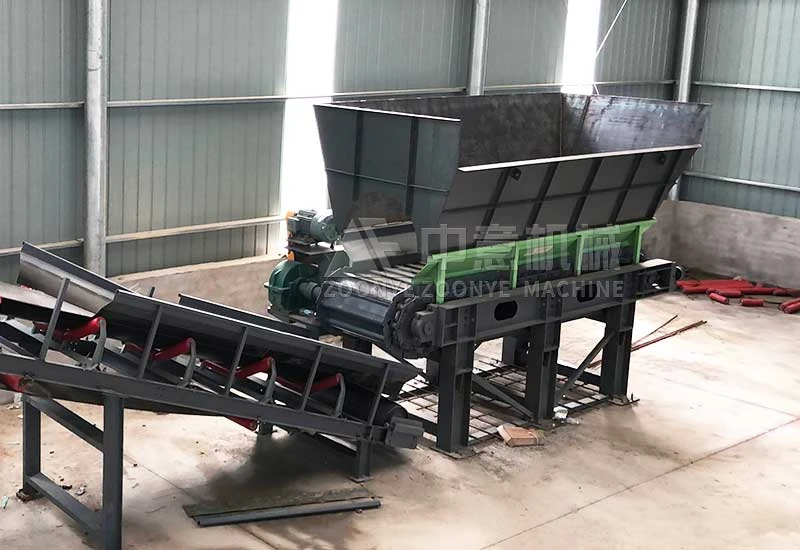
Selecting an apron feeder for a waste plant starts with the material properties and operating conditions. Before choosing a light duty or heavy duty design, confirm the required feed rate, maximum feed size, hopper loading conditions, and downstream equipment capacity.
Evaluate Waste Composition, Bulk Density and Maximum Feed Size
Record the waste composition, bulk density, maximum feed size, moisture, abrasiveness, and potential foreign objects. Include typical and worst-case conditions, especially oversized concrete pieces, heavy metal objects, and unevenly loaded bulky waste. Waste type alone is not enough to determine feeder specifications.
Calculate Required Throughput and Feeding Rate
Confirm the design throughput and distinguish between average and peak feed rates. Check whether capacity is expressed in tonnes per hour (t/h) or cubic metres per hour (m³/h).
When bulk density is known, mass flow can be estimated as:
Qm = Qv × ρb
Where Qm is mass flow (t/h), Qv is volumetric flow (m³/h), and ρb is bulk density (t/m³).
This conversion does not establish actual feeder capacity. Material distribution, bed depth, hopper discharge conditions, and feeder speed must also be considered. The selected feeder must supply the required flow without exceeding downstream equipment limits.
Check Hopper Pressure and Loading Impact
Check hopper opening dimensions, material depth, drop height, individual piece weight, and loading method. Concentrated impact and uneven loading can increase loads on the apron pans, chains, frame, and drive system.
The structural design must suit the actual loading conditions. Rated throughput alone does not establish the feeder’s load-bearing capacity.
Match Feeder Speed with Downstream Equipment
Match feeder capacity and speed control to the crusher, conveyor, screen, and sorting system. A variable-frequency drive (VFD) may be appropriate where incoming material or downstream demand fluctuates.
Check whether the line requires hopper level monitoring, speed feedback, or interlocks for downstream shutdowns and blockages. Allow sufficient access for inspecting and replacing chains, pans, and drive components.
Verify Feeder Specifications Before Ordering
Before confirming the order, ask the supplier to verify:
- Rated feed capacity and the conditions used for the rating.
- Maximum feed size and structural load requirements.
- Drive configuration and speed-control range.
- Apron pan, chain, and wear-part specifications.
- Hopper interface dimensions and installation requirements.
The final selection should reflect the actual material loads, impact conditions, and downstream capacity—not the waste category alone. These checks also provide the basis for integrating the feeder into the complete waste processing line.

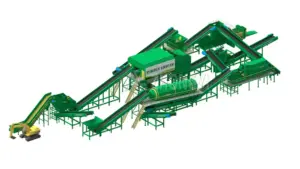
How Does an Apron Feeder Fit into a Waste Processing Line?
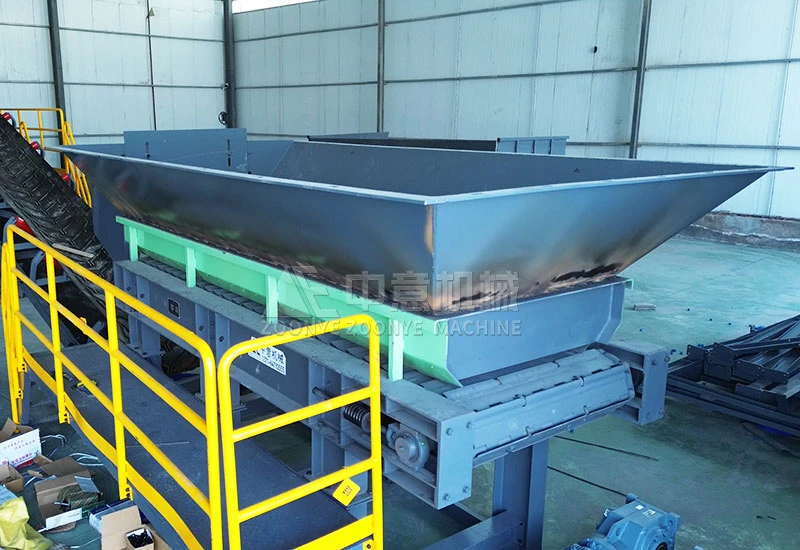
An apron feeder transfers waste from the hopper to the next stage of processing. Its feed rate must match the capacity of the downstream crusher, conveyor, and other equipment. If the feeder supplies material unevenly or exceeds the receiving equipment’s capacity, the line may experience surges, blockages, or underutilized equipment.
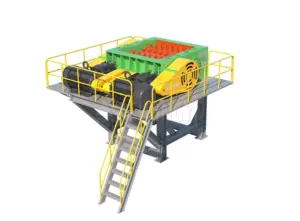
Feeding Consistency and Crusher Protection
A downstream crusher needs a feed rate suited to its operating capacity. Feeding too much material at once can cause overloading or blockages, while insufficient feeding reduces equipment utilization. An apron feeder with suitable capacity and speed control helps regulate material flow as incoming waste conditions change.
Where the line uses automated controls, hopper level monitoring and interlocks can coordinate feeding with downstream equipment status. For example, the feeder can stop when the receiving crusher shuts down, if this function is included in the control design.
An apron feeder cannot prevent every blockage or replace the crusher’s overload protection. Oversized items and tramp metal still require appropriate feed-size control and protection measures.
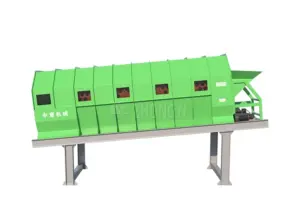
Integration with Conveyors, Screens and Sorting Equipment
Conveyor integration should be checked during layout design. The feeder discharge height, width, and transfer point must suit the receiving conveyor, and the conveyor must have sufficient capacity for the expected material flow. Poorly matched transfer points can cause spillage or uneven loading.
Feeding conditions also affect screening and sorting. Screens need an appropriate material distribution for effective separation, while optical sorting systems generally perform better when material is spread in a relatively even layer. The feeder, conveyor, and downstream equipment should therefore be designed around the process requirements of the complete line.
Check equipment interfaces, transfer points, maintenance access, and space for replacing wear parts before finalizing the layout. These checks help identify installation conflicts and capacity mismatches before equipment arrives on site.
Maintenance, Wear Parts and Operating Considerations
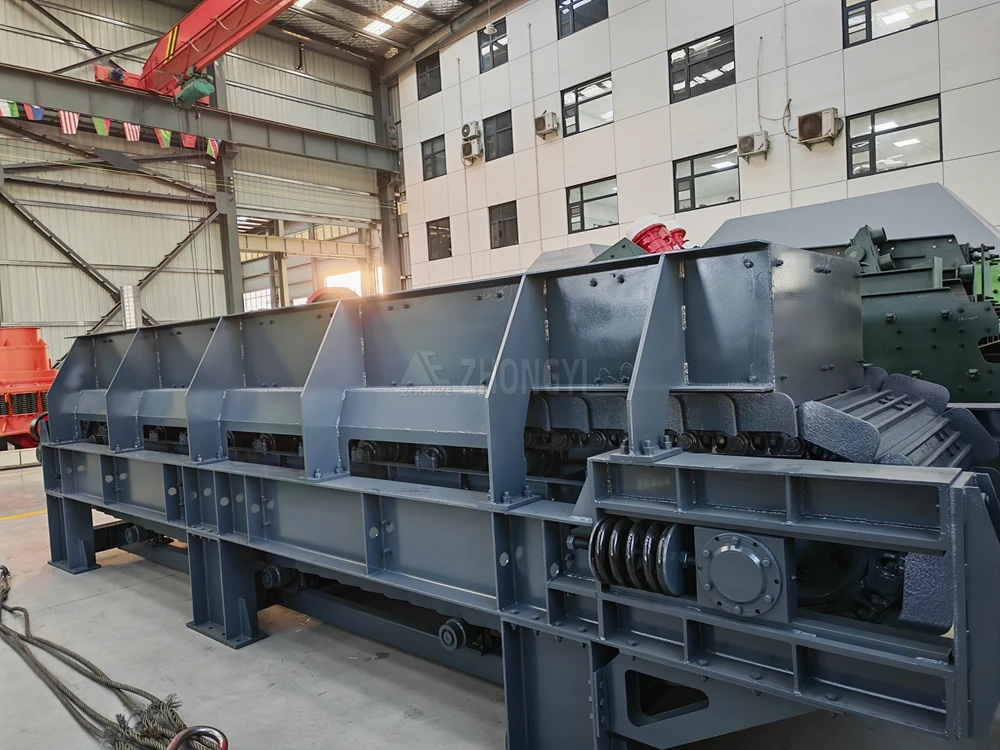
Apron feeder maintenance depends on the material handled, loading conditions, and feeder design. In waste processing plants, abrasive debris, heavy objects, and uneven loading can affect chain wear, apron pan condition, and drive loading. Inspection should focus on these components and any signs of abnormal operation.
Chain, Pan and Drive System Inspection
Inspection intervals should follow the manufacturer’s maintenance instructions and reflect actual operating conditions. Abrasive materials, frequent impact loading, and persistent blockages may require closer inspection.
For guidance on controlling unexpected startup and stored energy during servicing, see OSHA’s Control of Hazardous Energy (Lockout/Tagout). Apply the equipment manual, site procedures, and applicable local requirements.
Spare Parts and Planned Maintenance
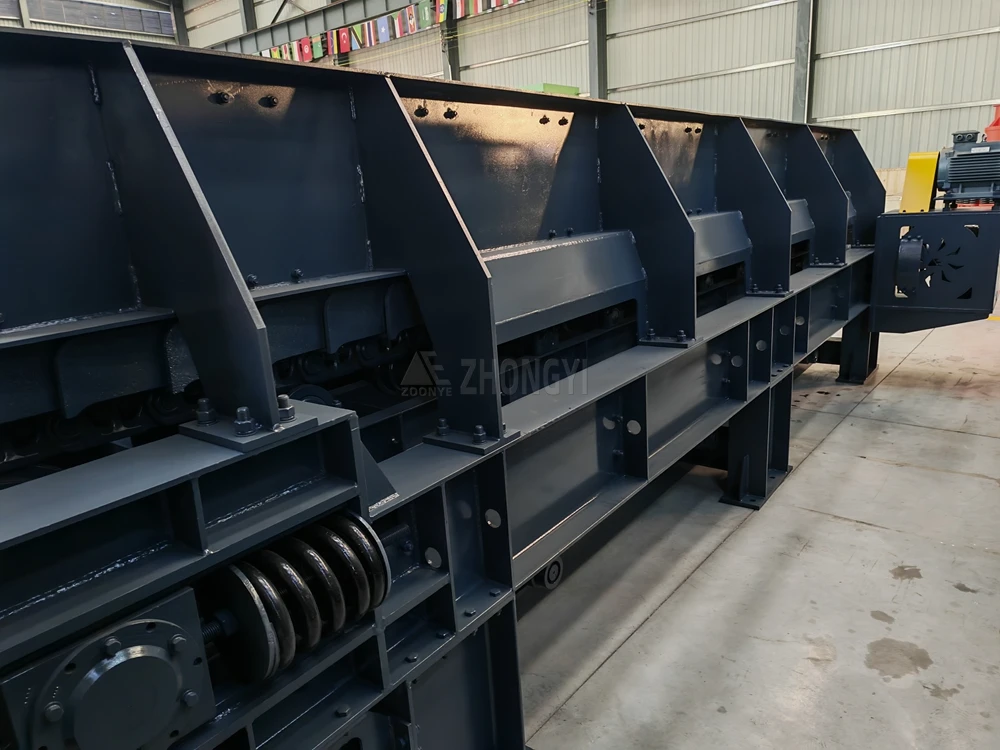
Before purchasing an apron feeder, confirm the availability and specifications of replacement chains, apron pans, rollers, and other design-specific wear parts. Check whether these components can be accessed and replaced without extensive dismantling, and allow sufficient maintenance clearance in the plant layout.
Planned inspections help identify wear before it causes an unplanned shutdown. When comparing light duty and heavy duty apron feeders, assess the expected material loads, impact conditions, wear-part requirements, and ease of maintenance. The selected design should match the actual operating conditions and allow practical access to components that require regular inspection or replacement.
Cost and Maintenance Factors When Comparing Duty Classes
When comparing light duty and heavy duty apron feeders, assess more than the initial purchase price. Review the drive configuration, apron pan and chain specifications, replacement-part availability, maintenance access, and the potential effect of unplanned downtime.
A heavier-duty design may be justified by demanding loading conditions, but it should not be assumed to reduce maintenance costs automatically. Compare quotations using the same material conditions, duty assumptions, and scope of supply to evaluate the cost and maintenance implications of each design on a consistent basis.
From an equipment selection perspective, reviewing material composition, maximum feed size, hopper loading conditions, and downstream requirements together helps identify potential wear and loading issues before the feeder is specified. This is particularly important in waste processing lines, where concrete debris, bulky items, and mixed materials can create uneven loading conditions.
الخاتمة
Selecting an apron feeder for a waste plant starts with the actual operating conditions. A light duty apron feeder may suit applications with moderate loads and impact levels within its design limits, while a heavy duty apron feeder is appropriate when engineering assessment shows a need for greater load-bearing or impact resistance. Material composition, peak throughput, hopper conditions, downstream capacity, and lifecycle costs should all inform the decision.
Xinzhongyi ECO provides waste processing equipment and supports project-specific equipment selection and process integration. To discuss a suitable feeder configuration for your plant, contact our team with your waste composition, required throughput, maximum feed size, and site layout for further assessment.

الأسئلة الشائعة
A light duty apron feeder and a heavy duty apron feeder differ mainly in their structural design, allowable loading conditions, and resistance to impact. Depending on the model, differences may include apron pan dimensions, chain configuration, frame strength, and drive capacity. These classifications are not standardized across all manufacturers. Compare the specific models against maximum feed size, impact loads, required throughput, and operating conditions rather than relying on the duty classification alone.
Choosing an apron feeder for MSW depends on waste composition, maximum feed size, hopper loading, and the required feed rate. Waste containing mainly packaging and light residuals may impose different loads from mixed waste containing concrete, metal, or bulky items. Assess the actual loading and impact conditions alongside downstream equipment capacity before deciding between light duty and heavy duty designs. The MSW label alone is not enough to determine feeder specifications.
A heavy duty apron feeder may suit construction waste containing large concrete blocks, bricks, and dense demolition debris that create substantial impact loads. Selection depends on maximum feed size, individual piece weight, drop height, and the feeder’s rated structural capacity. A line receiving pre-crushed rubble may require a different configuration from one handling large demolition pieces. Confirm the proposed model’s specifications against the actual feed conditions before ordering.
Determine the required apron feeder capacity from the design throughput and peak feed demand, then check whether the figure is expressed in tonnes per hour or cubic metres per hour. Bulk density can be used to convert volumetric flow into estimated mass flow. Actual performance also depends on hopper discharge, material distribution, feeder speed, and downstream capacity. The feeder’s rated capacity should not be treated as the guaranteed throughput of the entire processing line.
An apron feeder may be suitable for wet or sticky waste, but material adhesion, moisture content, particle size, and the risk of wrapping or bridging must be assessed. Hopper geometry, discharge openings, and access for cleaning also affect operation. A heavy duty design does not automatically prevent buildup or blockage. For difficult materials, confirm the feed characteristics and evaluate the proposed feeder and hopper arrangement before finalizing the equipment specification.
An apron feeder helps regulate material flow to a downstream crusher when its capacity and speed control are matched to the process requirements. Appropriate feeding can reduce sudden surges and support more consistent crusher operation. However, the feeder cannot prevent every blockage or replace the crusher’s overload protection. Maximum feed size, tramp-metal control, and equipment interlocks should also be considered when designing the complete waste processing line.
For apron feeder selection, provide the waste composition, bulk density, maximum feed size, required and peak throughput, moisture level, and abrasiveness. Also include hopper dimensions, material drop height, downstream equipment specifications, and available installation space. Photos, drawings, or a process layout can clarify loading conditions and equipment interfaces. These details help the supplier assess the required feeder configuration against the actual operating conditions and project requirements.
Apron feeder maintenance typically includes checking chain wear and tension, apron pan deformation, rollers and bearings where fitted, drive components, lubrication, and material buildup. The inspection plan should follow the manufacturer’s instructions and reflect actual loading and abrasion conditions. Before installation, confirm the specifications and availability of replacement chains, pans, and other model-specific wear parts. Inspection intervals should be based on the equipment manual and adjusted when operating conditions require closer attention.