












Giriş
In a municipal solid waste (MSW) recycling plant, iron pieces, steel cans, and bolts can enter the processing line along with mixed waste. If these metal contaminants reach shredders or other critical equipment, they can cause damage, unplanned downtime, and additional maintenance costs. Recovering ferrous metals also helps recycling plants separate reusable materials from the waste stream.
The magnetic separator working principle relies on a magnetic field to attract ferrous metals and separate them from other materials. As the waste stream passes through the separation area, magnetic metals are captured and removed, while non-magnetic materials continue through the processing line. However, actual separation performance depends on factors such as magnetic field strength, metal size, material bed depth, and conveyor speed. Understanding how magnetic separators work helps plant operators evaluate equipment options and determine the right separation point in an MSW recycling line. The following sections explain the separation process, common equipment types, and the factors that affect performance.


What Is a Magnetic Separator?
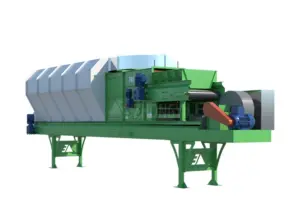
A manyetik ayırıcı uses a magnetic field to separate magnetic materials from mixed waste. In municipal solid waste (MSW) recycling, it is mainly used to recover iron and steel and remove ferrous contaminants before they reach downstream equipment. This helps protect shredders and other processing machinery while allowing recoverable metals to be collected for recycling.
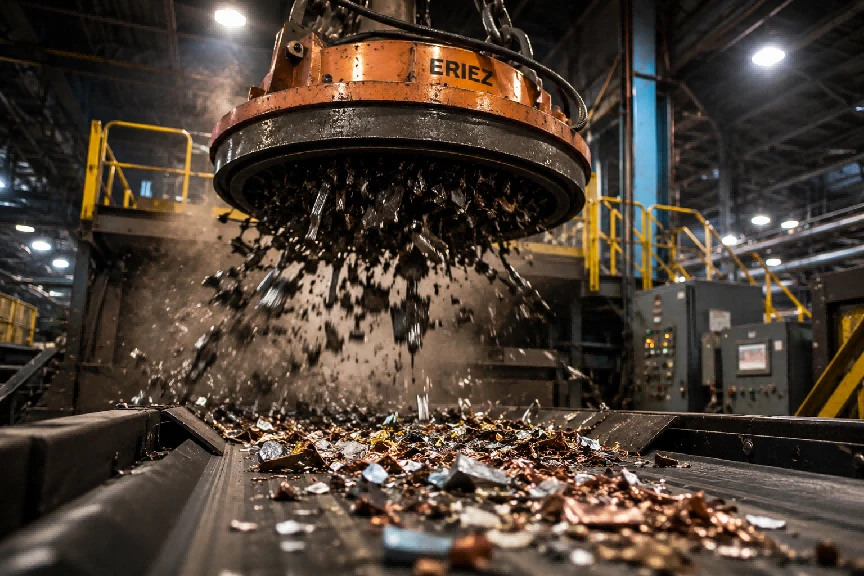
The equipment design depends on where and how separation takes place. An overband magnetic separator is suspended above a conveyor to lift ferrous metals from the moving material stream. A magnetic drum separator uses a rotating drum to separate magnetic materials from the feed. The choice depends on the waste composition, conveyor layout, and whether the priority is equipment protection, metal recovery, or both. Because magnetic separators mainly target ferrous metals, choosing a method for other metal fractions requires a different approach; Eddy Current Separator vs Magnetic Separator Usage compares the applications of these two technologies.
Main Components of a Magnetic Separator
The main components vary by design, but most magnetic separators have a magnetic system, a feeding or conveying arrangement, a supporting frame, and a mechanism for discharging separated material.
Magnetic system: Produces the magnetic field that attracts ferrous metals.
Feeding or conveying mechanism: Moves the material through the magnetic separation zone.
Metal discharge mechanism: Carries captured metal away from the main waste stream. Depending on the design, this may use a self-cleaning belt, a rotating drum, or another discharge arrangement.
Drive and support structure: Supports the equipment and powers its moving components where required.
These components are not arranged identically in every machine. An overband separator typically uses a suspended magnetic unit, with a separate belt in self-cleaning designs to discharge captured metal. A magnetic drum instead uses a rotating outer shell around a magnetic assembly. These structural differences affect installation space, maintenance access, and how separated metal is discharged.
Magnetic Separator Working Principle
The magnetic separator working principle is based on magnetic attraction. As mixed waste passes through the separation zone, the magnetic system captures ferrous metals such as iron and steel. The equipment then carries these metals away from the main material stream and discharges them into a separate collection area. Actual separation performance depends on factors such as magnetic field strength, working distance, material conditions, and separator design.
Magnetic Attraction and Ferrous Metal Capture
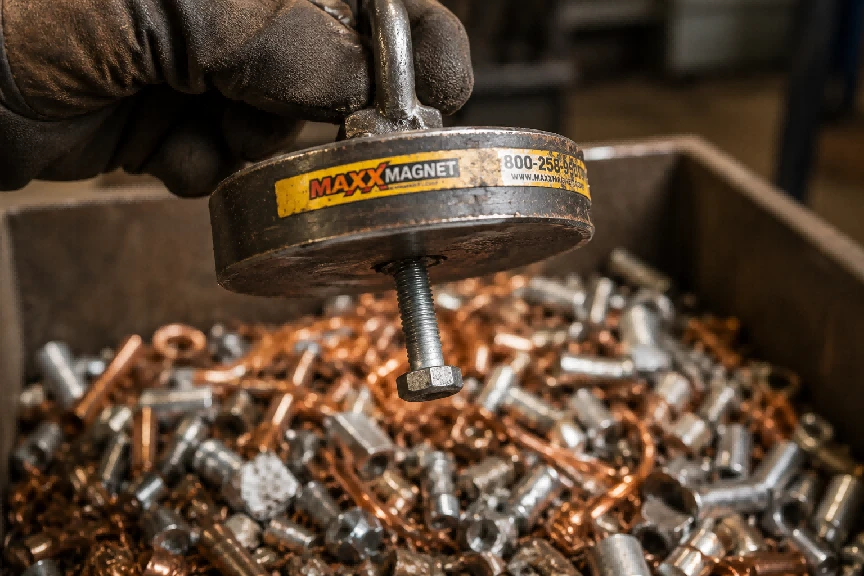
When iron or steel enters the effective magnetic field, it experiences a magnetic force that pulls it toward the magnetic system. Whether the item is captured depends on its size, magnetic properties, position in the waste stream, and distance from the magnet. Small or deeply buried metal pieces may be harder to recover than exposed items.
Magnetic strength ratings need to be considered in context. A value measured at the magnet surface does not represent the field strength at the actual working distance. As the gap increases, the field generally weakens, which is why suspension height and material layer thickness matter when selecting and installing a magnetic separator.
For further guidance on suspension height and conveyor positioning, see Bunting’s overband magnet installation guide.
Separation from the Main Material Stream
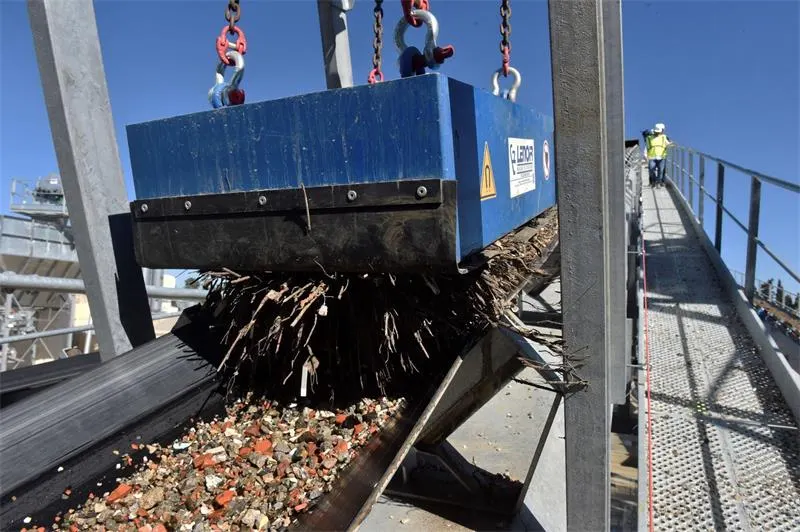
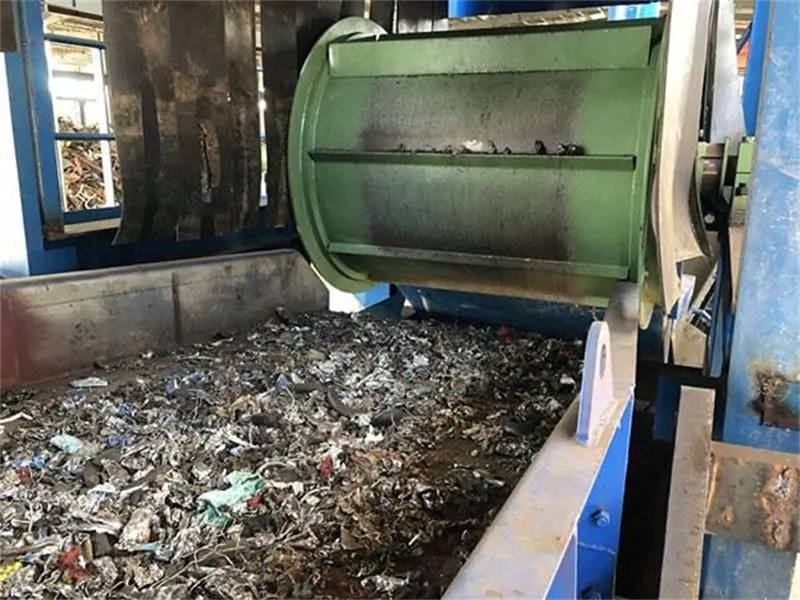
Once captured, ferrous metal must be moved away from the other waste. An overband magnetic separator lifts metal from the conveyor, while non-magnetic materials continue along the belt. In a magnetic drum separator, ferrous metals remain attached to the drum as other materials follow a different discharge path.
A thick or uneven waste layer can increase the distance between metal and the magnet or restrict the metal’s movement. Plastic film, textiles, and other tangled materials may also cover or trap metal pieces. Even material feeding and suitable separator positioning help reduce missed metal and improve separation consistency.
Automatic Metal Discharge
In a self-cleaning overband magnetic separator, a separate belt carries captured metal away from the main magnetic zone. Once the metal moves beyond the effective field, it drops into a designated collection area. This arrangement supports continuous metal removal without requiring the main conveyor to stop for routine manual cleaning.
Not all magnetic separators use a separate discharge belt. Magnetic drums release captured material according to their magnetic arrangement and drum design, while fixed magnetic plates may require manual cleaning or another removal method. In each case, magnetic attraction captures the metal, and the equipment’s design determines how it is transported and discharged.
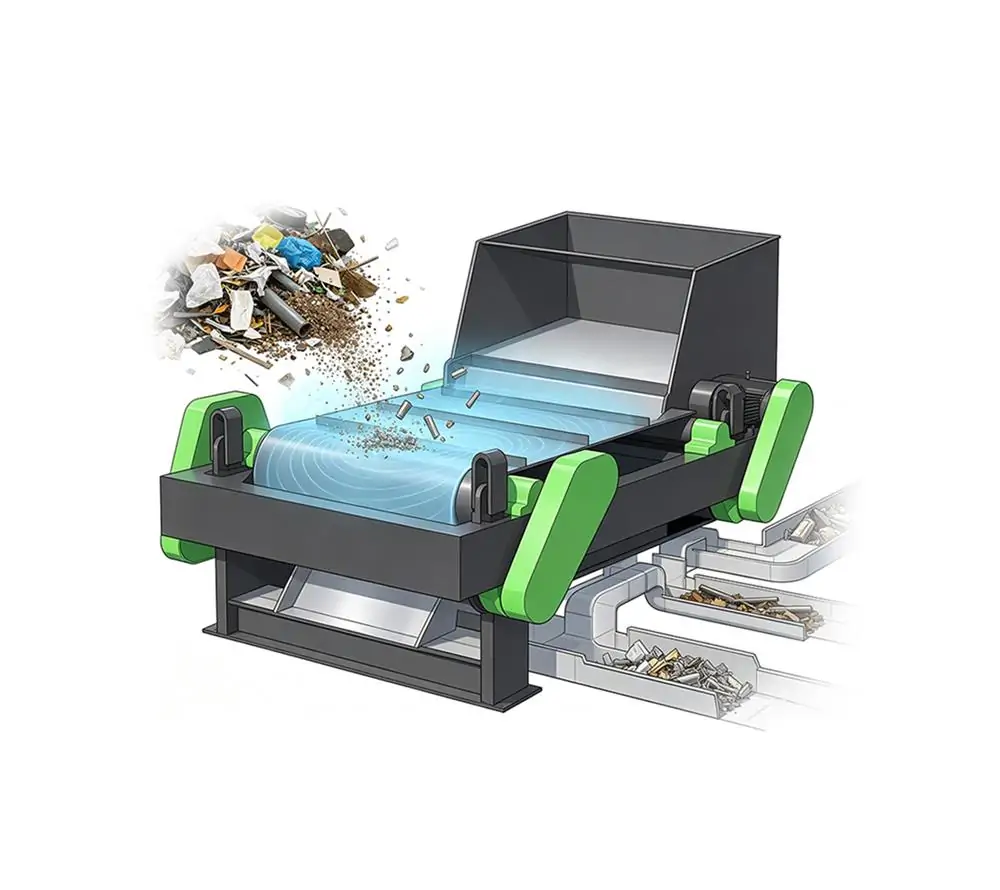
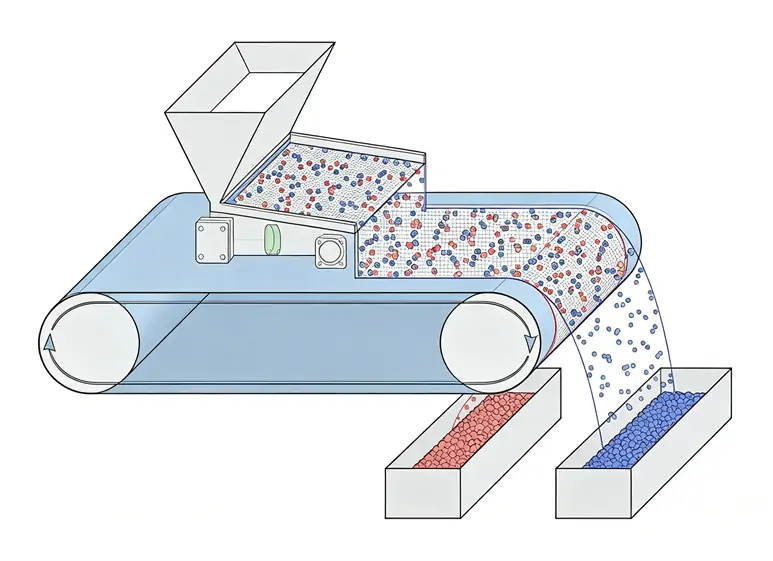
How Does a Magnetic Separator Remove Metal Impurities Step by Step?
A magnetic separator removes metal impurities through four steps: feeding the material, capturing ferrous metals, moving them away from the main waste stream, and discharging them for collection. In an MSW recycling line, this process helps recover iron and steel before the remaining material moves to downstream sorting or processing equipment.
Types of Magnetic Separators Used in Waste Recycling
Magnetic separators remove iron and steel from waste streams in different ways. In an MSW recycling line, an overband magnetic separator is often installed above a conveyor to pull out ferrous contaminants before they reach downstream equipment. A magnetic drum separator separates magnetic materials as the feed passes over a rotating drum, while a magnetic head pulley performs separation at the conveyor discharge. The choice comes down to the material being processed, the available installation space, and where metal needs to be removed.
| Magnetic Separator Type | Installation Method | Typical Application | Selection Considerations |
|---|---|---|---|
| Overband Magnetic Separator | Suspended above a conveyor | Removing iron and steel from mixed waste and protecting downstream equipment | Conveyor width, suspension height, material layer thickness, and target metal size |
| Magnetic Drum Separator | Positioned at a suitable feeding or separation point | Separating magnetic materials from a controlled, consistently fed material stream | Feed size, moisture, material distribution, and discharge arrangement |
| Magnetic Head Pulley | Installed at the conveyor discharge by replacing the standard head pulley | Removing ferrous metals as material leaves the conveyor | Conveyor dimensions, material trajectory, magnetic performance, and collection space |
Magnetic separators target ferrous metals, not all metal contaminants. If the waste stream also contains aluminum or other suitable non-ferrous metals, an eddy current separator can be added downstream to recover those materials.
What Affects Magnetic Separation Efficiency?
Magnetic separation efficiency depends on the working distance, material bed depth, conveyor speed, metal characteristics, and feed distribution. These factors affect whether iron and steel are captured before the remaining waste moves downstream.
Magnetic Field Strength and Suspension Height
The magnetic field must be strong enough to capture metal at its actual position on the conveyor. As the distance between the magnet and the material increases, the effective field generally weakens. When selecting an overband magnetic separator, consider the working distance and material layer thickness rather than relying on the magnet’s surface field rating alone.
Material Bed Depth and Conveyor Speed
A thick material layer can bury metal beneath other waste or place it too far from the magnetic field. Conveyor speed also affects how long metal remains within the effective separation zone. If the belt runs too fast for the feed conditions and separator design, some ferrous metals may pass through without being captured. Belt speed, material depth, and required throughput should be assessed together.
Metal Size, Shape, and Material Condition
Large steel parts, small iron fragments, and tangled steel wires can behave differently during separation. Capture depends on magnetic properties, position, and exposure to the field. Plastic film, textiles, and other waste may cover or trap metal, making removal more difficult. Performance should therefore be assessed using the actual waste composition rather than metal size alone.
Feeding Uniformity and Equipment Position
Uneven feeding creates thick spots on the conveyor and increases the chance of missed metal. A consistent material layer helps maintain stable separation. Installation position should match the process objective: removing ferrous contaminants before a shredder helps protect the equipment, while separation at another point may be intended to recover metal from prepared waste. Upstream screening and shredding also affect the material entering the separator. While magnetic separation relies on magnetic properties, AI sorting uses material recognition to guide separation; High Precision AI Waste Sorting Machine Core Advantages explores the factors that affect AI-based sorting performance.
Where Should a Magnetic Separator Be Installed in an MSW Recycling Line?
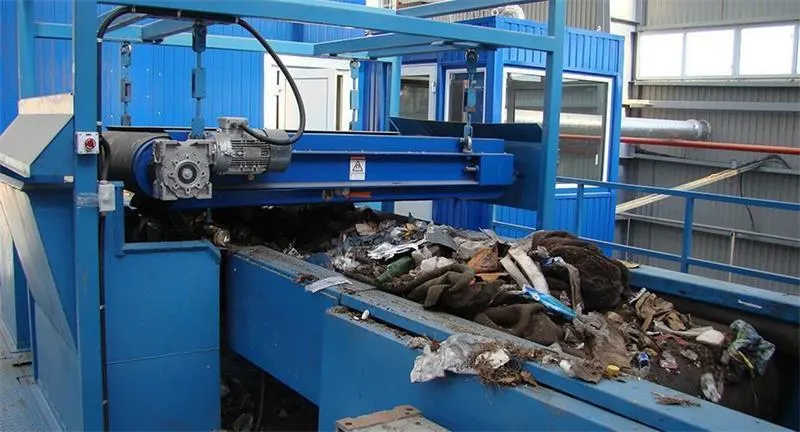
A magnetic separator for MSW is usually installed at a conveyor transfer point where iron and steel can be removed before reaching downstream equipment. The exact position depends on the waste stream and the purpose of separation, such as protecting a shredder or recovering ferrous metals. Some lines need more than one magnetic separation stage.
Before Shredding to Protect Equipment
A magnetic separator installed before a shredder removes accessible iron and steel, including nails, wires, and metal parts, before they enter the crushing chamber. This helps reduce the risk of damage to cutting tools and other components. Protection depends on how evenly waste is fed, whether metal is exposed, and the separator’s working distance and configuration. Metal buried in bulky waste may escape capture.
After Screening or Material Preparation
Bag opening, screening, and size reduction change how waste is distributed and how easily metal can be reached. Depending on the process layout, installing a magnetic separator after one of these stages may improve access to ferrous contaminants in the prepared material. However, screening does not always have to come first. The sequence should match the material flow and the purpose of separation.
Before Downstream Sorting or RDF Processing
Removing iron and steel before air separation or further sorting reduces ferrous contamination and helps protect downstream equipment. In refuse-derived fuel (RDF) production, the separator’s position also depends on the required fuel quality and which processing stages follow. Magnetic separation removes ferrous metals; screens, air separators, and other sorting equipment are needed to separate different waste fractions. Magnetic separation removes ferrous metals, but the remaining waste may still require further material sorting; Manuel Ayıklama ile AI Otomatik Atık Ayıklama Sistemi Karşılaştırması compares manual and AI-based approaches for this stage.
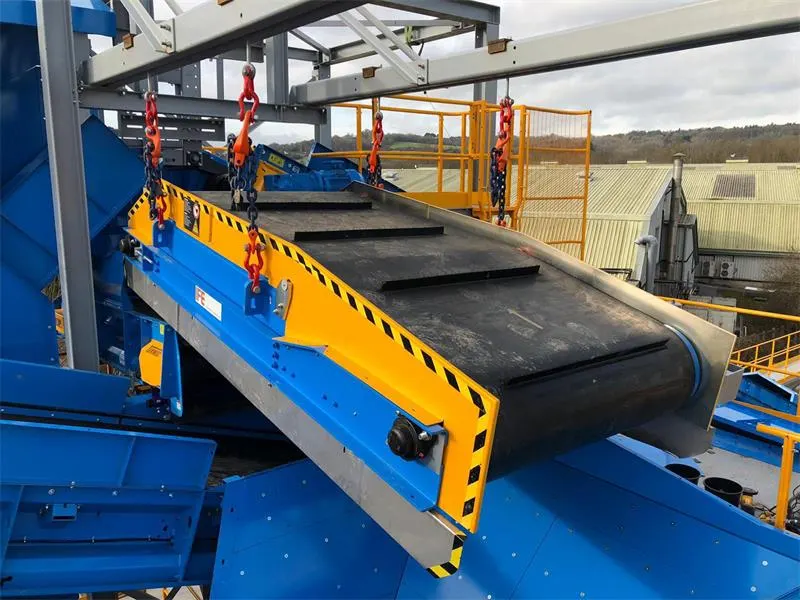
What Are the Limitations of Magnetic Separation?
Magnetic separation is effective for removing ferrous metals from MSW, but its performance depends on the metal’s magnetic properties and the conditions of the waste stream. It cannot recover every metal or guarantee complete separation in a single pass. For suitable non-ferrous metals such as aluminum, an eddy current separator uses a different physical principle from magnetic separation; Eddy Current Separator Non-Ferrous Metal Sorting Principle explains how this separation mechanism works.
The main limitations include:
Non-ferrous metals: Conventional magnetic separators do not effectively capture non-ferrous metals such as aluminum and copper. An eddy current separator can recover suitable non-ferrous metals, depending on their size, shape, and operating conditions.
Metal hidden in mixed waste: Iron and steel buried beneath thick material layers may experience insufficient magnetic force at their position, while plastic film and textiles may physically trap them, allowing some items to pass through.
Variations in magnetic properties: Not all stainless steel responds strongly to conventional magnets. Its magnetic response depends on the grade and metallurgical structure, so recovery cannot be assumed for every stainless steel item.
Recovery and purity limits: A single separation stage may leave ferrous metals in the waste or allow non-target materials to enter the recovered metal stream. Feed preparation, separator adjustment, or additional sorting may be needed to meet the required recovery and purity levels.
How to Choose the Right Magnetic Separator for Your Recycling Plant
The right magnetic separator depends on the metal in the waste, the operating conditions, and the purpose of separation. Before choosing a model, check how the equipment will fit into the existing recycling line and what the separation stage needs to achieve.
Match the Separator to the Target Metal
Identify the type, size, and distribution of ferrous metals in the waste. An overband magnetic separator removes metal above a conveyor, while a magnetic head pulley separates it at the discharge point. The choice depends on the material flow and whether the main goal is to protect downstream equipment or recover iron and steel.
Check Conveyor and Processing Conditions
Conveyor width and speed, material bed depth, and throughput all affect equipment selection. Check the available installation height, metal discharge space, and maintenance access as well. Plastic film, textiles, and wet or sticky waste can hide metal or disrupt feeding, making separation more difficult.
Set the Separation Requirements
Define the required level of ferrous metal removal and whether the recovered metal must meet a particular purity target. If performance is critical, test representative waste before confirming the configuration. The assessment should also establish whether one separation stage is sufficient or additional equipment is needed.
For a magnetic separator for MSW, the waste composition, throughput, conveyor dimensions, target metals, and installation layout provide a practical starting point for equipment assessment.
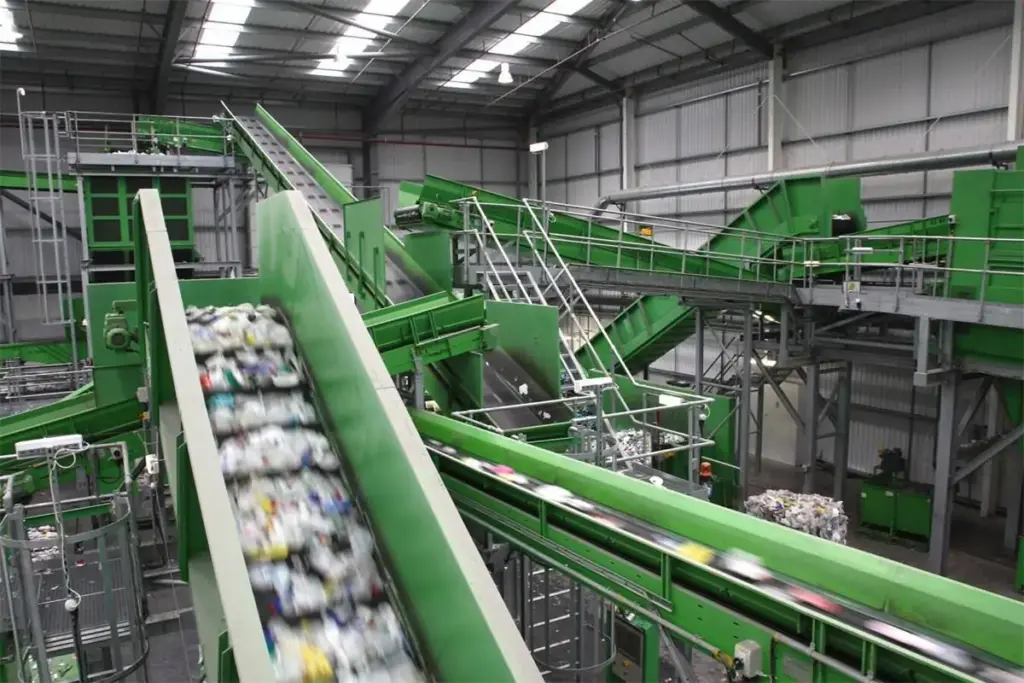
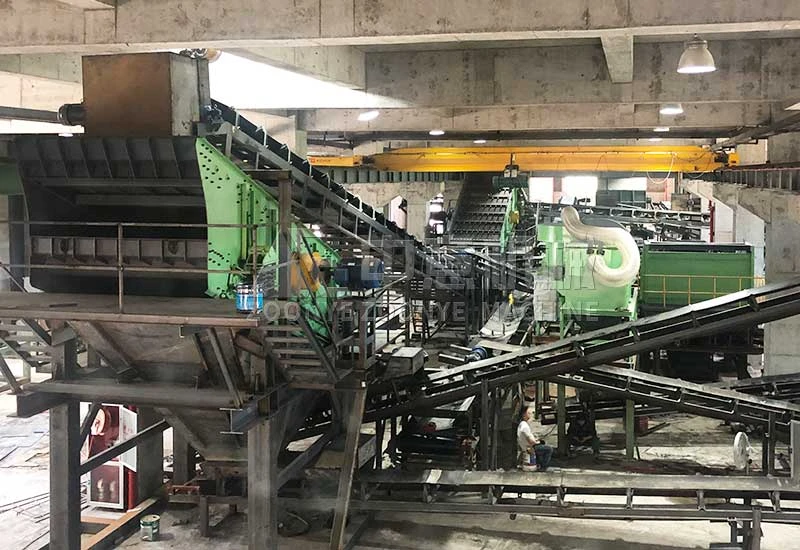
Conclusion: Understanding the Magnetic Separator Working Principle
The magnetic separator working principle is based on attracting ferrous metals with a magnetic field, then moving them away from the main waste stream for collection. In MSW recycling, separation results depend on metal characteristics, working distance, material conditions, and equipment layout. Choosing a suitable magnetic separator for waste recycling therefore requires more than matching throughput: target metals, conveyor dimensions, installation space, and downstream processing requirements all need to be considered.
With experience in waste processing equipment and recycling line integration, Xinzhongyi ECO can help assess your material and process requirements to identify a suitable configuration. Bize ulaşın to discuss your waste composition, processing capacity, conveyor layout, and ferrous metal recovery requirements.
SSS
Manyetik ayırıcı, karışık atıklardan demir ve çelik gibi ferromanyetik metalleri çekmek için bir manyetik alan kullanır. Ekipman daha sonra yakalanan metali ana malzeme akışından uzaklaştırır ve toplama için tahliye eder. MSW geri dönüşümünde bu, ferromanyetik metallerin geri kazanılmasına ve kirleticilerin alt ekipmanlara ulaşmadan önce uzaklaştırılmasına yardımcı olur. Tahliye yöntemi ayırıcı tasarımına bağlıdır.
Geleneksel bir manyetik ayırıcı esas olarak demir parçaları, çelik kutular, çiviler, cıvatalar ve diğer çelik parçalar dahil olmak üzere demirli metalleri uzaklaştırır. Alüminyum ve bakır gibi demirsiz metalleri etkili şekilde ayıramaz; bunlar genellikle bir girdap akımı ayırıcı veya başka uygun bir yöntem gerektirir. Paslanmaz çelik geri kazanımı kaliteye ve manyetik özelliklere göre değişir, bu nedenle ekipman seçiminden önce beklenen metal türleri belirlenmelidir.
Bir manyetik ayırıcı, erişilebilir demirli kirleticileri uzaklaştırmak ve ekipman hasarı riskini azaltmak için genellikle bir parçalayıcıdan önce kurulur. Ayrıca, hazırlanan atıktan demir ve çeliği geri kazanmak için eleme veya malzeme hazırlığından sonra da yerleştirilebilir. En iyi konum, malzeme akışına, konveyör düzenine ve alt akış prosesine bağlıdır. Bazı geri dönüşüm hatları birden fazla manyetik ayırma aşaması gerektirir.
An overband magnetic separator is suspended above a conveyor and lifts ferrous metals from the moving waste stream. Self-cleaning models use a separate belt to discharge captured metal continuously. A magnetic drum separator uses a rotating drum to separate magnetic materials from the feed. The choice depends on how material enters the separation zone, the available installation space, and the required metal discharge arrangement.
Missed ferrous metals may be buried beneath a thick waste layer, trapped in plastic film or textiles, or too far from the effective magnetic field. Conveyor speed, uneven feeding, and unsuitable separator positioning can also affect capture. Check the material layer, working distance, belt speed, and discharge arrangement first. If the problem persists, assess whether the separator configuration suits the actual waste stream.
No. A magnetic separator mainly captures accessible ferrous metals, and some items may remain in the waste because of their position, magnetic properties, or surrounding materials. It also does not effectively recover non-ferrous metals such as aluminum and copper. If one pass does not meet the required separation target, the plant may need improved feed preparation, adjusted equipment settings, or an additional separation stage.
Start with the target metals, waste composition, processing capacity, and purpose of separation. Then check conveyor width and speed, material layer thickness, installation height, metal discharge space, and maintenance access. An overband separator may suit removal above a conveyor, while a magnetic head pulley separates ferrous metals at the conveyor discharge. Testing representative waste can help verify the proposed configuration before purchase.
Maintenance depends on the separator design. For a self-cleaning overband separator, inspect the discharge belt, drive components, bearings, and supporting structure for wear or damage. For magnetic drum separators, check the drum surface, drive system, and material discharge path. Also inspect for accumulated waste that may interfere with metal removal. Follow the manufacturer’s maintenance instructions and isolate power before carrying out servicing.