












Introducción
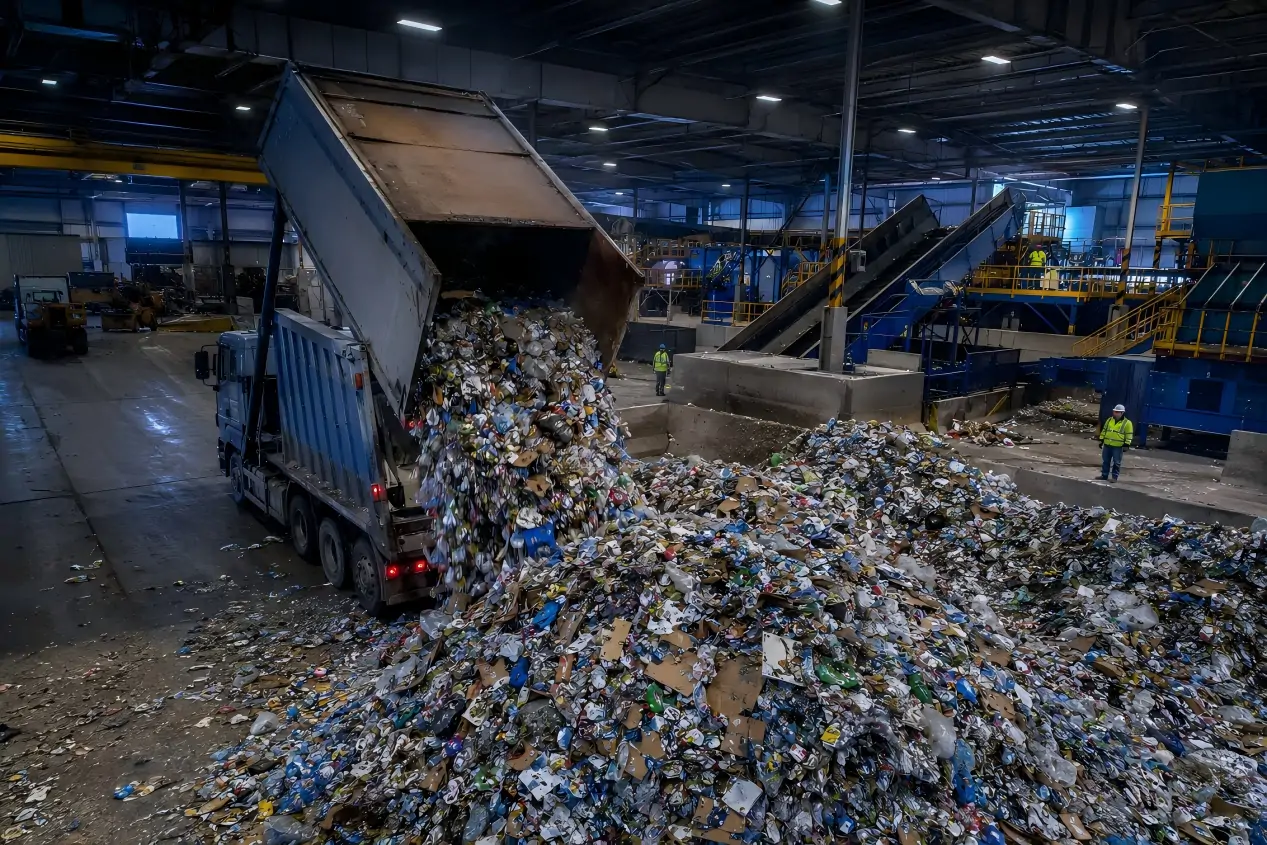
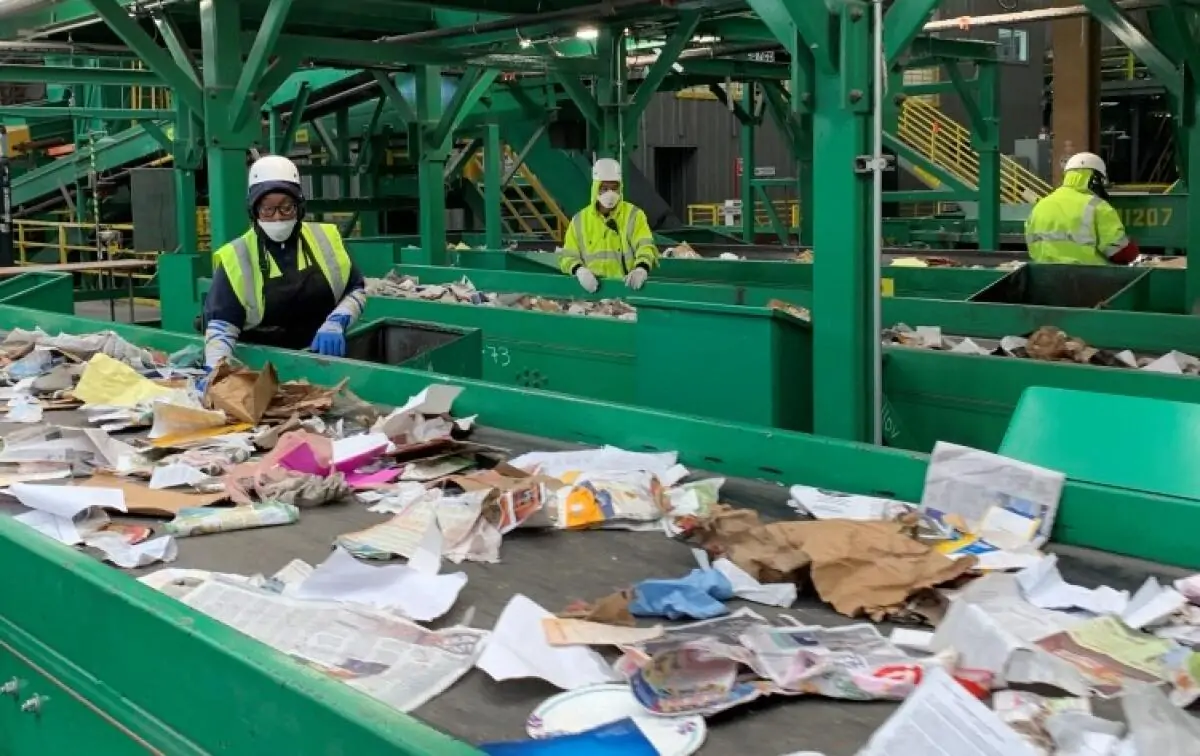
Waste screening equipment does not usually block without a reason. In a recycling plant, blockage often starts when the incoming waste changes—higher moisture, more plastic film and fibers, oversized pieces, or an unstable feed rate. These materials can stick to the screen surface, become trapped in the openings, or wrap around moving parts. As the effective screening area decreases, screening efficiency drops and operators may have to stop the line for cleaning, affecting both production and downstream sorting.
The important point is that blockage is not simply a screen-cleaning problem. It is closely related to the waste characteristics, screening equipment, feed conditions, and operating parameters. A trommel screen, disc screen, flip flow screen, or vibrating grizzly screen handles different types of waste and blockage risks in different ways. Therefore, preventing blockage starts with matching the screening equipment to the actual material and process conditions, then controlling feeding, operation, and maintenance. This article explains these factors and the practical methods used to reduce blockage in waste screening applications.For a closer look at how flexible screen movement helps reduce blinding and pegging, see [Tecnología de trabajo anti-obstrucción de la criba Flip Flop].


Why Does Waste Screening Equipment Get Blocked?
In waste recycling plants, blockage is usually related to the material entering the screen and how the screening system is operated. Wet and sticky waste can build up on the screen, plastic and fibers can wrap around moving parts, and oversized or near-size materials can restrict the screening area. Feed surges and unsuitable equipment selection can make these problems worse.
Wet and Sticky Waste
Wet organic waste, fine soil, and other sticky materials can adhere to the screen surface and cover the openings. As material builds up, less open area remains for screening, and the separation becomes less consistent. The effect depends on the actual moisture, material composition, and particle size, so there is no single moisture level at which every waste stream will start to block.
Plastic Films, Fibers and Other Long Materials
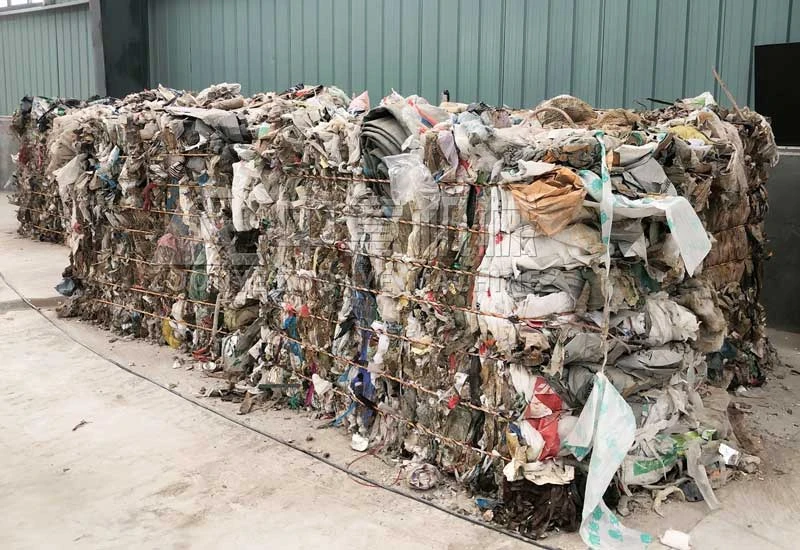
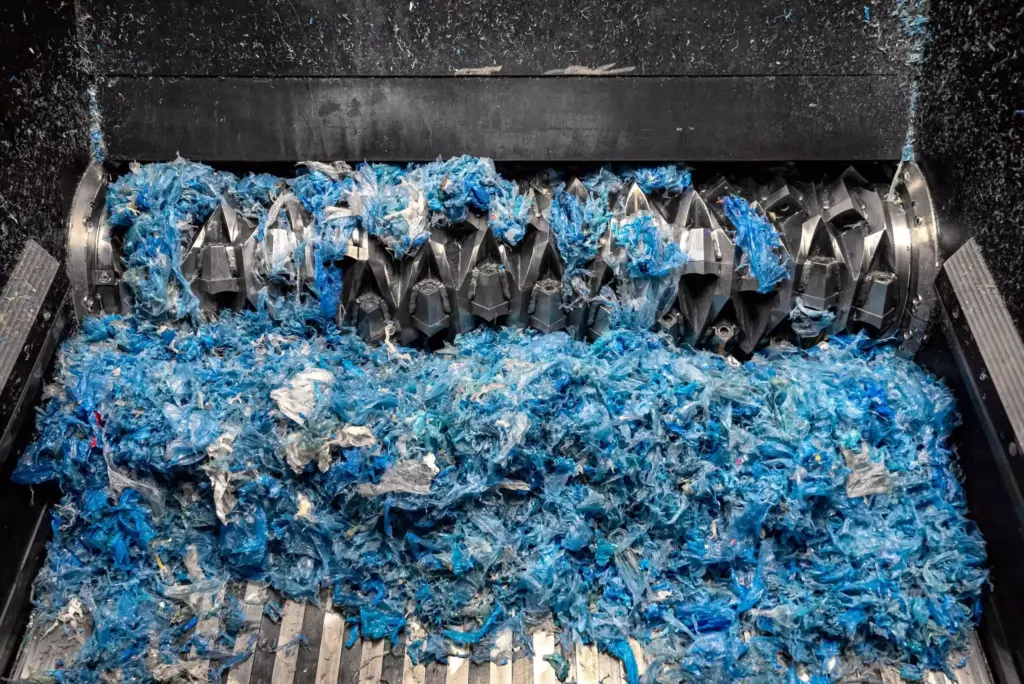
Plastic bags, films, textiles, ropes, and similar materials can cause wrapping and winding rather than simple screen plugging. Long flexible pieces may catch on shafts, discs, or other moving parts and accumulate as the machine continues to run. This problem is common in mixed waste streams with a high proportion of film or fibrous material.
Oversized Waste at the Feed Area
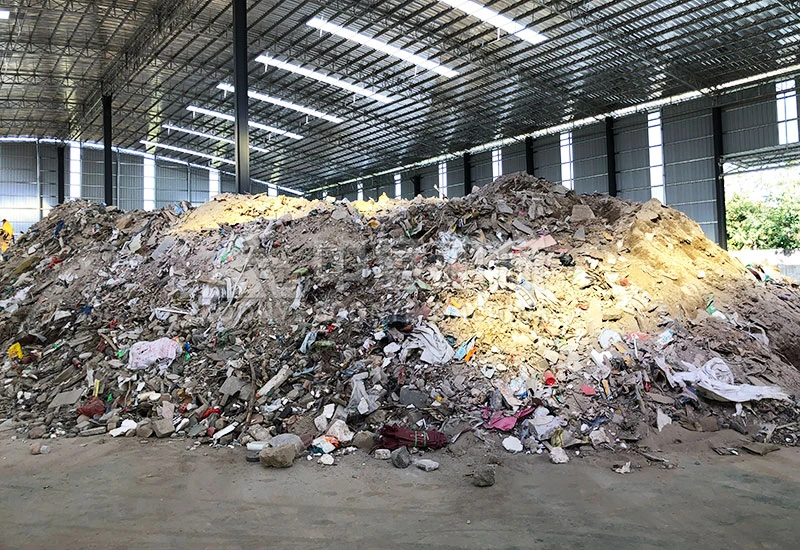
Large wood pieces, concrete, metal, bulky waste, and other irregular materials can restrict the feed before they reach the main screening area. Several large pieces arriving together may bridge across the feed opening or push material to one side of the screen. The resulting uneven flow can cause local accumulation and reduce the available screening area.
Near-Size Particles and Screen Openings
Particles close to the screen aperture are more likely to become lodged in the openings, especially when their shape is flat, elongated, or irregular. Aperture size and shape should be considered together with the actual particle-size distribution. A smaller screen opening is not automatically a better screening solution if it increases plugging or restricts the amount of material that can pass through.
Excessive or Uneven Feeding
A screen can become overloaded when too much material enters at once or when the feed is concentrated in one section. A deep material layer reduces the contact between smaller particles and the screen surface, while sudden feed surges can cause accumulation before the material has time to separate. Actual feed conditions should be considered along with moisture, bulk density, particle size, and required separation size.
When the Screening Equipment Does Not Match the Waste
Repeated blockage can sometimes indicate a mismatch between the screening machine and the waste stream. Trommel screens, disc screens, flip flow screens, and vibrating grizzly screens use different screening principles and have different operating characteristics. Equipment selection should consider the waste composition, moisture, maximum feed size, particle-size distribution, plastic and fiber content, required separation, and capacity.For practical guidance on equipment inspections, startup, feeding, operating checks, and shutdown, see our guide to [Waste Recycling Equipment Daily Operation Standard Process].
How to Avoid Screening Equipment Blockage?
Waste screening equipment is less likely to block when the screening process is matched to the material being handled. In practice, blockage prevention comes down to four areas: choosing the right screen type and aperture, controlling wet, sticky, and oversized material before screening, maintaining a stable feed, and using a screening structure that keeps material moving and the screen surface open.
Match the Screening Equipment and Screen Opening to the Waste
Screening equipment should be selected from the actual waste characteristics, not capacity alone. Moisture, plastic and fiber content, maximum feed size, particle-size distribution, and required separation all influence how material moves through the screen and where blockage may occur.
| Waste condition | Main blockage risk | Common screening approach |
| Wet and sticky waste | Adhesion / blinding | Flip flow or spiral shaft |
| Plastic-rich MSW | Wrapping | Disc screen |
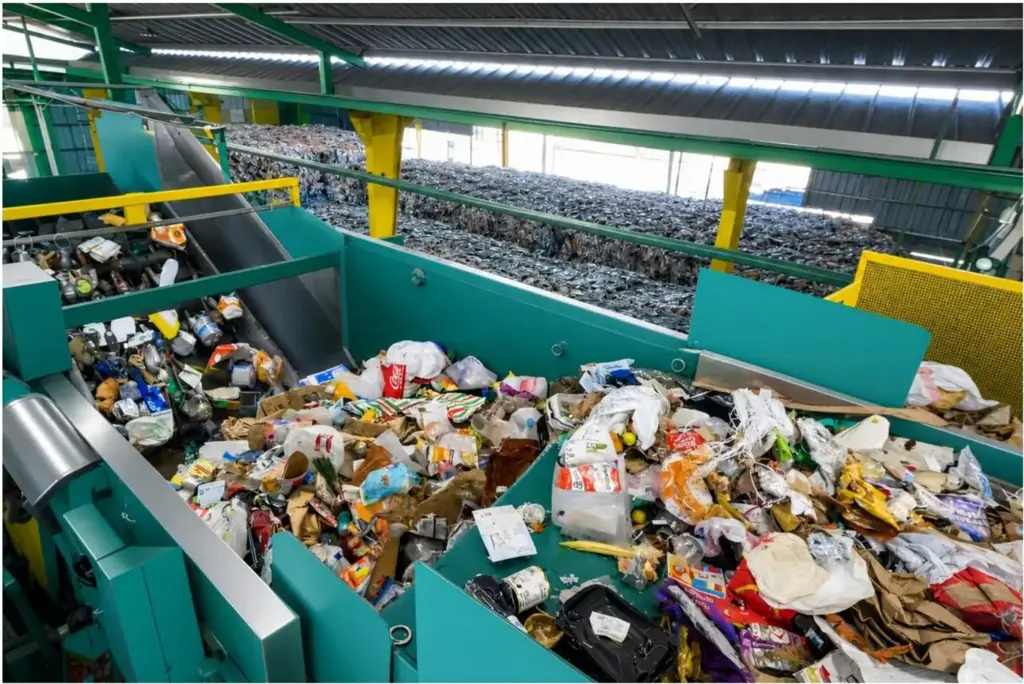
| Mixed MSW | Material buildup / uneven flow | Trommel or disc screen |
| Large bulky waste | Bridging / impact | Vibrating grizzly or roller screen |
| Fine sticky material | Screen blinding | Flip flow screen |
The screen opening should then be selected according to the required separation size and the actual particle-size distribution. Aperture shape and available screening area also matter. A smaller opening does not necessarily reduce blockage. When the aperture is close to the size of a large proportion of the feed, near-size or irregular particles may lodge in the openings and reduce the effective open area.
Control Moisture, Sticky Material and Oversized Waste Upstream
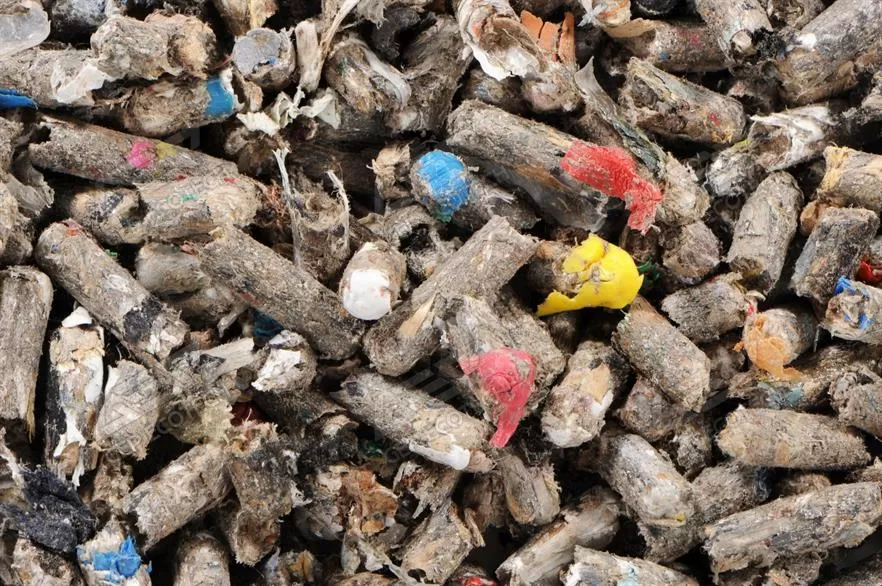
Moisture and material condition directly affect screening behavior. Wet fines can agglomerate and adhere to the screen surface, while plastic-rich or fibrous waste can become entangled with other materials. Large irregular pieces may also bridge at the feed point or obstruct the movement of smaller particles.
Depending on the waste stream, upstream treatment may include dewatering, drying where applicable, pre-crushing, breaking compacted material, removing oversized contaminants, or homogenizing inconsistent feed. These measures are intended to improve material dispersion and flow before it reaches the screening surface, rather than simply reducing moisture or particle size.
For difficult waste streams, the pre-treatment method should be determined from the actual material properties and the separation duty of the screening stage. Applying the same treatment to all wet or sticky waste can add unnecessary processing without addressing the actual blockage mechanism.
Maintain a Stable and Even Feed
Feed conditions directly affect the material layer on the screening surface. When material arrives in sudden surges or concentrates in one section, the bed depth increases locally, reducing particle movement and contact with the screen. This can lead to material buildup, blinding, wrapping, or bridging, particularly with wet, sticky, fibrous, or bulky waste.
The feeder, conveyor, surge hopper, and feed chute should work together to distribute material evenly across the available screening width. The target is not simply to reduce the feed rate, but to maintain a continuous feed that the effective screening area can handle under the actual material conditions. Nominal machine capacity alone does not guarantee stable screening when the feed composition or physical properties change.
Use Anti-Clogging Screen Structures and Adjust Operation
Screening structure affects how material moves across the screen and how easily buildup is released during operation. Different screening mechanisms address different blockage risks:
- Trommel screens: Continuous rotation and material tumbling keep mixed waste moving through the drum and help prevent prolonged material buildup on the screening surface.
- Disc screens: Rotating discs create an open screening surface and maintain continuous material movement, which can reduce wrapping from plastic films, bags, and other flexible waste.
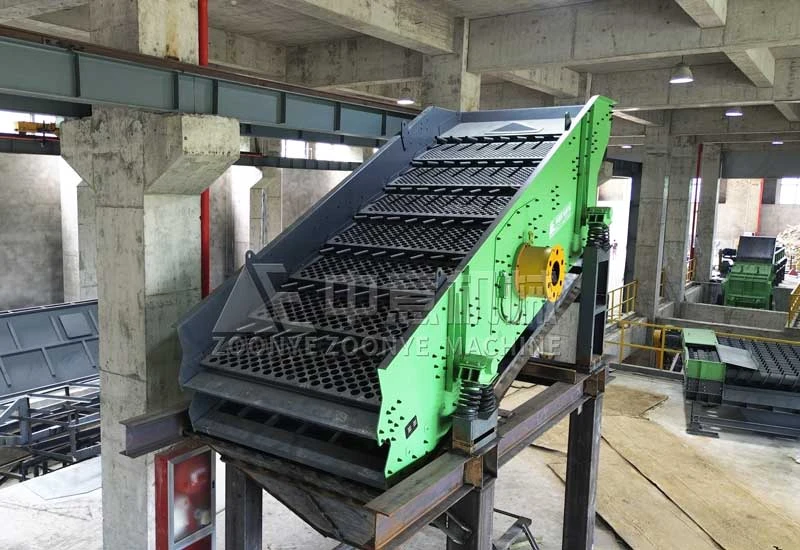
- Vibrating grizzly screens: Coarse screening removes large and heavy materials before finer screening stages, reducing the risk of oversized material causing bridging or overloading downstream screens.
- Flip flow screens: Flexible screen panels repeatedly stretch and relax during operation, helping release wet and sticky material from the screening surface and reducing screen blinding.
When blockage occurs repeatedly, do not simply increase speed or vibration. First check where material is accumulating, whether the feed distribution has changed, whether plastic or fibers are wrapping around moving parts, and whether the screen surface or openings are worn or damaged. Operating parameters should then be adjusted within the equipment’s intended range. Persistent blockage may indicate a mismatch between the waste characteristics, screening structure, and operating conditions rather than insufficient vibration.
How to Prevent Blockage in Different Waste Screening Machines?
The risk of blockage varies with the screening mechanism and the type of waste being processed. Trommel, disc, flip flow, and vibrating grizzly screens each have different material paths and screening surfaces, so blockage should be checked at different points on each machine.
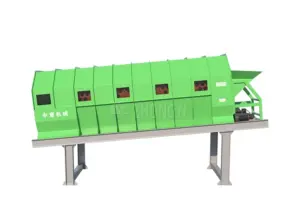
How to Avoid Blockage in a Trommel Screen?
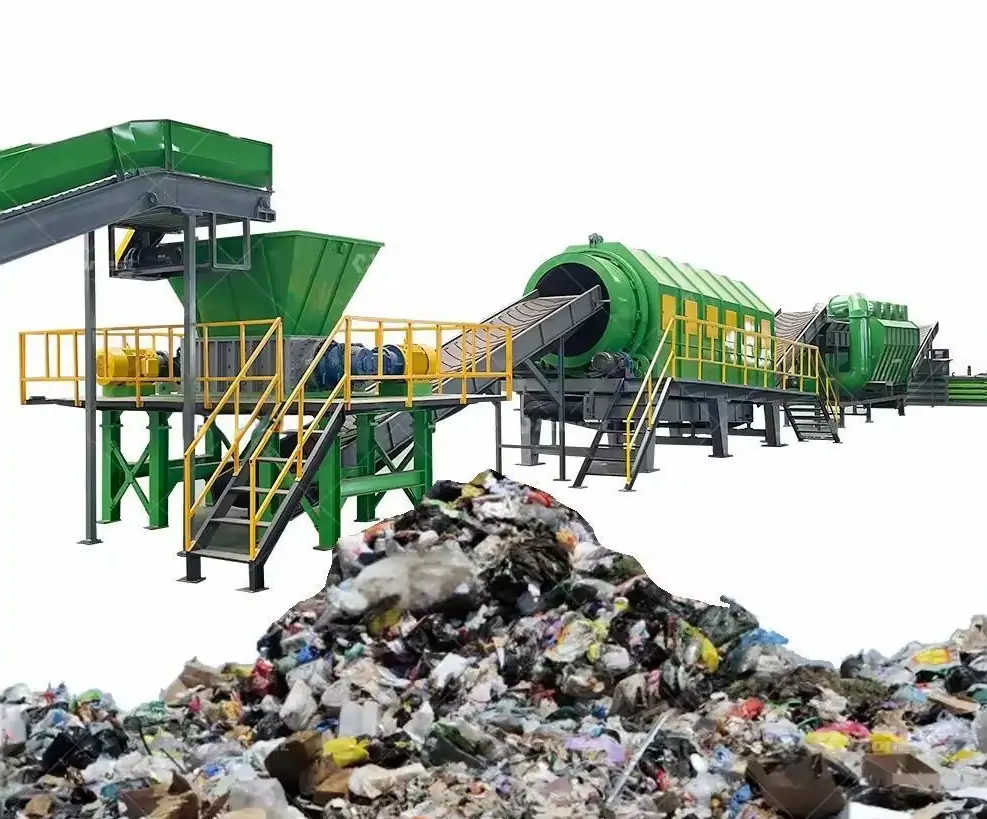
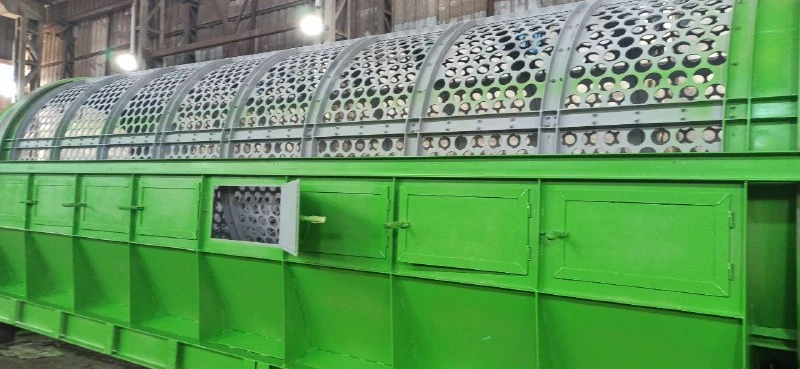
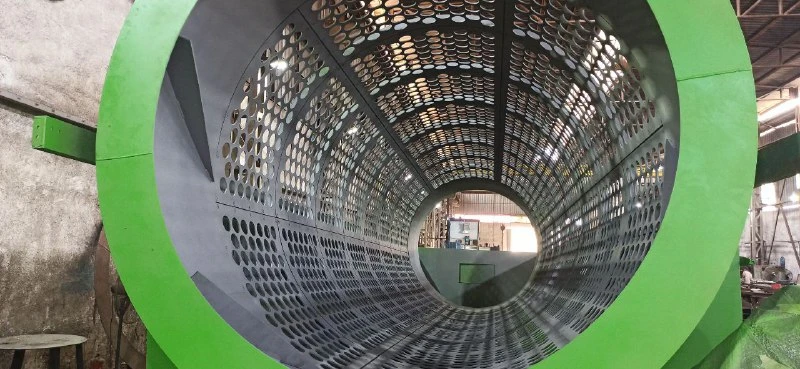
A trommel screen separates material inside a rotating cylindrical drum. When too much material enters the drum, the material layer can become too deep and move forward as a mass instead of tumbling. Wet material may also stick to the drum and cover part of the openings. Large pieces entering the drum can further restrict material movement.For a closer explanation of how drum rotation, lifting, tumbling, and screening work together, see Principio de funcionamiento de la criba de tambor para la clasificación de residuos sólidos.
Check the drum loading, aperture condition, rotation, and material flow through the drum. The drum needs enough internal space for the feed to lift and fall during rotation. If material is staying in the drum without sufficient tumbling, increasing the rotation speed alone may not solve the problem. The feed condition and drum loading should be checked first.
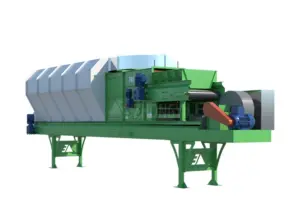
How to Avoid Blockage in a Disc Screen?
Una criba de discos uses rotating discs to move material across the screening area. Plastic bags, films, textiles, ropes, and other flexible materials can catch on the rotating parts and wrap around the discs or shafts. As the wrapping builds up, material movement becomes less uniform and the available screening area is reduced.
For this type of blockage, inspect the discs, shafts, spacing, and areas where flexible material tends to collect. Disc spacing should match both the required separation size and the type of waste being processed. If plastic or fibers start wrapping around the rotating components, remove the buildup before it becomes a larger obstruction.
How to Avoid Blockage in a Flip Flow Screen?
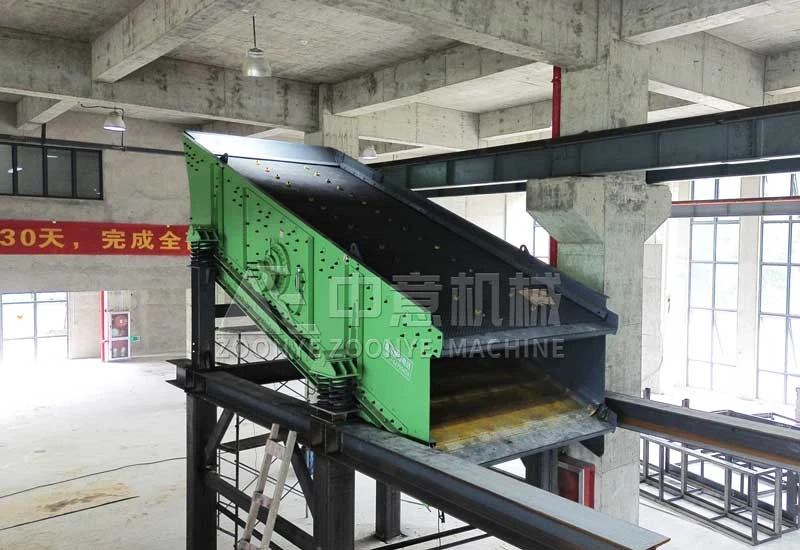
A flip flow screen uses flexible polyurethane panels rather than a fixed screening surface. The panels stretch and relax during operation, changing the shape of the screening openings as material passes over them. This movement helps release wet and sticky fines that would otherwise remain on a rigid screen.
Blockage on this type of screen is often related to panel condition and movement. Worn or damaged panels may no longer move as intended, while incorrect tension can affect the screening action. If sticky material starts building up, check the panels, tension, and feed condition before changing the machine settings.
How to Avoid Blockage in a Spiral Shaft Screen?
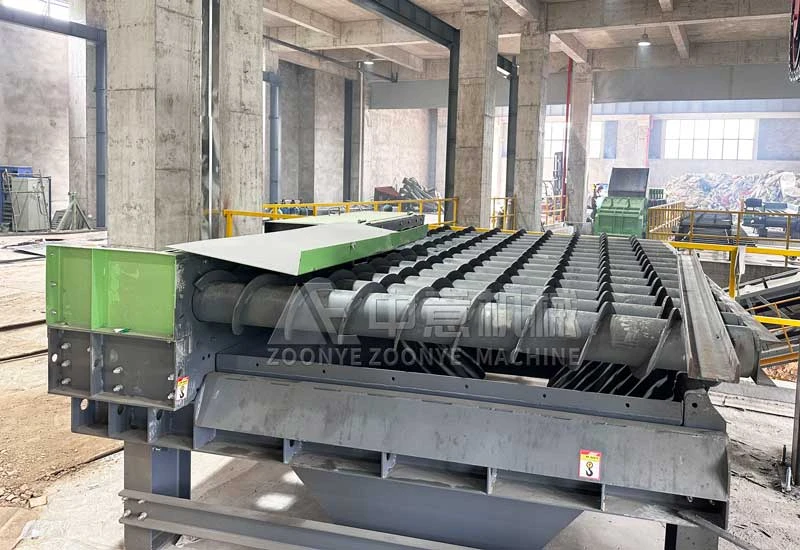
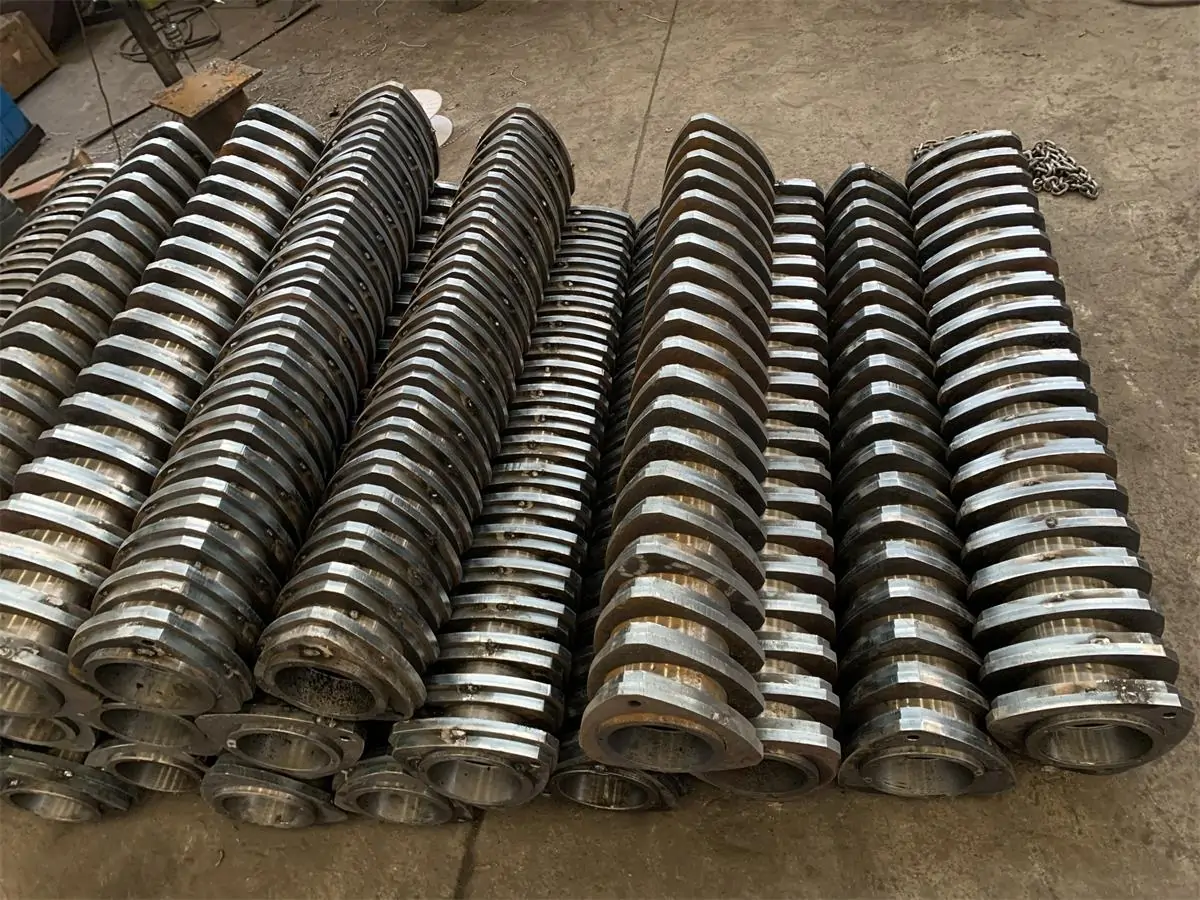
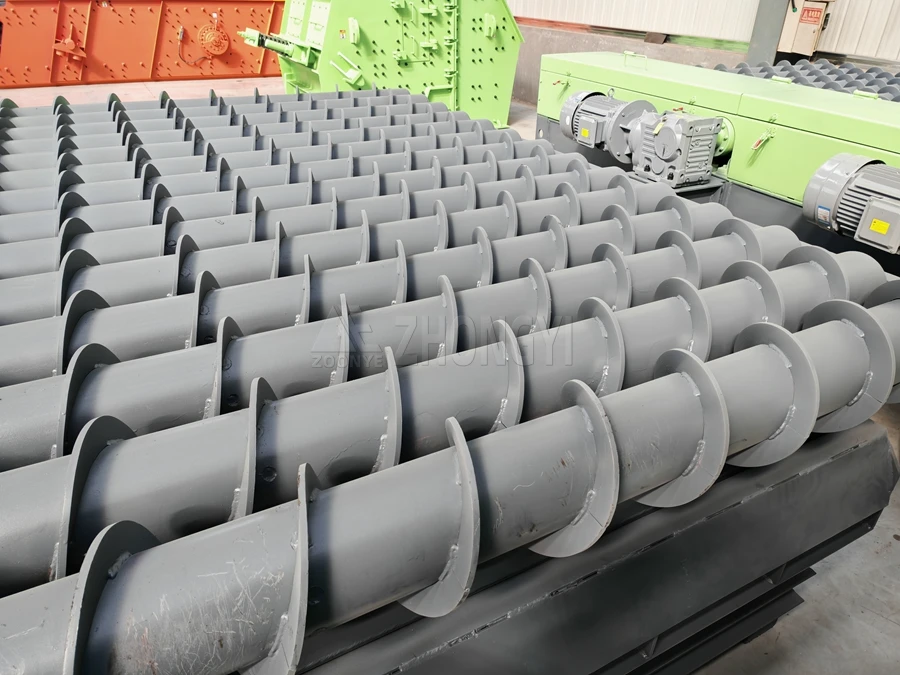
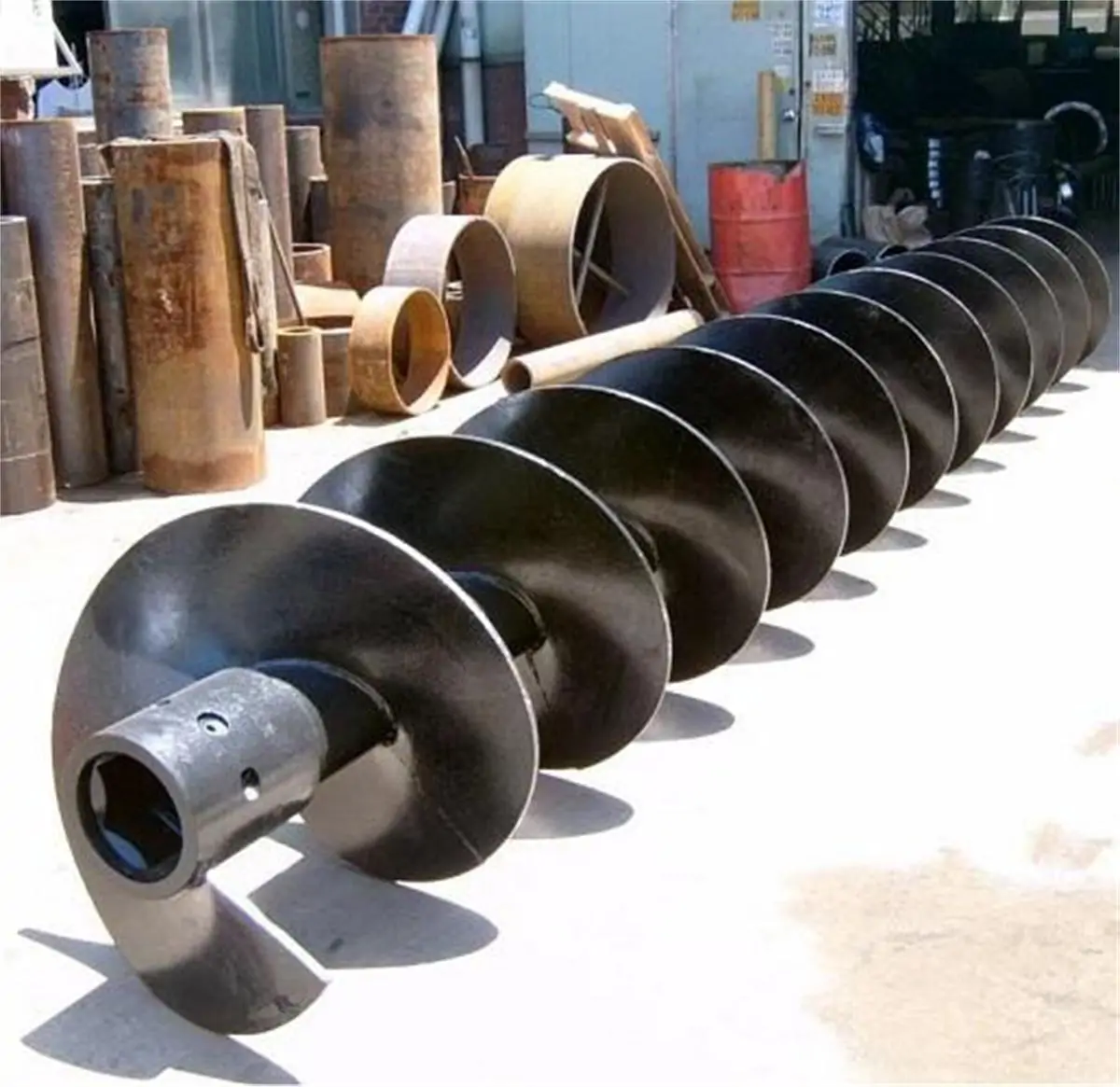
Una criba de ejes helicoidales uses rotating shafts with spiral blades to convey, loosen, and screen waste continuously. Its open screening structure can handle wet and sticky materials, but plastic film, textiles, ropes, and other fibrous waste may wrap around the shafts or accumulate in the screening openings when the feed becomes unstable or heavily mixed with flexible materials.
Check the spiral shafts, blades, screening openings, feed distribution, and discharge area regularly. Remove accumulated plastic, fibers, and sticky material before they restrict shaft movement or reduce the available screening area. If blockage repeatedly occurs at the same location, check the waste composition and feed condition together with the shaft arrangement and screening configuration. Persistent blockage may indicate that the screening setup is not well matched to the actual material characteristics.
What Should You Check When a Waste Screen Starts Blocking?
When a waste screen starts blocking, first identify where material is accumulating and what has changed. Check the incoming waste and feed conditions first, followed by the screen, machine, and discharge path. This helps locate the blockage before changing the screen or increasing operating speed.
How to Choose Waste Screening Equipment to Reduce Blockage?
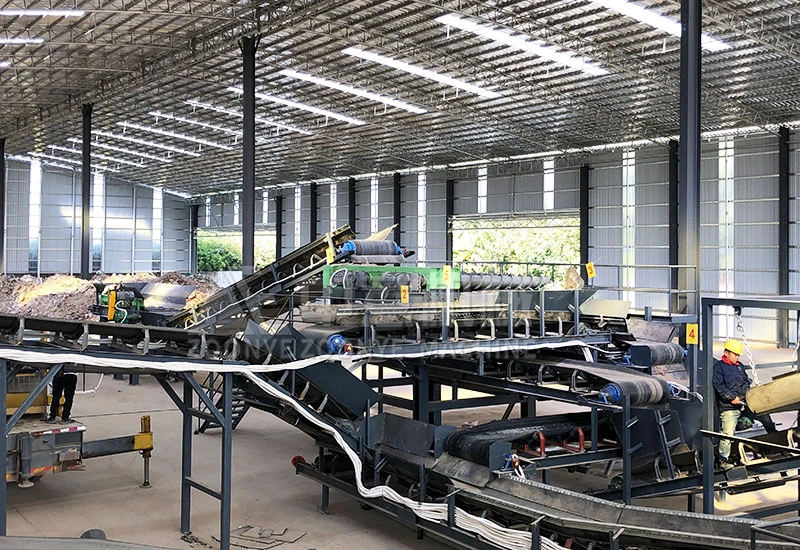
Choosing waste screening equipment to reduce blockage starts with understanding how the material behaves on the screen. Waste composition, moisture, separation size, and actual feed conditions should be considered together rather than selecting equipment by capacity alone.
Evaluate Waste Composition and Moisture
Start with the waste type and its physical condition, whether it is MSW, C&D waste, bulky waste, biomass, RDF/SRF, or organic waste. Check whether the material is dry, moderately wet, highly wet, or sticky, and whether it contains significant amounts of plastic film, bags, textiles, fibers, or wet fines. These characteristics affect how material moves through the screening equipment and the type of blockage that may develop.
Define the Separation Requirement
Determine the required separation size and whether the application involves coarse, intermediate, or fine screening. The aperture should match the target separation while allowing for the actual particle-size distribution and material shape. A smaller opening is not automatically better if near-size or sticky material makes the screen more prone to blockage.
Match Capacity to Actual Feed Conditions
Do not select equipment based on t/h alone. Rated capacity should be evaluated together with material density, moisture, particle size, and composition. The same screening machine can handle different amounts of waste depending on how the material behaves on the screening surface. Feed stability and available screening area should also be considered when checking the required capacity.
Waste Screening Equipment for Different Blockage Risks
Different waste streams create different blockage problems. Wet fines may blind the screen, plastic film and fibers can wrap around moving parts, while oversized material may bridge or restrict the feed path. The screening approach should therefore be matched to the main blockage risk and the way the material moves through the machine.
| Blockage Risk | Suitable Screening Approach | Why |
| Wet and sticky buildup | Criba de flujo oscilante | Flexible screen panels move during operation, helping release sticky fines and reduce blinding. |
| Plastic film and fiber wrapping | Criba de discos | Rotating discs keep flexible materials moving through the screening area and limit prolonged buildup. |
| General mixed MSW | Criba de tambor | Drum rotation keeps mixed waste tumbling while separating material by size. |
| Oversized and bulky material | Vibrating Grizzly / Roller Screen | Open coarse screening surfaces are suited to large and heavy feed before finer processing. |
| Fine sticky material | Criba de flujo oscilante | The flexible screening surface helps release fine material that tends to remain on rigid screen panels. |
| Wet organic waste | Criba de eje helicoidal | Rotating shafts combine conveying and screening for suitable wet organic waste streams. |
The table is a starting point rather than a fixed equipment rule. Actual selection should also consider moisture, particle-size distribution, plastic and fiber content, required separation size, and feed capacity. For wet municipal solid waste, these factors can have a significant effect on screening behavior. See Best Screening Equipment for Wet Municipal Solid Waste for a more detailed equipment comparison.
Maintenance Practices to Prevent Screening Equipment Blockage
Maintenance should focus on the conditions that directly affect material flow and available screening area. Regular inspections can identify buildup, screen wear, restricted movement, and changes in feed characteristics before they develop into repeated blockage or unplanned downtime.
Inspect the Screen and Moving Components
Inspect the screen openings, screen panels, and moving components for blocked openings, material buildup, deformation, and excessive wear. Worn or damaged screen media can change the effective opening and affect how material moves across the screening surface.
The inspection should also cover bearings, shafts, drive systems, vibration mechanisms, and rotating discs, depending on the screening equipment. Plastic film, fibers, and other flexible waste can wrap around rotating components and gradually restrict movement. If material begins to accumulate, remove it before the buildup develops into a larger blockage. Early intervention is generally easier than clearing heavily compacted or wrapped material after the screen has stopped.
Monitor Feed Conditions and Blockage Trends
Maintenance should also include monitoring changes in the feed material and operating conditions. Record moisture, feed rate, waste composition, blockage frequency, screen wear, and downtime. Comparing these records with equipment performance can help identify recurring causes rather than treating each blockage as an isolated event.
For example, if blockage becomes more frequent after the feed contains more wet fines, plastic film, or fluctuating material flow, the operating conditions or screening configuration may need to be reviewed. If the same blockage pattern continues despite normal maintenance, it may indicate a mismatch between the waste characteristics, screening structure, and operating conditions.
Conclusión
Waste screening equipment blockage usually results from the interaction of material characteristics, screen structure, feeding conditions, and operation rather than one isolated factor. Wet, sticky, fibrous, and oversized materials require different screening mechanisms, so equipment selection should be based on the actual waste stream and separation requirements before installation. Stable feeding, condition monitoring, and timely maintenance can then help prevent minor buildup or wear from developing into production downtime.
With experience in MSW, C&D waste, bulky waste, RDF/SRF, and other waste screening applications, Xinzhongyi ECO can evaluate screening requirements based on material characteristics, moisture, feed capacity, separation size, and operating conditions. If your waste screening equipment is experiencing frequent blockage, contact us with these details and your current screening machine. We can help identify whether the issue is related to the material, operating conditions, or equipment selection and recommend a suitable screening approach.


Andy Yu
Ingeniero Técnico | Zhongyi ECO
16+
Años de Exp.
300+
Soluciones
50+
Países
16 años de experiencia en gestión ambiental y de residuos sólidos, especializándose en soluciones de reciclaje C&D y clasificación de residuos. En Zhongyi Mining Machinery, enfocado en mejorar la eficiencia de los clientes globales mediante experiencia técnica y configuraciones personalizadas.
Preguntas frecuentes
El equipo de cribado de residuos puede obstruirse cuando las características del material superan lo que la estructura de cribado y las condiciones de operación pueden manejar. Las causas comunes incluyen finos húmedos y pegajosos, películas plásticas, fibras, piezas de sobretamaño, partículas de tamaño cercano al de la malla, alimentación irregular y acumulación excesiva de material. El desgaste de la malla o las aberturas dañadas también pueden reducir el área de cribado disponible y empeorar un problema de obstrucción existente.
La prevención de obstrucciones comienza con la selección del tipo de criba y la abertura adecuados a las características del residuo y al tamaño de separación requerido. Mantenga una alimentación estable y uniformemente distribuida, controle el material problemático sobredimensionado o adherente cuando sea posible e inspeccione la criba con regularidad. Eliminar la acumulación a tiempo y monitorear los cambios en la humedad, la composición del residuo, la tasa de alimentación y el desgaste de la criba puede ayudar a identificar obstrucciones recurrentes antes de que provoquen paradas no planificadas.
No existe una única máquina de cribado adecuada para todos los flujos de residuos húmedos. Las cribas de flujo oscilante pueden ser adecuadas cuando los finos pegajosos provocan el cegamiento de la malla, mientras que las cribas de eje helicoidal pueden ser adecuadas para ciertas aplicaciones de residuos húmedos y mixtos. La elección depende de la humedad, la composición del material, el tamaño de partícula, la separación requerida y la capacidad de alimentación. La selección del equipo debe basarse en las características reales de los residuos y no únicamente en la humedad.
Plastic film, bags, textiles, and other flexible materials can wrap around rotating components or accumulate on the screening surface. Disc screens may be suitable for some plastic-rich waste because their rotating discs maintain material movement. Regularly check shafts and discs for wrapping, maintain an even feed, and remove accumulated film before it restricts movement or reduces the available screening area.
A smaller screen opening can increase the risk of blockage when the feed contains a high proportion of near-size, irregular, sticky, or fibrous material. The risk depends on the relationship between aperture size, particle-size distribution, material shape, moisture, and screening structure. The opening should therefore be selected according to the required separation and the actual characteristics of the waste, rather than choosing the smallest possible aperture.
Feed rate directly affects the material layer on the screening surface. When waste enters in sudden surges or becomes concentrated in one section, material movement and contact with the screen can decrease. This may lead to buildup, blinding, wrapping, or bridging. The appropriate feed rate depends on material density, moisture, composition, screening area, and equipment capacity under actual operating conditions.
Changing the screen type can reduce repeated blockage when the existing screening mechanism is poorly suited to the material. For example, flexible screening surfaces may be suitable for sticky fines, while open rotating structures can be suitable for waste containing plastic films or fibers. However, changing equipment alone may not solve the problem if the actual cause is unstable feeding, excessive moisture, oversized material, or downstream backup.
Frequent blockage may indicate an equipment mismatch when the same problem continues despite stable feeding, normal operating conditions, and proper maintenance. Repeated buildup in the same location, persistent wrapping, or poor separation may suggest that the screen type, aperture, screening area, or feed arrangement does not suit the actual waste stream. In this situation, the material characteristics and screening configuration should be reviewed together before replacing the machine.