












Pendahuluan
When planning a waste recycling line, buyers often face a practical question: should the wind sifter be containerized or fixed? The choice depends on more than the machine itself. Installation conditions, available space, required capacity, relocation needs, and how the separator connects with the rest of the line can all affect the final decision.
This article compares Containerized vs Fixed Wind Sifter from an engineering and application perspective. We look at installation, mobility, material flow, capacity, dust control, and system integration, then explain which configuration makes more sense for different recycling projects and what should be checked before selecting a wind sifter, helping you determine which configuration fits your waste stream, site conditions, and operating plan.For a closer look at wind sifter machine costs in Indonesia, see our 2026 waste plant guide.


Containerized Wind Sifter vs Fixed Wind Sorting Machine: Main Differences
The main difference is how the wind sifter is installed and deployed. A containerized design allows faster deployment and easier relocation, while a fixed configuration is built around a permanent recycling line. The right choice depends on the site, waste stream, process capacity, and plant layout.
| Faktor | Containerized Wind Sifter | Fixed Wind Sorting Machine |
| Installation | Modular and faster to install | Planned as part of the plant |
| Relokasi | Easier to relocate | Normally remains in one location |
| Site Work | Less site modification | Requires planned site work |
| Line Integration | Flexible integration | Integrated with the complete line |
| Operation | Suitable for changing sites | Suitable for continuous operation |
| Typical Application | Temporary or multi-site projects | Permanent recycling plants |
In practice, choose a containerized wind sifter when deployment flexibility is a priority. A fixed configuration is more suitable when the machine will remain in one plant and operate as part of a complete sorting line. The final selection should match the waste characteristics, required capacity, site conditions, and downstream process.
What Is a Containerized Wind Sifter?
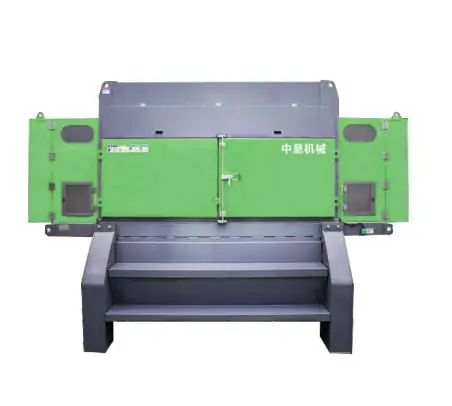
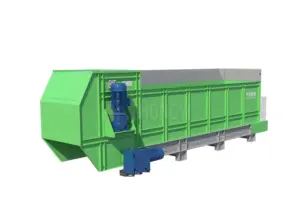
A containerized wind sifter is an equipment configuration and deployment approach that integrates the wind-sorting system into a compact, modular arrangement. The design simplifies transportation, installation, and deployment, making it suitable for projects where site preparation, installation time, or relocation are concerns.
Containerized does not automatically mean mobile. Whether the system can be relocated depends on the overall equipment design, transportation method, site conditions, and project requirements.
How the Containerized Wind Sifter Works?
The separation process is straightforward:
Feeding → Airflow Separation → Light Fraction → Heavy Fraction
Mixed waste enters the sifter and passes through a controlled airflow. Lighter materials are carried by the air stream, while heavier materials fall through the separation zone or continue to the heavy-fraction discharge.
Separation performance mainly depends on air velocity, material density, particle size, particle shape, and moisture content. These factors need to be considered together when setting the airflow and designing the separation process.
Why Use a Containerized Design?
For recycling contractors, the main advantage is deployment flexibility. A containerized design can be useful when the project requires:
- Rapid deployment
- Limited site preparation
- Remote-site installation
- Easier transportation
- Compact equipment arrangement
- Flexible deployment between projects
These features can simplify equipment installation and project deployment, particularly where a permanent plant arrangement is not practical. The main benefit is easier transportation, installation, and deployment rather than guaranteed cost savings.
Aplikasi Tipikal
Containerized wind sifters can be used for C&D waste, MSW, RDF/SRF, plastic film, paper, textile, and mixed waste streams. They are also suitable for some decentralized recycling projects where equipment deployment needs to remain flexible.
Different waste streams require different airflow and separation conditions. The actual configuration still needs to be matched to the material characteristics, feed conditions, required capacity, and separation performance.

What Is a Fixed Wind Sorting Machine?
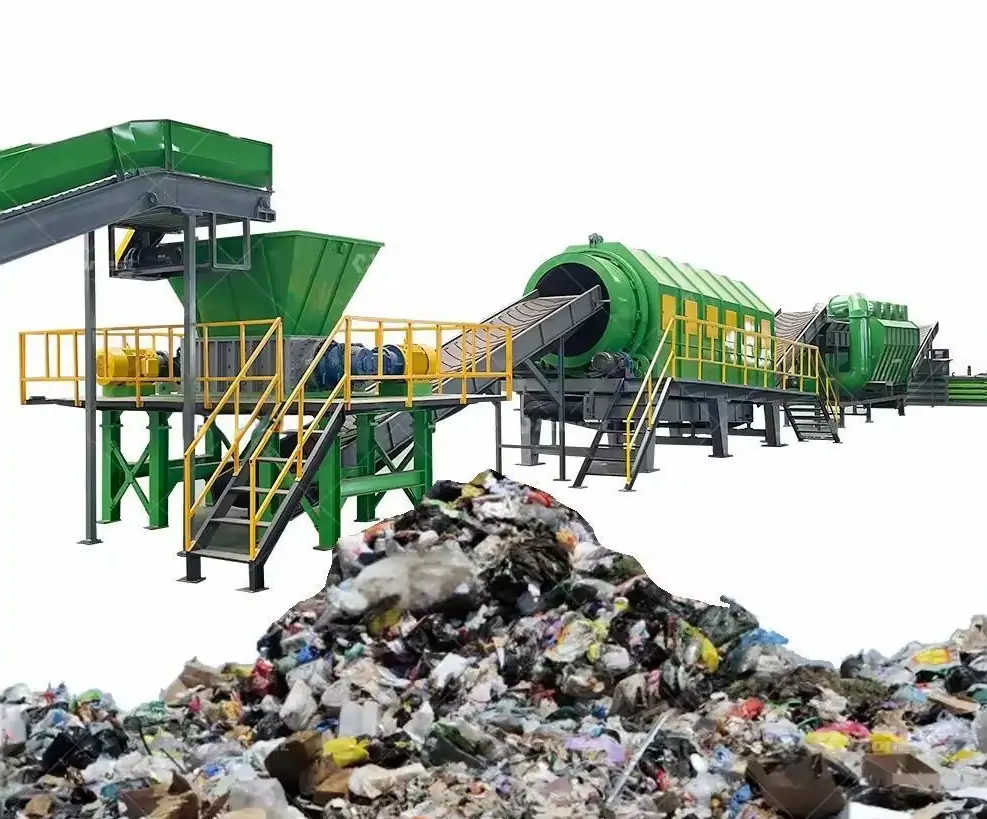
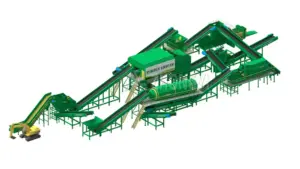
In this article, “fixed wind sorting machine” refers to a wind sifter installed as part of a permanent recycling line. It describes the installation and operating configuration rather than a separate product series. The equipment is arranged around the plant layout and connected with feeding, conveying, screening, sorting, and dust-control systems.
Fixed describes how the equipment is installed and integrated, not the technology level of the machine. Different wind-sorting configurations can be used in a fixed line depending on the waste stream, required capacity, and separation target. The important point is how the wind sifter fits the complete recycling process.
How a Fixed Wind Sifter Is Integrated?
A typical fixed sorting line can follow this process:
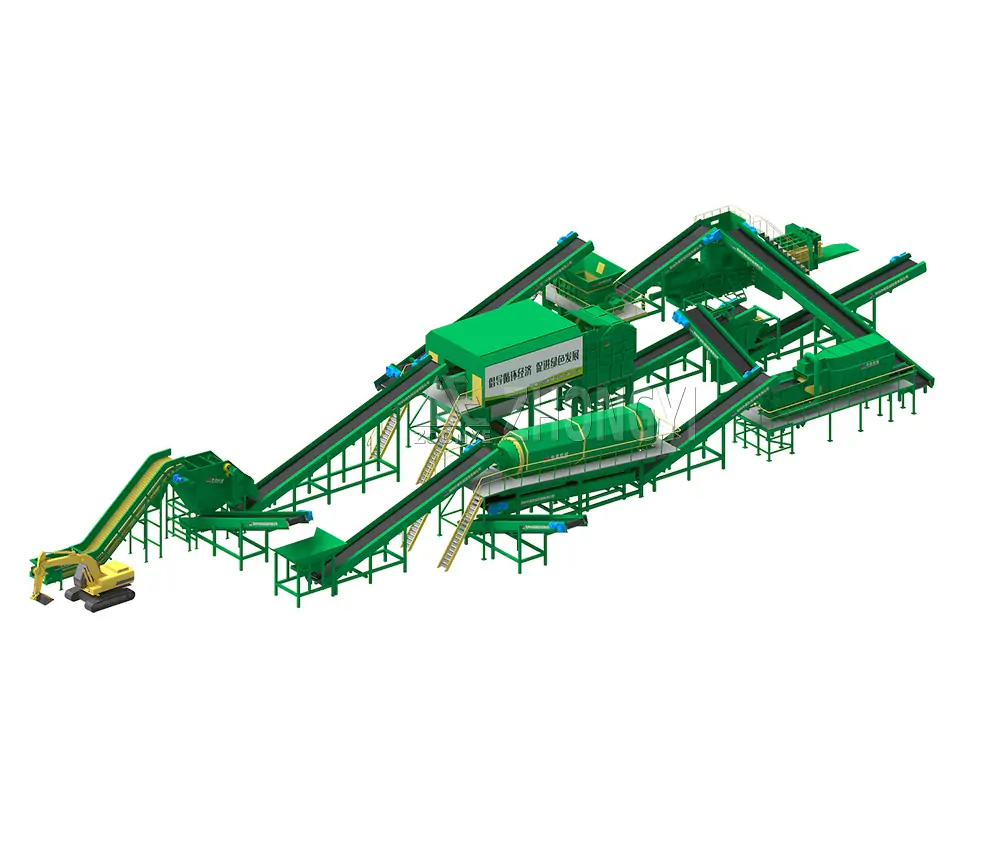
Feeding → Screening → Wind Separation → Magnetic Separation → Eddy Current / Optical Sorting → Output
The wind sifter needs consistent upstream feeding, suitable conveyor arrangement, controlled airflow, and sufficient maintenance access. Downstream equipment and centralized dust collection also need to be considered during layout design, so the wind sifter works as part of the complete process rather than as a standalone machine.
A well-planned layout also considers transfer points, discharge paths, inspection areas, and maintenance space. These details affect material flow and long-term operation, especially when the wind sifter is integrated into a continuous recycling line.
Aplikasi Tipikal
Fixed wind-sorting configurations are commonly used in permanent MSW plants, C&D recycling plants, MRFs, RDF/SRF plants, and industrial waste recycling facilities. They are suitable for stable, long-term production environments where the wind sifter operates continuously as part of the processing line.
Fixed systems can be designed around large and continuous material flows, but actual capacity depends on machine configuration, waste characteristics, feed conditions, and the complete process design. The final setup should therefore be selected according to the material and production requirements, not simply because the system is fixed.


Containerized vs Fixed Wind Sifter: Detailed Comparison
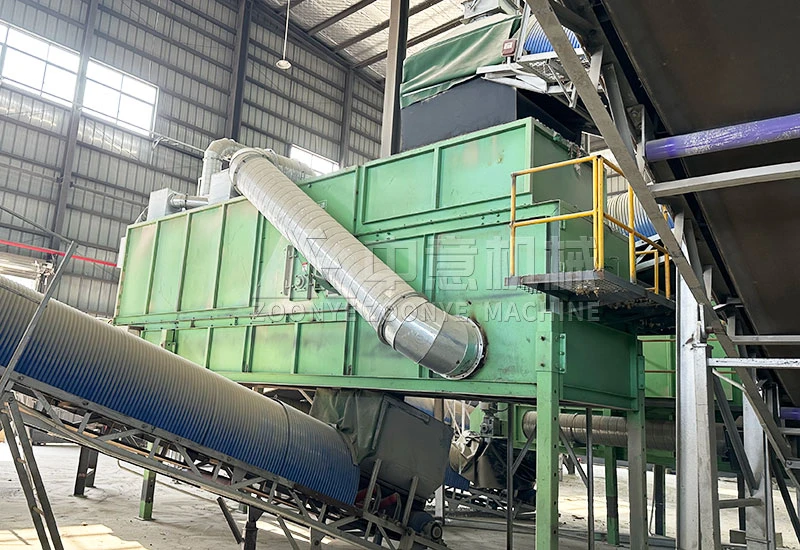
The main differences between containerized and fixed wind sifters are installation, deployment, line integration, and long-term operation. The two configurations can use the same basic wind-separation principle, but they fit different project conditions.
In practice, the decision comes down to the site, material flow, transport requirements, and how the sifter will connect with the rest of the recycling line.For a comparison of horizontal and vertical wind sifter designs, see our guide to [Horizontal vs Vertical Wind Sifter Machine Difference].
Installation and Civil Work
A containerized configuration can simplify some foundation and civil work, depending on the equipment design and site conditions. This is useful for remote sites, temporary plants, or locations where permanent infrastructure is limited. Site access, ground conditions, and installation method still need to be checked before deployment.
A fixed configuration is usually planned together with the plant foundation, conveyor layout, electrical connections, dust-control system, and other utilities. The equipment position is determined by the complete process layout, so civil work and installation need to be considered before the line is built.
Mobility and Relocation
Containerized wind sifters are a practical option for multi-site projects, temporary plants, contractor operations, and remote projects. The modular arrangement can make transport and setup easier, but relocation still involves transport dimensions, lifting, site access, and the way the equipment is assembled.
A fixed wind sifter is normally installed where the feed source and processing line will remain for the long term. It does not mean every component is impossible to move. If relocation is part of the operating model, mobility should be treated as a project requirement rather than simply a product feature.
Processing Capacity and Material Flow
Containerized does not mean low capacity, and fixed does not mean high capacity. Actual wind sifter throughput is affected by feed width, particle size, material composition, moisture, bulk density, feeding consistency, and required separation quality. The same machine can perform differently when the feed conditions change.
Capacity also needs to be checked against the rest of the line. The feeder, screen, conveyor, airflow setting, and downstream equipment all affect the material flow through the wind-sorting stage. For this reason, wind separator capacity and overall waste processing capacity should be evaluated from the actual waste stream and process layout.
Dust Control and Maintenance
Wind separation can create dust around the feed point, air separation chamber, and light-fraction discharge. For dry C&D waste and MSW, the plant may need enclosed transfer points, ducting, negative-pressure extraction, or a dust collector. The arrangement should follow the actual dust sources and airflow path rather than being added after the main equipment layout is finished.
Maintenance is a different consideration. Operators need enough clearance to inspect wear parts, clean accumulated material, and reach motors, bearings, and other service points. A containerized unit still needs working space around the equipment, while a fixed installation can reserve maintenance platforms and access routes as part of the permanent plant layout.
Integration With Other Recycling Equipment
The wind sifter works as one stage within the sorting line. Upstream screening and feeding determine what enters the air-separation zone, while downstream conveyors and sorting equipment handle the light and heavy fractions after separation. In a typical waste line, the wind sifter may work with bag openers, trommel screens, disc screens, flip-flop screens, magnetic separators, eddy current separators, optical sorters, and conveyors.
The connection between these machines matters more than simply placing them next to each other. Feed size and loading rate affect the air-separation process, while discharge height, conveyor speed, and downstream capacity affect whether the separated fractions can leave the sifter smoothly. These points should be checked when the process layout is designed, especially when the wind sifter is added to an existing recycling plant.
Long-Term Operation and Expansion
Long-term projects need more than an initial equipment layout. If a wind sifter may be transferred to another site, added to a temporary processing line, or used for different waste streams over time, the installation should allow for changes in transport, feeding, and equipment arrangement. A containerized configuration can be considered in these situations because the equipment is arranged with redeployment in mind.
For a permanent recycling plant, future expansion is usually handled through the overall plant layout. Space for additional screens, conveyors, sorting equipment, or dust-control systems can be reserved around the wind-sorting stage, avoiding major changes to the existing material flow. The configuration should match not only the current project, but also how the plant is expected to operate in the coming years.
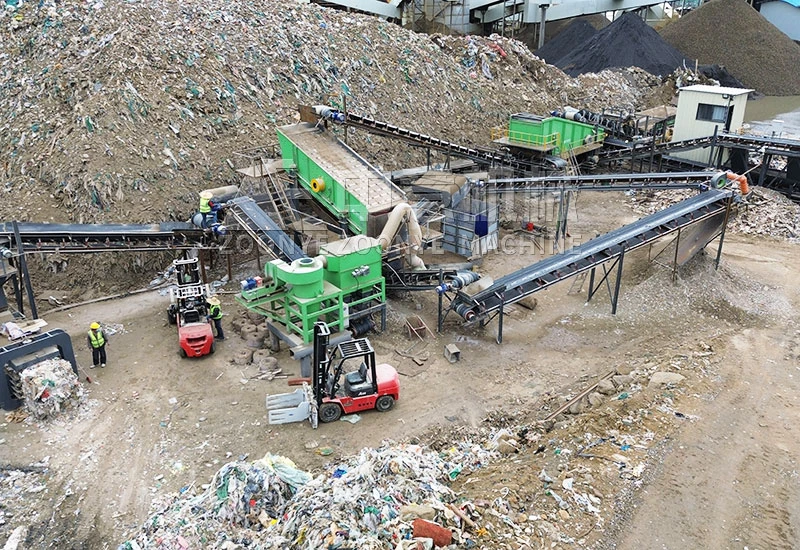
Containerized Wind Sifter vs Fixed Wind Sifter for Different Waste Streams
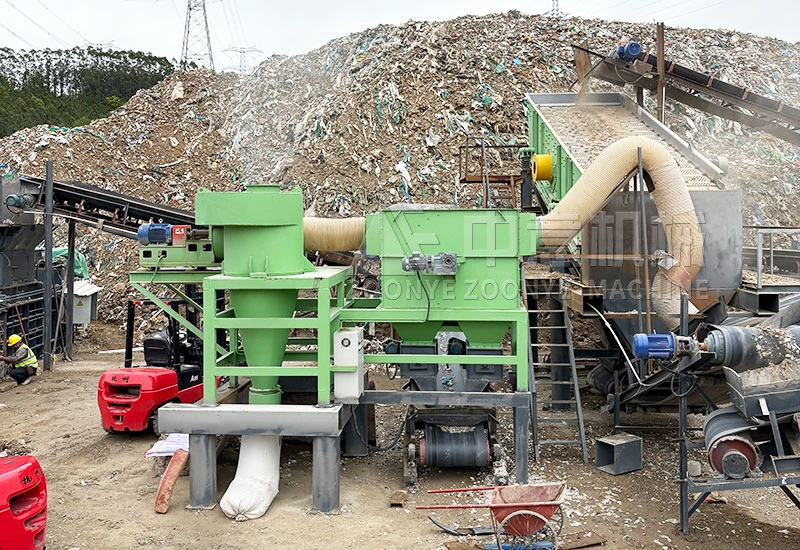
Waste composition changes from one project to another, and so do the requirements for air separation. C&D waste may contain a large mineral fraction, MSW often arrives in mixed and bagged form, while RDF/SRF production places more attention on the quality of the recovered fuel fraction.
The wind sifter configuration should therefore be considered alongside the material, site, feeding arrangement, and downstream process. The same configuration may work well for one project but be less practical for another.
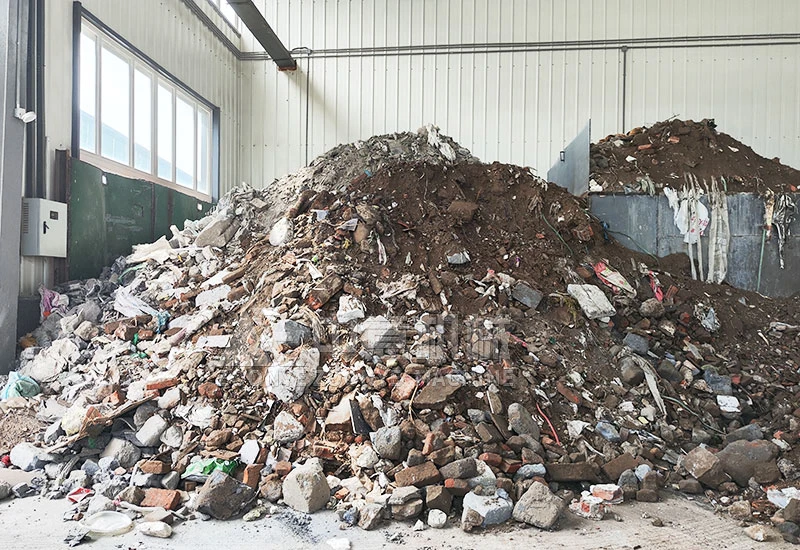
C&D Waste
C&D waste commonly contains concrete, brick, stone, wood, plastic, film, and other lightweight contaminants. Contractors working across different demolition or construction sites may favor a containerized arrangement when the equipment needs to be transported between projects. A permanent C&D recycling plant, on the other hand, can integrate a fixed wind sifter directly with its screening, conveying, and dust-control systems.
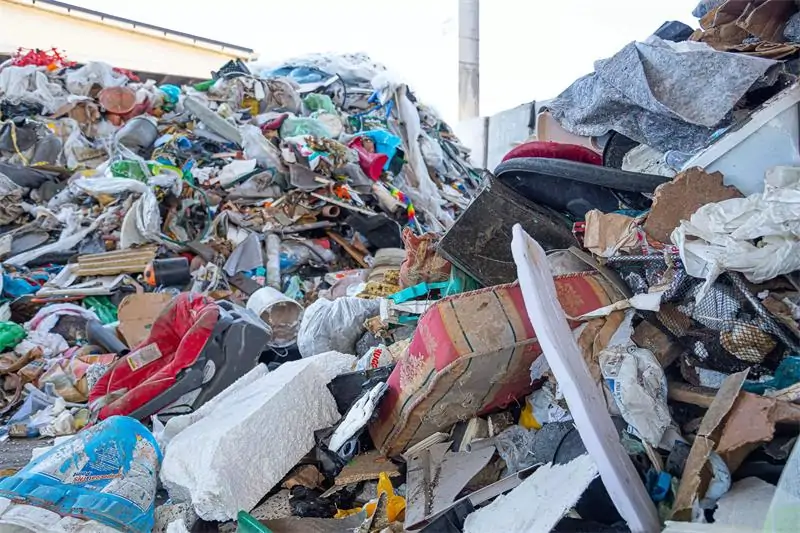
Municipal Solid Waste
MSW brings a different feed condition, often combining bagged waste, organic material, plastic, paper, textiles, and inert material. The wind sifter is normally one part of a longer process, such as Bag Opener → Screening → Air Separation → Downstream Sorting. For continuous MSW plants, feeding rate, screening performance, conveyor arrangement, and downstream handling need to work together; the installation format can then be selected around the actual plant conditions.
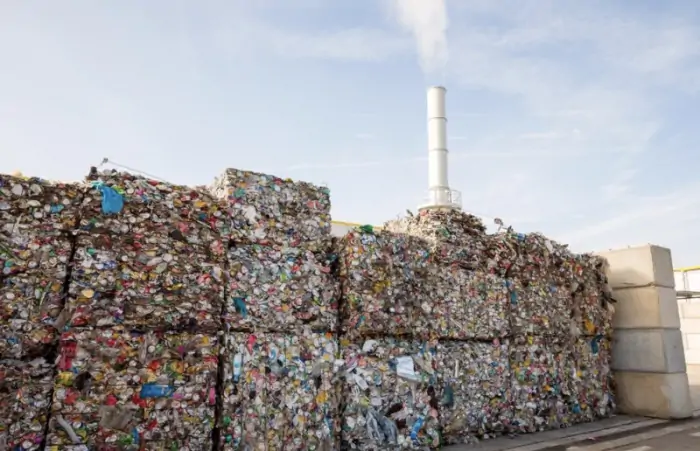
RDF/SRF Production
In RDF/SRF production, the separation target is closely tied to the final fuel specification. Plastic, paper, textiles, inert material, and moisture can all affect the composition of the recovered fraction. Instead of asking which configuration is better, the practical question is whether the selected arrangement can maintain the required light-fraction quality under the expected feed conditions and connect properly with the upstream screening and downstream processing stages.
Plastic and Industrial Waste
Plastic and industrial waste can range from films and lightweight plastics to fibers, packaging, and mixed production waste. Some projects have a relatively stable material source, while others deal with changing waste streams or multiple locations. A containerized arrangement can be considered where redeployment is part of the project, while a fixed installation may fit better when the feeding and downstream recovery systems are permanently established.
Which Is Better for a Recycling Plant: Containerized or Fixed?
Neither configuration is automatically the better choice. The decision mainly comes down to whether the equipment needs to move between sites or become part of a permanent processing line.
The purchase decision also needs to account for civil work, transportation, conveyors, utilities, dust control, and future expansion. The equipment price alone does not show the full cost of setting up a recycling line.If you are also comparing the investment cost of a wind sifter project, our guide to [Wind Sifter Machine Cost in Indonesia Waste Plant] provides a more detailed cost breakdown.
Choose a Containerized Wind Sifter If:
A containerized configuration fits projects involving:
- Changing project locations
- Temporary or short-term operation
- Remote sites
- Limited civil work
- Rapid installation
- Multi-site operation
- Changing processing requirements
In these projects, transport, setup, and redeployment become part of the equipment selection from the beginning. This configuration can be practical when the wind sifter needs to serve different sites or when the processing arrangement may change during the project.
Choose a Fixed Wind Sorting Machine If:
A fixed configuration fits a recycling plant with:
- A permanent operating site
- A stable waste supply
- Continuous processing requirements
- Close integration with upstream and downstream equipment
- A centralized dust-control system
- Planned future expansion
A fixed installation can be designed into the plant layout from the start. Foundations, conveyors, electrical connections, dust collection, access routes, and space for additional equipment can all be planned around the wind-sorting stage.
How Does Cost Affect the Decision?
A containerized system may reduce certain site preparation and installation costs, especially where permanent civil work is limited. Total cost can still change significantly with transportation, lifting, conveyors, utilities, dust control, installation, and the rest of the process line.
A fixed plant may require more initial investment in foundations, permanent utilities, and supporting infrastructure. That investment can make sense when the equipment is expected to stay in one location and operate continuously for many years. The equipment price is only one part of the total project cost.
What Factors Should You Check Before Buying a Wind Sifter?
Capacity alone is not enough to select a wind sifter. The equipment needs to match the waste composition, moisture, particle size, separation target, and material flow of the complete recycling line. These factors also help determine whether a containerized or fixed configuration is more practical for the project.
| Faktor | What to Check | Why It Matters |
| Waste Composition | Proportion of light materials, heavy materials, and contaminants | Different materials respond differently to airflow and affect the separation result. |
| Moisture Content | Typical moisture level and expected variation | Wet material can stick together, form lumps, and change the stability of air separation. |
| Ukuran Partikel Umpan | Maximum size, typical size, and size distribution | Particle size affects feeding, material dispersion, and airflow through the separation zone. |
| Required Throughput | Target t/h, operating hours, peak flow, and feeding consistency | The wind sifter needs to handle the actual feed conditions rather than only a nominal hourly capacity. |
| Light Fraction Target | RDF, plastic, paper, combustible material, or other target fraction | The required output affects the separation setup and downstream handling requirements. |
| Installation Space | Footprint, height, conveyor layout, maintenance clearance, and truck access | Available space can determine how the equipment is installed and connected to the recycling line. |
| Relocation Frequency | Permanent use, occasional relocation, or regular multi-site operation | Frequent relocation can make a containerized configuration more practical. |
| Upstream & Downstream Equipment | Screens, conveyors, bag openers, magnetic separators, optical sorters, balers, or RDF equipment | The sifter must receive suitable feed and discharge the separated fractions at a compatible rate. |
Before requesting a quotation or technical proposal, it is useful to provide material photos, waste composition, required capacity, feed particle size, moisture range, operating hours, available site dimensions, and downstream processing requirements. Representative information gives the supplier a better basis for evaluating the wind sifter than nominal capacity alone.
How We Select the Right Wind Sifter for a Project?
Selecting a wind sifter starts with the actual operating conditions. Capacity and equipment price are only part of the decision. Material characteristics, required throughput, site conditions, and process integration all affect the final equipment configuration.
In actual project evaluation, we normally review the material, capacity, feed size, moisture, and site layout before recommending a configuration. This helps determine not only the suitable wind-sifting equipment, but also whether a containerized or fixed arrangement is more practical for the project.
Step 1 — Review Waste Composition
The first review covers material type, light and heavy fractions, contamination, and moisture condition. For example, C&D waste containing mineral material, wood, plastic, and film requires a different separation approach from mixed MSW or RDF feedstock. Material photos, composition data, and representative samples are useful when the waste stream changes significantly during operation.
Step 2 — Confirm Capacity and Feed Size
Throughput should be evaluated together with the feed condition. The required rate needs to be considered alongside feed particle size, particle-size distribution, material composition, moisture, and feeding consistency. A nominal tons-per-hour figure does not describe the complete operating condition. We also check whether the upstream equipment can provide a stable feed and whether the downstream conveyors and sorting equipment can handle the separated fractions.
Step 3 — Check Site Conditions
Before deciding how the wind sifter will be installed, the site layout should be reviewed in detail. The review normally covers equipment footprint, overall height, foundation or support requirements, electrical supply, conveyor height, truck access, dust collection, and maintenance clearance. For an existing recycling plant, these conditions can be more restrictive than the equipment dimensions shown in a catalogue because the new equipment has to fit the existing material flow.
Step 4 — Select Containerized or Fixed Configuration
The installation format is selected after the material and site conditions are understood. Project duration, relocation requirements, site infrastructure, and process integration are the main factors we consider. If the equipment may need to serve different locations, a containerized arrangement can simplify deployment and redeployment. If the sifter is part of a permanent recycling line, a fixed installation may make more sense because the equipment can be planned together with foundations, conveyors, utilities, dust control, and future expansion.
Step 5 — Integrate the Complete Sorting Line
A wind sifter is normally one stage within the complete sorting line. Depending on the waste stream, the process may include a bag opener, screening equipment, wind sifter, magnetic separator, conveyors, and other sorting equipment. The sequence and capacity of these machines need to be checked together so that the wind sifter receives suitable feed and the separated light and heavy fractions can be handled without creating a bottleneck.
The final recommendation depends on how the wind sifter fits the actual material flow, site conditions, and complete sorting process, rather than on one equipment specification.
FXJ Containerized Wind Sifter: An Example of a Containerized Configuration
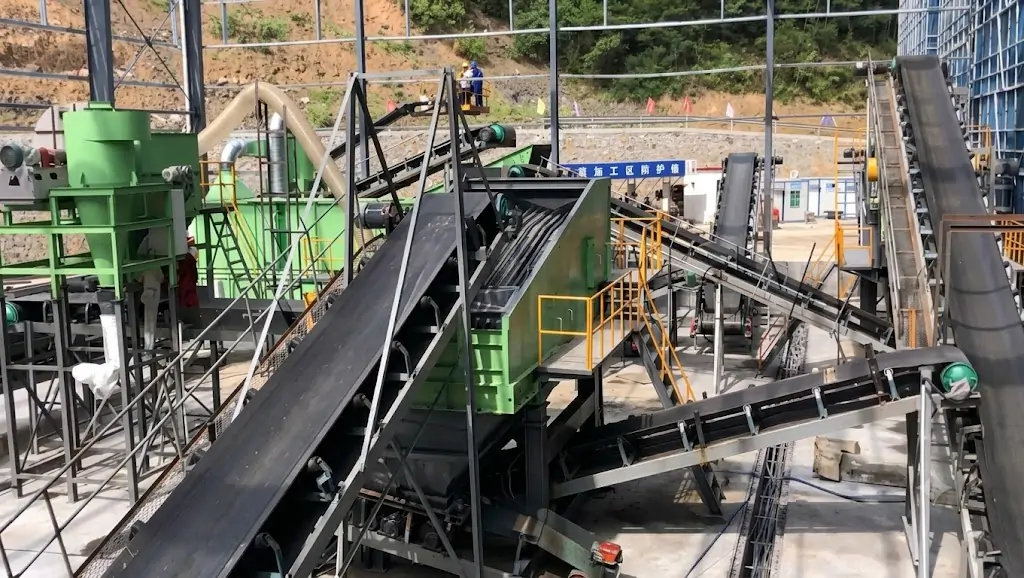
The FXJ containerized wind sifter is one example of a containerized configuration for waste sorting projects. Different models are available for different feed sizes and throughput requirements.
FXJ Series Configuration
| Model | Feed Width | Inlet Particle Size | Mixed Waste Capacity | Motor Power |
| FXJ1000 | 800 mm | 120 mm | 8–40 t/h | 30–45 kW |
| FXJ1200 | 1000 mm | 200 mm | 12–50 t/h | 45–75 kW |
| FXJ1400 | 1200 mm | 300 mm | 15–60 t/h | 75–110 kW |
| FXJ1600 | 1400 mm | 450 mm | 25–80 t/h | 110–160 kW |
Actual capacity depends on waste composition, moisture, feed particle size, and feeding conditions. Final model selection should be confirmed according to the actual project requirements.
Where the FXJ Series Fits?
The FXJ series can be used in C&D waste, MSW, RDF, mixed waste, and decentralized sorting projects. The suitable configuration depends on the waste composition, feed size, required throughput, and site conditions.
Project Information We Need Before Recommendation
For an FXJ project, the main information includes waste type, required capacity, feed size, moisture, site conditions, and upstream/downstream equipment. This information is used to confirm the appropriate model and line configuration.
Kesimpulan
Containerized wind sifters and fixed wind sorting machines serve different project requirements rather than competing on one simple performance scale. A containerized wind sifter is practical for rapid deployment, relocation, remote or decentralized projects, and sites with limited infrastructure, while a fixed wind sorting machine is better suited to permanent plants with stable material flow, integrated equipment, and long-term operation.
The right choice should be based on material characteristics, required capacity, feed size, site conditions, relocation requirements, and the complete sorting process. If you are planning a waste sorting project, contact us with your waste type, required capacity, feed size, and site conditions. Our engineering team can review the project and recommend a suitable wind sifter configuration.


Andy Yu
Insinyur Teknis | Zhongyi ECO
16+
Pengalaman (Tahun).
300+
Solusi
50+
Negara
16 tahun pengalaman dalam pengelolaan lingkungan dan limbah padat, dengan spesialisasi dalam solusi daur ulang dan pemilahan limbah C&D. Di Zhongyi Mining Machinery, berfokus pada peningkatan efisiensi klien global melalui keahlian teknis dan konfigurasi yang disesuaikan.
FAQ
A containerized wind sifter is designed around easier deployment and potential relocation, while a fixed wind sorting machine is normally integrated into a permanent recycling plant. The main difference is the installation and operating arrangement, not necessarily capacity or separation performance. The choice should consider site conditions, relocation requirements, process integration, infrastructure, and long-term operating plans.
A containerized configuration can be used for different throughput requirements, so capacity should not be judged by the installation format alone. Actual throughput depends on feed width, particle size, waste composition, moisture, feeding consistency, and required separation quality. The capacity of upstream and downstream equipment should also be checked to ensure that the complete recycling line can maintain a compatible material flow.
It can reduce some permanent civil-work requirements depending on the equipment design and site conditions, but it does not eliminate installation requirements. The project still needs to consider ground conditions, equipment support, electrical connections, conveyors, dust control, lifting, and maintenance access. The actual installation method should therefore be confirmed from the site layout rather than assuming that every containerized system requires minimal civil work.
A containerized configuration can make relocation more practical when equipment needs to serve different sites. However, relocation still involves transport dimensions, lifting, site access, equipment connections, conveyors, and commissioning. Occasional movement and frequent multi-site operation also have different requirements. If relocation is part of the business model, it should be considered during the initial equipment and layout selection.
Moisture can affect material flow and separation behavior inside the wind-sifting zone. Wet waste may stick together, form lumps, or respond differently to the airflow, making light-fraction separation less consistent. This is particularly relevant for MSW and mixed waste with changing moisture conditions. Providing the expected moisture range helps the supplier evaluate the equipment configuration against the actual feed conditions.
Wind sifters can be used for different waste streams, including C&D waste, MSW, RDF-related materials, mixed waste, plastic, paper, wood, and other lightweight fractions, depending on the application. The important point is not simply whether a material can enter the machine, but whether the desired light and heavy fractions can be separated effectively under the expected feed conditions.
Yes. A wind sifter is normally integrated into a larger sorting process. Depending on the project, it may work with bag openers, screening equipment, conveyors, magnetic separators, optical sorters, balers, and RDF processing equipment. Upstream equipment affects feed size and loading, while downstream equipment handles the separated fractions. Their capacities and material-flow positions should be checked together during process design.
Provide the waste type, required throughput, feed particle size, moisture range, site conditions, and upstream and downstream equipment. Material photos or videos are also useful when the composition is difficult to describe accurately. This information allows the supplier to evaluate the actual application and recommend a suitable configuration instead of comparing equipment only by nominal capacity or motor power.